
The Importance of Proper Roof Maintenance for Long-Lasting Buildings
PAGE
By PAGE Editor
Introduction to Roof Care and Structural Protection
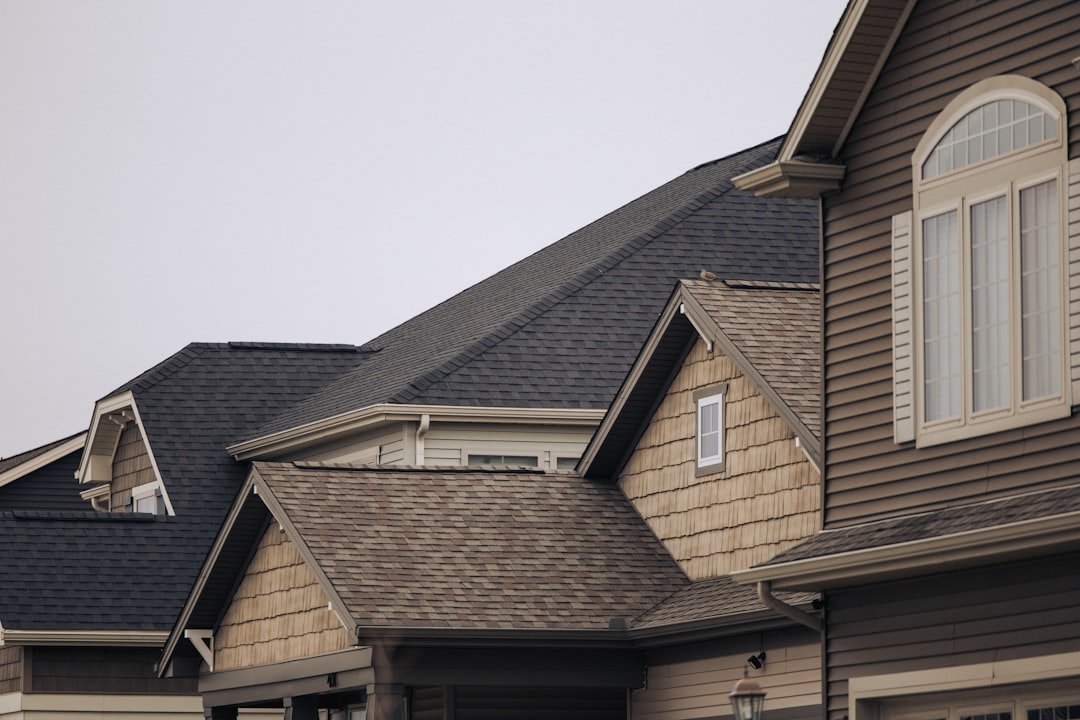
Roof systems are one of the most important components of any building because they provide essential protection against weather, temperature changes, and environmental damage. A strong and well-maintained roof ensures the safety of the entire structure while also improving energy efficiency and comfort indoors. Over time, roofs naturally face wear and tear due to continuous exposure to sunlight, rain, wind, and seasonal changes. Without proper care, minor issues can quickly develop into major structural problems that require expensive repairs. This is why regular roof maintenance is essential for preserving both residential and commercial properties. In many modern construction systems, flat roof maintenance is especially important because flat surfaces are more prone to water accumulation and hidden damage. Proper understanding of roof behavior helps property owners take timely action and extend the lifespan of their buildings.
Common Causes of Roof Damage and Deterioration
Roof damage can occur due to a variety of environmental, structural, and maintenance-related factors. One of the most common causes is prolonged exposure to harsh weather conditions such as heavy rainfall, extreme heat, and strong winds. These conditions gradually weaken roofing materials, leading to cracks, leaks, and surface deterioration. Poor drainage is another major issue, especially in flat roof systems where water can collect and remain stagnant. In such cases, flat roof maintenance becomes essential to prevent long-term water damage and structural weakening. Lack of regular inspection also contributes significantly to roof deterioration because small issues often go unnoticed until they become serious problems.Another major cause of roof damage is the use of low-quality materials or improper installation techniques. Even the best roofing materials can fail if they are not installed correctly, particularly at joints and seams where water infiltration is more likely. Over time, natural aging of materials also leads to reduced flexibility and strength. Debris such as leaves, dust, and branches can block drainage systems, increasing the risk of water pooling. Ignoring these factors can lead to mold growth, insulation damage, and internal leaks. Understanding these causes helps in developing effective strategies for long-term roof protection and timely maintenance planning.
Importance of Regular Roof Inspection and Monitoring
Regular inspection is a critical part of maintaining roof health and ensuring long-term durability. Many roofing problems start small and remain unnoticed until they cause significant damage. Inspections typically include checking for leaks, cracks, drainage issues, and surface wear. Early detection allows property owners to take corrective action before problems worsen. In flat roofing systems, flat roof maintenance plays an even more important role because water pooling and hidden moisture are common issues that can lead to serious structural damage.Professional inspections also evaluate flashing, joints, and sealing points, which are often the most vulnerable areas of a roof. These components are essential for preventing water intrusion and maintaining structural integrity. Regular monitoring helps identify weak points and ensures that necessary repairs are carried out on time. It also provides a clear understanding of the roof’s overall condition, helping property owners plan maintenance budgets more effectively. Without consistent inspection, minor issues can escalate into costly repairs that could have been avoided.
Materials Used in Modern Roofing Systems
Roofing systems are built using a wide range of materials, each offering different benefits in terms of durability, cost, and weather resistance. Common materials include asphalt shingles, metal sheets, rubber membranes, and bitumen-based systems. Each material performs differently depending on environmental conditions and usage requirements. For example, metal roofing is highly durable and resistant to extreme weather, while rubber-based systems offer flexibility and waterproofing advantages. In many modern buildings, flat roof maintenance relies heavily on membrane-based materials designed specifically to handle water exposure and prevent leakage.The selection of roofing material plays a major role in determining maintenance needs and overall lifespan. High-quality materials may require higher initial investment but significantly reduce long-term repair costs. Proper installation is equally important because incorrect fitting can lead to premature failure of even the best materials. Areas such as edges, seams, and joints require special attention during both installation and maintenance. Understanding material behavior helps property owners make informed decisions that improve roof performance and reduce long-term risks.
Role of Preventive Maintenance in Roof Longevity
Preventive maintenance is one of the most effective strategies for extending the life of a roof and minimizing repair costs. Instead of waiting for damage to occur, preventive care focuses on identifying potential issues early and resolving them before they escalate. This includes regular cleaning, debris removal, drainage checks, and surface inspections. In flat roofing systems, flat roof maintenance is a key preventive measure because standing water can quickly lead to structural damage if not addressed.Preventive maintenance also includes applying protective coatings that shield roofing materials from UV rays, moisture, and temperature fluctuations. These coatings help preserve the roof surface and improve overall durability. Scheduled maintenance ensures that roofing systems remain in optimal condition throughout the year, regardless of seasonal changes. Property owners who invest in preventive care often experience fewer emergencies, lower repair costs, and longer roof lifespan. This proactive approach is essential for maintaining building safety and performance.
Common Roof Problems and Early Warning Signs
Roofs often show warning signs before major damage occurs, and recognizing these signs is essential for timely repair. Common issues include water stains, leaks, sagging surfaces, and visible cracks. In flat roofing systems, water pooling is one of the most common indicators of drainage problems. This makes flat roof maintenance essential for preventing long-term structural damage caused by stagnant water.Other warning signs include mold growth, peeling surfaces, and increased indoor humidity levels. These symptoms often indicate hidden roof damage that requires immediate attention. Ignoring these signs can lead to insulation failure, interior damage, and significantly higher repair costs. Regular monitoring helps detect problems early and ensures that corrective measures are taken before the damage spreads. Early intervention is always more cost-effective than major restoration work.
Repair and Restoration Techniques for Roof Systems
Roof repair methods depend on the type and severity of damage. Minor issues such as small cracks or leaks can often be fixed using sealants or patching materials. More severe damage may require partial replacement of roofing sections or application of new protective layers. In many situations, flat roof maintenance includes resurfacing techniques that restore the roof without requiring full replacement.Advanced restoration methods may involve waterproof membrane installation, reflective coatings, and structural reinforcement. These techniques not only repair damage but also enhance the overall performance of the roof. Proper assessment is essential before selecting a repair method to ensure long-lasting results. Timely repairs prevent further deterioration and help maintain the strength and safety of the building structure.
Cost Considerations and Long-Term Benefits
Roof maintenance costs depend on factors such as material type, damage level, and building size. While regular maintenance requires investment, it is far more cost-effective than major repairs or complete roof replacement. Early flat roof maintenance significantly reduces long-term expenses by preventing serious structural issues from developing.High-quality materials and professional services may have higher upfront costs but offer better durability and reduced maintenance requirements over time. Well-maintained roofs also improve energy efficiency by regulating indoor temperature, which reduces utility bills. Property owners who prioritize maintenance benefit from increased property value and fewer unexpected repair expenses. Proper financial planning for roof care ensures long-term stability and savings.
Environmental Impact and Sustainable Roofing Practices
Modern roofing practices are increasingly focused on sustainability and environmental responsibility. Eco-friendly materials and energy-efficient coatings help reduce environmental impact while improving building performance. In systems requiring flat roof maintenance, reflective coatings are commonly used to reduce heat absorption and improve energy efficiency.Recycling old roofing materials and using sustainable installation methods also contribute to environmental protection. Green roofing systems and solar-compatible designs are becoming more popular in modern construction. These innovations help reduce carbon footprints while enhancing building efficiency. Sustainable roof maintenance practices ensure long-term environmental and economic benefits.
Conclusion
In conclusion, proper roof maintenance is essential for ensuring the safety, durability, and long-term performance of any building. Regular inspections, preventive strategies, and timely repairs play a crucial role in extending roof lifespan and avoiding costly damage. Special attention to flat roof maintenance is necessary due to the unique challenges associated with flat surfaces, such as water pooling and hidden moisture issues. By investing in quality materials, consistent upkeep, and professional care, property owners can ensure strong, reliable, and long-lasting roofing systems.
HOW DO YOU FEEL ABOUT FASHION?
COMMENT OR TAKE OUR PAGE READER SURVEY
Featured



Finding the right job in human resources or recruitment can take time, especially when you're searching online.