
The Lasting Influence of Neon, Chrome, and Animated Lights on Contemporary Entertainment
PAGE
By PAGE Editor
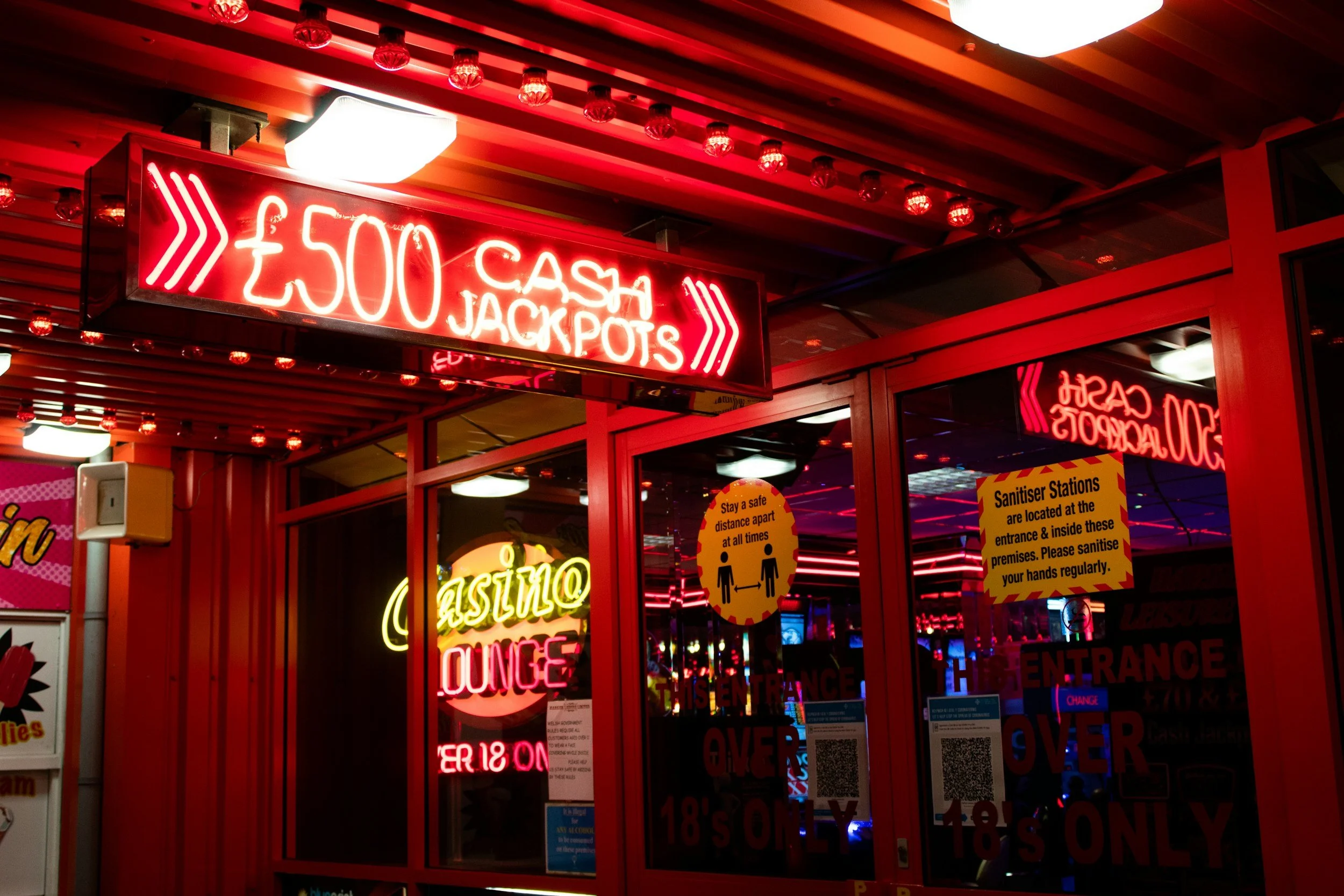
There is a specific visual language that signals fun, and most of us absorbed it without ever being taught. Glowing neon in electric pink and cyan, gleaming chrome surfaces, lights that pulse and chase and animate, all set against a deep dark backdrop so the colors seem to radiate. It is the look of the arcade, the pinball hall, the neon-lit strip after dark, and it has proven astonishingly durable. Decades after the golden age of the physical arcade faded, its visual vocabulary is everywhere in contemporary entertainment, shaping everything from music videos to game interfaces to the way whole films are lit. Understanding why this particular aesthetic refuses to die reveals something about how nostalgia, technology, and the simple signaling of pleasure all work together.
The birth of a visual language
The look originates in a specific time and place: the video arcades of the late 1970s through the early 1990s, at the height of their cultural power. These were dimly lit rooms illuminated almost entirely by the machines themselves, countless cabinets glowing with vibrant light, their screens throwing off vector graphics and pixel art, their buttons and joysticks lit from within. The whole environment was engineered to pull a passerby toward the next game, and the sensory package, the glow, the color, the animated light, the chiptune sound, became inseparable from the feeling of play itself.
That environment produced a coherent aesthetic that design culture later named and codified. The arcade look is built from a recognizable kit: neon and fluorescent colors, especially pink, cyan, and green, set against near-black backgrounds, plus CRT screens, glowing joysticks, patterned carpets, and the warm clutter of tokens and tickets. These were never arbitrary color choices. The palette came directly from the physical reality of the technology, the phosphors of a CRT tube, the glow of laser light, the luminous output of early computer graphics. The colors carried the fingerprint of the machines that produced them, which is exactly why they still read as "electronic fun" to this day.
Nostalgia becomes a movement
The arcade aesthetic might have faded into pure history, but instead it was reborn as a full-blown design movement. The synthwave and retrowave style that exploded across music, art, and film over the past two decades is, at its core, a loving exaggeration of the arcade's visual language. It takes the neon grid, the chrome reflection, the digital sunset, and the wireframe horizon and turns them into a coherent retro-futurist system, a vision of the 1980s future that never actually arrived, reassembled from arcade cabinets and VHS covers and sci-fi movie posters.
What makes synthwave more than simple nostalgia is how completely it has crossed back into the mainstream. The aesthetic now shapes album art, film lighting, fashion, product branding, and digital design at every level. Its signature move, maximum saturation against maximum darkness so that every element seems to emit its own light, has become one of the most recognizable looks in contemporary visual culture. The arcade did not just leave a memory. It left a grammar that designers still speak fluently, because it communicates energy and pleasure faster than almost anything else in the visual toolkit.
From the arcade floor to the screen
Nowhere is this heritage more visible than in the design of digital entertainment, where the arcade's glowing vocabulary translates almost directly onto the screen. The look of animated lights, symmetrical framing, and celebratory color that once defined a bank of physical cabinets now defines their digital descendants. A platform offering free slots is a clear example of this lineage in action, carrying the neon-and-chrome visual language forward with pulsing lights, bright celebratory color, and animated feedback drawn straight from the arcade tradition, all rendered on screen and playable purely for fun with no real-money stakes involved. The aesthetic does exactly what it always did, signaling liveliness and reward at a glance, which is why it remains such a natural fit for entertainment built around quick, bright, satisfying moments.
The continuity is striking when you look for it. The same design instincts that lit a 1985 arcade cabinet, draw the eye, promise excitement, celebrate a win with a burst of light and sound, are alive and well in the interfaces of contemporary digital entertainment. The medium changed from physical to digital, but the visual grammar of fun carried over almost unchanged, because it was too effective to abandon.
Why the look signals fun so efficiently
The reason this aesthetic endures is that it does an enormous amount of communicative work in an instant. Glowing light against darkness triggers an immediate sense of occasion and excitement, the same way a lit-up fairground or a neon marquee does. Animated, chasing lights suggest activity and reward. Chrome and gloss read as premium and exciting. Put them together and you have a visual shorthand for "something enjoyable is happening here" that requires no explanation and crosses every language barrier.
This efficiency is why the look gets reached for whenever an experience needs to feel lively and rewarding at a glance. It is the visual equivalent of a fanfare. Entertainment products of every kind lean on it precisely because it front-loads the feeling of fun before a person has engaged with a single piece of actual content, setting an expectation of pleasure that the experience then delivers on.
The psychology of the glowing reward
Part of what makes the aesthetic so sticky is how neatly it pairs with the structure of reward-based entertainment. Bright animated light is the natural language of celebration, and any experience that wants to make a moment of success feel good reaches instinctively for glow, color, and motion. This is visible far beyond gaming, in the design of everything from rewards programs to app interfaces, where a burst of celebratory visual feedback marks an achievement. Someone comparing the best casino rewards programs or the loyalty perks of any entertainment service is responding, in part, to exactly this kind of designed celebration, the visual and interactive flourish that makes a reward feel like an event rather than a line item.
The lesson the arcade taught, and that contemporary entertainment absorbed completely, is that presentation is not separate from pleasure. How a reward looks and feels in the moment of delivery shapes how rewarding it actually is. Neon, chrome, and animated light are the tools that turn a simple outcome into a small celebration, which is why they have outlasted the machines that first made them famous.
A grammar that keeps its charge
The arcade as a physical place has largely passed into history, but its visual language is arguably more powerful now than at its peak. It has been absorbed into design culture so thoroughly that most people who respond to it have no memory of the original arcades at all. They simply recognize, on some pre-verbal level, that glowing light against darkness means fun. That is the mark of a truly successful aesthetic: it outlives its origin and becomes a permanent part of the vocabulary. Neon, chrome, and animated light will keep lighting up contemporary entertainment for the same reason they always have, because nothing else says "this will be enjoyable" quite so instantly, and the promise of enjoyment is the one thing entertainment can never stop making.
HOW DO YOU FEEL ABOUT FASHION?
COMMENT OR TAKE OUR PAGE READER SURVEY
Featured





As European organisations continue to modernise their digital environments, the demand for practical technology services is increasingly being shaped by operational complexity rather than by simple software adoption.