
Understanding Residential Painting Services and Their Impact on Home Appearance and Maintenance
PAGE
By PAGE Editor
Residential painting is one of the most effective and affordable ways to enhance the appearance, comfort, and value of a home. Whether it involves refreshing interior walls, updating exterior surfaces, or completely changing a property’s color scheme, painting plays a vital role in maintaining and improving living spaces. A well-executed paint job not only improves aesthetics but also protects surfaces from wear, weather damage, and long-term deterioration. For homeowners, understanding the importance of quality residential painting can make a significant difference in achieving durable and visually appealing results.
In modern home improvement practices, residential painting is no longer seen as a simple decorative task. It has become a specialized service that combines design knowledge, material science, and technical skill. From selecting the right paint type to preparing surfaces correctly, every step influences the final outcome. A professionally painted home reflects care, style, and attention to detail, making it more inviting and comfortable for residents and visitors alike.
The Importance of Residential Painting in Home Maintenance
Residential painting is essential not only for aesthetic improvement but also for protecting a home’s structural integrity. Walls, ceilings, and exterior surfaces are constantly exposed to environmental factors such as sunlight, moisture, dust, and temperature changes. Over time, these elements can cause fading, cracking, peeling, and even structural damage if surfaces are not properly maintained.
A fresh coat of paint acts as a protective barrier, shielding surfaces from these damaging effects. Exterior paint, in particular, plays a crucial role in preventing water penetration, which can lead to mold growth, wood rot, and weakening of structural components. Interior paint also contributes to a healthier living environment by sealing surfaces and reducing dust accumulation.
Beyond protection, residential painting helps maintain the overall cleanliness and freshness of a home. Walls naturally accumulate stains, marks, and discoloration over time, especially in high-traffic areas such as living rooms, hallways, and kitchens. Repainting these areas restores a clean and polished appearance, improving the overall ambiance of the home.
Enhancing Aesthetic Appeal Through Color Selection
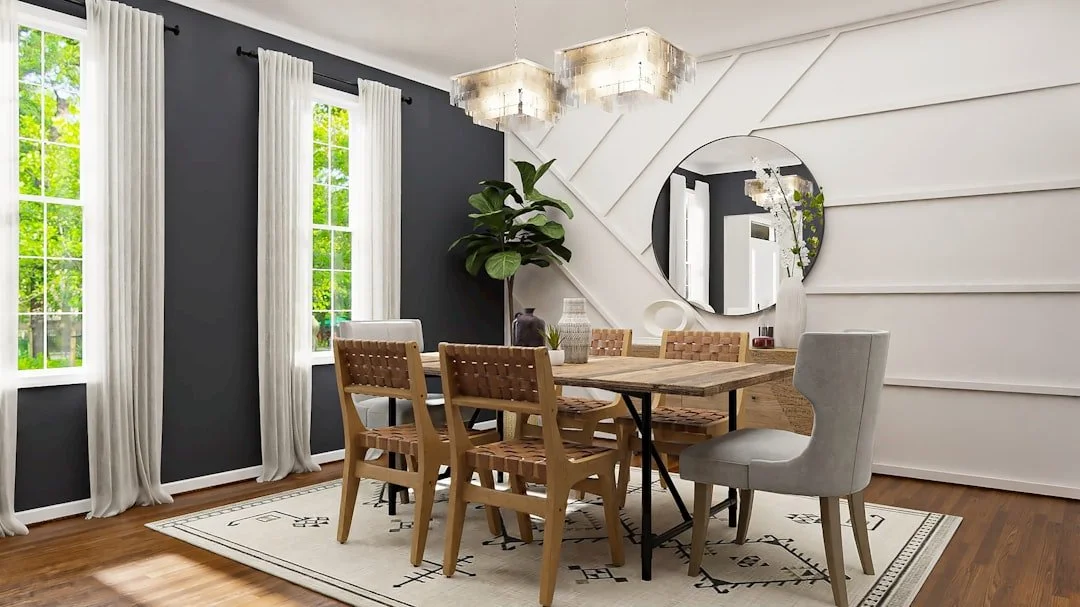
One of the most impactful aspects of residential painting is color selection. The colors chosen for a home can significantly influence mood, perception, and overall design harmony. Light colors such as white, beige, and soft pastels create a sense of openness and calmness, making rooms appear larger and brighter. On the other hand, darker tones add depth, sophistication, and warmth to interior spaces.
Modern homeowners often experiment with accent walls, textured finishes, and color combinations to create unique interior designs. Accent walls, for example, allow a specific area of a room to stand out without overwhelming the entire space. This technique is commonly used in living rooms, bedrooms, and dining areas to highlight architectural features or decorative elements.
Exterior color selection is equally important, as it contributes to curb appeal and first impressions. A well-chosen exterior palette can make a home look modern, elegant, or traditional depending on the desired style. It also helps the property blend harmoniously with its surroundings while still maintaining individuality.
Professional painters often assist homeowners in selecting colors that complement lighting conditions, furniture, flooring, and architectural style. This guidance ensures that the final result is visually balanced and aesthetically pleasing.
Surface Preparation: The Foundation of Quality Painting
Successful residential painting begins long before the first coat of paint is applied. Surface preparation is one of the most critical stages in the entire process, as it directly affects the durability and appearance of the final finish. Without proper preparation, even high-quality paint may fail to adhere correctly or achieve a smooth, long-lasting result.
Surface preparation typically involves cleaning, sanding, repairing, and priming. Cleaning removes dust, grease, and stains that could interfere with paint adhesion. Sanding helps smooth uneven surfaces and remove old peeling paint. Any cracks, holes, or imperfections are filled and repaired to create a uniform base.
Priming is another essential step, especially when painting over dark colors or new surfaces. Primer helps seal the surface, improves paint adhesion, and enhances color consistency. It also reduces the number of paint coats required, making the process more efficient and cost-effective.
Professional painters pay close attention to these preparation steps because they understand that the quality of preparation determines the quality of the final result. A well-prepared surface ensures that paint lasts longer, looks smoother, and performs better under various conditions.
Different Types of Paint Used in Residential Projects
Residential painting projects involve different types of paints, each designed for specific applications and environments. Choosing the right type of paint is essential for achieving durability, finish quality, and long-term performance.
Water-based paints, also known as latex paints, are commonly used for interior walls and ceilings. They dry quickly, have low odor, and are easy to clean, making them ideal for living spaces. These paints are also environmentally friendly and resistant to cracking and fading.
Oil-based paints, although less commonly used today, are still preferred for certain applications such as doors, trims, and high-moisture areas. They provide a durable and smooth finish but require longer drying times and proper ventilation during application.
Specialty paints include washable paints, anti-mold paints, and textured finishes. Washable paints are ideal for homes with children, as they allow easy cleaning of stains and marks. Anti-mold paints are used in humid environments such as bathrooms and kitchens to prevent fungal growth. Textured paints add depth and character to walls, creating unique visual effects.
Exterior paints are specially formulated to withstand harsh weather conditions, including UV exposure, rain, and temperature fluctuations. These paints contain protective additives that enhance durability and maintain color vibrancy over time.
The Role of Professional Painters in Residential Projects
While some homeowners attempt DIY painting projects, hiring professional painters often leads to significantly better results. Professional residential painting services bring experience, technical expertise, and specialized equipment that ensure high-quality finishes and long-lasting durability.
Experienced painters understand how to handle different surface types, paint formulations, and environmental conditions. They are skilled in applying even coats, avoiding streaks, and achieving smooth finishes. Their knowledge of techniques such as rolling, brushing, and spraying ensures that each surface is treated appropriately.
Professional painters also work efficiently, completing projects within a shorter timeframe compared to DIY efforts. This is especially important for large homes or multi-room projects where time and consistency are critical factors.
Safety is another important advantage of hiring professionals. Painting exterior surfaces or high walls often involves ladders, scaffolding, and other equipment that require proper training and precautions. Professionals are equipped to handle these challenges safely and effectively.
Residential Painting and Property Value Enhancement
One of the most overlooked benefits of residential painting is its impact on property value. A freshly painted home often appears more modern, well-maintained, and attractive to potential buyers. This visual improvement can significantly increase market appeal and selling price.
Exterior painting plays a particularly important role in real estate presentation. First impressions are crucial, and a clean, freshly painted exterior immediately signals that the property is well cared for. Interior painting also contributes to perceived value by making rooms feel updated and move-in ready.
Neutral color schemes are often recommended for homes intended for resale, as they appeal to a broader range of buyers. Bright or highly personalized colors may not suit every buyer’s preference, whereas neutral tones create a clean and versatile canvas.
Investing in residential painting is therefore not just about aesthetics but also about financial return. It is one of the most cost-effective home improvement strategies for increasing property value.
Maintenance Tips for Long-Lasting Painted Surfaces
Proper maintenance is essential for preserving the appearance and durability of painted surfaces. Regular cleaning helps prevent dust buildup, stains, and discoloration. Using a soft cloth or mild cleaning solution is usually sufficient for maintaining interior walls.
Avoiding excessive moisture exposure is important, especially in areas like bathrooms and kitchens. Proper ventilation helps reduce humidity levels and prevents paint damage over time. Small cracks or chips should be repaired promptly to prevent further deterioration.
For exterior surfaces, periodic inspections help identify signs of wear caused by weather conditions. Touch-up painting may be required in areas exposed to direct sunlight or heavy rain. Proper maintenance extends the life of paint and reduces the need for frequent repainting.
Modern Trends in Residential Painting
Residential painting has evolved significantly with new trends and technologies influencing design choices. One popular trend is the use of eco-friendly paints that contain low or zero volatile organic compounds (VOCs). These paints are safer for indoor air quality and environmentally sustainable.
Another growing trend is the use of minimalist color palettes that emphasize simplicity and elegance. Shades of white, gray, and earthy tones are widely used in modern homes to create calm and sophisticated environments.
Textured and decorative finishes are also gaining popularity, allowing homeowners to add depth and personality to interior walls. Techniques such as sponging, rag rolling, and geometric patterns provide creative alternatives to traditional flat finishes.
Smart color design, where lighting and spatial planning are considered during color selection, is also becoming more common. This approach ensures that paint colors look consistent and appealing under different lighting conditions throughout the day.
Conclusion: The Lasting Value of Residential Painting
Residential painting is far more than a cosmetic upgrade; it is an essential aspect of home maintenance, protection, and design. It enhances the visual appeal of living spaces, protects surfaces from environmental damage, and contributes to increased property value. Whether applied to interiors or exteriors, a well-executed paint job transforms a house into a more comfortable, attractive, and functional home.
From careful surface preparation to thoughtful color selection and professional application, every stage of residential painting plays a crucial role in achieving lasting results. With the right materials, techniques, and maintenance practices, homeowners can enjoy beautiful and durable finishes for many years.
In today’s evolving home improvement landscape, residential painting continues to be one of the most impactful investments for improving quality of life and property aesthetics. It combines creativity, protection, and value enhancement in a way that few other home improvement projects can match.
HOW DO YOU FEEL ABOUT FASHION?
COMMENT OR TAKE OUR PAGE READER SURVEY
Featured




As European organisations continue to modernise their digital environments, the demand for practical technology services is increasingly being shaped by operational complexity rather than by simple software adoption.