
What Causes Soap Dispensers and Bathroom Accessories to Develop Sticky Buildup?
PAGE
By PAGE Editor
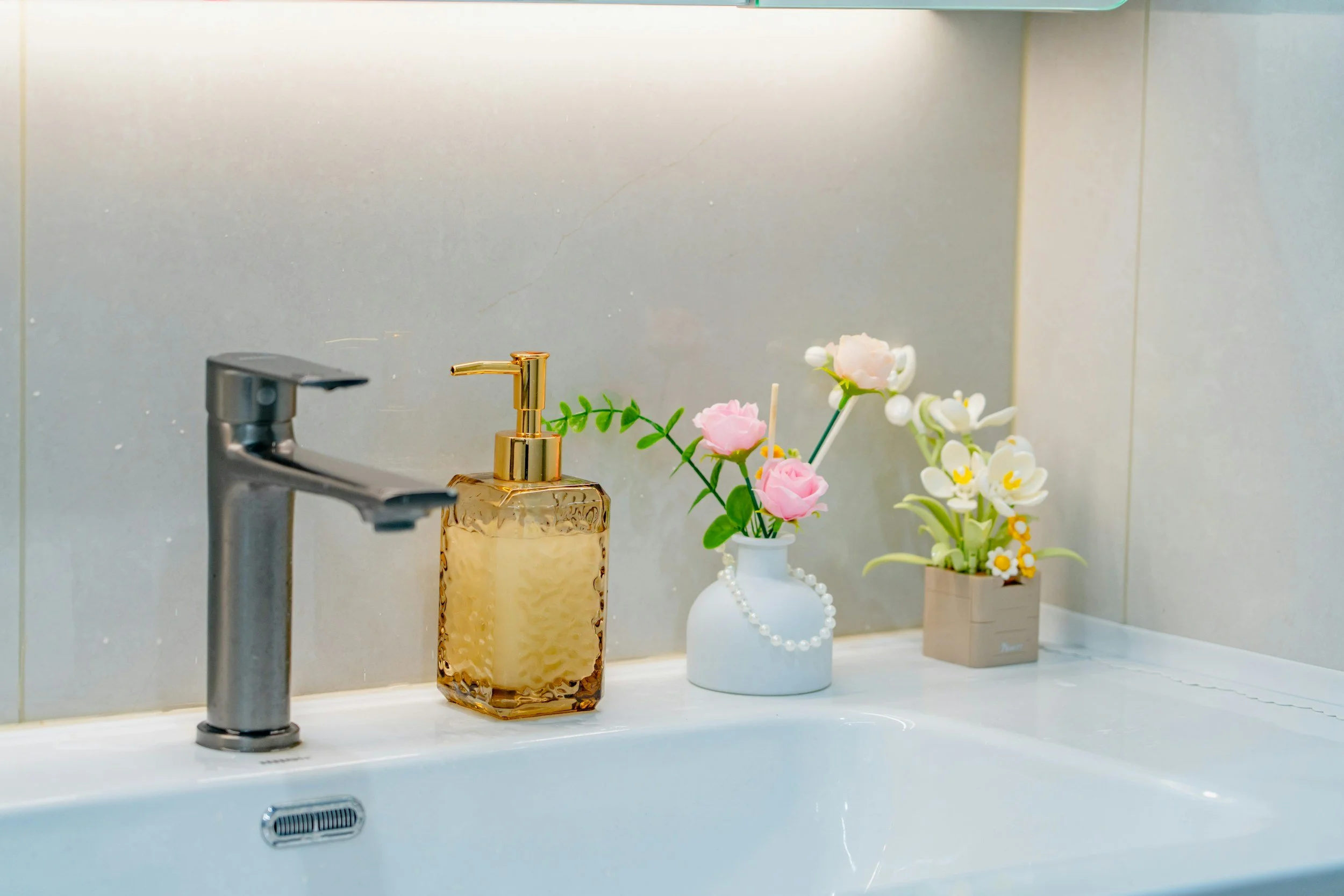
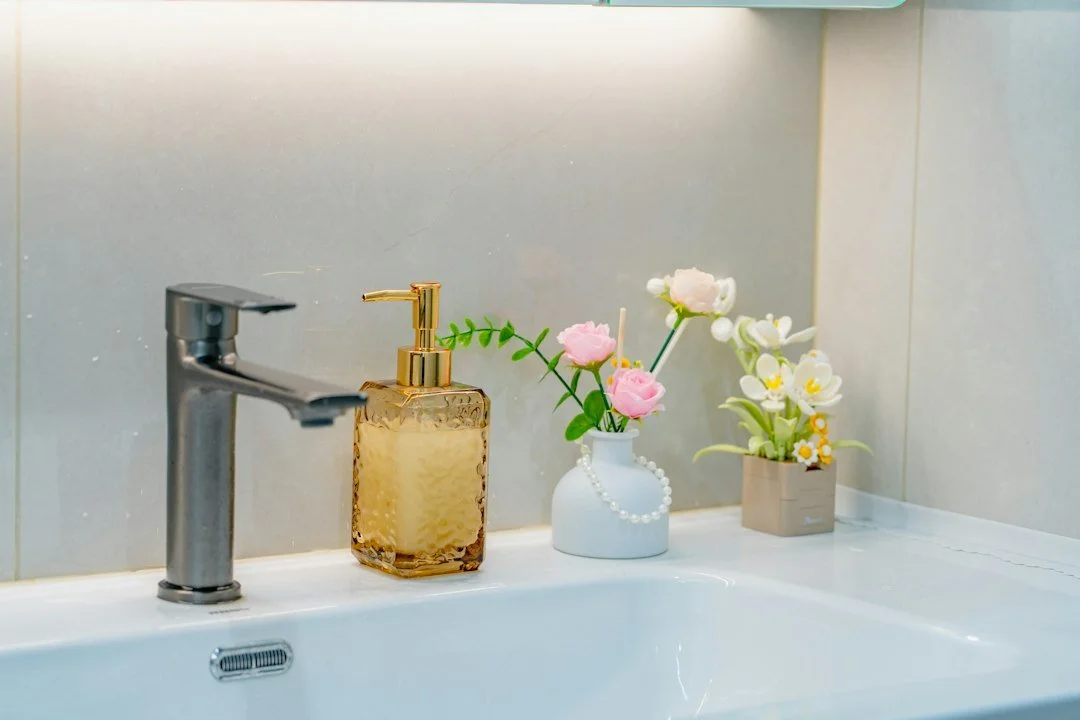
A bathroom sink can look freshly cleaned while the accessories surrounding it remain covered in sticky residue. Soap dispensers develop dried deposits around their pumps, toothbrush holders collect moisture underneath, and decorative trays gradually accumulate a mixture of dust, soap, and skincare products. These small areas are often overlooked because they seem less important than cleaning the sink, toilet, or shower.
The problem usually develops gradually. Each time someone washes their hands, brushes their teeth, or reaches for a bathroom product, small amounts of moisture and residue can settle on nearby surfaces. Regular bathroom cleaning helps control this buildup, but accessories require occasional individual attention because wiping around them rarely removes everything underneath.
Detailed cleaning routines associated with CJM Cleaning are relevant to these everyday bathroom problems, particularly where soap film, dust, and moisture affect vanity surfaces and fixtures. Understanding how residue develops makes it easier to remove without damaging decorative finishes or creating additional cleaning work.
Why Soap Dispensers Become Sticky Around the Pump
Liquid soap is designed to spread easily, which makes it convenient for handwashing but troublesome when small amounts escape around a dispenser. Each press of the pump can leave a drop near the nozzle. Some of that soap dries on the outside, while another portion may run down toward the base.
Over time, repeated deposits form a sticky layer that attracts dust and hair. A dispenser may also become difficult to operate when dried soap collects around the pump mechanism.
The first step is to wipe away visible residue using a soft cloth dampened with warm water. If the soap has hardened, allow a little moisture to soften it before gently removing the buildup. Avoid forcing the pump mechanism or using sharp tools to scrape dried deposits.
Removable pumps may be cleaned according to the manufacturer's instructions. However, some decorative dispensers have sealed components that should not be taken apart. After cleaning, dry the exterior and check whether liquid is leaking from the container.
How Moisture Creates Hidden Grime Beneath Bathroom Accessories
The underside of bathroom accessories often becomes dirtier than the visible surfaces. Water splashes from the sink, runs down containers, and settles beneath objects that remain in the same position for long periods.
When moisture mixes with soap residue, toothpaste, or dust, it can form a stubborn film. On certain surfaces, repeated dampness may also leave mineral marks or discoloration.
Inspect the surfaces beneath accessories
Lift lightweight soap dispensers, cups, and trays periodically to examine the countertop beneath them. Remove loose debris first, then clean any residue using a product suitable for the vanity material.
Natural stone, painted wood, laminate, and solid-surface countertops may have different cleaning requirements. Acidic products that remove mineral deposits from some materials can damage others, so avoid using strong cleaners without checking compatibility.
Dry both the countertop and the accessory before putting everything back. Returning a wet container to a freshly cleaned surface can quickly recreate the same problem.
Why Toothbrush Holders and Soap Dishes Need Separate Cleaning
Toothbrush holders are exposed to repeated moisture because toothbrushes are often returned shortly after rinsing. Small amounts of toothpaste and water can collect at the bottom, particularly in containers with narrow openings.
A holder that looks clean from the outside may contain residue inside its compartments. Empty it regularly and wash washable components with mild detergent and water. A small, soft brush can reach difficult corners without scratching the material.
Soap dishes experience a different problem. Bar soap gradually softens when exposed to water, leaving a film that collects along the dish and nearby countertop.
Dishes with drainage openings may reduce standing water, but those openings can become blocked by softened soap. Cleaning the dish and removing accumulated residue helps prevent the soap from sitting in a permanently damp container.
Bathroom accessories made from decorative stone, untreated wood, or delicate metals may need more careful treatment than ordinary plastic or glazed ceramic products.
Common Cleaning Mistakes That Make Residue Worse
One common mistake is spraying an entire bathroom vanity without removing the accessories first. Cleaning solution may collect beneath containers, while the surfaces directly underneath remain untouched.
Another problem is using abrasive pads to remove hardened residue. Although scrubbing may loosen dried soap, it can scratch glossy plastic, metal coatings, and delicate countertop finishes.
Excessive water also creates unnecessary risks. Moisture can enter wooden cabinet joints, damage vulnerable materials, and remain trapped beneath decorative trays.
Using stronger chemicals than necessary is rarely helpful for ordinary soap buildup. Mild detergent and gentle wiping are often suitable for washable surfaces, while specialized products should be reserved for materials and residues they are designed to treat.
Never mix household cleaning chemicals. If a disinfectant is needed, follow its label instructions and use it only on compatible surfaces.
When Bathroom Accessories Need a More Detailed Clean
A quick wipe may be sufficient for fresh fingerprints, but accumulated soap film requires more attention. Persistent stickiness around dispenser bases, residue in tray corners, and cloudy marks near the sink suggest that ordinary surface wiping has missed some areas.
During deep bathroom cleaning, accessible vanity surfaces, sinks, faucets, and nearby fixtures deserve attention together. This is where the services of CJM Cleaning Wyckoff fit naturally into a broader bathroom maintenance routine. Removing soap residue from suitable surfaces, wiping countertops, addressing grime around fixtures, and cleaning exposed floor areas are connected tasks that can improve the condition of the room beyond a basic tidy-up.
Personal accessories should still be handled carefully. Fragile decorations, specialty finishes, and belongings that require individual washing may fall outside ordinary cleaning arrangements. Clarifying these items before a professional cleaning visit helps prevent misunderstandings.
If residue keeps returning immediately after cleaning, inspect the dispenser for leaks or a damaged pump. Replacing a faulty accessory may solve the problem more reliably than repeatedly cleaning the same spill.
Keep Bathroom Accessories Cleaner Between Full Cleaning Sessions
Preventing sticky buildup is easier when small cleaning habits become part of normal bathroom use. Wipe obvious soap drips after refilling dispensers, rinse washable soap dishes when residue develops, and avoid leaving wet items directly on moisture-sensitive countertops.
Accessories should have enough space around them for easy wiping. A crowded vanity makes it difficult to reach the sink edges and encourages moisture to remain beneath containers.
Washable trays can make cleaning easier by keeping related items together. However, the tray itself should be lifted occasionally so the countertop underneath can dry.
For shared bathrooms, frequently handled accessories may require closer attention because several people use them throughout the day. Guest bathrooms may accumulate less soap residue but can still collect dust and moisture.
When planning recurring bathroom maintenance with CJM Cleaning, accessible fixture cleaning and countertop wiping can be discussed separately from washing personal accessories. This helps maintain realistic expectations while keeping the main bathroom surfaces consistently clean.
Small Cleaning Habits Prevent Stubborn Bathroom Buildup
Soap dispensers, toothbrush holders, and bathroom accessories often become dirty because residue collects in places that are difficult to see. Dried soap around pumps, trapped water beneath containers, and deposits inside holders can remain even after the surrounding sink looks clean.
The best approach is to remove fresh residue before it hardens, clean accessories according to their materials, and allow damp surfaces to dry completely. Occasional attention beneath containers also prevents hidden grime from accumulating.
Keeping these small areas clean makes everyday bathroom maintenance easier and reduces the need for repeated scrubbing. A tidy vanity becomes much easier to maintain when the objects sitting on it receive appropriate care.
HOW DO YOU FEEL ABOUT FASHION?
COMMENT OR TAKE OUR PAGE READER SURVEY
Featured



Certificate of Analysis is the primary document used to assess the quality, purity, and identity of synthesized peptides.