
Why Desktop Messaging Still Matters in a Mobile-First World
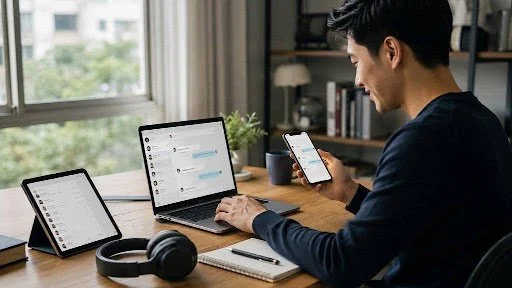
PAGE
By PAGE Editor
For years, the smartphone has been treated as the center of digital communication. Messages arrive in a pocket, replies happen between meetings, and conversations continue while commuting, traveling, or standing in line for coffee. Mobile devices have made communication nearly continuous, but that does not mean every conversation is best handled on a small screen.
As work, entertainment, social life, and personal organization increasingly overlap, people move between several devices throughout the day. A conversation may begin on a phone in the morning, continue on a laptop during work hours, and return to a mobile device later in the evening. The result is not a mobile-only lifestyle, but a multi-screen one.
Desktop messaging remains relevant because it serves a different purpose. It turns communication from something that interrupts another activity into something that can become part of an existing digital workspace.
The Phone Is No Longer the Only Communication Screen
Smartphones are exceptionally good at short interactions. They make it easy to read a new message, send a quick response, share a photo, or check a group conversation without needing to sit down at a desk.
The situation changes when communication becomes more demanding.
Writing a detailed response, reviewing multiple documents, comparing information, or organizing several conversations is often easier on a larger display. A physical keyboard can also make long-form communication more comfortable, particularly for people who already spend much of their day working on a computer.
This helps explain why desktop versions of messaging services have continued to exist even as mobile apps have become dominant. The two environments are not necessarily competing with each other. Instead, they serve different moments.
A phone works well when mobility matters. A computer works well when attention, organization, and sustained interaction matter.
For many users, the ideal experience is therefore not choosing one screen permanently, but being able to move between screens without losing context.
Why the Desktop Still Has a Place
The continued usefulness of desktop messaging becomes especially clear during work or study.
Someone who is already using a laptop for documents, research, design, spreadsheets, or web browsing may find it distracting to repeatedly reach for a phone whenever a message arrives. Moving communication onto the same device can reduce this constant physical and mental switching.
Desktop environments also make common communication tasks easier. Files can be dragged directly from folders, text can be copied between applications, links can be opened alongside a conversation, and multiple windows can remain visible at once.
For users who already spend significant time on a computer, tools such as Telegram Desktop can fit naturally into this kind of routine by keeping conversations and shared files accessible without requiring constant movement between a laptop and a phone.
The benefit is not simply convenience. It is continuity.
When communication is available within the same workspace as the rest of a person's digital activity, messages become easier to integrate into whatever task is already taking place.
Messaging Has Become Part of the Workspace
The modern digital workspace is no longer defined by one application.
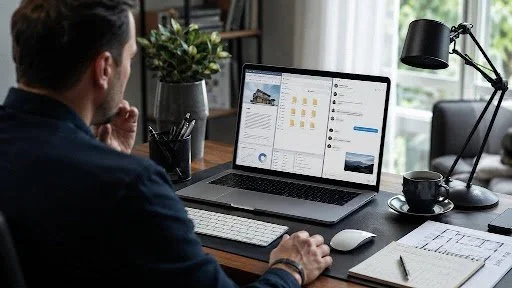
A typical screen might contain a browser, email inbox, cloud document, project management tool, video meeting window, and several ongoing conversations. Messaging has become another layer of this environment rather than a separate activity.
This shift is particularly visible in remote and hybrid work, but it also affects students, freelancers, creators, families, and communities that coordinate across locations.
A designer might receive feedback through a message while editing a project. A student may exchange notes while researching in a browser. Someone planning a trip could compare links, maps, reservations, and group suggestions at the same time.
In each case, desktop communication works because the conversation exists beside the material being discussed.
This is difficult to reproduce when information is divided between a computer screen and a phone. Moving between devices may only take a few seconds, but repeated dozens of times throughout the day, those small interruptions can fragment attention.
Desktop messaging does not eliminate distraction. In some cases, it can even increase it if notifications are left uncontrolled. Its advantage comes from giving users another way to decide where communication belongs within their routine.
Digital Habits Are Also Shaped by Language
Digital behavior is influenced not only by devices but also by language.
The same application can be described very differently depending on the region, search habits, operating system, or language a person uses. English-speaking users might look for a “desktop app,” “PC version,” or “computer version,” while people in other markets may rely on localized terminology that feels more familiar.
These differences matter because software discovery is often shaped by the words users already know.
In Chinese-speaking communities, for example, the desktop version of a messaging application may simply be described as Telegram 电脑版, while another user may search for the same type of software using an English product name.
Neither approach changes the underlying purpose of the application. It simply reflects the way global digital products are interpreted through local language.
This is increasingly common as online communities become more international. A single group chat may contain people using different interface languages, operating systems, and terminology, even though everyone is participating in the same conversation.
Multilingual digital habits are therefore becoming part of ordinary technology use rather than a specialist concern.

Convenience Should Not Replace Digital Awareness
Moving communication across several devices creates convenience, but it also makes basic digital awareness more important.
Before installing any desktop application, users should understand which operating system they are using and whether the software version is appropriate for that environment. Windows, macOS, and other platforms can require different installation packages.
It is equally important to pay attention to where software comes from. Unfamiliar download pages, modified installers, and unexpected executable files should be treated cautiously. Users should avoid assuming that every site using the name of a familiar application is operated by that application's original developer.
Account security matters as well.
When a messaging account is used on several devices, users should periodically review active sessions and remove devices they no longer recognize or use. Shared and public computers require particular care, since remaining signed in after leaving the machine can expose private conversations.
Two-step verification, strong passwords where applicable, software updates, and cautious handling of login codes can all reduce unnecessary risk.
These practices are simple, but they become more important as communication spreads across phones, tablets, laptops, and desktops.
A More Intentional Digital Routine
The larger question is not whether desktop messaging is better than mobile messaging.
It is how each device fits into a person's life.
Constant availability can create the impression that every notification deserves an immediate response. In reality, the ability to communicate from multiple screens is most useful when users also decide when those screens should demand attention.
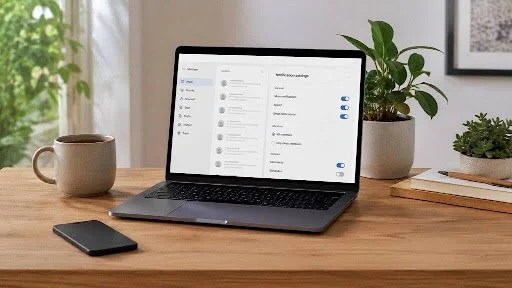
A desktop device might be used for focused communication during working hours, while a phone remains the primary option when moving around. Notifications can be limited, muted, or scheduled so that every group conversation does not interrupt concentrated work.
The same principle applies outside the workplace.
People can separate important conversations from casual ones, choose which devices receive alerts, and reduce the number of applications competing for attention. The goal is not to disconnect from digital communication, but to make it more deliberate.
Technology tends to be most useful when it adapts to human routines rather than forcing people to adapt constantly to it.
That may mean answering a short message from a phone while commuting and handling a longer discussion from a laptop later. It may mean keeping group chats available on a computer without allowing every notification to appear immediately.
The flexibility itself is the important part.
Communication That Moves With Us
The rise of smartphones changed the way people communicate, but it did not eliminate the value of larger screens.
Instead, modern communication has become increasingly fluid. Conversations now move with users from one device to another, shaped by context rather than by a single preferred screen.
Phones remain essential because they make communication portable. Desktop devices remain useful because they provide space, organization, and a more comfortable environment for longer interactions.
The most practical digital habits recognize the strengths of both.
As multi-device lifestyles become normal, the future of messaging is unlikely to be defined by choosing between mobile and desktop. It will be defined by how smoothly communication can follow people between them—and how thoughtfully users decide when each screen deserves their attention.
HOW DO YOU FEEL ABOUT FASHION?
COMMENT OR TAKE OUR PAGE READER SURVEY
Featured





Coordinate apartment painting and flooring with a practical plan for dusty work, skirting boards, access, floor protection, and final touch-ups.