
A Smarter Strategy for Protecting Your Property From Unwanted Pests
PAGE
By PAGE Editor
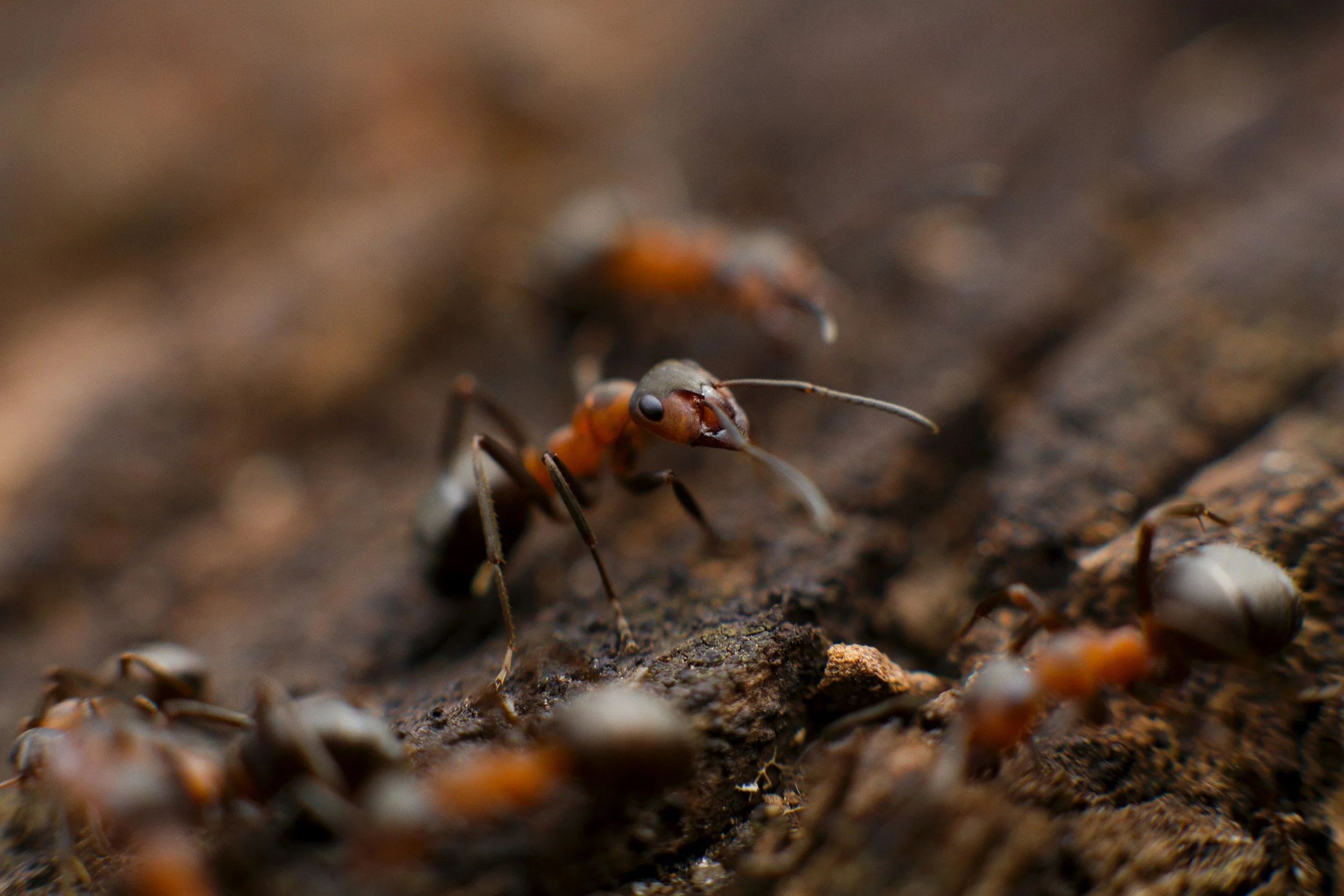
Maintaining a clean, comfortable, and well-protected property requires attention to many details, and controlling unwanted insects and other pests is an important part of that responsibility. Pest problems can develop gradually, often beginning in areas that receive little attention before spreading into more noticeable parts of a building. Kitchens, bathrooms, storage rooms, garages, attics, crawl spaces, utility areas, and exterior structures can all provide conditions that support pest activity. Food residue, moisture, clutter, structural openings, and sheltered spaces may give pests the resources they need to survive and reproduce. Because many infestations remain hidden during their early stages, waiting until the problem becomes obvious can make treatment more complicated. A proactive approach that combines inspection, treatment, property maintenance, and prevention can help property owners respond more effectively while reducing the likelihood of recurring activity.
Understanding How Pest Problems Begin
Pests generally enter and remain on a property because the environment provides something they need. Food, water, warmth, shelter, and suitable breeding areas can all influence whether insects or rodents establish themselves. Even a well-maintained building can experience pest activity because some species can enter through very small gaps or arrive through packages, stored materials, landscaping, or other routes. Once inside, they may move through concealed spaces and establish activity in areas that occupants rarely inspect.Understanding these contributing factors can help property owners recognize why simply removing visible pests may not resolve an infestation. If the underlying conditions remain unchanged, additional insects or rodents may continue to enter or reproduce. A comprehensive approach therefore looks beyond the immediate sighting and considers the entire property. Identifying the source of activity, determining how pests are gaining access, and reducing environmental conditions that support them can make long-term management more effective.
Recognizing Early Warning Signs
Early detection can make pest problems easier to manage. Property owners should pay attention to unusual droppings, damaged materials, nesting debris, insect wings, egg cases, unusual odors, gnaw marks, or repeated sightings. Some pests may leave trails or other evidence around food storage areas, cabinets, walls, insulation, roofing components, or structural openings. While one isolated sign may not always indicate a major infestation, repeated evidence should not be ignored.The location of the evidence can also provide useful information. Activity near plumbing fixtures may suggest moisture is contributing to the problem, while insects around pantry areas may be attracted to food sources. Rodent evidence near garages, foundations, or storage spaces may point toward exterior entry points. Professional inspection can help connect these signs and determine whether the issue is localized or affecting a larger portion of the property.
The Importance of Professional Inspection
A thorough inspection provides an opportunity to understand the actual conditions supporting pest activity. Professionals can examine areas that may be difficult for property owners to access and look for evidence of hidden insects, rodents, nesting areas, moisture problems, and potential entry points. The objective is not simply to identify what is visible but to determine how pests are using the property.Inspection can be especially important when pest activity continues after previous treatment. Repeated sightings may indicate that an entry point remains open, a hidden population has not been reached, or a food and moisture source continues to support activity. A professional can evaluate these possibilities and recommend measures based on the findings. This approach can be more effective than repeatedly treating visible pests without investigating why they continue to appear.
Reducing Food Sources
Accessible food can encourage pest activity, particularly in kitchens, food storage areas, restaurants, break rooms, and other spaces where food is handled. Crumbs, grease, spills, food packaging, and garbage can all become potential attractants. Property owners should maintain regular cleaning routines and pay attention to areas beneath appliances, inside cabinets, around counters, and near waste containers.Food should be stored in appropriate sealed containers whenever practical, especially products that have been opened. Damaged packages should be checked carefully, and expired food should be removed rather than left in storage. Garbage should be disposed of regularly, while waste containers should remain reasonably clean. These practices do not replace professional treatment when an infestation is established, but they can reduce the resources available to pests and support long-term prevention.
Controlling Moisture and Water
Moisture is another major factor that can contribute to pest activity. Leaking faucets, damaged pipes, condensation, clogged drains, standing water, and damp storage areas can provide insects and other pests with an important resource. Property owners should inspect areas beneath sinks, around appliances, near water heaters, and in utility spaces for signs of leaks or persistent dampness.Promptly repairing plumbing problems can reduce conditions that attract pests. Bathrooms, kitchens, laundry rooms, basements, and other moisture-prone spaces should also have suitable ventilation whenever possible. If persistent dampness results from drainage or structural issues, the underlying cause should be addressed rather than relying solely on pest treatment. Maintaining a reasonably dry environment can support both pest prevention and general property maintenance.
Sealing Potential Entry Points
Small openings can provide convenient access for insects and rodents. Cracks around foundations, gaps beneath doors, openings around utility lines, damaged screens, and poorly sealed vents can all create potential entry routes. Exterior inspections should therefore be included in routine property maintenance.Appropriate openings should be sealed with suitable materials, while damaged doors, screens, and weatherstripping should be repaired when necessary. Property owners should also monitor areas where pipes, cables, and other utilities enter the building because these locations can create concealed pathways. Reducing access can be particularly valuable when combined with interior treatment and environmental improvements.
Managing Clutter and Storage Areas
Clutter can create shelter and nesting opportunities for many types of pests. Cardboard boxes, paper products, unused equipment, stored clothing, and piles of miscellaneous materials can make it difficult to inspect walls, floors, corners, and other vulnerable spaces. Keeping storage areas organized can improve visibility and make it easier to detect signs of pest activity.Items that are rarely used should be stored appropriately, while unnecessary materials should be removed when practical. Boxes should not be allowed to accumulate unnecessarily, especially in damp or poorly ventilated areas. Organized storage also makes cleaning easier and reduces the number of places where pests can remain undisturbed.
Maintaining Outdoor Areas
The exterior of a property can have a direct influence on indoor pest activity. Overgrown vegetation, standing water, unmanaged debris, damaged structures, and poorly maintained drainage can create shelter and food sources for insects and rodents. Maintaining outdoor areas can therefore contribute to a stronger overall prevention strategy.Vegetation should be kept reasonably trimmed around the building, while leaves and organic debris should not be allowed to accumulate excessively near vulnerable areas. Gutters and drainage systems should be maintained so that water can move away from the structure effectively. Outdoor storage should also be organized to reduce concealed nesting areas. These improvements can make the property easier to inspect while reducing conditions that encourage pests to remain nearby.
Protecting Kitchens and Food Preparation Areas
Kitchens deserve particular attention because they combine several factors that can attract pests. Food, water, warmth, appliances, cabinets, and dark storage spaces can provide everything an infestation needs to become established. Regular cleaning should include areas that are easy to overlook, such as behind appliances, beneath cabinets, around sinks, and inside storage spaces.Property owners should monitor pantry products and avoid leaving food exposed unnecessarily. Spills should be cleaned promptly, and garbage should be managed consistently. Plumbing beneath sinks should also be checked for leaks or dampness. If pest activity continues despite good sanitation, professional inspection can help determine whether hidden activity or structural access is contributing to the problem.
Residential Pest Management
Homes can experience many types of pest activity, including ants, cockroaches, spiders, flies, rodents, termites, mosquitoes, stinging insects, and other unwanted species. Each pest has different behaviors and environmental preferences, which means treatment should be based on accurate identification and an understanding of the conditions involved.Homeowners can support prevention through routine cleaning, proper food storage, moisture management, exterior maintenance, and timely repairs. However, established infestations may require professional intervention. A qualified technician can evaluate affected areas, identify potential sources, and recommend an appropriate treatment strategy designed around the property and the type of pest involved.
Commercial Pest Management
Commercial properties often require a more structured approach because they may contain larger spaces, multiple entrances, food-handling areas, storage rooms, employee areas, waste facilities, and ongoing deliveries. A small pest issue can potentially spread across several parts of a building if it is not identified and managed promptly.Businesses can benefit from regular inspections and monitoring programs designed around their specific operations. Employees should be encouraged to report sightings, maintain clean workspaces, manage food and waste appropriately, and report plumbing or structural problems. Professional service can complement these practices by providing targeted treatment and helping property managers identify conditions that may increase pest risk.
Why Treatment Should Address the Source
One of the biggest challenges in pest management is treating the source rather than only the symptoms. Killing visible insects can provide immediate relief, but hidden populations may remain unaffected. Similarly, removing a rodent without sealing its entry point may allow another animal to enter later.A more comprehensive strategy considers where pests are hiding, how they are entering, what they are consuming, and which environmental conditions are supporting them. This is why professional assessment can be valuable when infestations persist. Addressing multiple contributing factors can reduce the opportunity for pests to return and can improve the effectiveness of treatment.
Integrated Pest Management
Integrated pest management combines several methods to manage pests while considering the conditions of the property. Inspection, identification, monitoring, exclusion, sanitation, habitat modification, and targeted treatment can all play a role. Rather than relying on a single method, this approach focuses on reducing the overall conditions that allow pests to survive and reproduce.For recurring infestations, integrated management can provide a more sustainable strategy. Treatment can reduce current pest populations, while sanitation and structural improvements can make the environment less favorable for future activity. Monitoring then provides an opportunity to identify new signs before the problem becomes extensive.
Maintaining Protection After Treatment
The work does not necessarily end when professional treatment is completed. Continued maintenance is important because environmental conditions can change over time. New cracks may develop, landscaping can become overgrown, plumbing can begin leaking, and stored materials can create new hiding areas. Regular inspection allows property owners to identify these changes before they contribute to another infestation.Following professional recommendations after treatment can also support better results. Property owners may need to maintain certain sanitation practices, repair specific structural conditions, monitor treated areas, or schedule follow-up visits. Consistency is important because pest prevention is an ongoing process rather than a single event.
Choosing the Right Pest Management Professional
Choosing an experienced pest management provider is an important decision for property owners dealing with recurring or established infestations. A dependable professional should take time to understand the problem, inspect relevant areas, explain findings, and recommend practical solutions. Treatment should be based on the type of pest, the severity of activity, and the conditions found during inspection.Communication should also be clear throughout the process. Property owners should understand how to prepare for service, what areas may require treatment, what precautions should be followed, and what maintenance steps can support long-term results. A professional who combines treatment with education and prevention guidance can provide greater value than a service focused only on short-term elimination.
Creating a Long-Term Prevention Routine
Long-term prevention works best when pest management becomes part of normal property care. Regular cleaning, proper food storage, moisture control, exterior maintenance, organized storage, landscaping upkeep, and timely repairs can collectively reduce opportunities for pests to enter and establish themselves.Property owners should also monitor areas where previous activity occurred. Recurring signs should be investigated rather than ignored, particularly if the same problem appears repeatedly. Professional inspections can provide additional assurance and help identify changes that may not be obvious during routine household or facility maintenance.
Protecting the Property Through Proactive Care
A property that is regularly maintained is generally easier to monitor and protect against pest activity. Proactive care can reduce the resources pests need while making it easier to identify warning signs at an early stage. Instead of waiting for an infestation to become disruptive, property owners can take practical steps to reduce food sources, manage moisture, maintain exterior barriers, and keep storage areas organized. When professional treatment is necessary, these preventive practices can complement the work performed by technicians. Property owners looking for reliable pest control assistance can work with experienced professionals who can assess the property and recommend an appropriate approach. The combination of professional expertise and responsible property maintenance creates a more complete approach to pest management. This can help reduce recurring problems while supporting a cleaner, more comfortable, and better-maintained environment.
Conclusion
Effective pest management requires attention to both current infestations and the conditions that allow pests to return. Professional inspection, targeted treatment, sanitation, moisture control, exclusion, landscaping maintenance, and regular monitoring can work together to create stronger protection. Addressing warning signs early can also help property owners avoid allowing small problems to develop into larger and more difficult infestations.Property owners seeking dependable Pest Control assistance can benefit from working with experienced professionals who understand pest behavior and the environmental conditions that support infestations. A thorough approach can identify sources of activity, provide appropriate treatment, and offer recommendations for reducing future risks. With consistent property maintenance and timely professional support, homeowners and businesses can take a proactive approach to maintaining a cleaner and more protected environment.
HOW DO YOU FEEL ABOUT FASHION?
COMMENT OR TAKE OUR PAGE READER SURVEY
Featured




A comfortable home should offer more than a place to sleep and eat.