
Flower by Edie Parker’s 4/20 Campaign Rewrites the Narrative—And Reclaims the Gaze
PAGE
By PAGE Editor
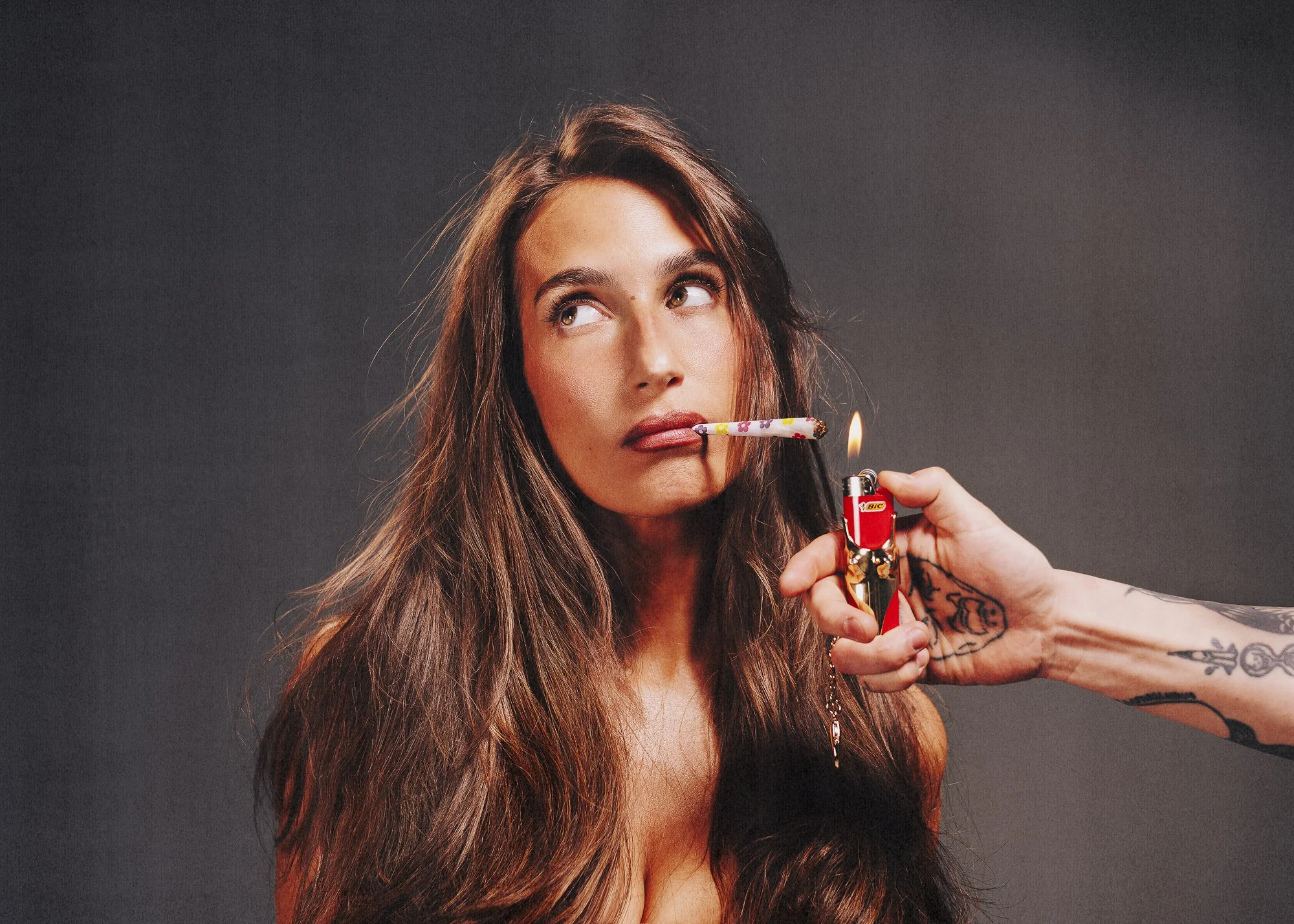
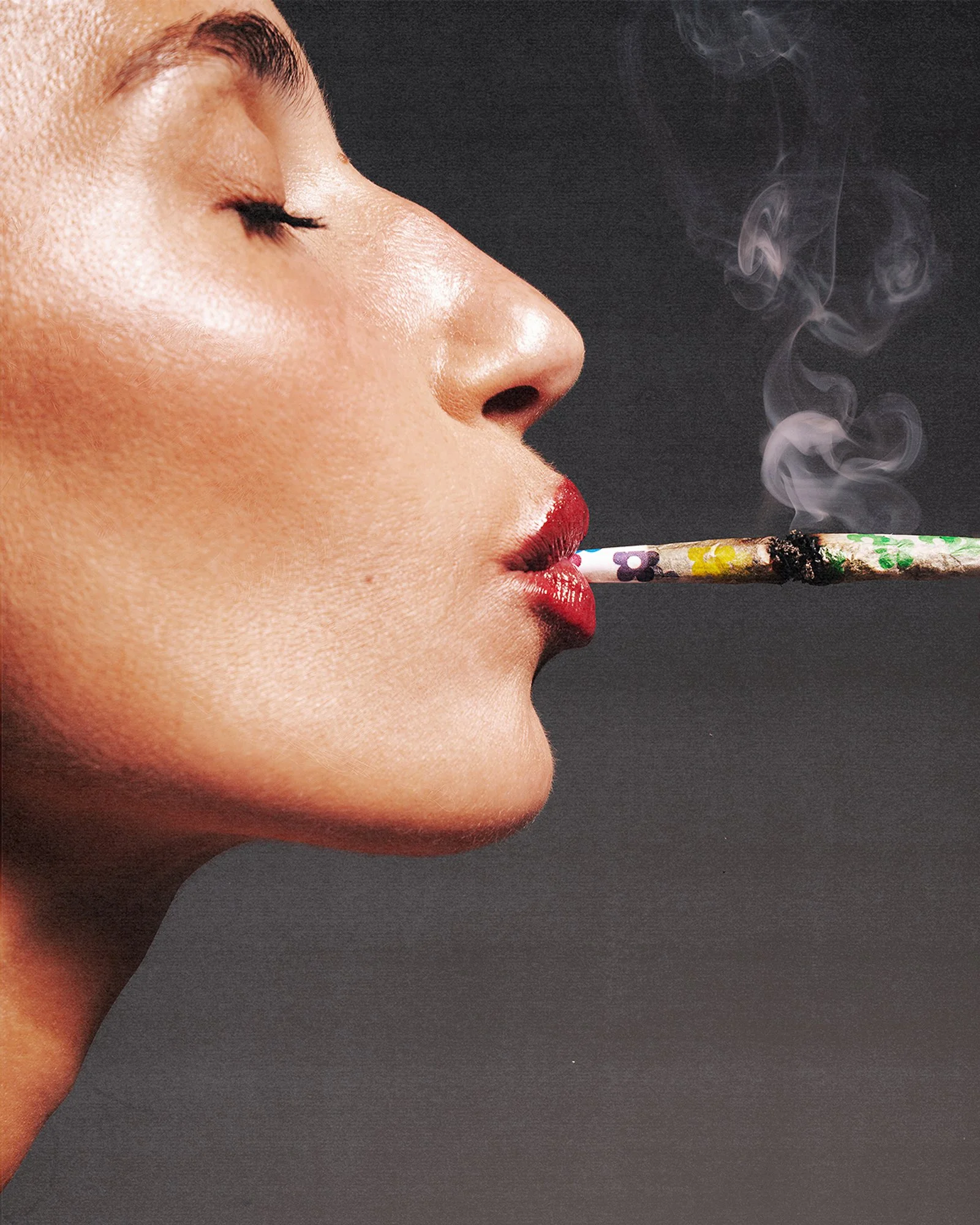
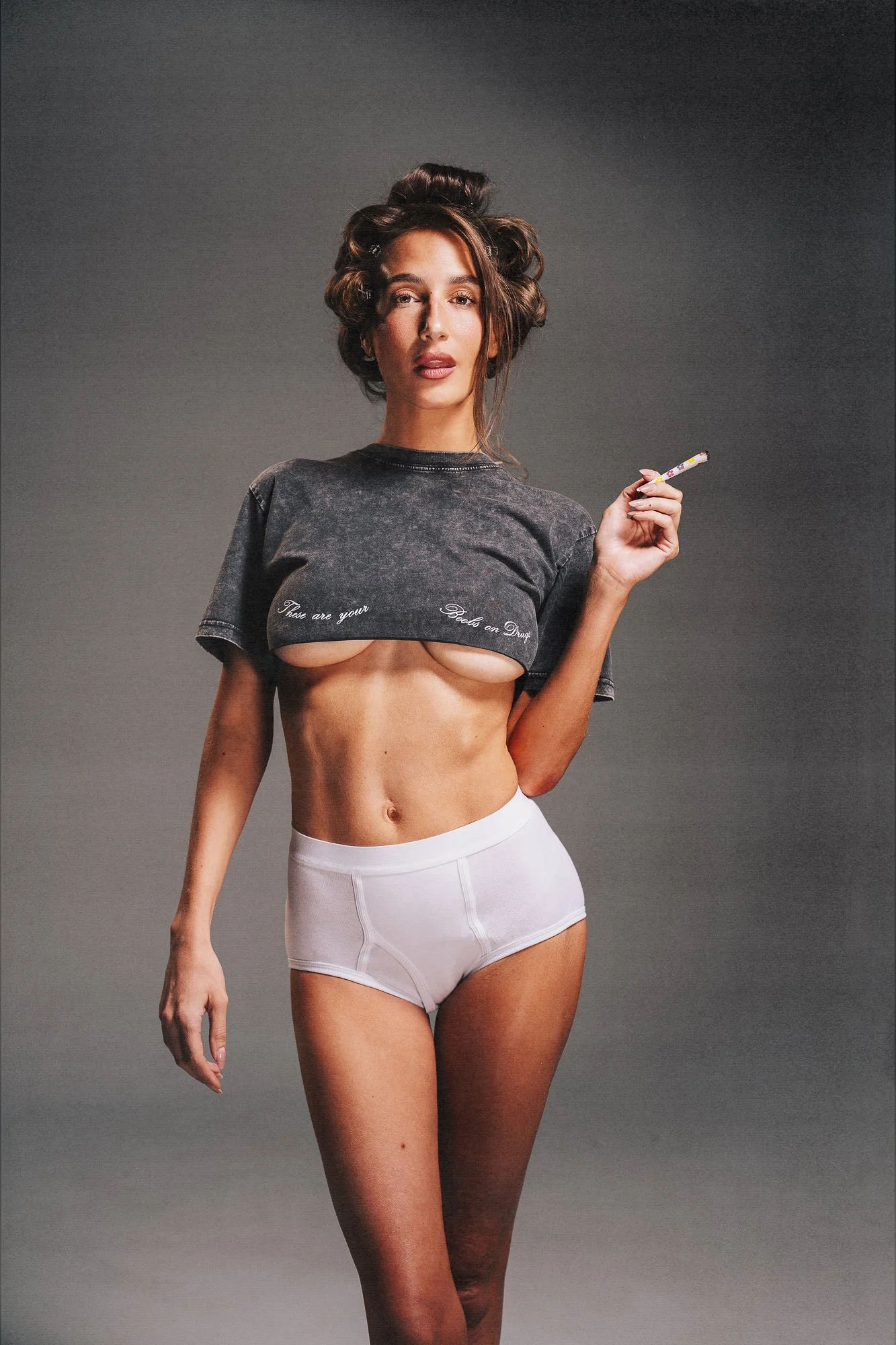
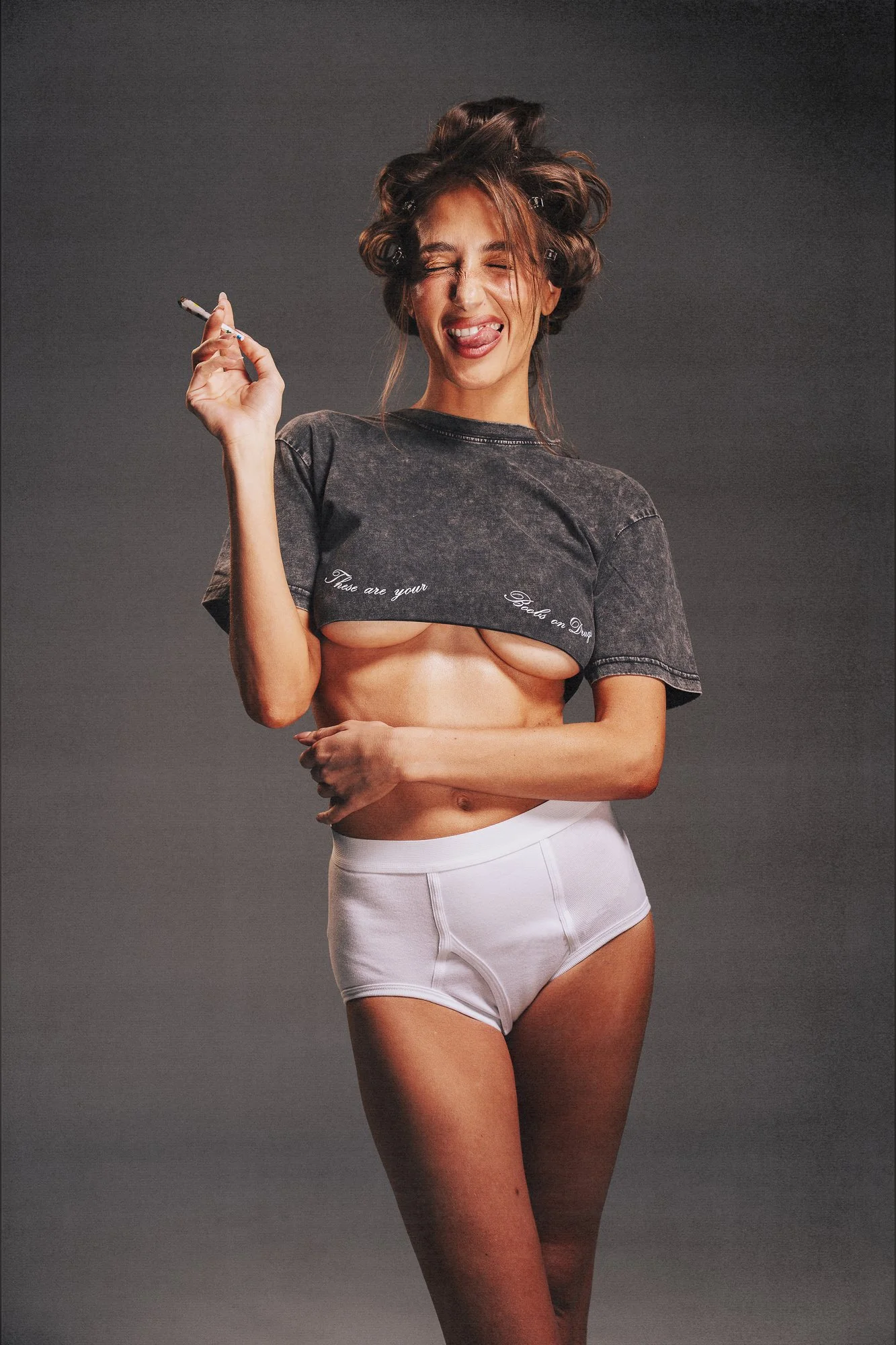
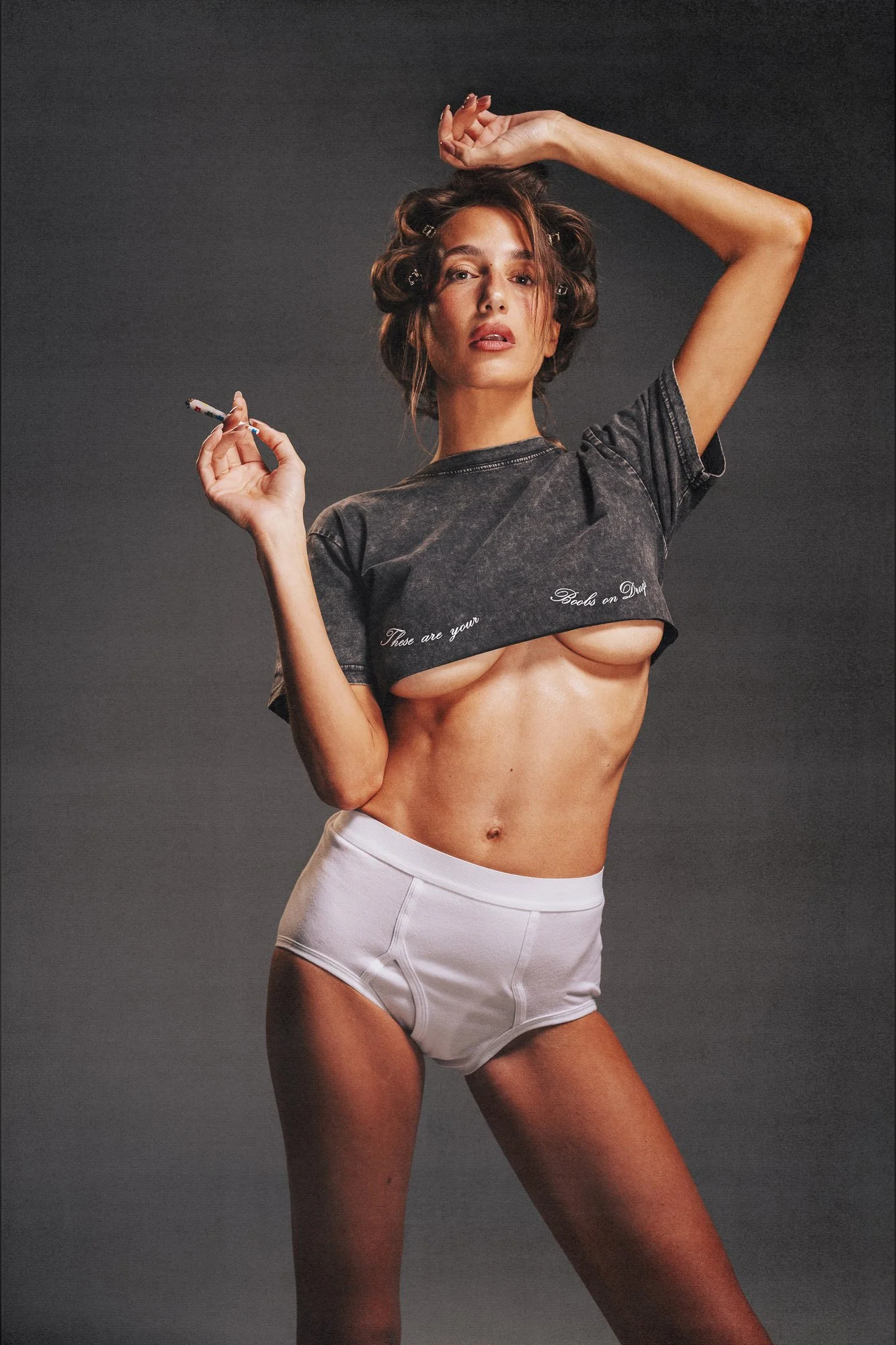
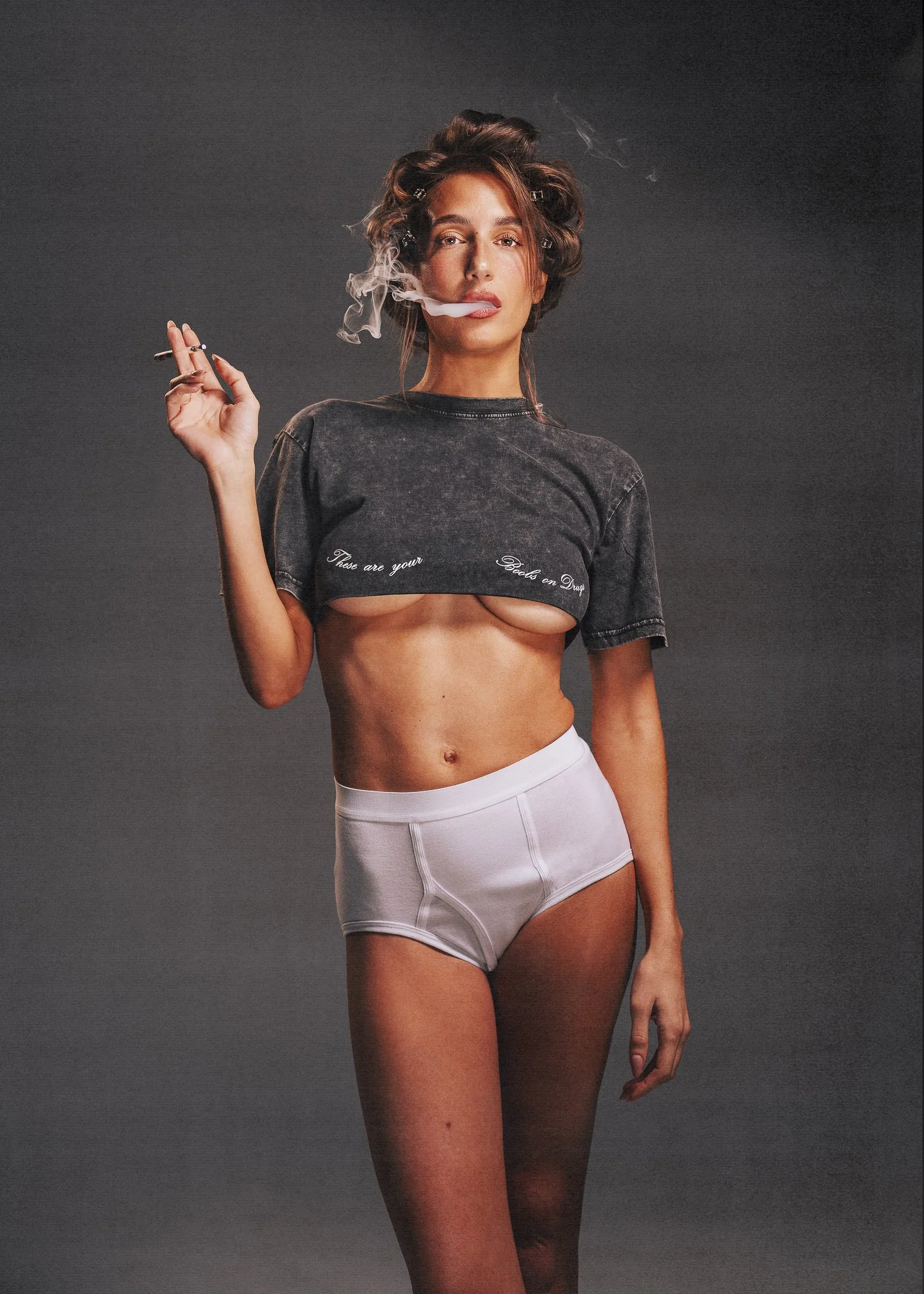
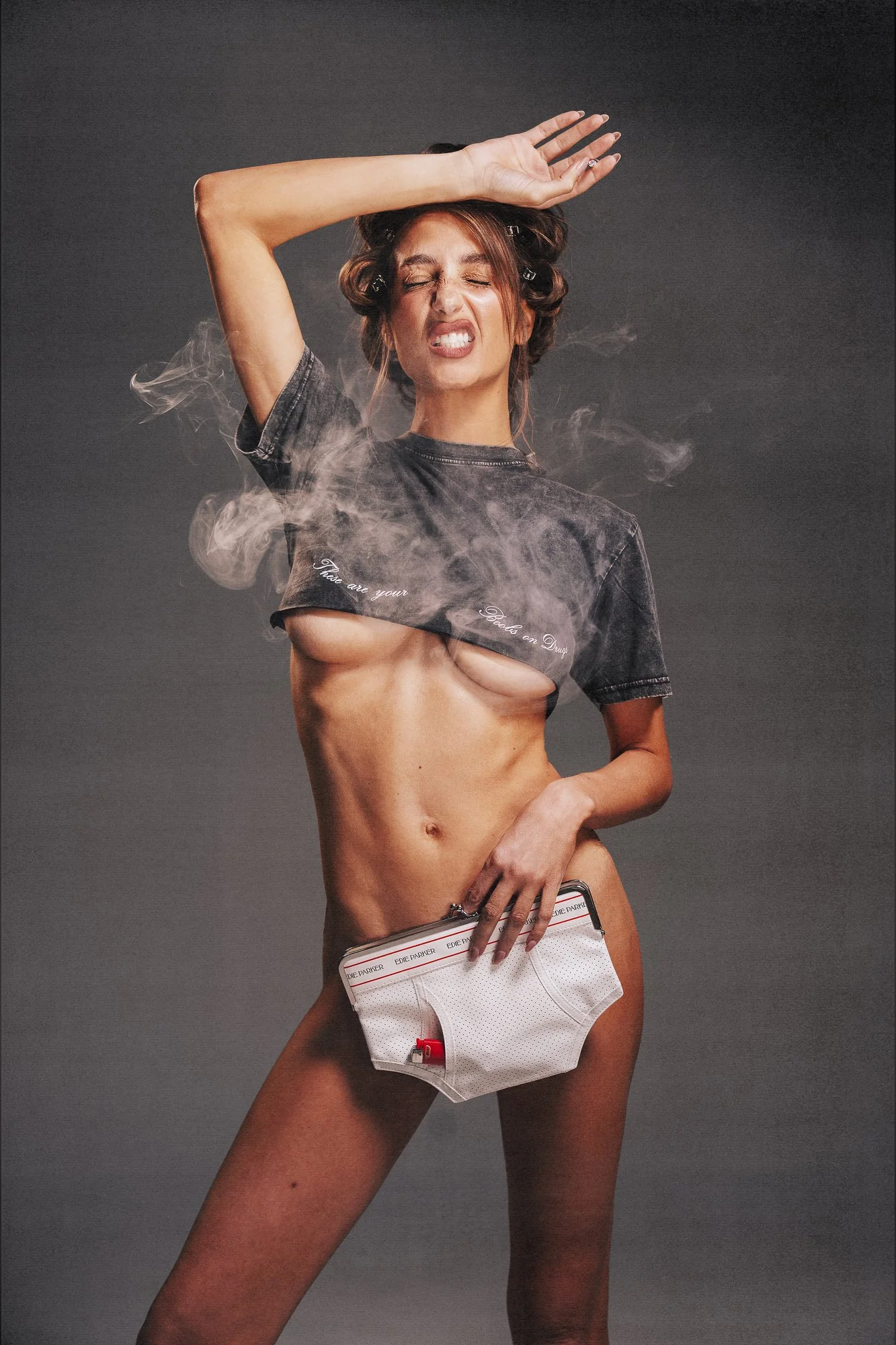
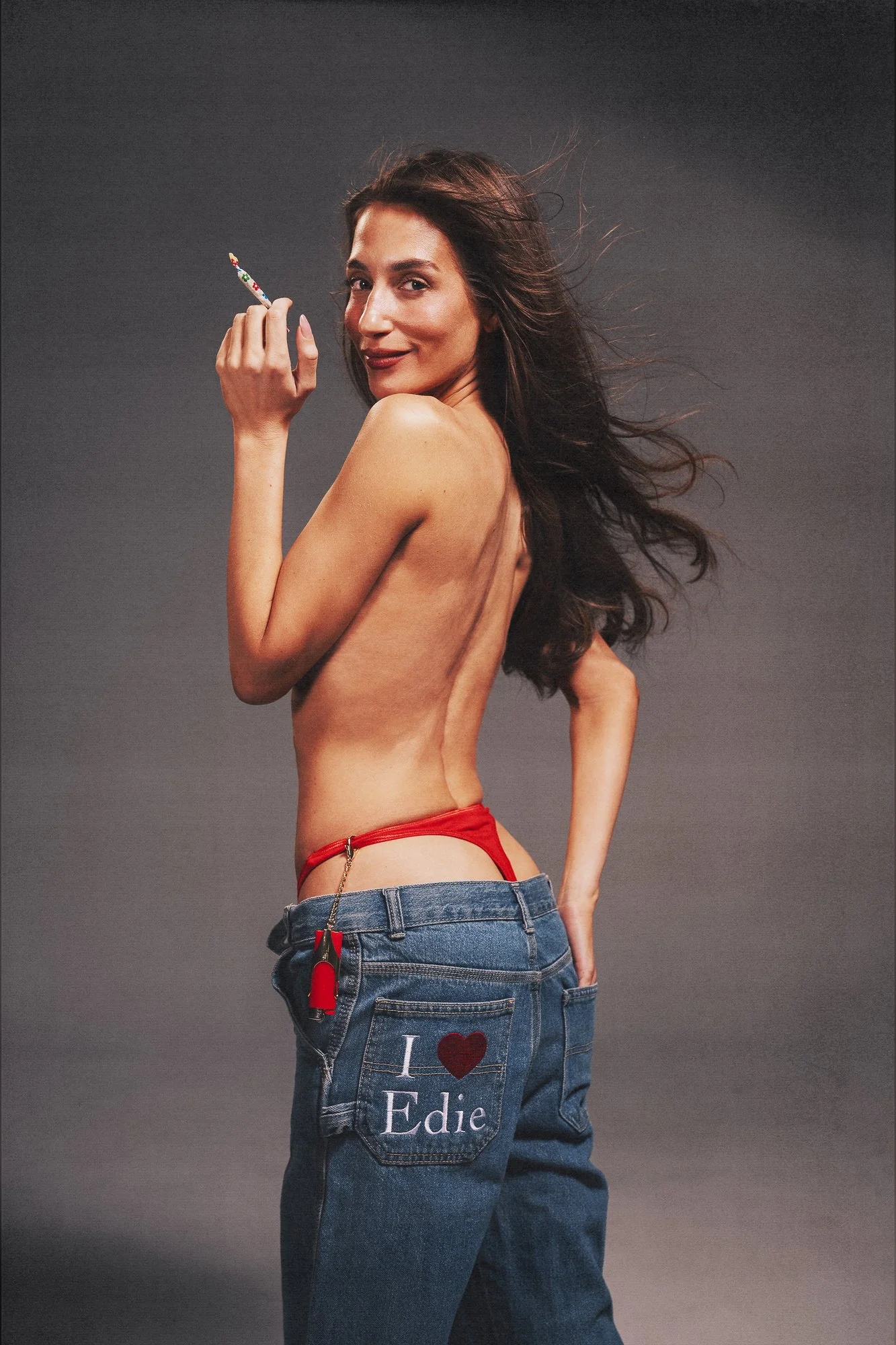
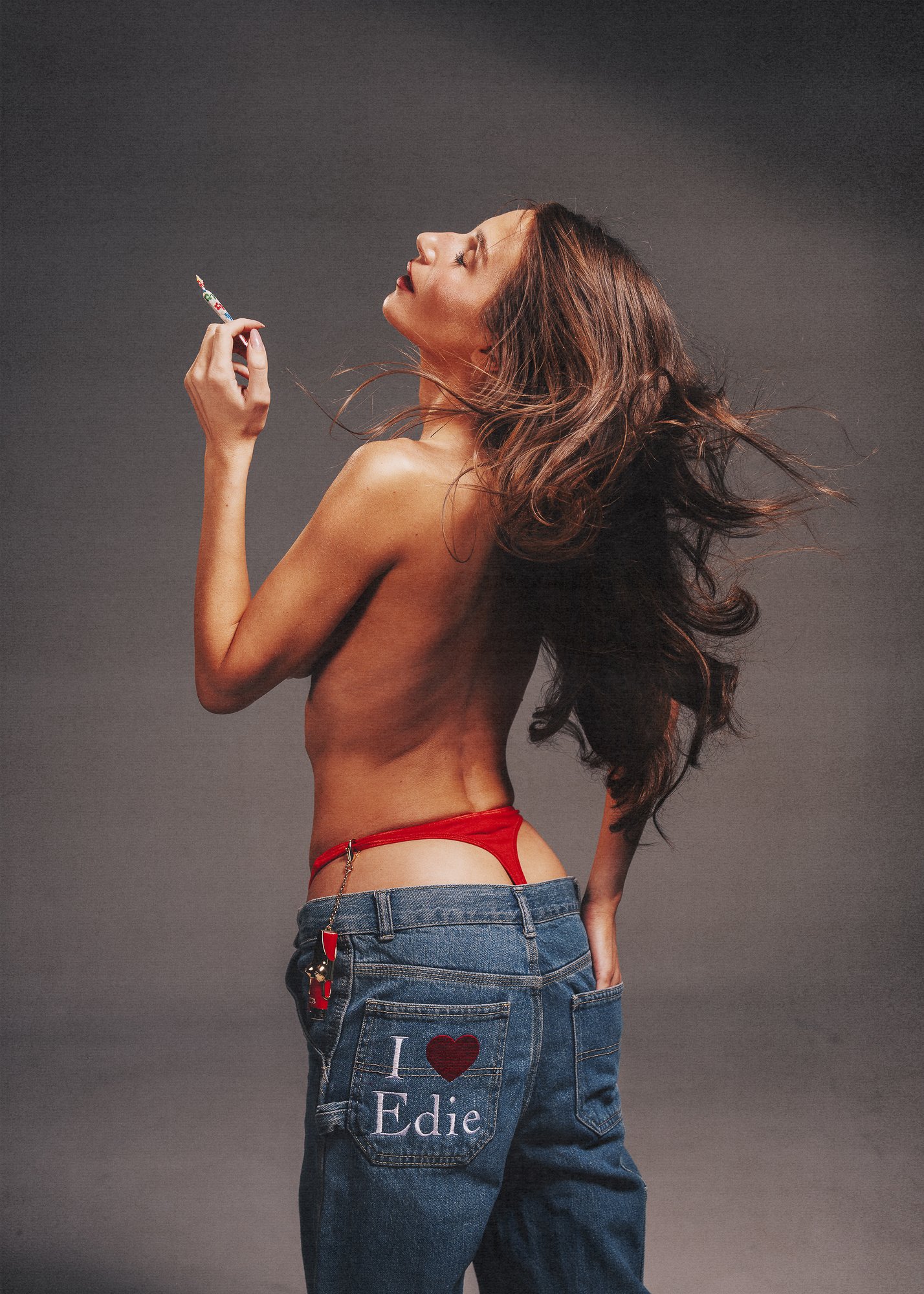
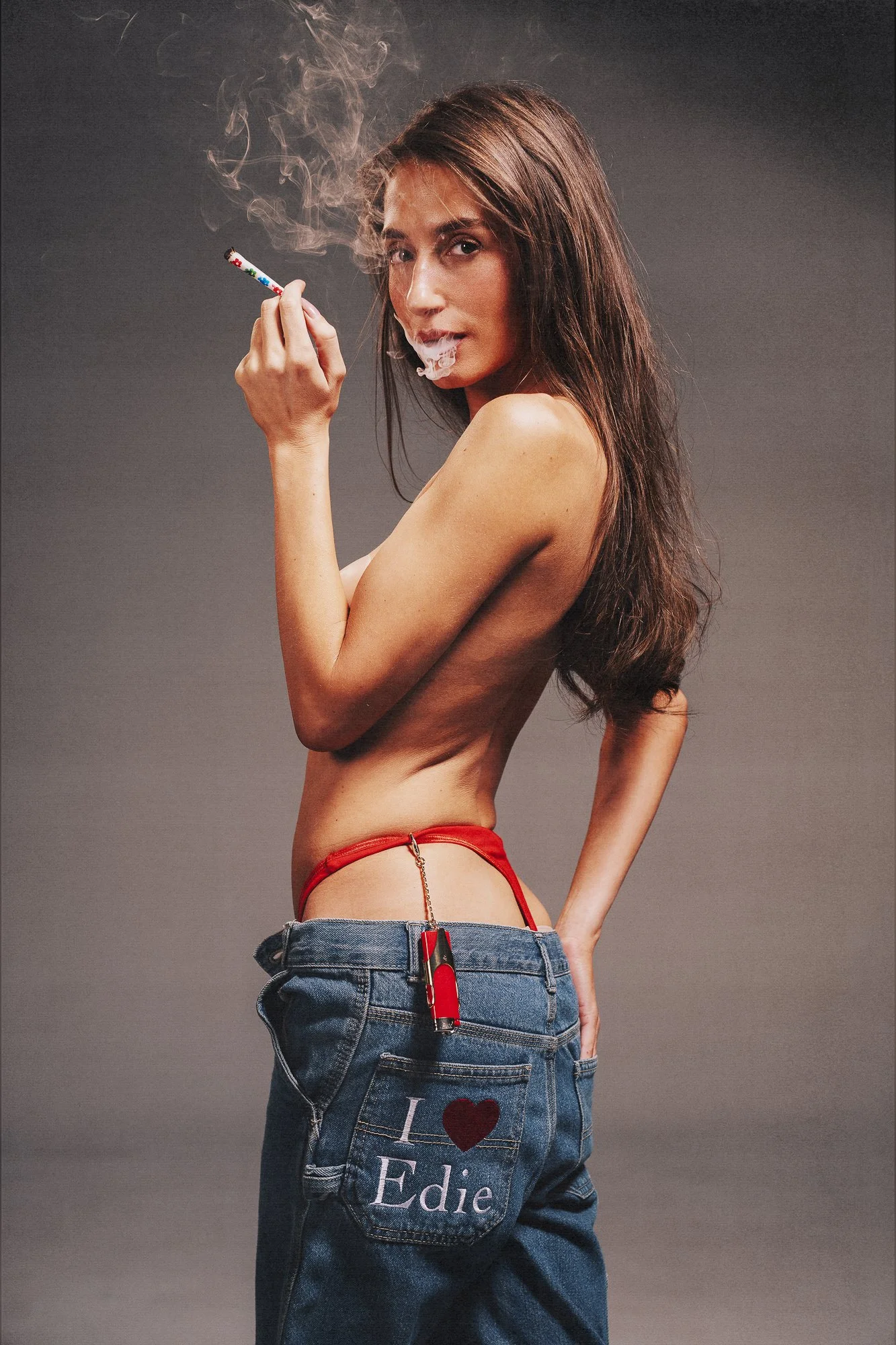
In an era where brand storytelling often oscillates between provocation and purpose, Flower by Edie Parker lands squarely in both lanes with its 2026 4/20 campaign. Starring Amanda Batula, the “Boobs on Drugs” initiative is less about shock value and more about authorship—who gets to define the modern female consumer, and on whose terms.
The campaign arrives at a moment when cannabis culture is no longer peripheral to lifestyle—it is embedded within fashion, beauty, and design. What Flower by Edie Parker understands, perhaps more acutely than its competitors, is that normalization alone is no longer the goal. Ownership of narrative is.
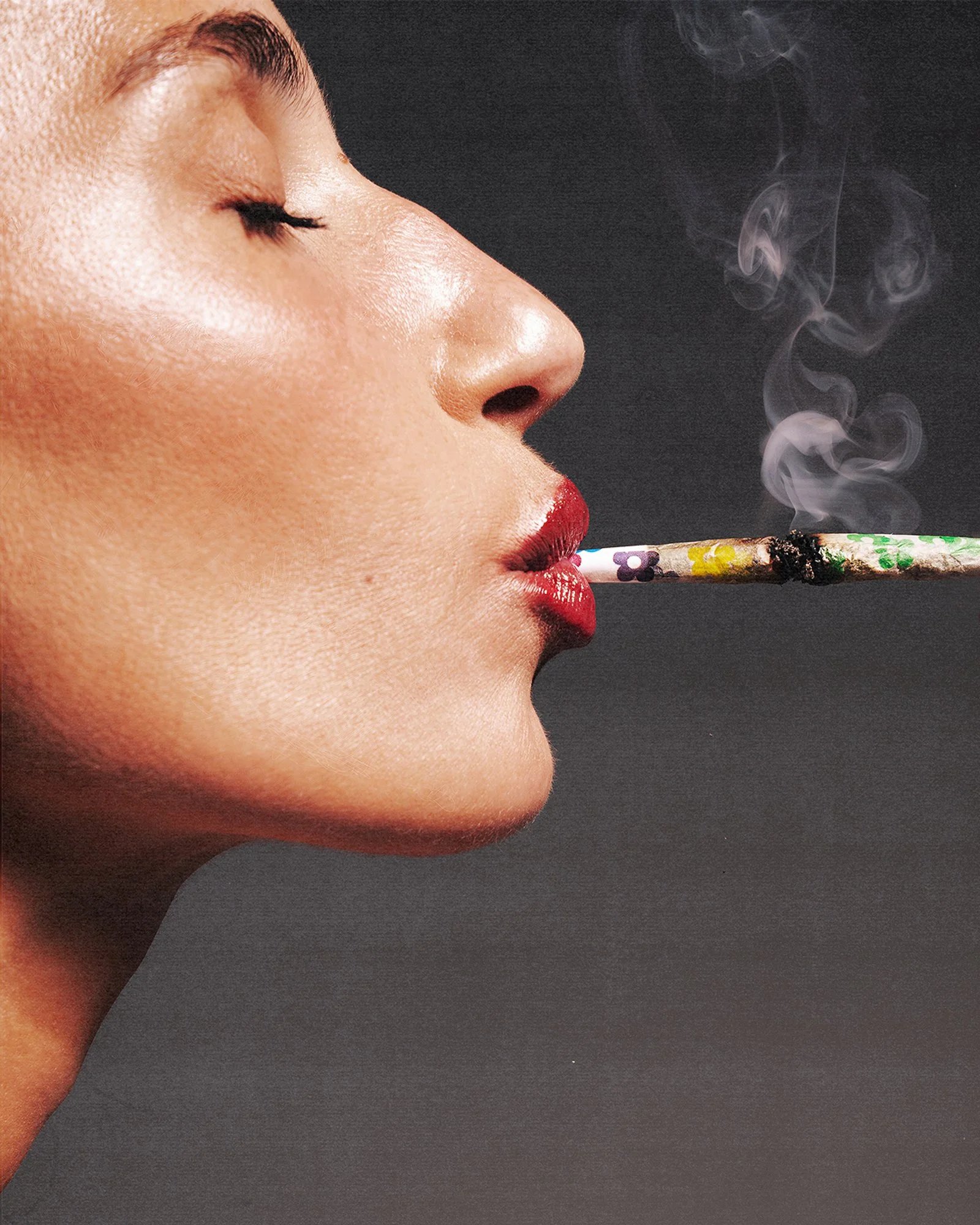
Batula’s presence anchors the campaign in a distinctly contemporary archetype: a woman who is both self-aware and self-directed, navigating visibility without surrendering control. Styled with a deliberate nod to fashion editorial, the visuals transform a historically reductive phrase into a platform for autonomy. It’s a recalibration of gaze—where irony meets intention.
At its core, “Boobs on Drugs” operates as cultural reframing. What was once a cautionary trope is now reclaimed as commentary, signaling a broader shift in how cannabis is positioned within mainstream discourse. The campaign doesn’t just challenge stigma—it dismantles the language that upheld it.
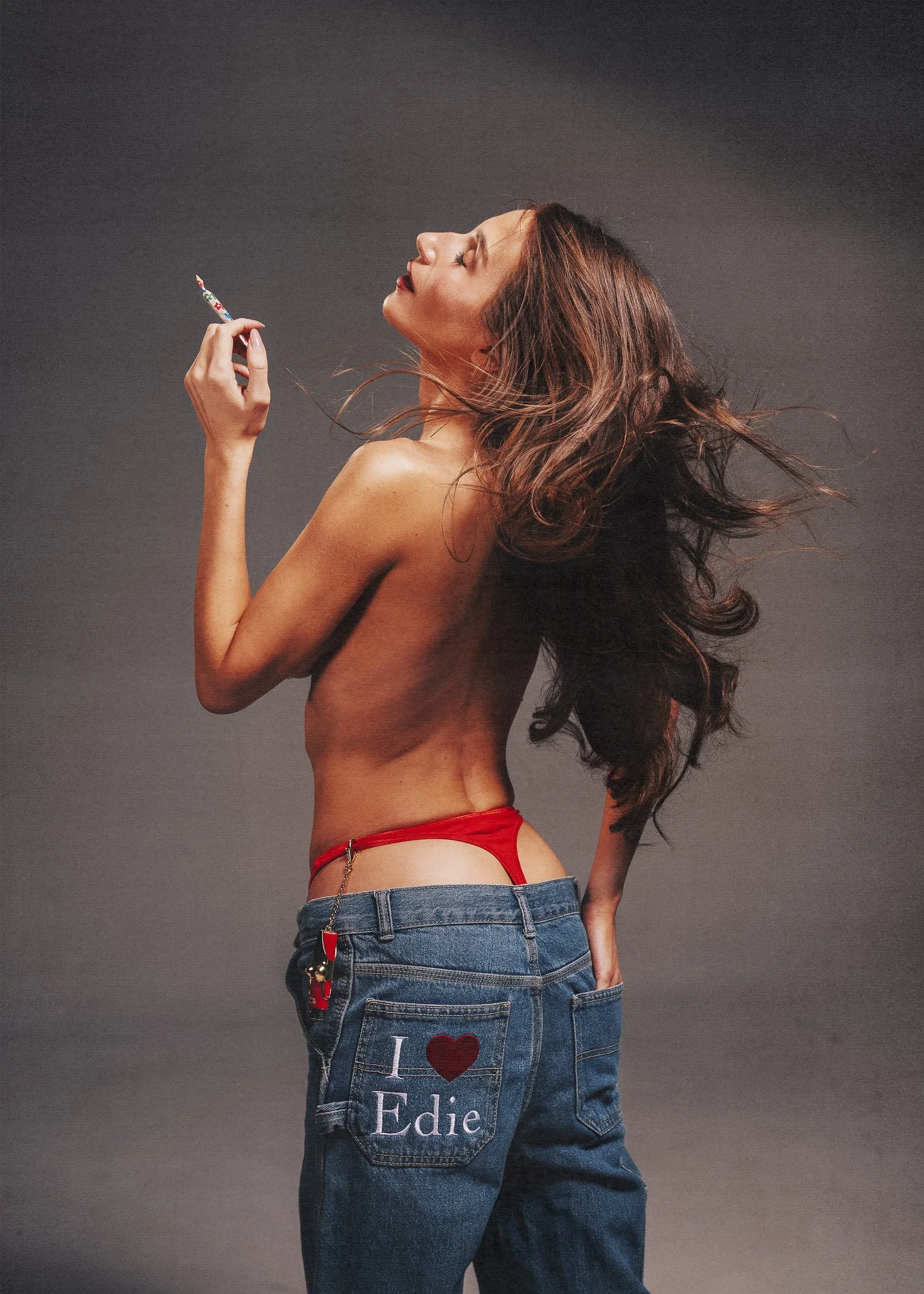
But the campaign’s resonance extends beyond aesthetics. Through the Edie Parker Foundation, 15% of proceeds support the Last Prisoner Project—an organization committed to addressing the systemic inequities tied to cannabis criminalization. It’s a strategic alignment that reinforces the brand’s long-standing investment in advocacy, particularly for women and families impacted by low-level drug offenses.
This duality—where commerce meets cause—is increasingly becoming the benchmark for relevance. Consumers today are not শুধু buying into products; they are buying into positions. And in a category still navigating its regulatory and cultural identity, that distinction matters.
Since its launch in 2019, Flower by Edie Parker has operated at the intersection of irreverence and intentionality, building a design-forward ecosystem that treats cannabis not as counterculture, but as culture itself. The brand’s continued partnerships with organizations like the Women’s Prison Association and The Bail Project further underscore a commitment that feels less episodic and more infrastructural.
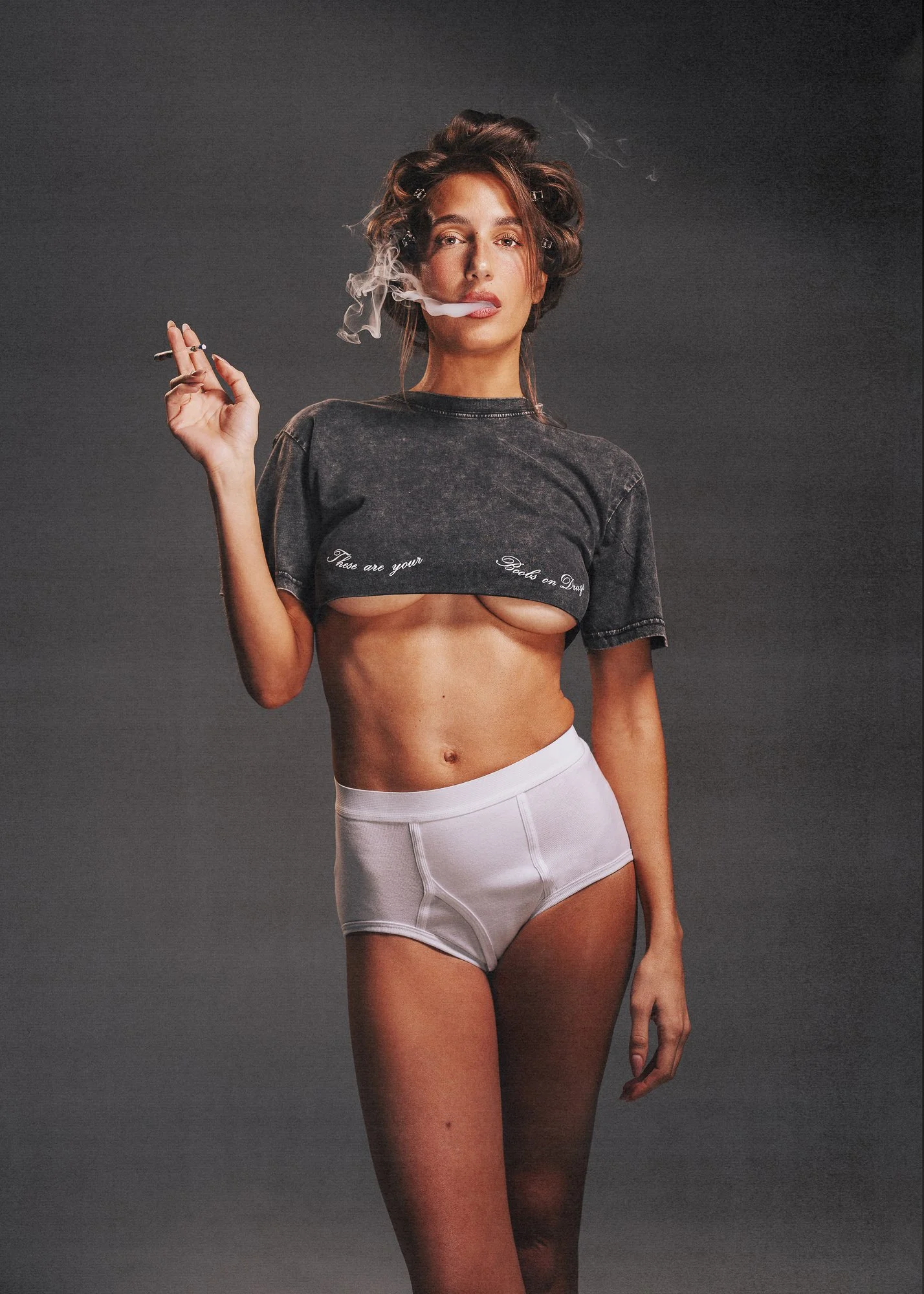
What makes this campaign particularly effective is its refusal to dilute its message. It doesn’t over-explain. It doesn’t retreat into safe language. Instead, it leans into the complexity of modern femininity—playful, provocative, and politically aware.
In doing so, Flower by Edie Parker isn’t just participating in the 4/20 conversation—it’s redefining its tone. And perhaps more importantly, it’s setting a precedent for how brands in adjacent industries—fashion, beauty, and wellness—can engage with cannabis not as a trend, but as a transformative cultural layer.
Because in today’s landscape, the most impactful brands aren’t the loudest—they’re the most precise in what they choose to stand for.
HOW DO YOU FEEL ABOUT FASHION?
COMMENT OR TAKE OUR PAGE READER SURVEY
Featured

New Balance introduces the Made in USA 990v7, updating its iconic running silhouette with refined materials, enhanced cushioning, and contemporary design while preserving the craftsmanship and cross-generational appeal that have defined the franchise since 1982.