
Hidden Risks on Scenic Road Trips and How to Stay Safe
PAGE
By PAGE Editor
Many see traveling scenic routes as a convenient diversion from a stressful education. With their open streets, lovely surroundings and experience of freedom, they are a thrill to remember. Known for its vast deserts, winding highways and breathtaking destinations like New Mexico attract vacationers from all over the world, but there are risks associated with dongnize' reco drivers, despite the reality that these excursions may seem peaceful and interesting.
If you are aware of these problems and take the necessary precautions, your trip can be hygienic, safe and unforgettable.
The Allure and Reality of Scenic Drives
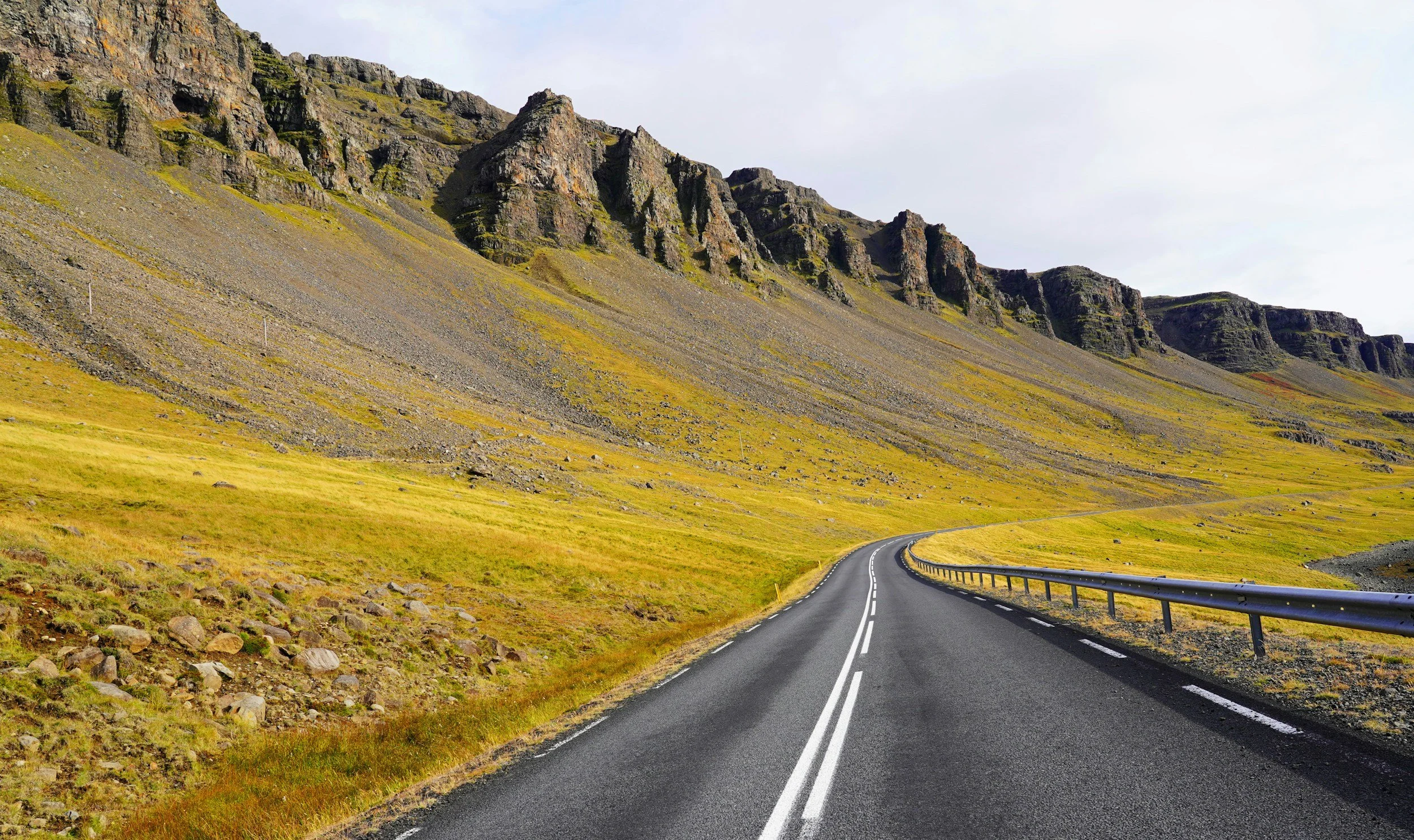
There is no doubt that scenic drives are interesting. Driving in a city can't really equal the tranquility of long, wide highways with little traffic. Drivers can take in breathtaking sunsets, ancient trails, and distinctive roadside landscapes in places like New Mexico.
But even the same skills can create demanding situations. Isolated highways typically lack nearby services including gas stations, repair shops and medical centers. There will be no emergency with no danger. In addition, the quiet nature of those roads reduces alertness and increases the chance of accidents.
In the rare circumstances where the accident occurs on the long journeys, it will be essential to know where to turn for help. A, Seek control from new mexico accident attorney Understanding your rights and handling penalty coverage factors can provide valuable assistance that can overlook a sudden event.
Understanding that beauty and threat can coexist is the first step toward safer visitation.
Common Hidden Risks on Road Trips
Driver Fatigue
Fatigue is one of the main causes of accidents at some stage on long road trips. Sitting behind the wheel for long periods of time can reduce attention span and the rate of sequential feedback. Many drivers realize how quickly fatigue can set in, especially on monotonous roads with little variety.
Sudden Weather Changes
Weather conditions in areas like New Mexico can gradually change in unpredictable ways. Clear skies can quickly turn into strong winds, rainstorms, and even dust storms. These unexpected changes can reduce visibility and make roads slippery or risky.
Wildlife Encounters
Country and desert roads are often the natural world at home. Animals can suddenly cross paths, especially early in the morning or late at night. Collisions with animals can cause serious injuries and accidents.
Poor Road Infrastructure
Not all scenic trails are well maintained. Drivers may additionally stumble over potholes, bumpy surfaces, thin roads, or lose proper signal. These conditions require greater caution and slower speeds.
Limited Connectivity
One of the hidden risks of long-distance travel is limited cell service. Without a reliable connection, it is difficult to call for help in an emergency, use GPS navigation, or obtain the right to access important information
Essential Safety Tips for a Secure Journey
By taking preventative measures, the risk can be significantly reduced during the course of your travel experience. Here are some practical pointers to keep in mind:
Plan Ahead
Study the route carefully before you set out on your journey. Identify fuel stations, rest stops, and roadside emergency offerings. Download offline maps to ensure navigation even offline get right to access.
Get Enough Rest
Start your experience well-rested and avoid spending long hours without a break. Practice and refresh yourselves by grabbing a loot every 2.3 hours. Percentage driving responsibility with passenger if possible.
Inspect Your Vehicle
A well-maintained vehicle is essential for safe travel. Check tire pressure, brakes, engine oil and light installation before leaving. Bring an emergency bag containing a spare tire, first aid kit, water, and first aid supplies.
Stay Focused
Avoid distractions like tests too. Put your phone away, limit distracting conversations, and stay completely focused on the street. Even a moment of disruption can have serious consequences.
Adapt to Conditions
Drive according to road and weather conditions. Brake on unpredictable roads, curves and steep terrain. If the weather gets worse, don’t hesitate to pull over and wait until it’s much safer to wear it.
Be Prepared for Emergencies
Carry vital resources with water, snacks, flashlights, and an electronic cash register. Inform someone of your itinerary and expected arrival time, especially when traveling in remote areas.
What to Do If an Accident Occurs
Despite all the precautions, injuries can still show up. Knowing how to respond could make a huge difference in ensuring safety and minimizing harm.
First, stay calm and watch out for accidents. If possible, move the vehicle to a safe area away from visitors. Contact emergency services now and report your area.
It is also important to document the contingency status. Take pictures, gather tactile information from the various parties concerned, and be aware of any significant observations. This record can be useful for later insurance claims or legal strategies.
In situations involving injuries and litigation, it is important to seek professional help. Consulting with a certified lawyer will allow you to assert your rights, complete the paperwork, and make your injuries true.
Making Safety a Priority
Road trips can be about vacationing, exploring and developing lasting memories. However, safety should always come first. By being aware of potential risks and taking proactive steps, you can significantly reduce your chances of injury.
Whether you’re driving on barren highways or mountainous terrain, staying organized and alert will allow you to enjoy the adventure without unnecessary stress. Remember, the goal isn’t just to get to your resort, it’s to get it right.
Conclusion
A unique chance to experience the splendor of nature and escape the daily grind is offered by scenic road trips. However, a stunning trip might become a difficult pleasure due to hidden hazards, exhaustion, climate adaptability, flora and animals, and remote locations.
You can make your street journey steady and pleasurable by preparing ahead of time, being vigilant, and according to the required safety protocols. Additionally, knowing when to seek professional assistance could be crucial in the tragic event of an accident.
Make every mile matter, live safely, and travel wisely.
FAQs
What makes scenic road trips more dangerous than city driving?
Scenic road trips often involve long distances, isolated areas, and unpredictable conditions along with nature travel and sudden weather changes, making it undoubtedly more risky than big city driving .
How often should I take breaks during a long drive?
To prevent fatigue, stretch the body, and create unity on the street, it is advised to visit the desert every 2,3 hours.
What should I include in a road trip emergency kit?
Water, snacks, first aid supplies, flashlights, extra tires, jumper cables, smartphone chargers, or power banks should all be included in emergency kits.
When should I contact a new mexico accident attorney after an accident?
You should touch a new Mexican twist of luck lawyer whether there are accidents, basic damages, or complications with coverage claims that are sure your legal rights are secured.
HOW DO YOU FEEL ABOUT FASHION?
COMMENT OR TAKE OUR PAGE READER SURVEY
Featured





Finding the right job in human resources or recruitment can take time, especially when you're searching online.