
A Style Guide for School Team Jerseys in New Jersey
PAGE
By PAGE Editor
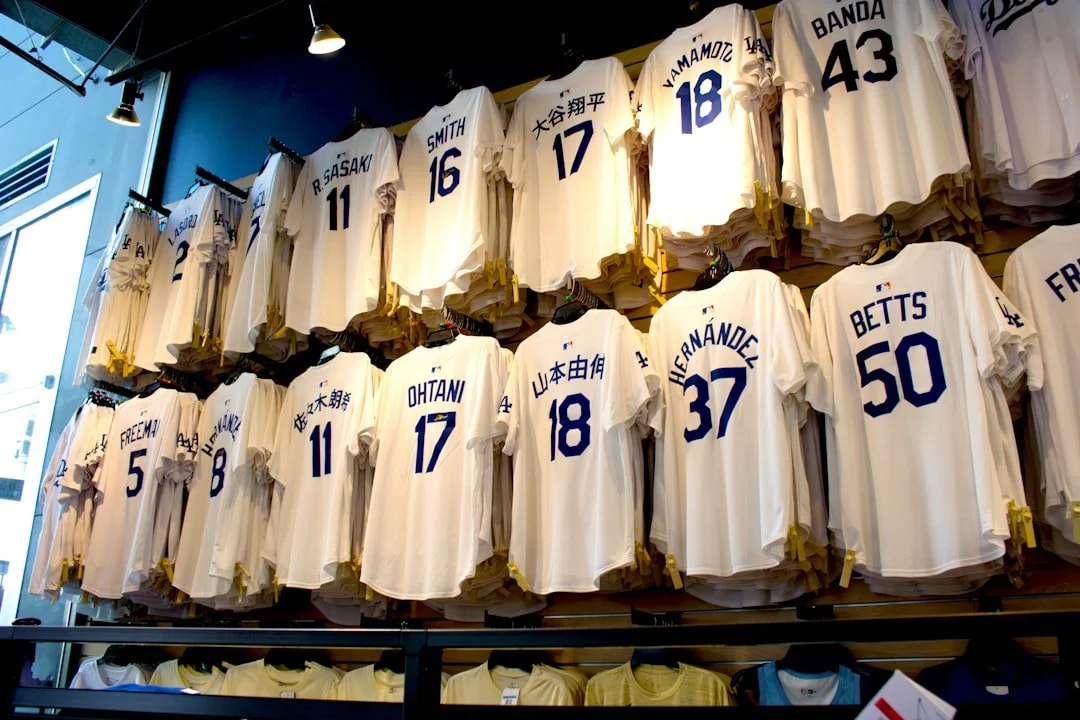
School team jerseys occupy an interesting space between athletic function and visual identity. They need to work on the field or court, but they also represent the school every time someone sees them — in the stands, in hallway photos, on social media after a win. The design choices matter more than most people ordering them realize.
Here’s a practical style guide for NJ schools thinking through jersey design, production, and ordering.
The Visual Identity Question
Before any jersey design conversation starts, there’s a more fundamental question: what does the team want to look like?
This sounds obvious, but most school jersey orders start with “we need jerseys for the [sport] team” rather than “here’s how we want this team to look.” The first framing produces functional apparel. The second produces jerseys people actually want to wear, that build team identity over time, and that look sharp in photos.
A few questions worth discussing with the team before designing:
What colors define the program? School colors are the starting point, but not the whole answer. A team that wears navy and white could execute that in a dozen different ways depending on how they use contrast, secondary colors, and color blocking.
What’s the design reference? A classic athletic letter style reads differently than a modern streetwear-influenced design. Showing the team two or three visual references and getting input takes 10 minutes and produces far better alignment than designing in a vacuum.
Numbers or no numbers? Numbers add visual complexity and require more design decisions (placement, size, font). They’re appropriate for sports where player identification matters. For clubs and recreational teams, names and logos without numbers are often cleaner.
Typography That Reads Well on a Jersey
Typography is the single design element that most distinguishes a professional-looking jersey from a homemade one.
Scale is everything. A team name across the chest works at 10-14 inches wide for adult jerseys. At 6 inches it looks like an afterthought. At 16 inches it overwhelms the garment. The right scale depends on letter count — a three-letter abbreviation can go bigger than a 12-character team name.
Tracking and spacing matter. Letters that are too tightly spaced blur together from 10 feet away. Too loosely spaced and they read as disconnected. Standard athletic lettering uses wide tracking for short words, tighter tracking for longer ones.
Classic athletic scripts and block lettering hold up best. Highly decorative scripts or novelty fonts that look clever at small sizes become unreadable as athletic lettering at jersey scale. The letterman block, the varsity arch, the bold condensed sans — these type styles have been used in athletic design for decades because they actually work.
Proof at print size. A design that looks perfect on screen can have legibility problems at the 300 DPI print size. Text under 0.3 inches tall at output size often fills in or loses definition. Export the file at actual print dimensions and review it before ordering.
Color Decisions That Matter
Color is the first thing people register about a jersey. Every other design element builds from it.
High contrast is non-negotiable. White on light gray reads as washed out. Navy on black disappears at distance. The practical standard: if you squint and the text blends with the background, there’s not enough contrast. White on navy, black on gold, red on white — these combinations work because they read clearly at any distance.
Consider what works on both light and dark garments. Teams that want light and dark colorways in the same set need designs that work in both contexts. A design centered on white text only works on dark garments. Planning for versatility early avoids redesign costs later.
Secondary colors add visual interest. A jersey that uses only the two primary school colors can feel flat. A strategic accent color — even just for number outlines, trim, or shadow effects — adds dimension without creating design chaos.
Production: What NJ Schools Need to Know
The production method determines what’s possible in the design. Understanding the options helps you match your design ambitions to realistic production.
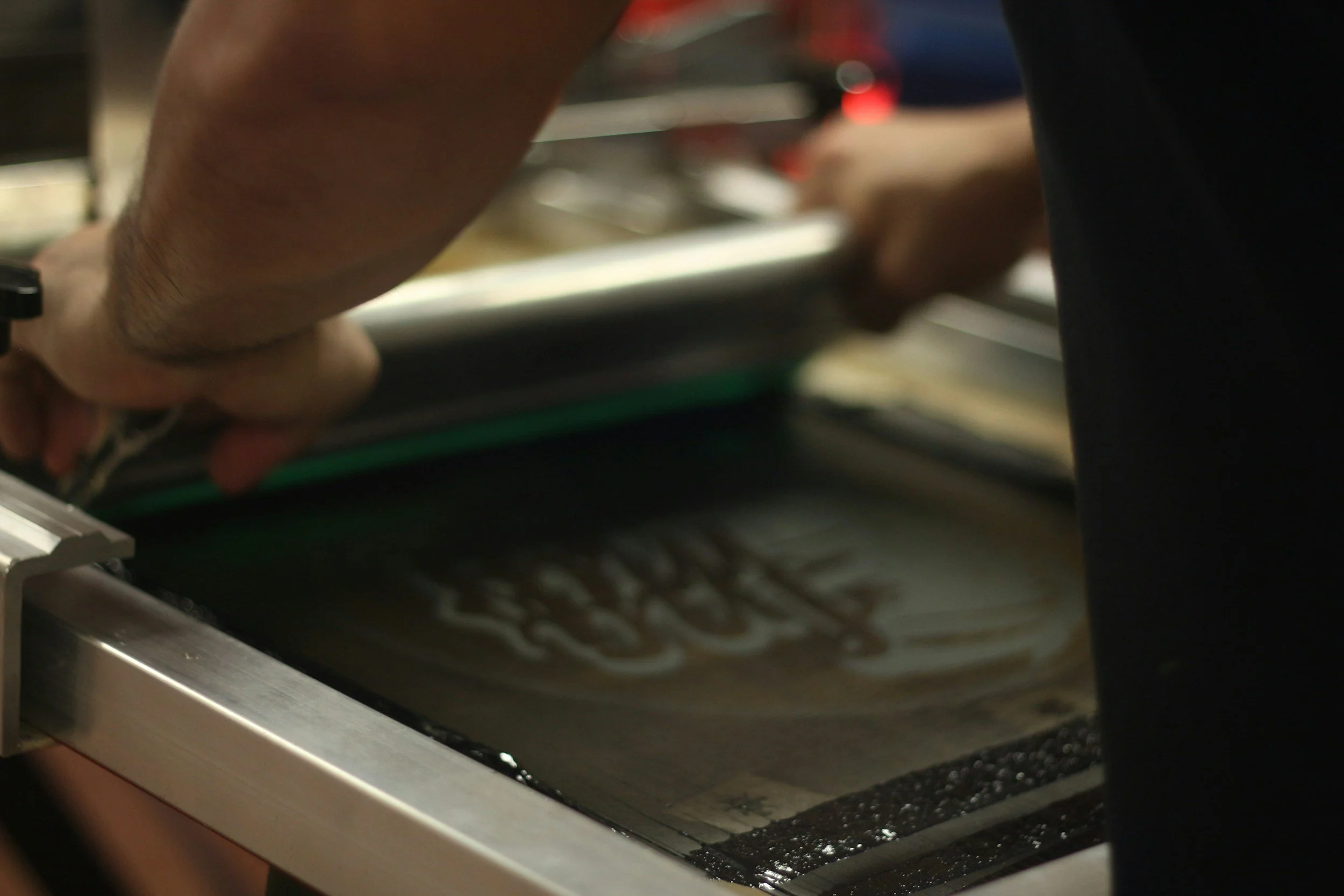
Screen printing is still common for school apparel but operates on minimums (typically 24-48 pieces per design) and charges per color. A four-color design costs significantly more per jersey than a two-color one. Fine detail and gradients are difficult or impossible. For school orders with consistent large quantities and simple designs, it can be cost-effective.
DTF (Direct to Film) transfers work differently. There’s no per-color charge, no minimum order, and no setup fee. A complex multi-color design with gradients costs the same per transfer as a simple two-color logo. That opens up design possibilities that screen printing prices out for small orders.
For school team jerseys in New Jersey, DTF is often the right choice — especially for smaller team sizes, complex designs, or programs that want the flexibility to reorder individual jerseys when a player joins mid-season rather than waiting for a minimum-quantity run.
NJ schools ordering through DTF Jersey can get transfers same-day with next-day delivery, which matters when you’re working around the school calendar and season start dates. For graduation-year players, the graduation DTF transfers collection includes design elements that work well for senior-year jerseys and senior gift apparel.
Sizing and Placement by Garment
Placement rules change based on the garment and the design element.
Full-front chest print: 10-12 inches wide for adult/youth large. Center the design vertically in the upper chest area, typically 2-3 inches below the collar. This is the standard position for team names and logos.
Back name/number: Numbers run 8-10 inches tall on adult jerseys, centered. Player names go above the number at 2-3 inches tall, also centered.
Left-chest logo: Secondary logo or program mark. 3-4 inches wide. Positioned over the left chest, not the right (convention in most athletics).
Sleeve: Optional placement for program marks, class year, or school abbreviation. Typically 3-4 inches wide on each sleeve.
Getting placement consistent across a full team run is a production quality issue as much as a design issue. When ordering transfers and pressing in-house, using a placement guide for each garment size ensures the finished jerseys look like a coordinated set rather than individual items with slightly varied positions.
Ordering Practically for School Seasons
The most common jersey order mistake at the school level is underestimating the total timeline from “we need jerseys” to “jerseys are distributed.”
A realistic order-to-distribution timeline with DTF: - Day 1: Design finalized, file exported as PNG at 300 DPI, order placed - Day 2: Transfers arrive (same-day ship, next-day NJ delivery) - Days 2-4: Pressing, quality check, distribution
That 2-4 day window is tight but achievable when the design is ready. The bottleneck is almost always design finalization, not production. Programs that do design work before they feel urgent have the most control over the timeline.
For teams that want a test before committing to the full run, DTF suppliers with no minimums make single-unit test orders easy. One pressed jersey before 22 go into production is always worth the extra day.
Building a Consistent Look Over Time
Programs that maintain a consistent jersey design over multiple seasons build something more valuable than any individual season’s apparel: a recognizable visual identity. When people see the jersey at a game two years from now, they recognize the program immediately.
That consistency requires making a design decision and committing to it, keeping good records of file specifications and garment details, and working with a supplier who can reproduce the same output reliably season after season.
For NJ school programs building that kind of consistency, the combination of a solid design and a reliable local supplier gets easier each season. The investment in getting the design right from the start pays forward every time the team suits up.
HOW DO YOU FEEL ABOUT FASHION?
COMMENT OR TAKE OUR PAGE READER SURVEY
Featured



Finding the right job in human resources or recruitment can take time, especially when you're searching online.