
How Mascots for Brands Build Loyalty, Recognition, and Long-Term Growth
PAGE
By PAGE Editor
In a world where consumers scroll past hundreds of ads a day, getting noticed has become one of the biggest challenges for businesses. Companies are spending heavily on digital marketing, influencer campaigns, and social media content, yet many still struggle to create a memorable identity that sticks with customers.
That is one reason mascots are making a major comeback.
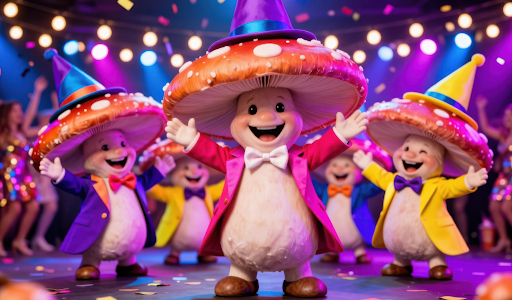
From global corporations and sports franchises to schools, nonprofits, and small businesses, mascots for brands are proving to be far more than entertaining characters. They have become powerful branding assets that help organizations connect emotionally with audiences, improve visibility, and strengthen customer loyalty over time.
A well-designed mascot can give a company a business personality. That’s not all. It also gives them familiarity, generates interaction, and helps customers remember a brand. Much longer than traditional advertisements. Whether appearing at live events, starring in social media videos, or greeting customers in-store, a mascot becomes a recognizable extension of the company itself.
For businesses that want to have visibility in crowded markets, investing in a marketing mascot is increasingly becoming a smart long-term branding strategy.
Why Brand Mascots Continue to Work
The effectiveness of mascots is rooted in something simple: people connect with personalities more easily than they connect with logos.
Consumers connect to faces, emotions, and storytelling. A mascot helps a business present itself in an approachable, relatable way. Marketing studies have proved that mascots improve brand recognition and increase emotional engagement with customers.
Mascots also help strengthen audience recall. It also positively influences customer attitudes toward brands. Consumers remember characters more easily. Mascots create emotional associations that traditional marketing doesn’t.
That emotional connection matters more today. Modern consumers are exposed to nonstop advertising, and most of it fades from memory almost instantly. Mascots help businesses cut through that noise. Because they create recognizable visual identities customers can interact with repeatedly.
Over time, the mascot becomes associated with positive experiences, events, and memories connected to the brand.
That is why some of the world’s most recognizable companies have continued using mascots for decades. Once customers build familiarity with a mascot, it becomes part of how they identify the company itself.
Mascots Create Emotional Customer Loyalty
Customer develops through repeated positive interactions and emotional familiarity. This is where brand mascots become incredibly effective.
A mascot creates consistency across every marketing channel. Customers may see the character on social media, at events, inside advertisements, or even interacting with fans during community activities. Every appearance reinforces recognition and strengthens the relationship between the customer and the brand.
This type of emotional branding has become increasingly valuable as consumers seek brands that feel authentic and relatable rather than overly corporate.
A mascot also helps businesses appear more human. Even large organizations can feel more approachable when represented by a friendly, recognizable character.
For schools and sports teams, mascots create community pride and emotional attachment. Fans take photos with them and associate them with memorable experiences. Businesses benefit from the exact same psychology.
A successful marketing mascot can increase repeat engagement, improve customer recall, encourage word-of-mouth marketing, strengthen emotional connection, create memorable event experiences and generate higher audience interaction online.
Visibility Is Everything in Modern Marketing
Today, businesses compete for attention on social media feeds, live events, trade shows, local festivals, and online platforms. Mascots work exceptionally well in these environments.
At crowded events, a mascot attracts more attention than traditional signage. People stop to take photos, interact with the character, and share those moments online. That creates organic visibility for the business.
This is one reason organizations increasingly use mascots at corporate events, sporting events, school activities, product launches, retail promotions, charity fundraisers, community festivals, trade shows and expos.
A mascot does more than advertise a company. It creates an experience people remember.
For many organizations, professionally designed custom mascot suits become one of the most effective tools for increasing public engagement because they turn passive audiences into active participants.
Social Media Has Increased the Value of Mascots
The rise of short-form video content has made mascots even more valuable for businesses.
Platforms like TikTok, Instagram Reels, YouTube Shorts, and Facebook videos reward visual, personality-driven content. Mascots naturally fit into that environment because they are entertaining, recognizable, and highly shareable.
Businesses can use mascots to create behind-the-scenes videos, event coverage, Interactive customer content, seasonal campaigns, viral social media moments and brand storytelling videos.
Unlike traditional advertisements, mascot content often feels less promotional and more entertaining, which makes audiences more likely to engage with it.
This matters because social media algorithms increasingly prioritize engagement and watch time. A mascot that makes people stop scrolling, laugh, or interact gives brands a significant advantage online.
At live events, mascots also encourage user-generated content. Guests frequently post photos and videos featuring mascots, giving businesses additional visibility without additional advertising costs.
A professionally built brand mascot costume can effectively become a mobile marketing campaign that extends far beyond physical appearances.
Mascots Help Small Businesses Compete
Many people associate mascots with major corporations, but smaller businesses are increasingly discovering how effective mascot marketing can be.
For local businesses, standing out is often difficult, especially in industries where competitors offer similar products or services. A mascot gives customers something memorable to associate with the company.
That recognition can make a major difference.
A local restaurant with an entertaining mascot may attract more attention at community events than competitors relying solely on banners and flyers. A nonprofit organization may use a mascot to create stronger emotional engagement during fundraising campaigns. Schools often use mascots to strengthen student identity and boost school spirit.
Mascots also provide long-term branding value. Unlike temporary marketing trends, a strong mascot can remain part of a company’s identity for years.
Businesses exploring company mascot ideas often benefit most when the mascot reflects the personality of the brand itself rather than simply following current design trends.
The most successful mascots feel authentic to the organization they represent.
The Psychology Behind Mascot Marketing
There is a reason mascots create such strong emotional reactions.
Marketing experts often refer to the concept of anthropomorphism, which involves assigning human traits or personalities to non-human figures. Consumers naturally form stronger emotional connections when brands appear more human and relatable.
Mascots tap directly into this psychological behavior.
A character with recognizable emotions, expressions, and personality traits feels easier to connect with than a corporate logo alone. Customers begin associating that character with trust, familiarity, and positive experiences.
Different mascot styles also communicate different brand values.
For example, sports mascots often project energy and excitement, school mascots emphasize pride and unity, corporate mascots may focus on professionalism and friendliness and nonprofit mascots often create warmth and accessibility.
The strongest mascots are carefully designed branding tools, not random costumes.
Every detail matters, including colors, personality, movement, and overall visual design.
Quality Makes a Huge Difference
Poorly designed costumes can damage a company’s image rather than improve it.
Consumers notice quality immediately, especially during live appearances and social media interactions. An uncomfortable-looking mascot or low-quality costume can make a business appear unprofessional.
That is why many organizations choose experienced mascot creators who specialize in craftsmanship, durability, and performance functionality.
A high-quality mascot should provide durable materials for long-term use, comfortable mobility for performers, strong ventilation and visibility, professional visual appearance and clear alignment with the brand identity.
Loonie Times has become one of the most recognized mascot makers by focusing heavily on build quality and customization. Thousands of organizations use their mascot designs to increase brand visibility and improve audience engagement across events, schools, sports organizations, and corporate campaigns.
The company has built more than 6,200 mascots and works across multiple industries, including corporate mascots, sports mascots, school mascots, small business mascots and nonprofit mascots
For organizations investing in mascot marketing, quality matters because the mascot itself becomes a public representation of the brand.
Mascots Are Becoming More Important, Not Less
Despite changes in digital marketing, mascots bring in brand personality and memorability.
Consumers increasingly want authentic interactions and recognizable identities from the companies they support. Mascots help businesses deliver exactly that.
They also work across multiple marketing channels. A mascot can appear at a live event one day, star in a viral TikTok video the next, and later become part of a long-term advertising campaign.
Very few branding tools offer that level of flexibility.
As businesses continue competing for attention in saturated markets, mascots are likely to remain one of the most effective ways to build recognition, emotional connection, and customer loyalty.
Final Thoughts
Successful branding is now all about customers remembering experiences and personalities, and building emotional connections. That is the reason mascots for brands continue to deliver real marketing value.
A well-designed marketing mascot helps businesses increase visibility, create memorable customer experiences, and strengthen long-term loyalty. Whether used by corporations, schools, nonprofits, sports teams, or local businesses, mascots remain one of the most effective tools for building brand recognition in today’s competitive market.
For organizations wanting to create stronger audience engagement and long-term visibility, investing in a professionally designed mascot is key. To know more, check out Loonie Times.
HOW DO YOU FEEL ABOUT FASHION?
COMMENT OR TAKE OUR PAGE READER SURVEY
Featured




As European organisations continue to modernise their digital environments, the demand for practical technology services is increasingly being shaped by operational complexity rather than by simple software adoption.