
How to Build a Living Room That Feels Like a Proper Cinema
PAGE
By PAGE Editor
There's something about settling in for a film at home that beats the cinema every time. No sticky floors, no overpriced popcorn, no whispering strangers behind you. Just your couch, your snacks, and a screen that does the storytelling justice.
The thing is, most living rooms aren't quite set up for that experience. The lighting is wrong, the sound bounces oddly, and the TV is either too small or pointed in the wrong direction. Getting it right doesn't require a renovation, but it does take a bit of intention.
This guide walks through the small upgrades that turn an ordinary lounge into a space you actually want to spend your evenings in. Whether you're a serious film buff or just want better Sunday nights, the principles are the same.
Key Takeaways
A great home cinema setup starts with the right screen, then layers in sound, lighting, and seating.
Room layout matters more than people think, with viewing distance and angle making or breaking the experience.
You don't need to spend a fortune to feel a real difference, but choosing quality core pieces pays off long term.
Small touches like blackout curtains, ambient lighting, and cable management lift the whole vibe.
Start With the Screen, Because Everything Else Follows
The TV is the heart of any living room setup, and getting it right shapes every other decision. Size, resolution, and panel type all matter, but so does how it actually looks in your specific room.
A common mistake is buying the biggest screen possible without thinking about viewing distance. Sit too close to a huge TV and you'll spend the whole film moving your head around like you're at a tennis match.
A good rule of thumb is to measure the distance from your couch to where the screen will sit, then aim for a TV that's roughly a third of that distance in size. It feels immersive without being overwhelming.
Why Picture Quality Actually Matters
Streaming services now push 4K HDR content as standard, and it genuinely looks incredible on the right screen. Skin tones look natural, shadows have depth, and bright scenes don't get blown out into a wall of white.
But not all 4K TVs are created equal. The processing chip, the panel type, and the colour calibration all play a role in whether you're watching something that looks lifelike or just oversaturated.
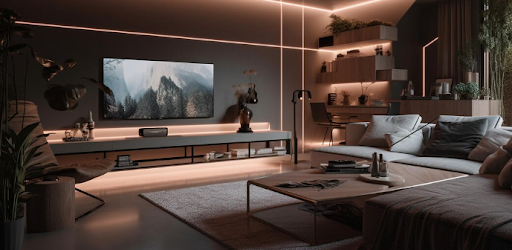
This is where brand reputation earns its keep. Some manufacturers have spent decades refining their colour science, and that experience shows up on the screen. If you're after something that handles cinema content beautifully, you can shop sony tvs online and compare specs side by side without leaving the couch.
OLED panels in particular have changed what's possible at home. The blacks are genuinely black, the contrast is dramatic, and bright objects against dark backgrounds look almost three-dimensional. Once you've watched a film this way, going back to a basic LCD feels like a real downgrade.
If OLED is out of budget, look at the high-end LED panels with full-array local dimming. They get most of the way there for a noticeably lower price, and they perform brilliantly in rooms with a bit of natural light.
Sound Is the Half of Cinema People Forget
A great picture without great sound is like a beautiful meal eaten in silence. Something's missing, even if you can't quite name it.
Built-in TV speakers have improved, but physics is still physics. Thin panels can't produce real bass or wide soundstages, no matter how clever the audio engineering gets.
A decent soundbar is the easiest fix. It plugs in with a single cable, sits neatly below the screen, and immediately makes dialogue clearer and action scenes more impactful. For most living rooms, this is the single biggest audio upgrade you can make.
If you want to go further, a soundbar with a wireless subwoofer and rear satellite speakers gives you proper surround sound without the cable nightmare of a full home theatre system. The difference during a film with a strong score is genuinely surprising.
Light Is the Detail Most People Miss
Walk into any actual cinema and the first thing you notice is the lighting. It's dim, it's even, and there's no glare bouncing off the screen from a window or overhead bulb.
Recreating that at home is easier than it sounds. Blackout curtains take care of daylight, and warm bias lighting behind the TV reduces eye strain during long viewing sessions.
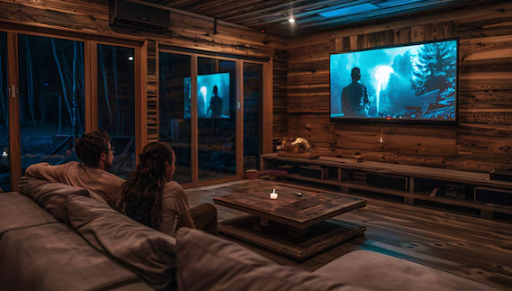
Smart bulbs let you set different lighting scenes for different moods. One for film nights, one for casual TV, one for hosting friends. It sounds fussy until you've used it, then it feels essential.
The cheapest upgrade of all is just turning off the harsh overhead light. A couple of floor lamps with warm bulbs do far more for the atmosphere than any expensive gadget.
Seating Makes or Breaks the Whole Thing
You can have the best TV and sound system in the country, but if your couch is uncomfortable, you'll fidget through every film. Comfort is non-negotiable for a proper home cinema feel.
The ideal setup has supportive but soft seating, with enough depth to genuinely relax into. Throw cushions and a chunky knit blanket within arm's reach round it out perfectly.
Position matters too. Sit roughly eye-level with the centre of the screen, with the TV mounted or placed at a height that doesn't strain your neck. Small adjustments here pay off over years of evenings.
For inspiration on how to style the whole room around your setup, our home styling tips cover everything from layout to lighting in more detail.
Don't Sleep on Cable Management
Nothing kills the atmosphere of a beautifully designed room faster than a tangle of cables snaking down from a wall-mounted TV. It's the visual equivalent of leaving the price tag on something.
In-wall cable conduits are the cleanest solution, but adhesive cable raceways painted to match the wall work almost as well. The goal is to make the technology disappear into the room rather than dominate it.
A small media console or floating shelf gives you somewhere to tuck the streaming box, gaming console, and soundbar inputs out of sight. Bonus points for one with ventilation, because electronics get warm and trapped heat shortens their lifespan.
The Small Touches That Pull It All Together
Once the core setup is sorted, a few finishing touches make the room feel intentional rather than just functional. A rug to anchor the seating area, a side table for drinks, and decent throw blankets within reach all help.
Some people swear by a popcorn machine on the bench, others prefer a small bar cart for fancy film-night drinks. Whichever ritual feels right, lean into it. It's what turns a TV-watching habit into something genuinely worth looking forward to.
Final Thoughts
A great home cinema setup isn't about having the most expensive gear in the room. It's about choosing the right pieces and arranging them in a way that supports actually enjoying what you watch.
Start with a TV that handles picture quality well, add proper sound, dim the lights, and make sure your seating doesn't punish you for sitting still. Get those four things right and you'll wonder why you ever bothered going out to the cinema in the first place.
Frequently Asked Questions
How big should my TV be for an average living room? Most lounges work well with a 55 to 65 inch screen, but check your viewing distance first. A larger TV in a small room can feel overwhelming rather than immersive.
Is OLED really worth the extra money over LED? For dedicated film and TV watching, yes. The contrast and black levels make a noticeable difference, especially in dimly lit rooms where OLED really shines.
Do I need a soundbar if my TV has decent speakers? Almost certainly. Even premium TVs struggle with bass and wide soundstages because of their slim profiles. A soundbar is the single best audio upgrade for most people.
Can I get a cinema feel in a small apartment? Definitely. Smaller spaces actually work in your favour because you don't need a massive screen or huge speakers. Focus on lighting control and quality over scale.
What's the most overlooked part of a home cinema setup? Lighting. People obsess over the TV and sound but forget that ambient light reflecting off the screen ruins picture quality. Blackout curtains and bias lighting are a genuine game-changer.
HOW DO YOU FEEL ABOUT FASHION?
COMMENT OR TAKE OUR PAGE READER SURVEY
Featured




Finding the right job in human resources or recruitment can take time, especially when you're searching online.