
Running an Online Boutique? How to Set Up Checkout So It Grows With You
PAGE
By PAGE Editor
Starting an online boutique usually begins with the fun parts: picking the pieces, shooting the lookbook, writing product descriptions that make a linen dress sound like a summer in Lisbon. Checkout tends to come last. It is the part most new store owners set up once, under deadline, and then forget about until something goes wrong.
That is a missed opportunity. The way your checkout works shapes how many shoppers finish their order, how safe your customers' card details are, and how much time you spend sorting out disputes instead of styling your next drop. Here is what to think about before your boutique gets busy.
Make Checkout Feel Like Part of Your Brand
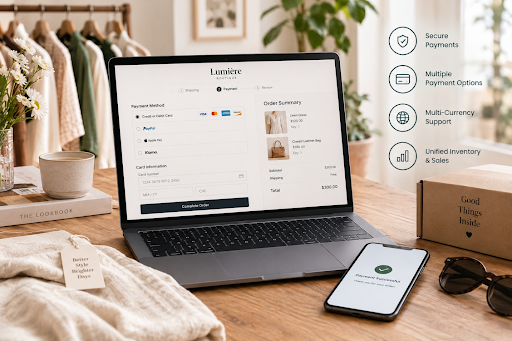
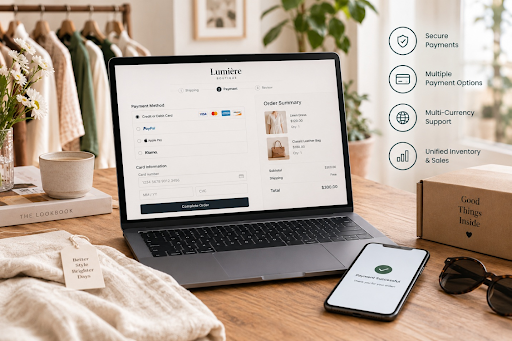
A shopper who has just fallen for a jacket should not land on a checkout page that looks like it belongs to a different company. Keep the experience consistent: your logo, your colours, a clear order summary with product photos, and no surprise steps. Every extra field or redirect is a moment where a customer can change their mind.
Simplicity matters particularly on mobile devices, where many fashion shoppers discover products through social media. Typing long addresses or repeatedly entering payment details on a small screen can become frustrating. Use a mobile-friendly layout, make buttons easy to tap, and allow customers to review their order before confirming payment.
It is also worth displaying shipping costs, estimated delivery times, and any applicable taxes as early as possible. Unexpected charges at the final stage are a common reason shoppers abandon their carts. Clear information builds trust and helps customers feel confident about completing their purchase.
Offer Payment Options Customers Actually Use
Fashion shoppers increasingly expect digital wallets, saved cards for repeat purchases, and, for higher-ticket items, flexible options such as buy now, pay later. If you sell to customers in more than one country, accepting multiple currencies helps them see a familiar total instead of doing math at the last second.
However, offering every available payment method is not necessarily the best approach. Consider where your customers live, which devices they use, and the typical value of their orders. A small boutique selling affordable accessories may have different needs from a store specialising in premium occasionwear.
Review your payment reports periodically to see which methods customers prefer and whether particular options lead to more completed purchases. Keeping the selection relevant can make checkout easier to navigate without overwhelming shoppers.
Treat Fraud Prevention as Part of Customer Service
Fraud is not just a big-retailer problem. The Merchant Risk Council's 2026 Global eCommerce Payments and Fraud Report found that 98% of surveyed merchants faced at least one type of fraud attack in the past year, and refund and policy abuse was the most commonly reported type. For boutiques, that can look like items claimed as "never arrived" or worn pieces returned as new.
The answer is not to make checkout harder for everyone. Look for a setup that checks card details, flags unusual patterns such as many orders from one device in a short time, and adds extra verification only when an order looks risky. Tokenization, which replaces stored card numbers with secure tokens, keeps sensitive data out of your hands while still letting loyal customers check out in one tap.
Boutique owners should also keep their store software updated, restrict access to payment information, and use reputable payment providers. Staff should understand how to recognise suspicious orders and handle customer information responsibly. These precautions can reduce avoidable risks while helping genuine customers enjoy a straightforward shopping experience.
Reduce Confusion and Avoid Unnecessary Disputes
A surprising number of chargebacks come from confusion rather than bad intent. A customer sees an unfamiliar company name on their statement and assumes the charge is fraud. Make sure your billing descriptor matches the boutique name shoppers know, and send clear order confirmations, shipping updates and delivery notices. Keep your return policy easy to find and show it at checkout, so there is no question about what a customer agreed to.
Good communication should continue after payment. If an item is delayed, a size is unavailable, or a delivery issue occurs, contact the customer promptly and explain the available options. A helpful response can prevent a minor problem from turning into a payment dispute or a negative review.
Keep records of order confirmations, tracking information, customer communications, and refund decisions. If a dispute does arise, having organised documentation can make it easier to understand what happened and respond appropriately.
Connect Online and In-Person Sales
Many boutiques start online and add pop-ups, markets or a small studio later. If your online checkout and in-person point of sale are separate systems, inventory and reporting get messy fast. Choosing tools that work across channels from the start means one view of stock, sales and customers, whether a piece sells on Instagram or at a Saturday market.
Accurate inventory is particularly important for boutiques with limited collections or one-of-a-kind pieces. Selling the same item twice can disappoint customers and create extra work for your team. Connected systems can help update stock levels as purchases happen, making it easier to manage availability across different sales channels.
Unified reporting can also reveal which products sell best, where customers discover your store, and when sales tend to increase. Those insights can support better decisions about restocking, promotions, and future collections.
Prepare for Growth Before It Happens
Holiday traffic, a viral post or a collaboration drop can multiply orders overnight. Before that happens, test your checkout on mobile, check that confirmation emails send correctly, and make sure your payment setup can handle higher volume without manual workarounds.
It is also sensible to test the complete purchase journey regularly. Place a test order, review the payment confirmation, check how refunds are processed, and confirm that your inventory updates correctly. Small problems are easier to fix before hundreds of customers encounter them.
As your boutique grows, review payment fees, settlement times, reporting tools, customer support, and the process for handling refunds. The cheapest option is not always the most suitable if it creates extra administrative work or lacks features your business needs. Look for a solution that fits your current operations while leaving room for future expansion.
If you are reviewing your options, it helps to look at ecommerce payment processing as part of your brand experience rather than a back-office detail. Yuzera offers payment technology solutions that businesses can explore when evaluating their online checkout options. Choosing the right payment partner can help boutique owners create a smoother, easier and more secure purchasing experience while keeping payment operations aligned with their business needs.
A checkout that is smooth, secure and connected to the rest of your business lets you spend less time on payments and more on the pieces your customers come back for. When every step, from browsing to delivery, feels reliable, customers have more reason to trust your boutique and return for the next collection.
HOW DO YOU FEEL ABOUT FASHION?
COMMENT OR TAKE OUR PAGE READER SURVEY
Featured




You upload a new Instagram Reel, spend a few minutes checking the views, and hope it starts getting attention.