
The Quiet Appeal of Owning Something That Doesn't Go Out of Style
PAGE
By PAGE Editor
There’s a particular ease in reaching for the same jacket for the tenth winter, settling into a familiar chair, or picking up an object that has never needed explaining. Nothing about it feels especially novel, yet replacing it seems unnecessary.
Shopping tends to reward novelty. Trends arrive with the suggestion that last season’s choices need revisiting, while the deepest satisfaction often comes from the few possessions that no longer prompt debate. That tension sits at the heart of owning something that doesn't go out of style.
What allows an object to outlast changing taste? More intriguingly, why does timeless style feel so quiet compared with the excitement of buying something new? Those questions are difficult to answer when enduring design, age, familiarity, and temporary popularity can look so similar.
What Timeless Actually Means
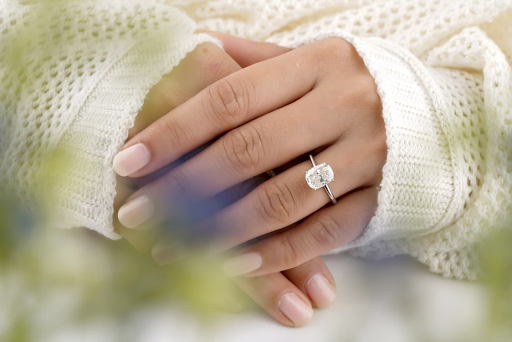
A timeless object doesn’t rely on the period in which it was made to look deliberate. Remove its original context, and its proportions, materials, and purpose still make sense.
Age alone doesn’t produce timeless style. A 1970s avocado bathroom suite is old, but its color immediately places it within a particular decade. A simple 1950s wooden dining chair can be equally old yet still look correct beside a contemporary table because its design follows the body and the function rather than trends.
Current popularity isn’t proof either. Trend-driven objects often borrow their appeal from being visible everywhere at once. Once that shared attention moves elsewhere, the object loses part of what made it desirable.
The phrase “fashion never goes out of style” makes more sense when fashion and style are treated separately. Fashion runs on a calendar. Style is a consistent pattern of choices, which is why classic staples can survive several fashion cycles without looking frozen in one.
A useful test is straightforward: would the owner have wanted the object ten years ago, and is it reasonable to expect the same response ten years from now? If both answers are yes, the design probably ages gracefully because its logic is stronger than its timestamp.
Objects That Keep Earning Their Place
Clothing, furniture, and collectible objects may seem unrelated, but the lasting examples across all three categories share a foundation. Their appeal comes from proportion, material, and usefulness rather than a decorative cue that belongs to one narrow moment.
The Wardrobe Pieces That Stay
A well-cut navy or camel blazer, a white cotton shirt, straight-leg indigo jeans, a cashmere crewneck, a plain leather loafer, and a Diane von Furstenberg (DVF) wrap dress remain recognizable without looking costume-like. Ralph Lauren and J.Crew have sold many of these classic staples in near-identical forms for decades.
Neutral colors and simple silhouettes work because they don’t depend on a season’s dominant palette. They also combine easily, which is why wardrobe basics with lasting appeal often become the quality foundational pieces of a capsule wardrobe rather than isolated purchases.
Furniture That Ages Instead of Dating
Furniture lasts visually when its construction and form remain easy to read. Solid wood can be refinished, leather develops a patina, and an unornamented frame doesn’t compete with every room it enters. Restrained upholstery gives a chair or sofa the same flexibility.
Veneer isn’t automatically poor, but thin surfaces leave less room for repair. High-gloss lacquer, novelty finishes, and conspicuously fashionable shapes date sooner because they dominate a room rather than adapt to it. Once the surrounding look changes, their original context disappears.
Things Kept Rather Than Worn
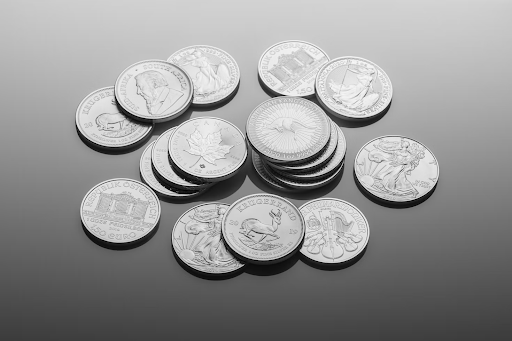
Some possessions earn their place through material integrity rather than frequent use. That group includes a mechanical watch, a cast-iron pan, and a Silver Krugerrand struck at the South African Mint in .999 fine metal.
Their forms aren’t chasing visual novelty or depending on a passing decorative context for their appeal. Construction, weight, provenance, and the way the materials respond to handling provide the interest. Even when an object is kept more often than used, those qualities give it a reason to remain beyond decoration alone.
What Goes Out of Style, and Why
Objects date fastest when most of their identity comes from recognition. Social platforms can compress the perceived trend cycle from seasons into weeks, allowing an item to feel saturated before it even reaches many wardrobes or homes.
Micro-aesthetics circulated and named on Pinterest and Instagram are particularly vulnerable. The label helps the look spread, but it also timestamps every object associated with it. Once the name disappears from feeds, the design has little independent meaning left.
Loud logos and all-over branding create a similar problem. They connect an item to a marketing era rather than a lasting design idea. Of-the-moment colors, novelty materials and finishes, and awkward single-purpose shapes struggle for a second context once the first one passes.
That churn extends beyond appearance. Choosing clothes that remain useful for longer slows the replacement cycle that contributes to textile waste. It doesn’t require rejecting fashion altogether; it simply distinguishes a passing pleasure from something expected to earn a permanent place.
How to Tell Before You Buy It
Three questions work best in order. Does the object fit its body or space? Will its materials improve or deteriorate with use? Finally, does the likely number of uses justify its price and place among existing possessions?
Start With Fit and Proportion
Fit and proportion come first because even an enduring design goes unused in the wrong size. A coat should sit correctly across the shoulders, while a chair, table, or lamp should relate comfortably to the dimensions around it. Good proportions make an older object look considered rather than leftover.
Expected use matters just as much. A buyer can estimate the number of real occasions an item will serve during the next year, then halve that figure. The reduced number usually reflects actual habits better than the optimistic estimate made in a shop.
Materials That Earn Their Keep
Materials that improve through use offer the clearest evidence of physical longevity. Full-grain leather can be resoled or conditioned, solid wood can be refinished, and wool, cotton, and cashmere can often be rewoven or repaired. Dense metal generally tolerates handling better than a lightweight plated substitute.
Visible construction reveals what the label leaves out. Seam allowance permits alterations, sound joinery keeps furniture stable, and substantial hardware survives repeated movement. Glue where there should be stitching, screws, or joints usually signals that repair wasn’t part of the design.
Cost per Wear and Resale Reality
Cost per wear turns the price into a rate. A £300 coat worn 200 times costs £1.50 per wear. Three £80 coats worn twenty times each cost £4 per wear, despite the lower price tags.
This is the practical case for buying less, but better. A consignment shop or secondhand market offers another test: pieces retaining resale demand often preserve clear design logic and versatility. The final question is whether the purchase works with what’s already owned. If it needs two more purchases to make sense, it isn’t foundational.
The Calm of Not Having to Decide Again
The appeal of enduring possessions isn’t aesthetic superiority. It’s the absence of reassessment. Every object that has proved itself becomes one fewer decision waiting in the wardrobe, kitchen, or living room.
A capsule wardrobe or small group of trusted household objects reduces the low-grade pressure to keep checking what is current. Timeless style feels quiet because it doesn’t ask for regular validation from fashion, advertising, or other people.
An object outlasts taste when its design logic remains independent of its original moment. That independence gradually transfers to the owner, who no longer needs to defend, replace, or rethink the choice.
The familiar jacket still comes out for its tenth winter, and the question of what should replace it simply never arises.
HOW DO YOU FEEL ABOUT FASHION?
COMMENT OR TAKE OUR PAGE READER SURVEY
Featured


Finding the right job in human resources or recruitment can take time, especially when you're searching online.