
What Types of Women’s Boots Are Best for Fall and Winter Outfits?
PAGE
By PAGE Editor
Cold-weather dressing creates an interesting footwear challenge. A pair that looks perfect with a fall dress may not provide enough coverage once winter arrives, while heavy snow boots can feel excessive on a mild October afternoon. That is why choosing the best women’s boots starts with thinking about where you will wear them and what you normally have in your seasonal wardrobe.
Boot height matters, but so do weather conditions and outfit proportions. Understanding the strengths of each style makes building practical fall and winter outfits much easier.
Which Types of Women’s Boots Should You Consider?
Women’s boots vary significantly in shape and function. Rather than searching for one style that does everything, consider how each type fits into your wardrobe and daily routine.
Ankle Boots
Ankle boots are among the easiest styles to introduce when temperatures begin to drop. Their shorter shaft provides enough coverage for cool fall days without feeling as substantial as a full winter boot.
They work particularly well with straight-leg jeans and cropped trousers because the shorter height keeps the ankle area visually clean. Ankle boots can also complement midi skirts or seasonal dresses.
Heel choice changes the overall effect. Flat or low-heeled designs lean casual, while a block heel can make the same basic boot shape feel more polished.
Chelsea Boots
Chelsea boots are recognizable by their streamlined shape and elastic side panels. Their simple construction makes them useful when you want footwear that can move between casual and slightly dressier outfits.
A sleek Chelsea boot can complement tailored trousers or a knit dress. Versions with thicker lug soles create a more substantial look and pair naturally with denim or heavier outerwear.
They are also convenient for everyday dressing because the pull-on construction eliminates the need to adjust laces.
Knee-High Boots
Knee-high boots become especially useful when temperatures fall further. The taller shaft provides additional coverage while creating a distinctly seasonal silhouette.
Try them with a midi dress when you want to reduce the amount of exposed leg in cooler weather. They also pair naturally with skirts and longer coats.
If you plan to wear knee-high boots over trousers, pay close attention to shaft width. The trousers should sit smoothly inside the boot rather than bunching around the knee or ankle.
Over-the-Knee Boots
Over-the-knee boots extend the visual line of the leg and provide more coverage than conventional tall boots. Because their silhouette already commands attention, they usually work best when the rest of the outfit remains relatively restrained.
For example, a simple sweater dress can let the boots take center stage while keeping the overall look from feeling overloaded.
Fit is particularly important with this style. The shaft should feel secure enough to stay in position without restricting comfortable movement.
Combat Boots
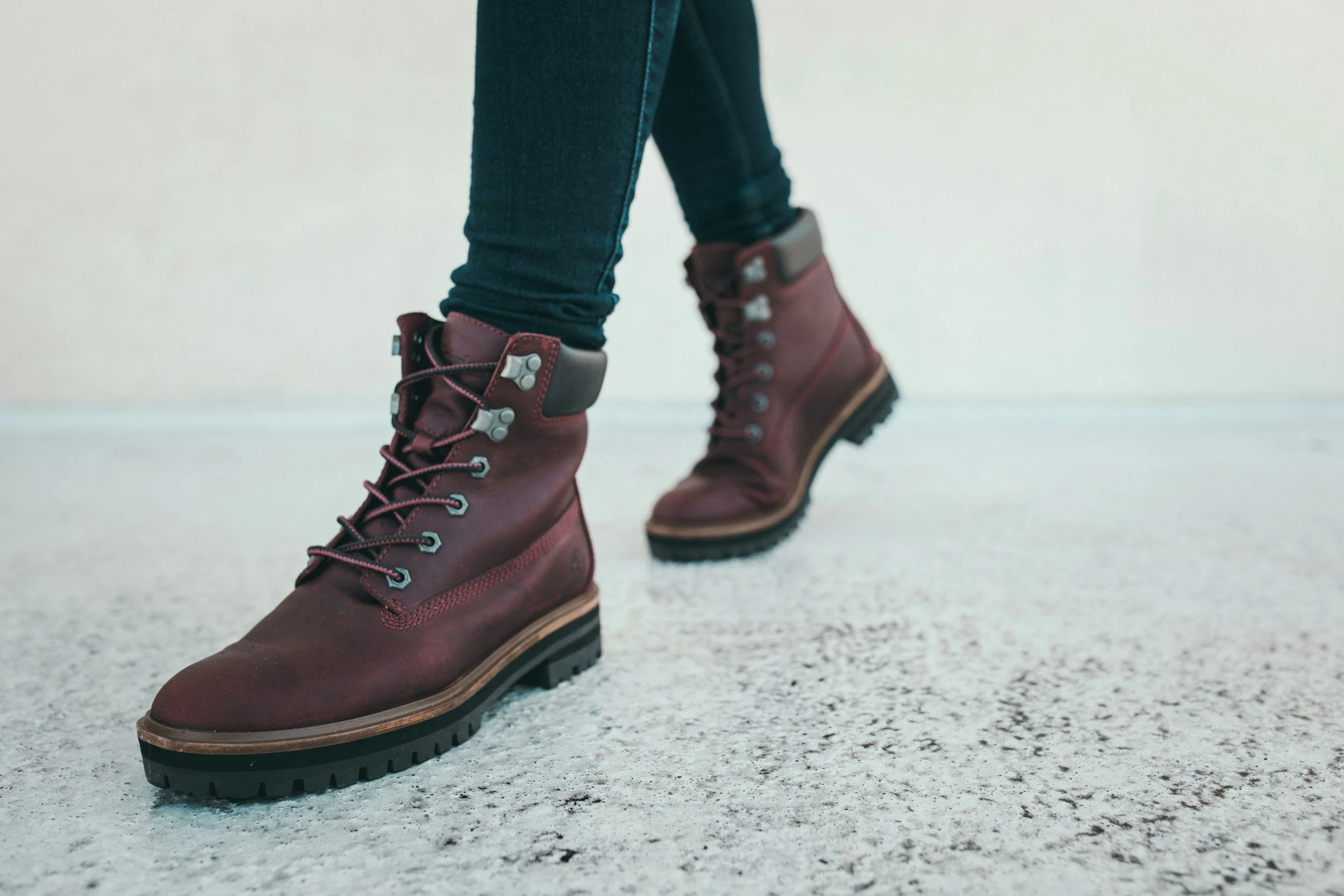
Combat-inspired boots bring more visual weight to fall and winter clothing. Their lace-up construction and substantial soles make them particularly effective with relaxed outfits.
Denim is an obvious pairing, but combat boots do not need to be restricted to rugged clothing. Wearing them with a soft knit dress can create useful contrast between a heavier boot and a lighter silhouette.
These boots also make sense when the rest of the outfit includes substantial outerwear. A chunkier sole can visually balance a puffer jacket or oversized winter coat more effectively than delicate footwear.
Snow Boots
When snow or freezing conditions arrive, appearance should no longer be the only consideration. Winter footwear needs to suit the environment in which it will actually be worn.
Warm lining can improve comfort in low temperatures, while an appropriate outsole can provide a more practical foundation for winter walking. Coverage also matters when dealing with snow or slush.
However, not every winter day requires a heavy snow boot. Keeping weather-specific footwear for harsher conditions allows your more versatile ankle or Chelsea boots to handle milder days.
Which Boot Height Works Best With Different Outfits?
Boot height affects the proportions of an outfit, so consider what you usually wear before choosing a pair.
Ankle boots are particularly flexible with trousers and jeans. They can also work with dresses when you want a lighter silhouette.
Knee-high boots provide greater visual coverage and pair naturally with skirts or dresses. Over-the-knee designs create an even stronger statement, so simpler clothing often helps keep the proportions balanced.
There is no universally flattering boot height. The better option is the one that works smoothly with the hems and silhouettes already present in your wardrobe.
Should You Choose Flat or Heeled Boots?
Think about how much walking you expect to do. Flat and low-heeled boots are practical for everyday routines, particularly when you spend significant time on your feet.
Block heels can add height while maintaining a substantial appearance that works naturally with fall and winter clothing. Higher heels may suit dressier occasions, but walking conditions should remain part of the decision.
A heel that feels comfortable indoors may behave differently on wet sidewalks or uneven winter surfaces. Seasonal practicality still matters.
What Colors Are Most Versatile for Fall and Winter?
Black remains one of the easiest boot colors to incorporate into a cold-weather wardrobe. It works particularly well with darker winter clothing and can shift between casual and more polished outfits.
Brown and camel create a warmer effect. These shades complement denim particularly well and fit naturally with many colors associated with fall clothing.
Neutral footwear usually provides the greatest flexibility if you want one pair to work across several outfits. A statement color can still be worthwhile, but it should ideally complement clothing you already own rather than requiring an entirely new wardrobe around it.
Conclusion
The right women’s boots for fall and winter depend on the job you need them to perform. Ankle and Chelsea boots offer everyday versatility, while knee-high and over-the-knee styles provide more coverage and create a stronger seasonal silhouette. Combat boots bring visual weight to casual outfits, whereas snow boots become more useful when cold-weather protection takes priority.
Start with your typical outfits and local weather rather than choosing solely by appearance. Then consider boot height, material, heel shape, and color based on how often you expect to wear the pair.
A thoughtfully chosen boot should complement more than one outfit and feel appropriate for the conditions outside. For shoppers comparing different silhouettes in one place, DREAM PAIRS offers women’s boots across ankle, Chelsea, knee-high, over-the-knee, combat, and cold-weather styles, making it easier to narrow the choice according to both seasonal needs and personal style.
HOW DO YOU FEEL ABOUT FASHION?
COMMENT OR TAKE OUR PAGE READER SURVEY
Featured





Video is no longer optional for marketing teams, e-commerce brands, and solo creators.