
Why Classic Jewelry Styles Never Go Out of Fashion
PAGE
By PAGE Editor
Jewelry has always held a unique place in human culture, representing more than mere decoration. Throughout history, adornments have served as symbols of status, tokens of love, and markers of personal identity. Among the ever-changing tides of fashion, certain styles endure, transcending trends and generations. Classic jewelry, with its timeless appeal, continues to captivate wearers and collectors alike. From understated elegance to intricate craftsmanship, these pieces are valued not only for their beauty but for their enduring relevance.
The enduring popularity of classic jewelry lies in its balance between artistry and versatility. Unlike fleeting trends, which often prioritize novelty over longevity, classic designs emphasize symmetry, proportion, and quality materials. They can complement diverse wardrobes and suit multiple occasions, making them a lasting investment for anyone seeking both style and substance. In understanding why classic jewelry remains relevant, one must consider both its historical significance and its capacity to resonate with contemporary aesthetics.
The Timeless Appeal of Simple Elegance
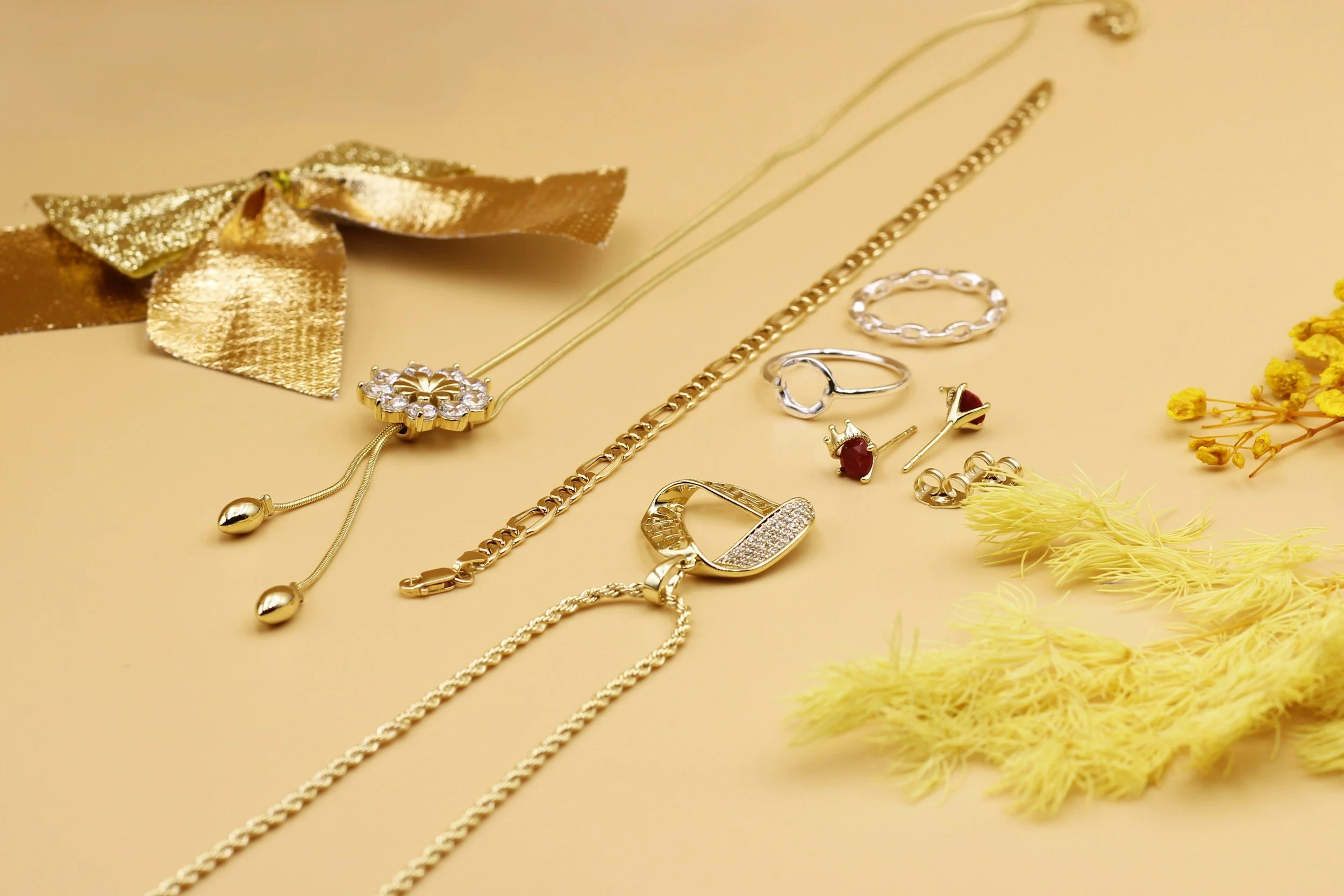
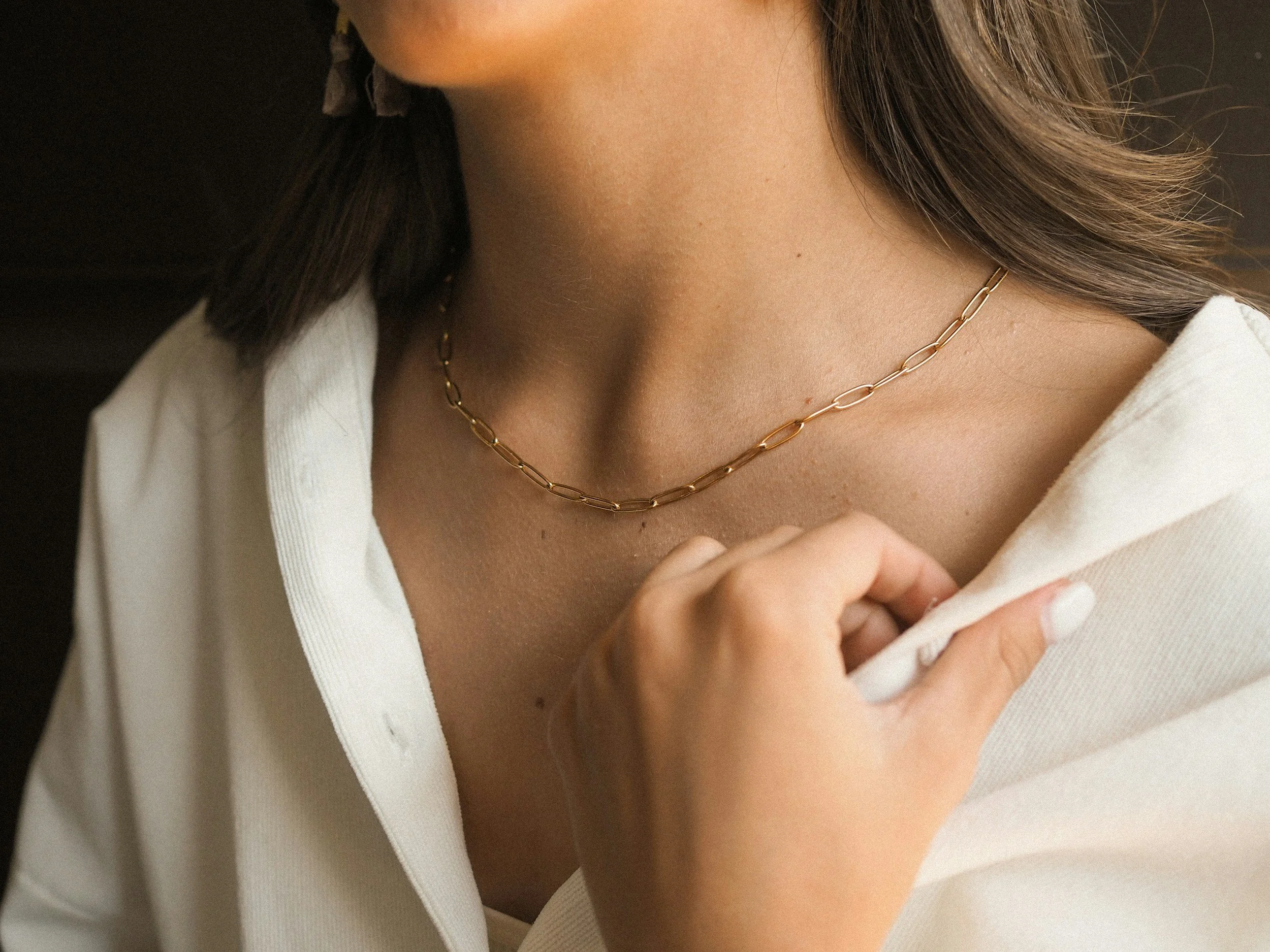
One of the defining features of classic jewelry is its understated elegance. Pieces such as solitaire diamond rings, pearl earrings, and chain necklaces have a refined simplicity that avoids being overbearing. This restraint allows them to remain stylish regardless of shifts in fashion. Experts in the jewelry industry consistently note that minimalism and clean lines create a sense of sophistication that transcends trends. Unlike bold or heavily stylized pieces, classic jewelry integrates seamlessly with changing wardrobe preferences, providing both adaptability and enduring beauty.
Materials play a crucial role in the timeless appeal of jewelry. Precious metals like gold, platinum, and white gold, combined with gemstones of lasting allure, are chosen not merely for their visual impact but for their durability. A piece crafted from high-quality materials retains its luster and structural integrity over decades, ensuring that it can be passed down through generations. For instance, a pair of white gold pendants can serve as both a contemporary accessory and a future heirloom, reflecting a balance of modern taste and enduring craftsmanship.
Classic jewelry often evokes a sense of heritage and nostalgia. Designs that have been favored across cultures and eras carry a narrative that connects the wearer to broader traditions. Whether inspired by Victorian intricacy or mid-century minimalism, such pieces offer a quiet sophistication that resonates with those seeking depth and meaning in their personal style. The ability of jewelry to tell a story while maintaining elegance is central to why certain styles never lose their appeal.
Versatility Across Generations
Another reason classic jewelry remains fashionable is its remarkable versatility. Unlike trend-driven pieces, which may only suit a narrow range of outfits or occasions, classic designs are inherently adaptable. A well-crafted bracelet, pendant, or ring can effortlessly complement both formal attire and casual ensembles. This flexibility appeals to a wide audience, from young professionals seeking subtle sophistication to seasoned collectors appreciating enduring artistry.
Cultural and societal shifts also reinforce the value of classic pieces. As lifestyles evolve, consumers increasingly prioritize investments that offer longevity and utility. Jewelry that can transition from a daily accessory to a statement piece for special occasions aligns with this mindset. Retailers and designers often highlight collections that emphasize timeless designs, recognizing the consumer preference for enduring elegance over seasonal novelty.
Classic styles foster intergenerational appeal. A necklace or pair of earrings chosen decades ago can remain relevant today, bridging the gap between generations. This quality enhances the emotional significance of the pieces, turning them into meaningful gifts and cherished family heirlooms. In this way, investing in classic jewelry is not merely a financial choice but an opportunity to connect with both personal history and broader cultural traditions.
Craftsmanship and Quality as Foundations of Longevity
The longevity of classic jewelry is closely tied to its craftsmanship. High-quality construction ensures that pieces withstand daily wear and remain visually compelling over time. Artisans who focus on precision, proportion, and attention to detail produce works that are more than accessories—they are enduring creations. Such dedication to craft reflects a philosophy in which aesthetic appeal is inseparable from structural integrity.
Classic jewelry also benefits from careful attention to design proportions. Balanced forms, harmonious symmetry, and subtle ornamentation contribute to a sense of timelessness. These principles have been recognized and refined over centuries, forming the foundation for styles that consistently resonate with consumers. Even as materials and techniques evolve, the underlying commitment to proportion and harmony preserves the relevance of these pieces.
Incorporating elements that enhance both beauty and resilience ensures that classic jewelry maintains value over time. This approach contrasts sharply with trend-driven designs, which may prioritize visual impact over durability. For example, a set of white gold pendants not only offers a polished aesthetic but also resists tarnishing and maintains its structural integrity. Such qualities affirm why classic jewelry continues to attract discerning buyers and collectors.
Emotional Resonance and Personal Significance
Beyond aesthetic considerations, classic jewelry endures because of its emotional resonance. Jewelry often marks significant life events—births, anniversaries, graduations, and milestones—imbuing pieces with personal meaning that transcends fleeting fashion. The emotional connection established through these associations strengthens the enduring value of classic designs. Unlike trendy pieces that may fade into obscurity, classic jewelry becomes intertwined with personal narratives.
This emotional significance is amplified when pieces are passed down as heirlooms. The continuity of ownership enhances both sentimental and cultural value, transforming jewelry into tangible symbols of legacy and connection. Collectors and families alike appreciate the ability of classic designs to embody memory, tradition, and identity. The combination of visual elegance and emotional weight ensures that classic jewelry maintains its appeal across generations.
The adaptability of classic jewelry allows it to reflect individual style while honoring tradition. A well-chosen piece can complement contemporary fashion sensibilities without compromising its inherent elegance. This dual capacity—honoring the past while remaining relevant to the present—is central to why certain jewelry styles never truly go out of fashion.
Conclusion
Classic jewelry styles endure because they offer a harmonious blend of elegance, versatility, and emotional significance. Their appeal is rooted in timeless design principles, high-quality materials, and meticulous craftsmanship. By balancing beauty and durability, such pieces transcend the ephemeral nature of trends, providing enduring value both aesthetically and sentimentally.
Whether selecting a delicate ring, a statement necklace, or white gold pendants, investing in classic jewelry is an investment in both style and legacy. These pieces are more than adornments; they are tangible expressions of identity, heritage, and personal milestones. In a world where fashion often changes with the seasons, classic jewelry stands as a testament to enduring taste, offering a sense of continuity, sophistication, and timeless charm that never fades.
HOW DO YOU FEEL ABOUT FASHION?
COMMENT OR TAKE OUR PAGE READER SURVEY
Featured


Finding the right job in human resources or recruitment can take time, especially when you're searching online.