
10 Essential Indoor and Outdoor Solutions for Modern Hotels to Elevate Guest Experience and Operational Efficiency
PAGE
By PAGE Editor
Modern hotels have to do more than just offer a clean room and a decent bed. You need smart indoor systems, flexible outdoor spaces, and design choices that actually make life better for guests and staff.
The 10 essential indoor and outdoor solutions for modern hotels combine smart technology, efficient back-of-house design, flexible outdoor areas, and experience-driven amenities to improve guest satisfaction and long-term performance. When you plan these elements together, you end up with spaces that feel connected, practical, and easy to manage.
Design, technology, and unique features shape both guest areas and staff spaces. From seamless indoor-outdoor flow to tools that boost efficiency, each solution helps you keep up in a fast-changing hospitality market.
Top Indoor and Outdoor Solutions for Modern Hotels
Modern hotels thrive when you mix practical room features, strong connectivity, and health-focused spaces. Guests want comfort, speed, and access to both indoor and outdoor amenities that support work and downtime.
Foundational Room and Guest Amenities
Start with the basics before layering on anything fancy. Clean, quiet rooms with tough furniture and good lighting set the tone for the guest experience.
Focus on essential room amenities like quality bedding, blackout curtains, climate control, and secure storage. Toss in useful touches—multiple charging ports, a desk with decent lighting, and a seating area that works for both relaxing and a bit of work.
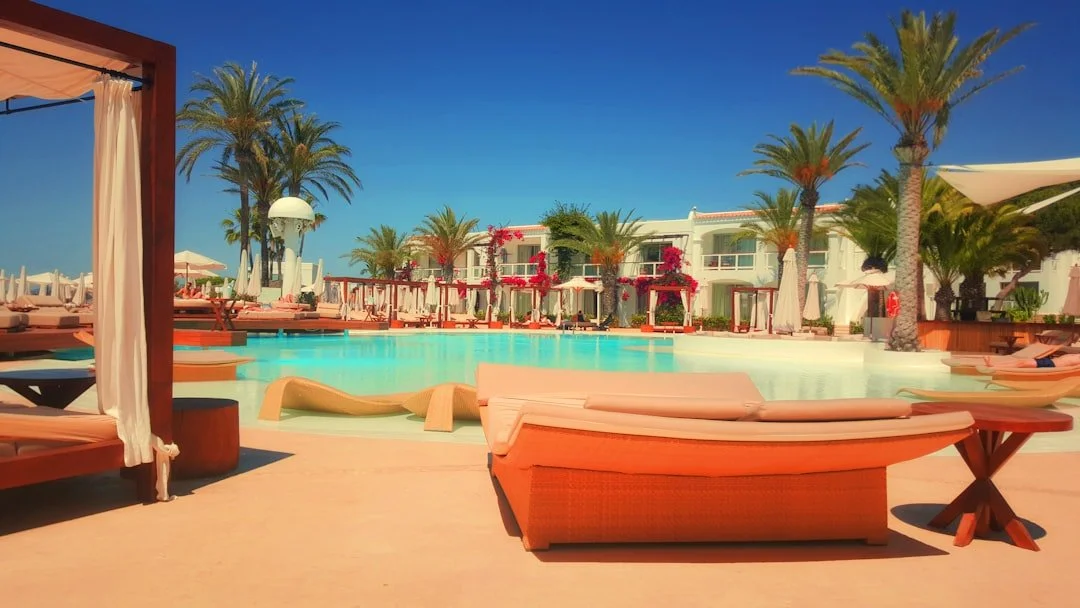
Whenever you can, bring comfort outdoors. Patios, balconies, and terraces with weather-resistant furniture help merge indoor and outdoor vibes. Guests love having access to fresh air and natural light, and honestly, who can blame them?
Make things easy with reliable room service and a clear service menu. Set up a well-organized complimentary breakfast area with indoor seats and, if you’ve got the space, an outdoor dining option. These small details nudge guest satisfaction up and encourage good reviews.
Technology and Connectivity Essentials
Fast, reliable high-speed Wi-Fi in all guest rooms and public spaces is a must. Free Wi-Fi isn’t a bonus anymore—it’s expected.
Put access points where they matter: indoor lounges, meeting rooms, pool decks, and outdoor terraces. Weak signals outside frustrate guests, especially remote workers and business travelers.
Install smart TVs with easy streaming and secure network connections. These smart TVs also integrate with hotel TV solutions, offering guests the convenience of personalized entertainment, on-demand services, and interactive hotel features, all from the comfort of their rooms. Digital check-in and mobile room keys save time and reduce front desk lines.
Use tech to streamline operations, too. Connect room systems—like lighting and climate control—to central management tools. You’ll be able to track usage, save on energy, and keep comfort consistent in every room.
Wellness and Health-Focused Facilities
Treat wellness as a core service, not just an add-on. A clean, well-equipped fitness center with natural light and good ventilation appeals to both business and leisure guests.
Add outdoor wellness areas if you can. Rooftop yoga decks, garden paths, and poolside lounges give guests space to breathe and unwind. More hotels are adding greenery, living walls, and landscaped courtyards to lower stress and lift moods.
Boost indoor air quality with room purification systems and regular HVAC checkups. Be upfront about cleaning standards; it builds trust.
Offer healthy dining choices. Balanced breakfast options and lighter room service selections show you care about guest well-being and satisfaction.
Enhancing Hotel Environments With Design and Unique Features
Modern hotel architecture should make guests comfortable, support daily operations, and give people reasons to stick around. You get there by blending nature into interiors, shaping active outdoor spaces, and adding local touches and practical perks.
Biophilic and Sustainable Design for Guest Spaces
Biophilic design connects guests with nature indoors. Add plants, living green walls, and natural materials like wood and stone in lobbies and guest rooms. They offer a calm vibe and better air quality.
Focus on where guests linger the most. Lobbies and lounge areas, spa and wellness rooms, and guest room balconies are great spots for greenery.
Go for sustainable choices where you can. Install energy-efficient lighting, low-flow plumbing fixtures, and large windows for more natural light.
Smart systems help too. A check-in kiosk cuts down wait times and lets staff focus on guests. Combine technology with natural design so spaces feel inviting, not sterile.
Curated Outdoor Experiences and Social Spaces
Outdoor spaces need a purpose, not just empty square footage. Design patios, courtyards, and pool decks where guests can actually relax, eat, or work if they want.
A rooftop bar adds a ton of value in city hotels. Good rooftop bars have shaded seating, simple landscaping, and great views. They become social hubs for guests and locals alike.
Think about adding fire pits or heat lamps for chilly nights. Flexible seating works for events, and outdoor dining areas with weather protection let guests enjoy the space year-round.
Easy access matters. Clear signage and elevators that go straight to the rooftop bar make a big difference.
Don’t forget the practical stuff. Offer free parking when possible, and make sure outdoor lighting keeps things safe. Well-designed outdoor spaces can boost revenue and make guests want to come back.
Local Culture, Art, and Exclusive Guest Perks
Your brand gets stronger when you showcase local culture. Work with local artists to display original art in guest rooms and public spaces. Rotate the artwork now and then to keep things fresh. Use design elements that nod to the region’s history—maybe local stone, textiles, or custom furniture from nearby makers. Offer perks that connect guests to the community. Private tours of local landmarks, priority reservations at nearby restaurants, or VIP shopping deals with boutiques all add a personal touch. Keep these perks simple and highlight them at booking and check-in. Remind guests at the front desk and with in-room materials.
When you blend local flavor with practical benefits, your hotel feels intentional and memorable—never generic.
Conclusion
You shape guest experience through every space you design, inside and out. When you plan indoor and outdoor areas as one system, you improve comfort, flow, and long-term value. Modern hotels don’t just treat outdoor space as decoration anymore. You use it as living infrastructure—it supports shade, drainage, energy use, and guest well-being.
Honestly, starting early with designers and landscape experts saves you headaches and extra costs down the line. Flexible indoor-outdoor layouts let you adapt to the seasons, so guests stay comfortable no matter the weather. Durable furniture stands up to high traffic and unpredictable weather, which is a relief when you’re thinking about wear and tear.
Sustainable systems, like waste sorting and water control, just make sense for long-term efficiency and your conscience. Smart outdoor features can really stretch usable space year-round, so you’re not wasting any square footage. Each choice should balance appearance, function, and maintenance—no need to overcomplicate things. If you invest in quality materials and clear planning, you’ll cut down on replacement costs and keep your design looking sharp. These days, guests want more than just a room. They crave fresh air, natural light, and spaces that feel open and a bit closer to nature. When you blend comfort with practical design, you meet those expectations without making things more complicated than they need to be. Honestly, strong indoor and outdoor solutions help you stay competitive in a crowded market. With a clear strategy and steady upkeep, your property stays efficient, attractive, and ready for whatever comes next.
HOW DO YOU FEEL ABOUT FASHION?
COMMENT OR TAKE OUR PAGE READER SURVEY
Featured




Fat-tire electric bikes have become increasingly popular among riders who want a combination of comfort, stability, and versatility.