
7 Vintage-Inspired Trends Shaping Luxury in 2026
PAGE
By PAGE Editor
Fashion sales topped $1.8 trillion last year, and the market continues to grow. This surge in interest marks a definitive shift in how we define high-end value. Collectors no longer want the newest item off the assembly line; they want the item that has already survived the test of time.
Modern luxury in 2026 is becoming a dialogue between the past and the present. It is less about flash and more about the weight of history. Consumers are looking for stories they can wear or inhabit.
Heirloom Cuts and the Bridal Shift
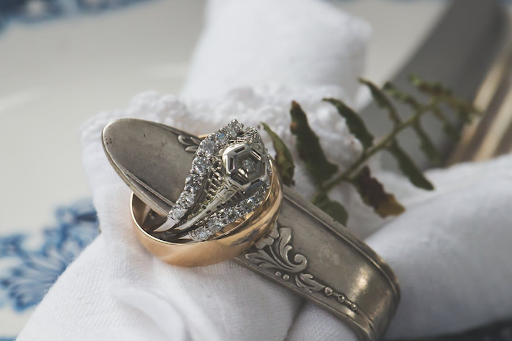
Engagement rings are shedding the clinical perfection of the early 2000s in favor of character. The demand for old mine and European cuts has skyrocketed because these stones were faceted by hand under candlelight. They possess a warmth that modern machine-cut stones simply cannot replicate.
Couples are increasingly prioritizing soul over symmetry. Many are finding that antique diamond bridal jewelry offers a depth of fire and unique personality that sets their union apart from the mass-produced market. This preference for "imperfect" stones reflects a broader cultural move toward authenticity.
The setting of these stones has also evolved. Jewelers are moving away from thin, invisible bands toward heavy gold collets and blackened silver. This creates a piece that feels like it was unearthed rather than purchased, and represents a rejection of the disposable and a commitment to something that will eventually be passed down again.
Archival Sneaker Reissues
The footwear industry is currently obsessed with the "deep dive" into brand basements. In 2026, the trend has moved beyond simple colorway swaps to exact 1:1 structural recreations of performance shoes from the 1970s and 80s. Brands are even mimicking the specific density of vintage foam and the thickness of original mesh.
This movement treats sneakers like artifacts rather than just athletic gear. It appeals to a demographic that values the technical history of a silhouette. High-end collaborations now often focus on restoring a lost design rather than inventing a futuristic one, and even emphasizing height and strength.
Upcycled Couture and Regenerative Luxury
Luxury houses are finally treating "used" materials with the same reverence as virgin silk. Upcycled couture is no longer a niche sub-category but a centerpiece of 2026 runway shows. Designers are taking unsold deadstock and vintage garments to create entirely new, deconstructed silhouettes.
This approach addresses waste while providing the buyer with a one-of-a-kind garment. No two pieces can be identical because the base materials are limited by their historical availability. It turns the supply chain into a creative puzzle.
The luxury sector is seeing several specific shifts in how these materials are handled:
Deconstructing vintage wedding gowns into modern cocktail attire
Integrating 19th-century lace into contemporary evening wear
Using discarded leather offcuts for intricate mosaic detailing
These methods ensure that the craftsmanship of the past is preserved within a modern context. It allows for a level of detail that would be prohibitively expensive to produce from scratch today.
The Rise of Repair and Personalization Bars
The most exclusive service a luxury brand can offer in 2026 is no longer a VIP lounge but a repair bar. High-end flagship stores in London and Paris have dedicated entire floors to the "visible mend." Customers bring in decades-old handbags or coats to have them restored or artistically altered.
Instead of hiding a tear, craftsmen are highlighting it with gold thread or contrasting patches. This borrows heavily from the Japanese tradition of Kintsugi. It celebrates the object's life.
This service transforms the retail experience into a laboratory. It moves the focus away from the transaction and toward the long-term maintenance of the product. It suggests that once you buy from a brand, you are part of its ecosystem for life.
Retro Beauty Palettes and Texture
The 2026 beauty landscape is dominated by a return to the saturated, moody palettes of the 1920s and the metallic sheen of the 90s. We are seeing a departure from the "clean girl" aesthetic toward something more theatrical and intentional. Heavy liners and matte, velvet skin are the new standards of luxury.
Texture is becoming as important as color. Brands are releasing products that mimic the feel of vintage powders and creams. The packaging itself is often weighted, using refillable brass and heavy glass that feels significant in the hand.
Heritage Logo Revivals
Minimalism is losing its grip on brand identity as consumers crave the complexity of the past. Luxury houses are retiring their sterile, sans-serif logos and bringing back crests and intricate serif typography from their founding years. These logos act as a "stamp of authority" in a crowded market.
These designs communicate longevity. They remind the consumer that the brand has survived economic depressions, wars, and shifting tastes. In a digital age where anyone can launch a brand overnight, 150 years of history is the ultimate competitive advantage.
The use of these logos is often subtle. They appear as embossed watermarks on leather or as small, etched details on hardware. It is a "if you know, you know" approach to branding that rewards the educated consumer.
Deco Influenced Store Design
Retail environments are moving away from the cold, white-box aesthetic that defined the last decade. The most influential store designs of 2026 are heavily influenced by Art Deco. Think mahogany paneling, brass fixtures, and geometric floor patterns.
These spaces are designed to feel like private clubs or residential libraries. They encourage the shopper to slow down and linger. By creating a warm, historic atmosphere, brands can justify the high price points of their goods.
The lighting in these stores is specifically tuned to mimic a sunset or a dimly lit lounge. This creates a sense of intimacy that is impossible to find online. It makes the physical act of shopping feel like a momentous event rather than a chore.
Luxury brands are realizing that the environment is just as important as the product. By investing in permanent, high-quality interiors, they signal that they are not going anywhere. It is an architectural promise of stability.
The Future of Traditional Craft
The common thread through all these trends is a deep respect for the human hand. As artificial intelligence becomes more prevalent in design, the value of a hand-knotted rug or a hand-etched diamond increases. 2026 is the year where we stop trying to outpace technology and start trying to out-human it.
True luxury will always be defined by what cannot be easily scaled or replicated. This return to vintage inspiration is not about being stuck in the past. It is about taking the best parts of our history and using them to build a more meaningful future.
Our site is packed with more fashion content, so no matter where your tastes take you, we’ve got posts to inform your next purchase.
HOW DO YOU FEEL ABOUT FASHION?
COMMENT OR TAKE OUR PAGE READER SURVEY
Featured




Digital rewards strengthen luxury through practical service, selective access, and thoughtful personalization that keeps each purchase valuable for longer.