
At Paris Fashion Week, Time Slows Down in r.l.e’s ‘Play House’ Collection
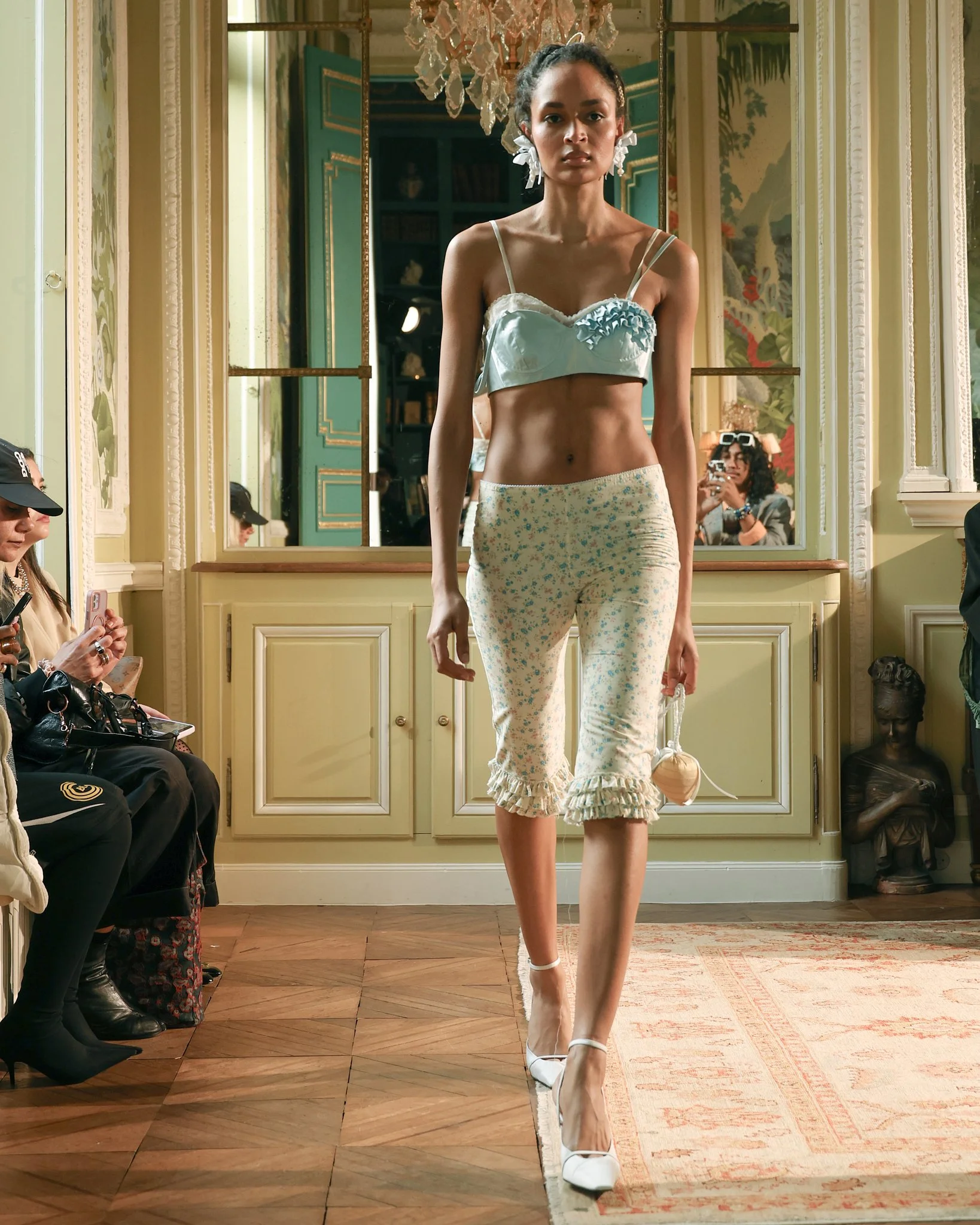
r.l.e Paris Fashion Week runway AW ‘26
By PAGE Editor
In an industry defined by relentless momentum, designer Qixin (Cici) Zhang is asking a rare question: what happens if fashion pauses?
Presented during Paris Fashion Week, r.l.e’s Autumn/Winter 2026–2027 collection, Play House, explored the possibility of slowing down in a culture that increasingly demands immediate identity. Rather than treating clothing as a finished statement, the London-born label framed this season as an evolving rehearsal—one where garments become a space to exist in transition rather than declare certainty.
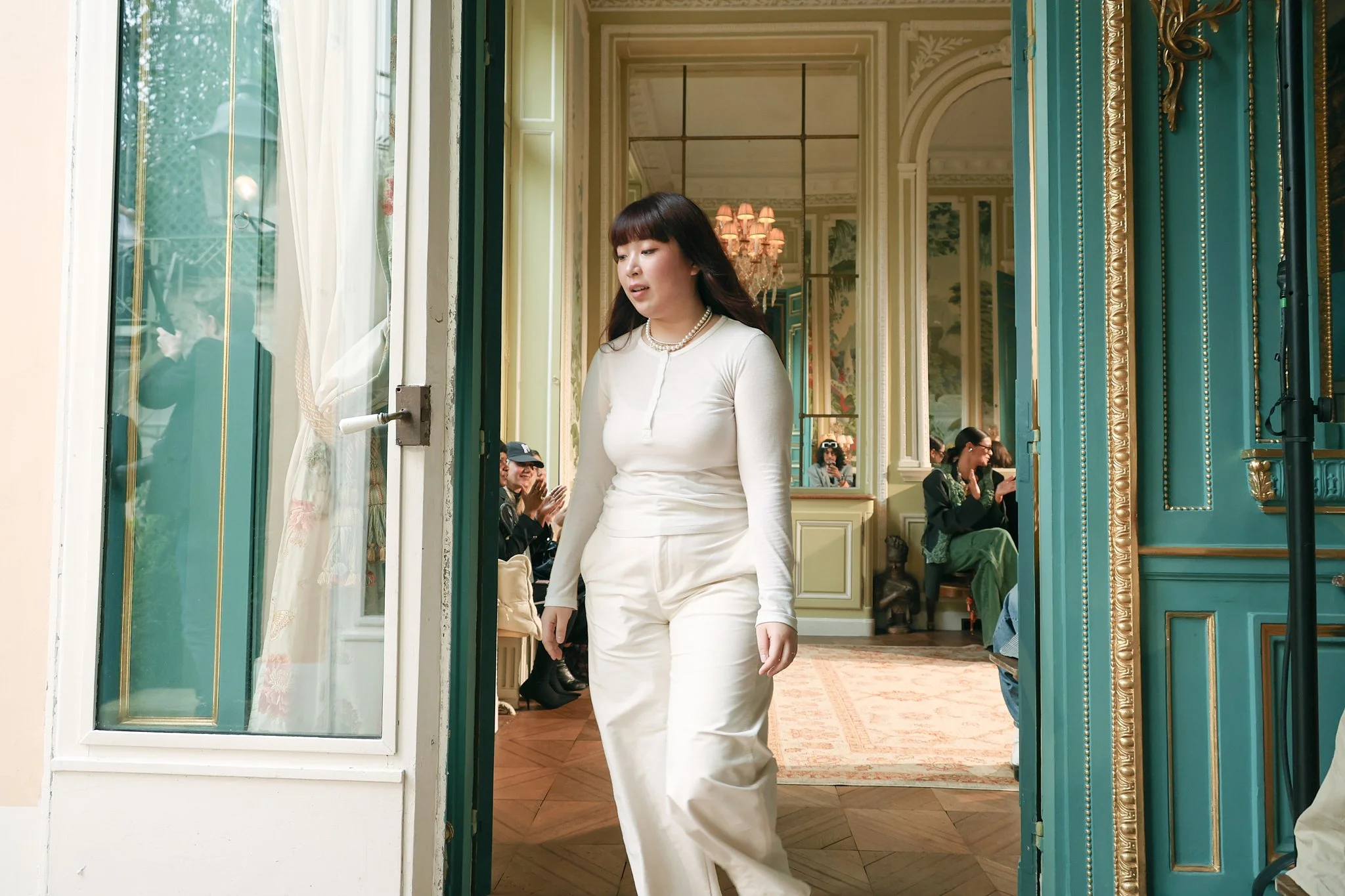
“In a time that barely allows hesitation, we are constantly pushed to decide who we are and who we are becoming,” Zhang notes. “We need a space where we are not expected to perform, where we don’t have to define ourselves in a single day. A space where we can create without purpose and simply exist.”
That philosophy shaped the collection’s central tension: between urgency and patience, between structure and softness. Referencing the 1920s not just through silhouette but through tempo, Play House revisits an era when waiting—whether for letters, travel, or conversation—was built into everyday life. It’s a historical lens that allows the designer to question the compressed timelines of modern identity.
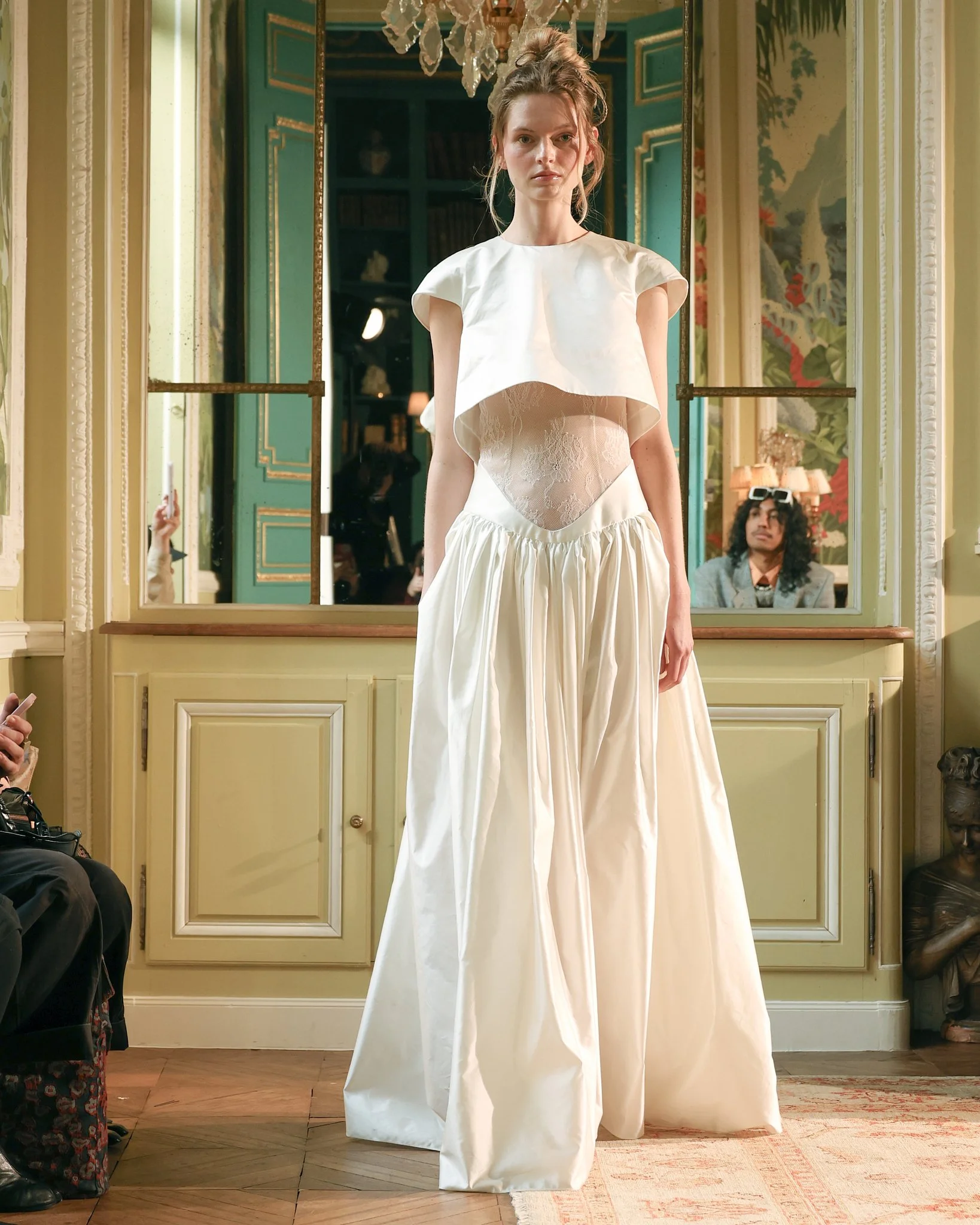
The runway reflected that dialogue. Buttercream-inspired textures, delicate tulle skirts, bra structures, and cropped tailoring created silhouettes that felt both playful and quietly rebellious—elements often considered too whimsical for adulthood reimagined with architectural restraint. Vintage references met contemporary construction through layered fabrics and contrasting textures, where transparency, weight, softness, and structure shared equal footing.
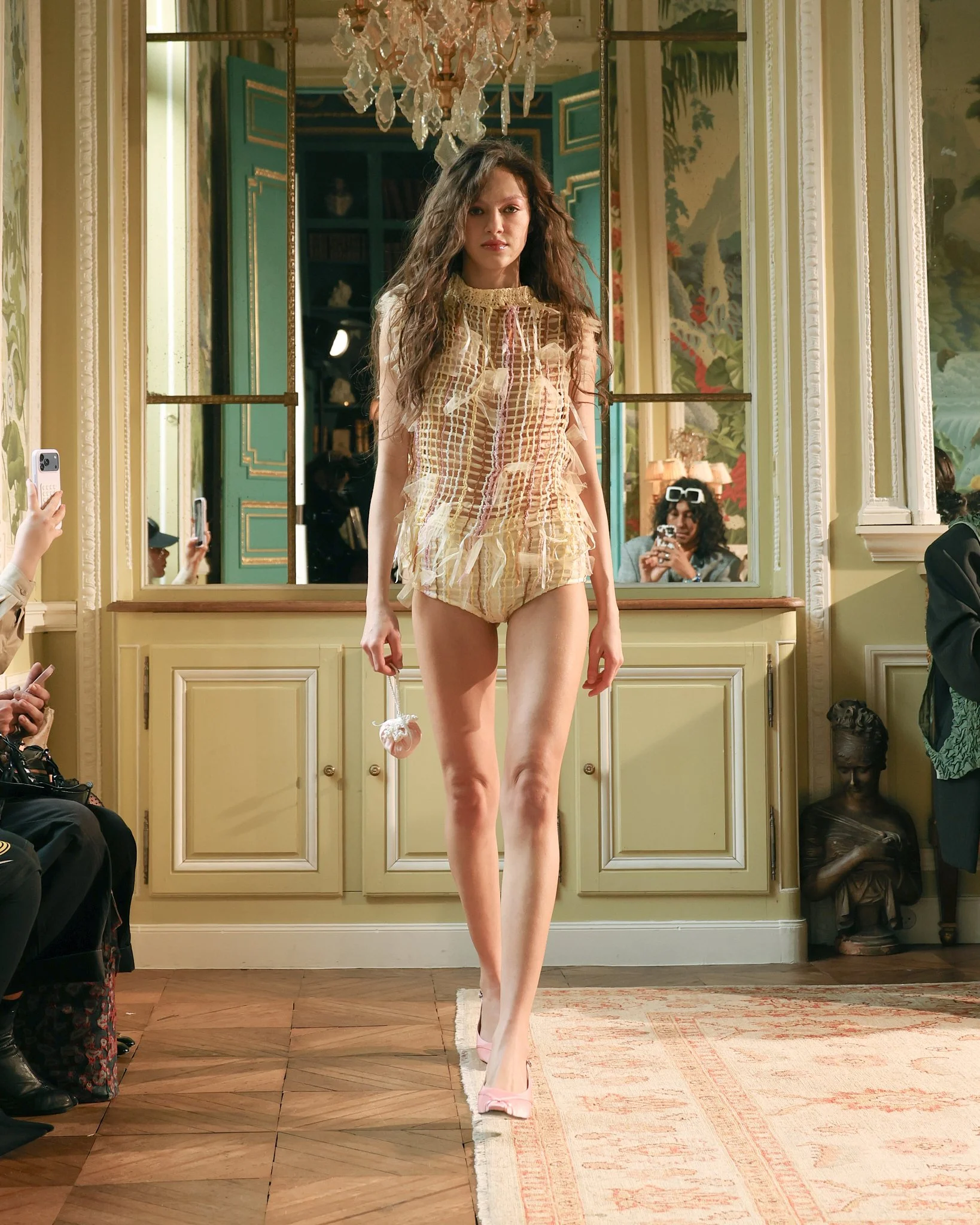
Craft, a cornerstone of the r.l.e ethos, remained visible throughout the collection. Crochet and knotting techniques transformed discarded fabric scraps into entirely new textiles, emphasizing the slow labor behind each garment. Hand-knit pieces reinforced that sense of deliberate pacing, embedding time directly into the clothing’s material language.
The season also marked a collaboration with youth-focused label imyourAnkin. Rather than presenting youth and maturity as opposing forces, the capsule explored their coexistence. Playful silhouettes met r.l.e’s handcrafted vocabulary, creating garments that move fluidly between spontaneity and refinement.
Elsewhere, Zhang extended the idea of suspended time beyond clothing. In collaboration with ceramic artist Dai, sculptural buttercream cakes appeared as objects that transformed fleeting celebration into permanence. What might typically melt or disappear was preserved in ceramic form—an artistic gesture that mirrors the collection’s broader meditation on endurance.
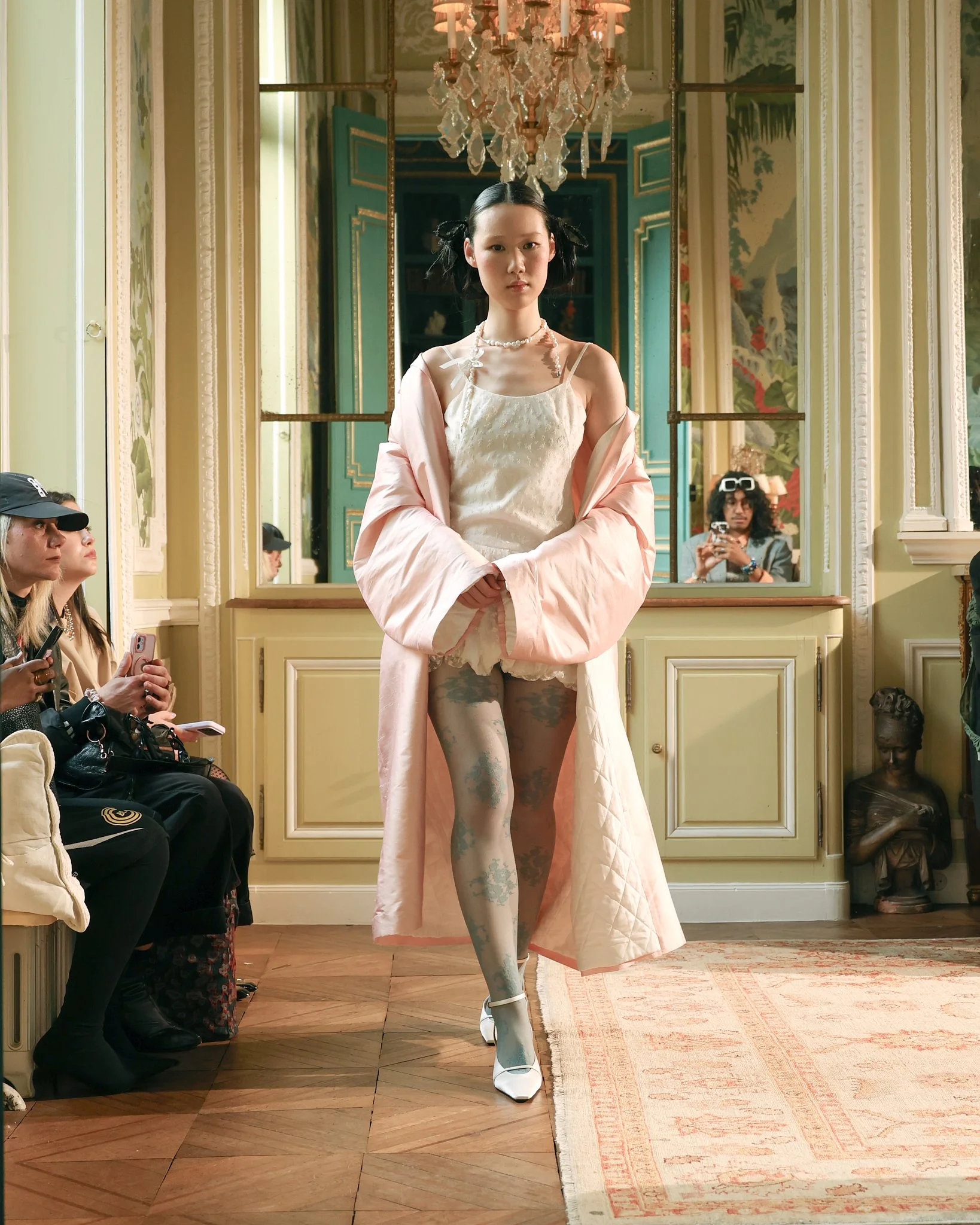
Since its founding in 2021, r.l.e has positioned sustainability not simply as material selection but as a philosophical framework. The brand’s name—derived from “rule” without the “u”—signals its commitment to questioning established structures. For Zhang, whose multicultural upbringing informs much of the brand’s aesthetic language, that questioning extends to the rhythm of fashion itself.
If the industry often prizes immediacy, Play House proposes an alternative: fashion as a place to linger. Within its delicate textiles and playful forms, the collection suggests that growth—like craft—may still require time.
See full runway:
HOW DO YOU FEEL ABOUT FASHION?
COMMENT OR TAKE OUR PAGE READER SURVEY
Featured


Wale joins CapSole as Chief Creative Officer and equity partner, bringing his influence in sneaker culture to a business focused on preservation, sustainability, and extending the life of collectible footwear.