
Does Feeding Spoiled Feed Increase the Risk of Botulism in Cattle?
PAGE
By PAGE Editor
Botulism in cattle is a serious and often fatal condition that many farmers underestimate until it is too late. The disease spreads quickly through a herd and leaves little room for error once symptoms appear. Choosing the right cattle livestock feed and managing it properly is one of the most effective ways to protect your herd from this deadly threat.
What Is Botulism and Why Does It Matter?
Clostridium botulinum is a bacterium that produces a toxin which causes botulism. The toxin targets the nervous system causing a progressive muscle paralysis which is near certain death in cattle unless early detected.
Low-oxygen, humid and decaying conditions are not only an ideal environment where the bacteria thrive, but they also present a popular source of exposure in farms where spoiled feed is one of the most prevalent.
How Spoiled Feed Becomes a Danger
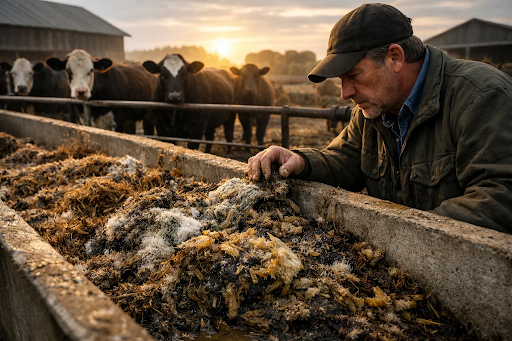
The storage of feed in an inappropriate way or stagnation during its decomposition provides Clostridium botulinum the optimal environment. Silage which has been poorly fermented, hay bales which have had their moisture trapped, and grain stored under moist conditions are all guilty culprits.
A single batch of contaminated feed can spread toxin even to several animals since even a small portion of a contaminated batch of food can be mixed into a bigger batch of food and serve several animals simultaneously.
The Connection Between Feed Quality and Herd Health
Substandard feed does not simply raise the chances of botulism it compromises the health of your cattle in general. Animals which are already in nutritional deficiency are much less prepared to combat infection or overcome toxin exposure.
One of the essential aspects of disease prevention in any healthy operation is the maintenance of high feed standards.
Identifying High-Risk Feed for Livestock
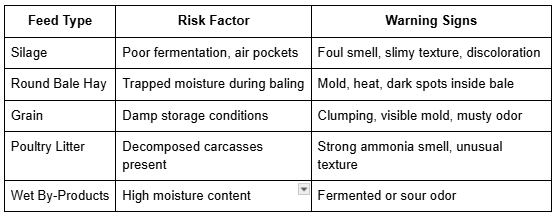
Feed for livestock that has been improperly stored or handled should always be evaluated carefully before it reaches your cattle. Producers need to know exactly what warning signs to look for before offering anything to their herd.
Here is a quick reference guide to help identify high-risk feed conditions:
Steps to Reduce Botulism Risk Through Feed Management
In botulism, prevention is much better than treatment. Majority of the cases which occur at farms can be directly traced to avoidable feed management errors. The risk is greatly mitigated by using the following practices:
Keep all feed in dry and well-ventilated places and out of the moisture.
Examine silage every day and pull out visibly bad parts.
Do not feed hay or grain with a moldy appearance, heat-damaged or with an unpleasant smell.
Turnover feed stock to avoid old batches taking too long.
Vaccination as a Supporting Measure
Although feed management is the initial mode of protection, vaccination against Clostridium botulinum is highly encouraged in risk-prone surgeries. Vaccination is not a substitute of good feed hygiene that it combines with in order to provide your herd with an added layer of protection. Discuss her schedule with your veterinarian according to your location and herd size.
What to Do If You Suspect Botulism in Your Herd
The process of botulism is fast and the early detection is of paramount importance in preventing losses. Call your veterinarian immediately in case of weakness, trouble with swallowing, eyelid drooping or failure to stand in any animal. Discontinue all suspicious feed immediately and segregate infected animals with the rest of the herd.
Conclusion
One of the most common causes of botulism in cattle, which is very preventable, is spilled feed. The best tools that any producer can have in combating the disease are proper storage, frequent inspection, and a desire to feed on fresh and high-quality feeds.
What you feed your herd directly impacts their health, making it a decision that should never be taken lightly. Insights shared at veterinary conferences 2026 continue to reinforce that feed quality remains one of the most critical factors in preventing livestock diseases.
When you are in need of high quality, regularly developed feed that you can count on, then Mid South Feeds is a brand that is developed on quality and performance.
Midsouth Feeds is a high-end animal and livestock food producer which provides science-supported, nutritionally balanced animal feed to cattle, equine, poultry, swine, goats, etc.
HOW DO YOU FEEL ABOUT FASHION?
COMMENT OR TAKE OUR PAGE READER SURVEY
Featured



For many people, the end of the workday does not always mean the beginning of recovery.