
HELIOT EMIL Spring/Summer 2026: The Discipline of Grace
PAGE
By PAGE Editor
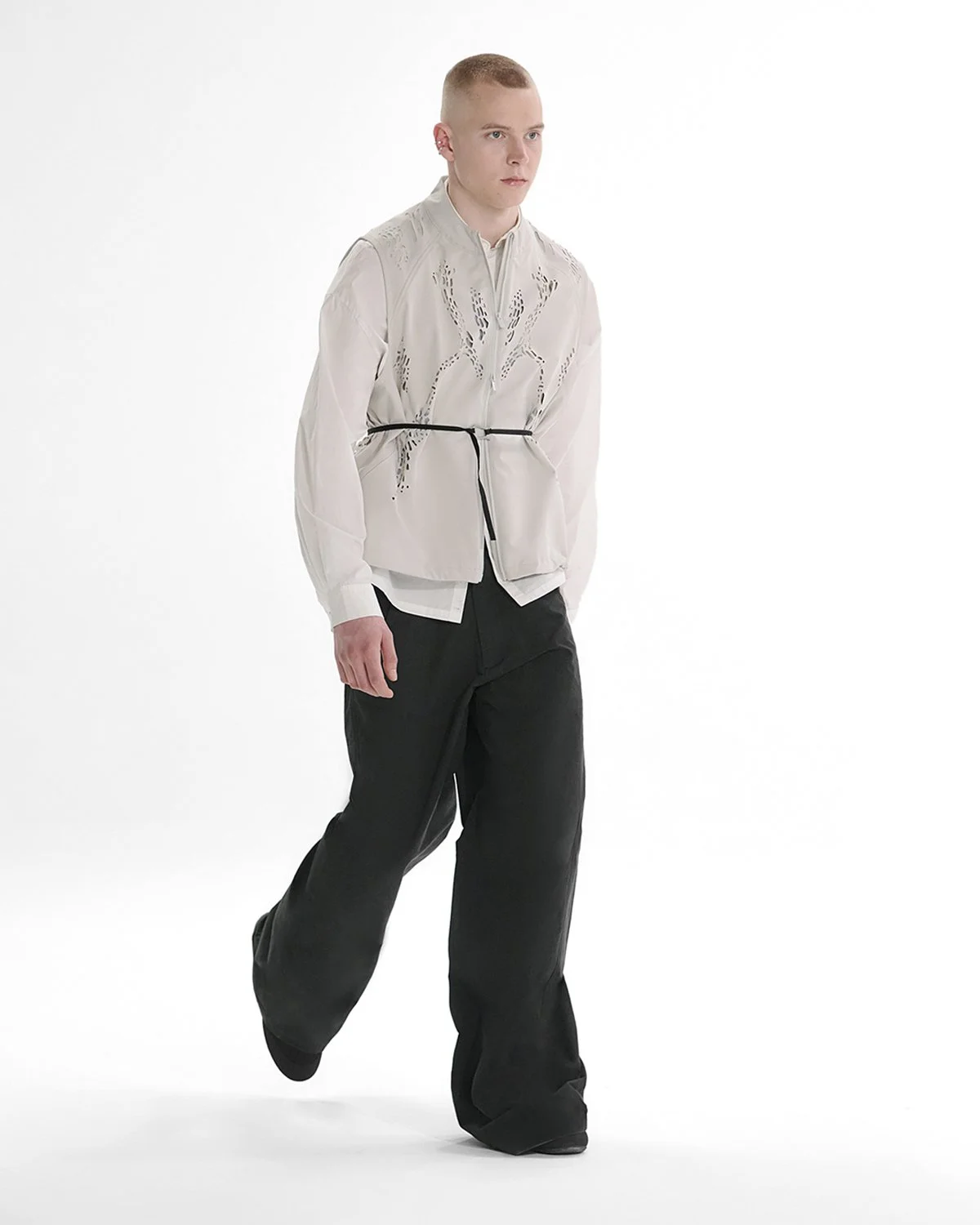
In fashion, references to heritage often risk becoming decorative nostalgia. Yet for Spring/Summer 2026, HELIOT EMIL approaches history differently—less as a visual archive and more as a system of ideas. The Danish label’s latest collection, titled EQUINE, examines the horse not as pastoral iconography but as one of civilization’s earliest instruments of power, labor, and ritual.
For centuries, horses carried the literal and symbolic weight of human progress. Before engines and infrastructure, mobility, warfare, and trade depended on the animal’s endurance. But beyond its utility, the horse also shaped cultural hierarchies. To ride, historically, was to command authority.
EQUINE interrogates this relationship between discipline and intimacy. While the mythology of horsemanship often emphasizes control, the collection subtly shifts the narrative toward the silent dialogue between rider and animal—the balance between strength and restraint that defines both movement and trust.
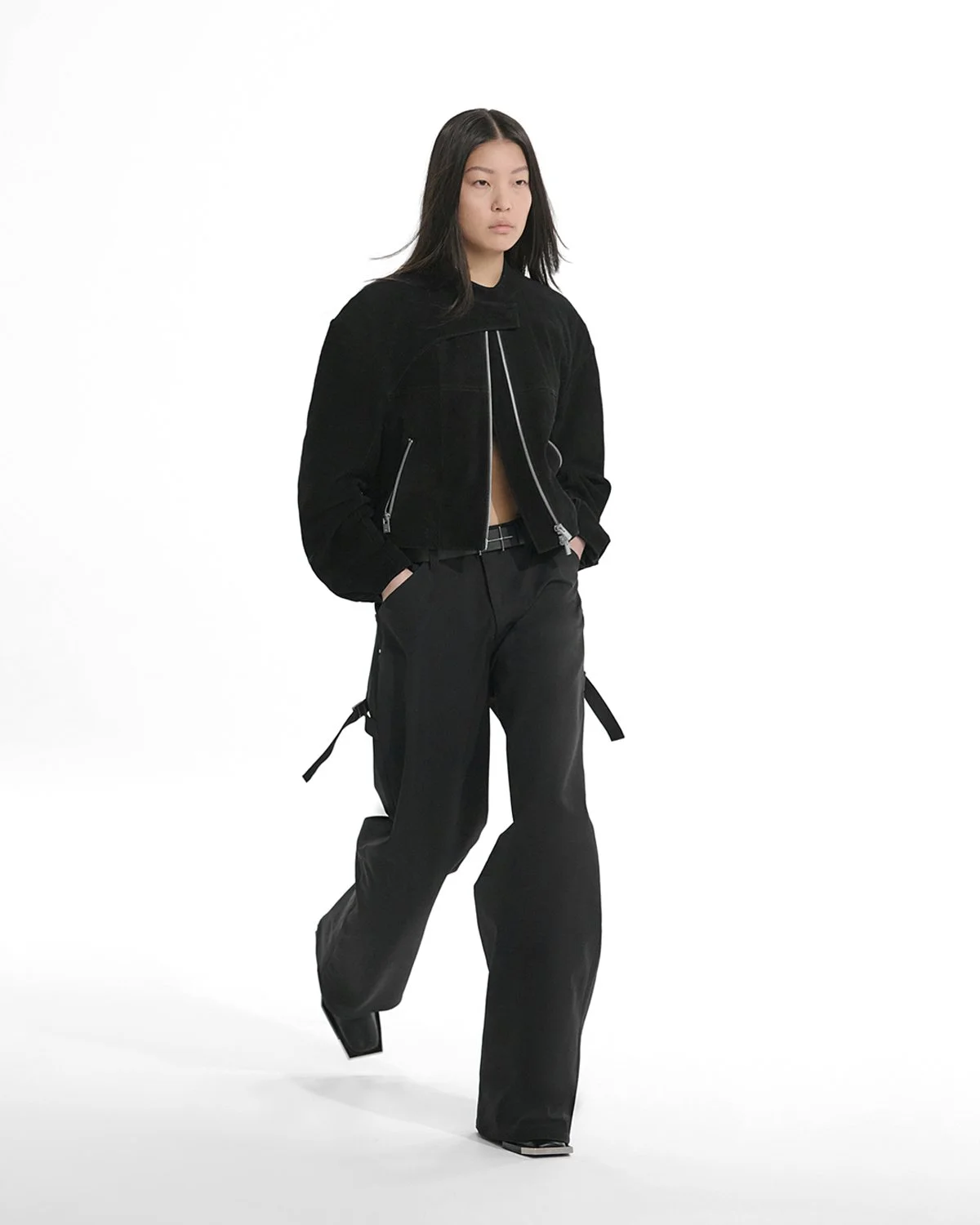
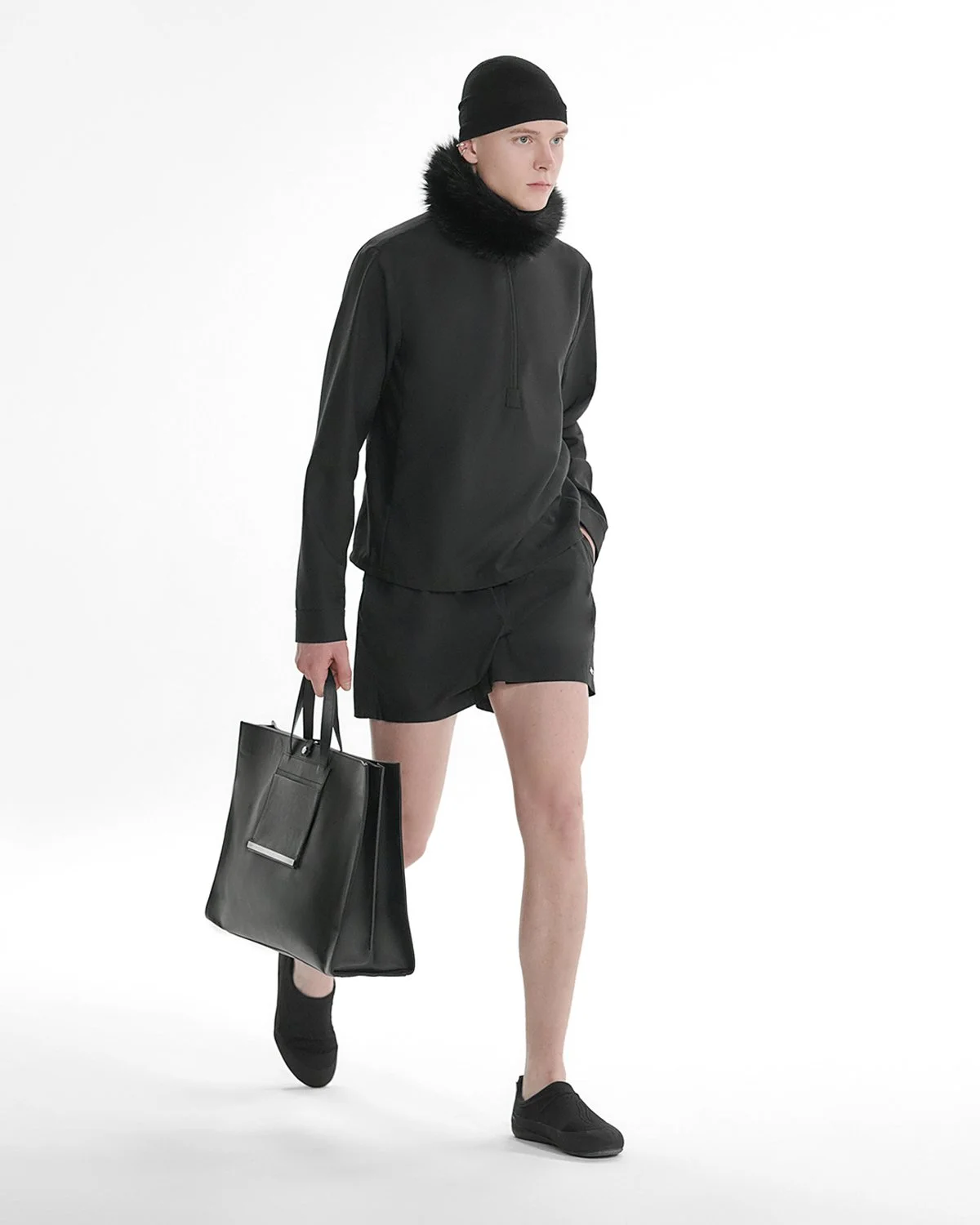
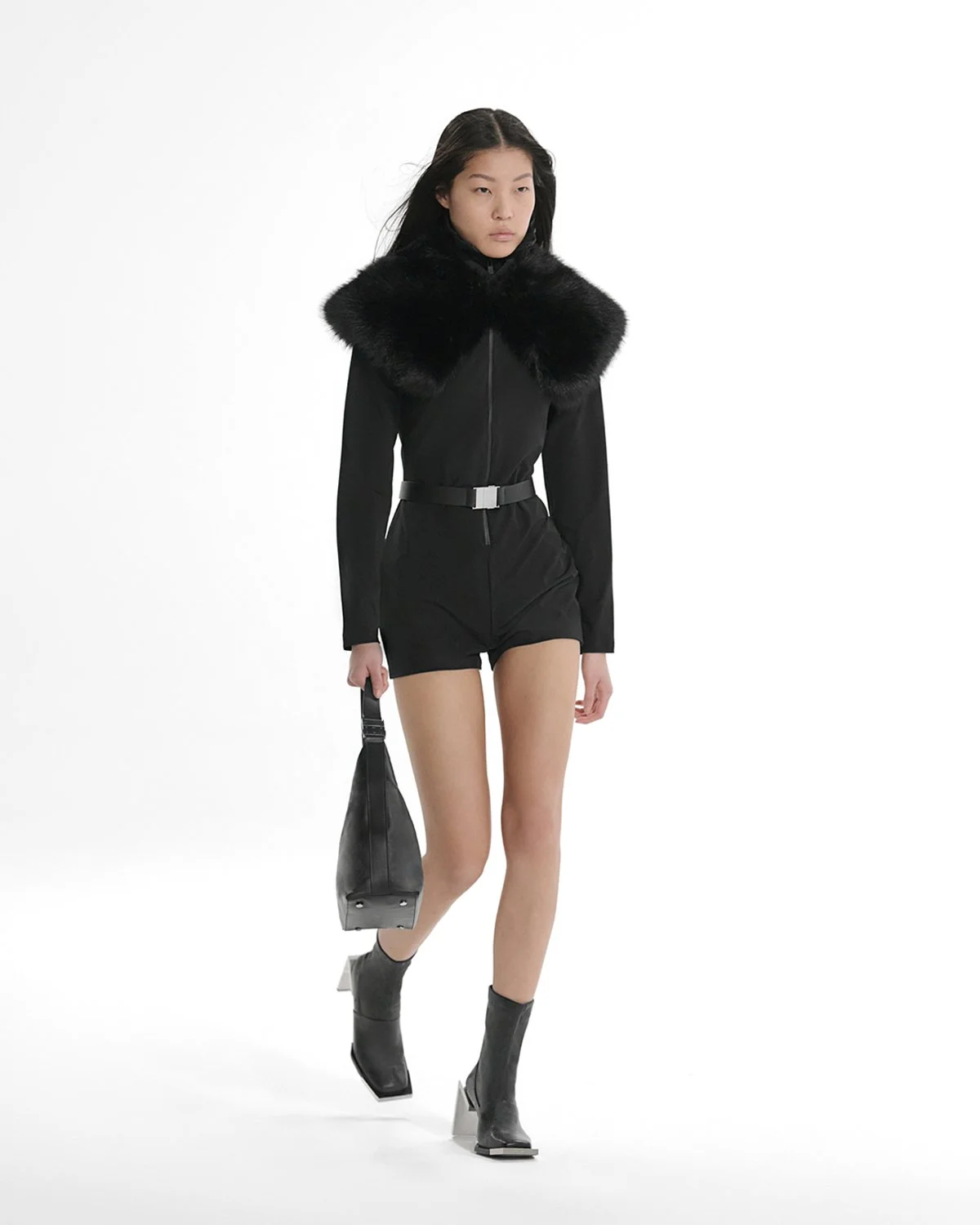
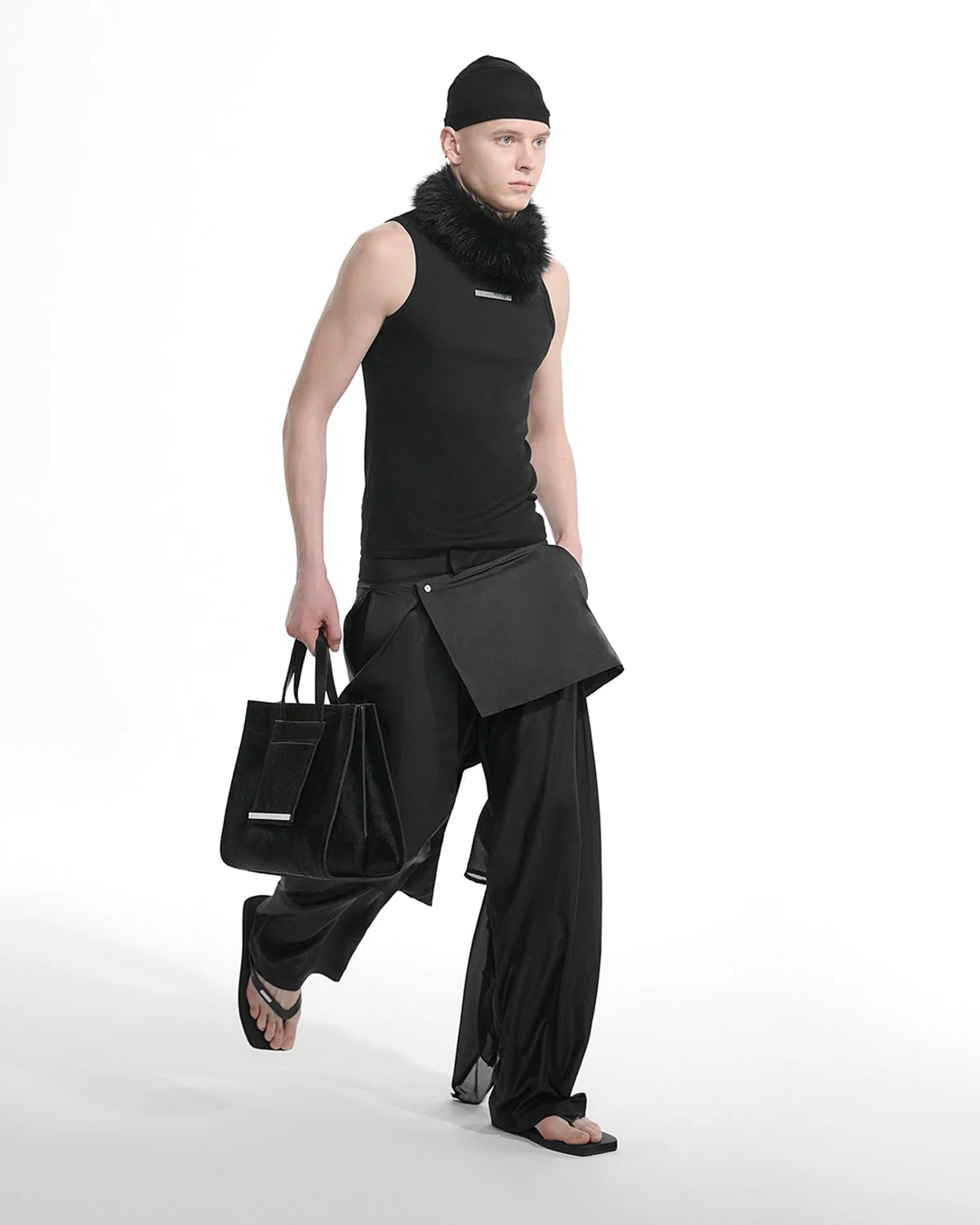
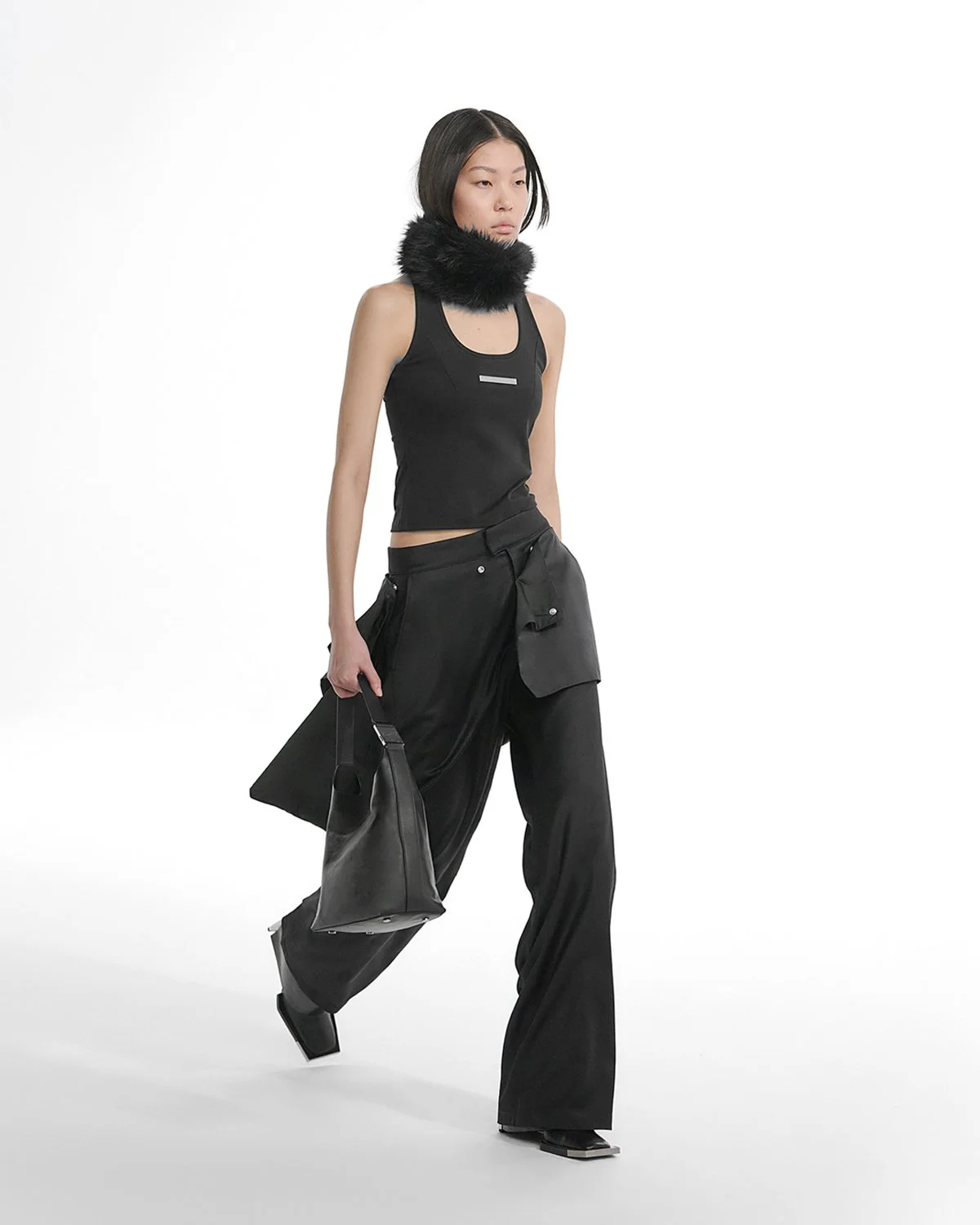
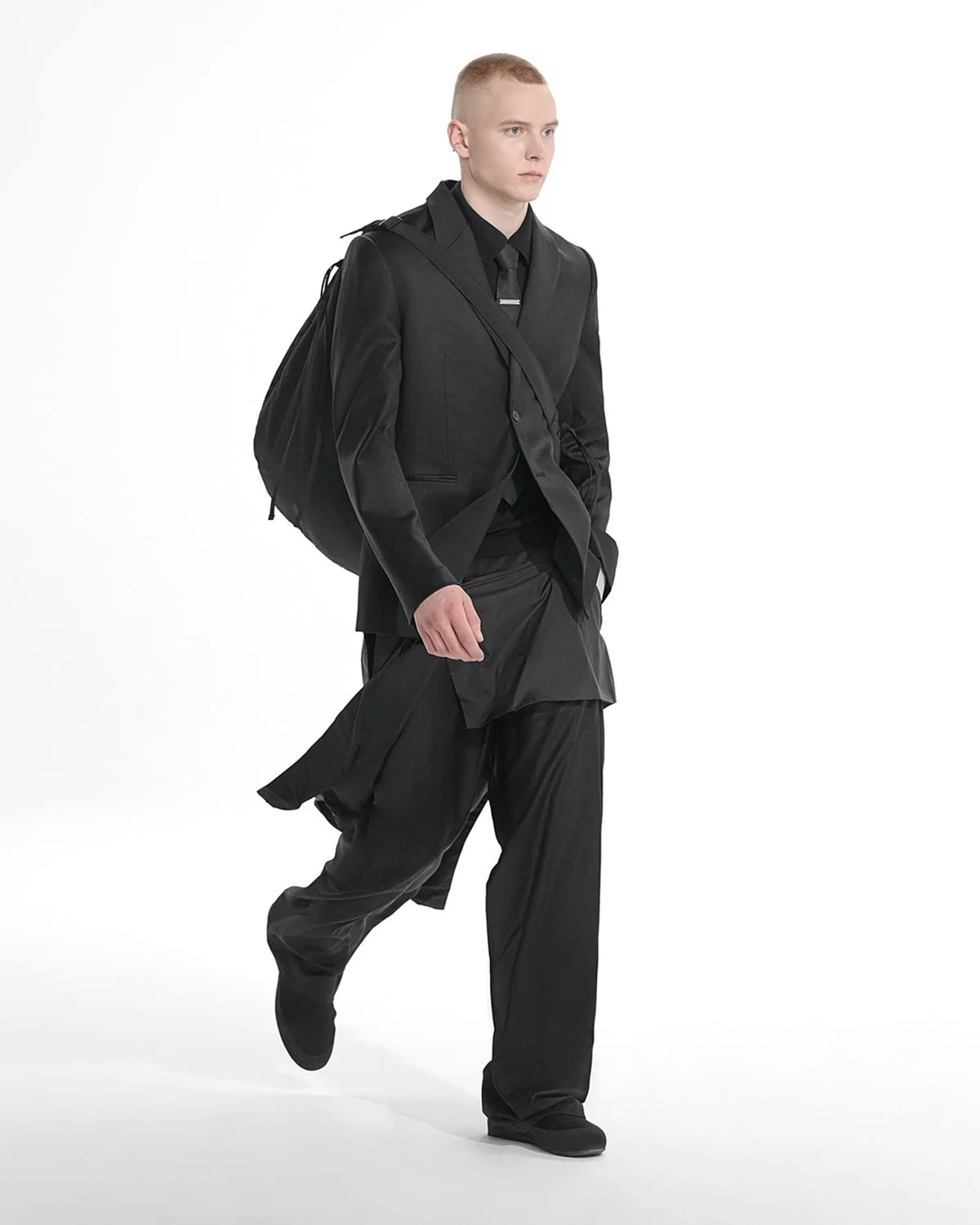
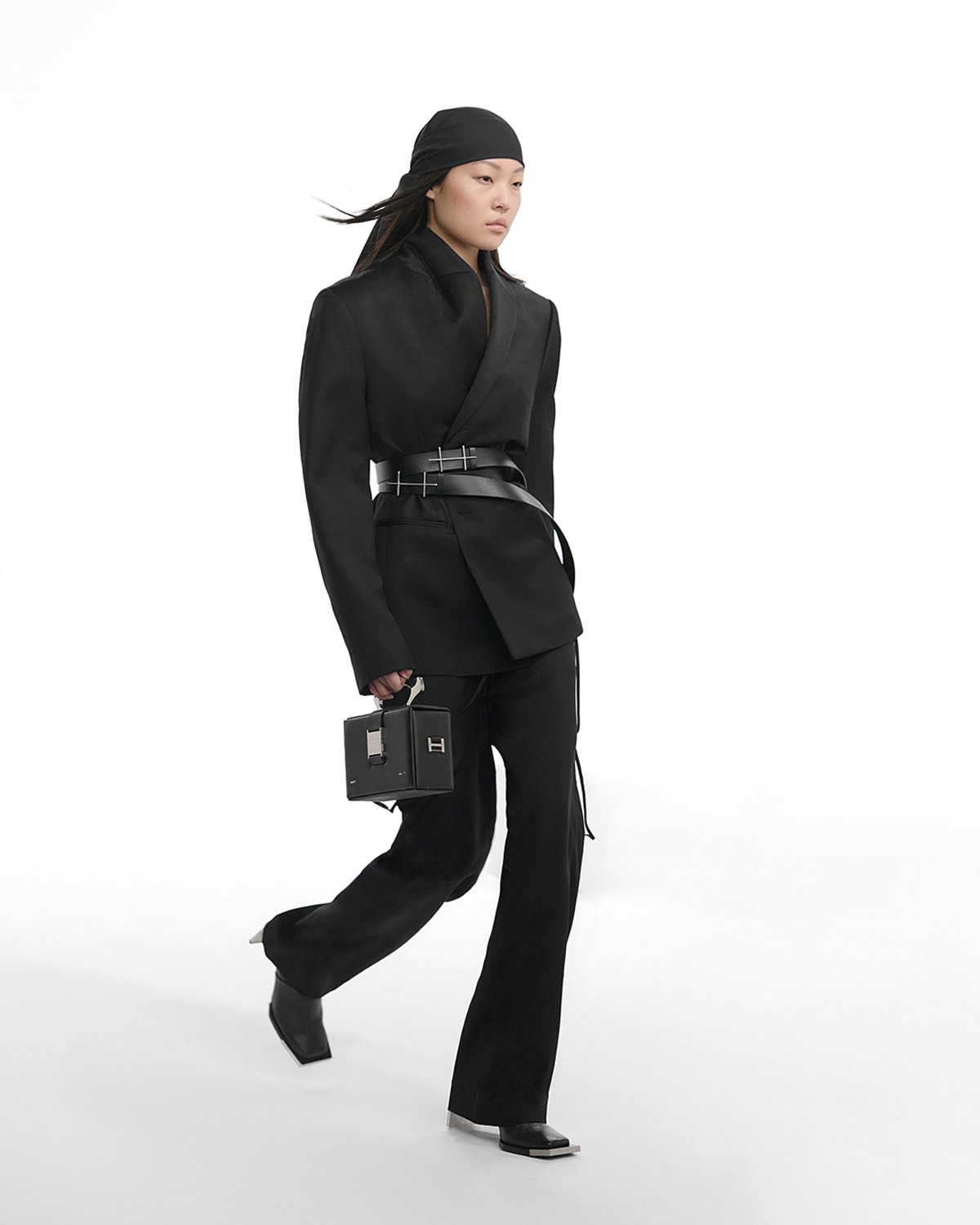
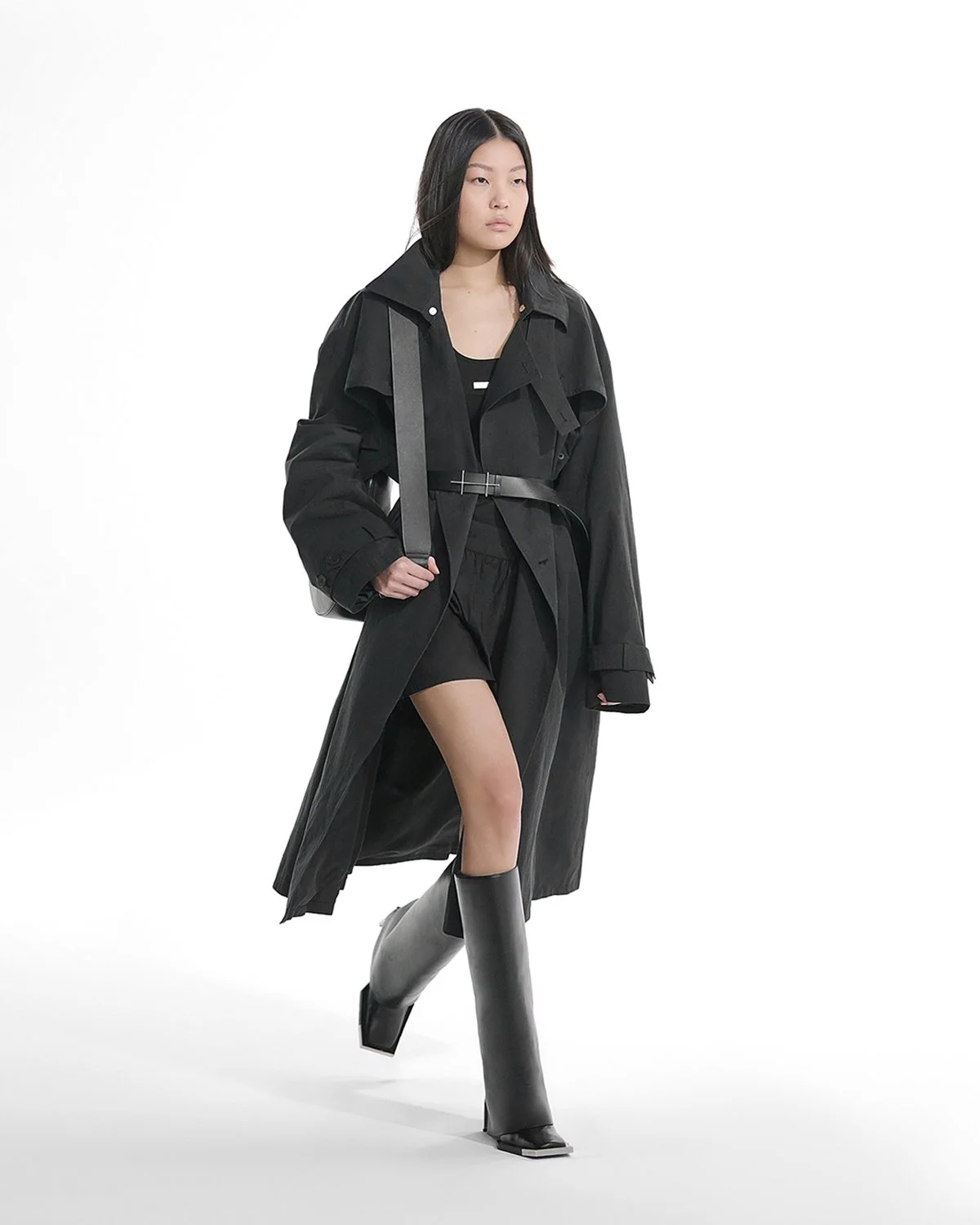
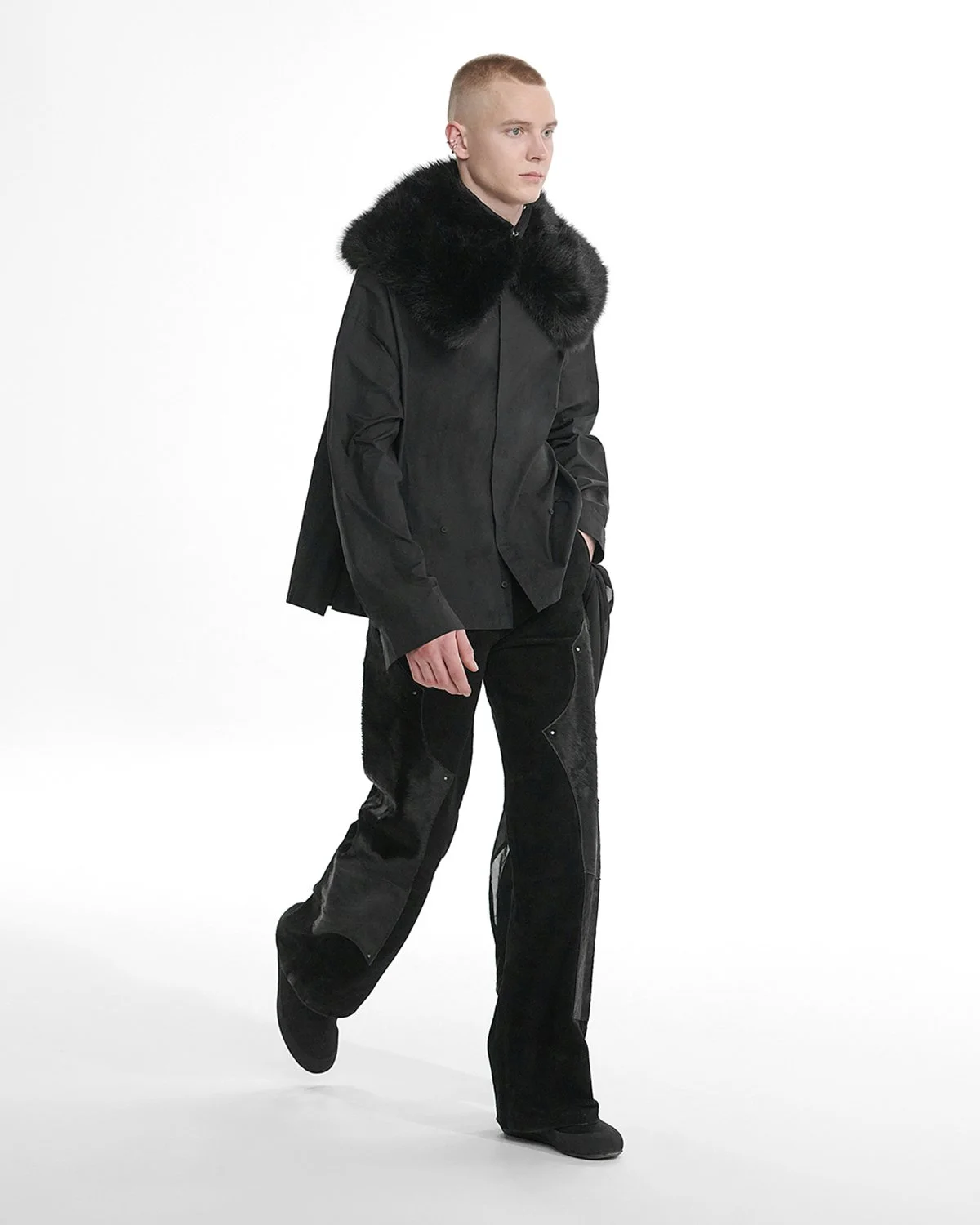
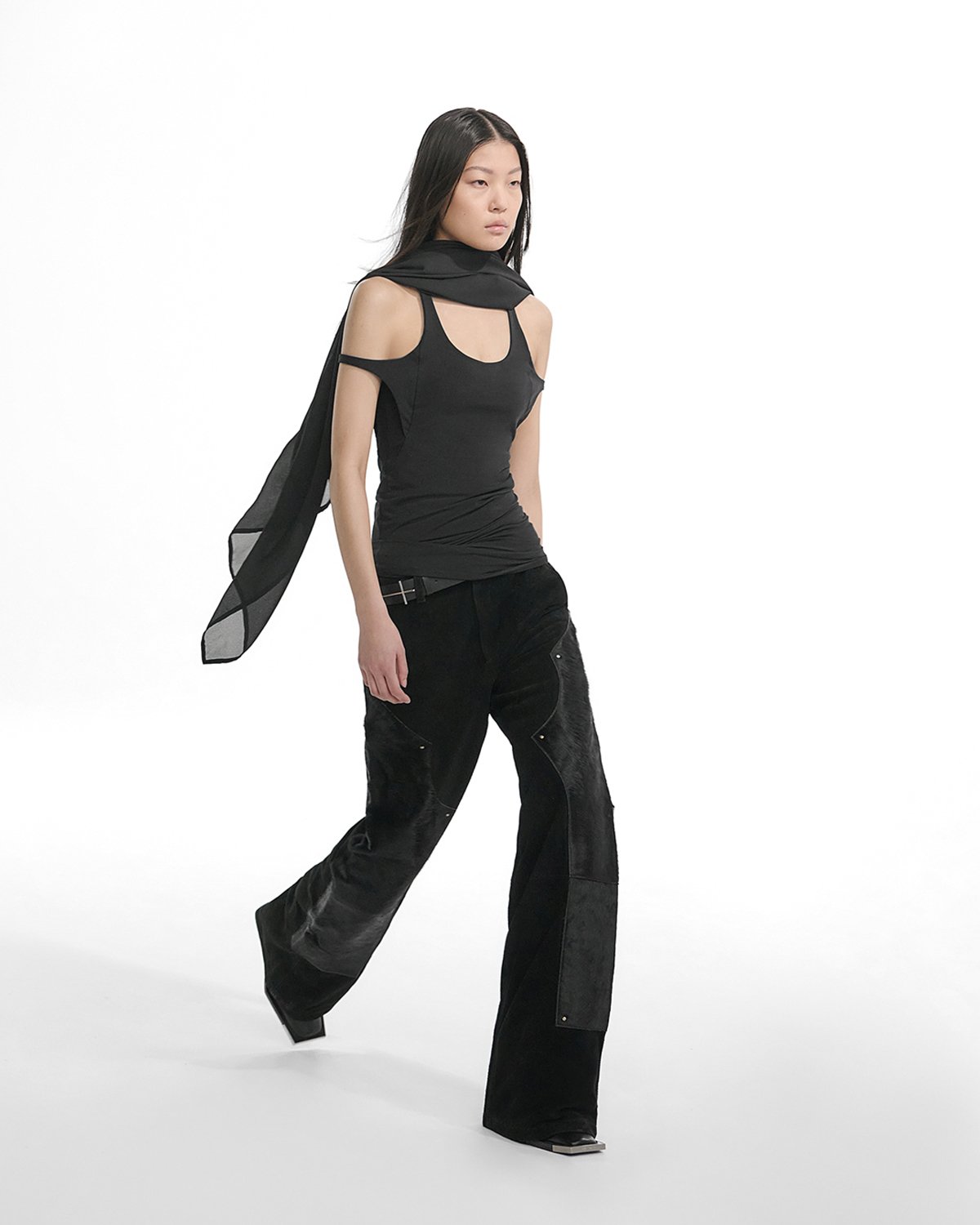
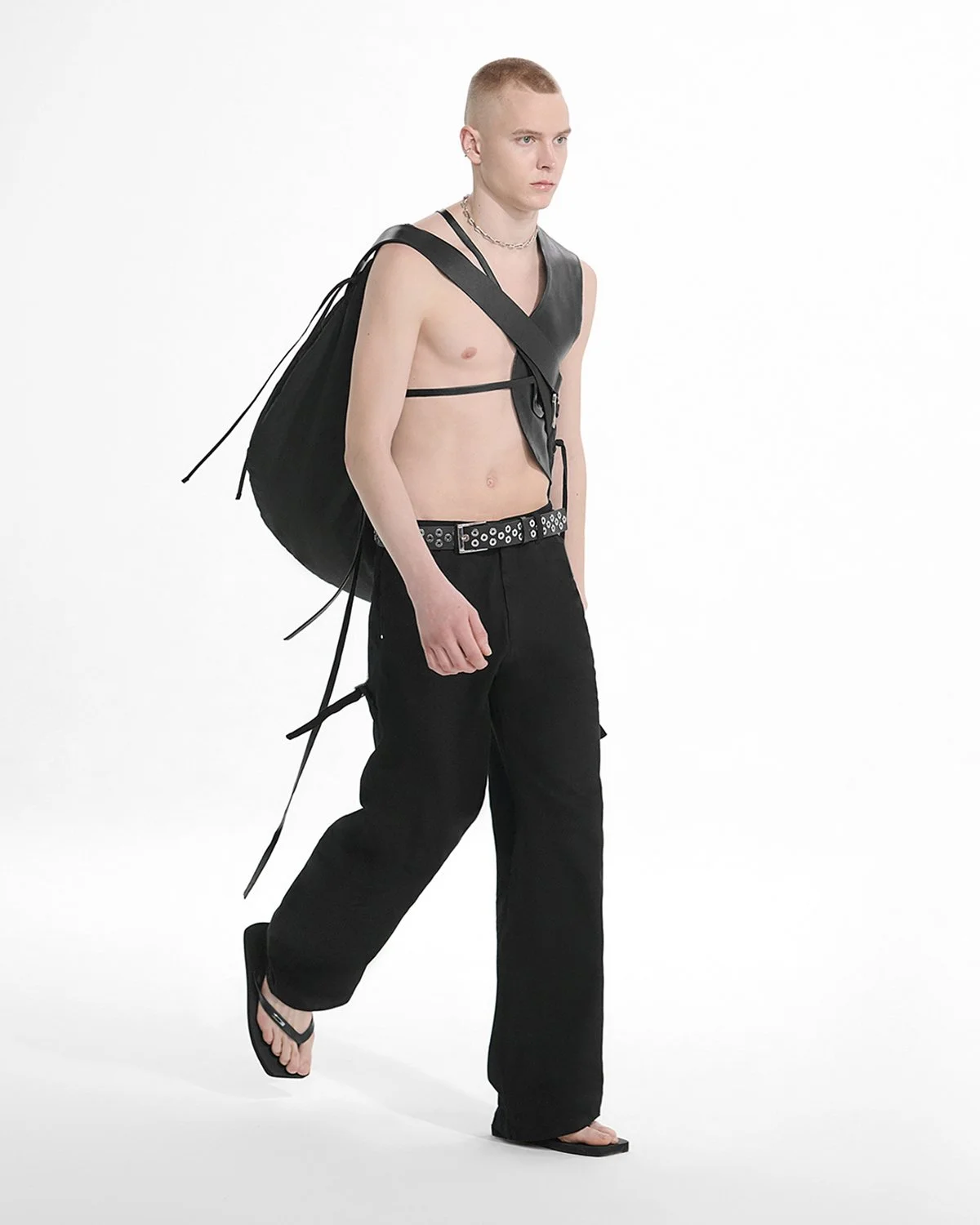
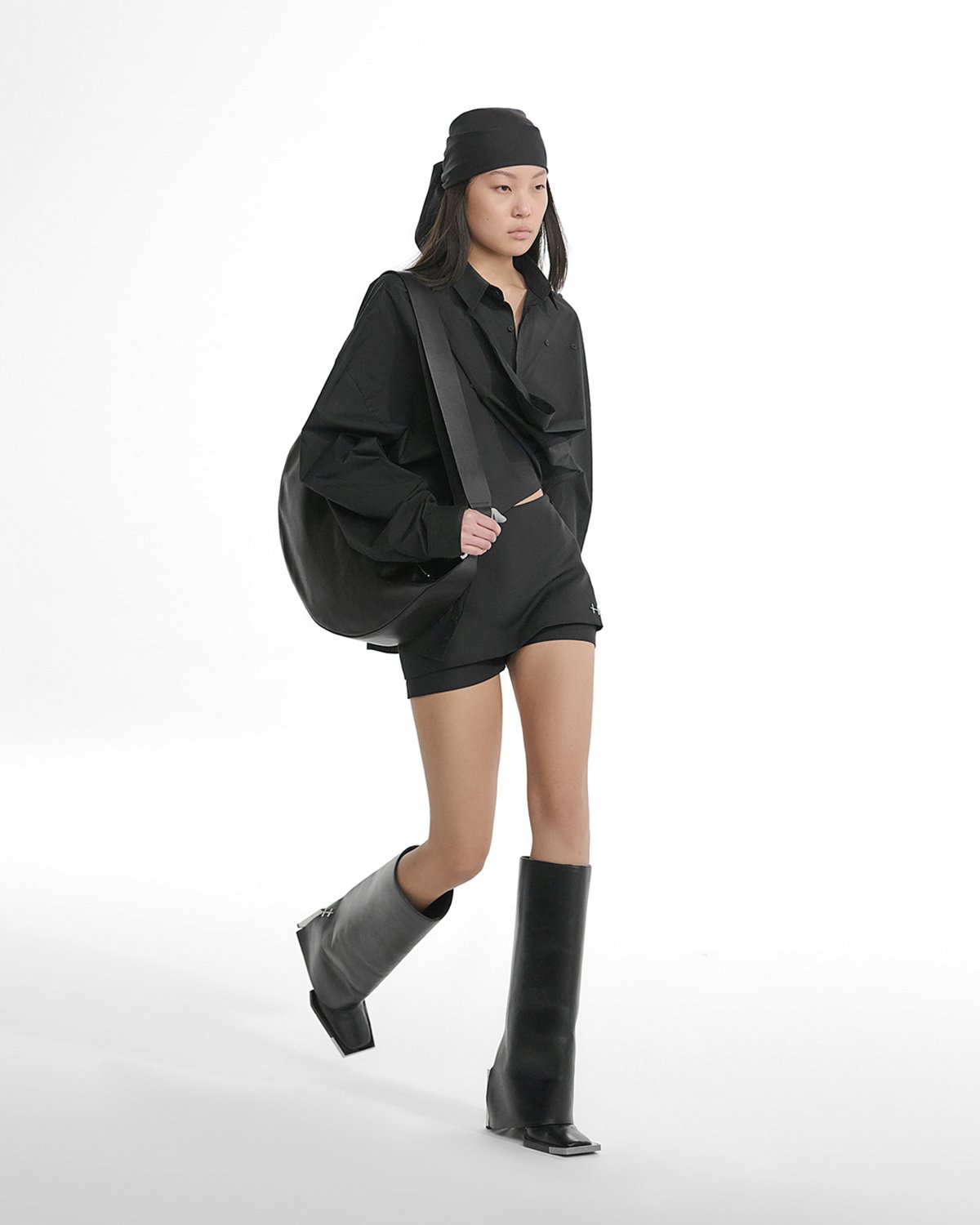
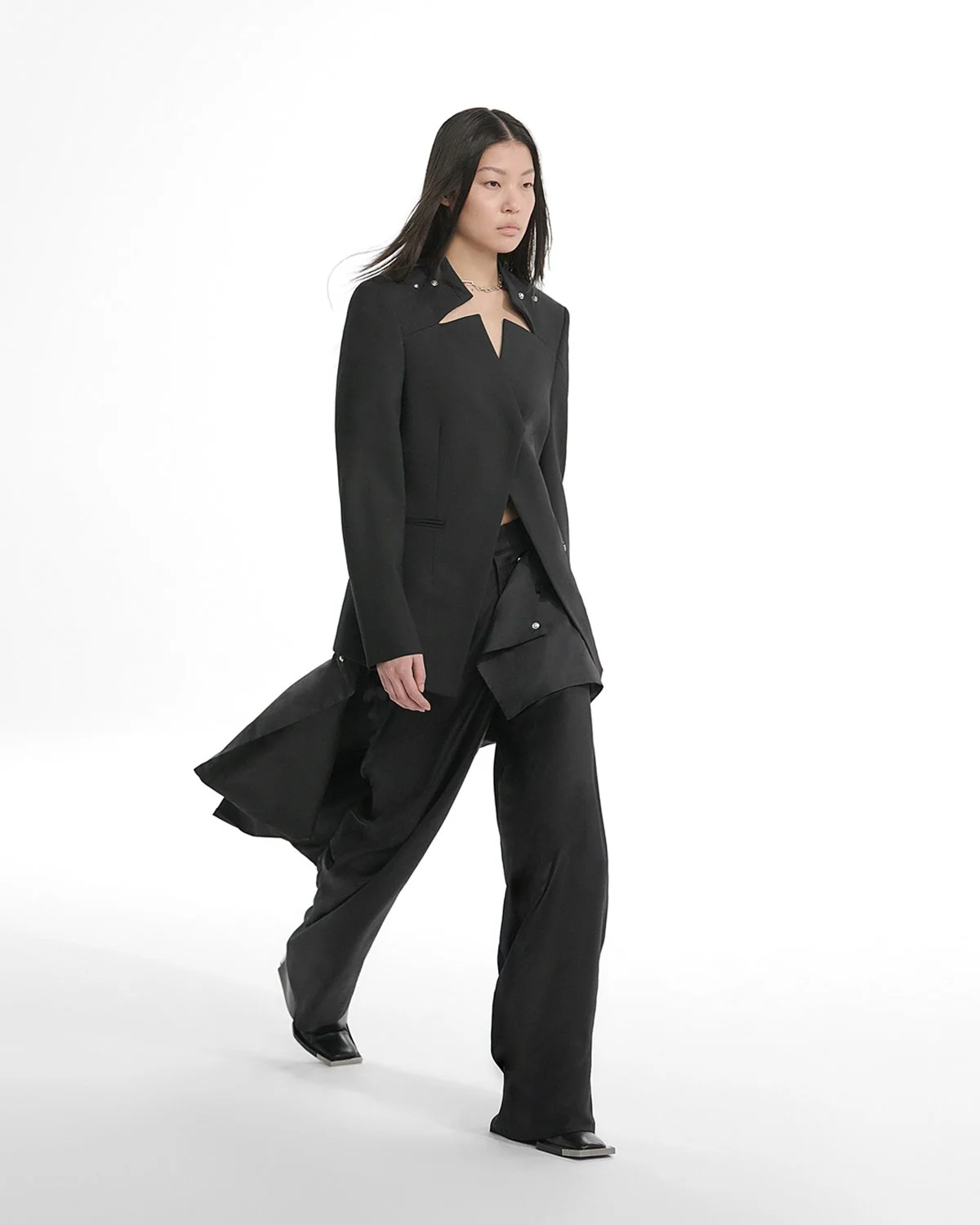
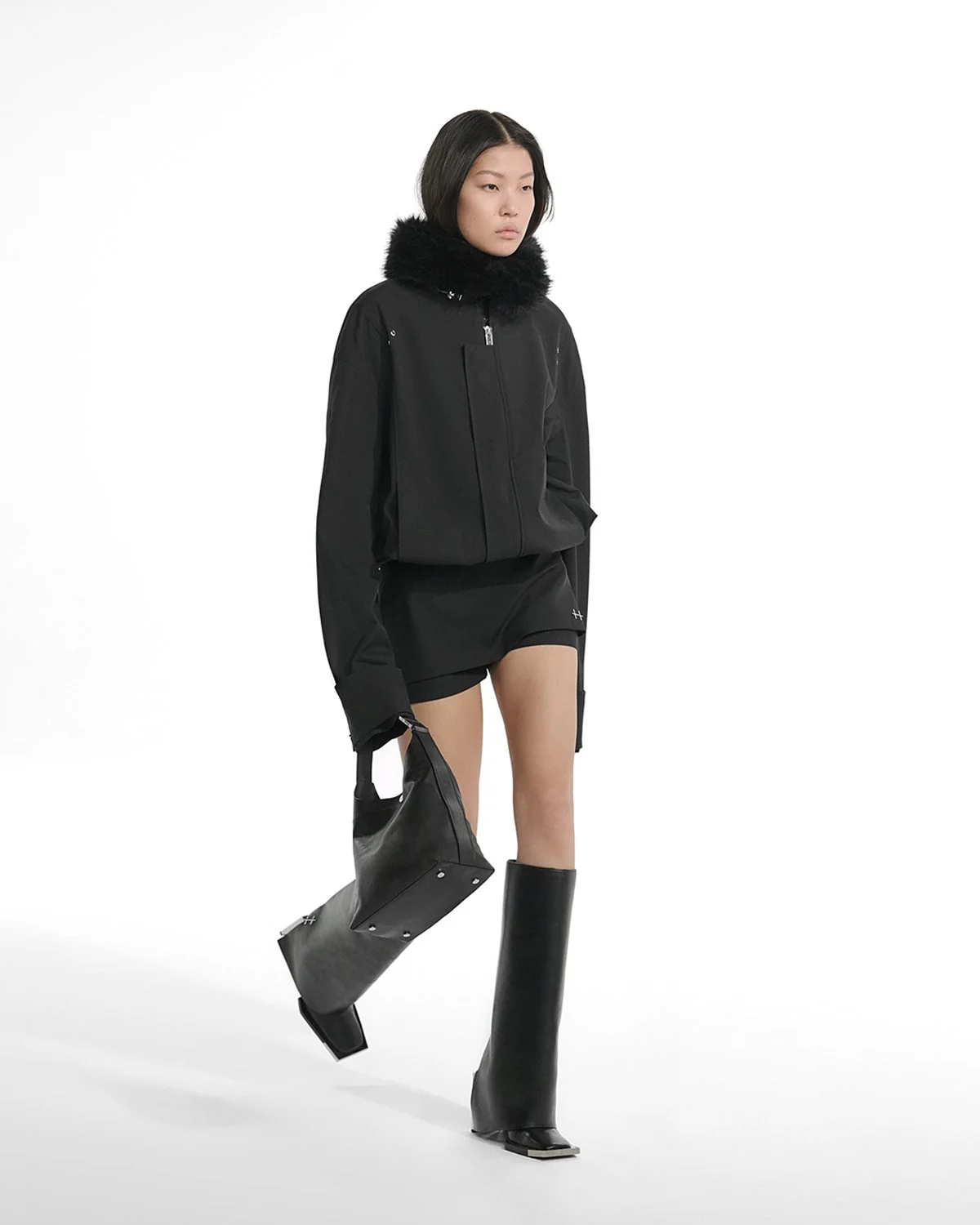
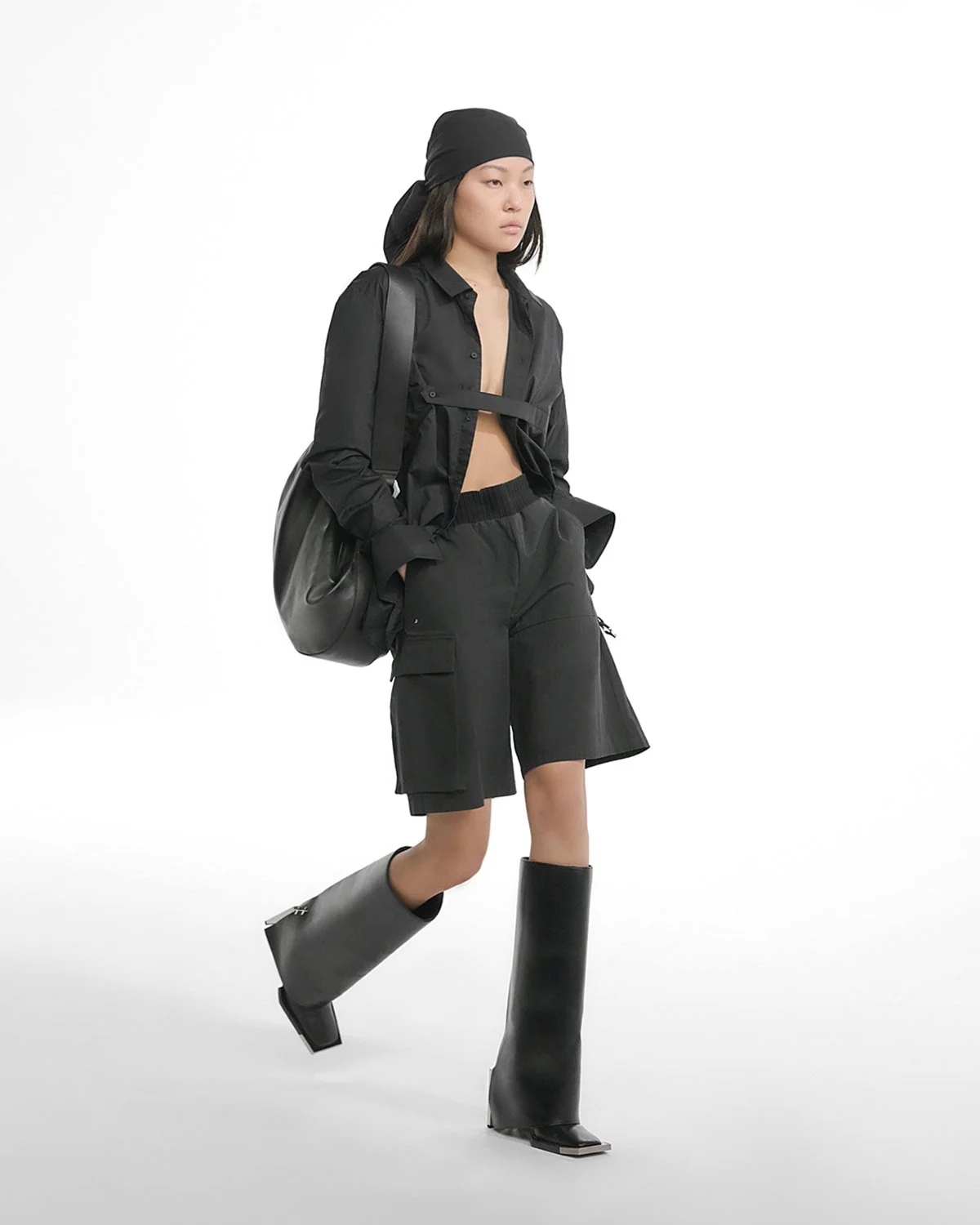
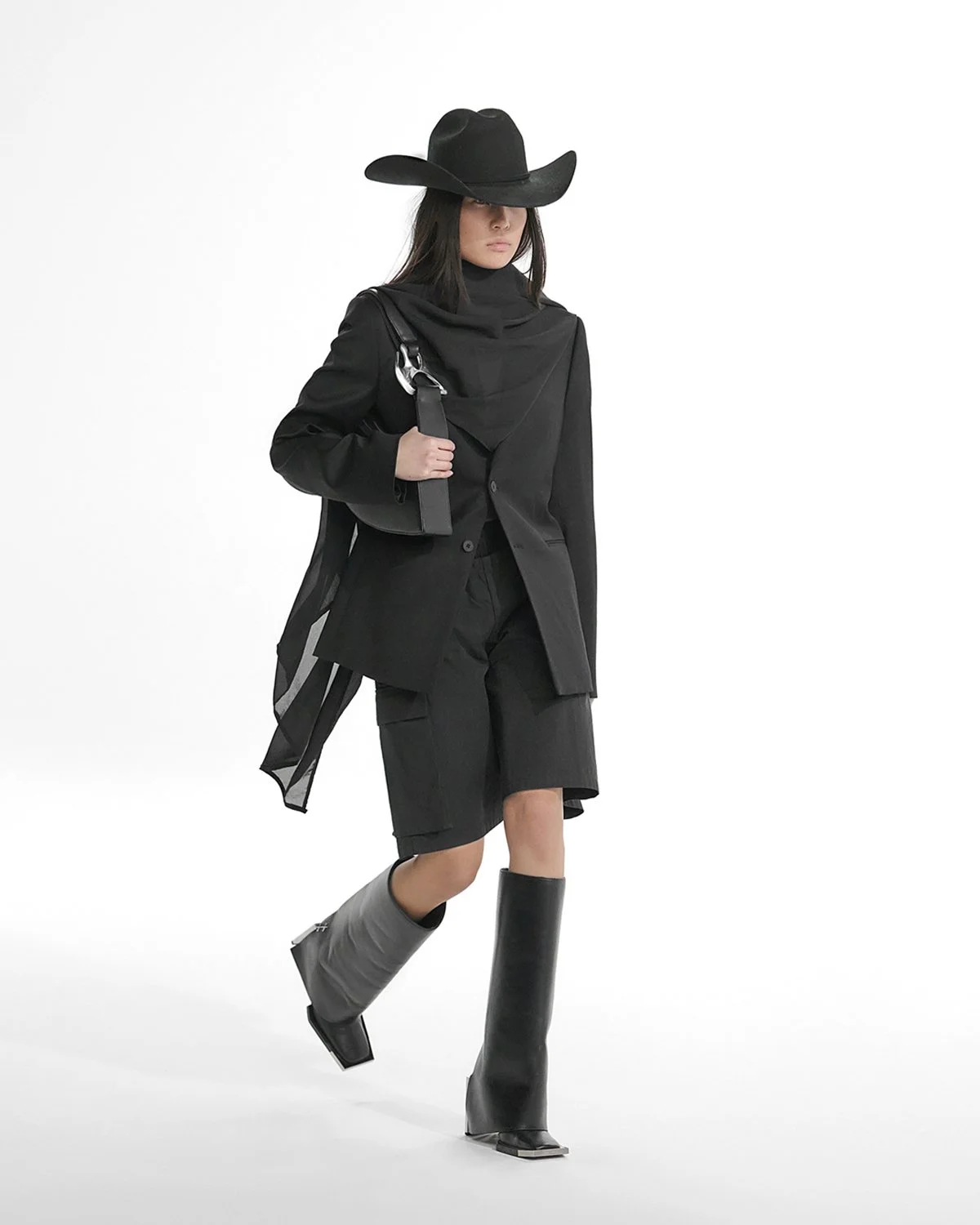
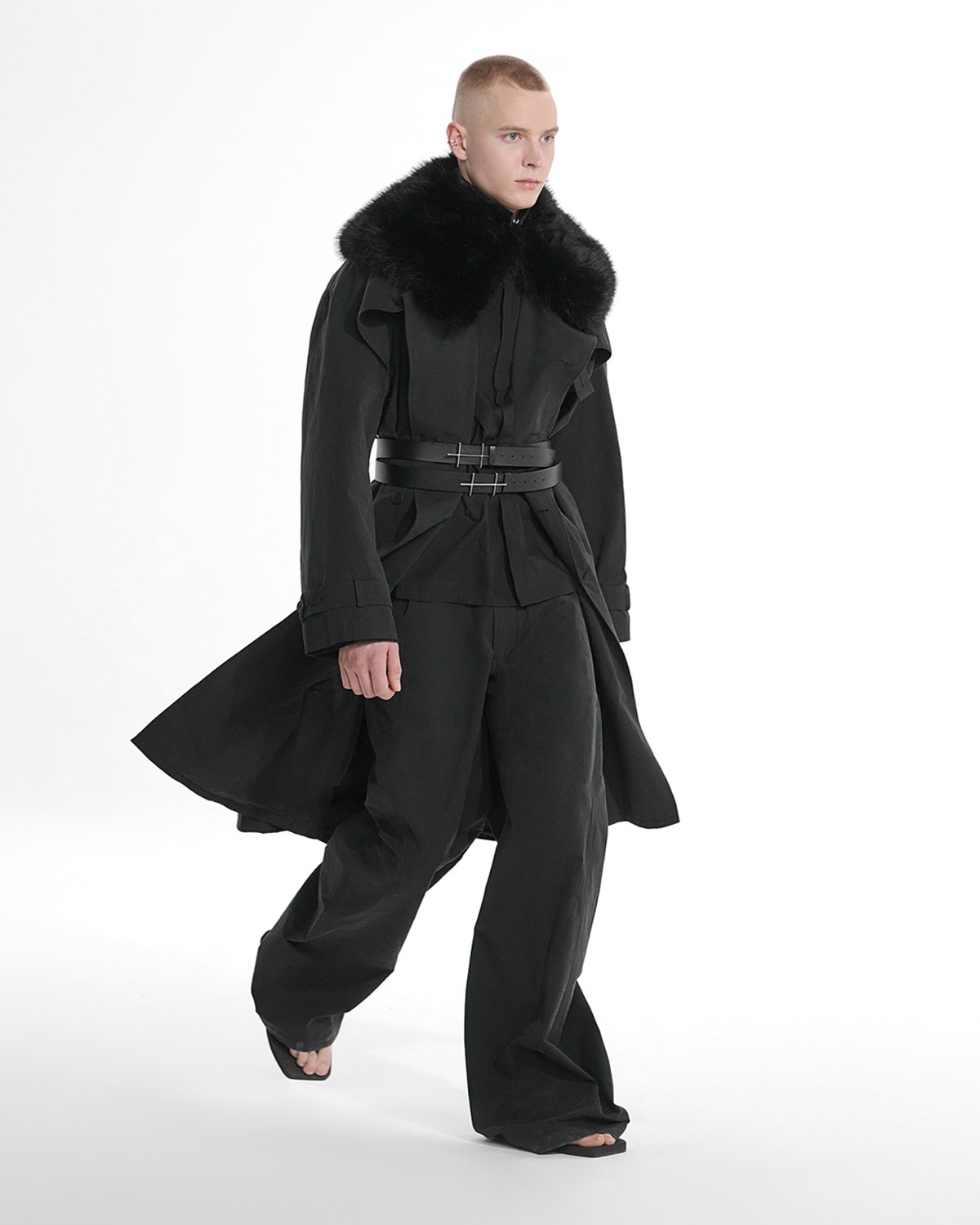
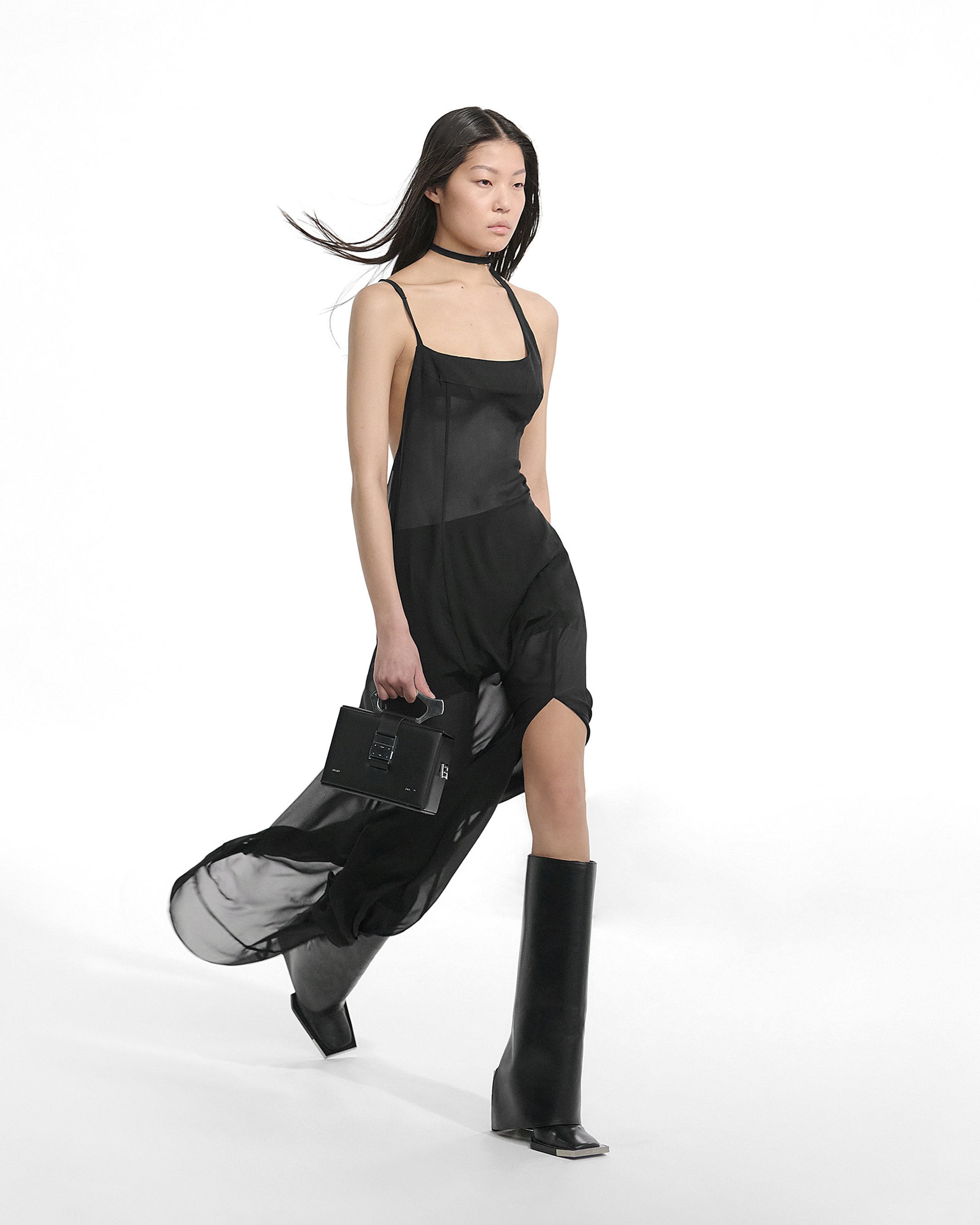
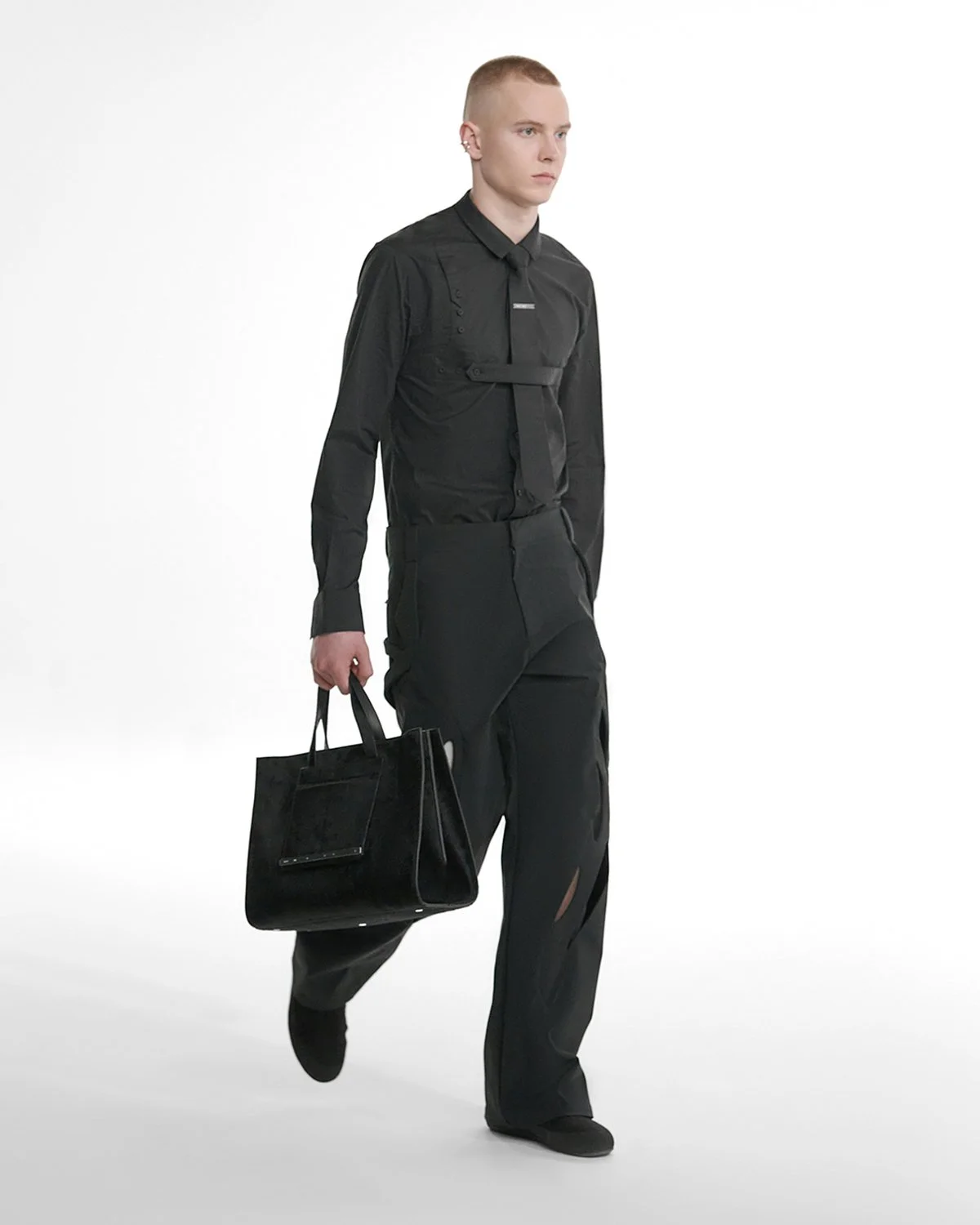
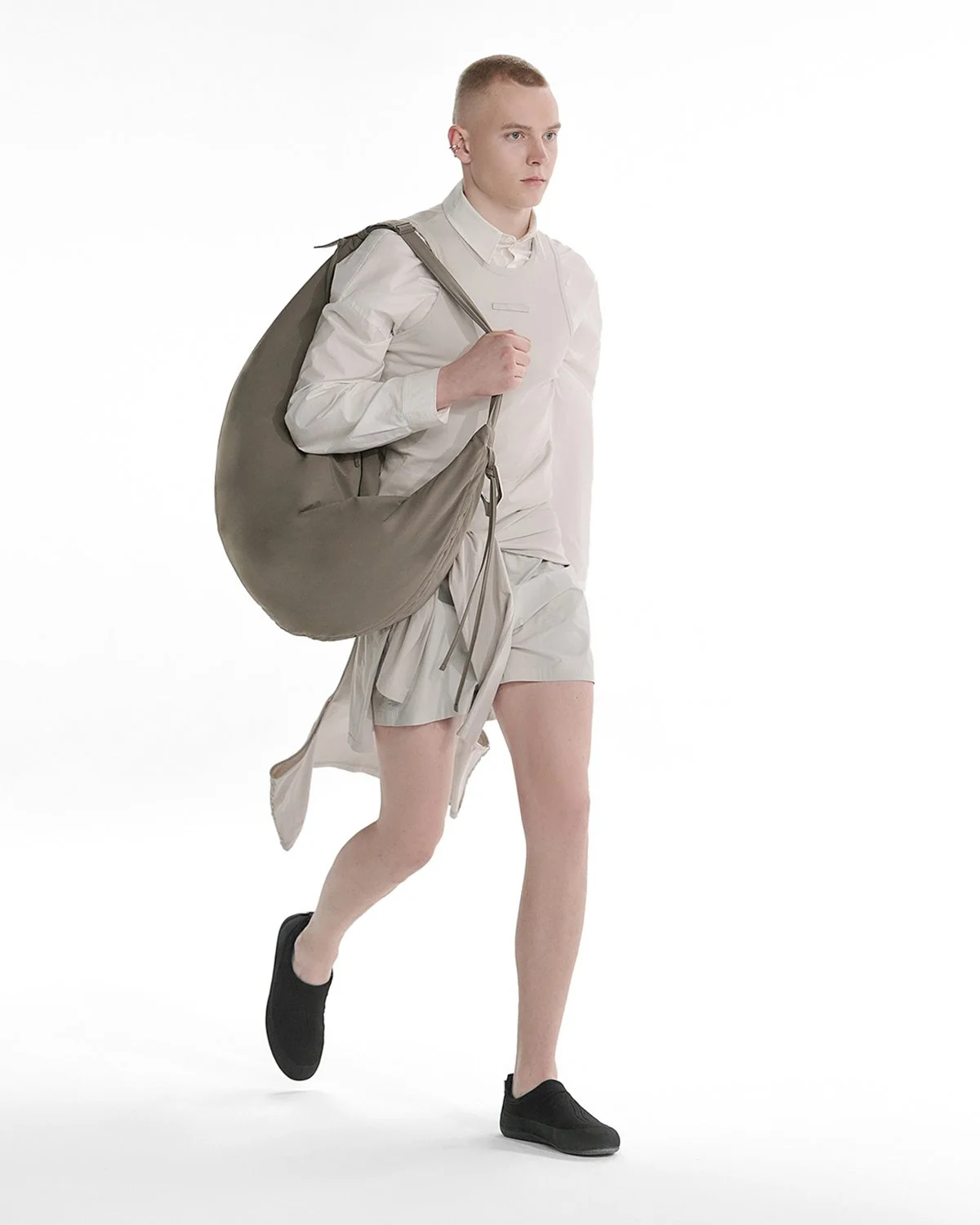
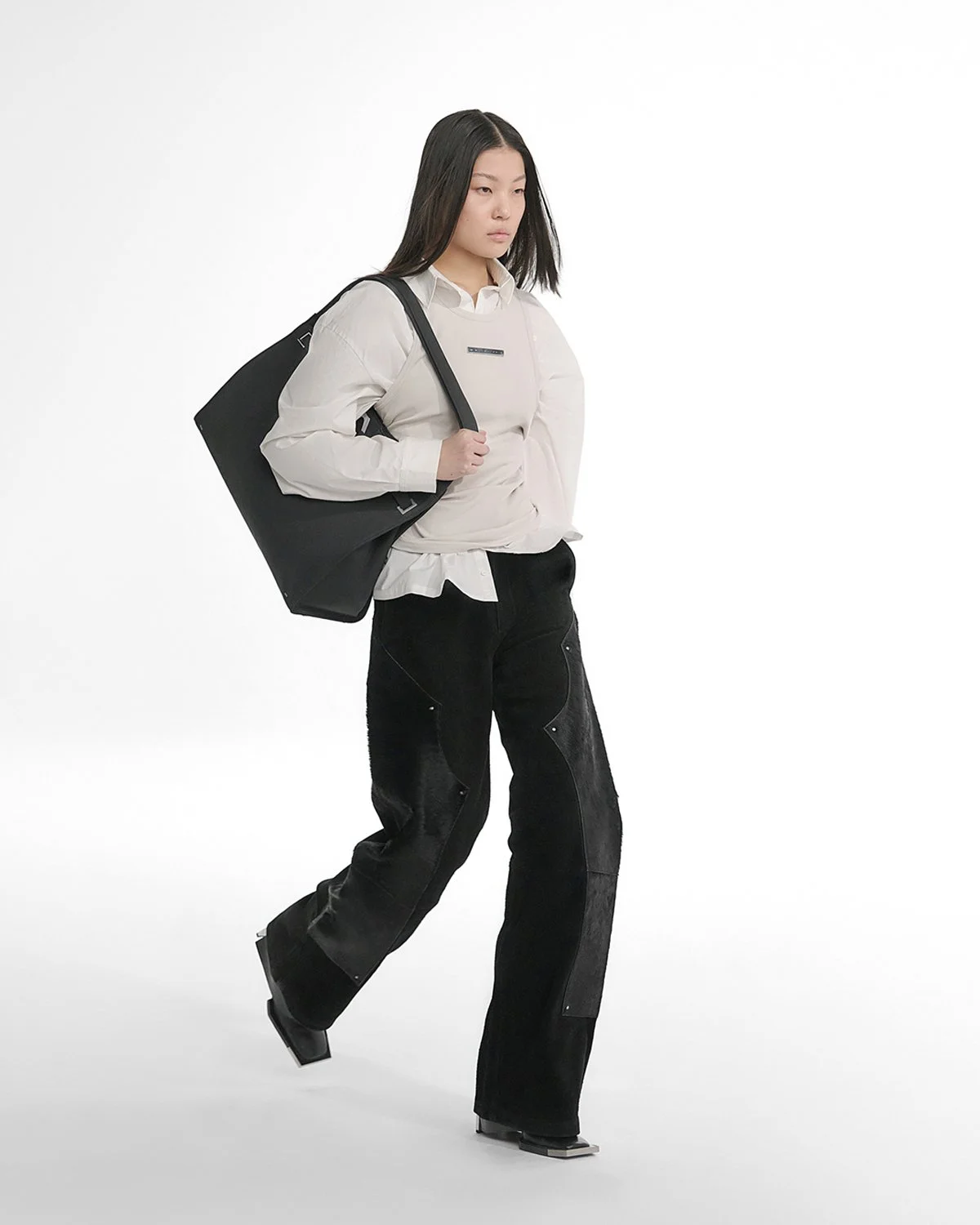
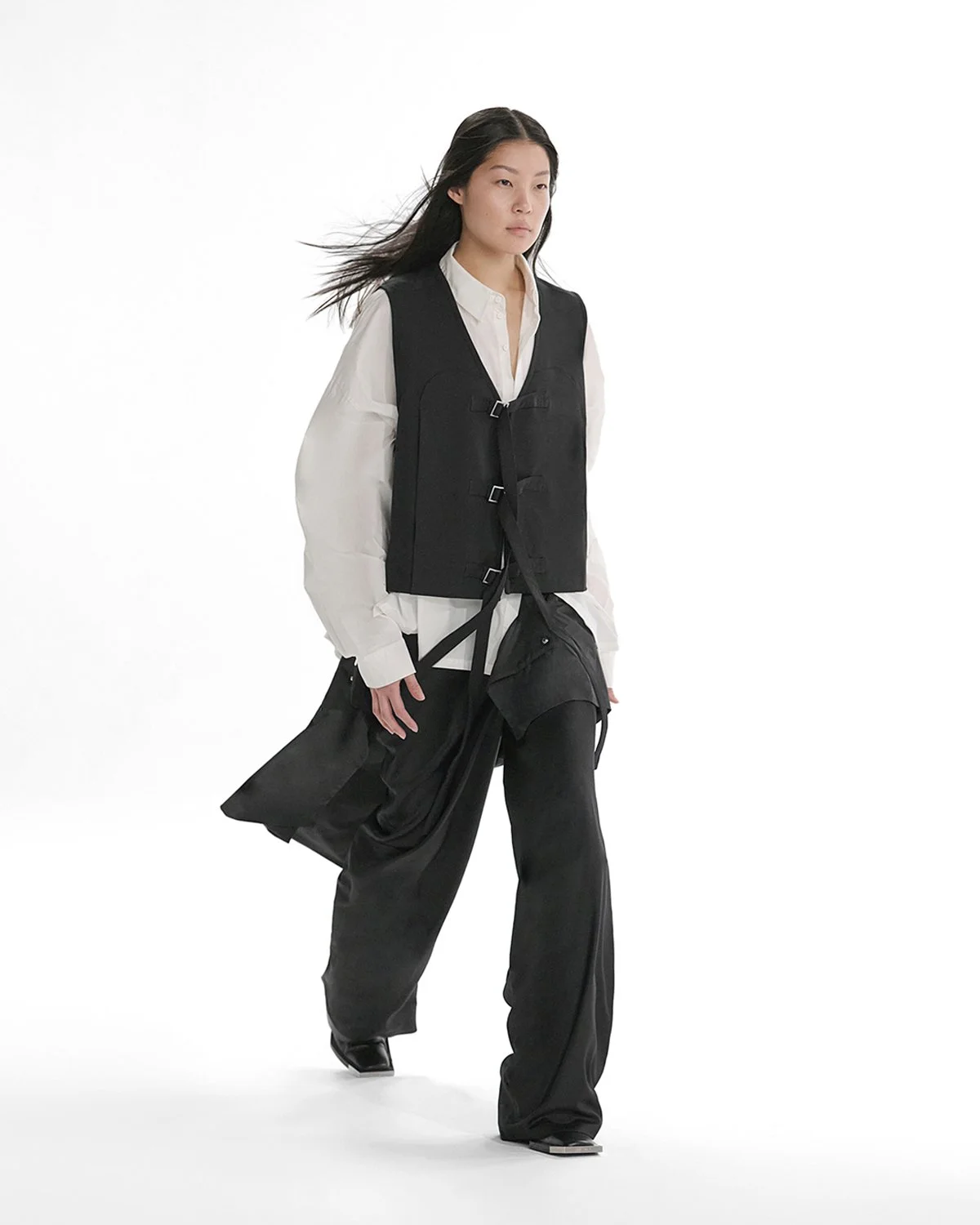
Design-wise, HELIOT EMIL translates this idea through hardware and structure. Equestrian elements—bits, clasps, buckles, and harness-like fastenings—are embedded into garments as functional architecture rather than ornamentation. These details reference bridlework and riding gear while maintaining the brand’s signature industrial minimalism.
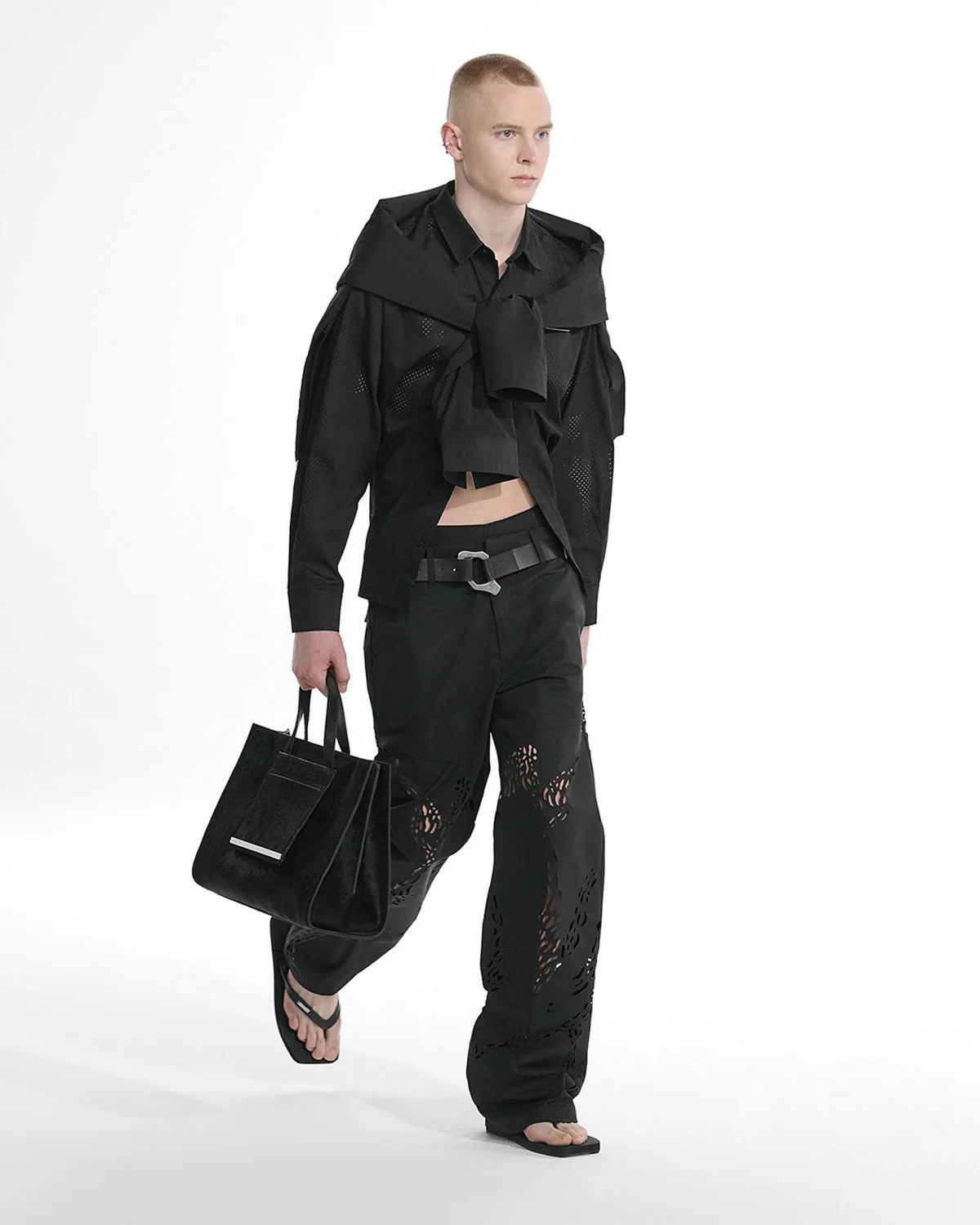
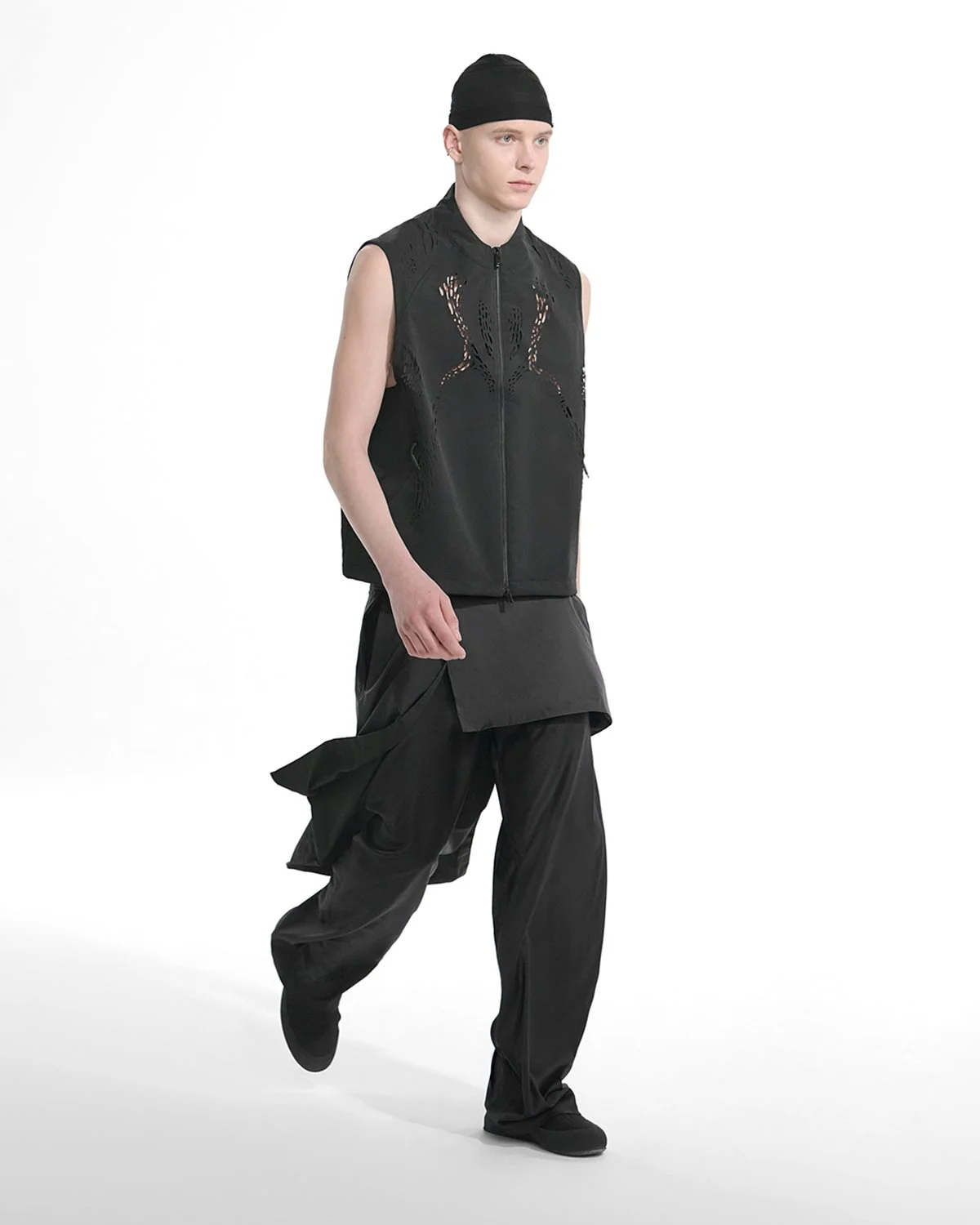
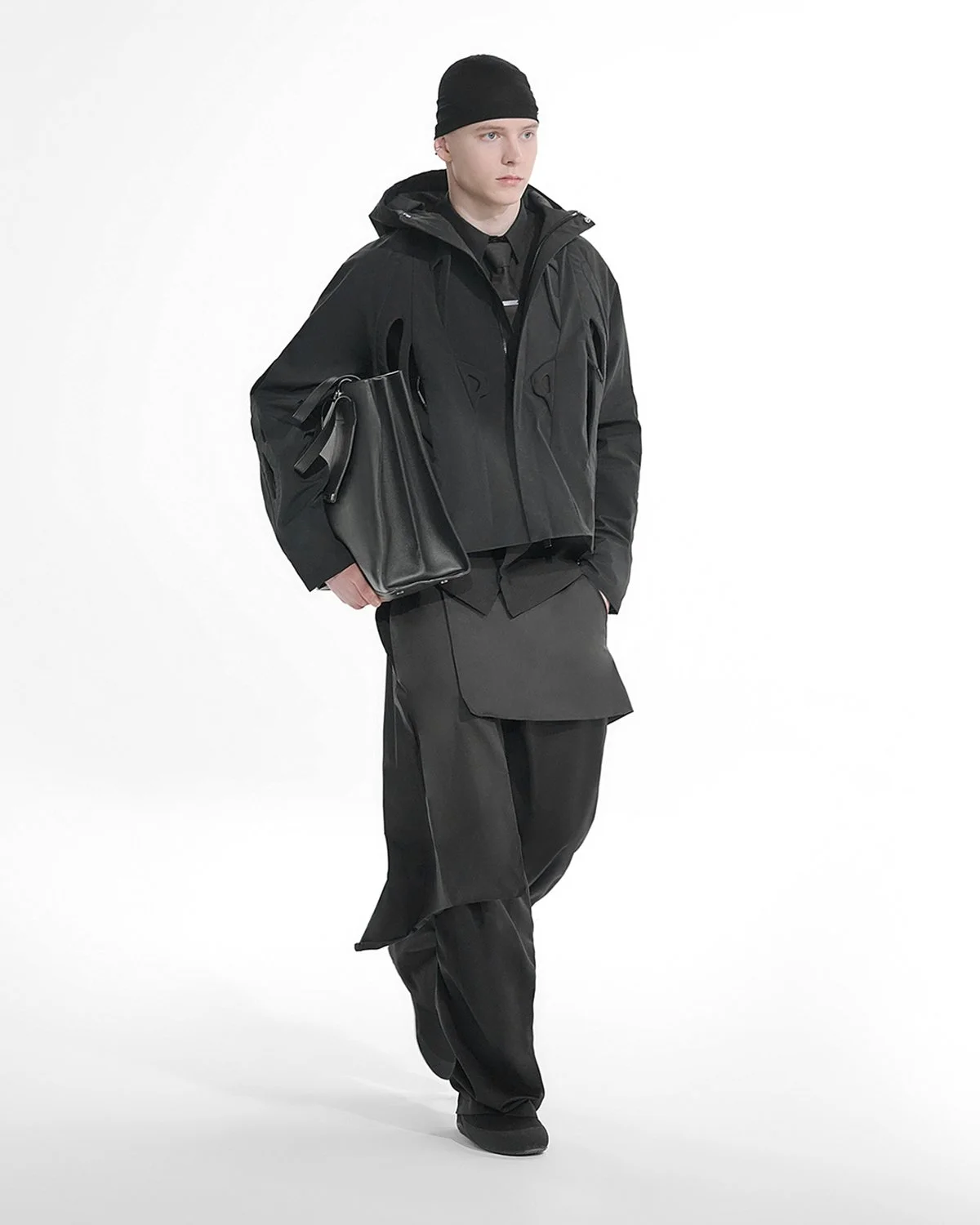
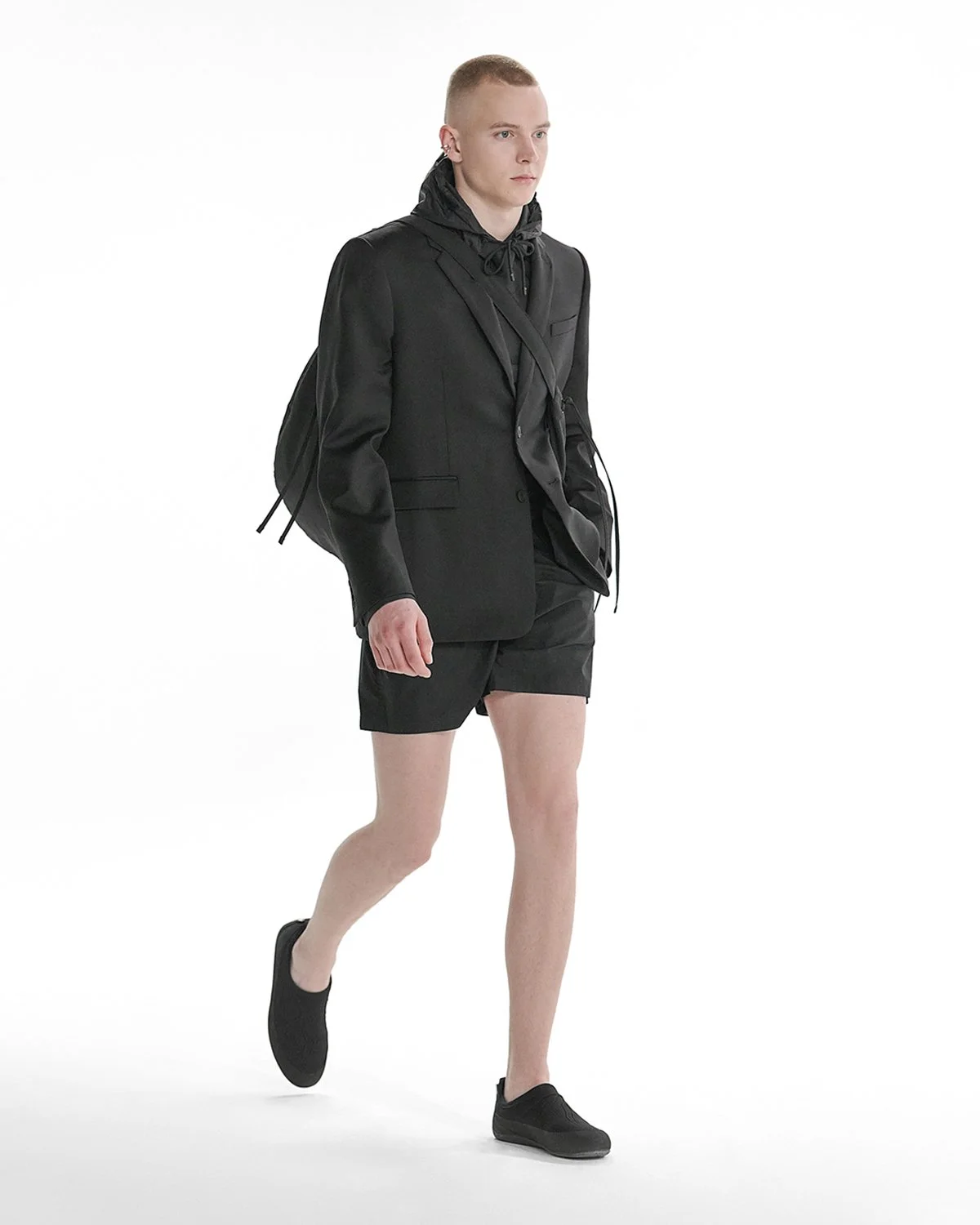
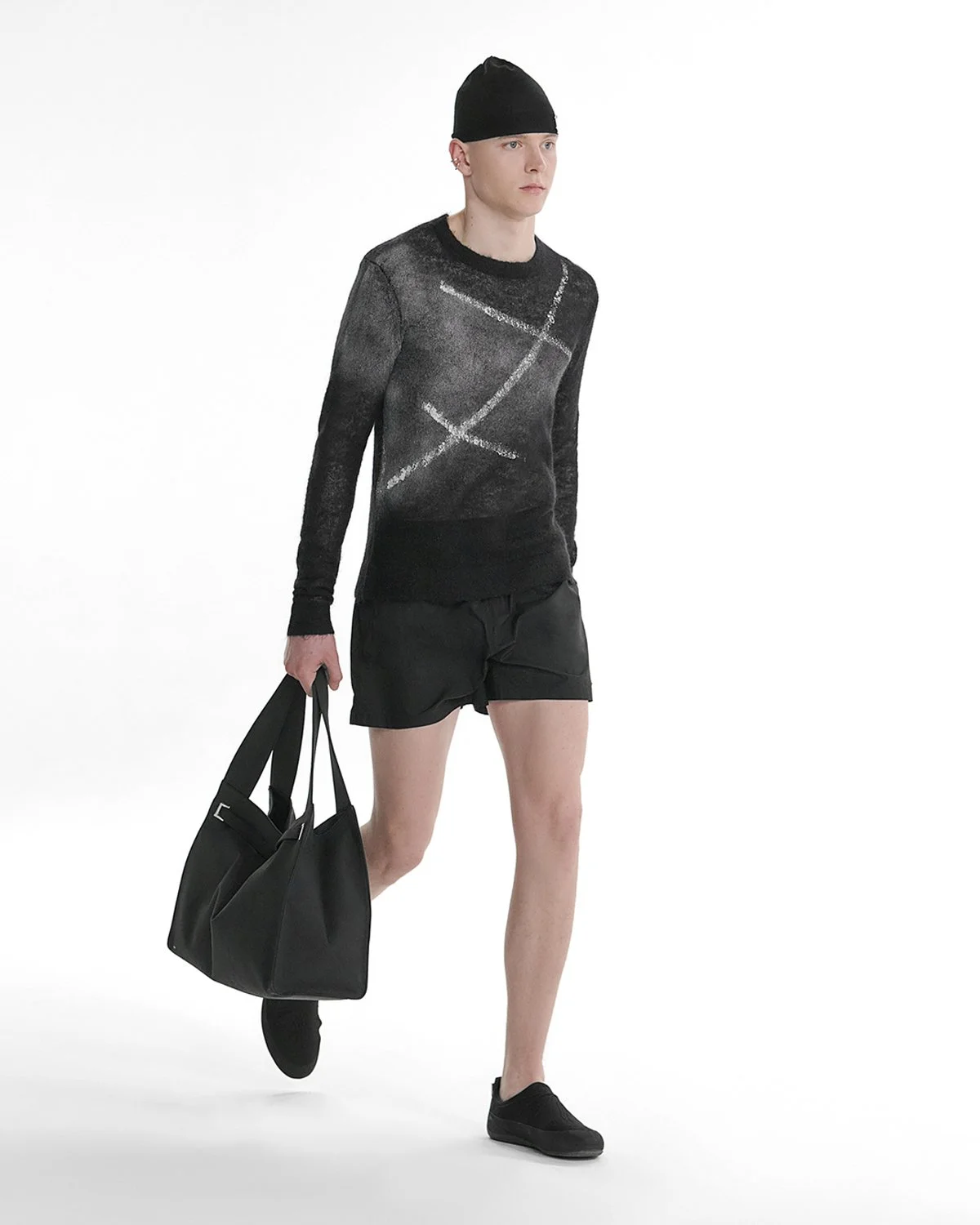
Tailoring echoes the uniformity of equestrian dress: sharp silhouettes, structured outerwear, and harness-inspired constructions that sit close to the body. The effect is both disciplined and sculptural, reflecting the anatomical strength that defines the horse itself.
Anatomy becomes another guiding motif. Color palettes nod to the tonal variations of a horse’s mane and coat—deep blacks, muted browns, and tactile neutrals—while outerwear pieces mirror the structural tension of muscle and bone. Jackets feel almost skeletal in their precision, emphasizing form without excess.
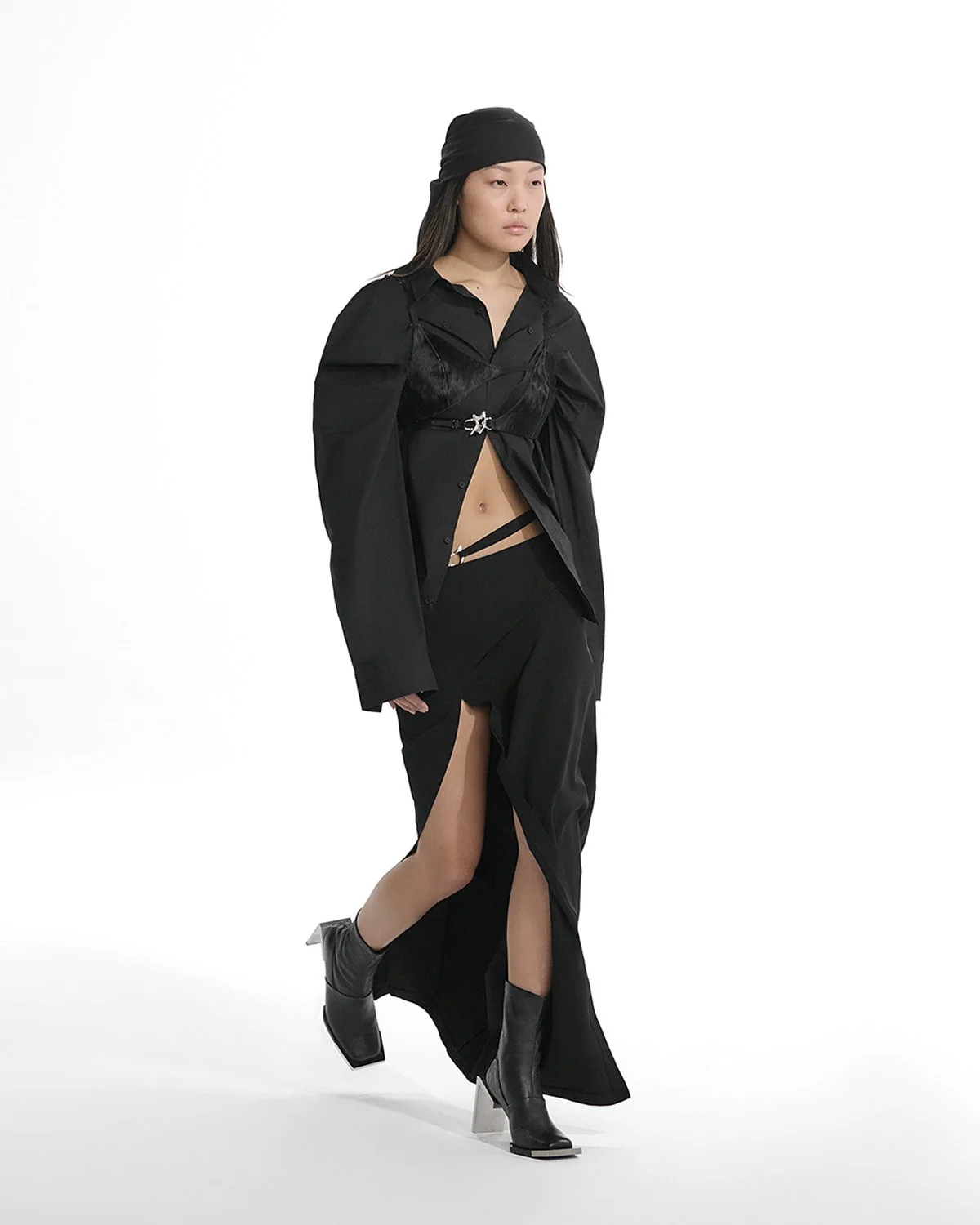
Yet the collection resists romanticizing the countryside or equestrian culture as spectacle. EQUINE is not a costume interpretation of riding attire. Instead, it positions the horse as a symbol of endurance—an emblem of labor, spirit, and motion that predates modern machinery yet still shapes the language of strength today.
In that sense, the collection reads almost ceremonial. The garments suggest preparation, discipline, and ritual, echoing the deliberate gestures involved in saddling, riding, and guiding a powerful animal.
For HELIOT EMIL, Spring/Summer 2026 becomes less about referencing equestrian aesthetics and more about examining the philosophy behind them. The result is a collection that carries weight with precision—one that understands that true elegance isn’t defined by speed, but by the grace with which power is controlled.

HOW DO YOU FEEL ABOUT FASHION?
COMMENT OR TAKE OUR PAGE READER SURVEY
Featured




Flyknit and leather sit at opposite ends of the handbag world, and buyers get pushed into picking a side too early. One sounds modern and light. The other sounds premium and safe.