
How to Plan a Luxury Coastal Wedding: Your Ultimate Guide
PAGE
By PAGE Editor
You want waterfront vows, beautiful photographs, and an elegant reception. What you do not want is a windy ceremony guests cannot hear, complicated hotel arrangements, or a weather backup that feels disconnected from your vision. Planning a luxury coastal wedding means resolving those details before they become wedding-day distractions.
Start with your guest count, total budget, and preferred coastal setting. Choose a venue with a suitable indoor alternative, then coordinate travel, catering, design, and photography around local conditions. A thoughtful plan lets you enjoy the scenery while your guests feel comfortable and cared for.
Make Guest Travel Easier to Manage
Travel costs can affect whether loved ones attend. A survey of 1,106 adults ages 18 to 44, reported by Forbes in 2026, found that 38% of younger wedding attendees surveyed had taken on debt for weddings and related events. 56% of respondents felt obligated to attend even when they could not afford to.
Offer accommodation options at different prices and share booking deadlines early. Keep additional events optional and distinguish hosted meals from activities guests would purchase themselves.
Publish Useful Travel Details
Your wedding website should explain arrival options, parking, shuttle schedules, dress expectations, and accessibility arrangements. Provide one contact for logistical questions so guests receive consistent answers.
Choose a Coastal Venue That Supports the Whole Celebration
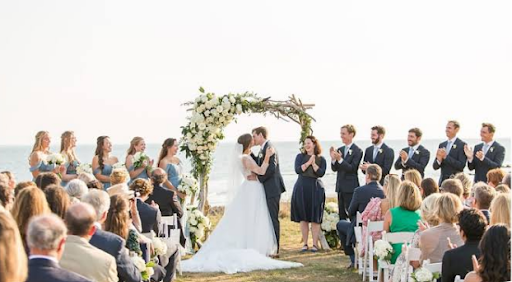
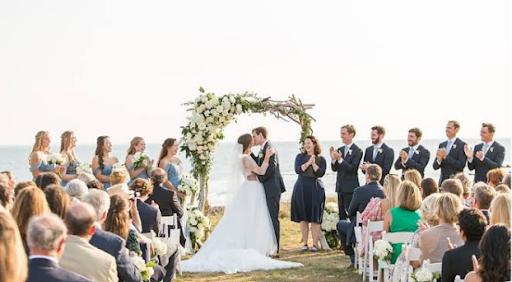
A coastal wedding does not have to take place directly on the sand. A bayfront lawn, waterfront terrace, or indoor ballroom overlooking the water can provide the atmosphere you want with different practical requirements.
For couples considering Stone Harbor, New Jersey, Reeds Hotel Weddings offers a starting point for exploring a coastal hotel celebration. The Reeds describes ceremony options on its bayfront lawn, in the Sweet Grass Ballroom, or on the beach. It also offers wedding-weekend experiences and accommodations. Confirm availability, inclusions, and arrangements directly with its team.
Compare Bayfront and Beachfront Settings
Bayfront and oceanfront views create different experiences. Visit the actual ceremony location, check its exposure to wind, and walk the route to the reception. Ask which areas are private and whether public access could affect your plans.
Set a Budget Around Your Priorities
Luxury means something different to every couple. You may value exceptional food, a live band, thoughtful hospitality, or a highly personal design. Pick three priorities before approving upgrades.
Request an itemized proposal based on your date, attendance, and event duration. Separate included services from outside vendors and optional experiences.
Confirm the Complete Cost
Venue and catering: Rental fees, menu selections, beverage packages, and minimum spending.
Required charges: Taxes, service charges, staffing, and whether gratuities are included.
Production: Sound, lighting, rentals, installation labor, and backup arrangements.
Weekend events: Welcome gatherings, rehearsal dinners, after-parties, and brunch.
Travel commitments: Transportation and any financial responsibility for hotel room blocks.
Compare proposals using the same assumptions. A package with more included services may offer better value than a lower starting price that requires several additional bookings.
Select Your Season With Local Conditions in Mind
Choose your date by weighing temperature, daylight, visitor traffic, accommodation availability, and local weather patterns. Shoulder-season dates may suit your plans, but comfortable weather and lower prices are never guaranteed.
Ask the venue how outdoor spaces perform during your preferred month. Request photographs from that season and discuss whether seasonal closures affect dining, transportation, or guest activities.
For beach ceremonies or shoreline portraits, check local tide predictions and access restrictions. A tide chart helps with ordinary tidal planning; it does not replace weather alerts or account for every hazardous coastal condition.
Design for the Setting and the Elements
Use the landscape to guide your palette rather than filling every surface with nautical details. Textured linens, restrained colors, and intentional floral arrangements can create a cohesive coastal atmosphere.
Ask your florist and rental team how installations will be secured. Lightweight signage, loose paper menus, and tall arrangements need particular attention outdoors. Approve attachment methods with the venue.
Choose attire that suits the actual walking surfaces and expected conditions. Discuss humidity and wind with your hair and makeup team. Tell guests if any part of the celebration involves sand, grass, or exposed waterfront areas so they can choose appropriate footwear and layers.
Coordinate Food, Sound, and Photography
Build your reception schedule with the catering team before adding speeches and entertainment. Confirm meal accommodations, service timing, and which selections require advance guest counts. Seafood can reflect the location, but provide suitable alternatives.
For outdoor vows, book a sound professional who can address wind noise and speaker placement. Include a sound check before guests arrive and confirm how the videographer will record ceremony audio.
Ask your photographer to evaluate light at the specific location. Schedule portraits around the ceremony and meal service, allowing time for travel and touch-ups. A sunset photograph should fit the celebration rather than require keeping guests waiting.
Preserve Your Priorities When Weather Changes
Identify the three experiences that matter most, then decide how each will work indoors. This creates a backup plan that preserves your wedding’s character.
For example, waterfront vows might become an indoor ceremony with a view. Sunset portraits might become photographs beside large windows. An outdoor cocktail hour might move into a room with the same music and floral styling.
Document the practical decisions:
Location: Reserve a suitable indoor space for each affected activity.
Timing: Establish when setup decisions must be made.
Authority: Name the person who approves a change.
Communication: Explain how vendors and guests receive updates.
Design: Confirm which flowers, furniture, and equipment can move.
The National Weather Service’s outdoor lightning guidance advises entering a safe building or vehicle during thunderstorms and waiting 30 minutes after the last thunder before returning outside. Open-sided shelters do not provide safe lightning protection.
Frequently Asked Questions
Do You Need a Permit for a Beach Wedding?
Permit requirements depend on the beach, managing authority, guest count, and planned setup. Contact the municipality or property manager before booking vendors. Ask about chairs, amplified sound, alcohol, photography, and cleanup. A hotel reservation does not automatically provide permission for an event on nearby public sand.
Does Wedding Insurance Cover Coastal Storms?
Coverage depends on the policy, exclusions, purchase timing, and circumstances. Some policies address specified weather disruptions, while others provide different protection. Ask an insurance professional about cancellation, postponement, and liability coverage. Do not assume a named storm or travel interruption will qualify without reviewing the terms.
Can Guests Use Drones for Wedding Photography?
Drone use depends on airspace rules, local restrictions, property permission, and the operator’s qualifications. Discuss aerial photography with your professional team before allowing guests to fly. Confirm an approved operating plan that protects privacy and avoids disrupting the ceremony, nearby people, or other wedding vendors.
What Should You Check Before Signing a Hotel Room Block?
Confirm room rates, booking deadlines, minimum stays, cancellation terms, and whether you owe money for unbooked rooms. Ask which room categories are included and whether guests book directly. Compare a courtesy block with a contracted block so you understand any financial commitment before signing.
How Can You Reduce Waste at a Coastal Wedding?
Use reusable tableware, rent décor, and arrange responsible collection of flowers and leftover materials. Avoid loose confetti, balloons, and favors likely to become litter. Ask vendors about disposal procedures and local donation options. Confirm that cleanup includes outdoor areas before the team leaves the property.
Turn Your Vision Into a Confirmed Plan
Shortlist venues with your budget, guest count, and three priorities ready. Tour the ceremony space and indoor alternative, request a complete proposal, and confirm guest accommodations. Then bring vendors together around one schedule and weather plan. Those decisions create room for the experience you want: meaningful vows, attentive hospitality, and time to celebrate beside the water.
HOW DO YOU FEEL ABOUT FASHION?
COMMENT OR TAKE OUR PAGE READER SURVEY
Featured




Some ebikes are designed to disappear into a row of conventional bicycles.