
How to Transform Your Warehouse Layout for Better Productivity
PAGE
By PAGE Editor
A messy warehouse is like a kitchen with spoons in the bedroom and pans in the bathroom. Everything takes longer, tempers flare, and steps get wasted. If your team is zigzagging and waiting for forklifts, you're burning cash. Fix the flow, not the building.

Map the Current "Day in the Life" Before Moving a Single Shelf
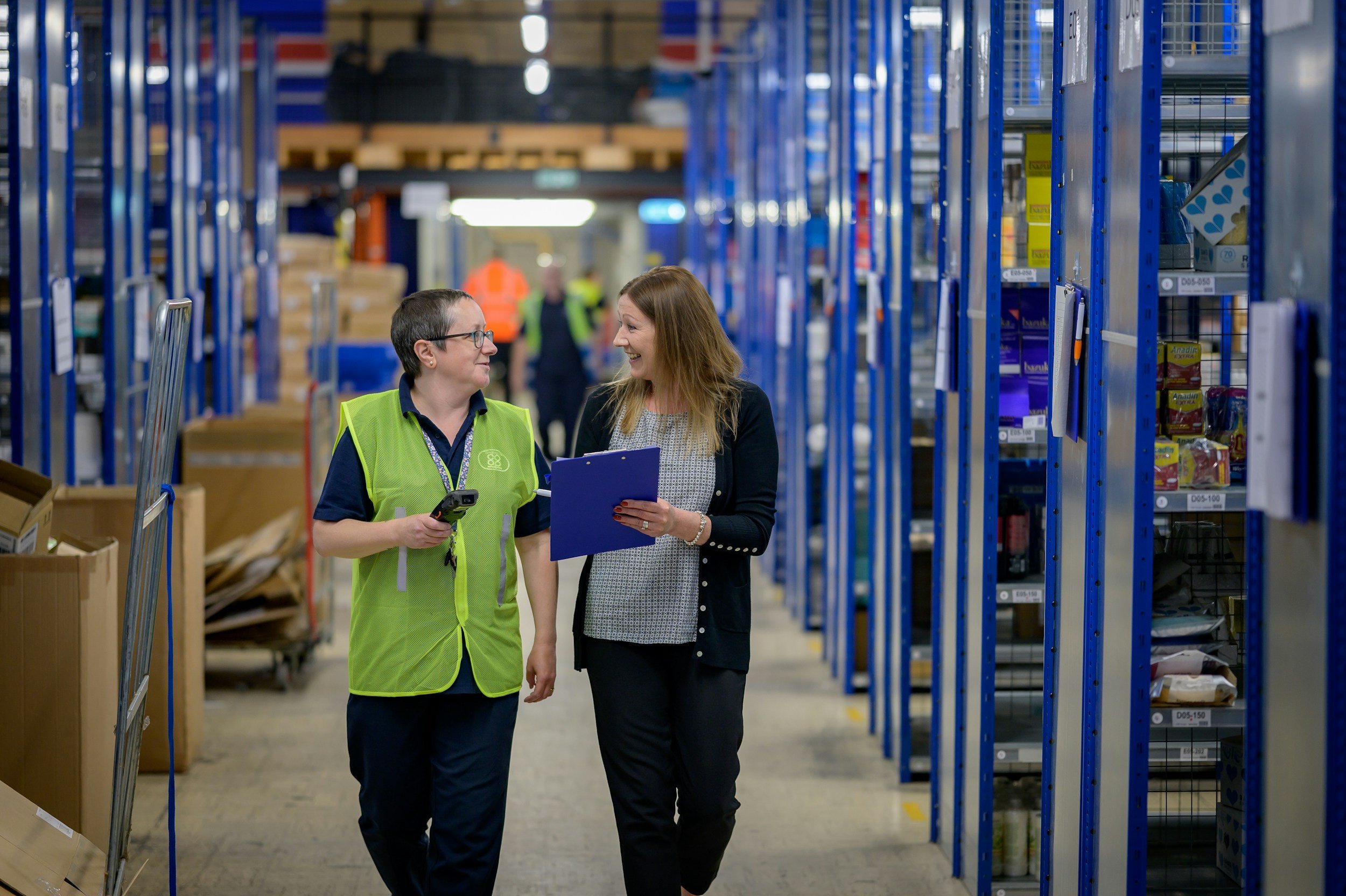
Before you draw any fancy new floor plans, walk the floor like a picker. Grab a notepad or a tablet and follow a real order from the moment it prints to the moment the truck pulls away. Pay attention to where people stop, where they bump into each other, and which aisles turn into chaotic rush hour messes. Look for congestion points, unnecessary walking routes, and dead zones where rarely touched items are hogging prime real estate. Mark those spots on a simple floor diagram. And don't guess, ask your team directly. They know exactly where the stupid bottlenecks are. One warehouse supervisor once pointed out a support beam right in the middle of the fastest aisle that everyone had been cursing for years, and no one had ever bothered to move a single bin around it.
Zone the Space Like a Neighborhood
Think of a warehouse as a small town. A school wouldn't be placed next to a dump, would it? Split the floor into clear neighborhoods: receiving, storage, picking, packing, and shipping. The golden rule is to keep them in a straight line with no crisscrossing or backtracking. But here is where many owners get stuck: customizing those zones for weird-shaped items or heavy machinery. This is where fabrication services and products for your manufacturing or storage warehouse facilities become a lifesaver. Create five clear zones: receiving, storage, picking, packing, and shipping, all in a straight line.
Use floor tape or painted lines to mark where one zone ends and another begins.
Instead of forcing inventory into off-the-shelf racks that do not fit, bring in custom shelving, workbenches, or conveyor supports.
Ask a local metal shop to weld a rolling cart for oversized engine parts or a steel frame that turns a dead corner into a vertical storage hero.
Those small custom touches cut minutes off every single pick.
Go Vertical
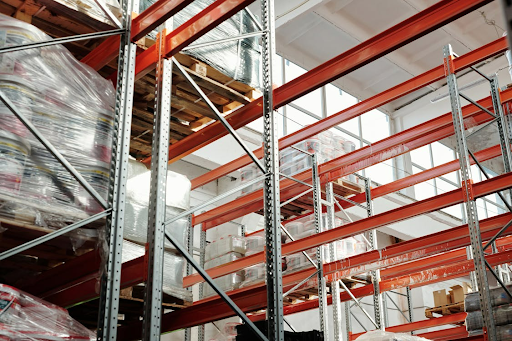
You don’t necessarily need a bigger building to get more space; just look up. There’s probably a ton of unused air sitting right above your head, and using it is one of the cheapest productivity boosts out there. Swap single-level shelving for industrial racking that goes all the way to the ceiling. Add a mezzanine for break areas, light assembly, or slow-moving inventory. A good rule of thumb is to keep your fastest-moving items at waist level: no ladders, no stretching. Put medium movers up high or down low, and tuck your slowest stuff in the hardest-to-reach spots, like the top shelf or a far corner. If you pick something daily, it belongs in that Goldilocks zone. If you pick it once a quarter, it can live in the attic. Your pickers will thank you when their step count drops by forty percent.
Create Highways and Slow Lanes
One of the biggest productivity killers is mixing pedestrian traffic with heavy equipment. It is dangerous, certainly, but it is also slow. Every time a picker with a hand cart has to wait for a forklift to reverse, seconds are lost; seconds that add up to hours by Friday afternoon.
Paint wide "highways" on the floor for forklifts and pallet jacks.
Design separate "slow lanes" or marked crosswalks for walkers.
Use floor tape to create one-way aisles during peak shifts (it feels silly like a grocery store at first, but it eliminates awkward standoffs).
Install mirrors at every blind corner.
Enforce one simple rule: no leaving empty pallets in the lanes. An empty pallet is nothing but a speed bump nobody needs.
Test the New Layout
Here is the part that everyone skips: actually trying the new layout before committing. Moving every pallet overnight is not necessary. A small test run saves thousands of dollars in mistakes.
Pick one slow weekend or a quiet Tuesday afternoon.
Move just three or four key aisles according to the new plan.
Run a small batch of real orders through that test zone with a stopwatch in hand.
Compare the new times to the old times from the same zone.
Keep what works, tweak what does not, and then roll out the changes in phases.
Schedule a "layout audit" every six months. Walk the floor again. Ask those same pickers what is still annoying.
Remember that a productive warehouse is not a static masterpiece; it is a living, breathing thing that gets a little better every time the people who actually work in it are listened to. Now go move some shelves.
HOW DO YOU FEEL ABOUT FASHION?
COMMENT OR TAKE OUR PAGE READER SURVEY
Featured





Preparing a home for overnight guests creates different priorities from ordinary weekly upkeep.