
Nicole Miller’s Living Archive: How Legacy, Inclusivity, And AI Converge At Fashion Forward Week
Images by JOSHUA SIM
By PAGE Editor
At Fashion Forward Week, legacy wasn’t treated as nostalgia — it was activated.
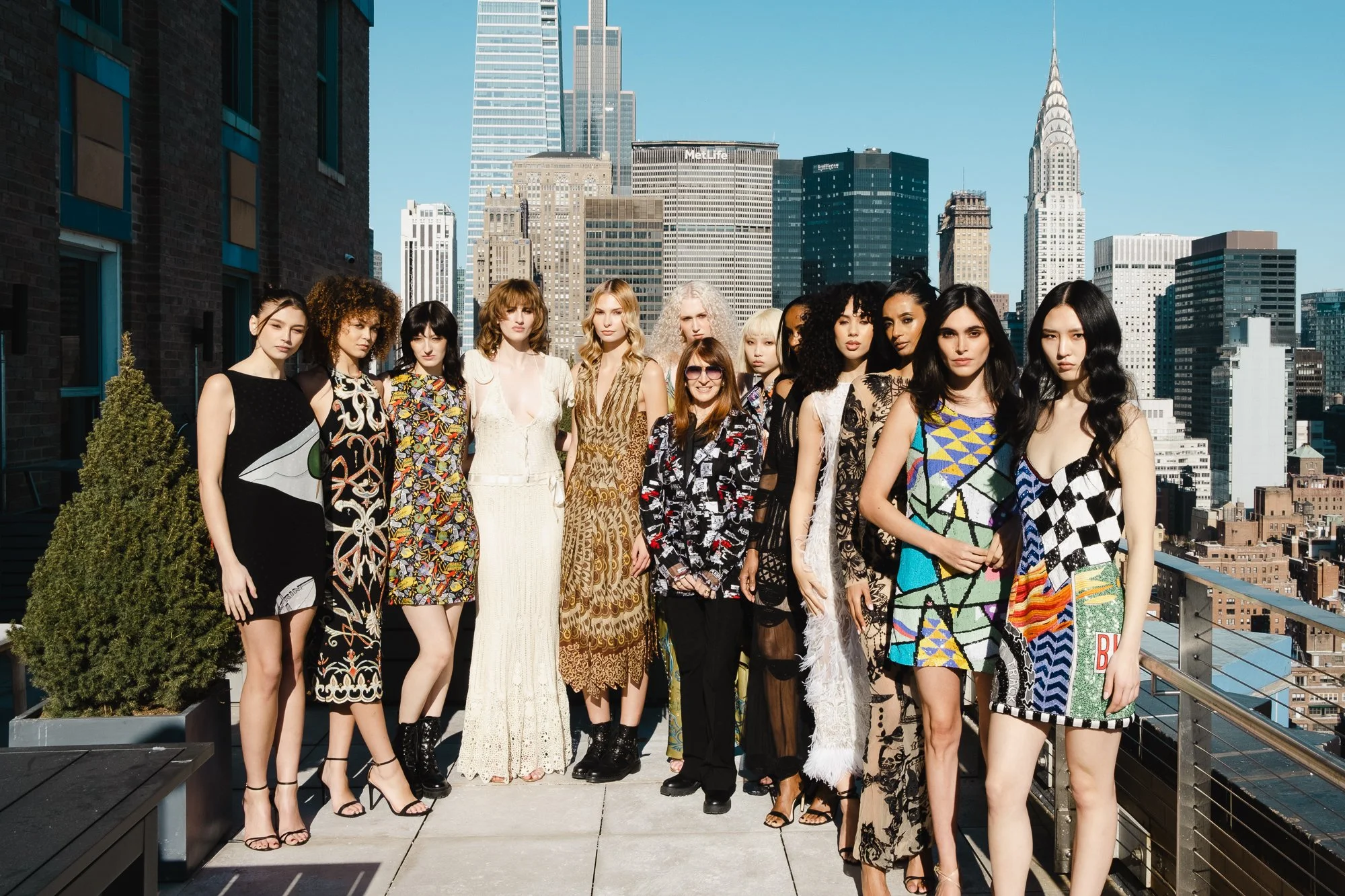
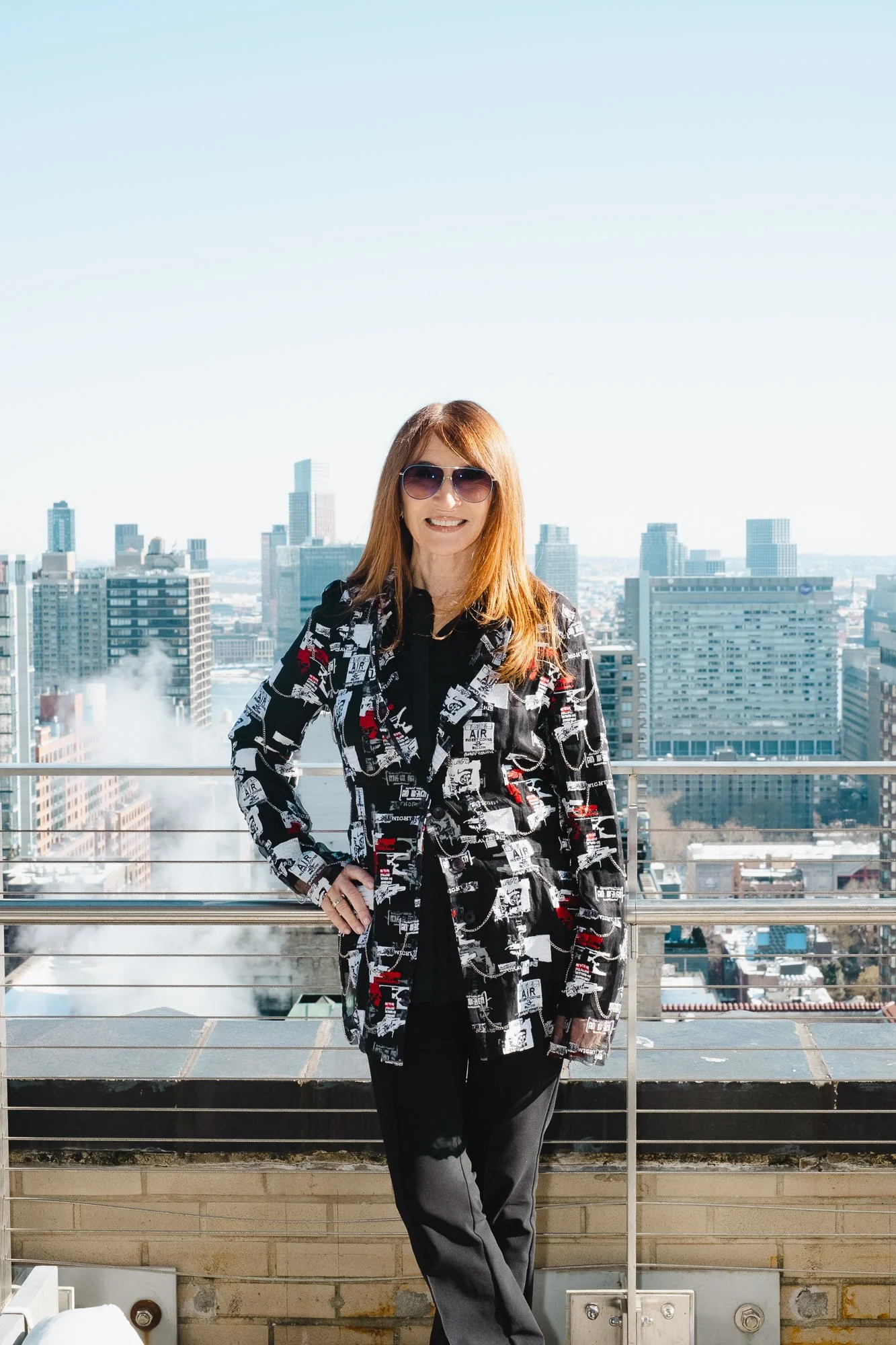
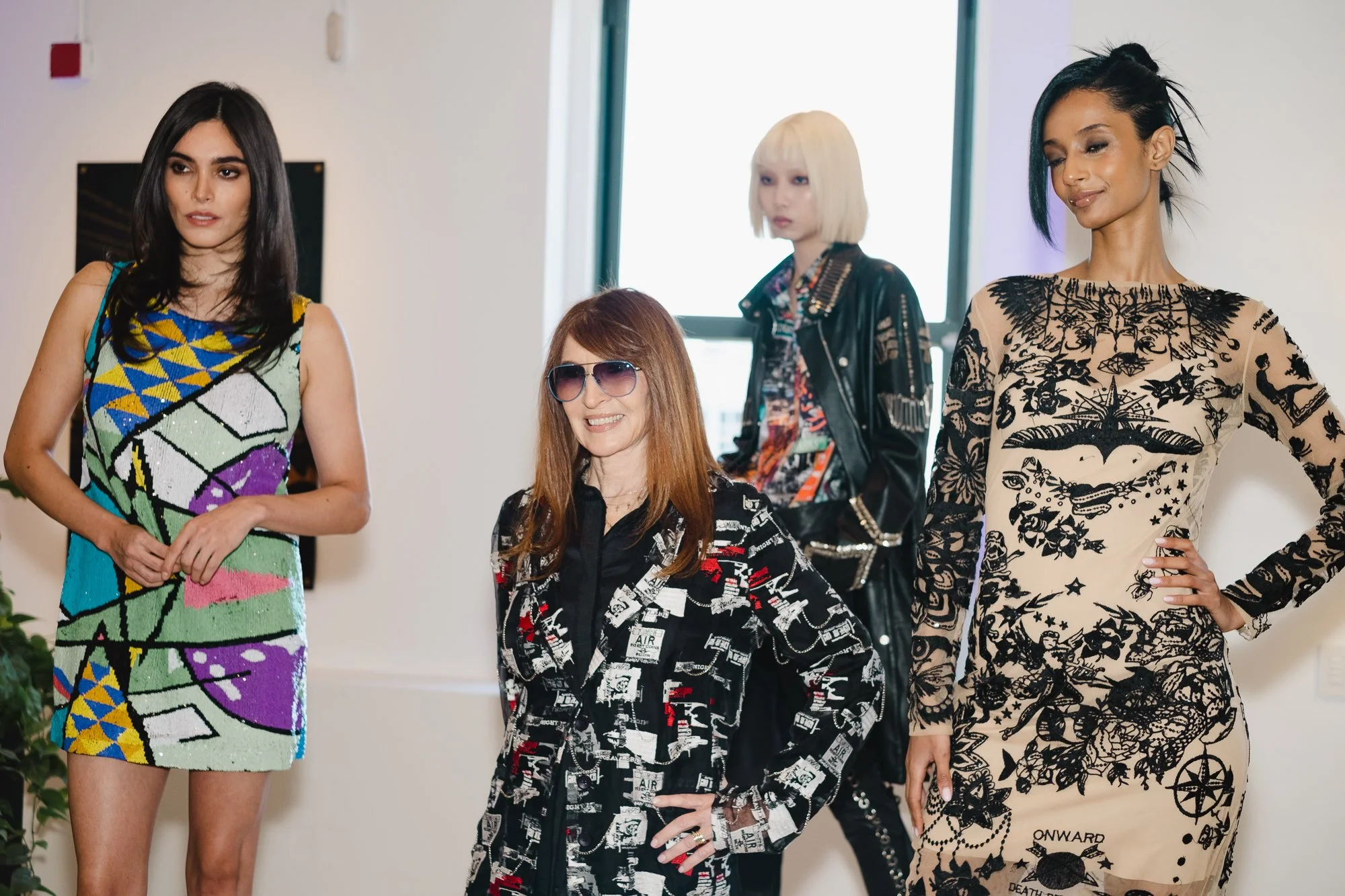
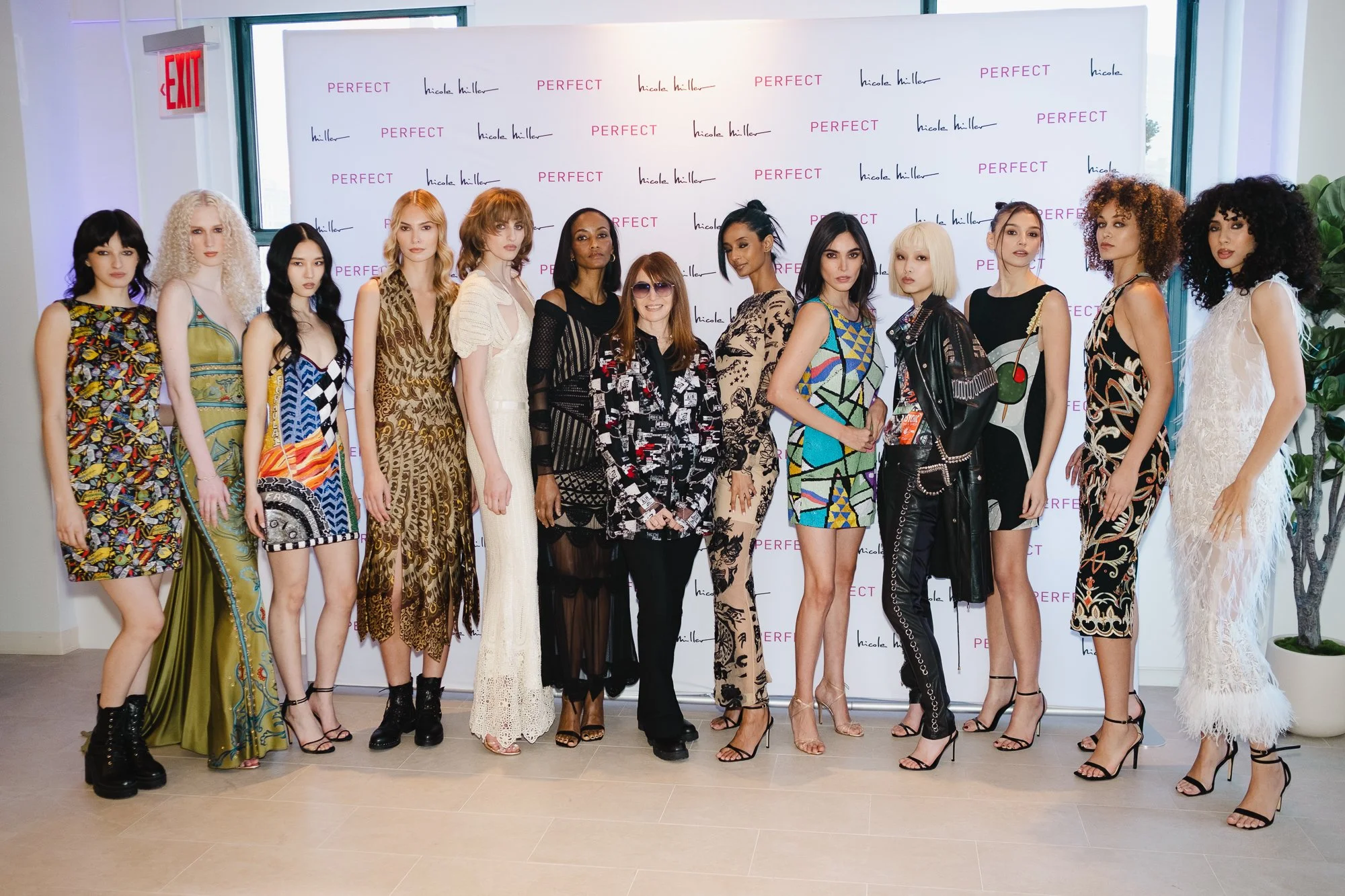
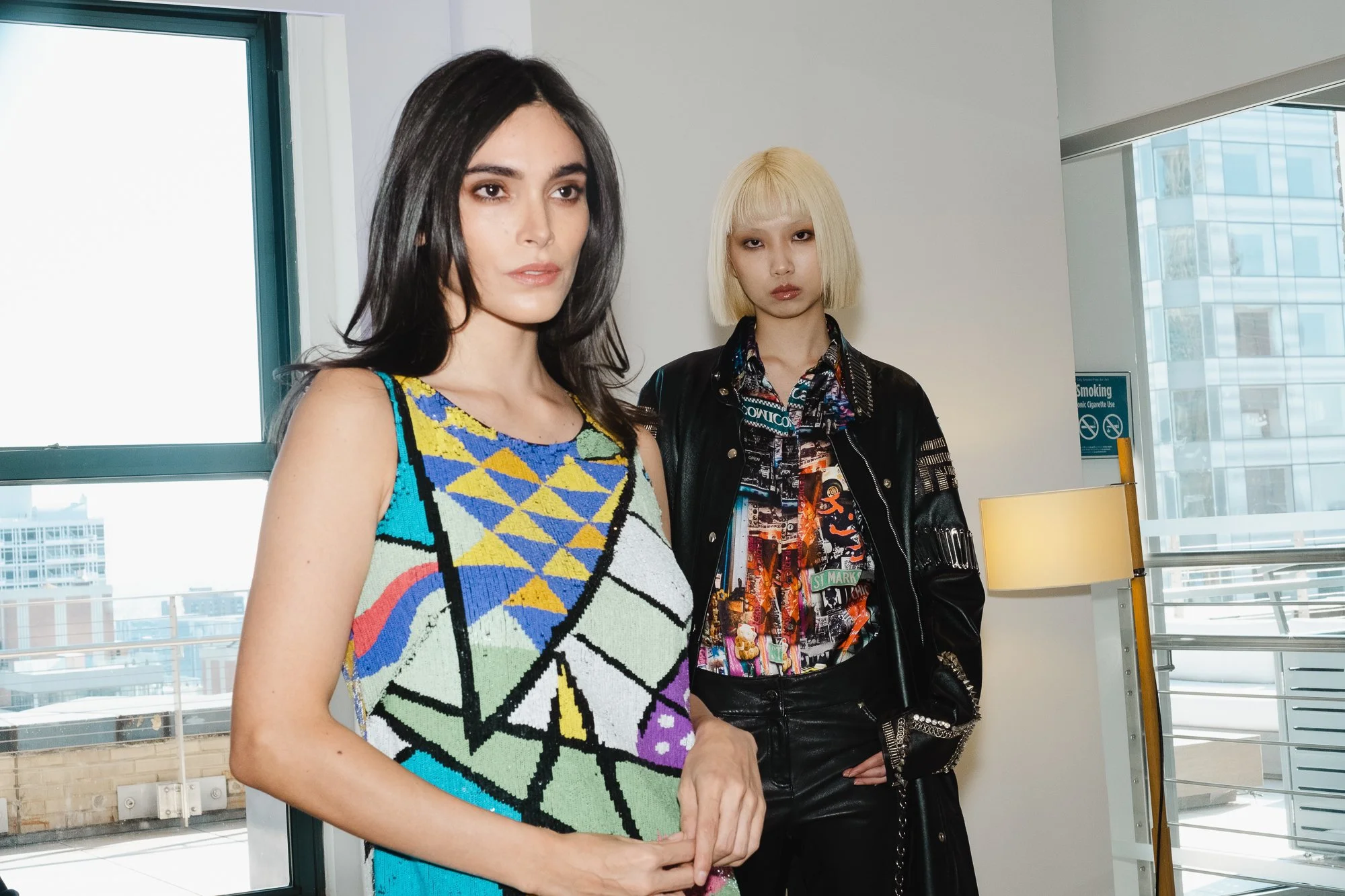
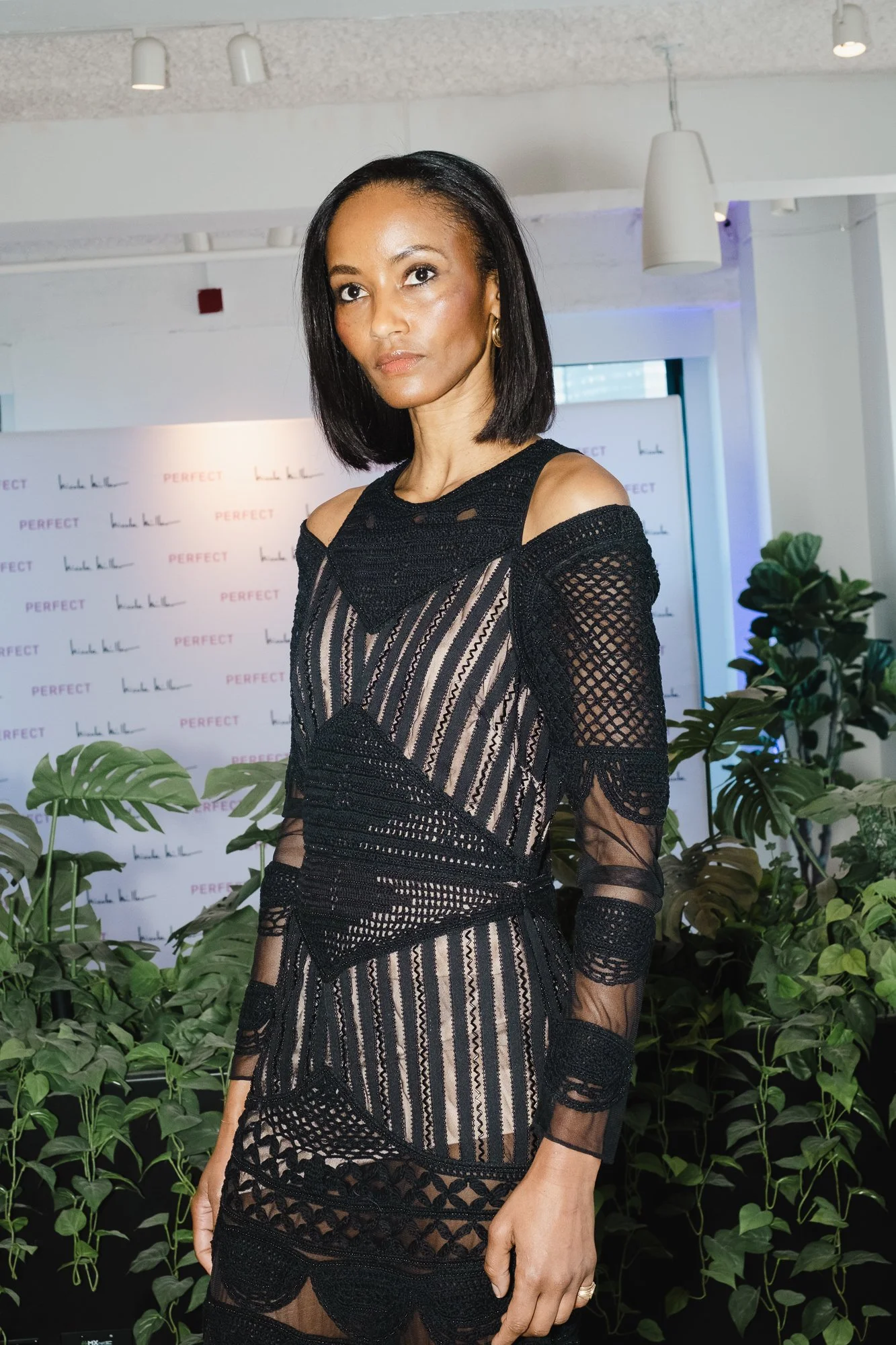
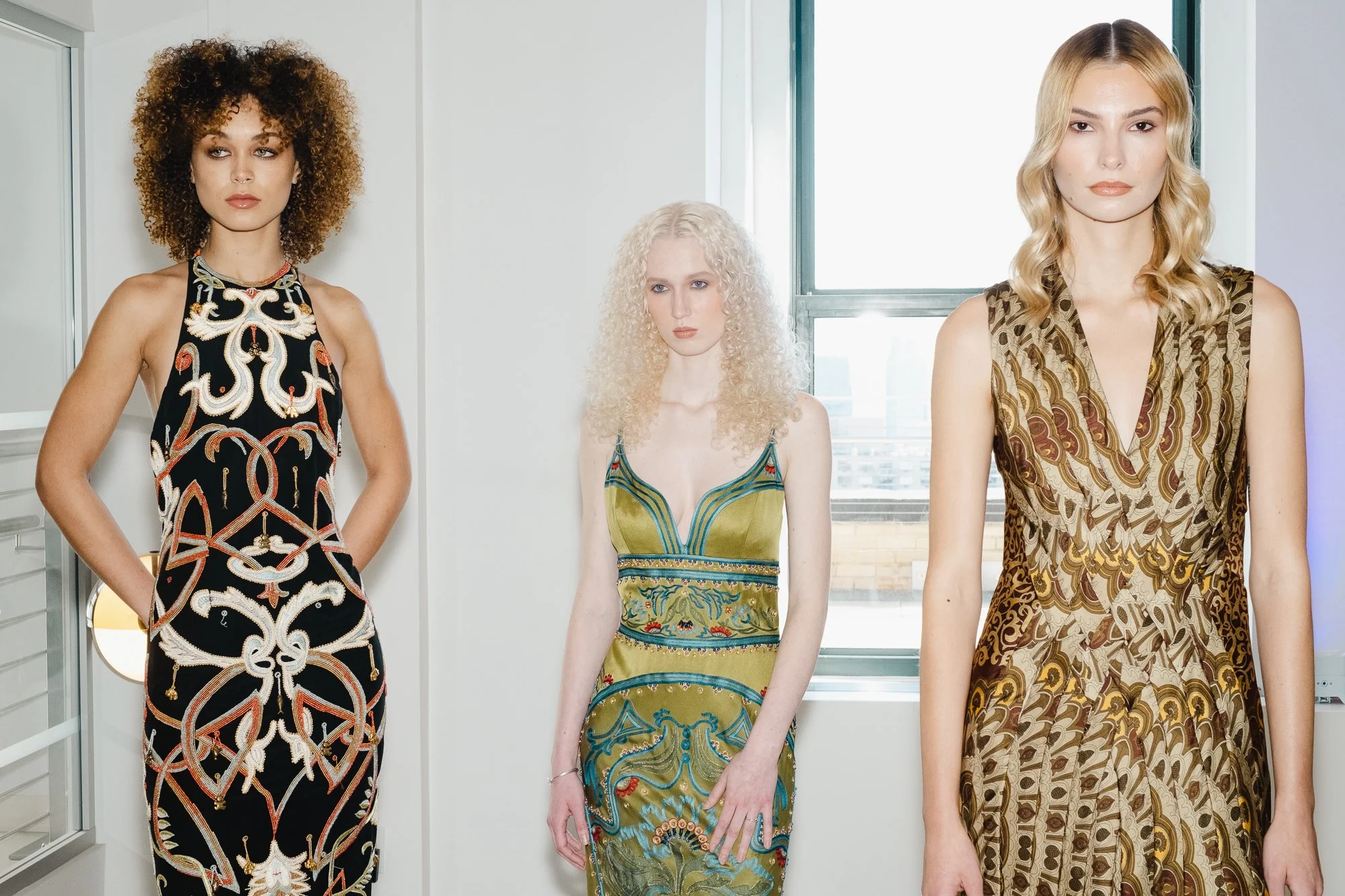
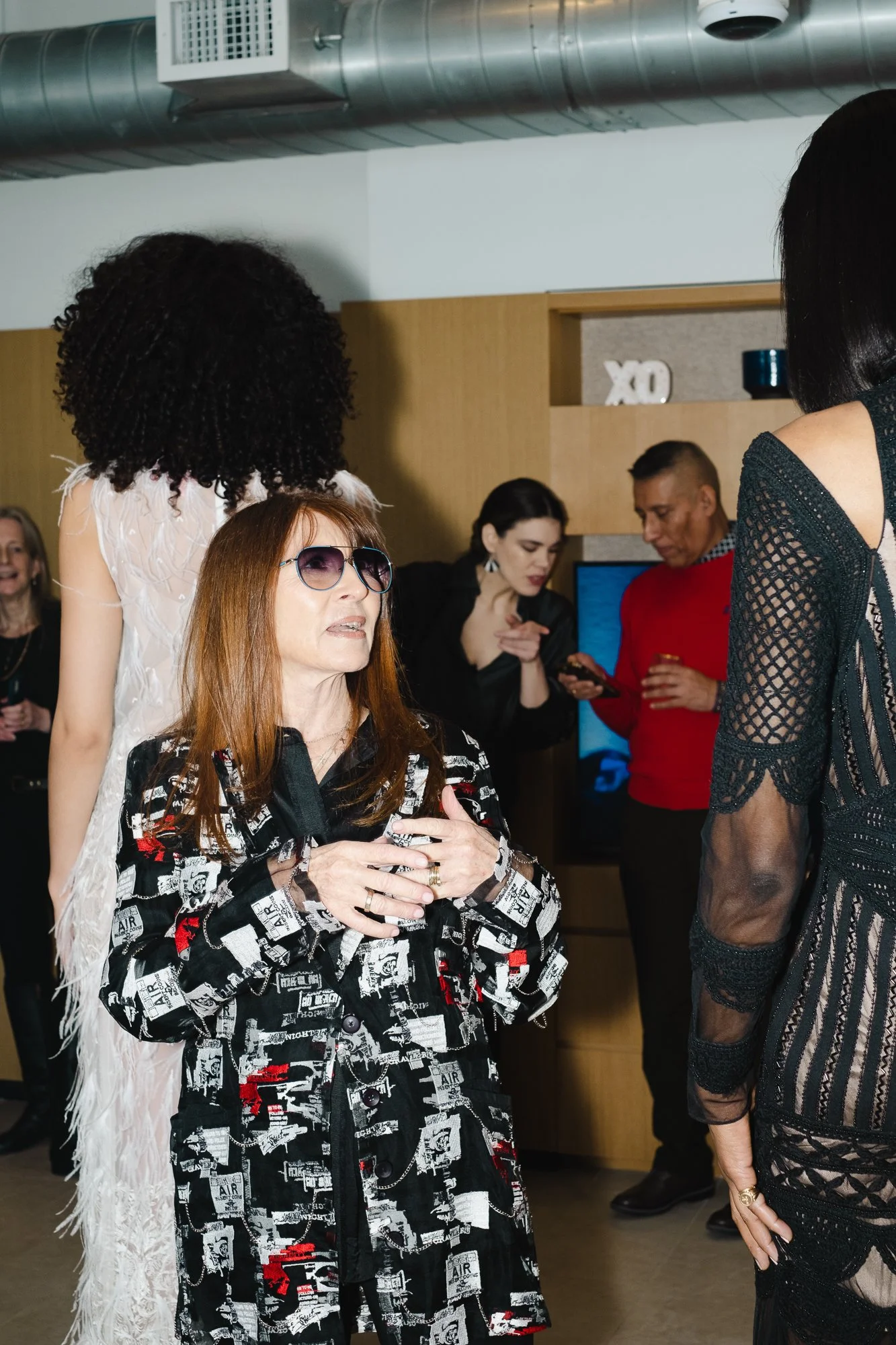
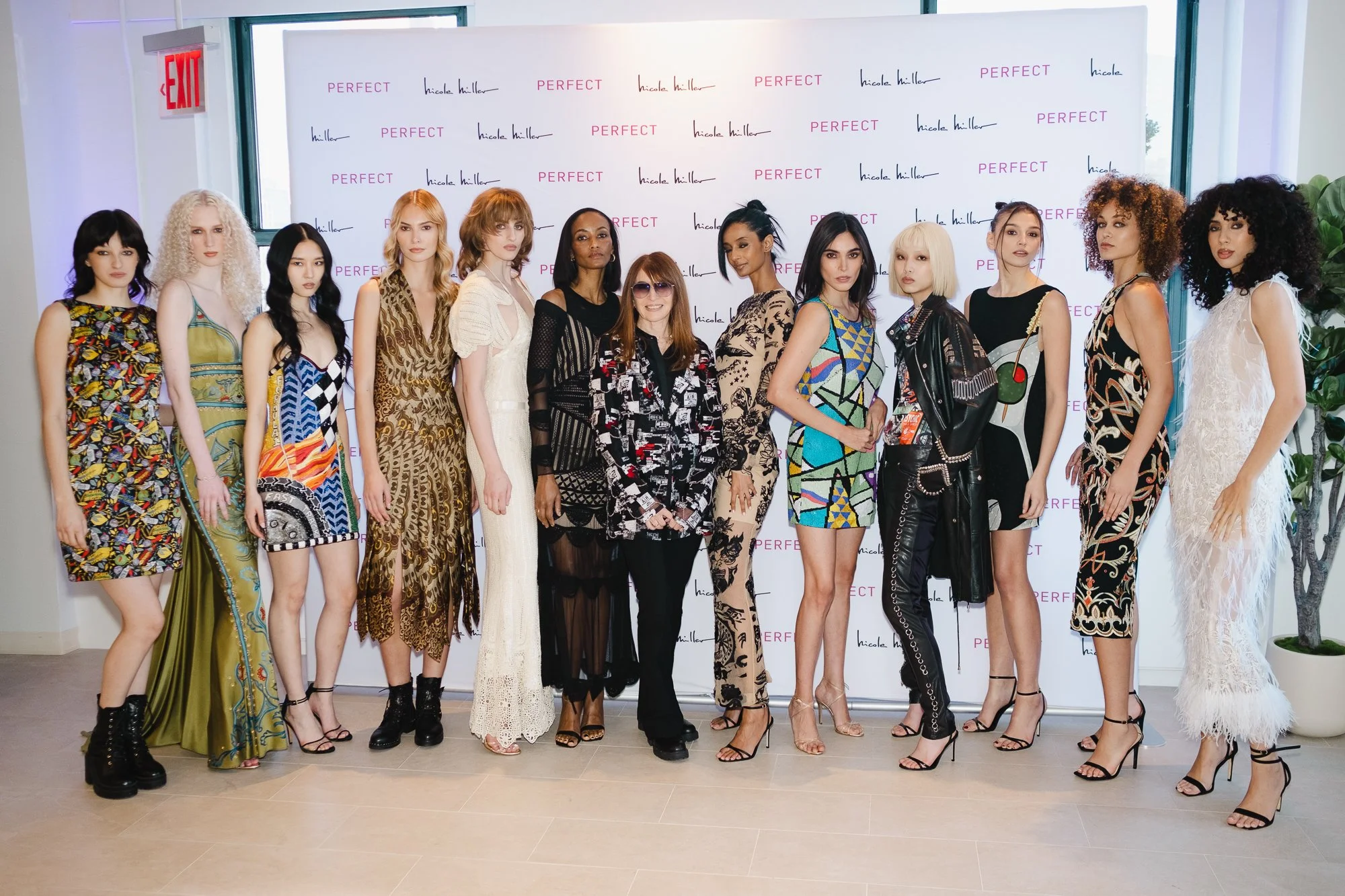
On Wednesday, February 4, at 2 Park Avenue in New York, Nicole Miller presented a retrospective runway that moved fluidly across decades of her career. The show was less a look back than a reframing: a reminder that American fashion’s most enduring voices are those that evolve without abandoning their point of view.
From her early body-conscious silhouettes that defined downtown 1990s glamour to the refined tailoring and expressive prints that continue to resonate today, Miller’s presentation functioned as a living archive. It traced how a designer can remain culturally fluent while honoring the codes that built her name.
But this was not simply a heritage moment. It was a signal of where fashion storytelling is headed next.
Technology As A Democratic Mirror
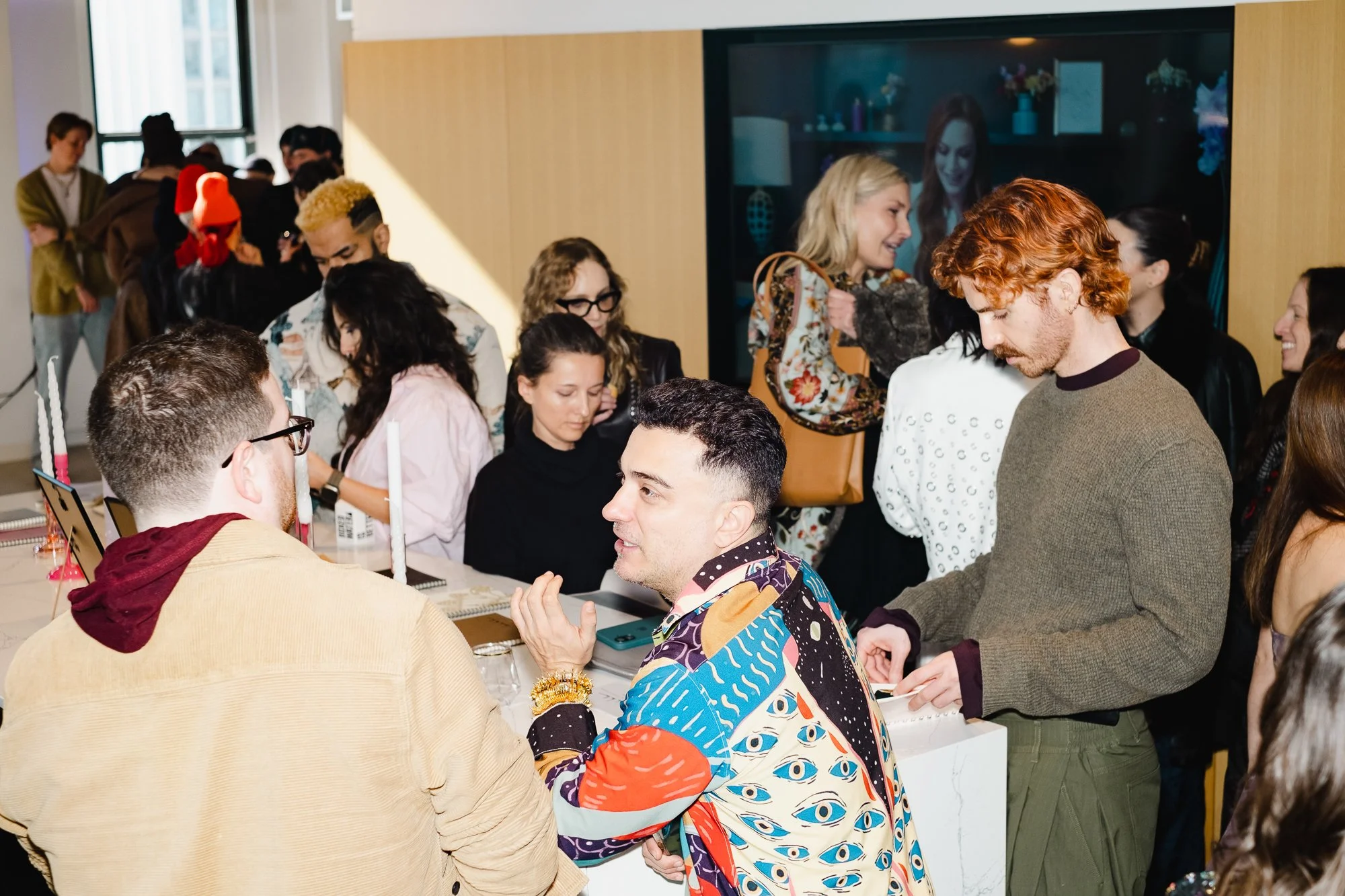
Integrated throughout the show was augmented reality technology by Perfect Corp., enabling guests to digitally try on runway looks in real time for social sharing. What once felt futuristic — virtual fitting rooms and AI-driven styling — now felt intuitive, even necessary.
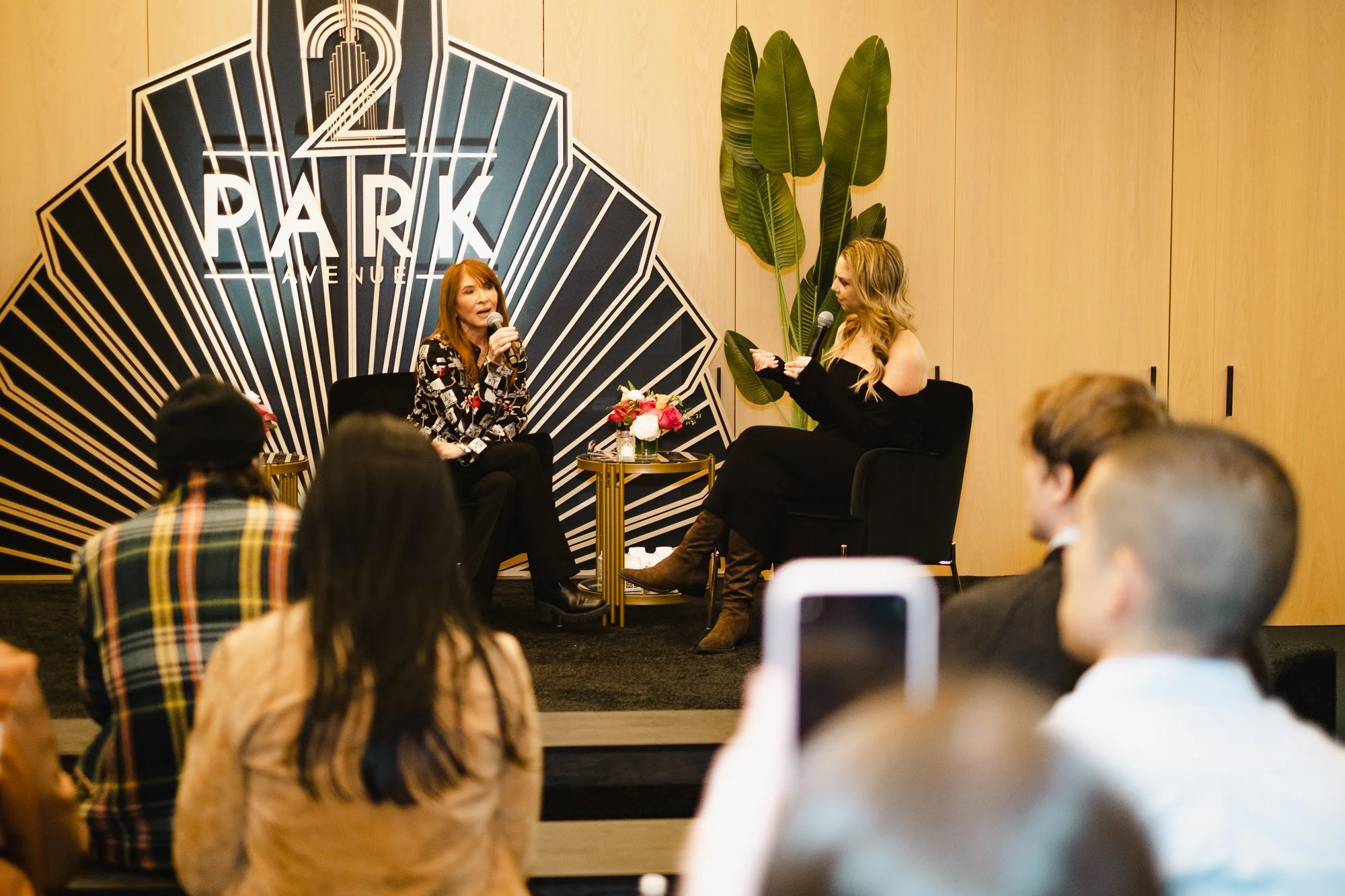
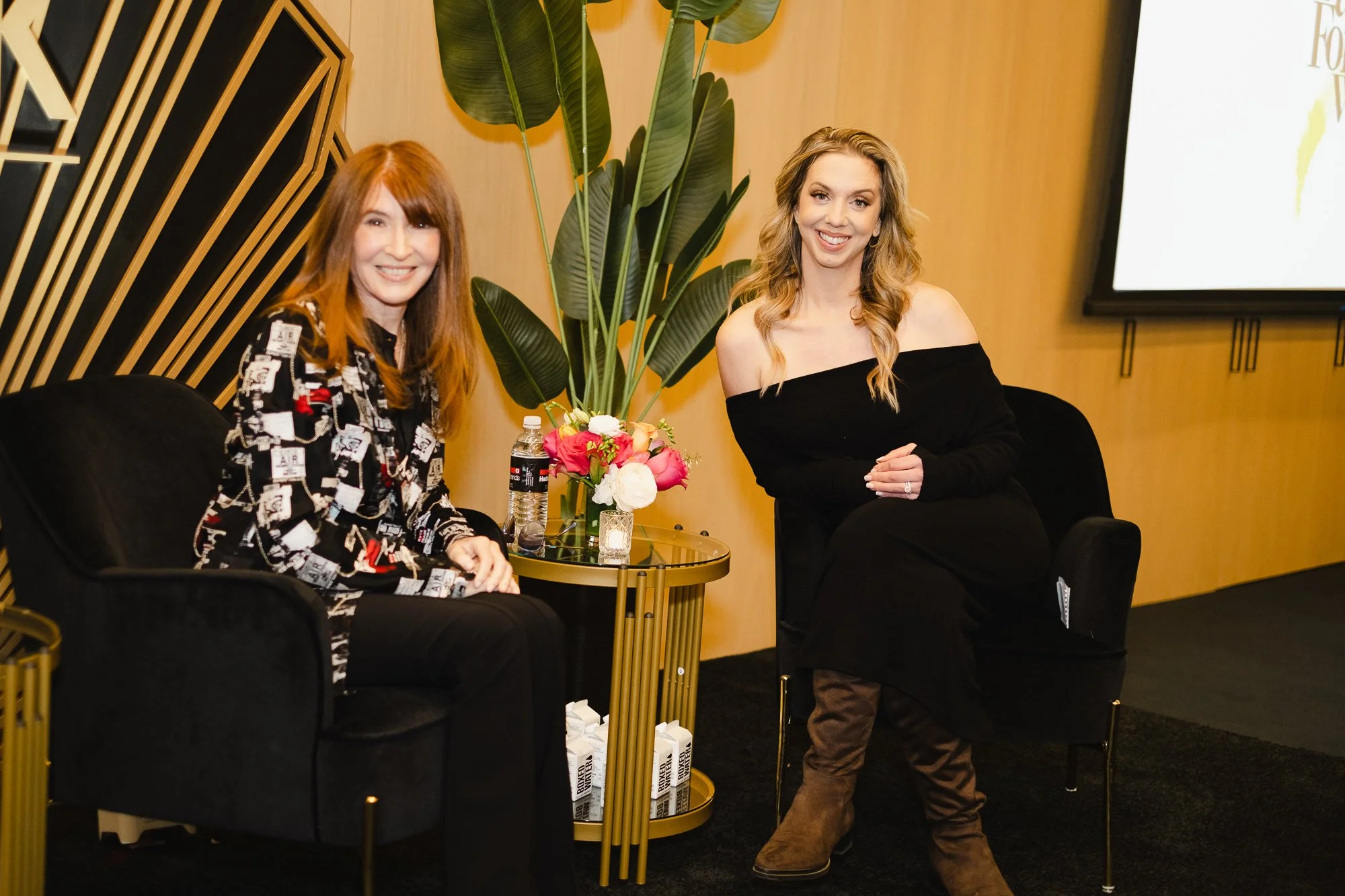
In conversation, Chief Marketing Officer Adam Gam emphasized that Perfect Corp has spent over a decade building AI specifically for beauty and fashion, establishing early leadership in virtual try-on before expanding into what he described as “agentic AI” — intelligent systems designed not just to visualize products, but to actively guide consumers through their decision-making.

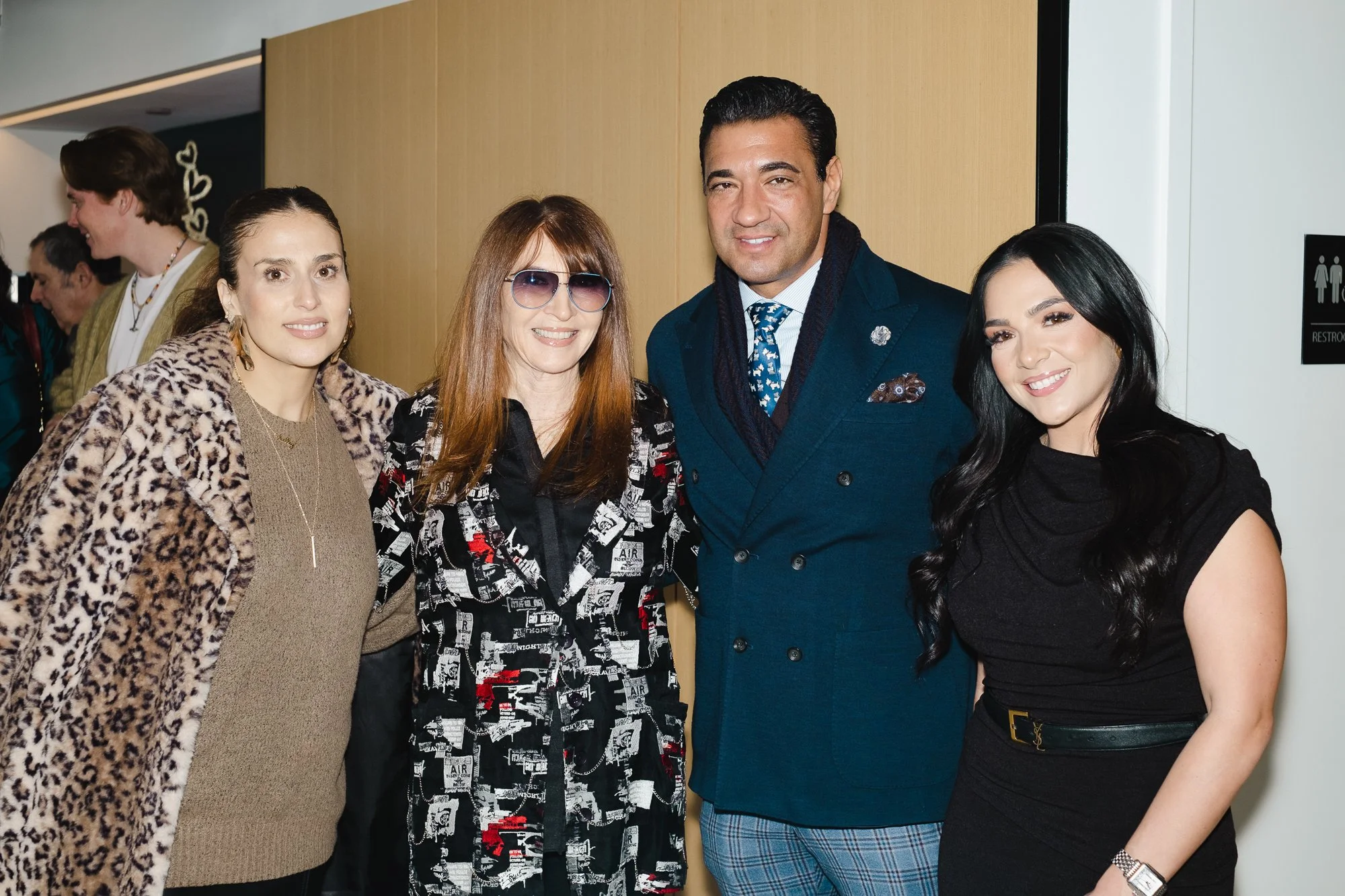
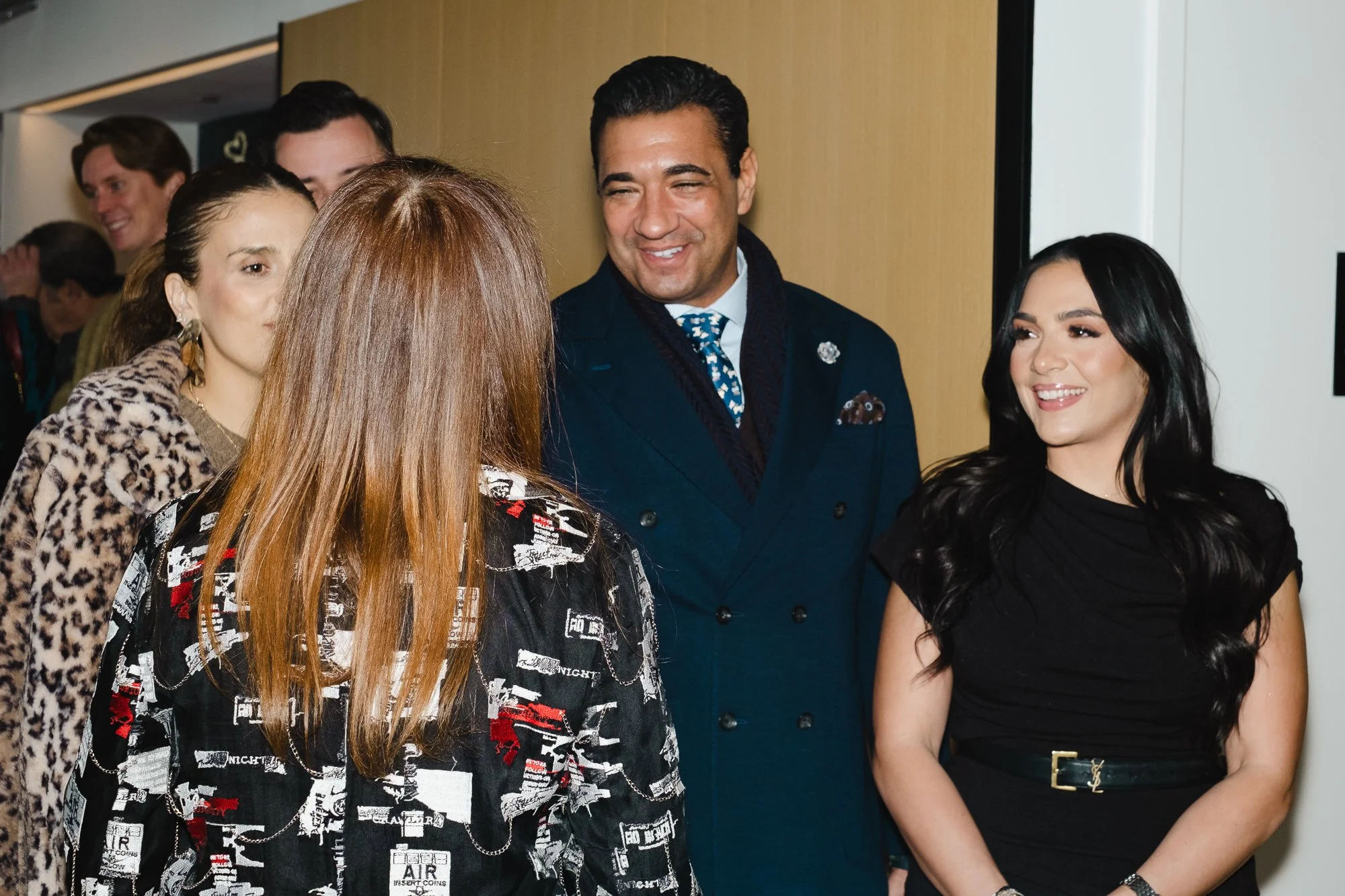
Chief Marketing Officer Adam Gam, Perfect Corp, and Editor-in-Chief PAGE magazine, Cassell Ferere
The distinction is critical. Earlier tech innovations often centered on spectacle — filters, novelty overlays, and surface-level enhancements. Today’s AI, Gam explained, understands nuance: fit, body diversity, personal taste, context, and occasion. It is adaptive rather than static. Conversational rather than transactional.
Tools such as AI-powered clothing try-on and digital wardrobe changers allow users to upload their own images and see garments rendered with lifelike precision — tops swapped, silhouettes adjusted, entire looks reimagined in seconds. The result is less friction, more confidence.
For brands, that confidence translates directly into measurable impact. Perfect Corp reports that its AI try-on solutions reduce return rates by an average of 8%, addressing one of fashion’s most persistent sustainability challenges: waste generated by uncertainty around fit and style. In adjacent industries, such as beauty, the environmental implications are tangible — the company’s virtual hair color technology, adopted by global brands, has helped eliminate reliance on physical swatch samples, cutting significant plastic waste annually.
AI, in this context, shifts from “wow factor” to infrastructure.
Personalization As Cultural Inclusion
What became clear during the presentation — and in the fireside dialogue that followed — is that personalization is no longer cosmetic. It is cultural.
AI-driven styling assistants can now recommend garments based on body type, lifestyle, and individual aesthetic preference. More importantly, they allow consumers to see clothing on their own proportions and skin tone, rather than on a standardized model.
Representation becomes experiential.
Gam described this evolution as a move from one-size-fits-all retail to deeply contextual engagement. When shoppers can experiment with bold silhouettes or unfamiliar brands in a risk-free digital environment, the psychological barrier to self-expression lowers. Shopping becomes exploratory rather than intimidating.
Inclusion, then, is not merely about casting diversity on a runway. It is about embedding diversity into the architecture of the shopping experience itself.

A Collective Of Cultural Voices
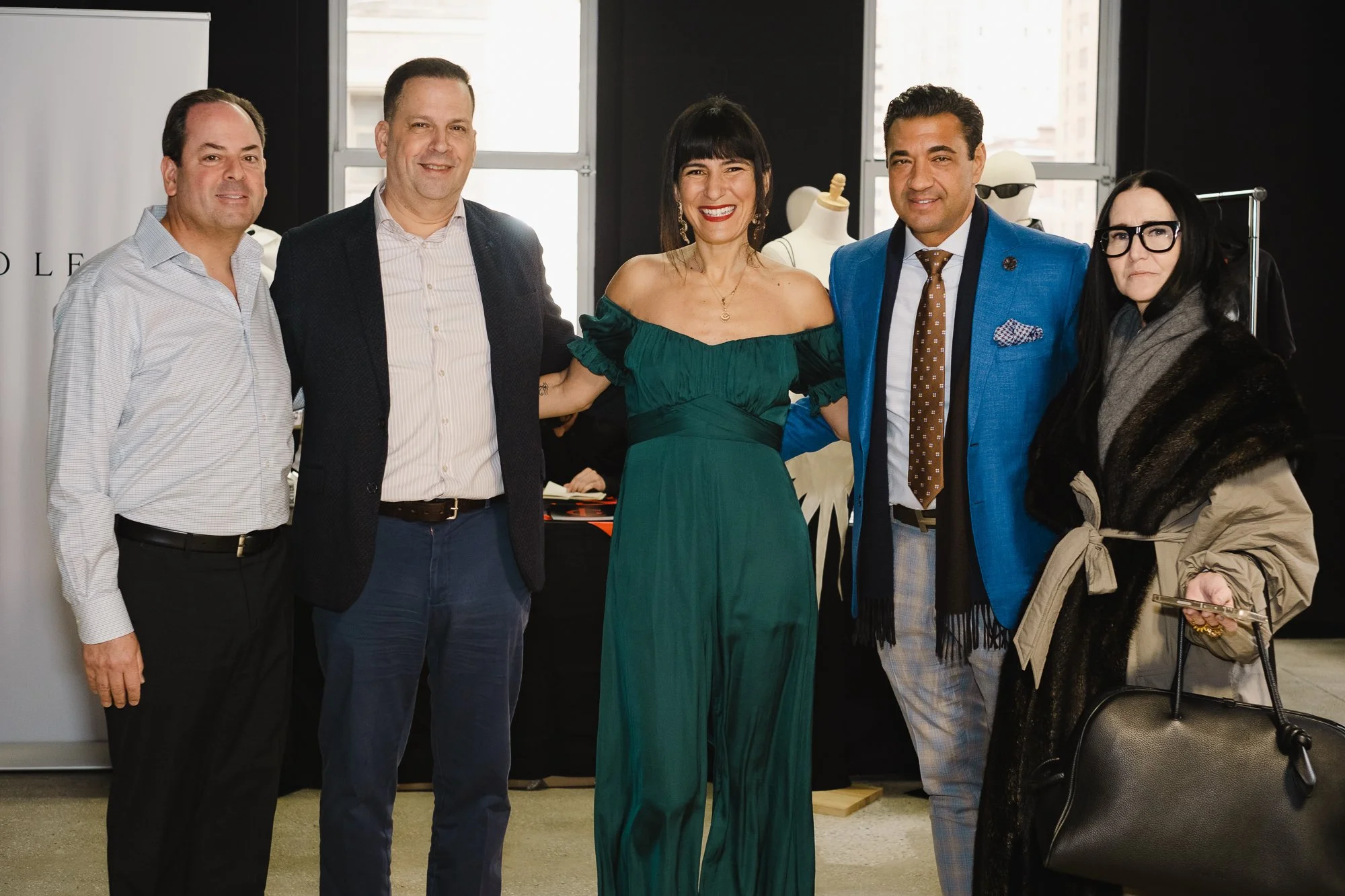
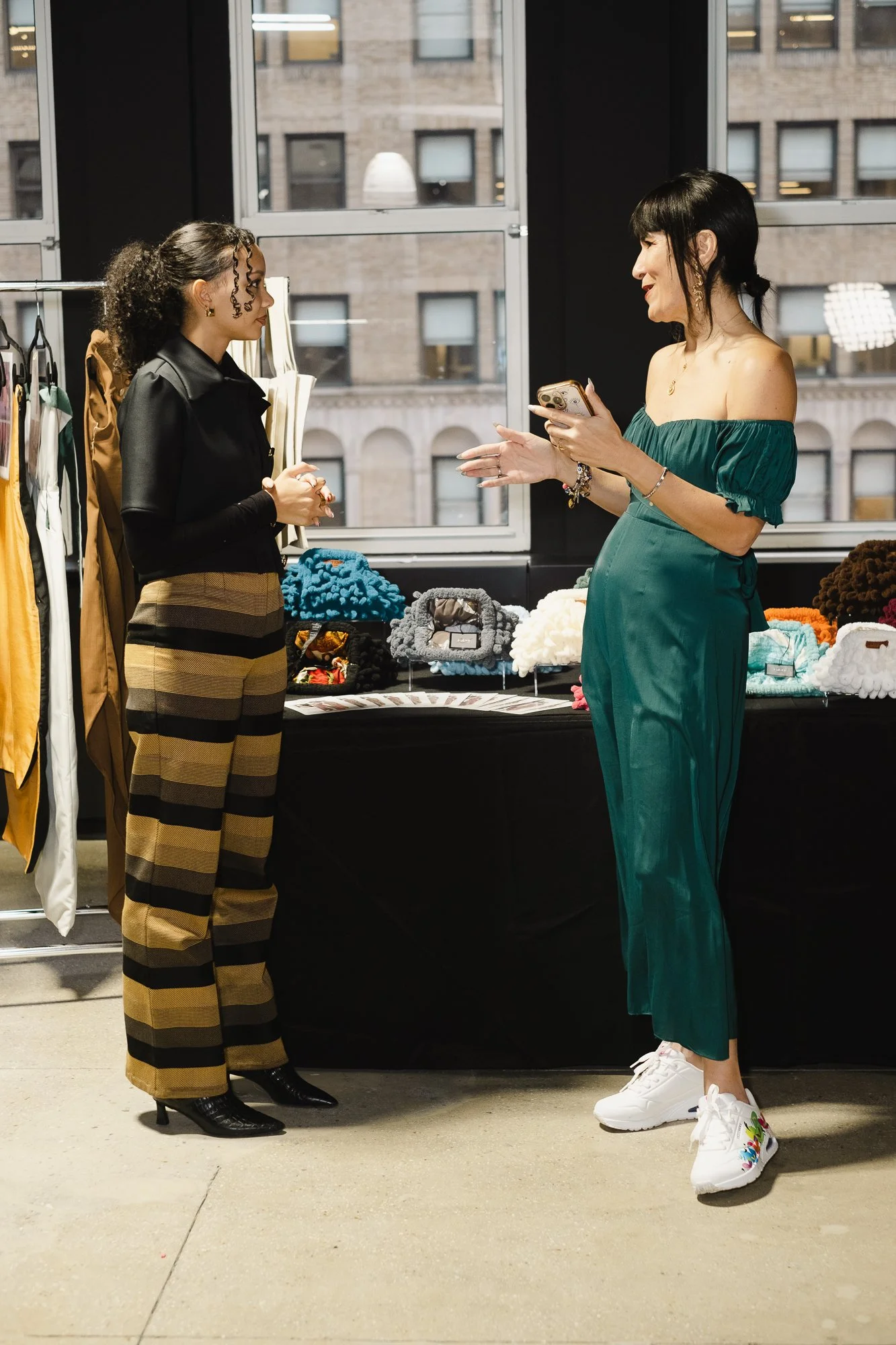
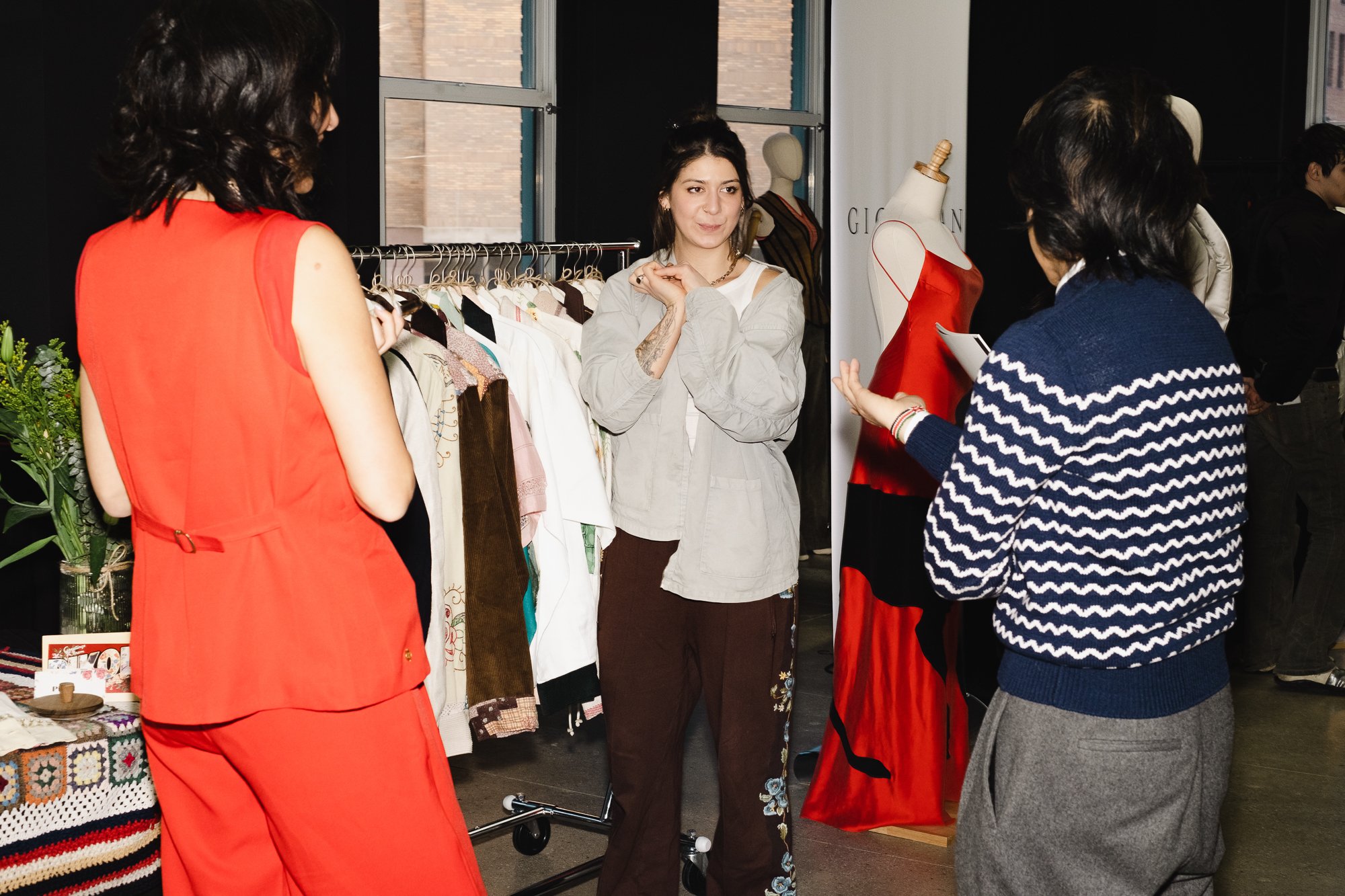
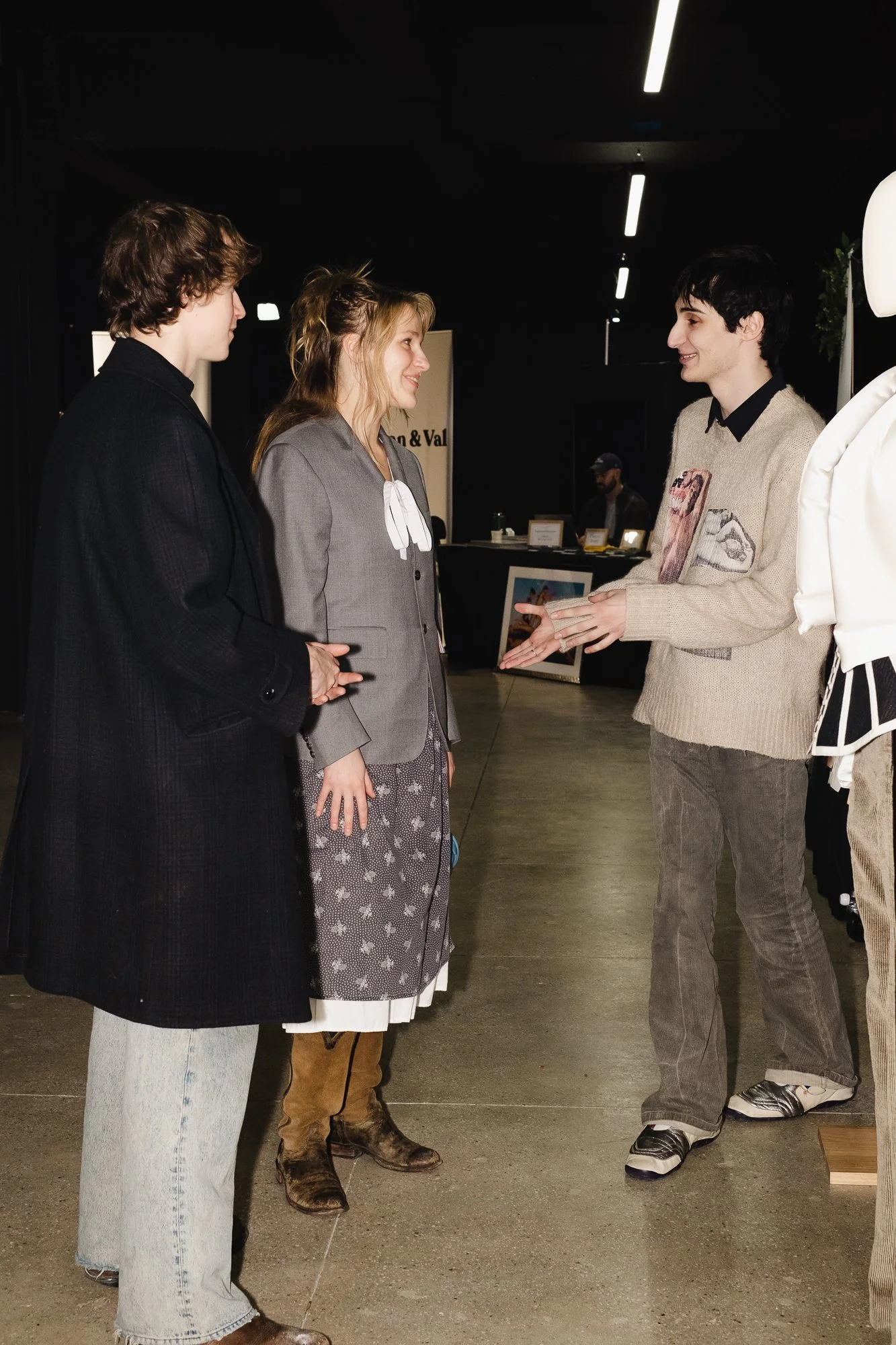
The runway also underscored fashion’s collaborative future. Featured brands spanned sustainability, spiritual adornment, heritage craft, and tech-integrated couture:
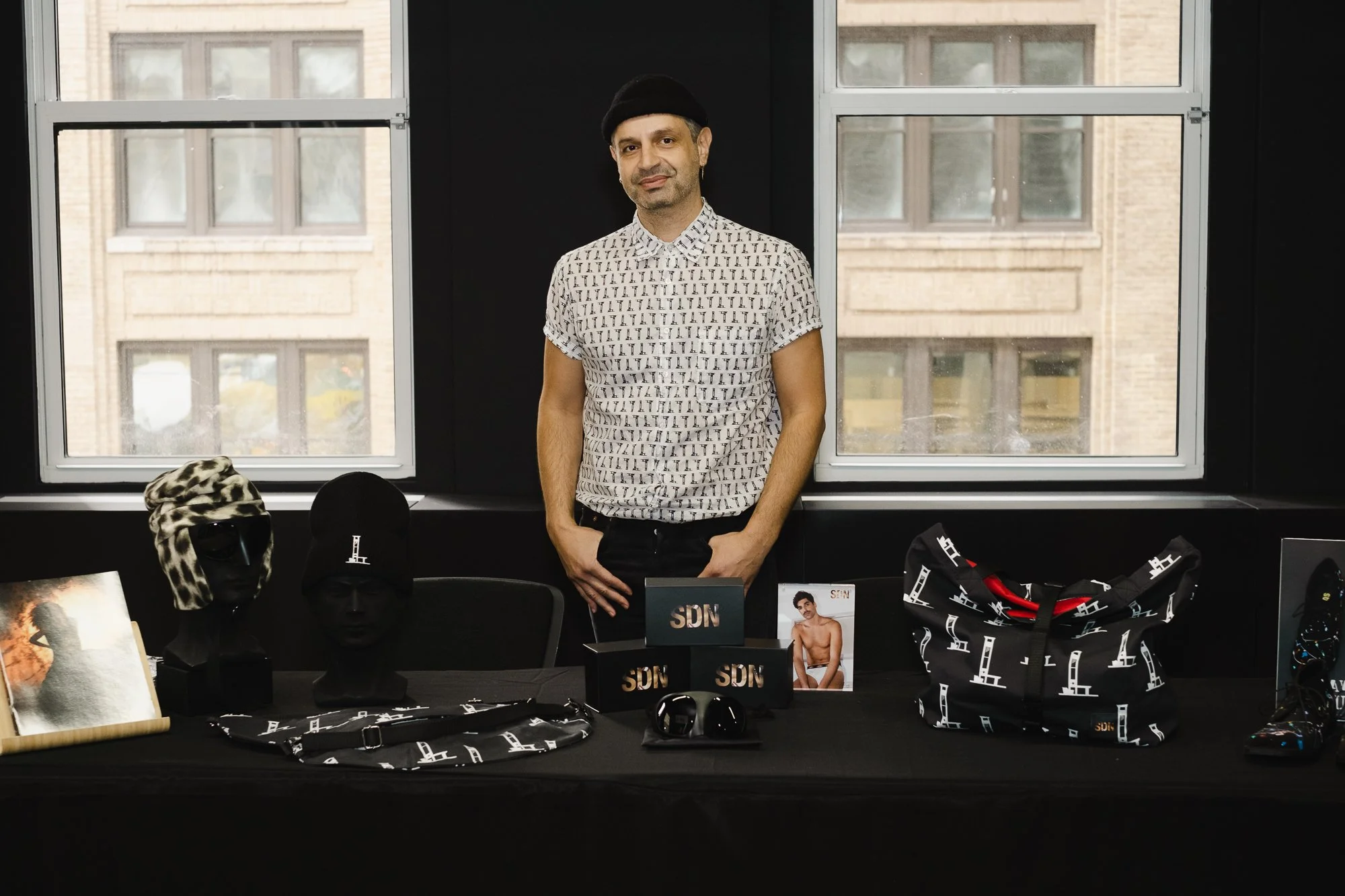
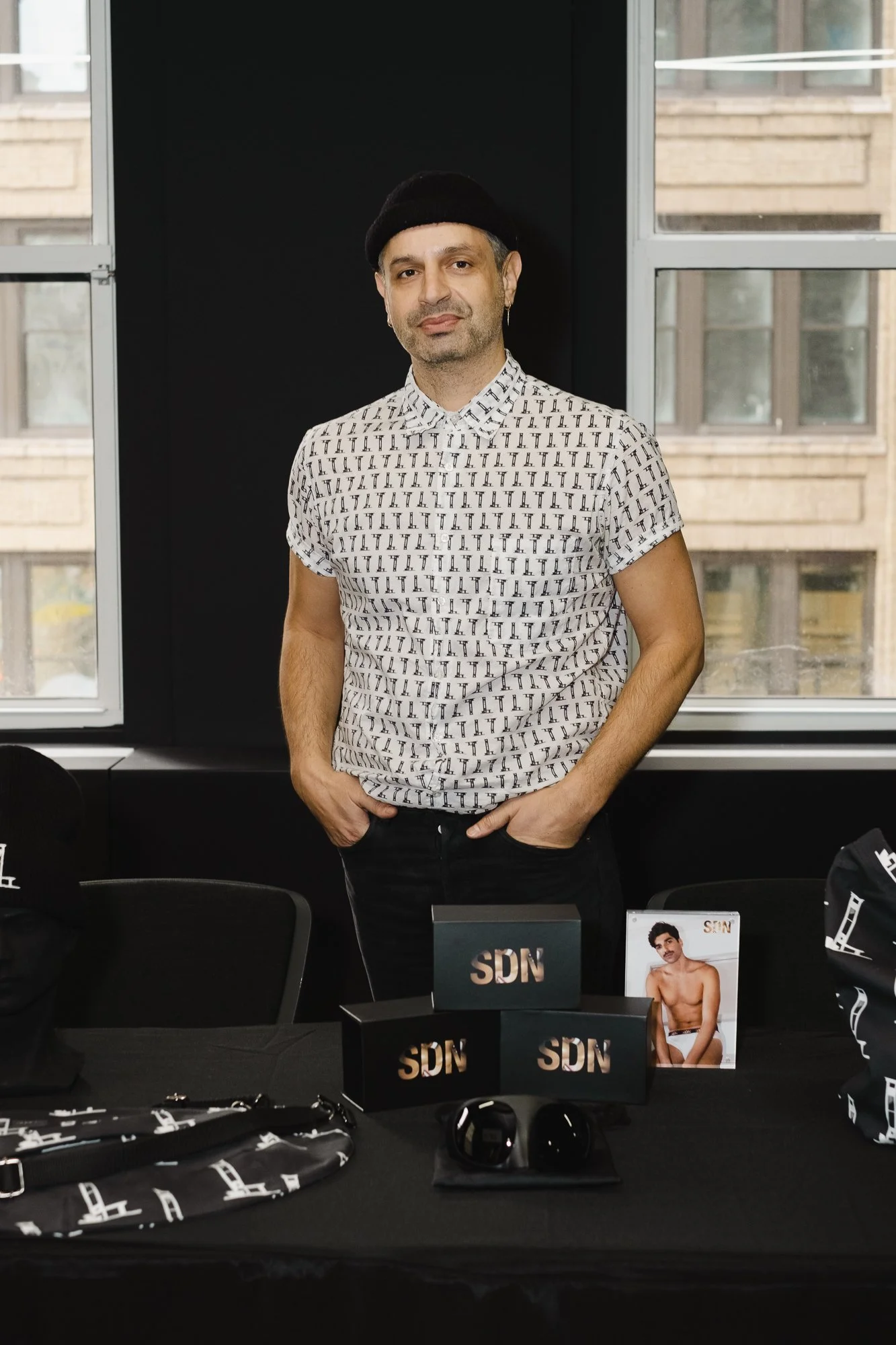
SDN Brooklyn reframed waste through upcycled wearable art.
RELEVE, founded by Emily Burnett, embedded social technology directly into garments.
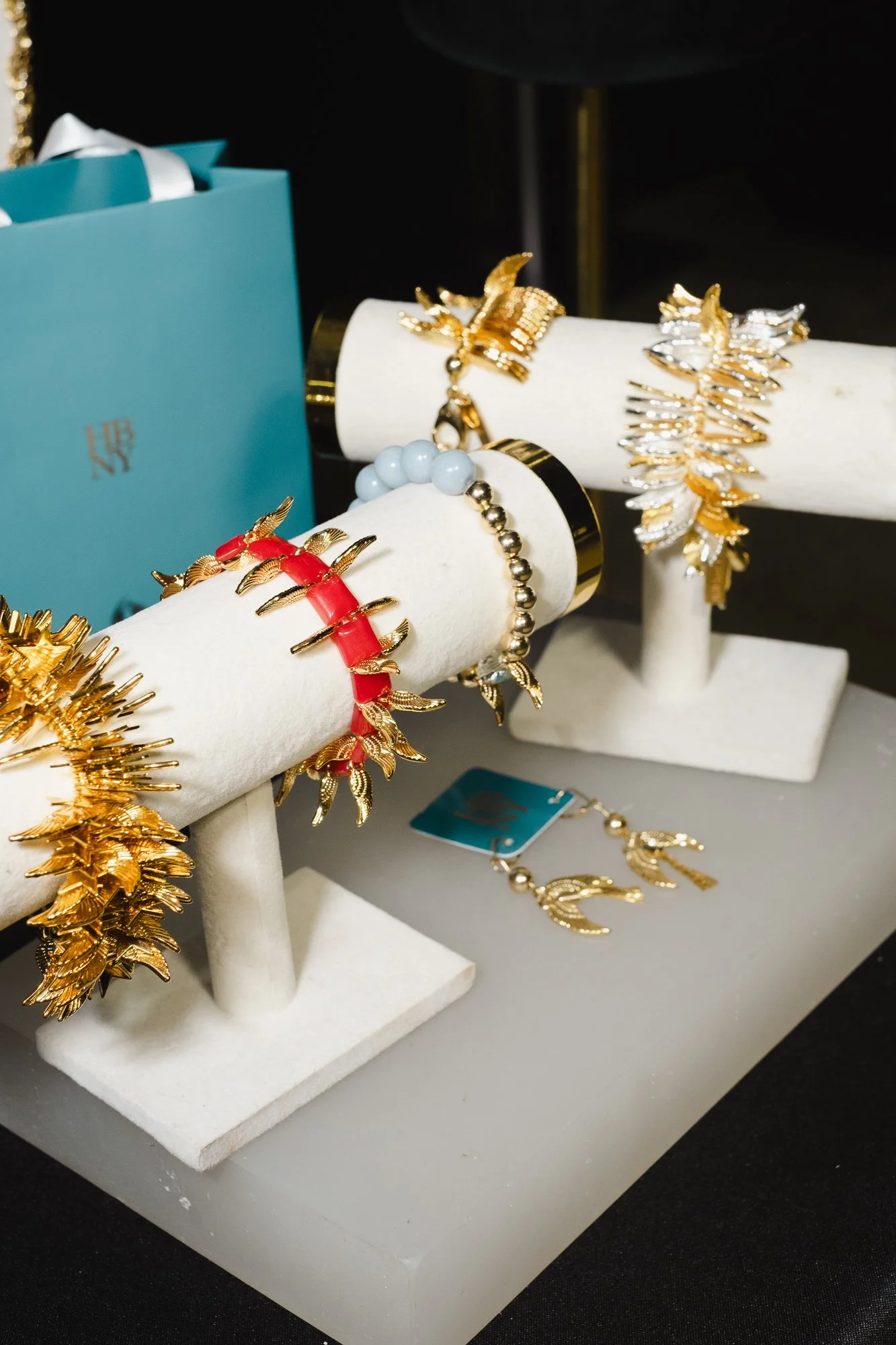
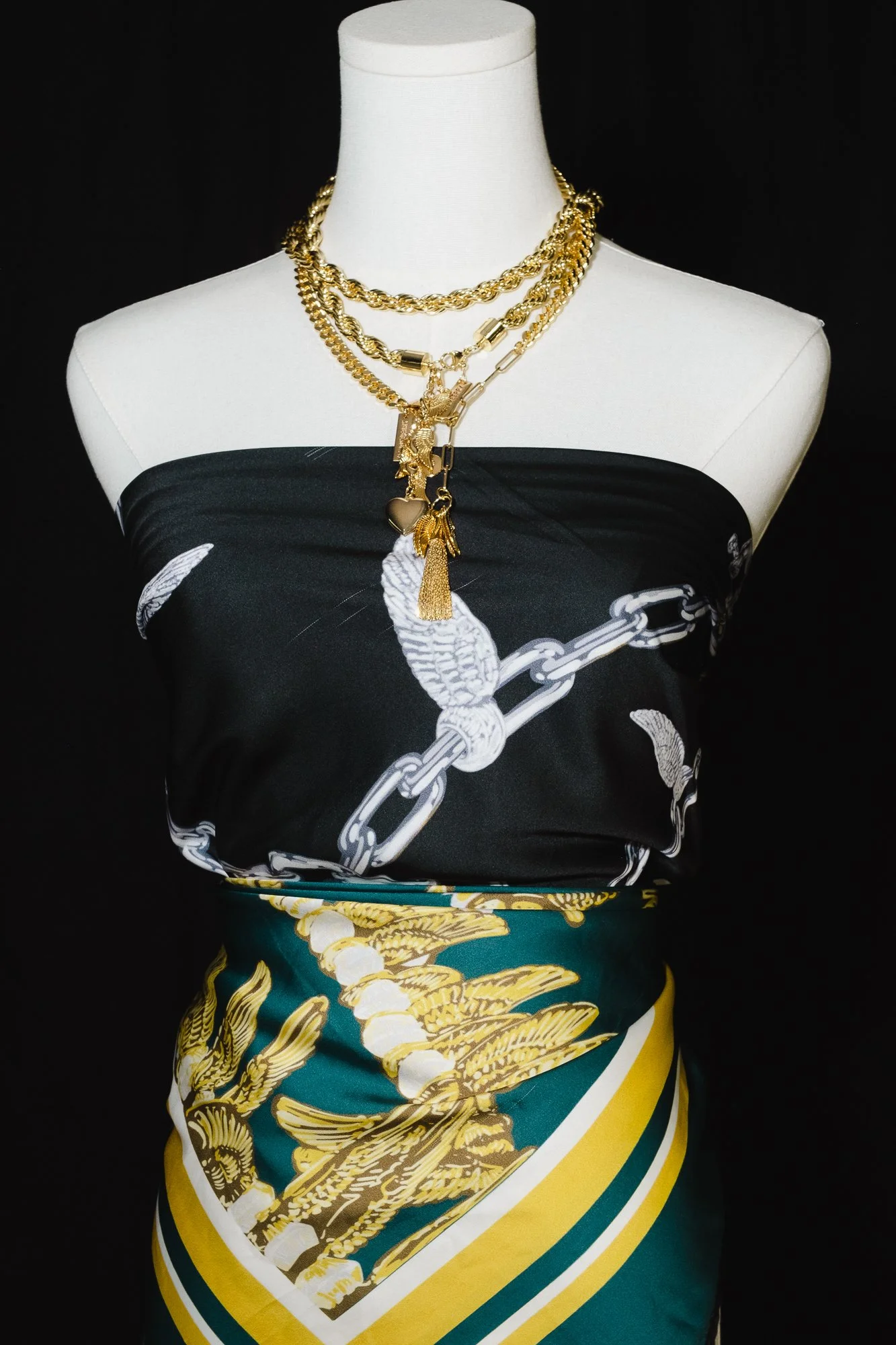
Harry Berry Jewelry infused spiritual symbolism into fine adornment.
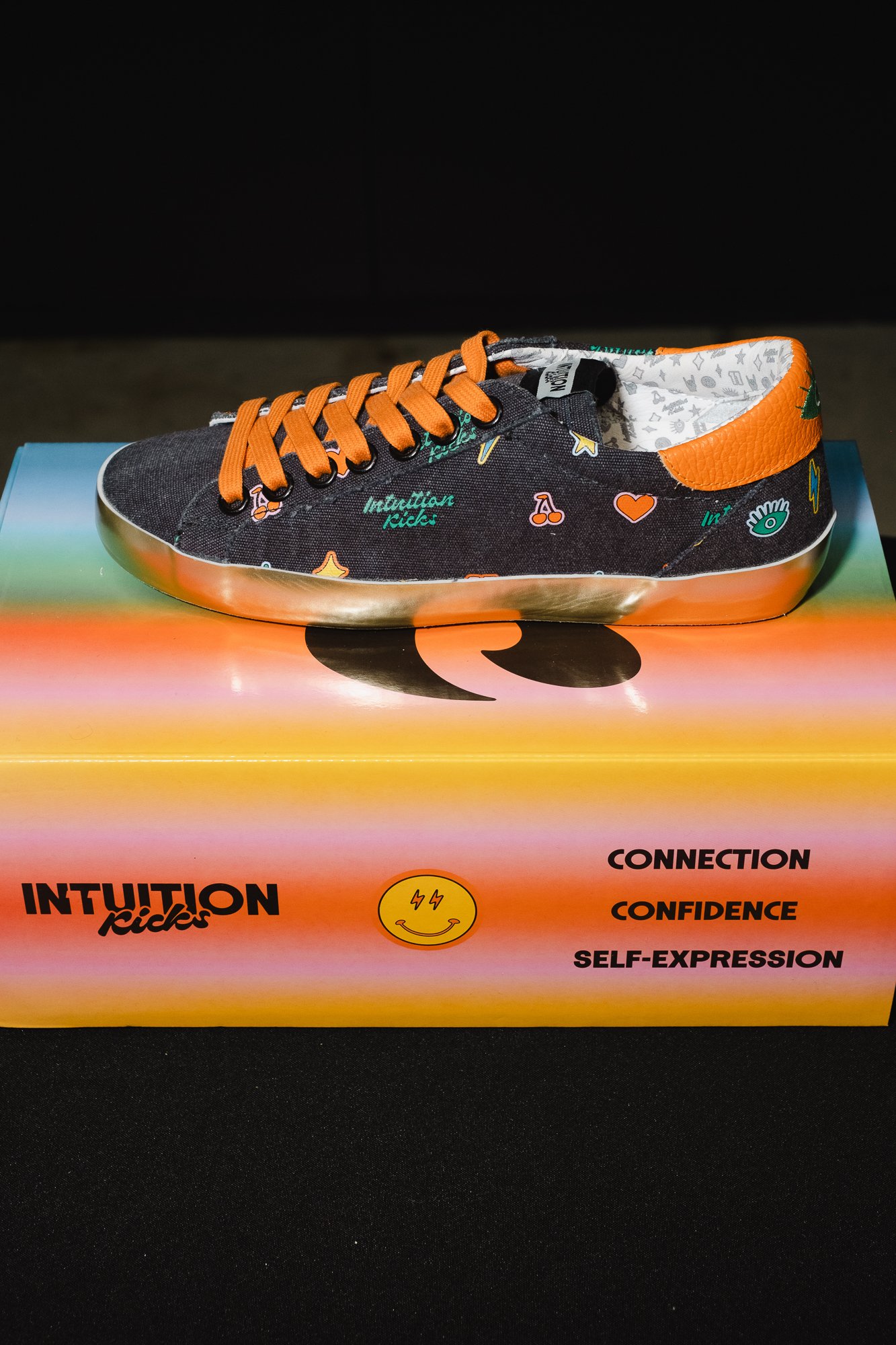
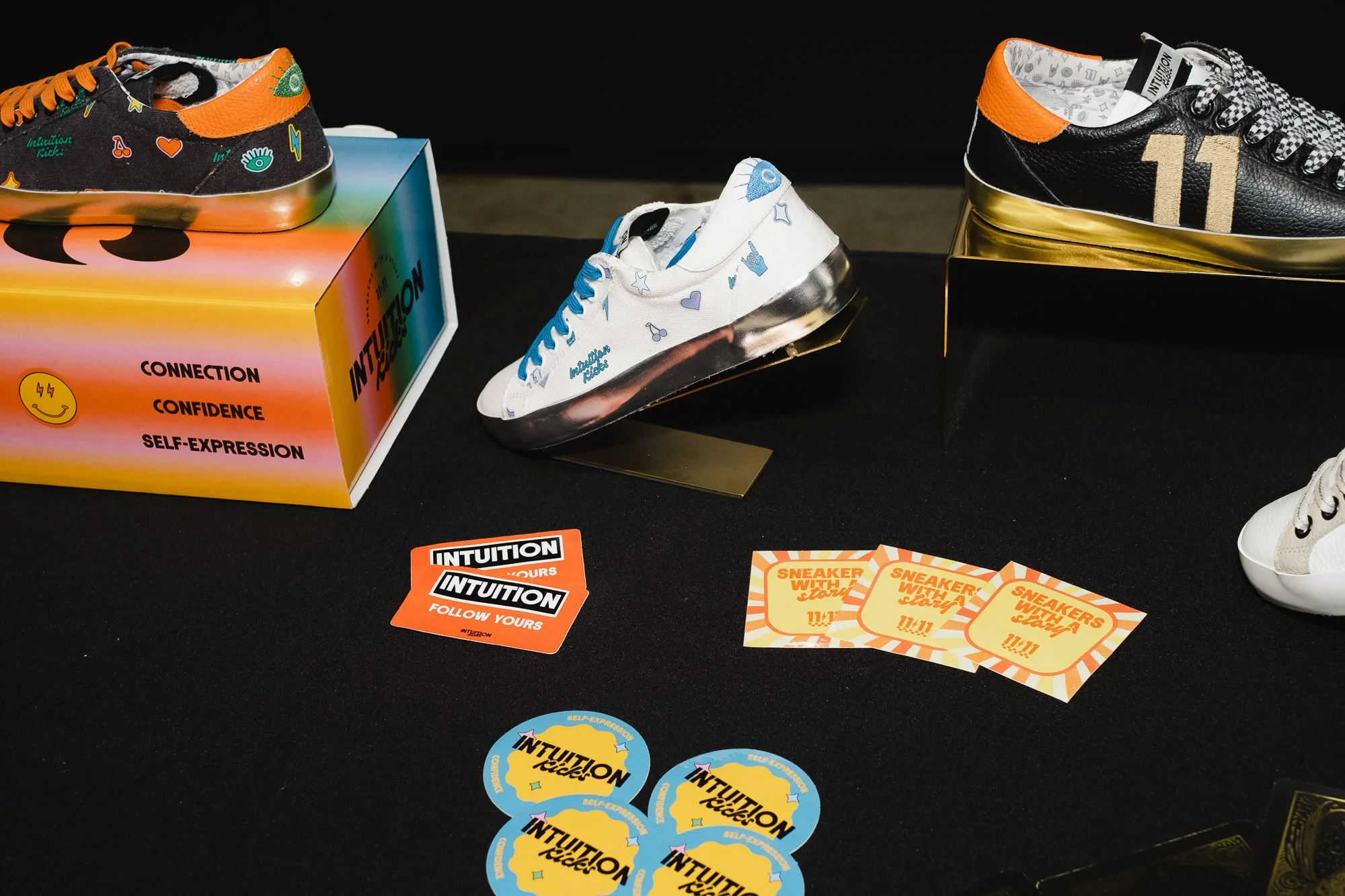
Intuition Kicks merged Italian craftsmanship with manifestation rituals.
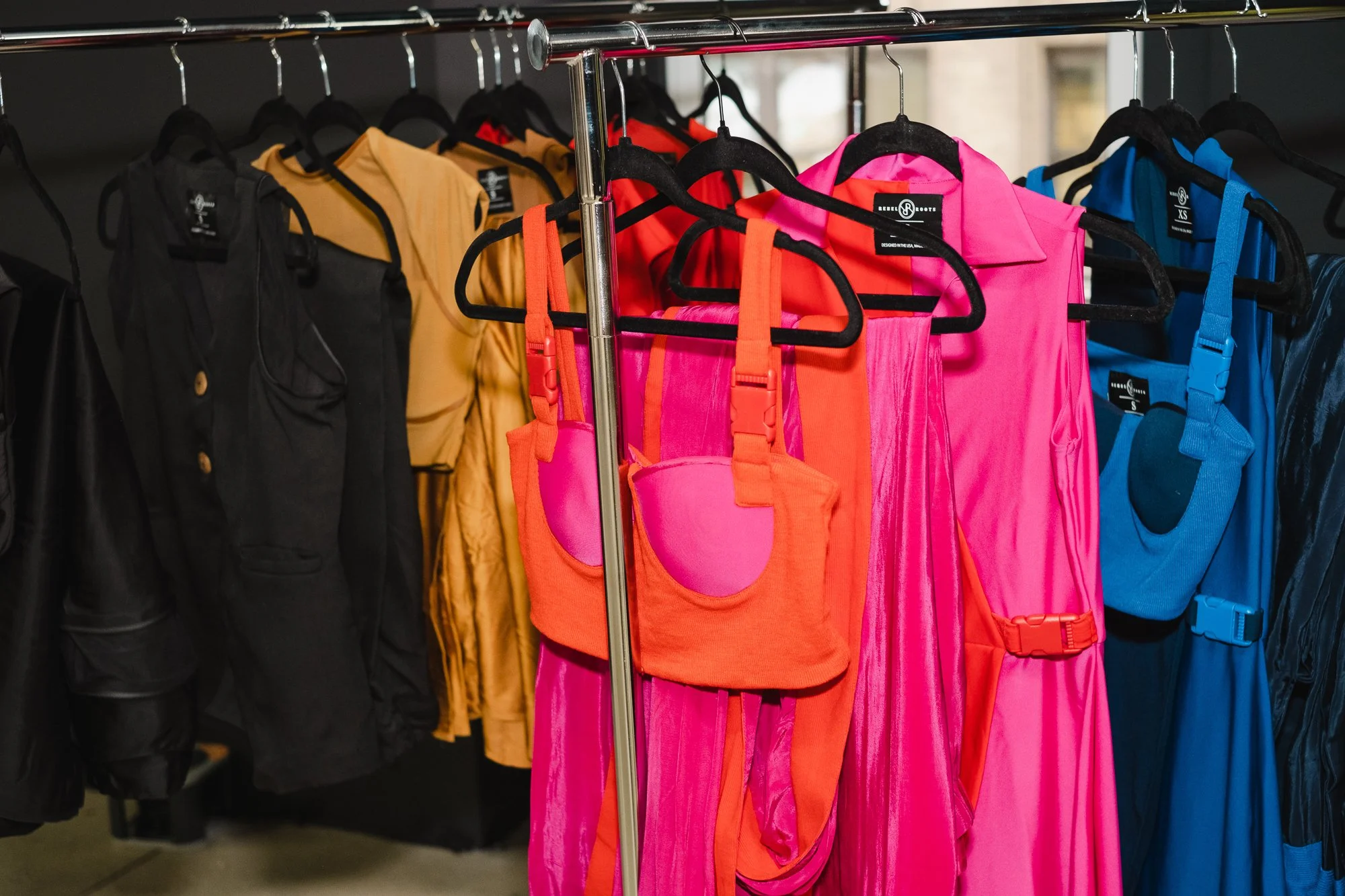
Rebel Roots bridged Western and Indian cultural aesthetics for global accessibility.
La Bottega di Layla wove Italian and Egyptian heritage into art-driven accessories.
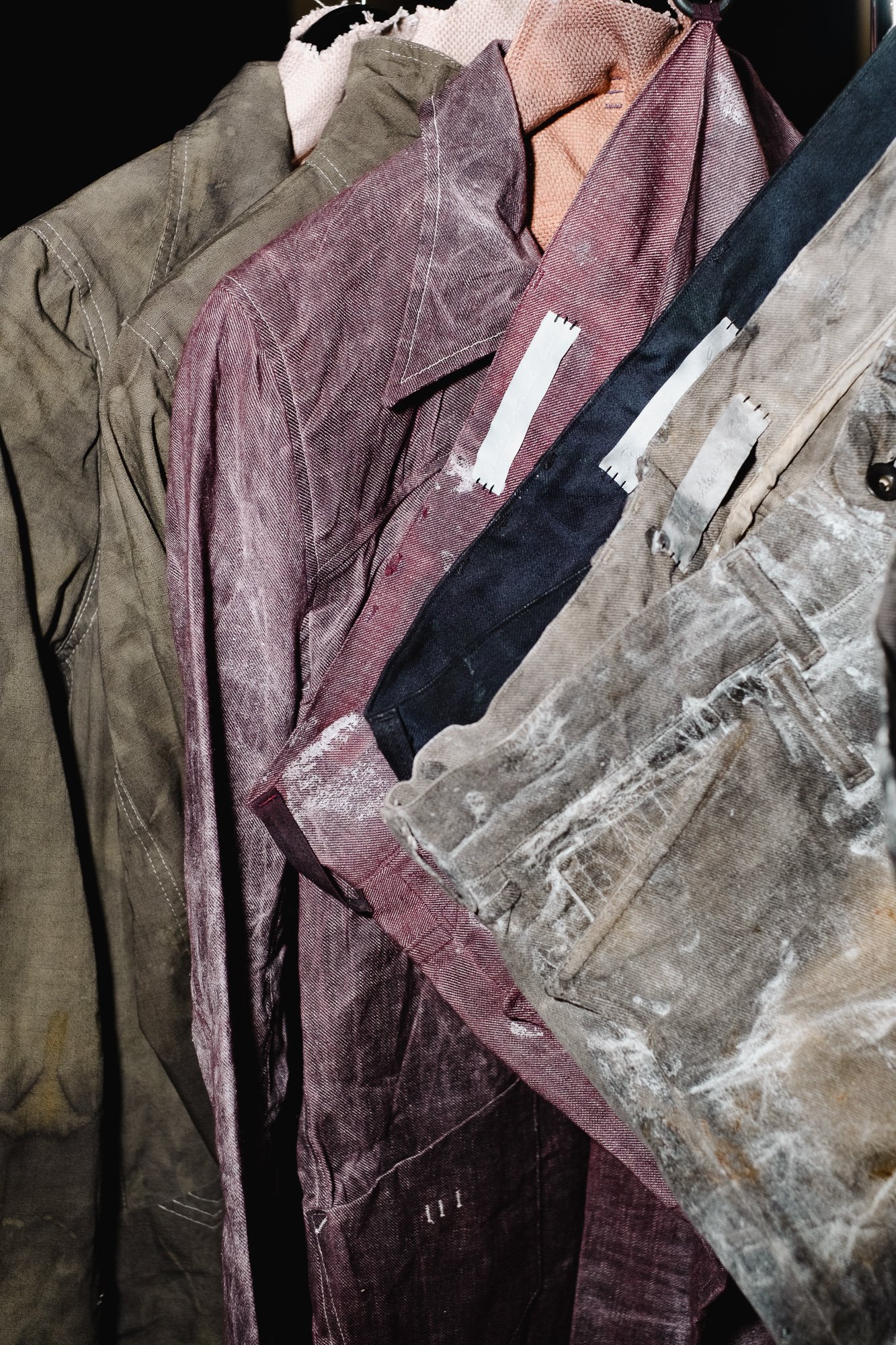
Richard Alexander Cooke showcased sustainable design through raw materials and natural dyes.
Leatheracci delivered precision-crafted leather with edge.
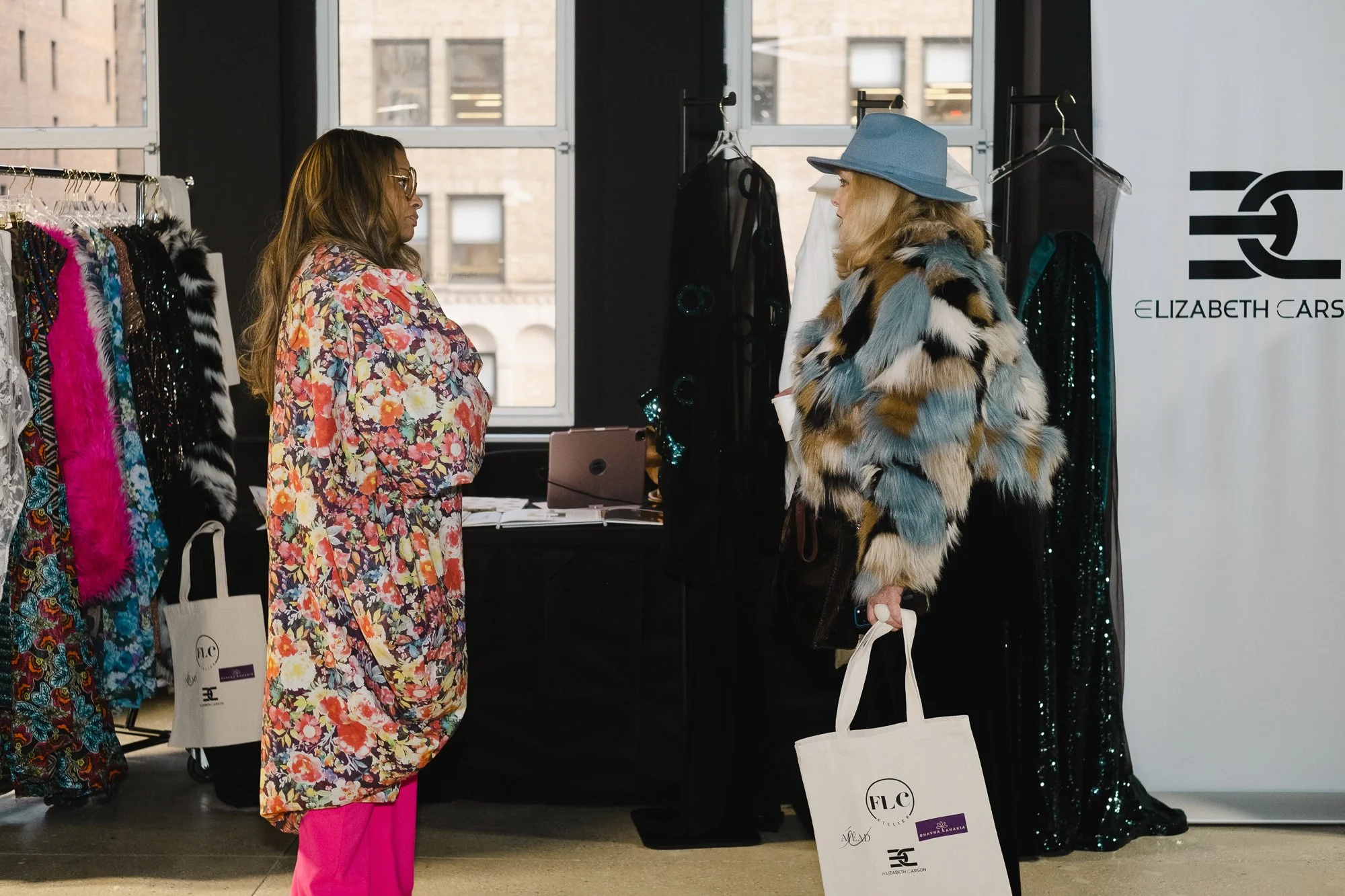
FLC Atelier amplified collaborative design through Bhavna Kanakia and Elizabeth Carson.
Together, they echoed the week’s broader programming themes — supply chain transparency, cultural identity, mental health awareness, and the role of AR in fashion’s future.
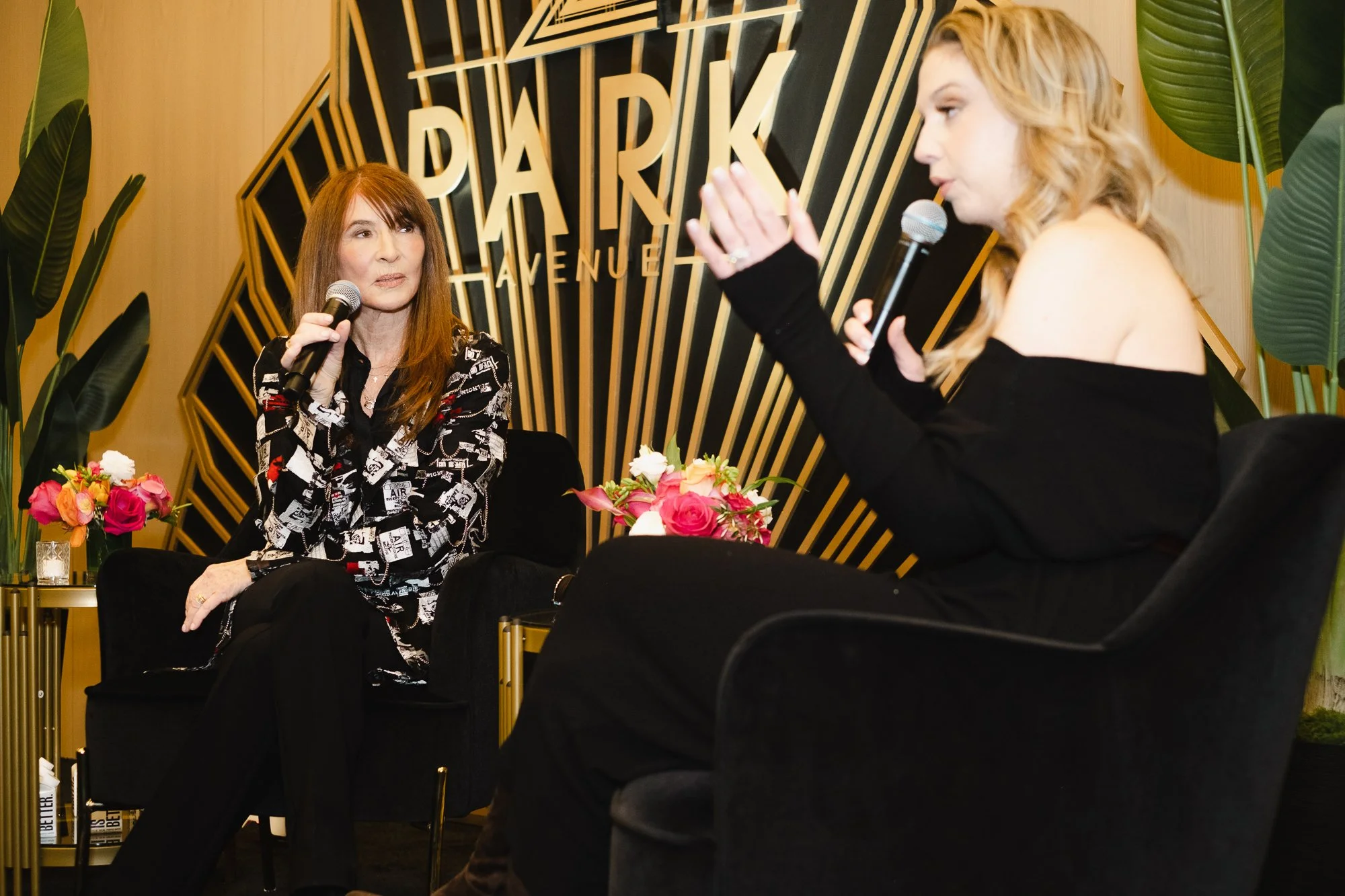
Following the runway, Miller took the mainstage in conversation with former CNBC reporter Jade Scipioni, reflecting on her career trajectory and what remains ahead. The throughline was resilience — and the willingness to reinterpret one’s own archive through a contemporary lens.
From Transaction To Relationship
Looking three to five years forward, Gam predicts AI-driven experiences will become table stakes across fashion retail. APIs will make advanced capabilities modular and scalable, allowing brands of all sizes to integrate intelligent styling across both digital and physical touchpoints.
The brands that invest early, he suggests, will be positioned to build deeper emotional loyalty — not through louder marketing, but through more relevant, human interactions.
Agentic AI, in this view, evolves from tool to companion: a continuous, adaptive presence that learns alongside the consumer.
At Fashion Forward Week, Nicole Miller’s retrospective made one thing clear: fashion’s power lies in its ability to tell stories across time. The integration of AI did not disrupt that narrative — it expanded it.
Legacy, inclusivity, sustainability, and technology are no longer separate conversations. They are converging.




HOW DO YOU FEEL ABOUT FASHION?
COMMENT OR TAKE OUR PAGE READER SURVEY
Featured



Preparing a home for overnight guests creates different priorities from ordinary weekly upkeep.