
Runway Visuals: How LED Screens Elevate Modern Fashion Shows
PAGE
By PAGE Editor
Fashion shows aren't just about the clothes; they're about the feeling. LED screens have changed everything, turning runways into living, breathing shows where garments and pixels collide in unforgettable ways.
From Static Backdrops to Living Canvases
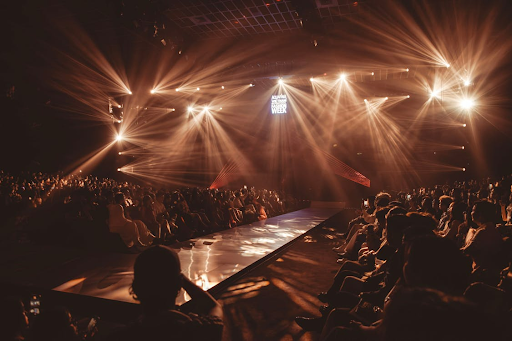
Remember the days of a plain white cyclorama or a branded velvet curtain? Those static backdrops did little more than keep the audience’s eyes from wandering. Now, LED walls turn the entire runway environment into a living, breathing canvas. Designers can transport viewers from a neon-lit Tokyo alley to a blooming digital garden in seconds. The transition is seamless: no set changes, no stagehands scrambling in the dark. Just a ripple of light, and suddenly the model is walking through a thunderstorm or across a mosaic of shattered glass.
Immersive storytelling: Instead of telling the collection’s inspiration through a program note, the show shows it. A fall collection inspired by glaciers might feature cracking ice visuals that respond to each footstep.
Adaptive pacing: The visuals can speed up or slow down to match the tempo of the music and the flow of the models, creating a unified rhythm that feels almost choreographed.
Scale without clutter: Massive, high-resolution displays create grandiosity without physical props, keeping the focus on the clothing while still delivering a spectacle.
Logistics, Rentals, and Customization
LED screens are everywhere on runways for a simple reason: they're flexible. Fashion shows pop up in weird spaces: old warehouses, museum halls, even hangars. Building heavy sets costs too much. LED panels? Light and modular. When a brand needs that big-show feel without permanent gear, an event LED screen rental in Alberta is the answer. It delivers stunning quality, easy setup, and last-minute changes; no Parisian price tag or installation headaches.
Scalable and reusable: The same panels used for a 200-person presentation can be reconfigured for a 2,000-seat arena the following week.
Content flexibility: If a last-minute color change happens backstage, the screen content can be adjusted with a few keystrokes, unlike painted backdrops.
Global consistency: Whether in Milan, New York, or a smaller market, rental screens allow touring shows to maintain identical visual quality across cities.
Screens That Respond to Models
The most exciting evolution isn’t just what plays behind the models; it’s what happens beneath their feet. LED floor tiles are now a common sight in high-budget shows. These durable, pressure-sensitive screens can track movement or react to a model’s stride. Imagine a white dress sweeping over a floor that leaves blooming flower petals trailing every step, or a sharp-shouldered blazer striding across cracked earth that heals itself after each footfall. This interaction blurs the line between performer and environment, making the model part of the animation.
Real-time reactive graphics: Sensors can trigger ripples, sparks, or pattern changes based on a model’s position and speed.
Choreographed illusions: A group walk can cause the floor to split open visually, revealing a digital staircase or pool of light beneath them.
Depth and dimension: When combined with vertical screens, floor LEDs create a “digital room” that surrounds the audience, eliminating the boundary between the stage and the seating area.
Enhancing the Audience Experience and Social Media Reach
Fashion shows aren't just for editors anymore. Now the front row is full of influencers holding up phones, beaming everything to millions online. LED screens get this. They create those can't-look-away moments: a model walking into a waterfall of pixels, a logo exploding into light, something weird and beautiful made for a fifteen-second reel.
Photo-ready moments: One big "hero visual" timed to the finale so every photo looks on-brand.
Accessible luxury: Huge screens let people in the back actually see fabric details.
Hashtag-friendly content: Abstract, colorful LED imagery sticks around on social media way longer than plain runway shots.
AI, Real-Time Rendering, and Sustainable Spectacle
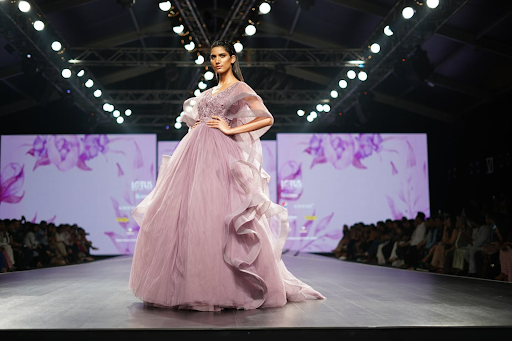
So what's next? Designers are already playing with generative AI that cooks up fresh visuals for every single model. No repeats. Ever. Imagine walking through a forest that literally has never existed before. Real-time game engines let directors paint the runway with light on the fly, matching the room's energy. And here's the nice part: LED screens are way greener than building foam mountains that go straight to a landfill after one night. Just program a digital mountain and reuse the screens.
AI-driven motion: Visuals shift with garment colors for a spontaneous color dialogue.
Low-waste production: Rental screens slash materials, shipping, and trash.
XR stages: Live meets virtual, blurring reality for everyone watching.
Swapping fabric backdrops for digital worlds isn't a gimmick; it's a real shift. When a model walks through a pixel storm, the clothes aren't just seen. They're felt. Imagination finally has no limits.
HOW DO YOU FEEL ABOUT FASHION?
COMMENT OR TAKE OUR PAGE READER SURVEY
Featured
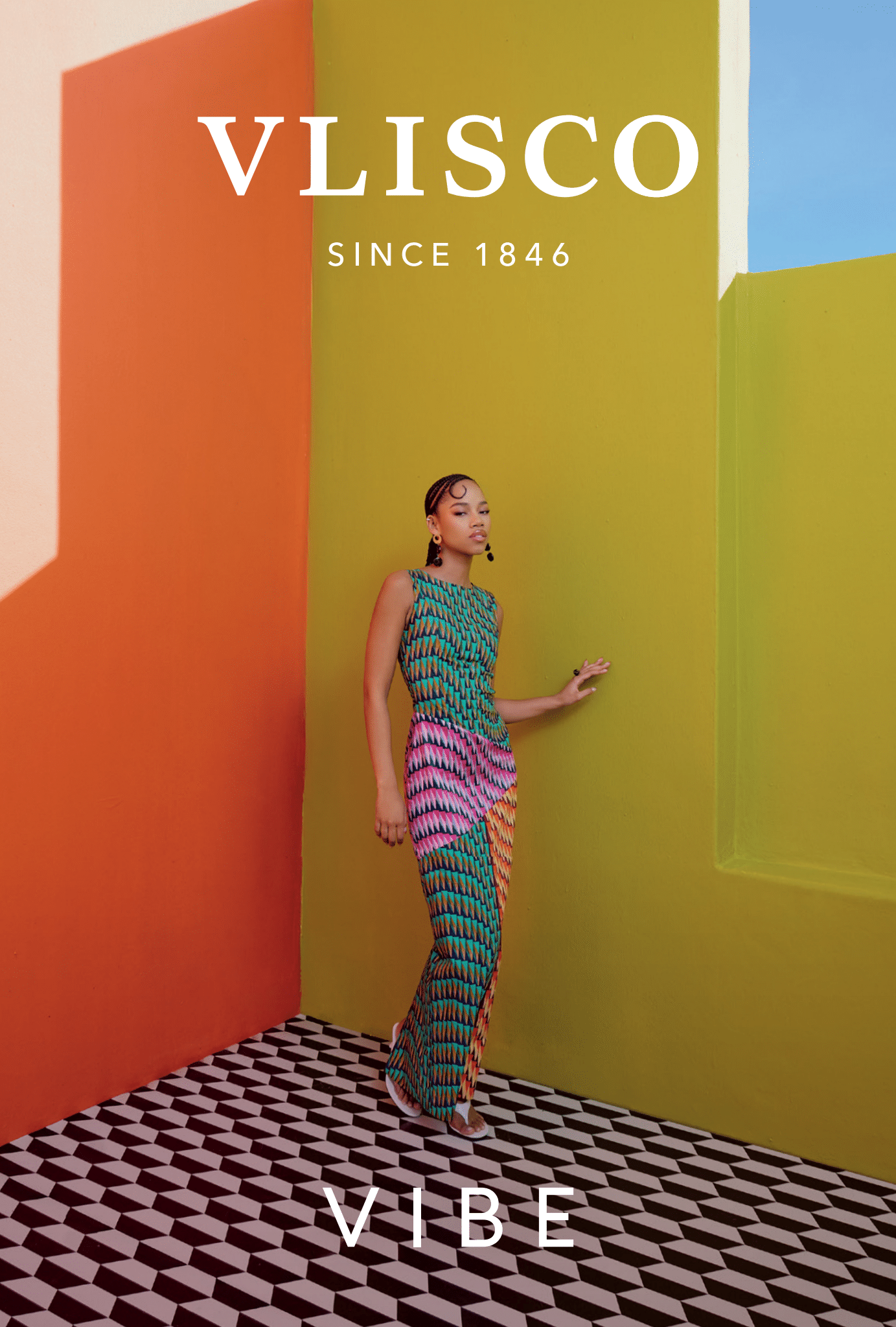


The luxury outerwear house Moncler revisits its alpine heritage through three generations of cultural icons, reframing archival designs as expressions of personal identity, creative evolution and enduring influence.