
The Antwerp Six Chronicles Four Decades of Radical Fashion Vision With MoMu And Hannibal Book
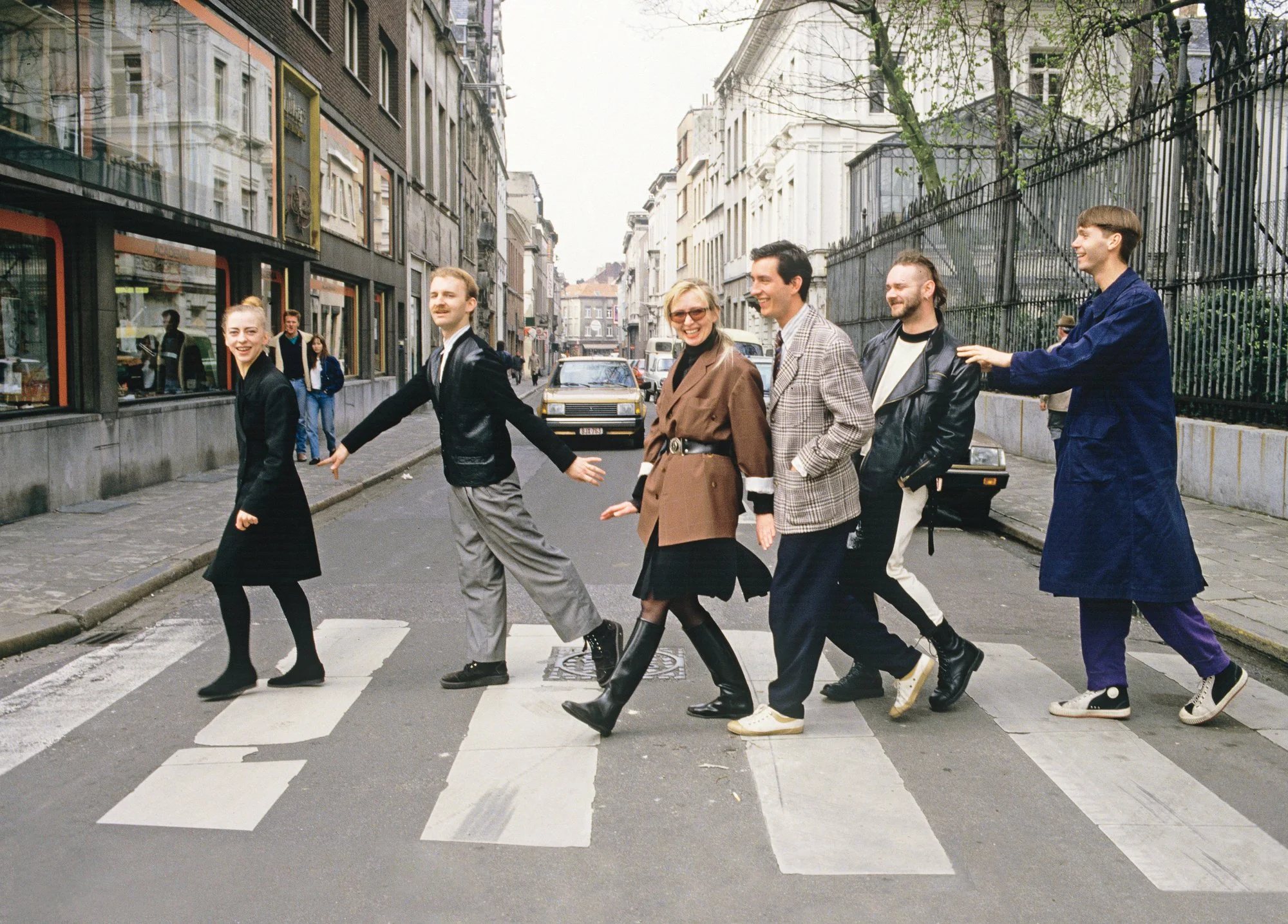
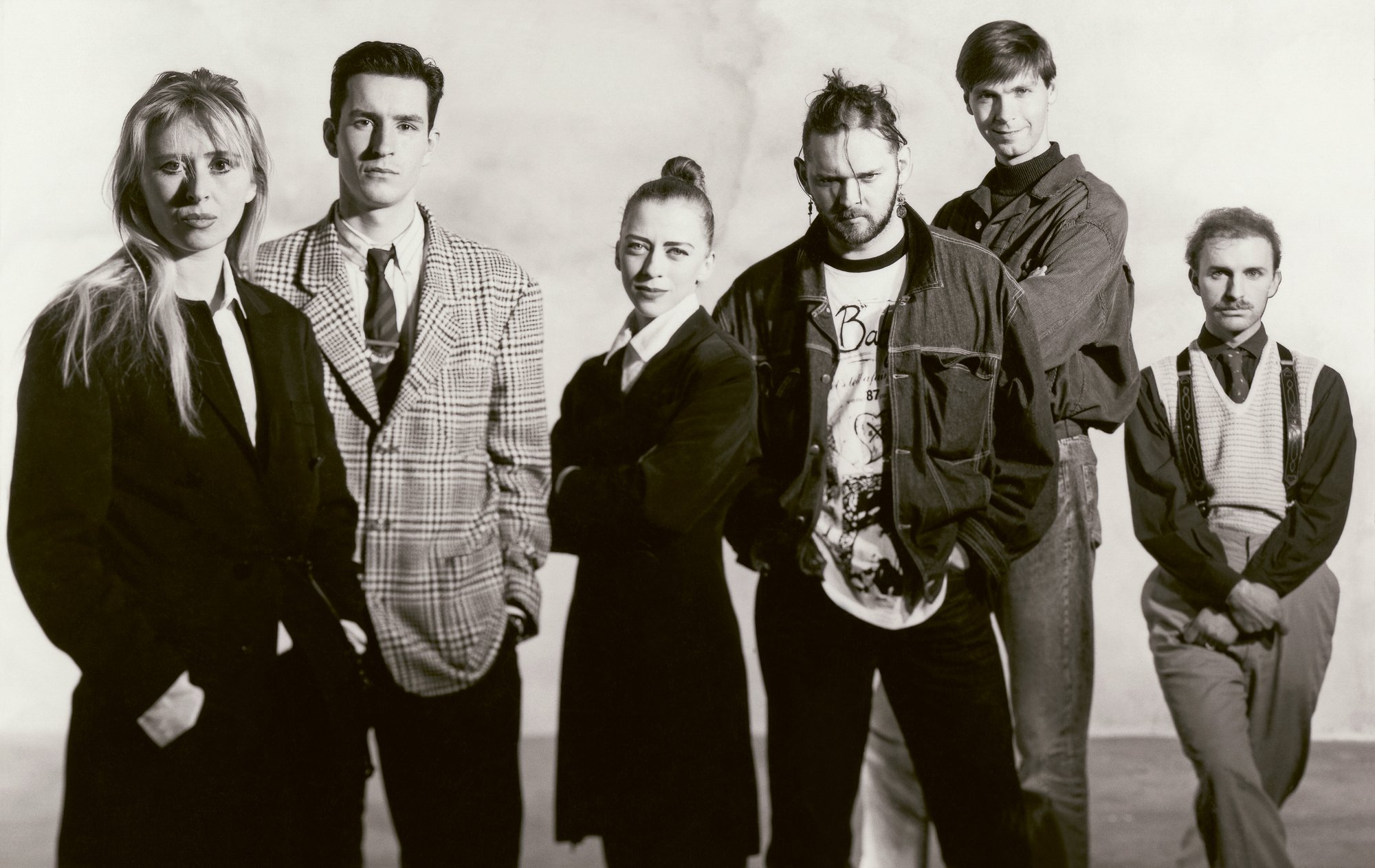
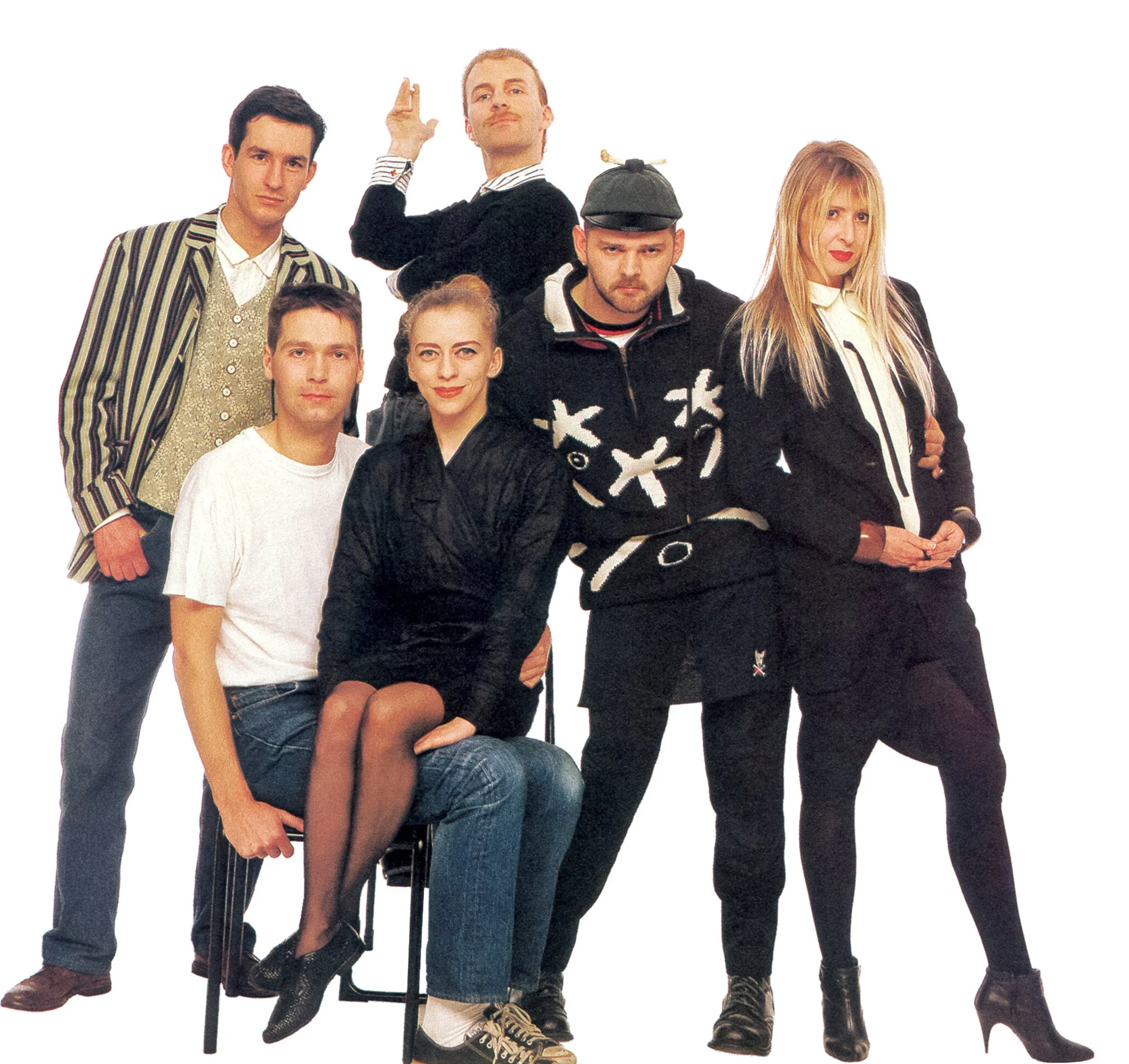
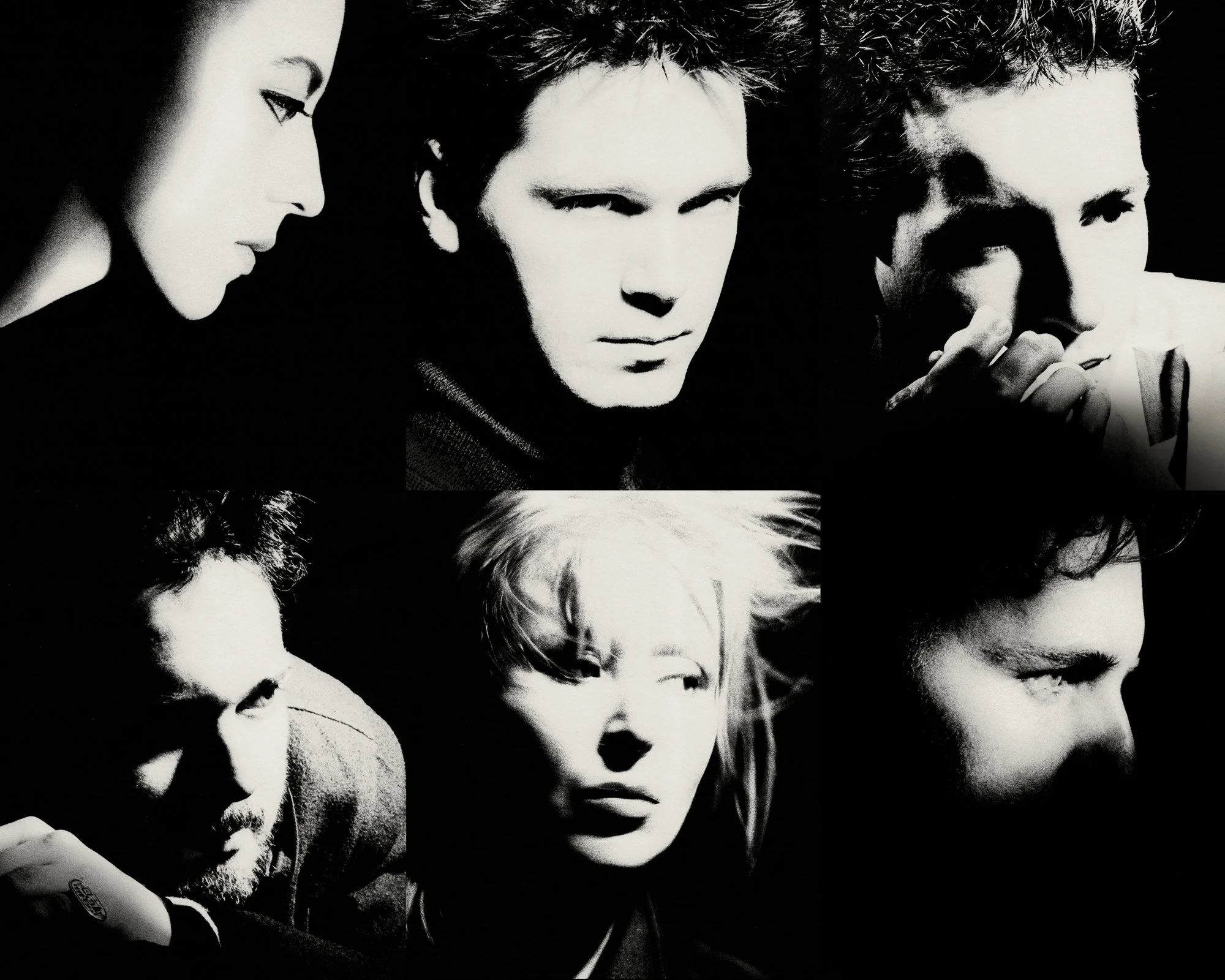
The Antwerp Six, 1987, © Photo: Philippe Costes - FhmtPhoto
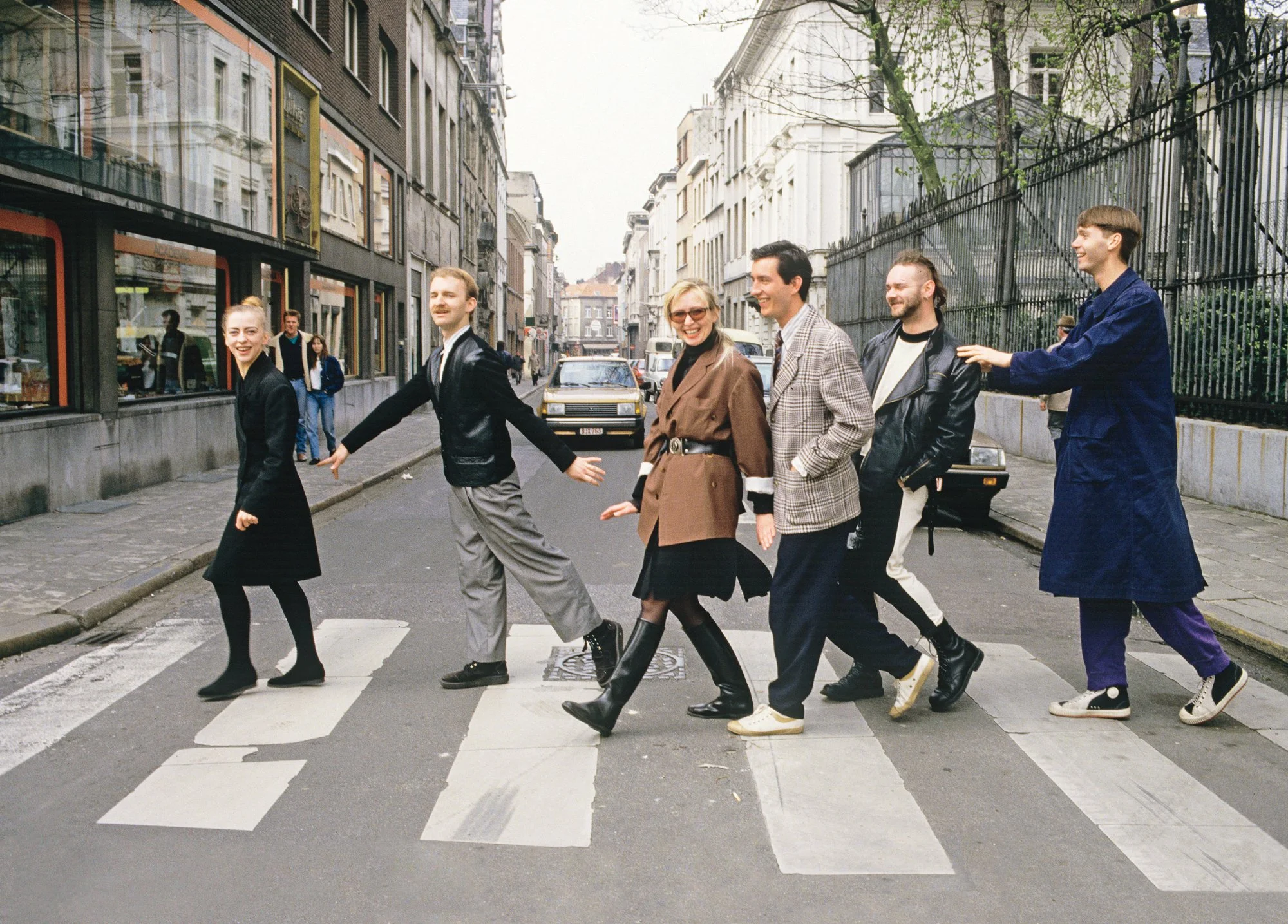
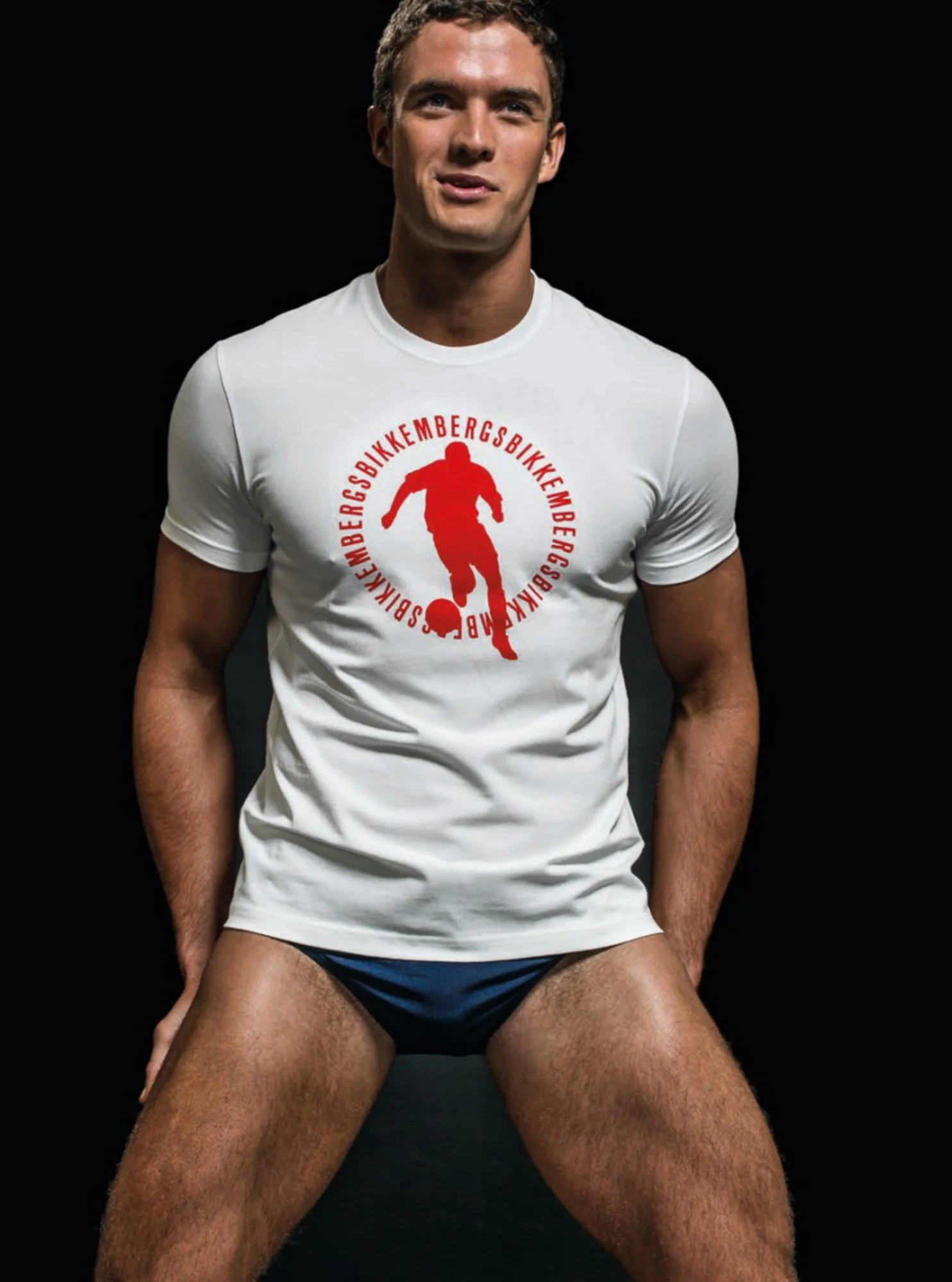
Forty years ago, six young graduates from Antwerp’s Royal Academy of Fine Arts challenged the very definition of fashion. Collectively known today as the Antwerp Six, Dirk Bikkembergs, Ann Demeulemeester, Walter Van Beirendonck, Dries Van Noten, Dirk Van Saene, and Marina Yee emerged with a radical, uncompromising vision that would put Belgium’s fashion scene on the global map.
Marking this milestone, The Antwerp Six, published by Hannibal Books, arrives as both documentation and cultural artifact—capturing the origins, evolution, and enduring influence of a collective that reshaped global fashion.
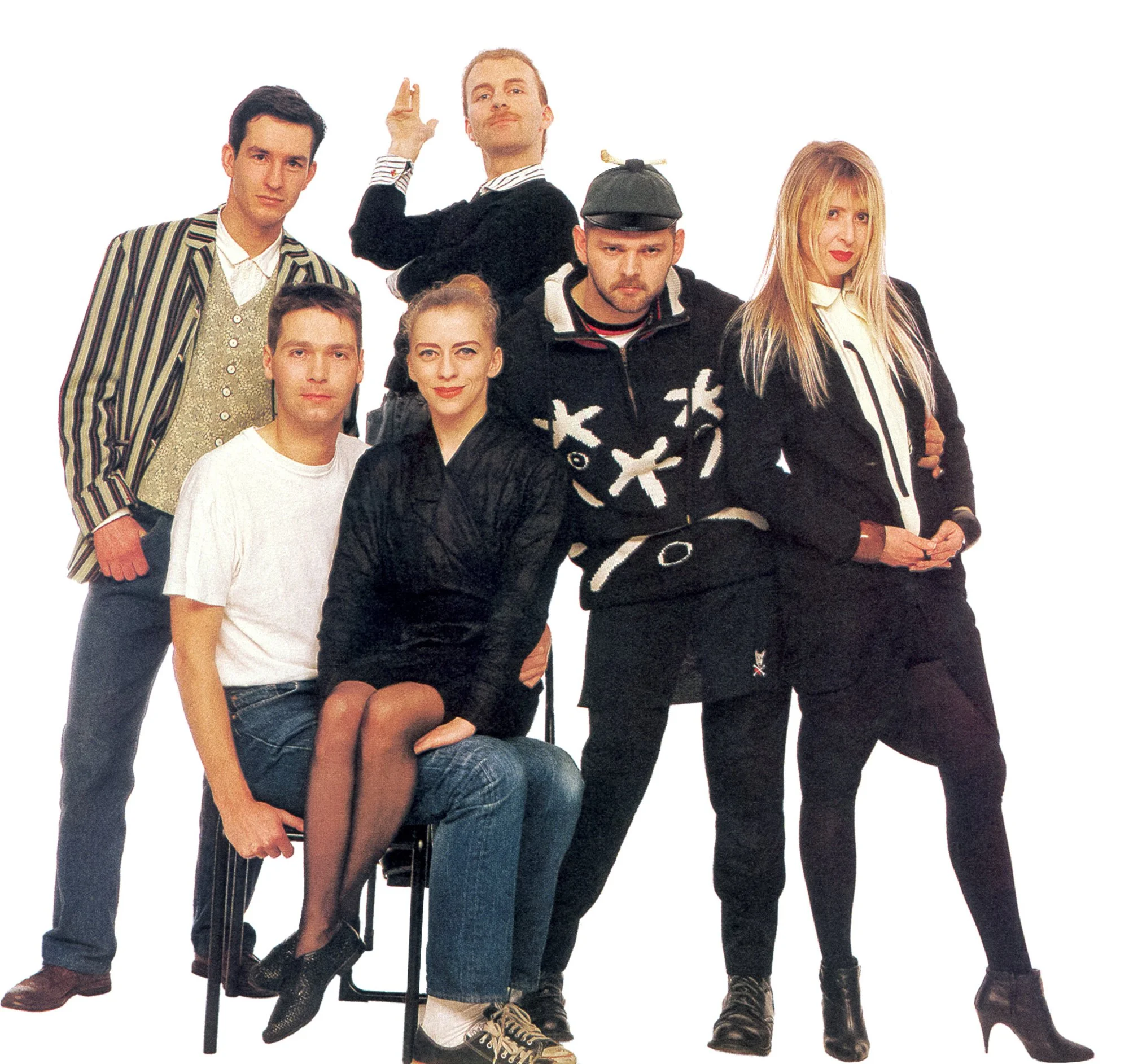
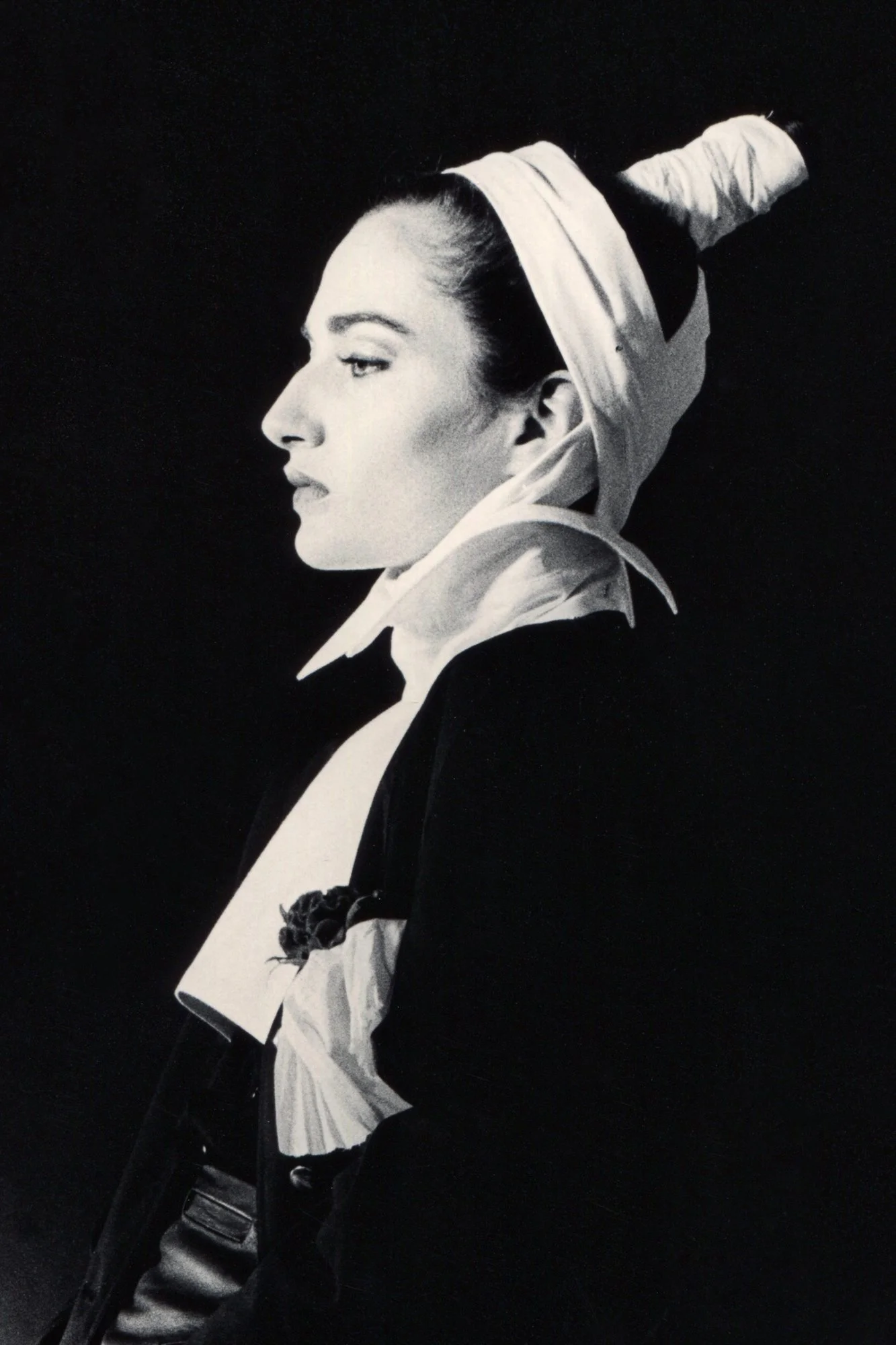
The Antwerp Six, 1988, published in Elle US May 1988, © Photo: Thierry Bouët
What is often overlooked in the mythology of the Antwerp Six is the environment that shaped them—one defined as much by tension as by possibility. As editor Romy Cockx notes in the book, “Although classes were taught in the same building, there was very little interaction between the fashion and art students,” [Pg. 12-13]. The Academy itself was a study in contrast, she continues, “The former—mostly bourgeois, often affluent—stood out among the bohemians and hippies who were taking painting and sculpture classes at the Academy in the 1960s and ’70s.”
This separation, rather than limiting creativity, sharpened it. Antwerp in the 1960s and ’70s was a city alive with countercultural energy, where rebellion wasn’t just aesthetic—it was ideological. Cockx contextualizes the moment describing, “In the mid-1960s, avant-garde, rebellious art and action groups found their way to Antwerp. Amsterdam’s Provo movement was emulated: street actions and playful happenings were used to protest against the authorities, consumer culture and entrenched social norms. Antwerp was also an important hub for the international anti-elitist art movement Fluxus, especially at the Wide White Space gallery,” [Pg. 18-19].
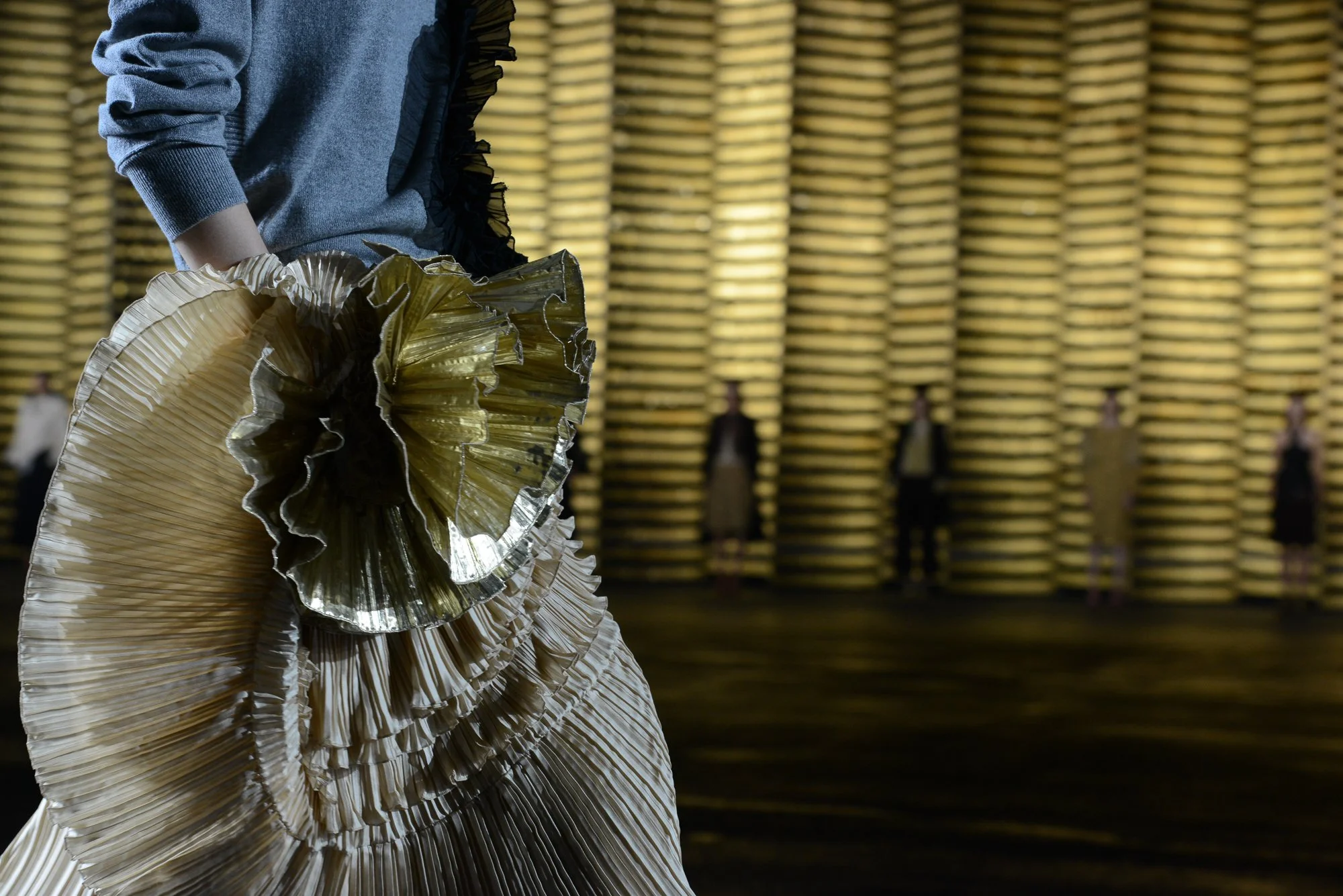
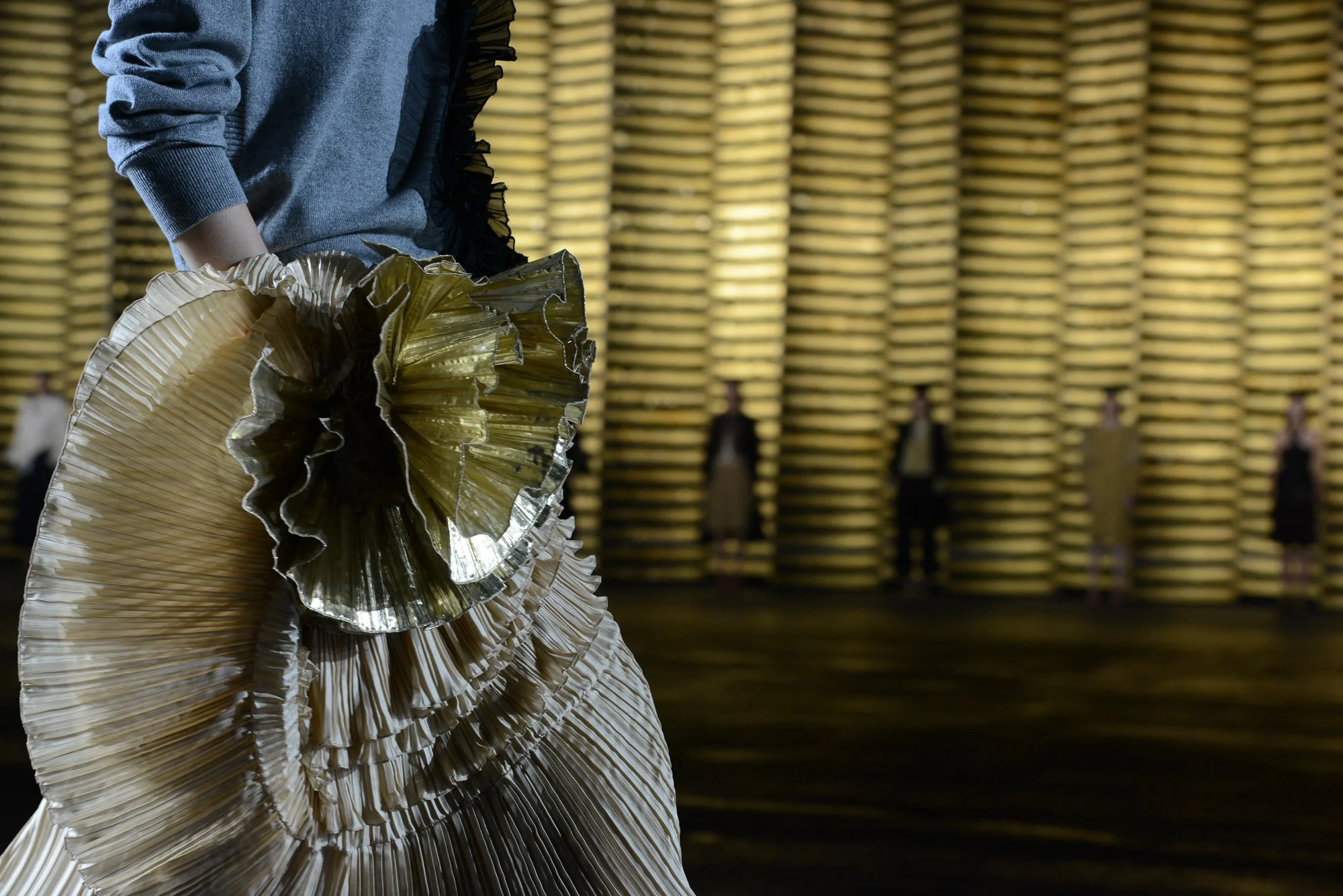
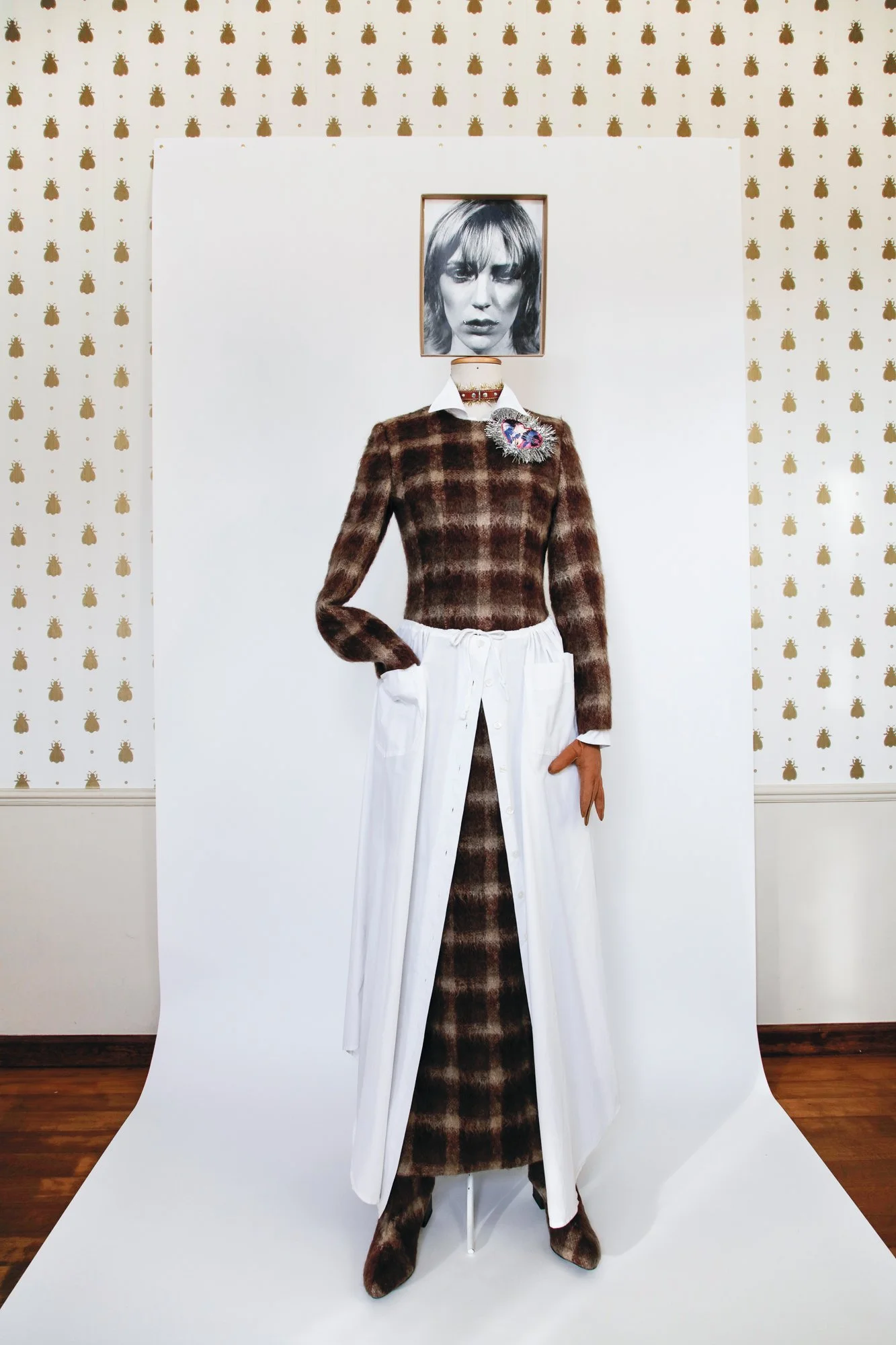
Dries Van Noten, Spring/Summer 2014, © Photo: Tommy Ton
It is within this cultural friction—between structure and subversion, privilege and protest—that the Antwerp Six found their footing. Their formation was not incidental, but the result of convergence, where “Walter Van Beirendonck and Martin Margiela were inspired to enrol at the Antwerp Academy in 1976 by an article in Avenue magazine promoting its fashion department,” Cockx details. This publication dives into the melting pot that the Royal Academy was at the time, she explains further, “The following year, Dirk Bikkembergs, Ann Demeulemeester, Dries Van Noten, Dirk Van Saene and Marina Yee joined them there. They were all taught together and, despite their different backgrounds and interests, a certain synergy gradually developed,” [Pg. 28- 29]
That synergy would become the foundation for a movement, and the foundation for this book. Though Martin Margiela would later chart his own path, the collective energy of this cohort redefined what it meant to design with intention. Their work rejected the rigidity of traditional luxury while simultaneously elevating fashion into the realm of intellectual discourse.
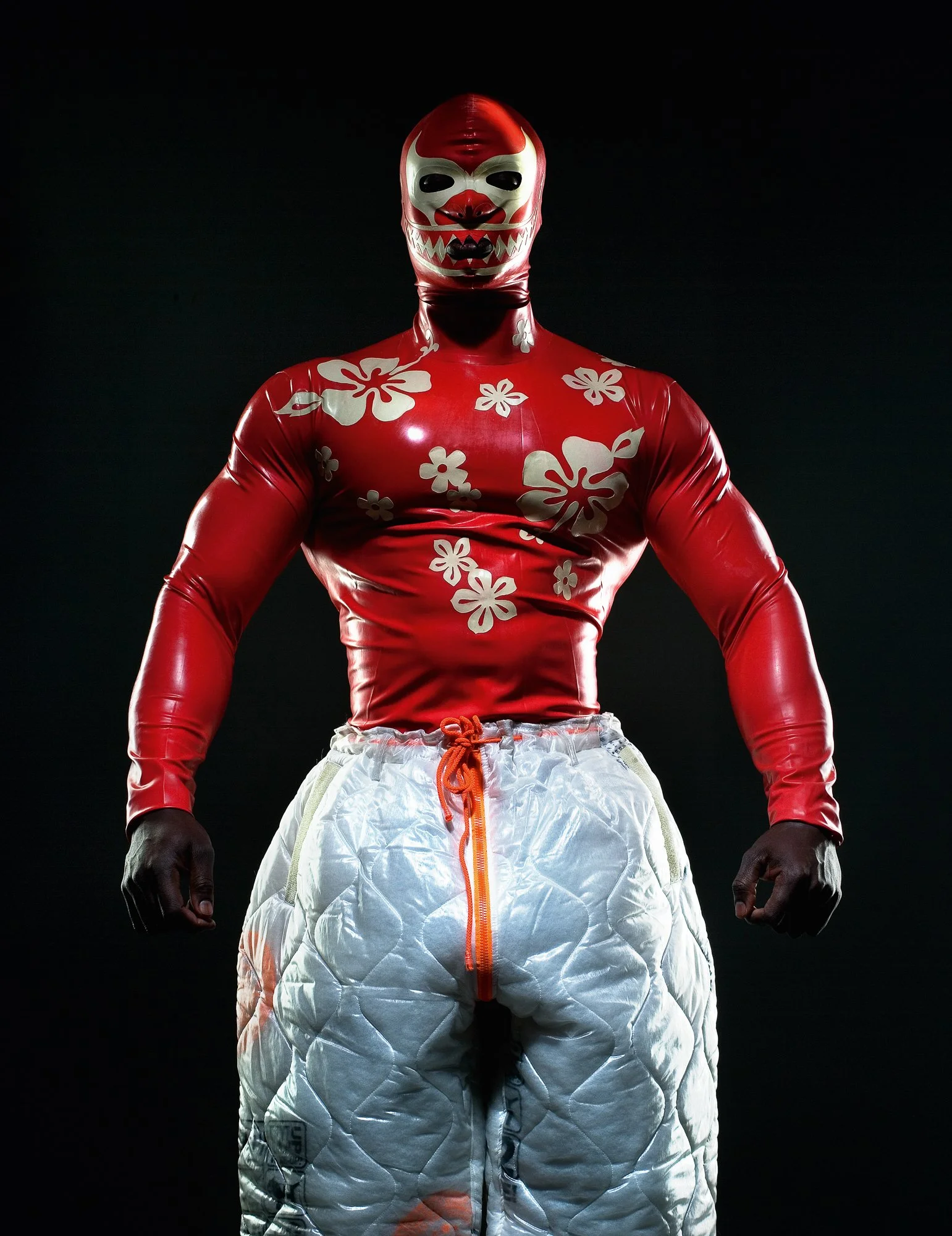
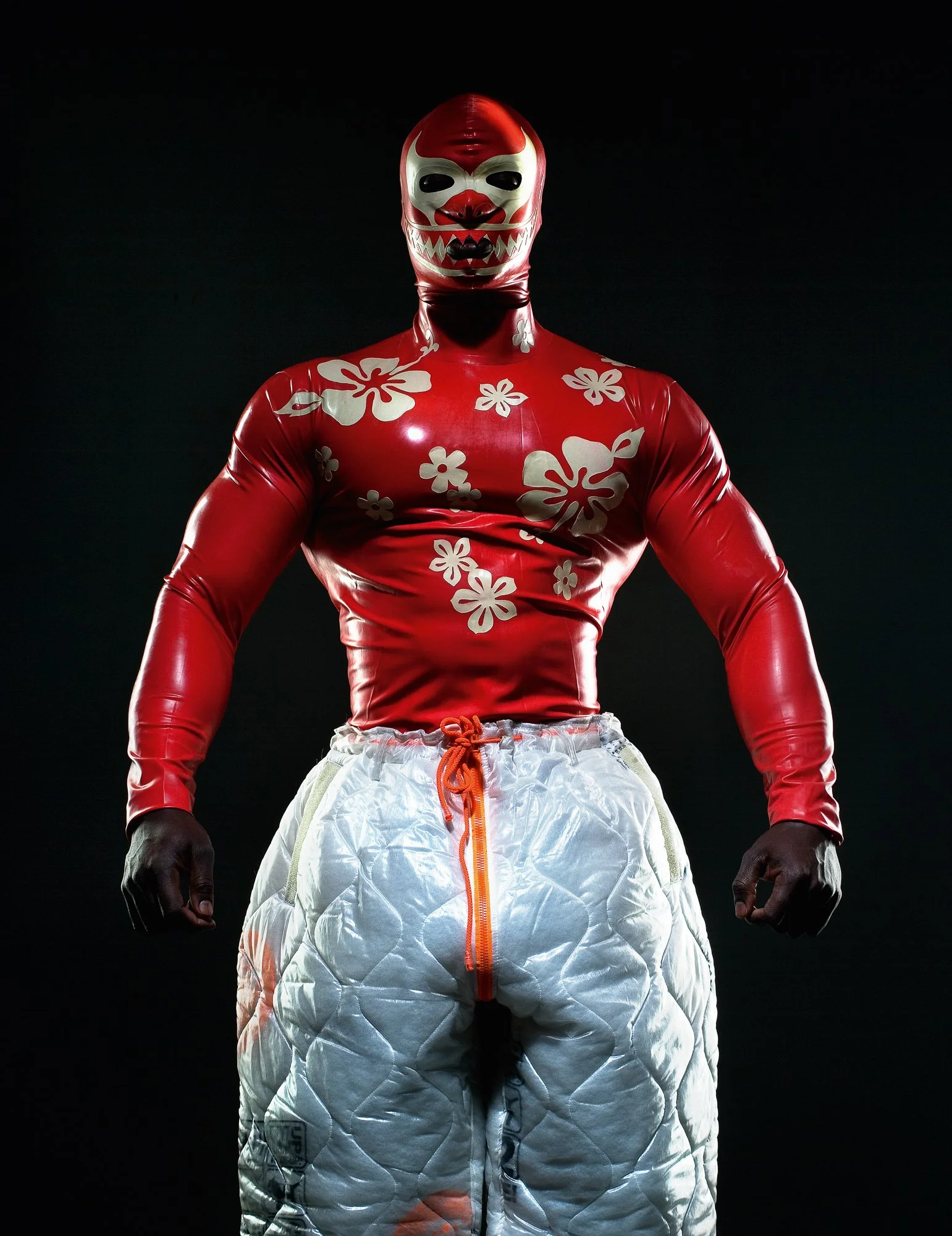
Walter Van Beirendonck, W.&L.T. Paradise Pleasure Productions, Autumn/Winter 1995-1996, © Photo: Ronald Stoops
Now, four decades later, the book deepens that narrative. Edited by Geert Bruloot, Romy Cockx, and Kaat Debo—with contributions from Tim Blanks, Angelo Flaccavento, Eugene Rabkin, and Oscar van den Boogaard—it offers the most comprehensive exploration of these designers’ careers to date, tracing how each voice evolved while maintaining a shared ethos of disruption.
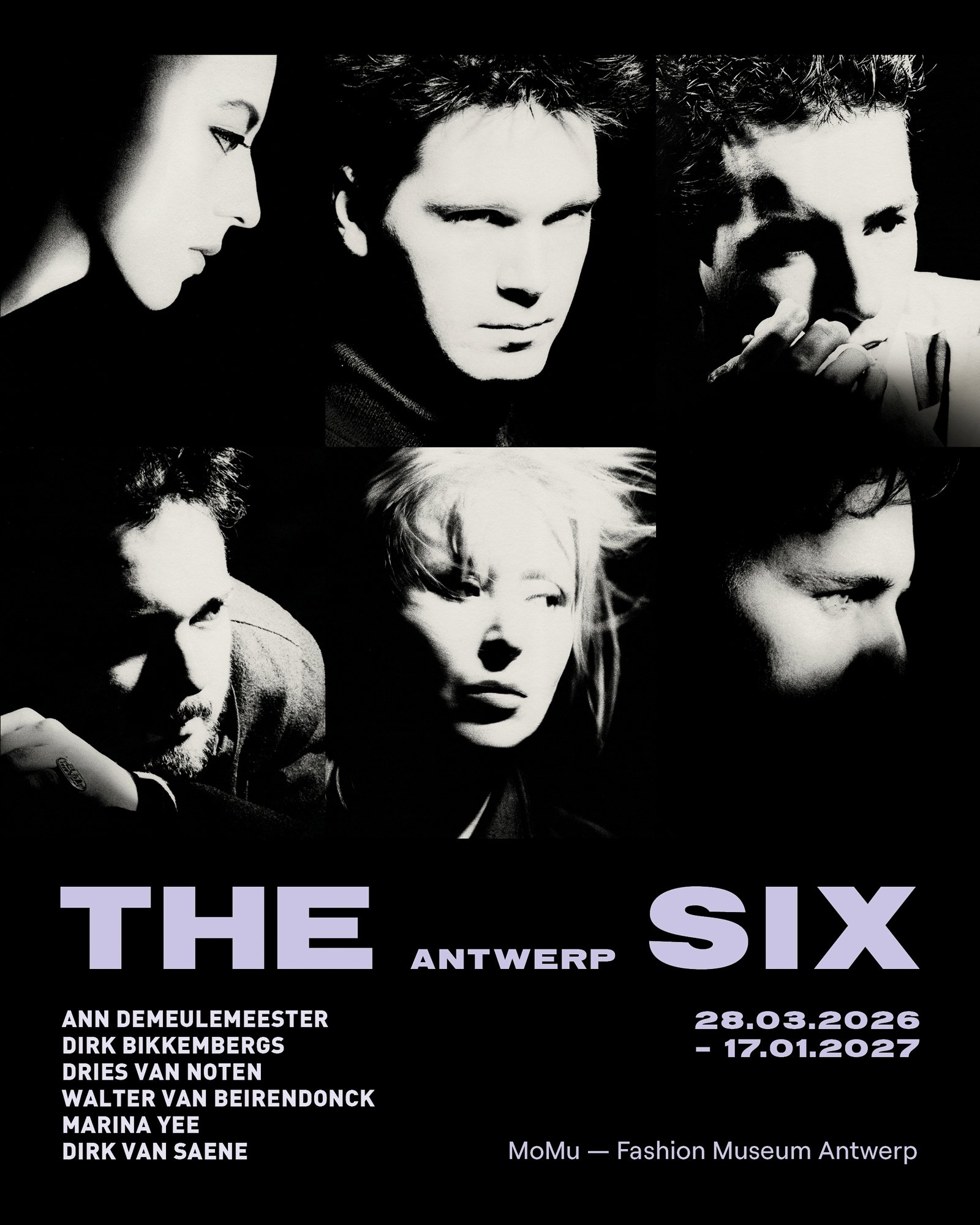
The book is published alongside a landmark exhibition at MoMu – Fashion Museum Antwerp, running from March 28, 2026, to January 17, 2027. As the first major museum exhibition dedicated to the Antwerp Six, it underscores not only their historical significance but their continued relevance in a fashion landscape increasingly driven by speed rather than substance.
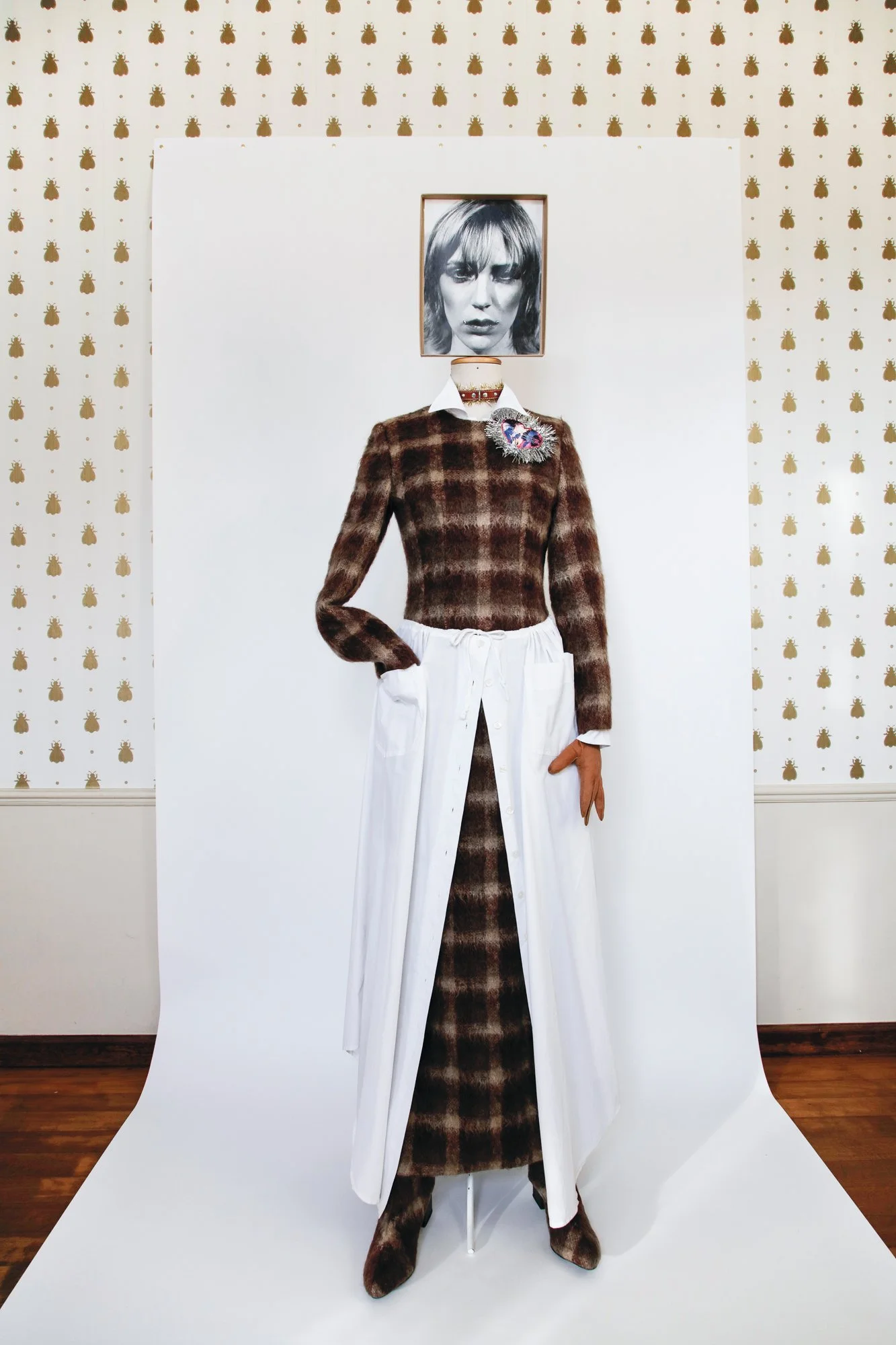
For collectors, designers, and cultural observers, this moment feels less like a retrospective and more like a recalibration. The Antwerp Six understood early on that fashion is not simply about garments—it is about ideology, identity, and resistance.
Their legacy endures not because they followed the system, but because they rewrote it. And in doing so, they transformed Antwerp from a peripheral city into a global epicenter of fashion thinking—one that continues to shape how we understand creativity today.
HOW DO YOU FEEL ABOUT FASHION?
COMMENT OR TAKE OUR PAGE READER SURVEY
Featured
Telfar's SS2027 collection transforms the sample sale into a runway, using inside-out tailoring, manipulated materials, New York street references and a Brooklyn-to-Paris spectacle to question who gets to define fashion—and where it actually happens.