
The Art of Marksmanship: Tips for Sharpening Your Shooting Skills
PAGE
By PAGE Editor
Marksmanship goes beyond simply pulling a trigger. It requires discipline, strict focus, and a solid grasp of basic physics. Whether you want to improve your accuracy for competitive sports or simply enjoy a day at the range, sharpening your shooting skills takes consistent effort. This guide covers essential techniques, physical mechanics, and practice strategies to help you hit your target with much greater precision.
Understanding the Fundamentals
A steady shot always starts from the ground up. Mastering the basic physical inputs guarantees a stable foundation for every round you fire.
Stance and Posture
Your stance dictates how well you manage recoil and maintain balance. Keep your feet roughly shoulder width apart. Lean slightly forward to absorb the energy from each shot. Keeping your center of gravity low prevents you from losing your balance after firing.
Shooters often experiment with different postures to find what feels most natural. The Isosceles stance involves squaring your shoulders to the target and extending both arms equally to create a stable triangle. The Weaver stance requires you to angle your support side toward the target, pushing with your dominant hand and pulling with your support hand. Both methods offer unique benefits for stability.
Grip and Trigger Control
How you hold your firearm directly impacts where the bullet lands. Apply firm but even pressure with both hands. Avoid gripping too tightly, as this causes muscle tremors that throw off your aim.
Pay attention to where your finger rests on the trigger. The pad of your index finger should press directly against the center of the trigger shoe. If you insert too much of your finger, you might pull the shot to one side. When it comes time to fire, press the trigger straight back with a smooth, continuous motion. Jerking the trigger will pull the muzzle off target at the last possible second.
The Importance of Follow Through
The shot does not end the moment the firing pin strikes. Follow through is the act of maintaining your grip, stance, and sight picture until after the bullet hits the target. Releasing the trigger too quickly or dropping the muzzle to check your hit will disrupt the final milliseconds of the firing process. Hold the trigger to the rear, watch the sights settle back onto the target, and slowly release the pressure until you feel the mechanical reset.
Refining Your Technique
Once you establish a strong physical foundation, you must align your internal timing and visual focus.
Breathing Mechanics
Many shooters overlook the impact of their breathing. Your chest expands and contracts with every breath, moving the firearm up and down. To eliminate this movement, shoot during the natural respiratory pause. This is the brief moment of stillness after you exhale and before you inhale again. Time your trigger press to coincide with this pause for maximum stability.
Sight Alignment
Accurate shooting requires perfect alignment between your dominant eye, the rear sight, the front sight, and the target. Focus your vision entirely on the front sight. The target and the rear sight should appear slightly blurry. If you shift your visual focus to the target, you risk misaligning the sights and missing your mark.
Equipment and Range Practice
Reliable equipment and structured practice sessions transform basic knowledge into repeatable muscle memory.
Consistent Gear Selection
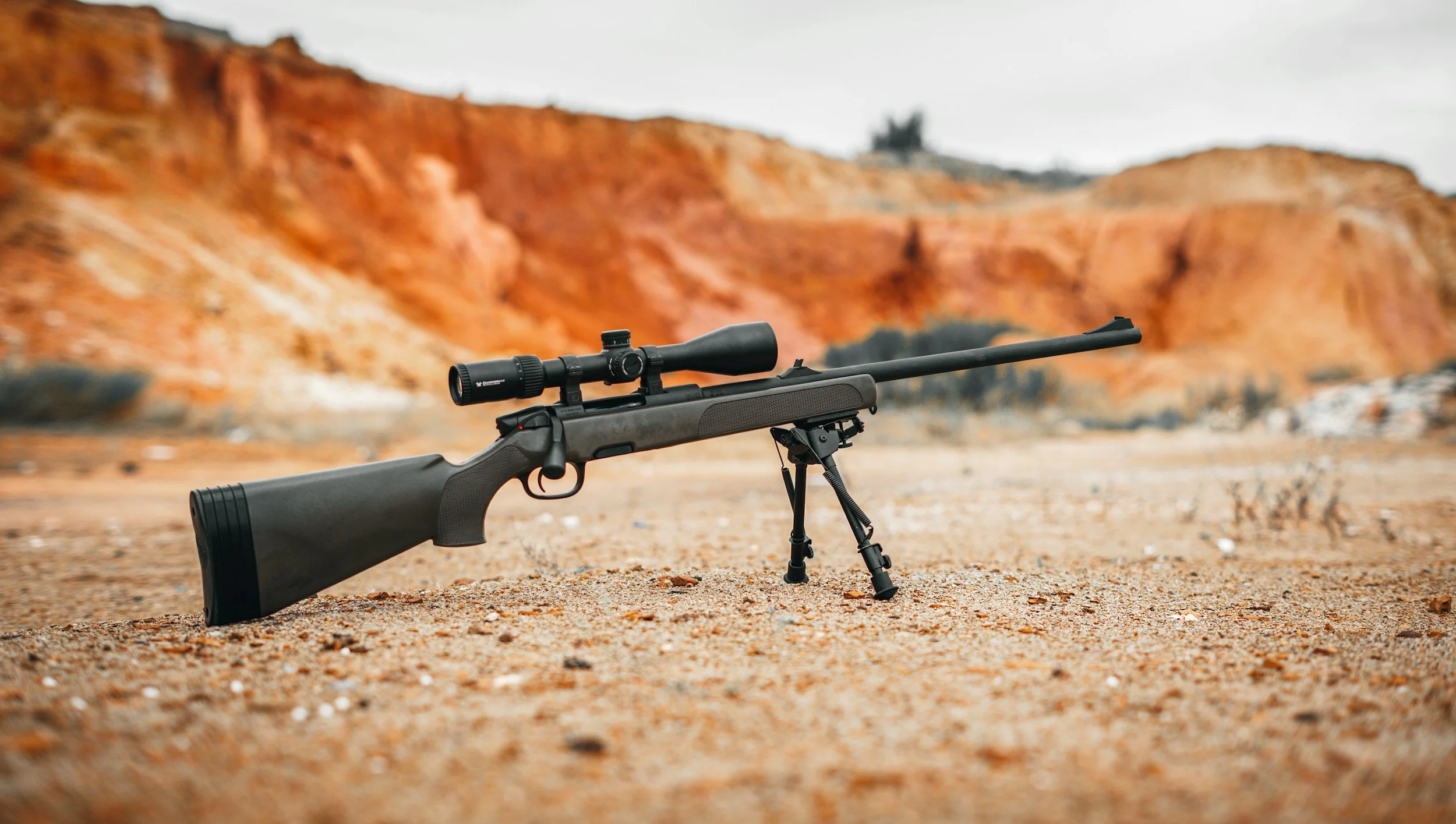
While skill is the most important factor, using well maintained gear ensures absolute consistency. If you are building or upgrading a rifle for long range precision, selecting quality components makes a noticeable difference. For example, installing a 6MM ARC Complete Upper provides a flat trajectory and excellent wind resistance without adding excessive weight. Clean your equipment regularly to prevent malfunctions and maintain baseline accuracy.
Purposeful Practice Drills
Sending rounds downrange without a plan wastes time and ammunition. Go to the range with specific goals in mind. Try the ball and dummy drill to cure flinching. Have a partner randomly load dummy rounds into your magazine. When the firearm goes click instead of bang, you will instantly notice if you are anticipating the recoil and dipping the muzzle.
Dry fire practice at home is another excellent way to build muscle memory without spending money on ammunition. Always ensure your firearm is completely unloaded before attempting dry fire exercises.
Next Steps for Growth
Mastering these techniques takes time and patience. Focus on one element of your form at a time until it becomes second nature. Record your practice sessions in a logbook to track your progress and identify areas for improvement. Consistent, deliberate practice will slowly transform your mechanics and yield significantly tighter groups on your targets.
HOW DO YOU FEEL ABOUT FASHION?
COMMENT OR TAKE OUR PAGE READER SURVEY
Featured





Wale joins CapSole as Chief Creative Officer and equity partner, bringing his influence in sneaker culture to a business focused on preservation, sustainability, and extending the life of collectible footwear.