
The Bori Flight Run: Where Legacy Moves And The Next Generation Takes Flight
PAGE
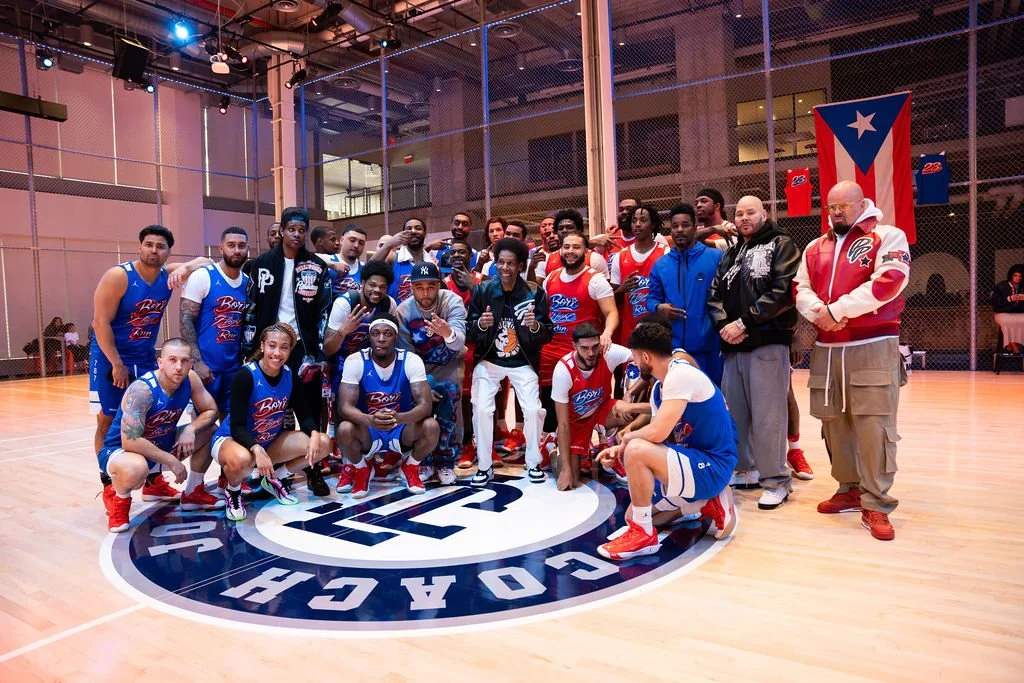
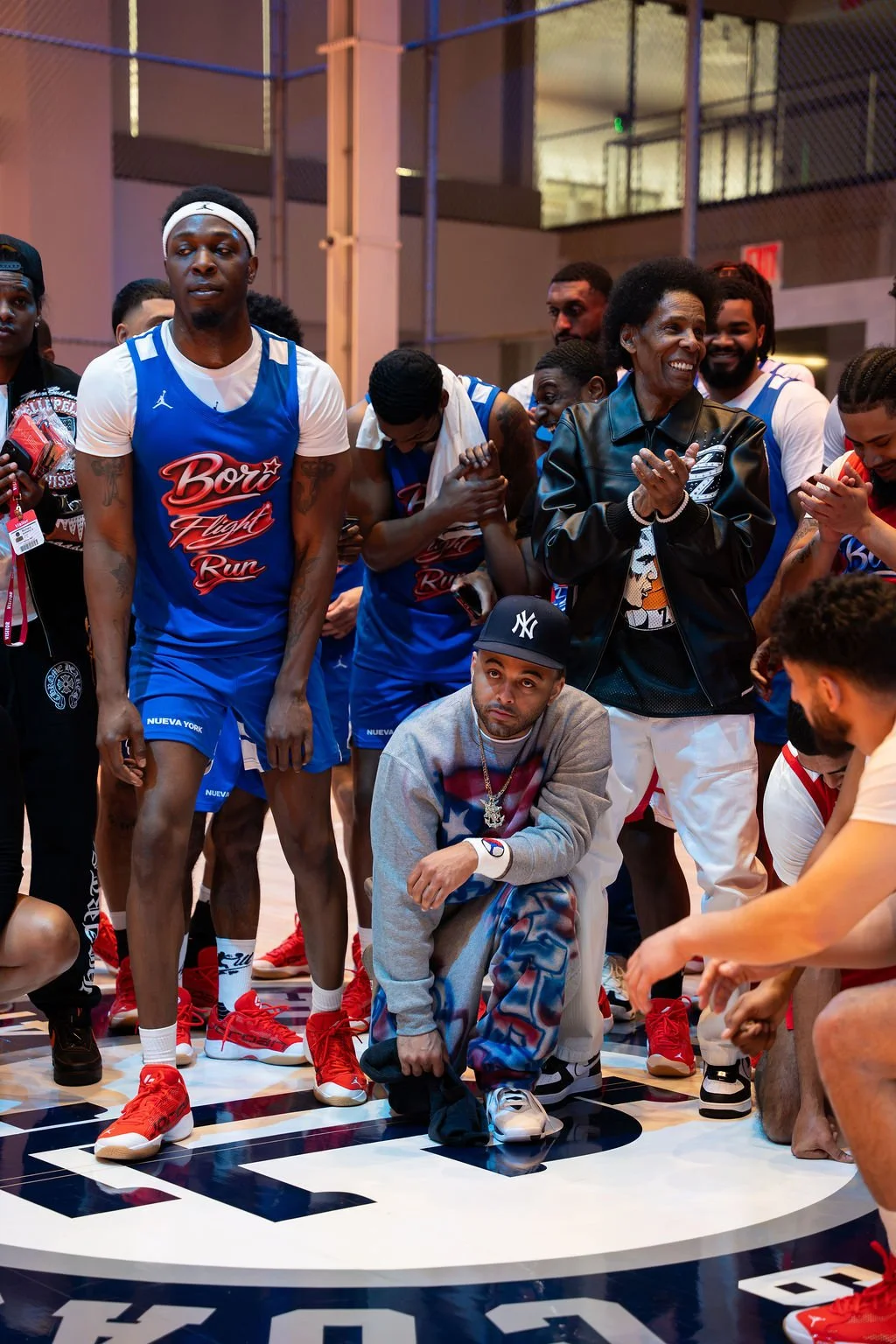
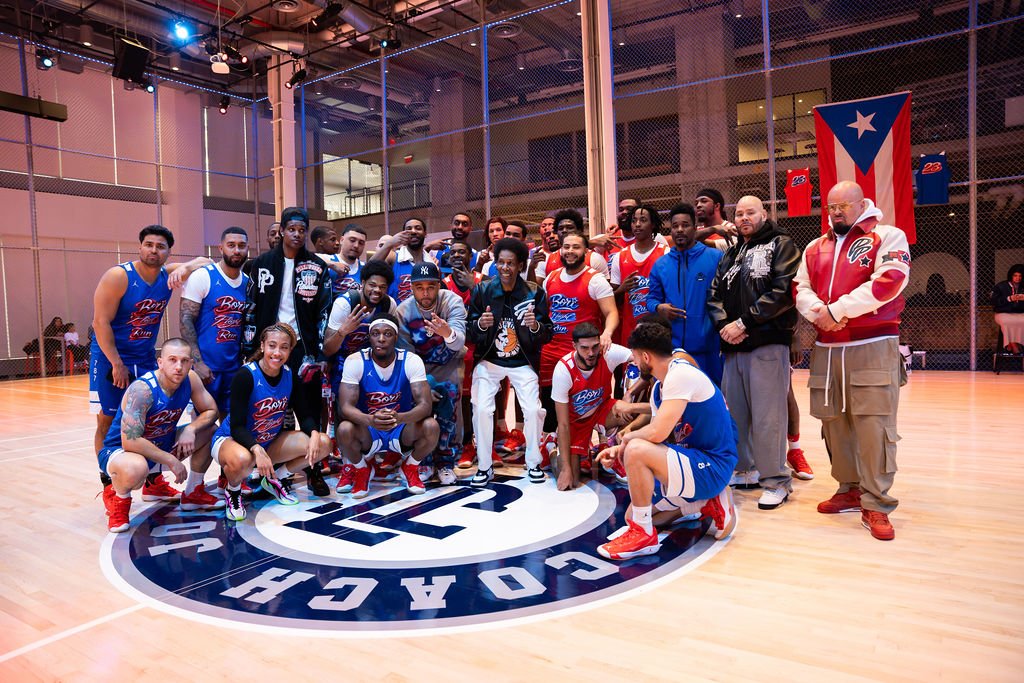
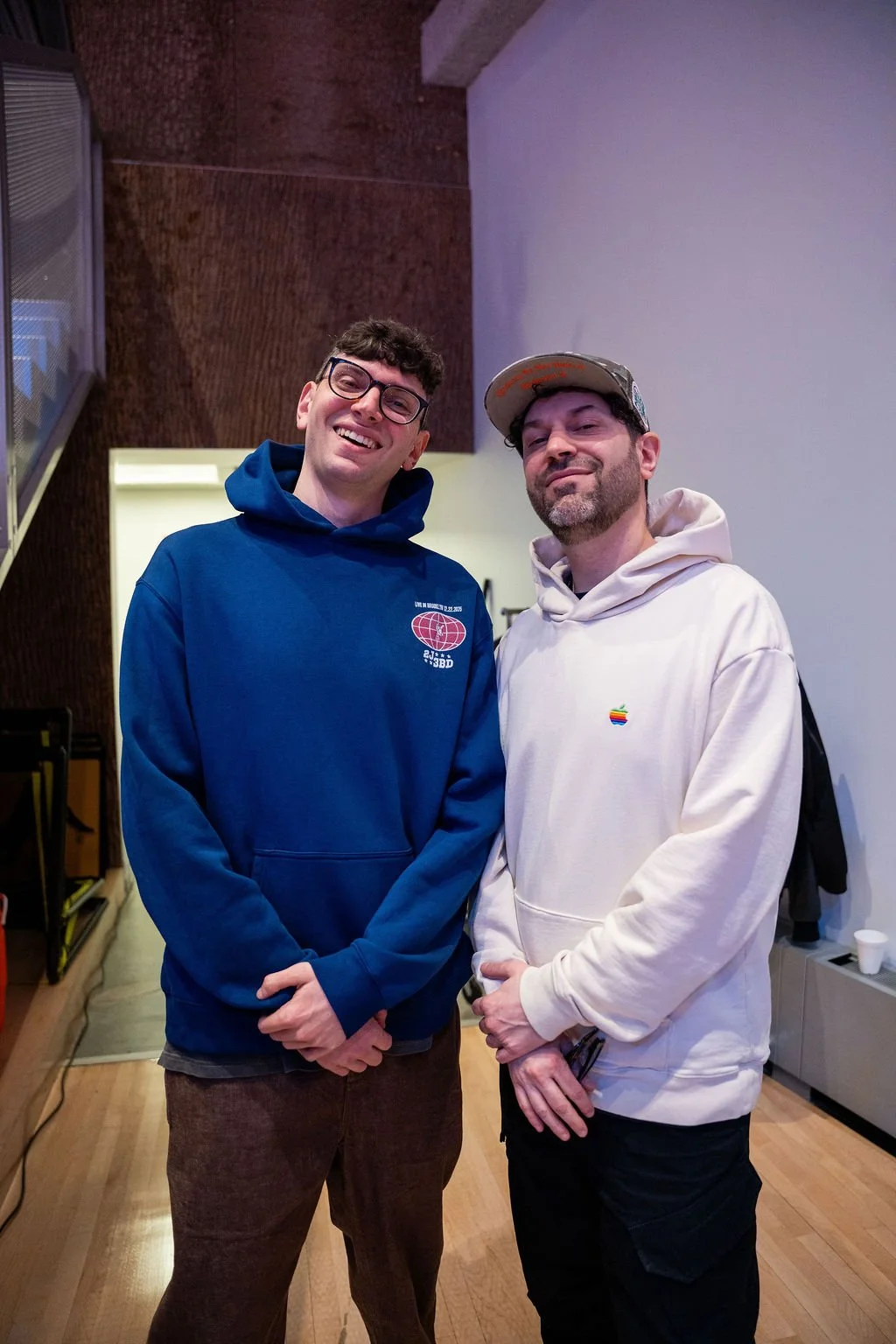
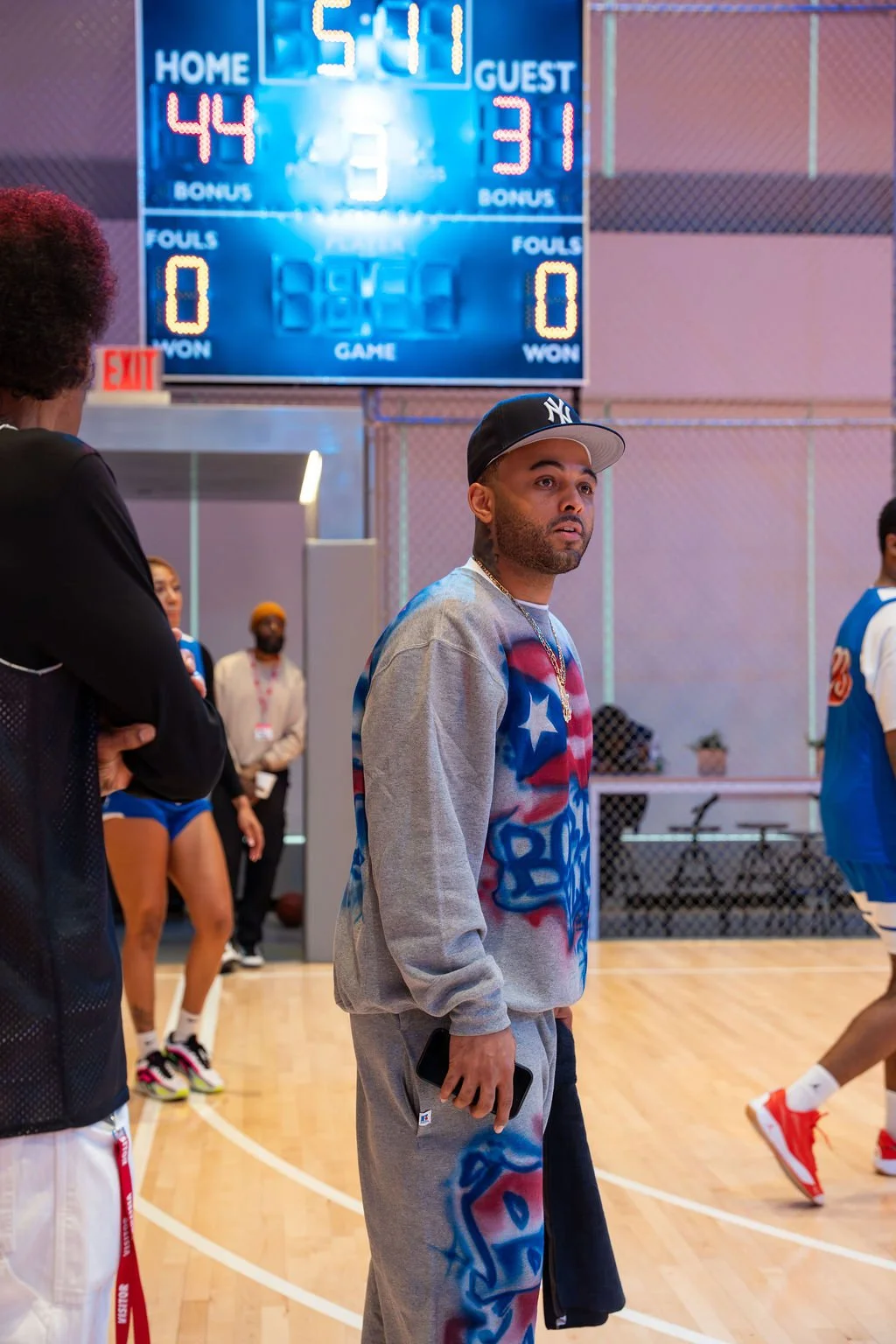
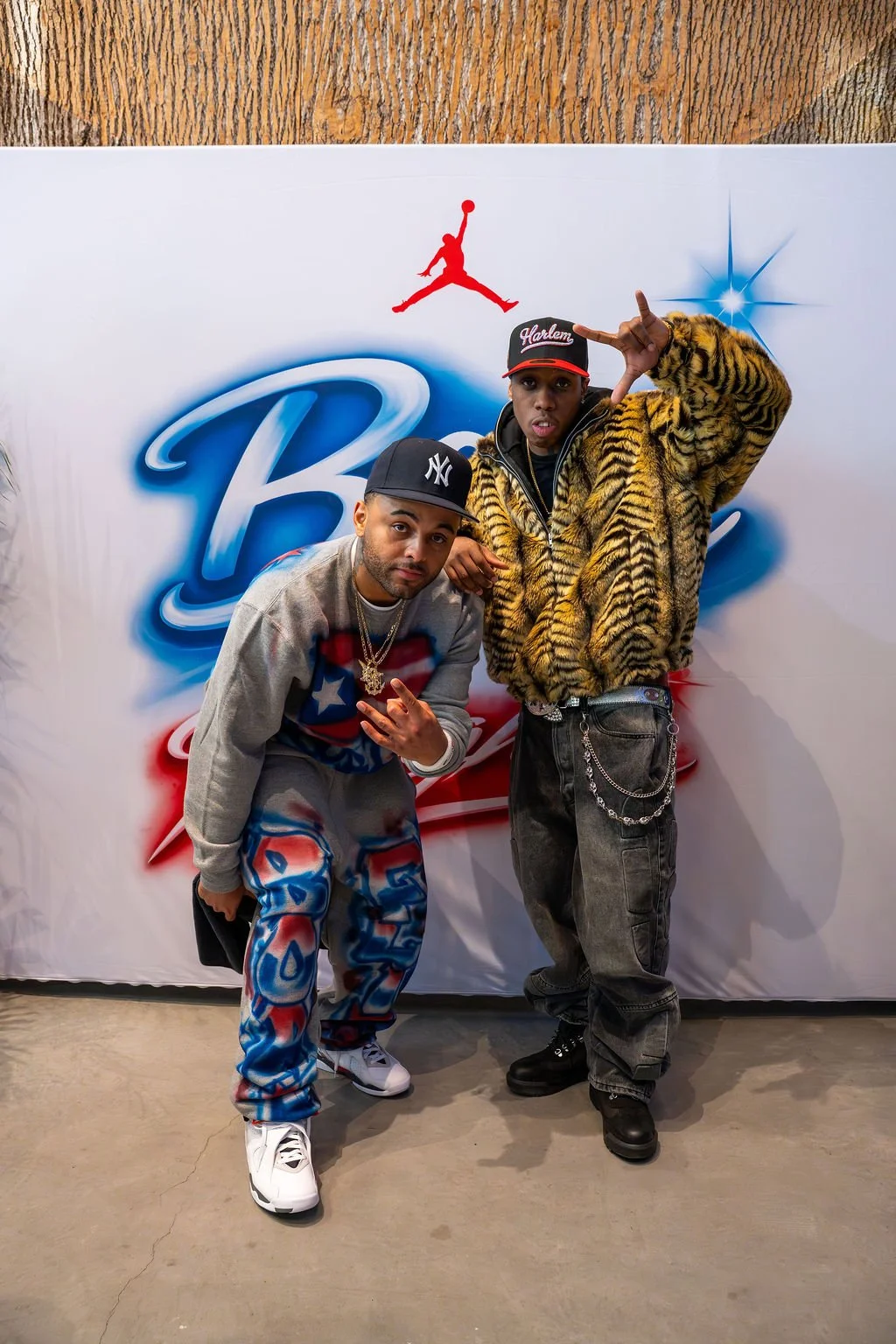
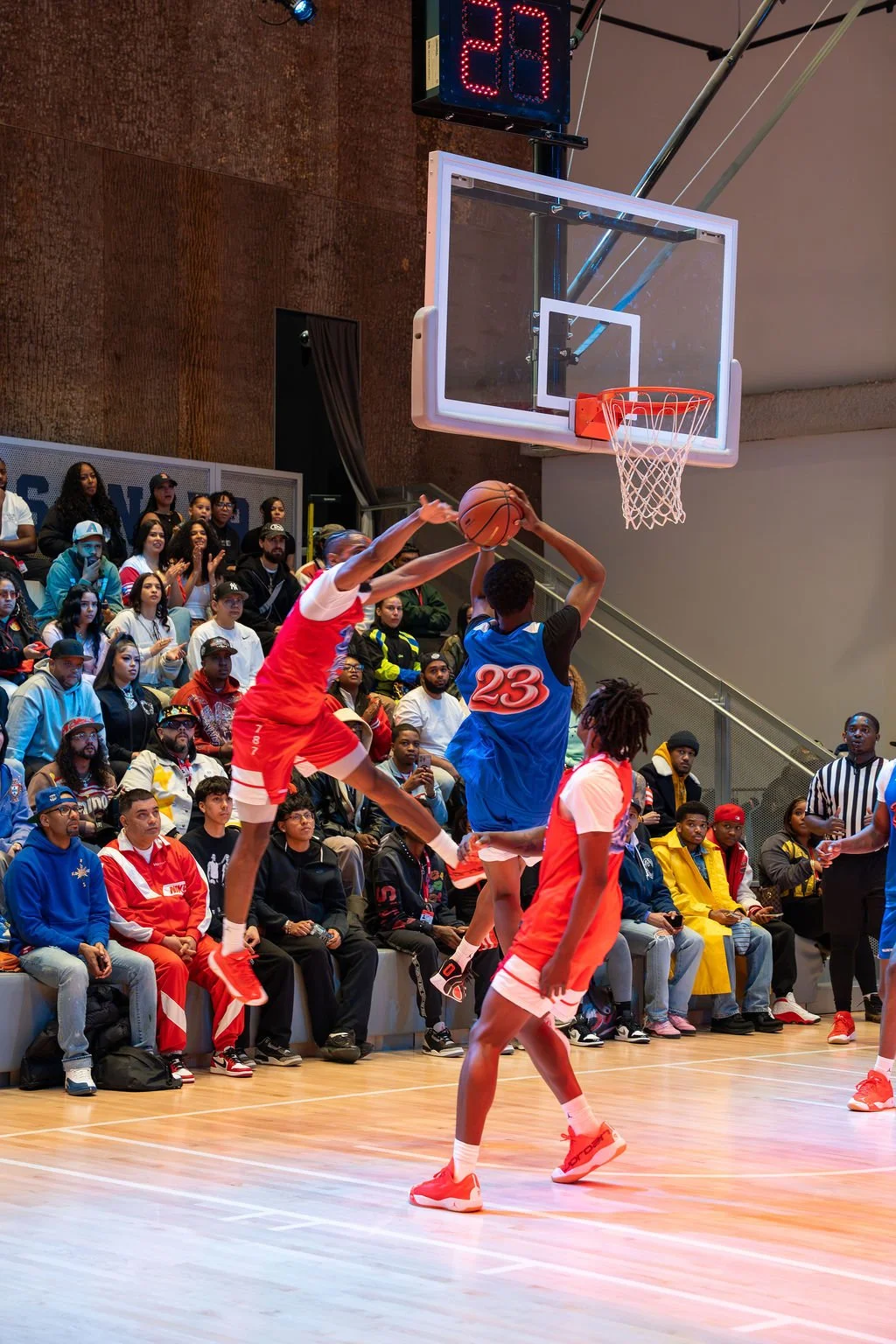
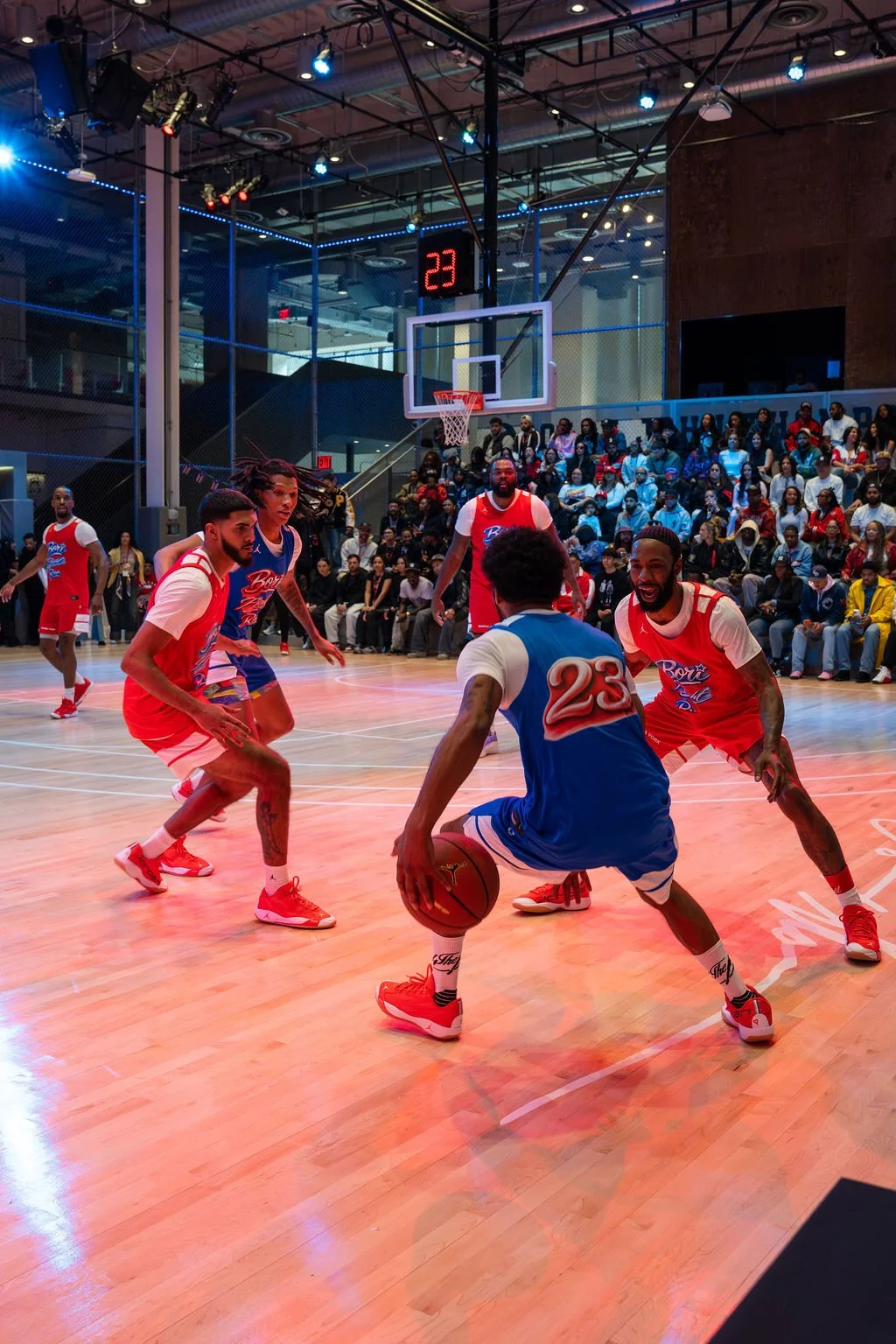
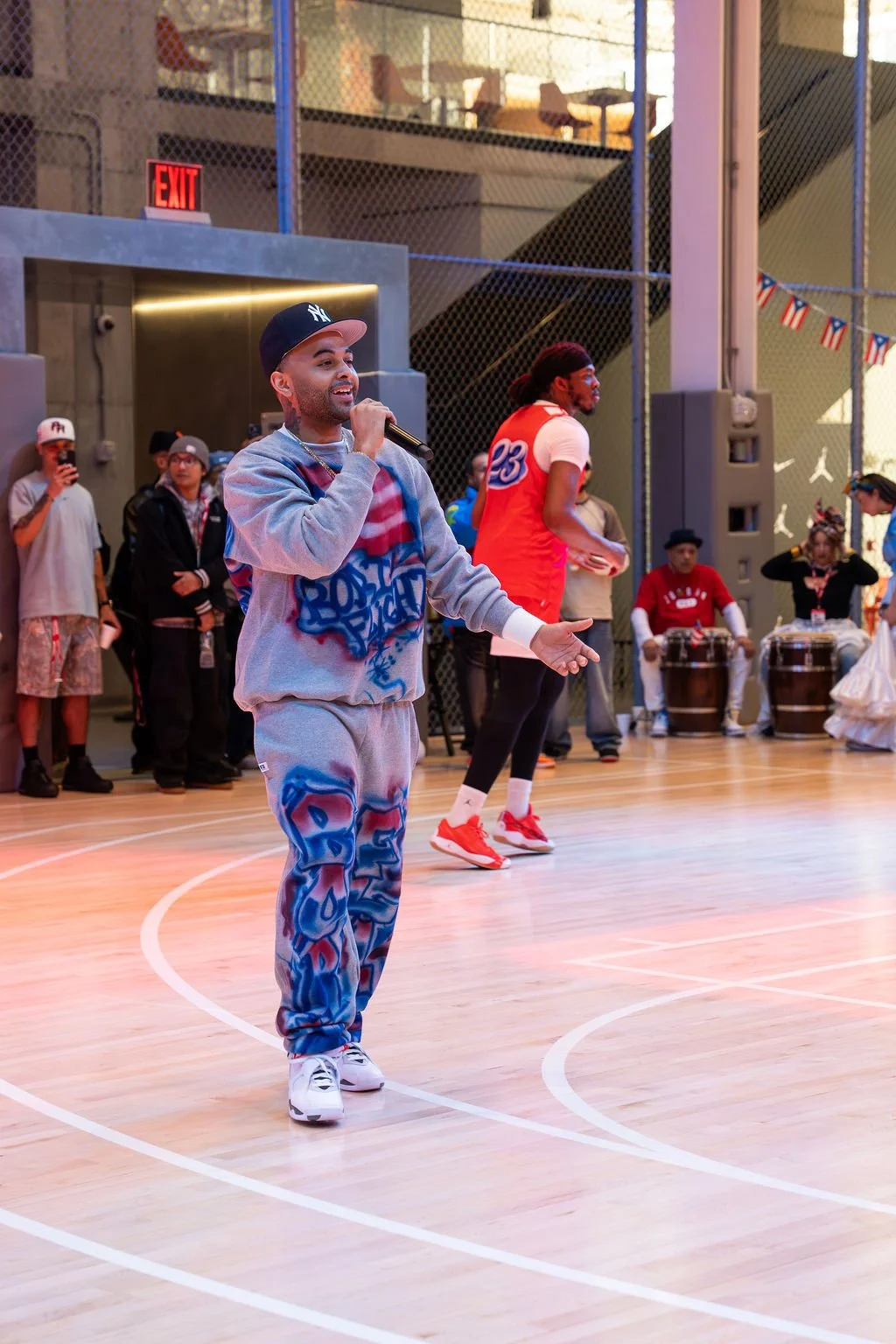
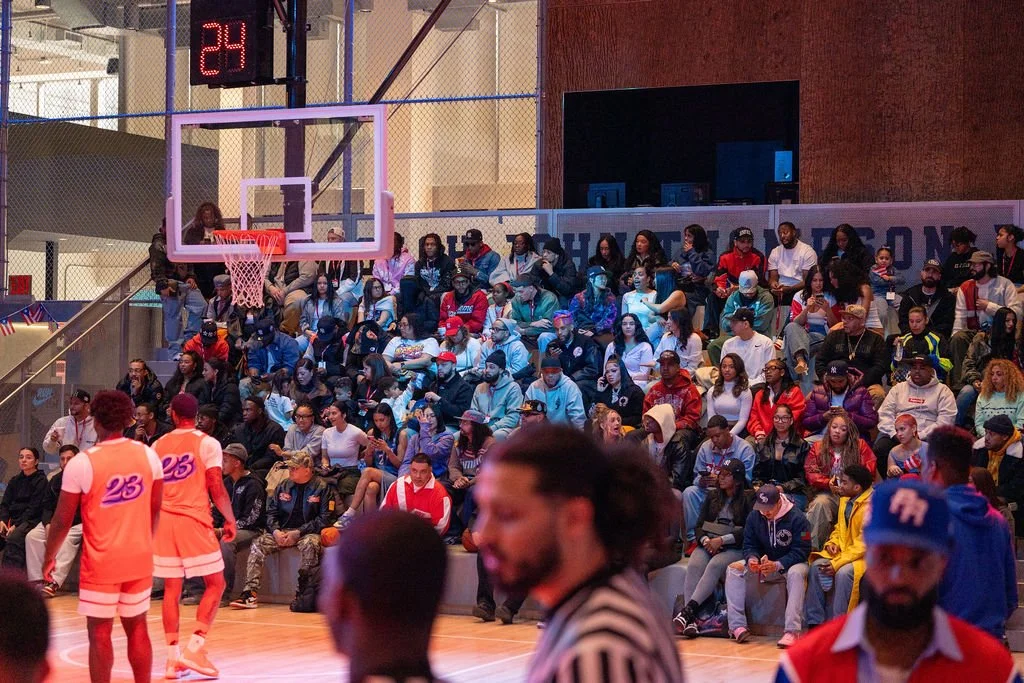
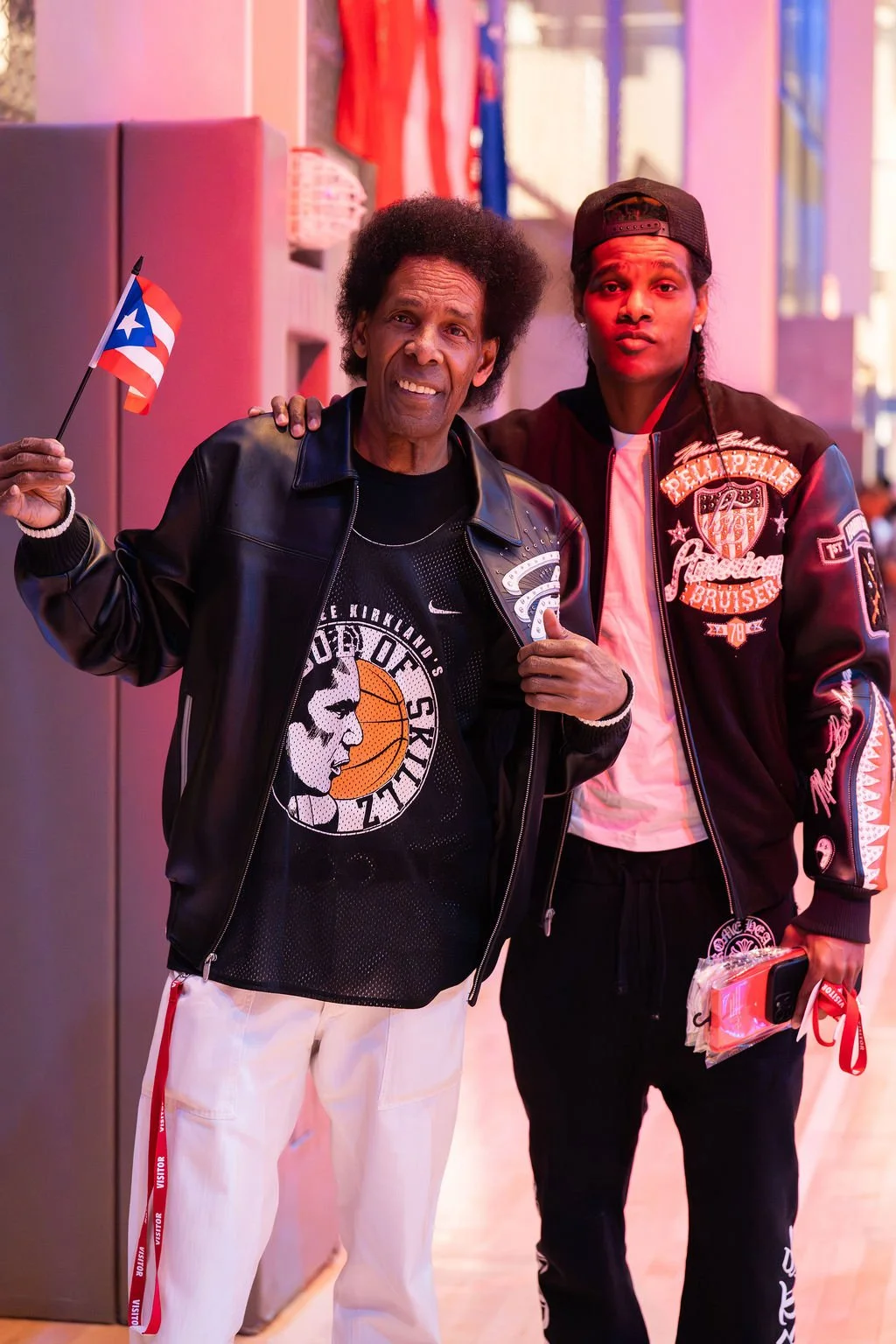
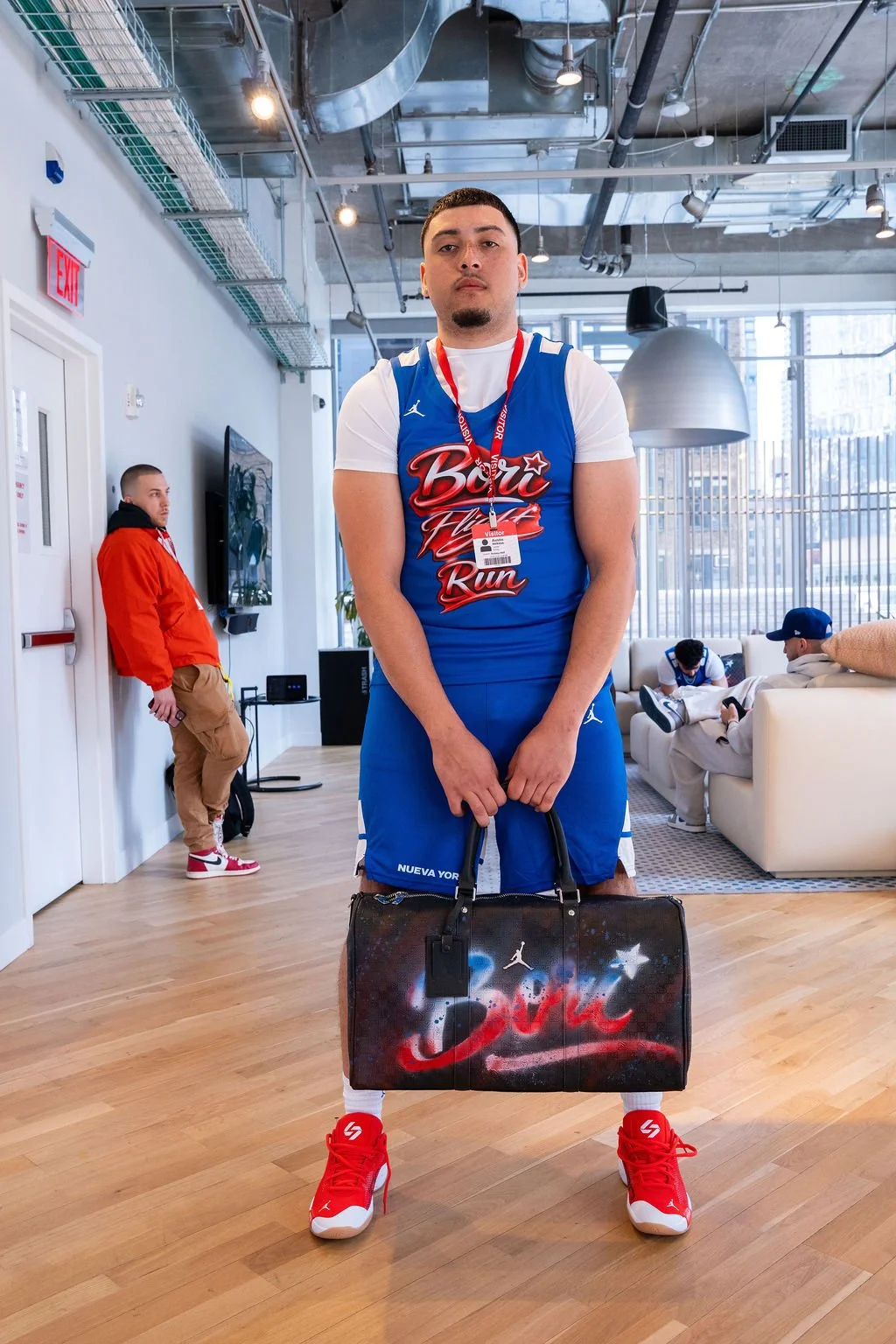
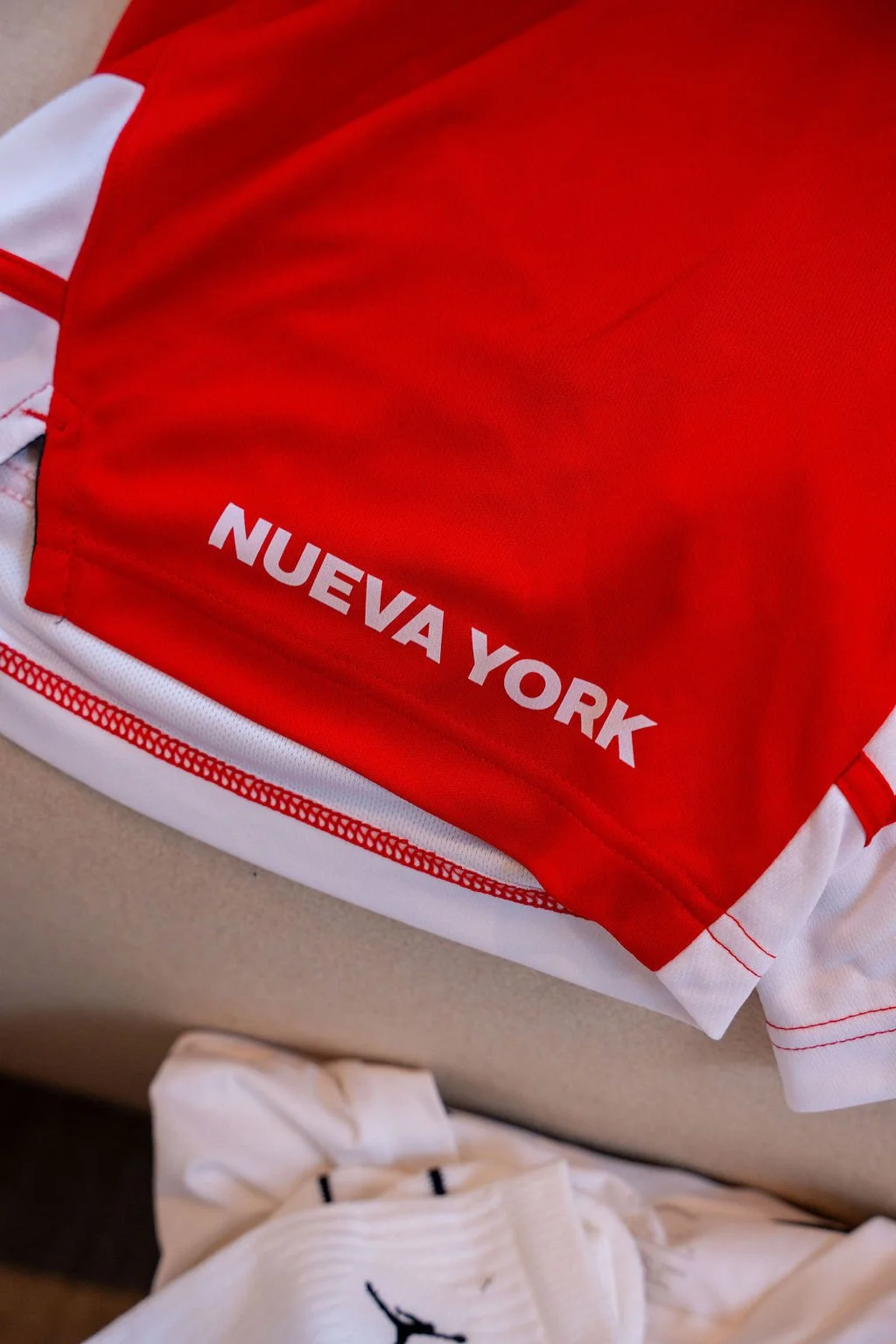
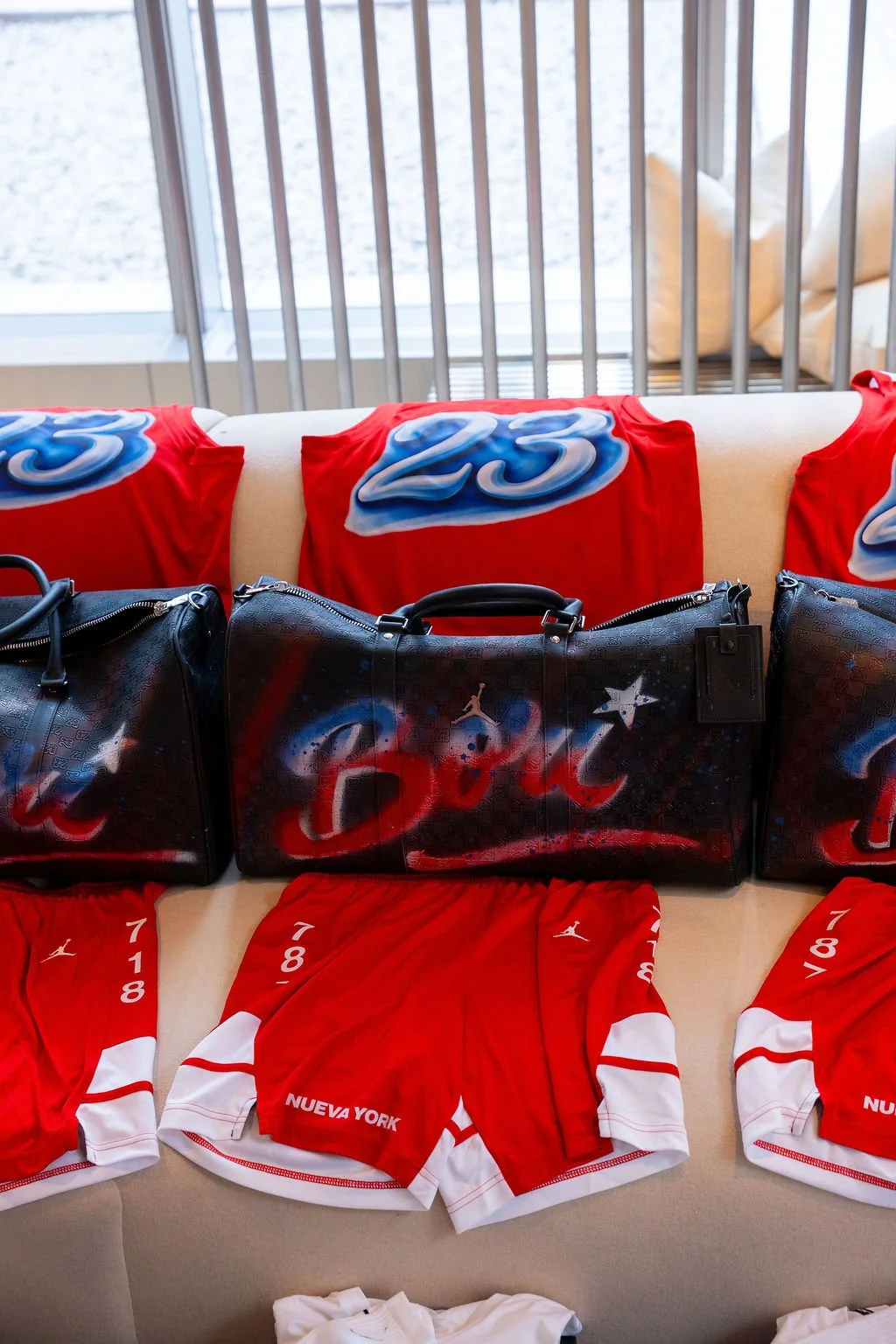
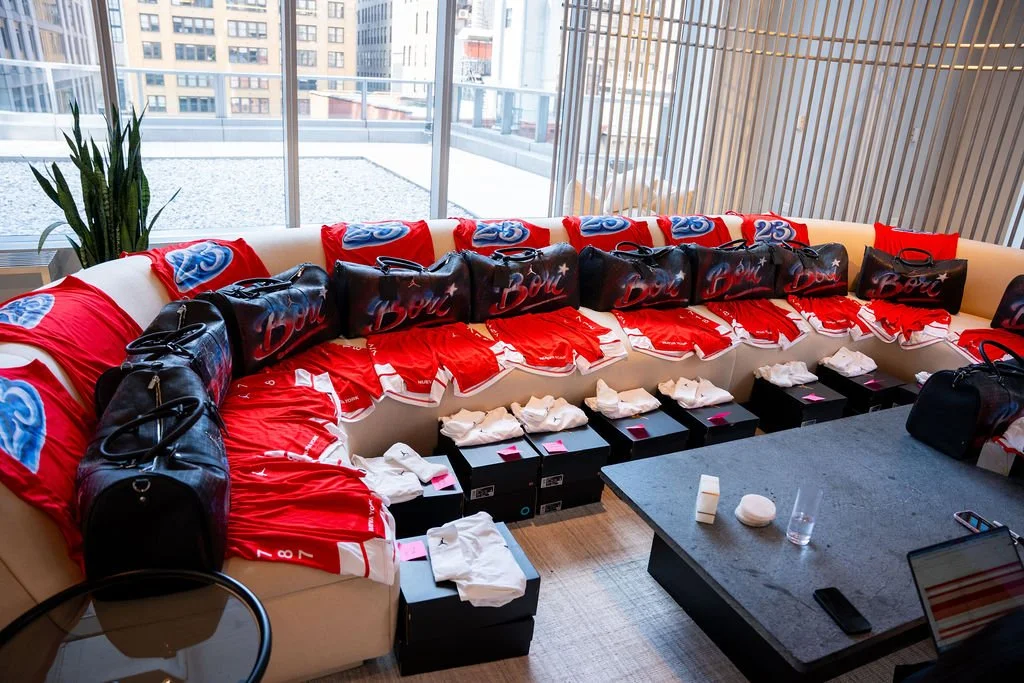
In New York City, culture is rarely static—it moves, it evolves, and most importantly, it gets passed down. The Bori Flight Run, powered by Jordan Brand, wasn’t just another community activation. It was a living exchange between generations, a moment where legacy met lift-off, and where Puerto Rican identity across the diaspora took center court.
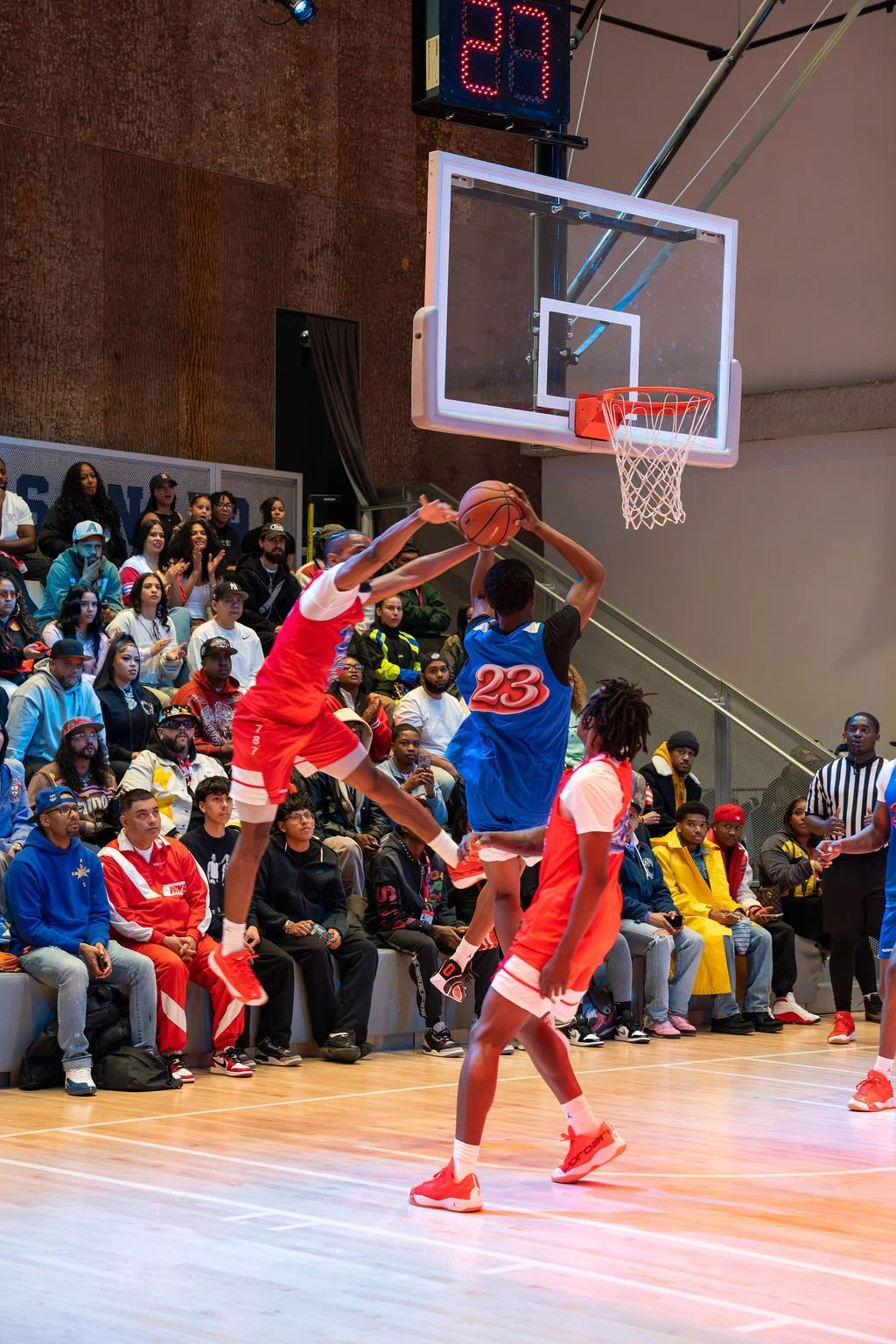
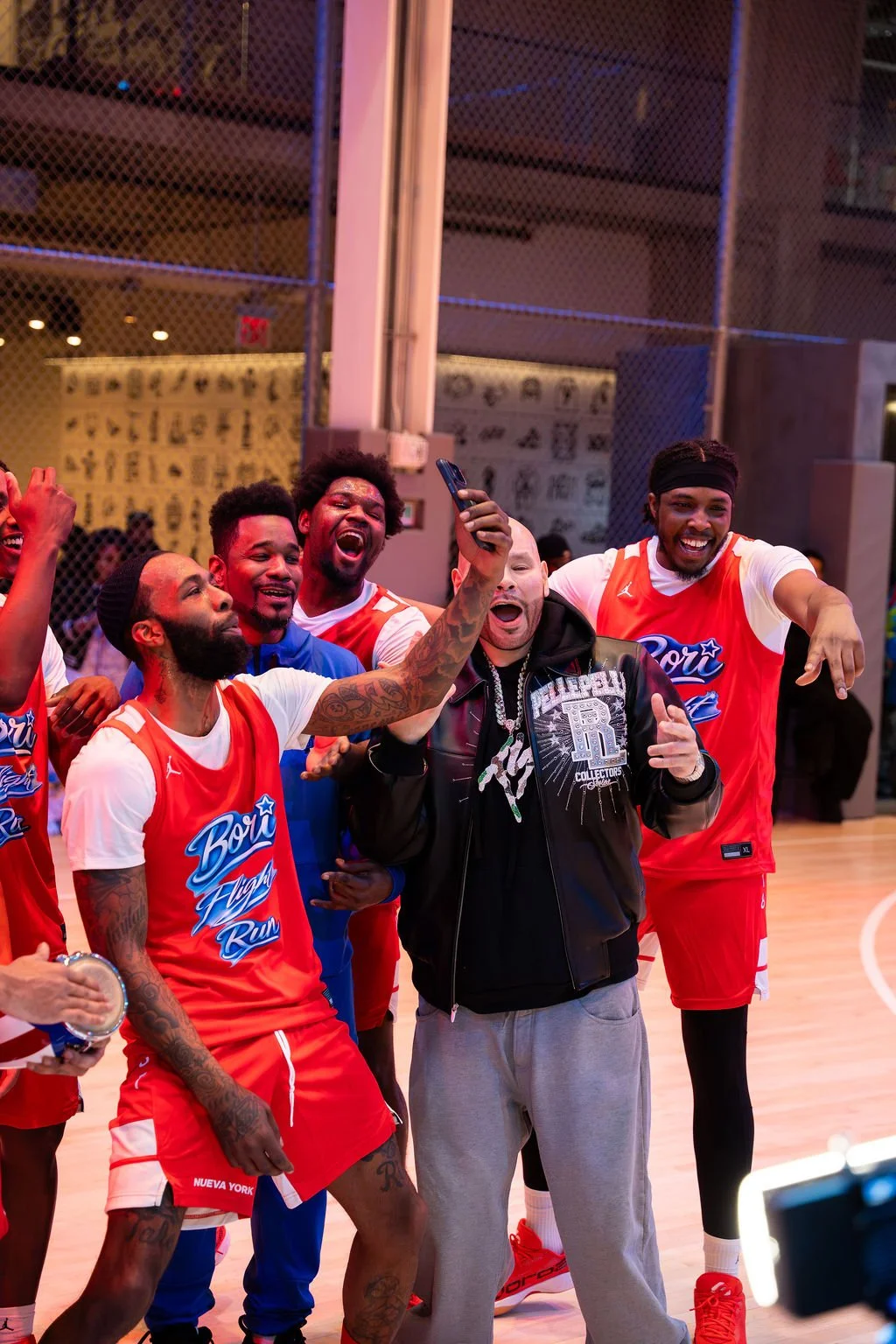
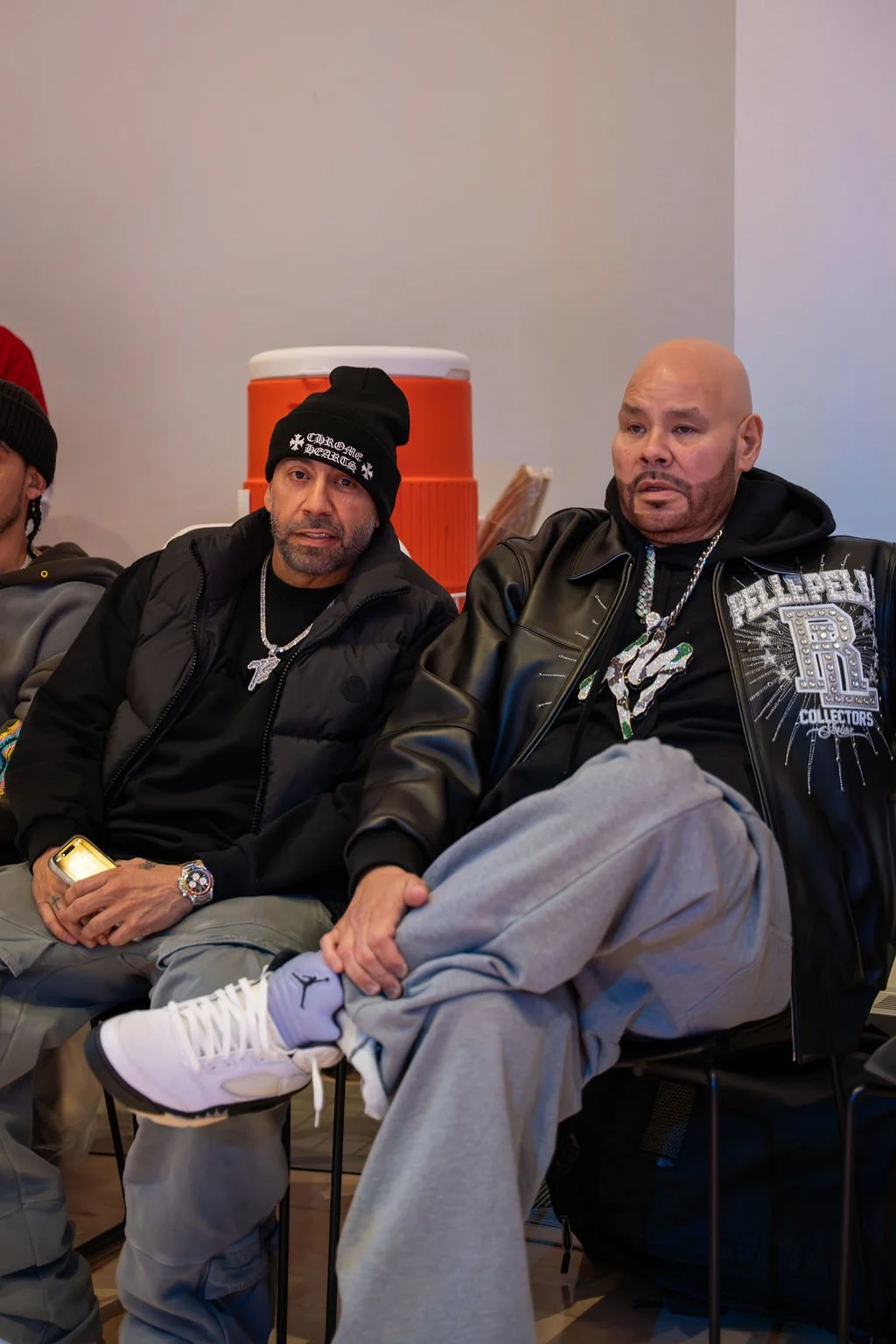
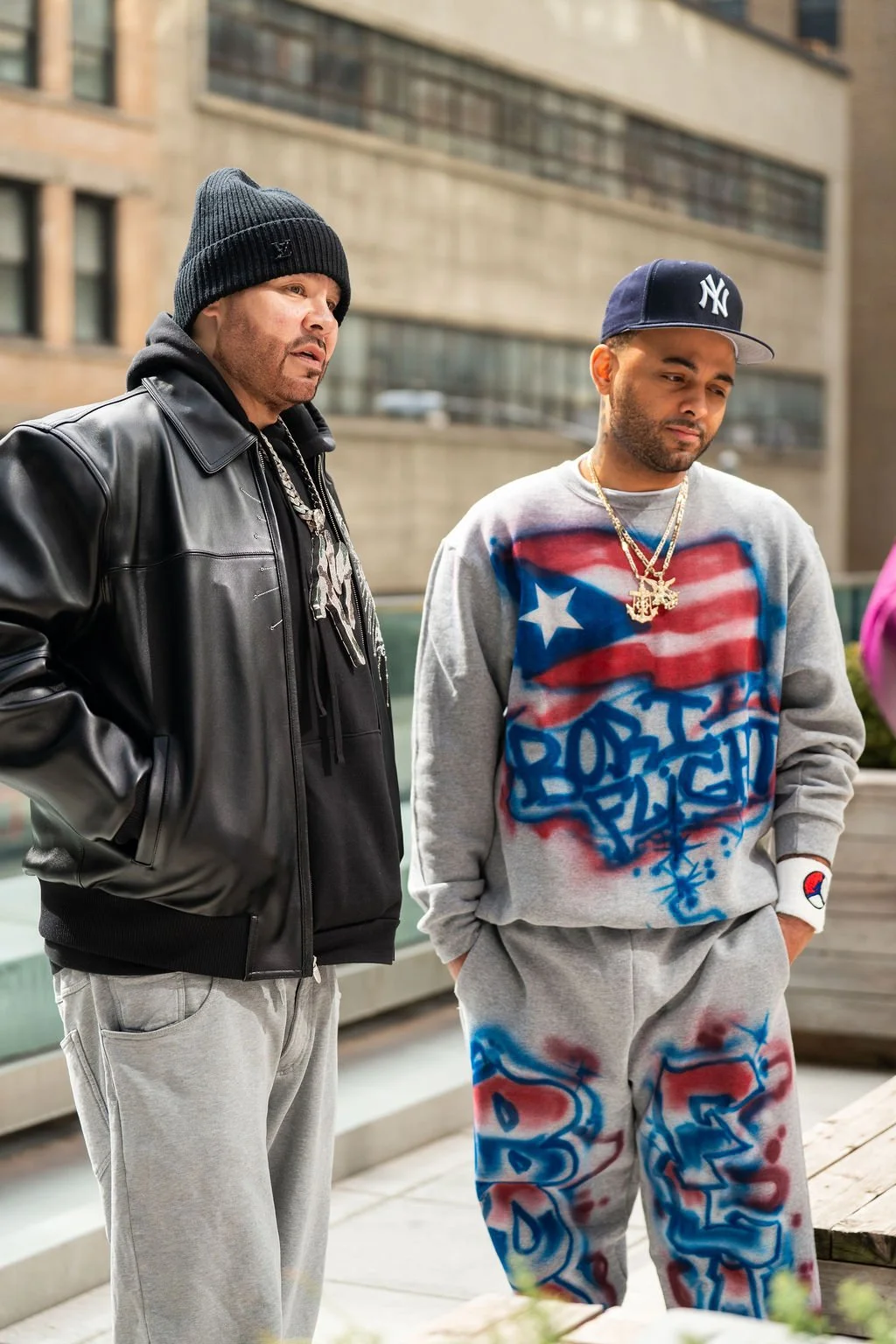
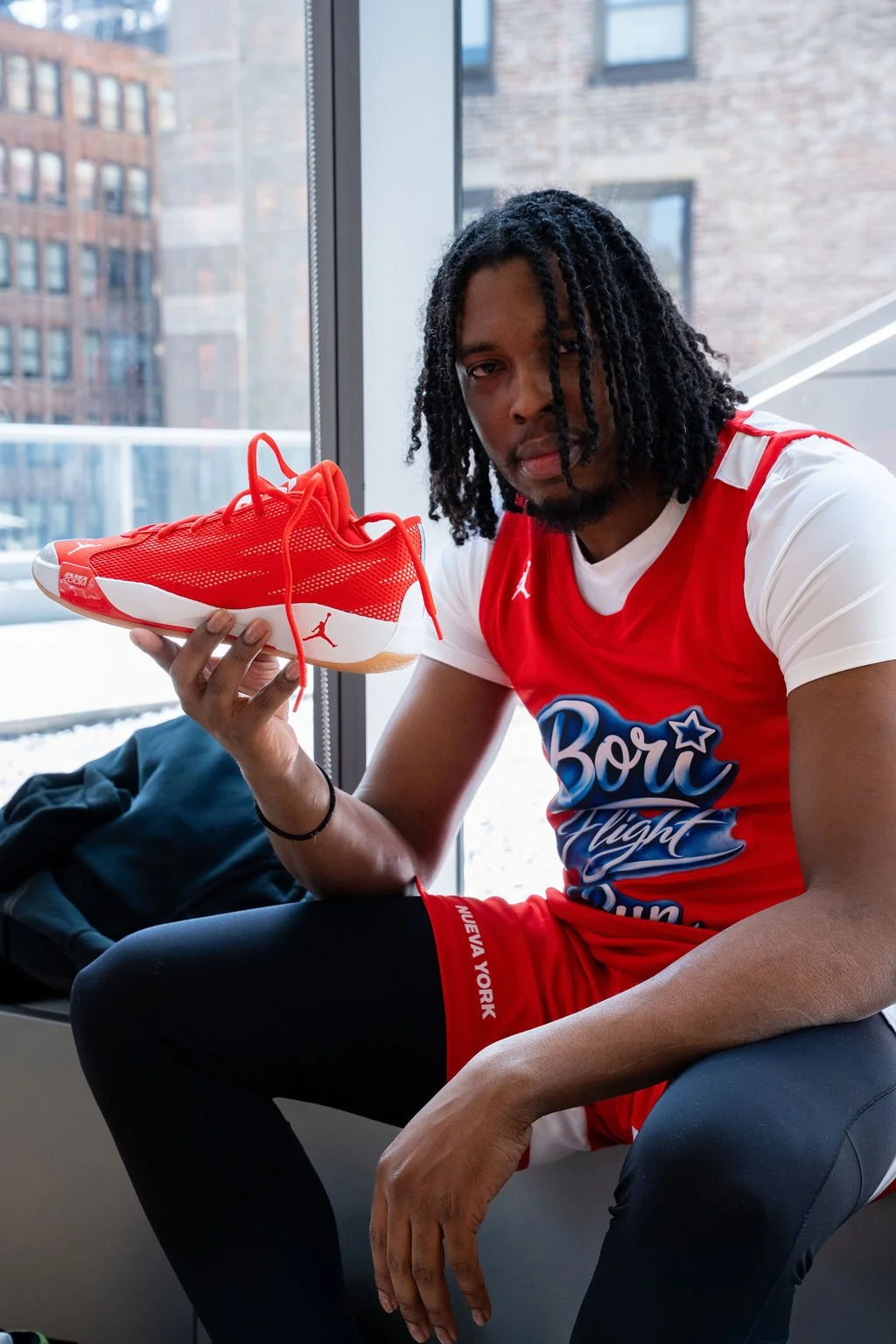
At its core, the run was framed as a cultural face-off—but not in opposition. Instead, it unfolded as a relay. Fat Joe anchored the foundation, embodying decades of influence shaped by Rucker Park, Terror Squad, and the golden era of uptown basketball culture. Across from him stood Ryan Witherspoon, representing a new wave—one that understands heritage but isn’t afraid to remix it with fresh energy and intention.
“We had a great time. We did it for the people,” Fat Joe told me, cutting through the spectacle with clarity. It’s a sentiment that feels increasingly rare in an era often dominated by optics over authenticity.
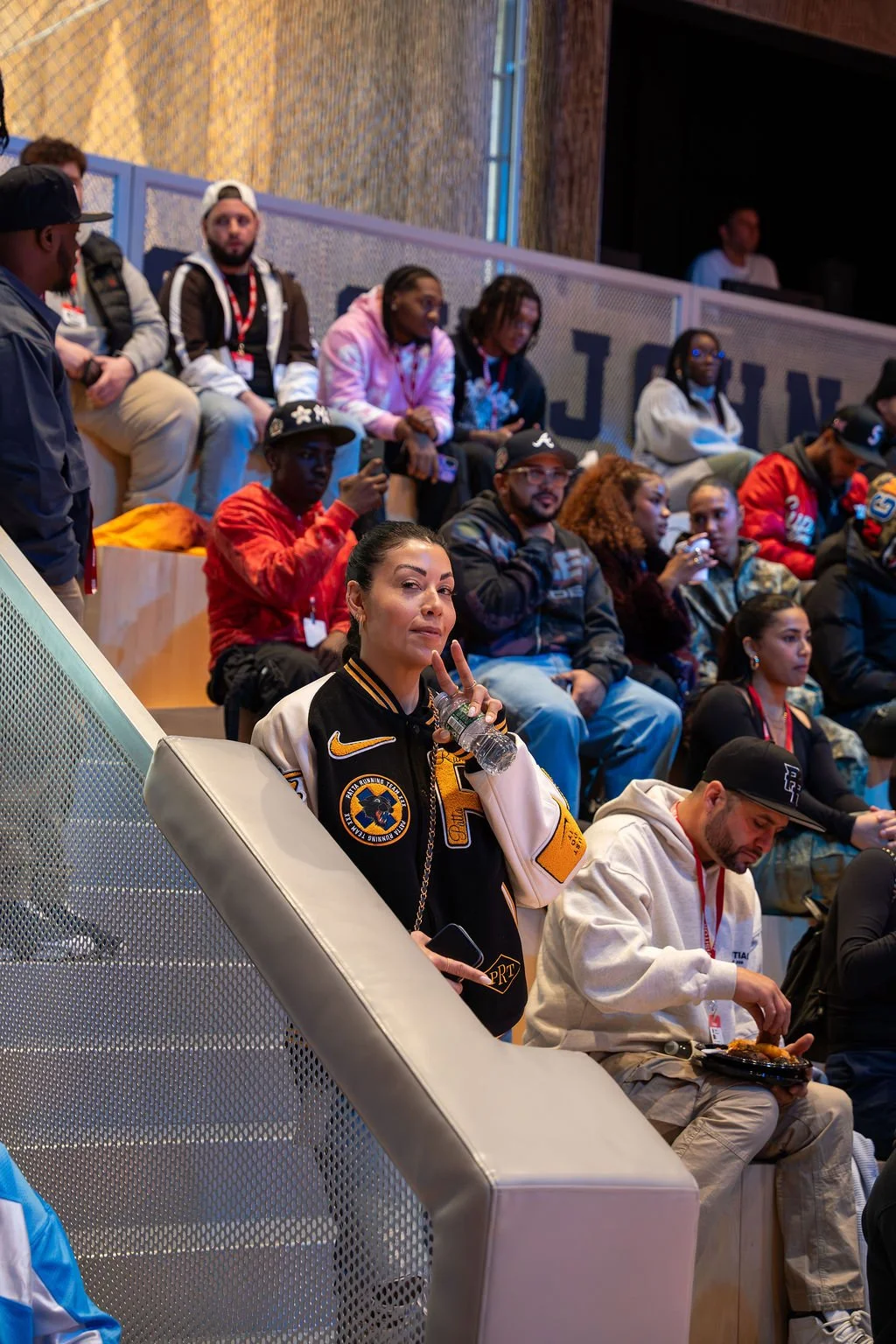
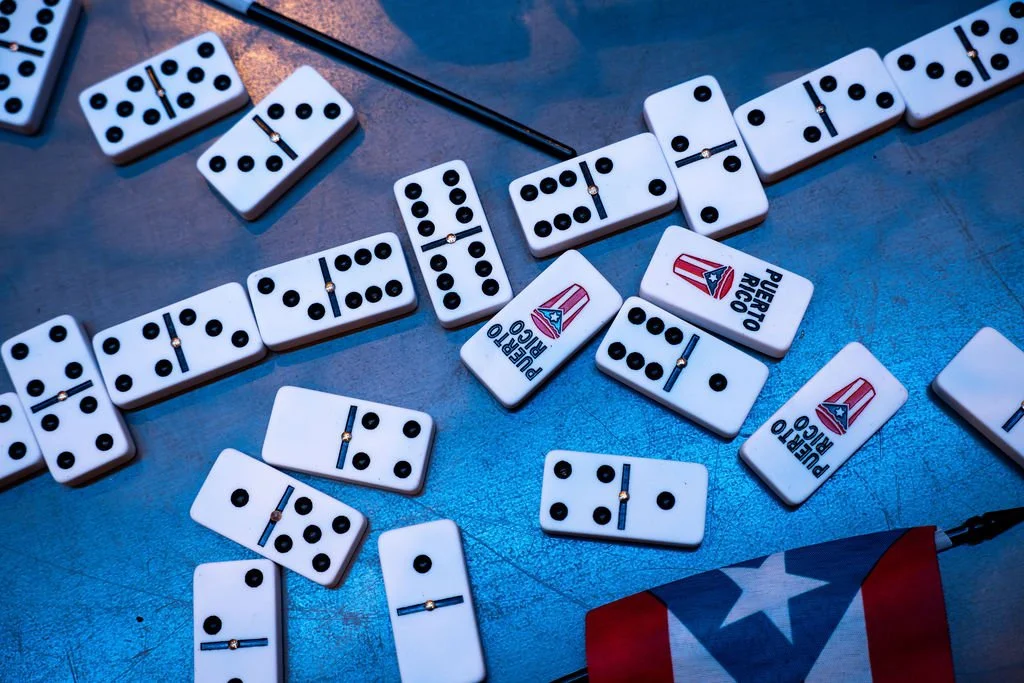
That “for the people” ethos was palpable. The Bori Flight Run didn’t just gather participants—it activated community. It brought together the Nuyorican experience through movement, through hoops, and through shared memory. The soundtrack wasn’t just music—it was nostalgia, pride, and progression layered into one.
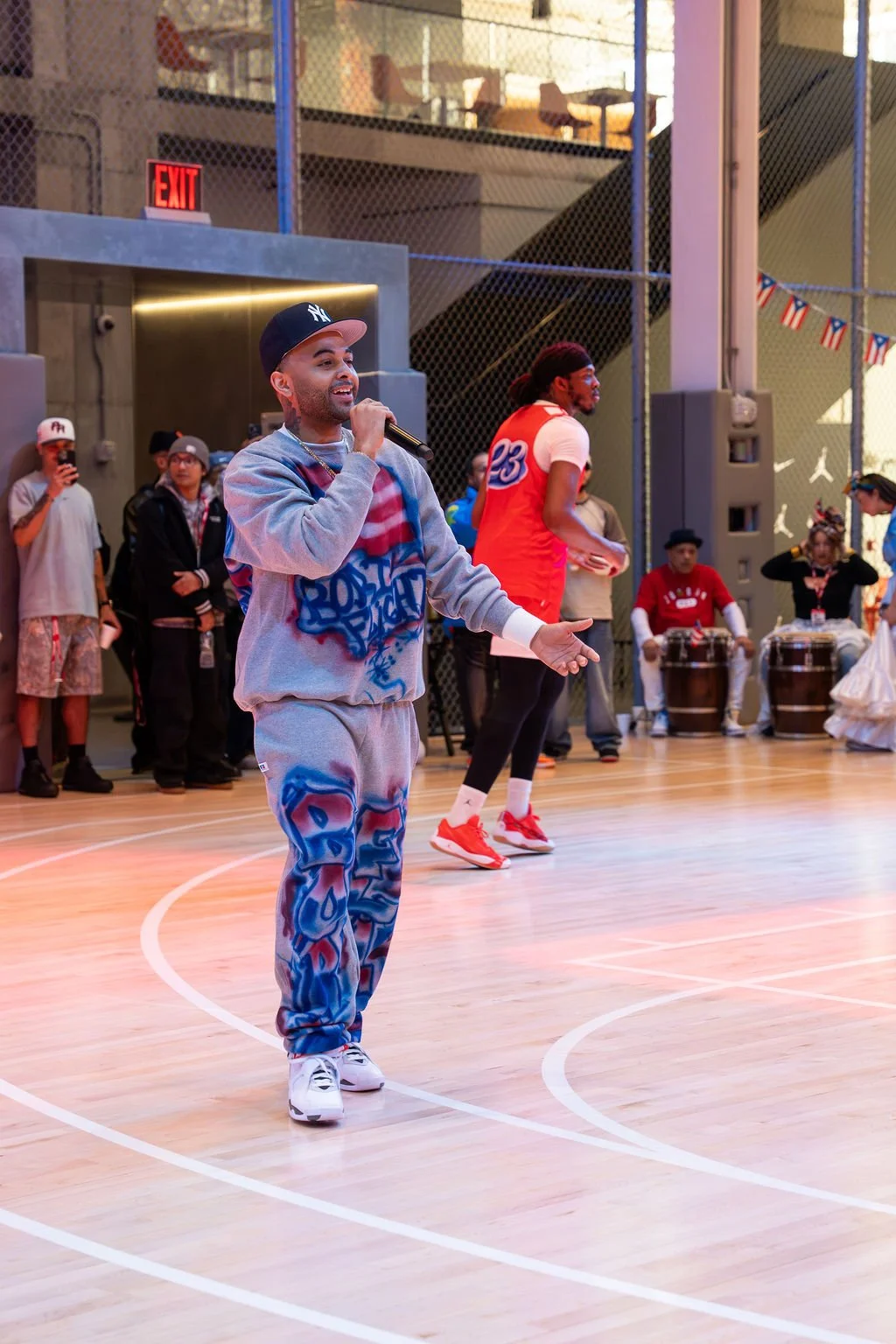
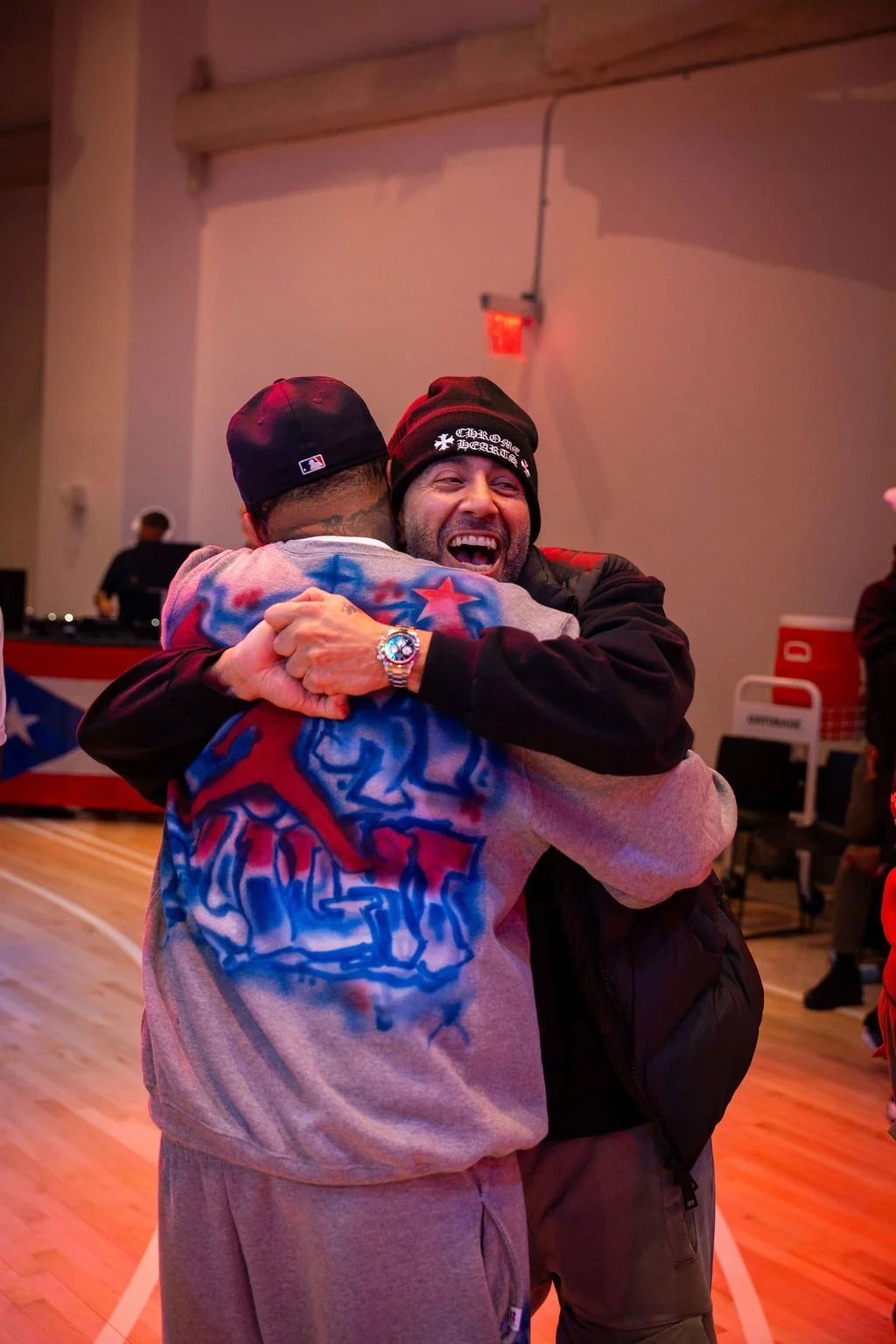
For Witherspoon, the moment wasn’t defined by competition, but by connection. “The win was being able to share the stage and to have the people see that and see us coming together,” he said. In a city where generational divides can often feel stark, the symbolism of that unity mattered just as much as the action on the court.
The influence of Michael Jordan—both as an icon and as a cultural force—hovered over the day in ways that went far beyond product. When asked about the brand’s impact, Fat Joe offered a deeply personal reflection: “Michael Jordan personally saved my life.” He recounted how Jordan’s support ensured the opening of his Washington Heights store, a pivotal moment that underscored how access and belief can shift trajectories.
For Witherspoon, that same legacy translates into representation. “How you [represent] yourself, how you rep’ where you from—it’s a way to show your personality,” he said. It’s a generational reinterpretation of the same ethos: identity as expression, sneakers as language, and culture as currency.
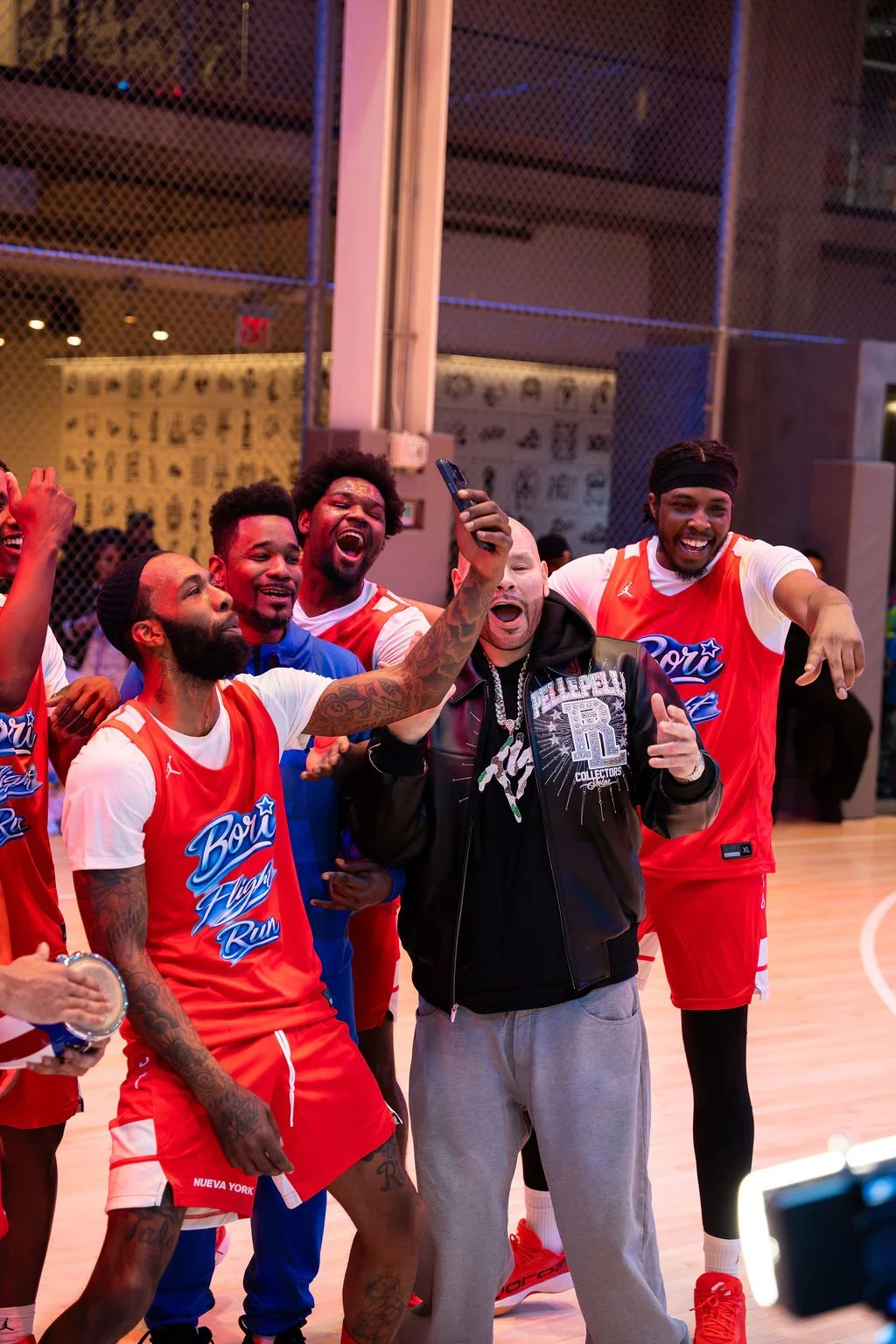
That duality—legacy and evolution—is precisely what made the Bori Flight Run resonate. It wasn’t about choosing between past and future. It was about recognizing that culture is strongest when rooted in legacy, but only survives when it’s pushed forward.
As New York moves toward June—a symbolic marker for Puerto Rican pride and celebration—the Bori Flight Run feels like an opening chapter. Not a conclusion, but a continuation. A signal that the handoff is already happening, not in theory, but in real time.
Because in the end, culture doesn’t just belong to those who built it. It belongs to those willing to carry it forward—and run with it.
HOW DO YOU FEEL ABOUT FASHION?
COMMENT OR TAKE OUR PAGE READER SURVEY
Featured




The outfit changes the job description. Under jeans, the enemy is a visible ridge or a rolled waistband. Under leggings, it is a seam that reads through thin fabric.