
Thierry Lasry: The Casual Cool Architect of Celebrity Eyewear

There is a particular kind of confidence that doesn’t need to announce itself. It doesn’t rely on logos, spectacle, or noise. It simply exists—recognizable, assured, and quietly magnetic. That sensibility defines Thierry Lasry, and it is embedded in every frame that bears his name.
Founded in the mid-2000s, Thierry Lasry eyewear emerged not as a reaction to fashion cycles, but as an extension of a personal lineage and point of view. “I created the brand based on my personal story,” Lasry explains.
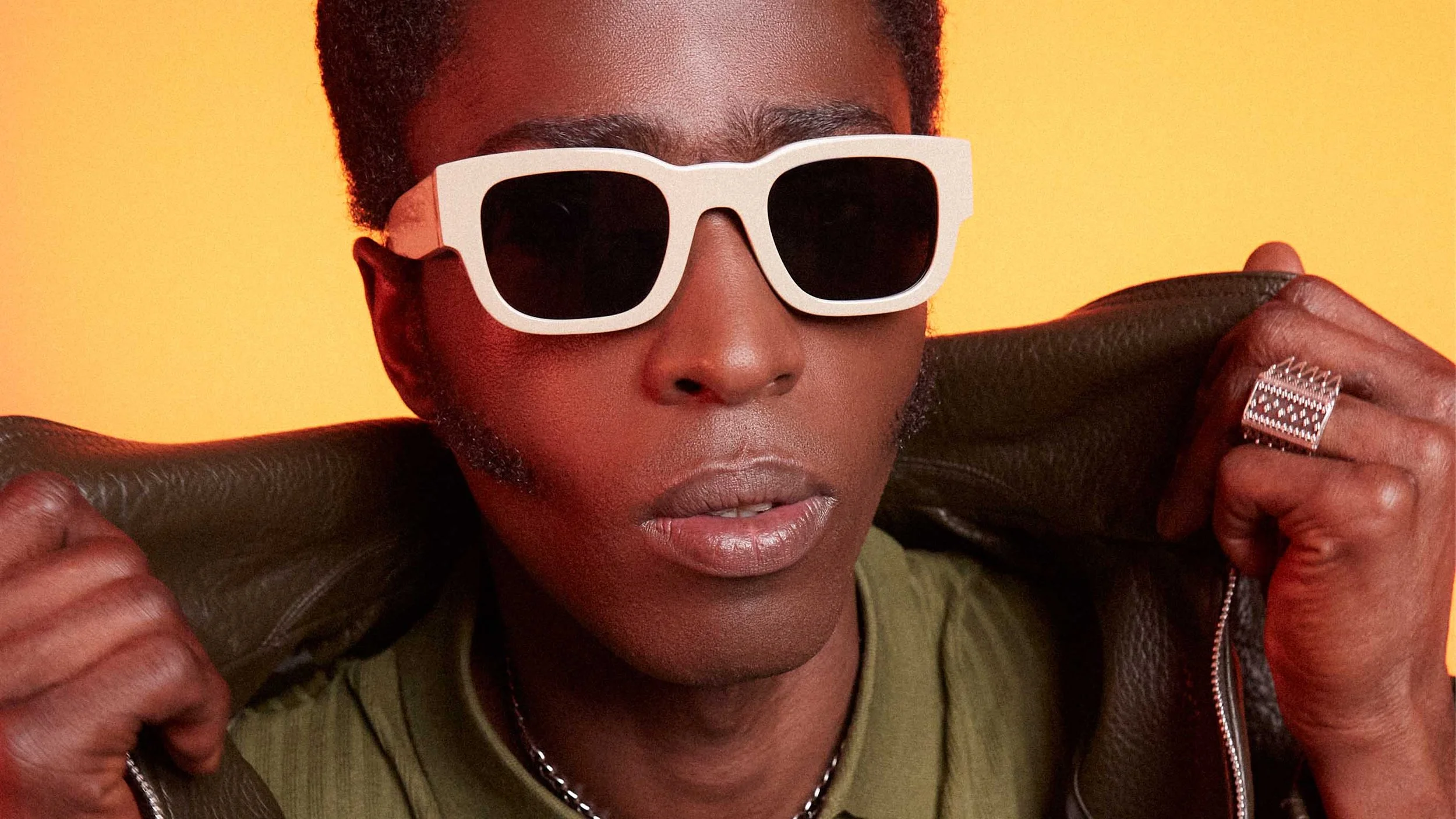
“My dad is an optician, and my mom is an accessory designer—so it was kind of the best of both worlds. What else could I do?”
From the outset, the brand positioned itself at the intersection of design intelligence and cultural instinct. Lasry coined the term futuristic vintage to describe his approach—drawing from the past without nostalgia, and reshaping it with a distinctly modern edge.
“I’ve always loved vintage eyewear,”
he says,
“but many of those pieces weren’t comfortable or well-designed. They would fall apart. I wasn’t interested in replicating anything from the past—just using it as a source of inspiration.”
That philosophy led to a defining choice that would later become a signature: no visible logo. At a time when branding was becoming increasingly overt, Lasry chose restraint. “From the beginning, I wanted no external logo,” he says.
“The idea was that the design itself should be recognizable—no name, no branding on the outside of the temples.”
It was a quiet rebellion—and one that resonated deeply with tastemakers who understood that true luxury often whispers.

An Organic Celebrity Magnetism
Before influencer marketing and paid placements dominated fashion visibility, Thierry Lasry eyewear spread through something far more powerful: genuine adoption. “Back then, celebrities still shopped for themselves,” Lasry recalls.
“Stylists weren’t everywhere yet. People would discover a brand, buy it, wear it, and that would drive visibility.”
The effect was immediate and unmistakable. “Very quickly, Nicole Richie, Madonna, Rihanna, Lady Gaga, Eva Mendes—it was insane,” he says. Without contracts or campaigns, the frames became shorthand for a certain off-duty glamour—bold yet effortless, expressive without being loud.
This organic celebrity embrace cemented the brand’s aura: not aspirational in a manufactured way, but aspirational because it felt real. The frames didn’t wear the person—the person completed the frames.
Design as Architecture, Not Accessory
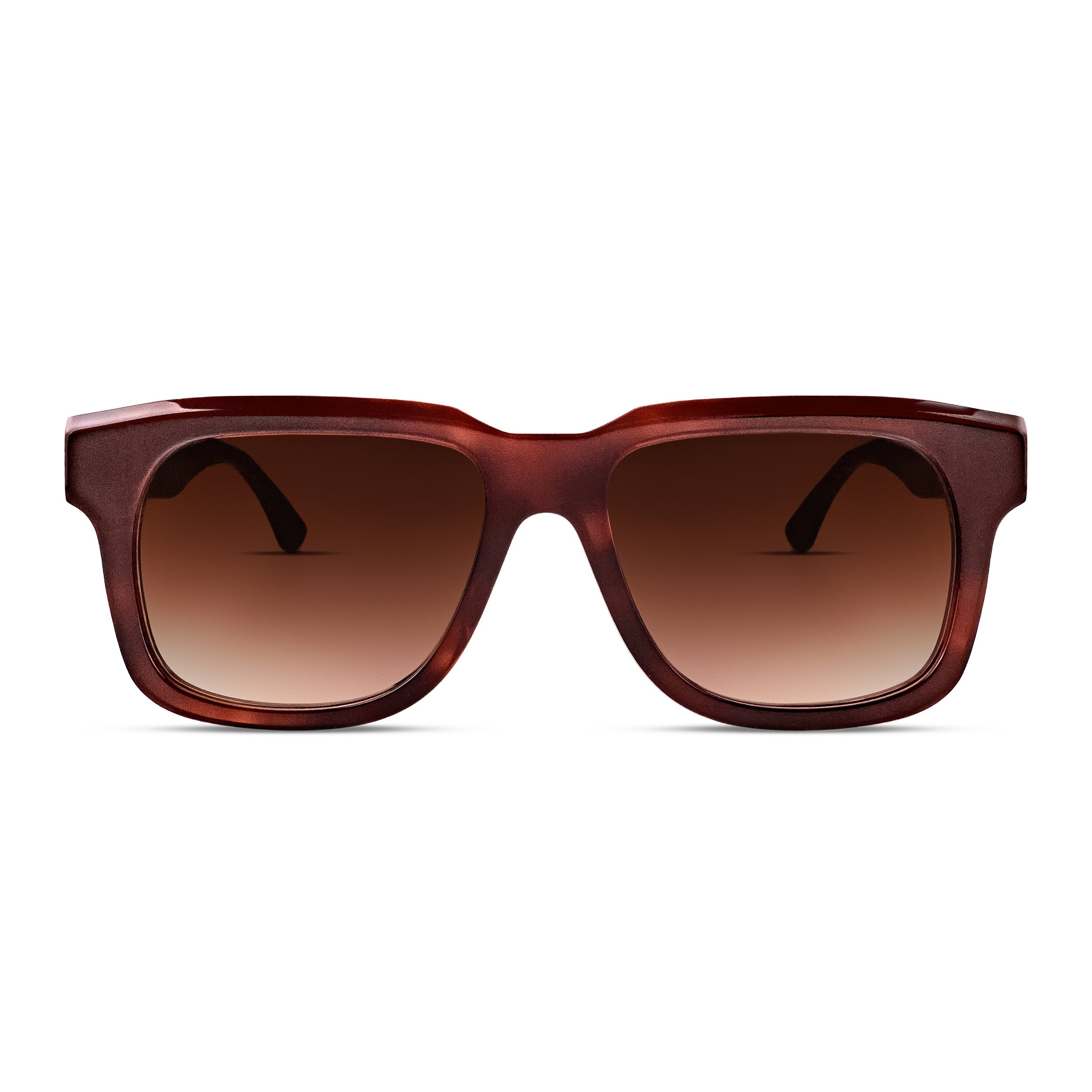
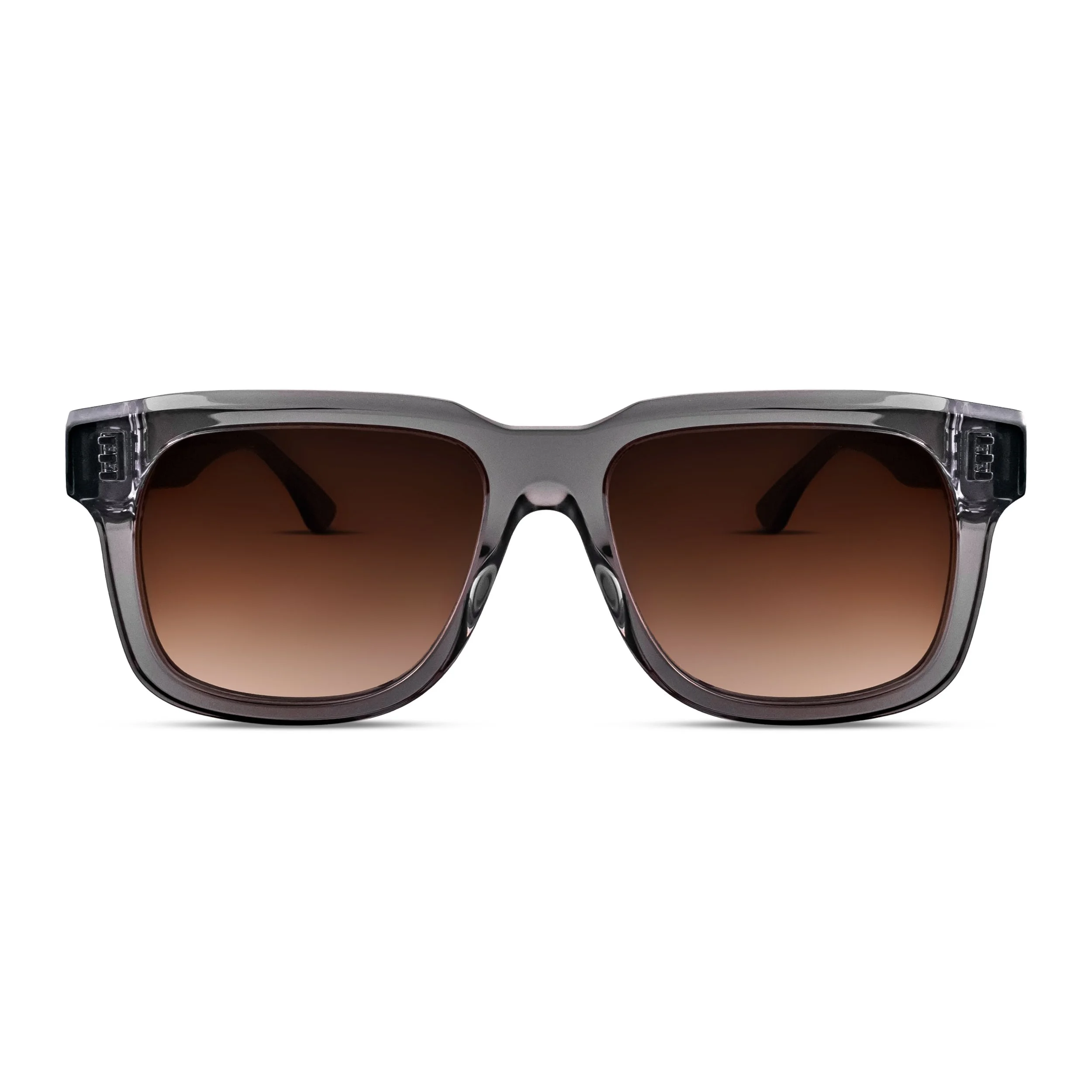
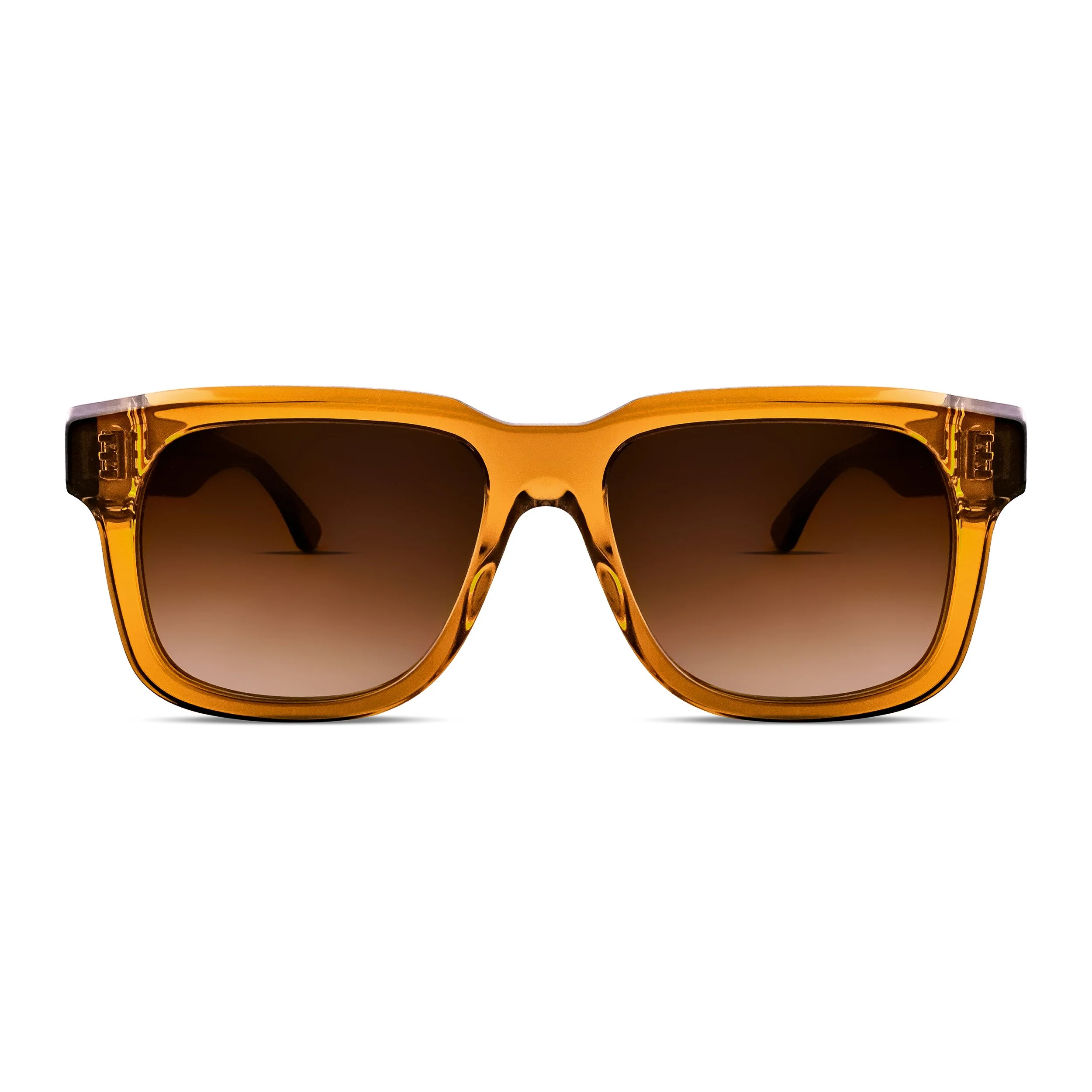
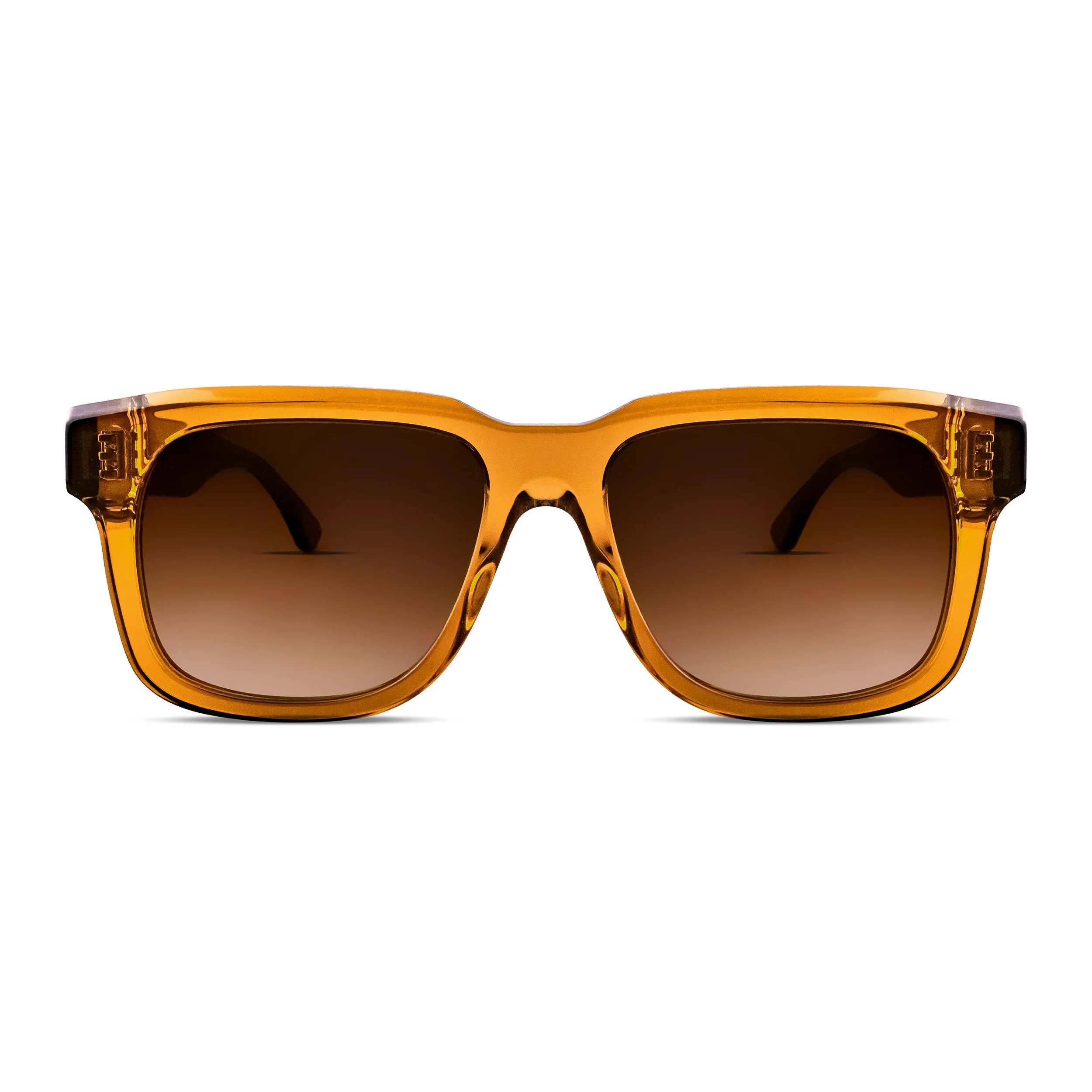
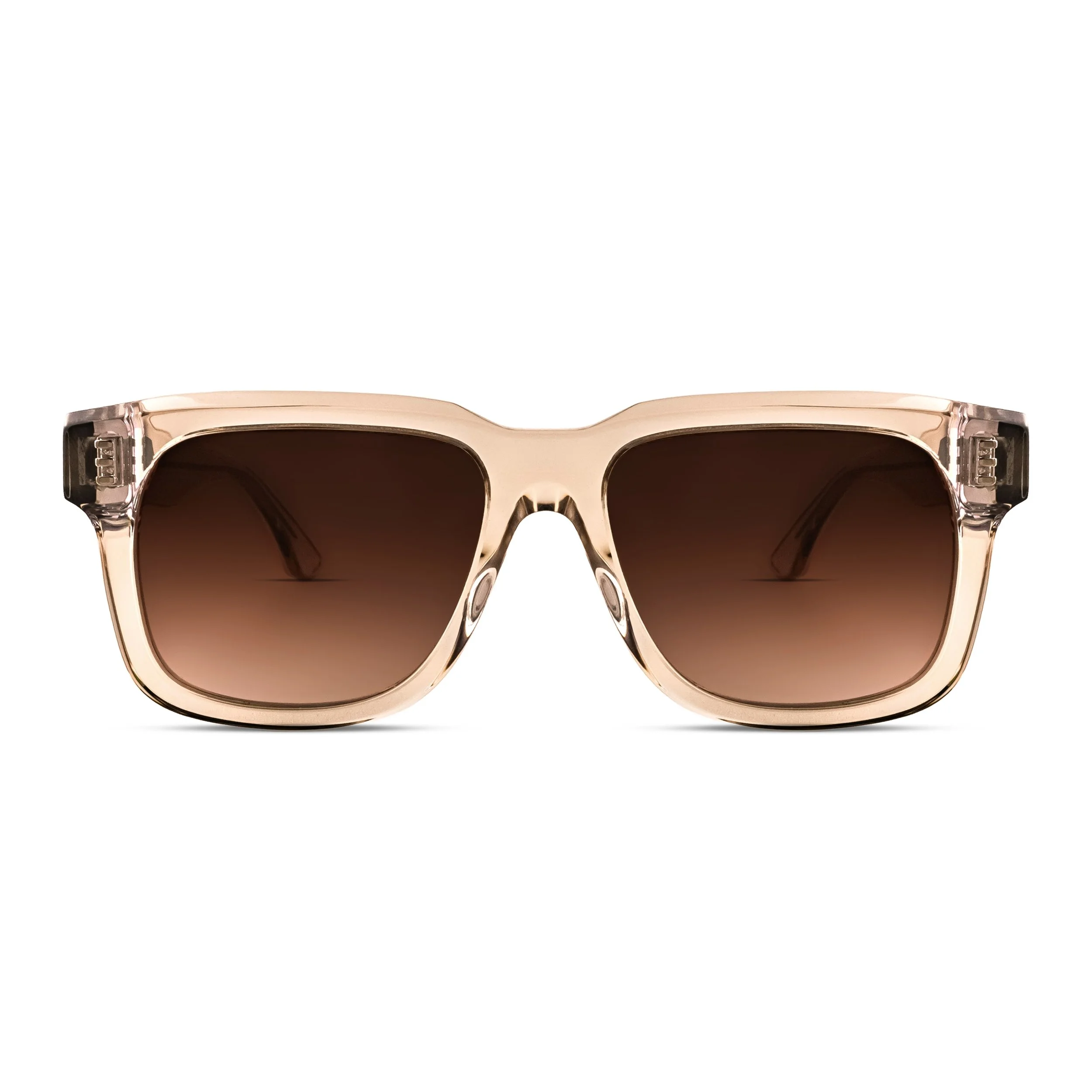
Part of that allure lies in Lasry’s approach to construction. His frames are not simply eyewear; they are objects of design. “I never wanted frames to just be a front and two temples,” he explains. “I wanted them to feel more architectural.”
Influenced by childhood hours spent building with LEGO, Lasry began experimenting with layered acetate, sculptural depth, and unexpected transparency.
“I started layering acetate, sculpting pieces together, playing with transparency—like tortoiseshell hidden inside smoky gray,”
he says.
“At the time, this was extremely complex to manufacture. Very few factories could do it.”
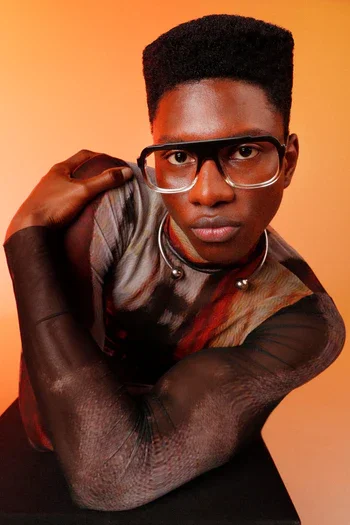
That technical ambition became part of the brand’s DNA. “Even today, some of the constructions we do are so complex that almost no one else can produce them,” he adds. The result is eyewear that feels substantial yet effortless—frames that carry presence without heaviness.
When Fashion’s Gatekeepers Took Notice
That distinctiveness did not go unnoticed. Early wholesale placement at Colette, Barneys, Bergdorf Goodman, Opening Ceremony, and Net-a-Porter gave the brand global credibility. Soon after came collaborations that further elevated Lasry’s standing—not as a trend-driven designer, but as a creative peer.
When Fendi approached him, it marked a pivotal moment. “They said, ‘You’ve created something recognizable without a logo,’” Lasry recalls. Working alongside Silvia Venturini Fendi in Rome, the collaboration became historic.
“What was special is that the collection was officially called Fendi x Thierry Lasry,”
he says.
“At the time, LVMH brands didn’t do that.”
For an independent eyewear designer, it was a validation of both vision and integrity—a recognition that true identity doesn’t need dilution to scale.

Casual Cool, By Design
Despite high-profile partnerships and global recognition, Thierry Lasry’s ethos remains grounded. He approaches collaborations with the same instinctive filter as his designs.
“For me, collaborations are always organic,”
he says.
“I never chase them. People come to me. If we vibe and our values align, we do something fun.”
That mindset explains projects as varied as Barbie, Arizona Iced Tea, Enfants Riches Déprimés, Rhude, and Paris Saint-Germain. Each speaks to a different audience, yet all carry the same underlying attitude: cool without effort, confidence without excess.
Ultimately, Lasry sees his brand as an extension of daily life rather than fashion theater. “I see the brand as a lifestyle brand,” he says.
“Fashion is part of daily life, and I want to keep surprising people, reaching new communities, and doing unexpected things.”
In an industry often obsessed with reinvention, Thierry Lasry’s power lies in consistency—of vision, of quality, of self. His eyewear doesn’t chase celebrity; it attracts it. And in that quiet confidence lives the epitome of casual cool.
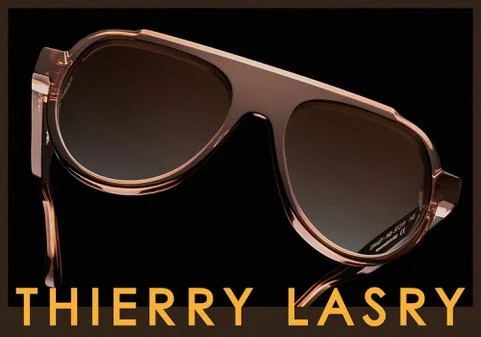
PAGE
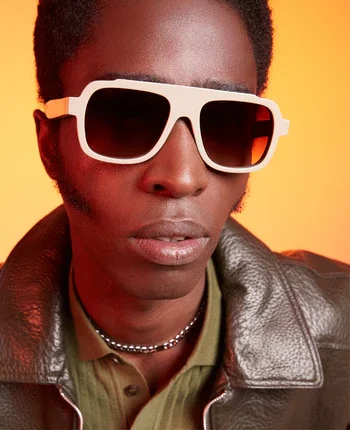
Sun Campaign, 2025:

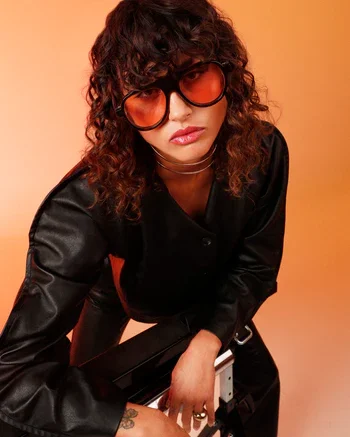


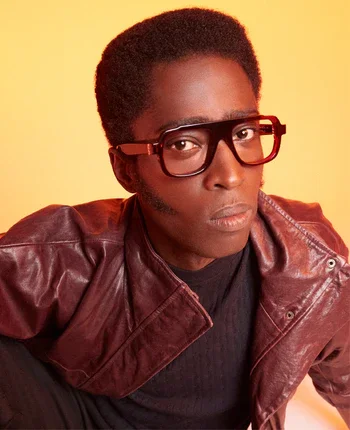
Optical Campaign, 2025:

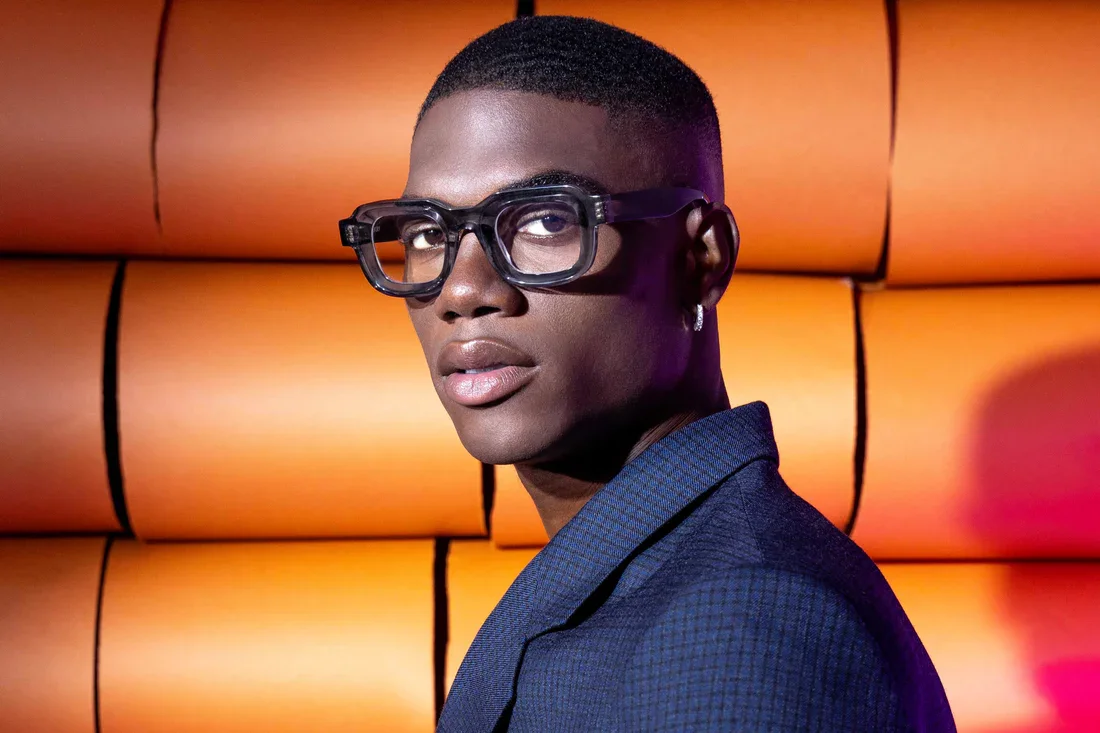
Optical Campaign, 2024:
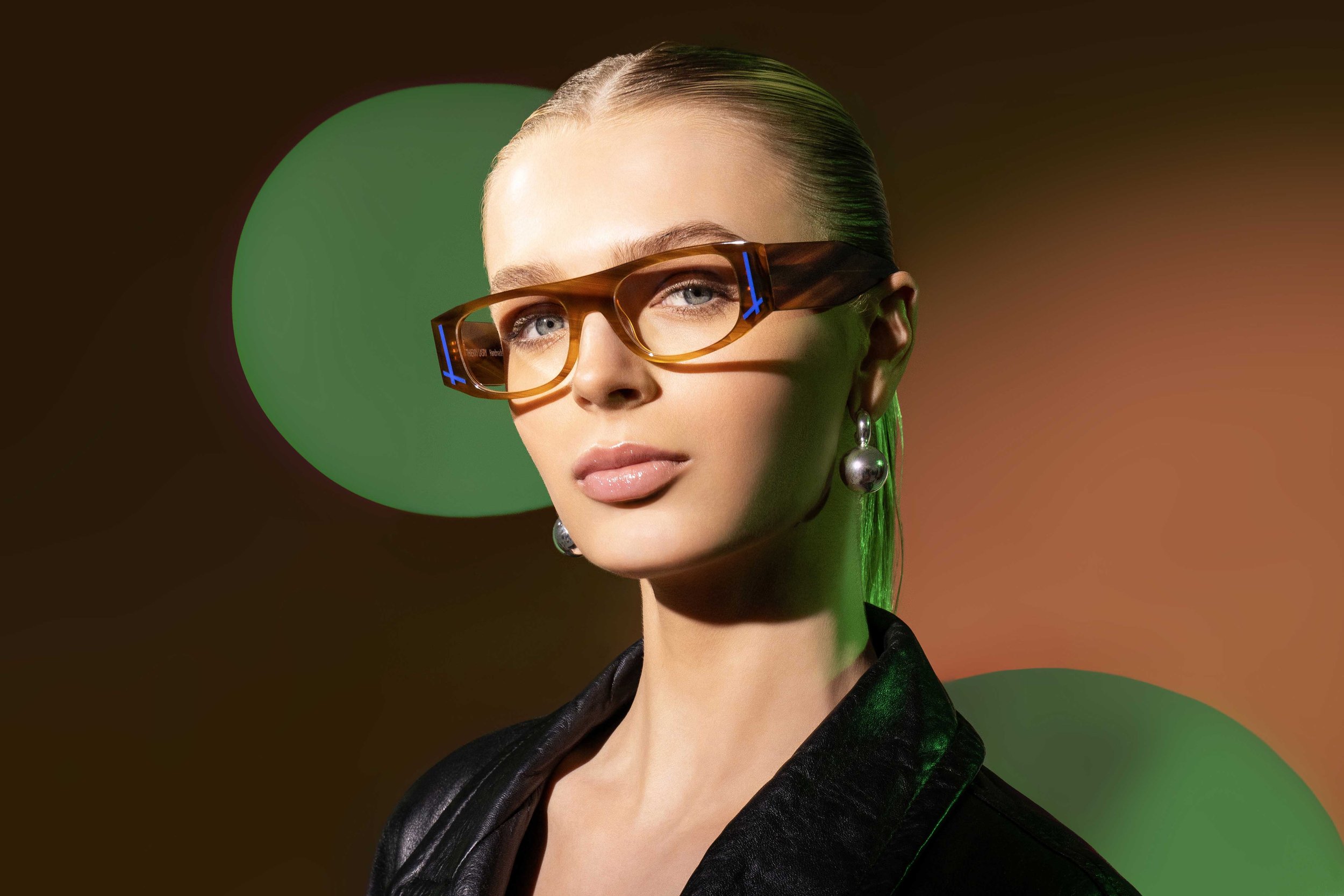
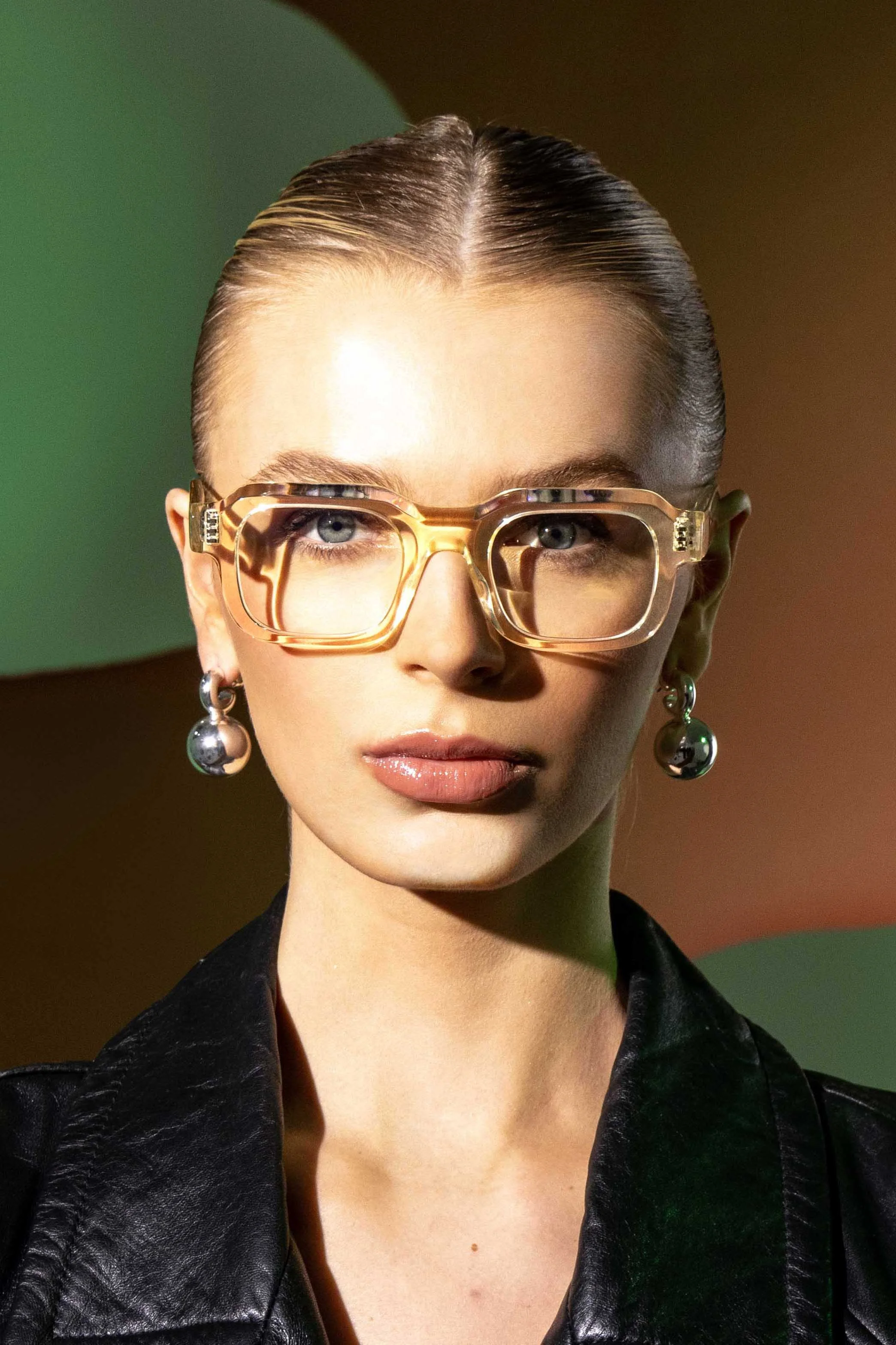
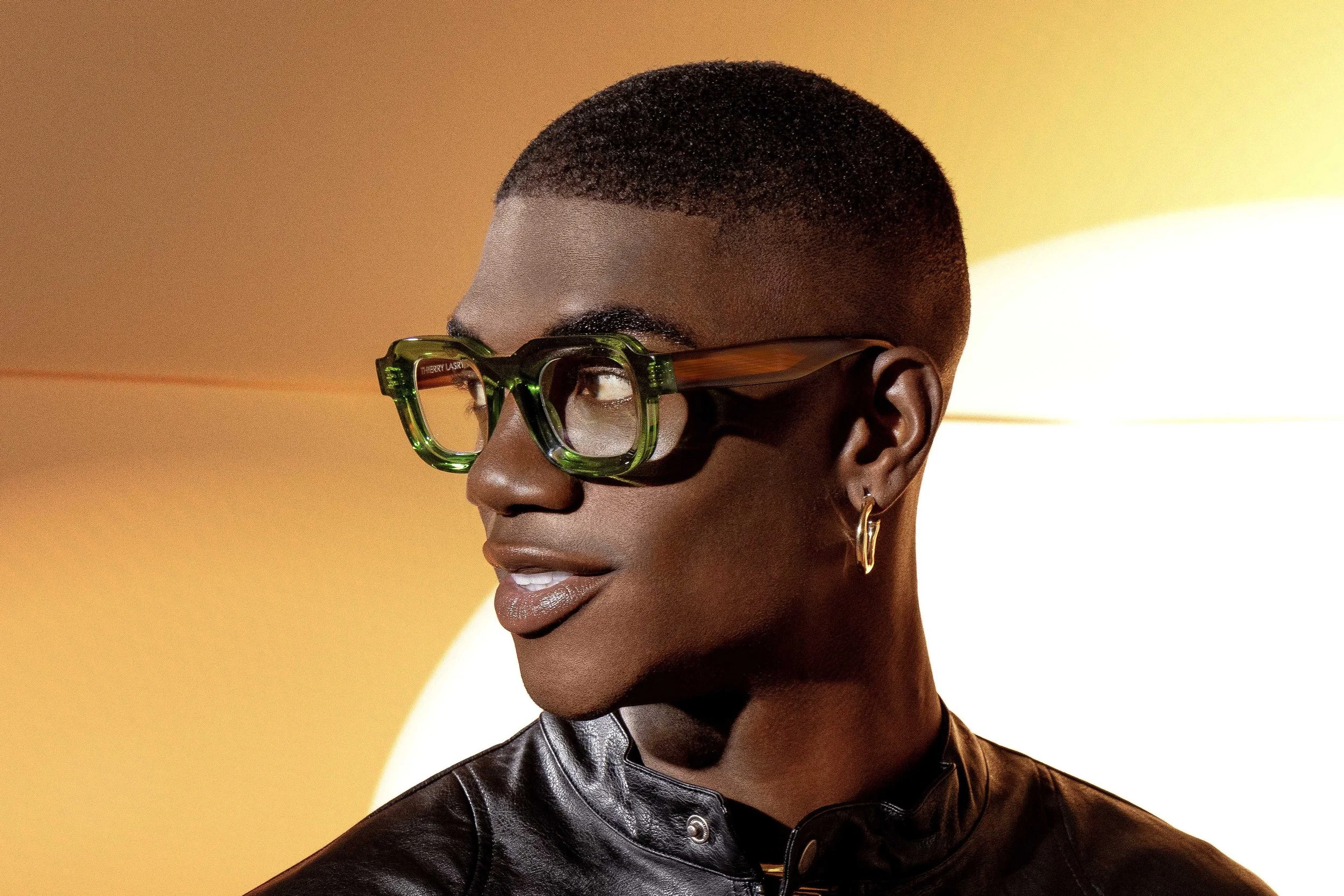
March drop, 2026:
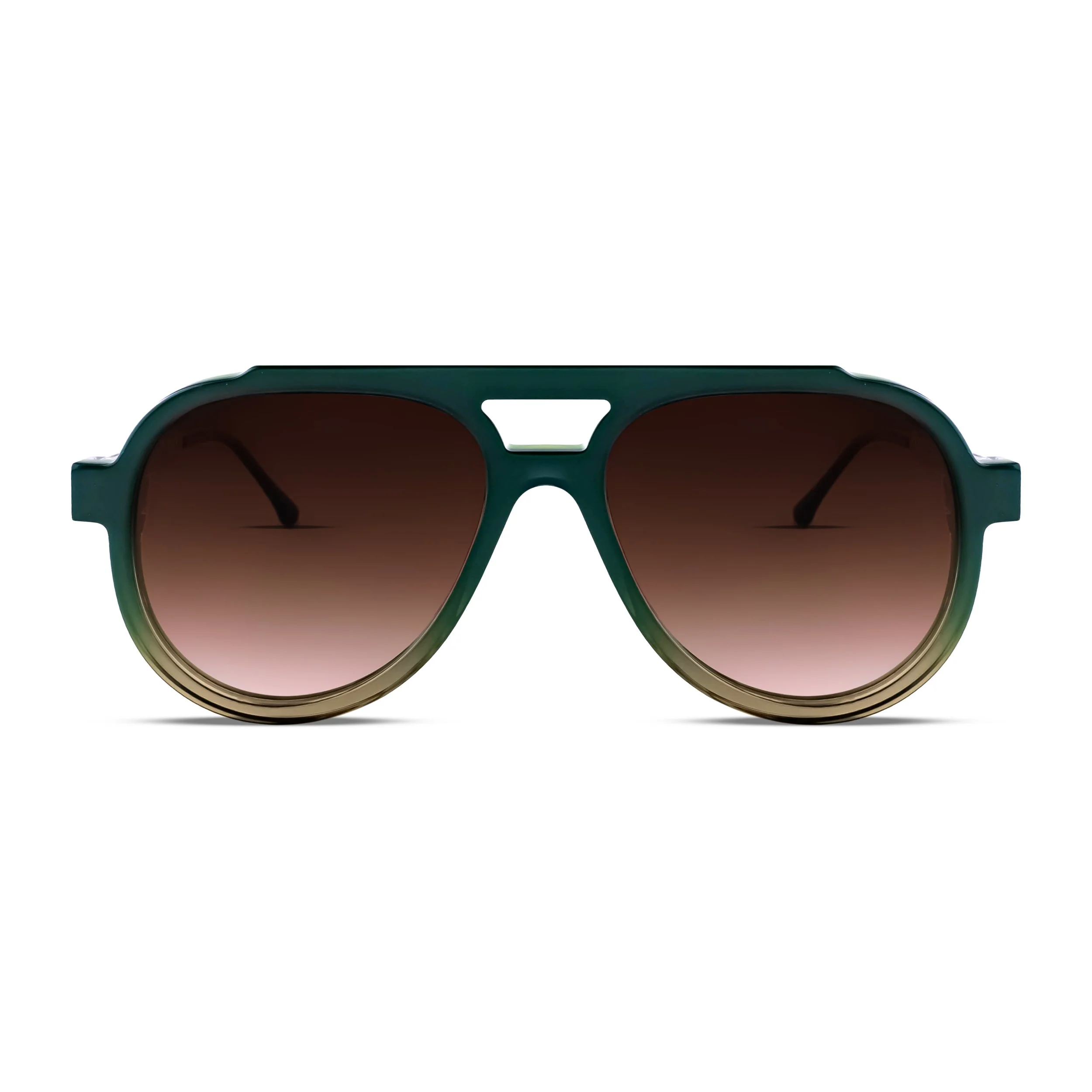
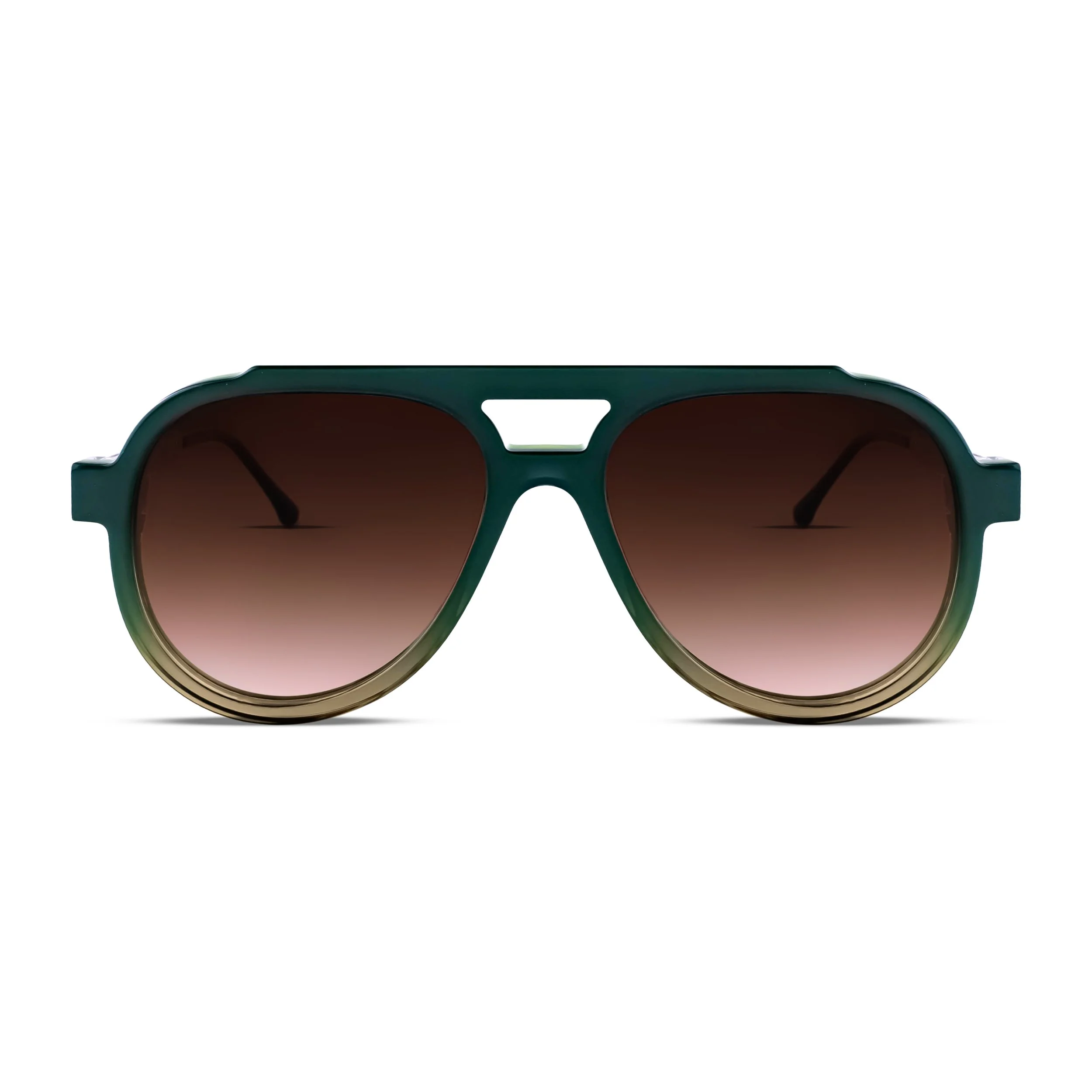
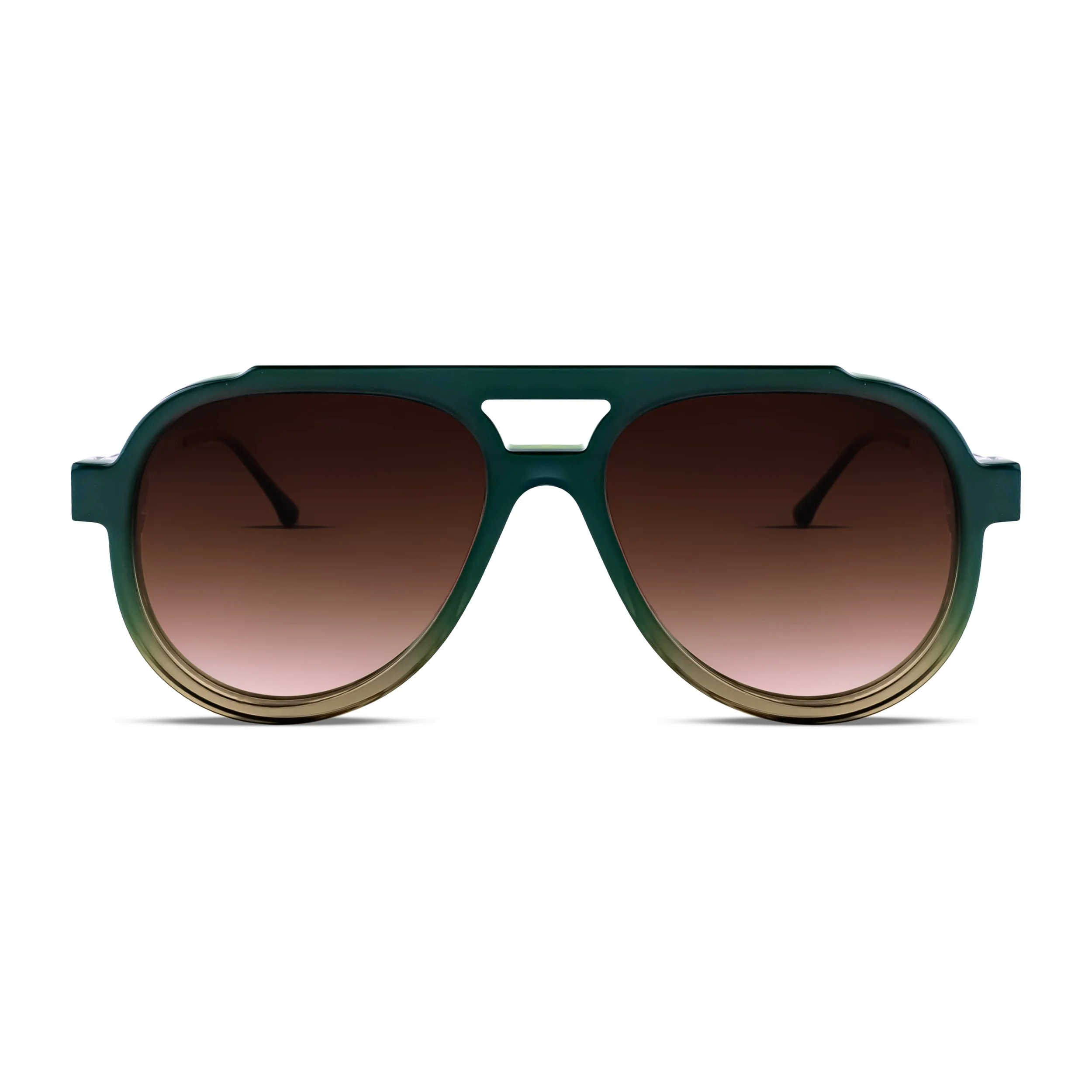
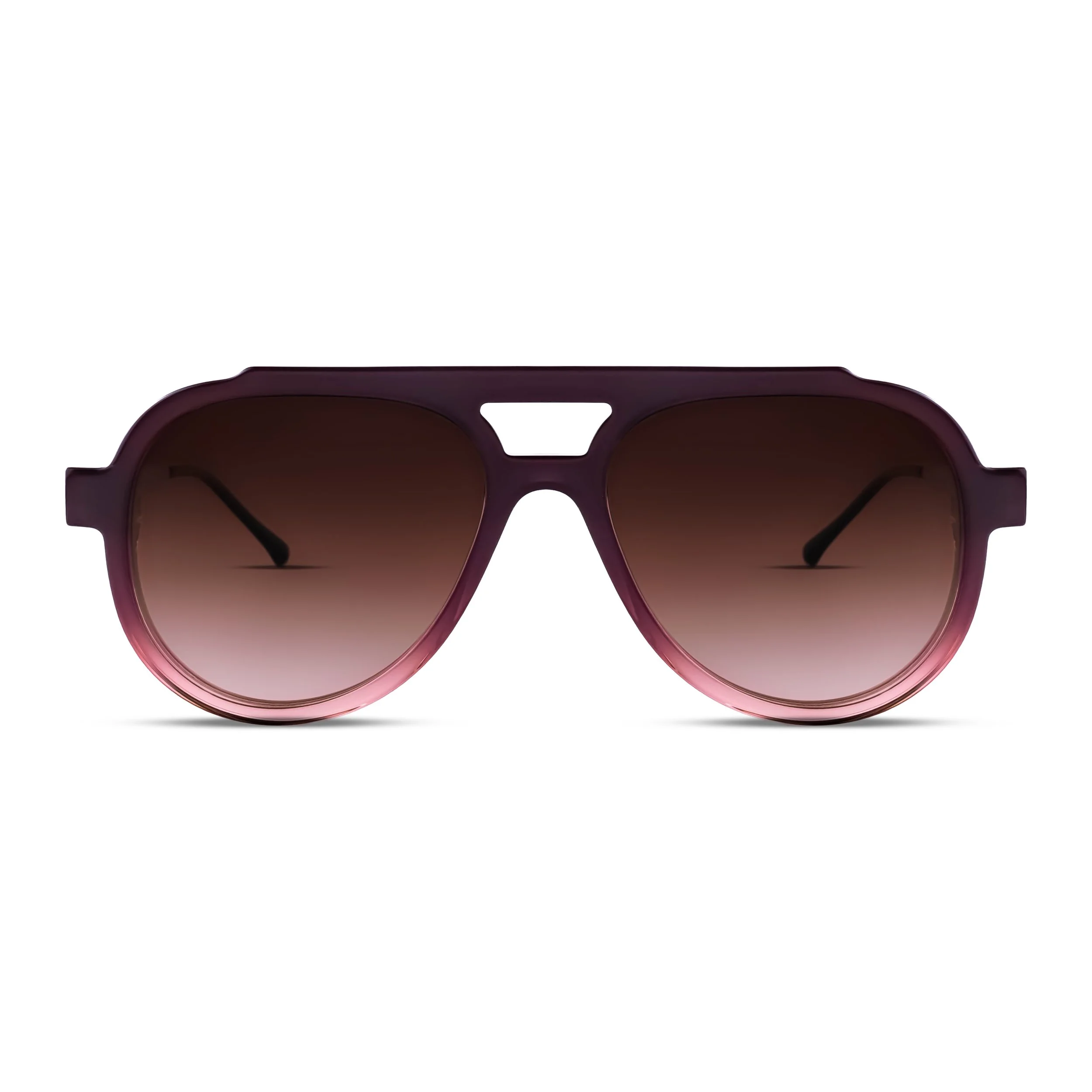
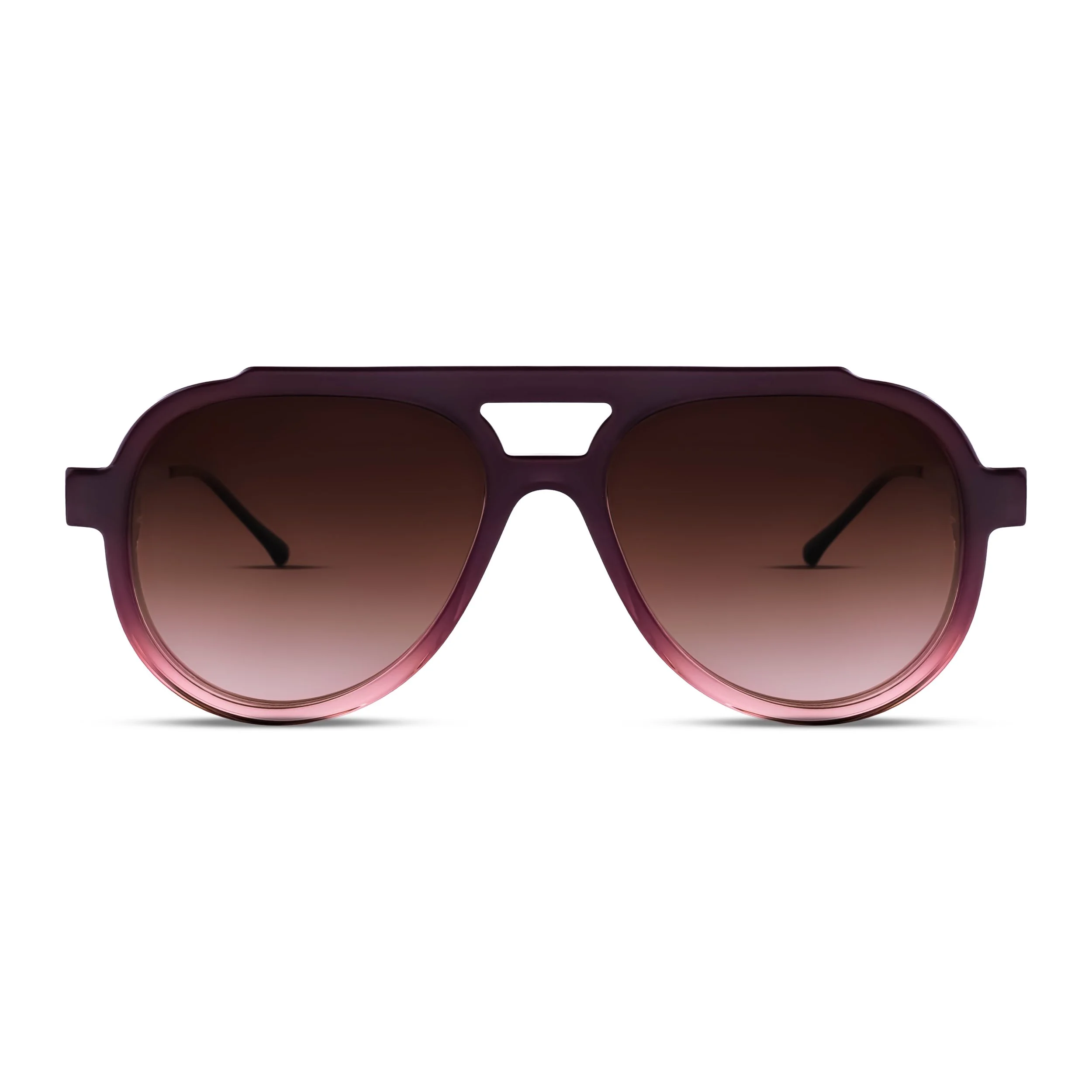
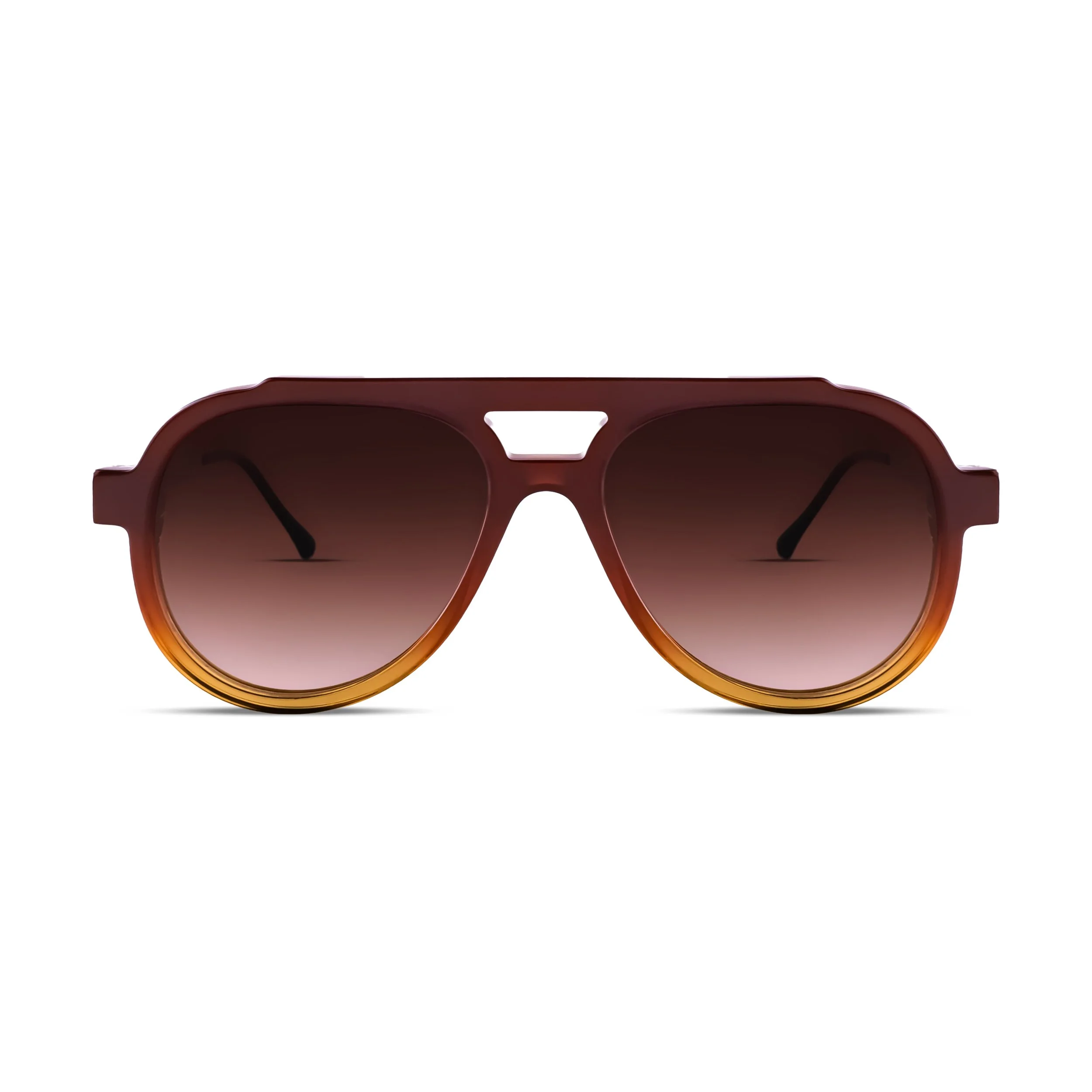
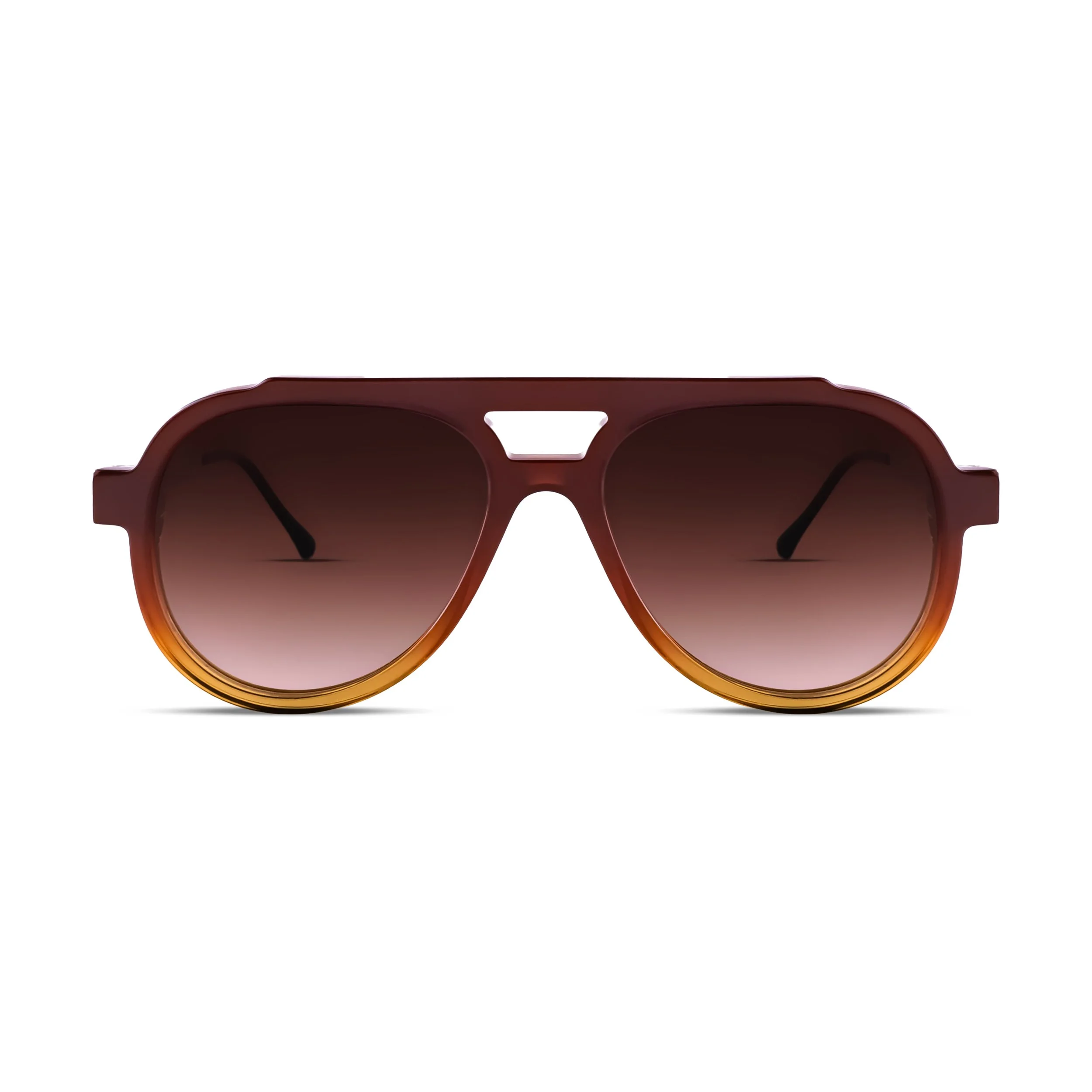
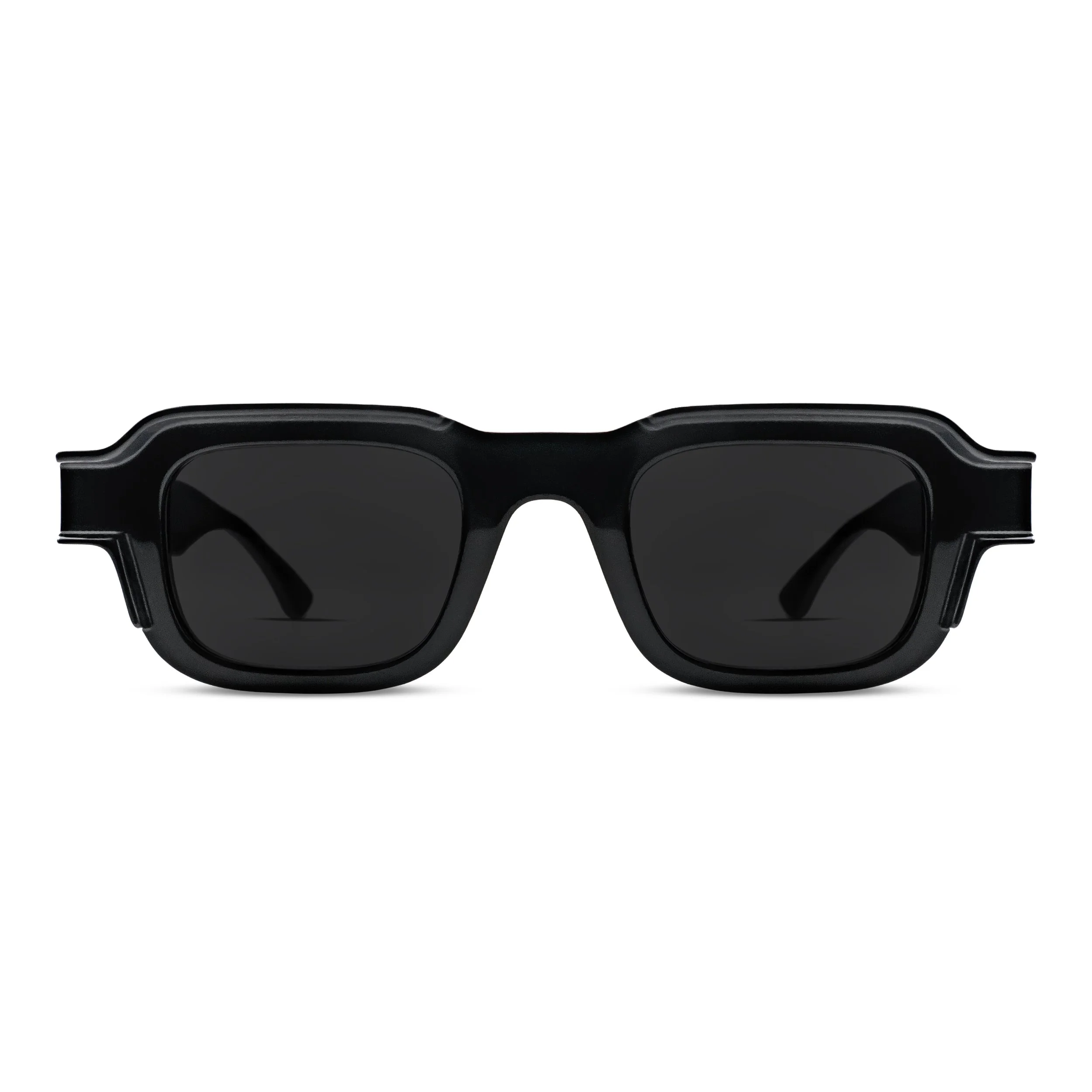
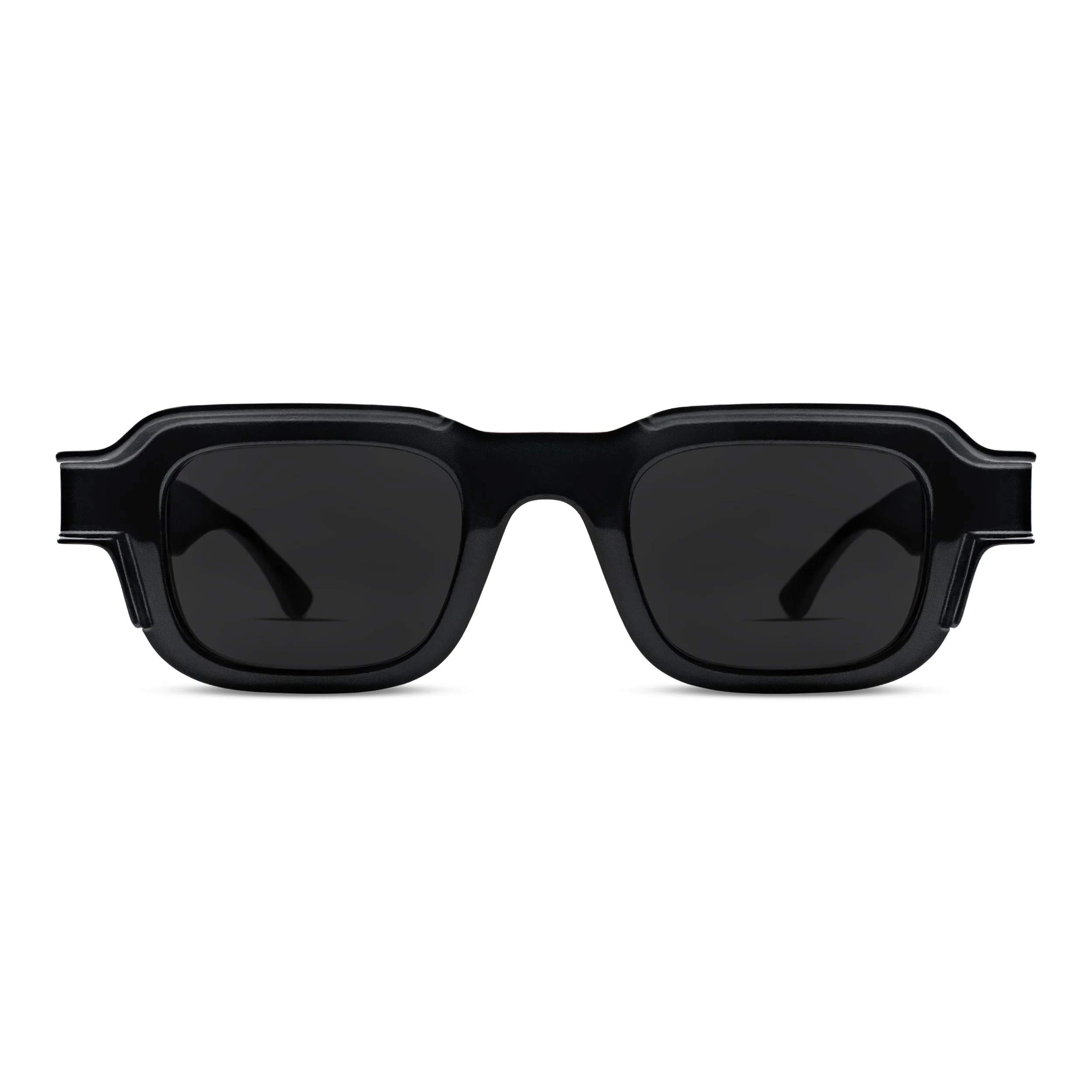
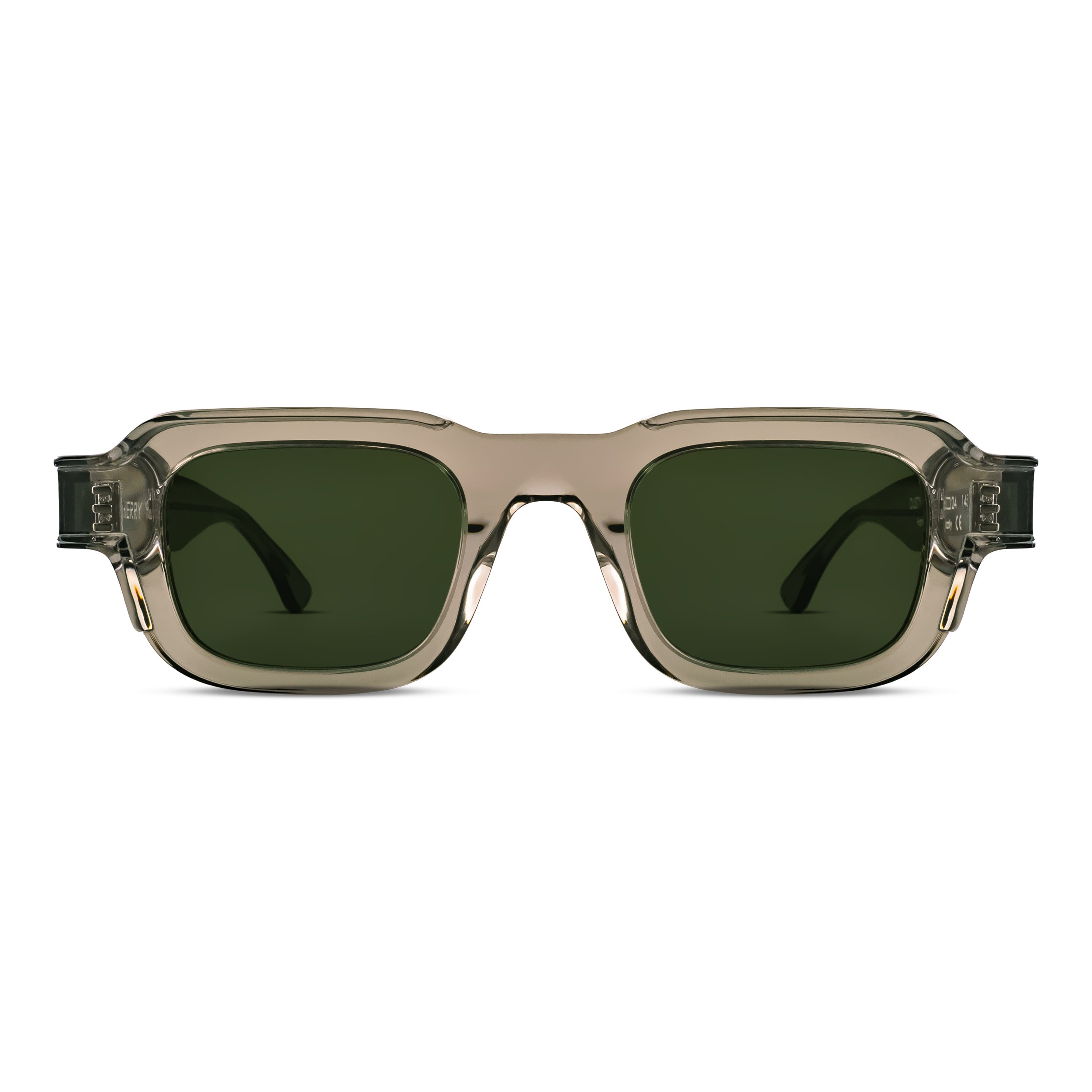
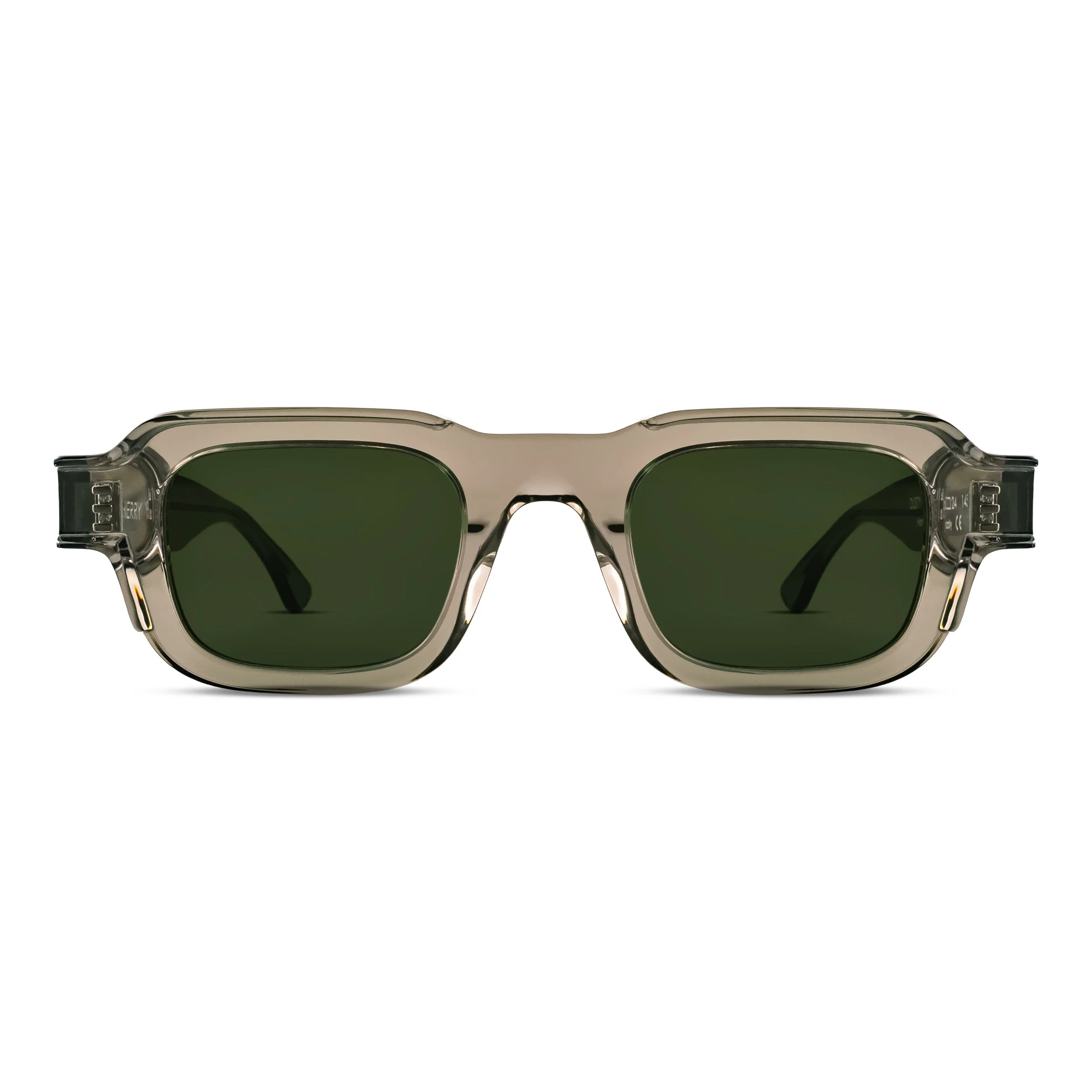
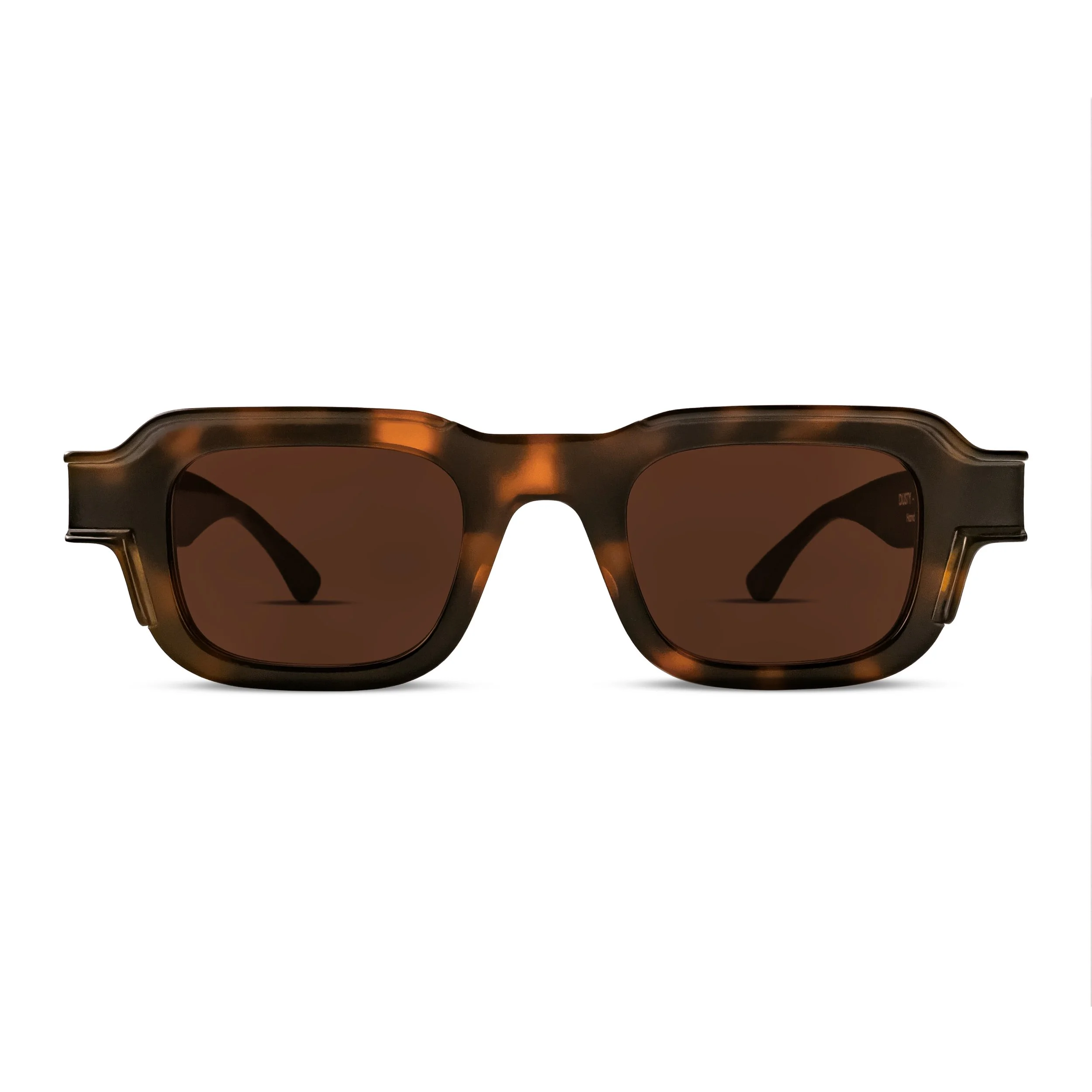
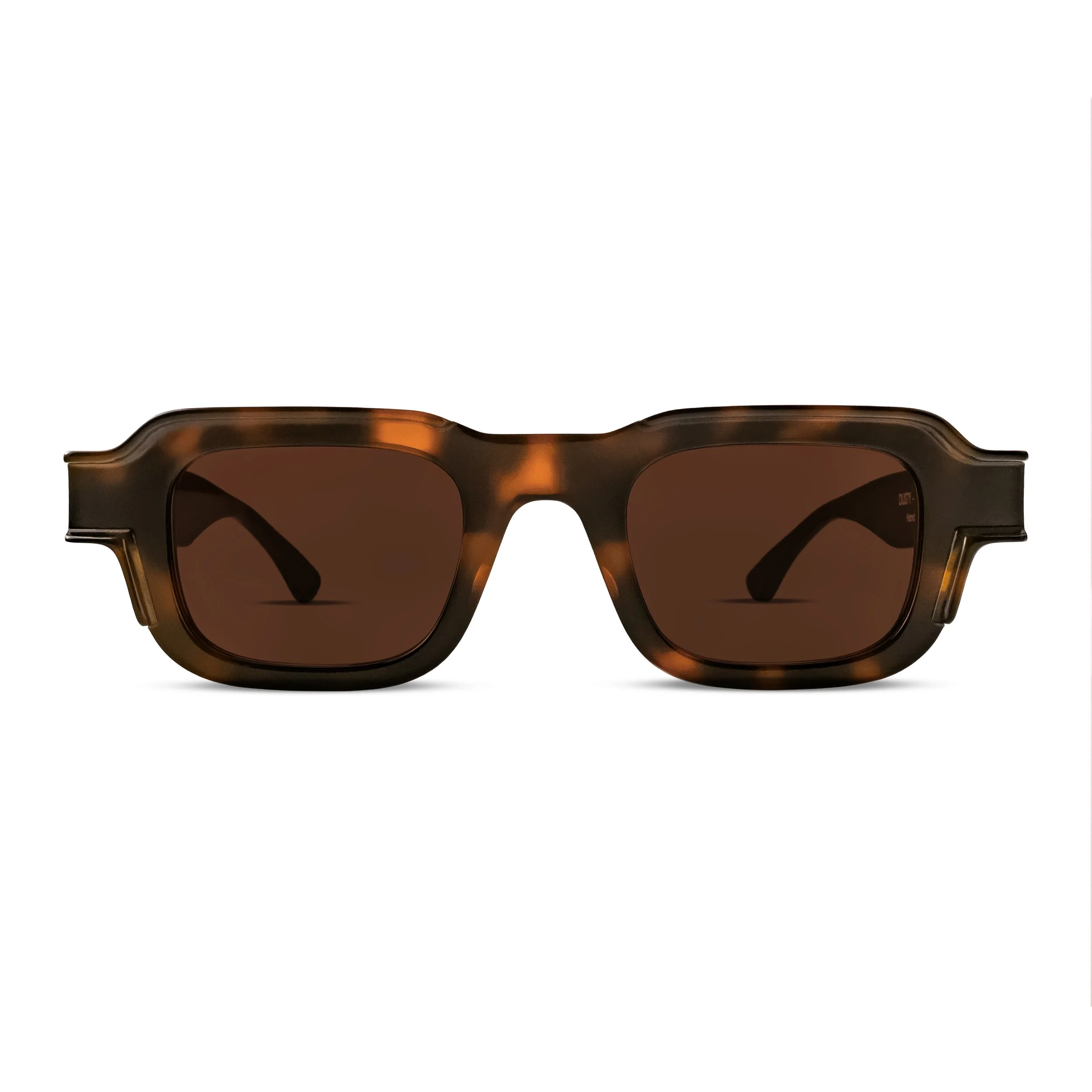
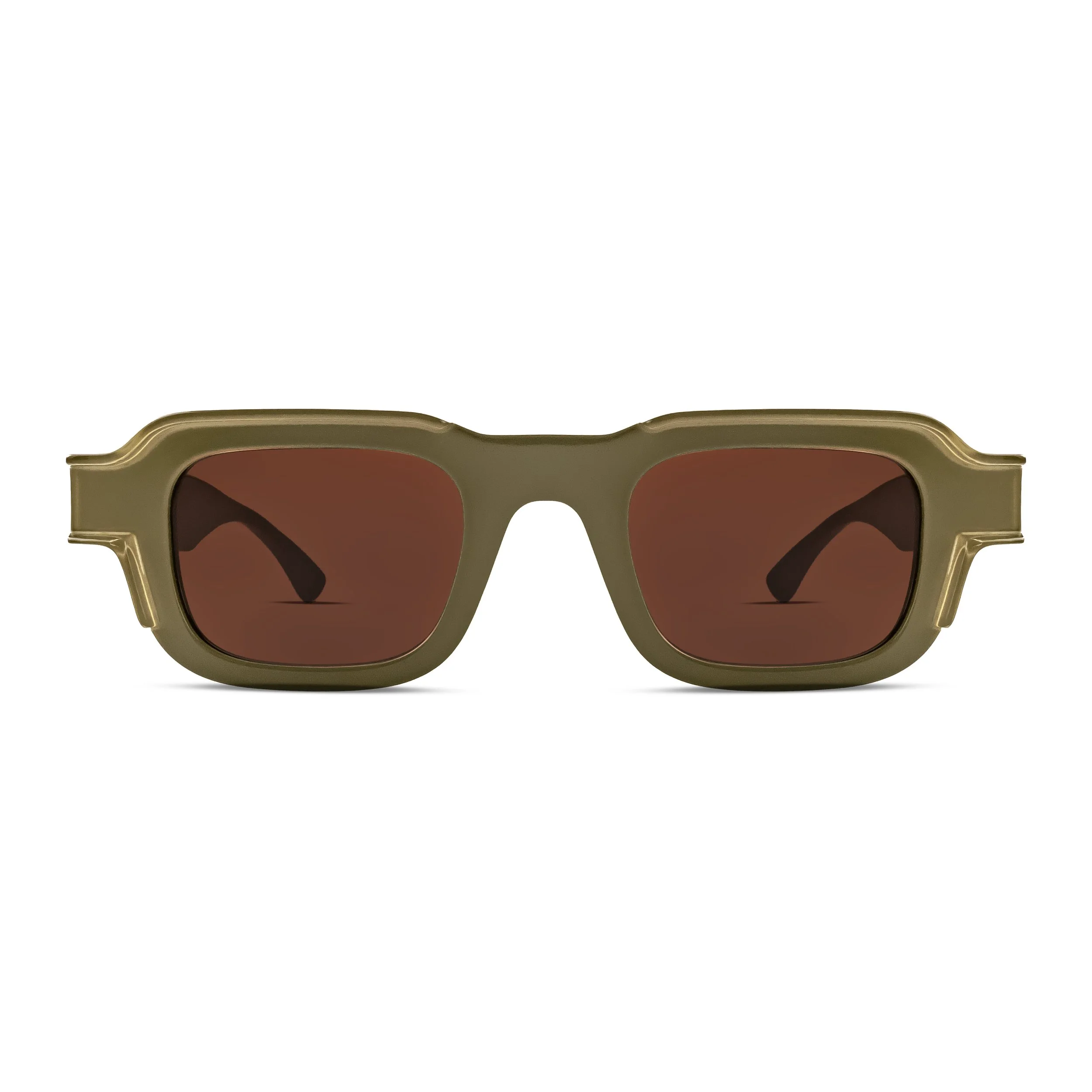
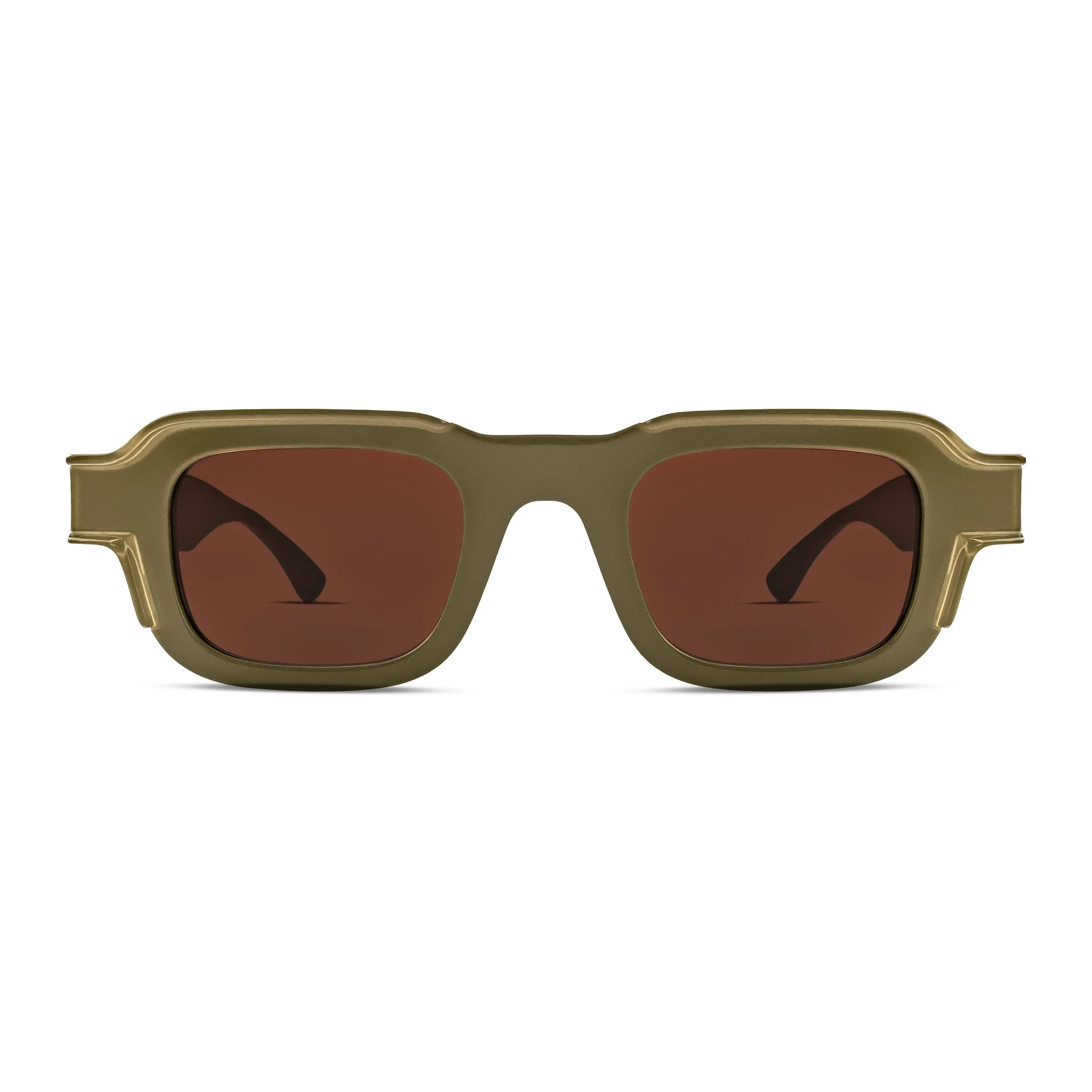
April drop, 2026:
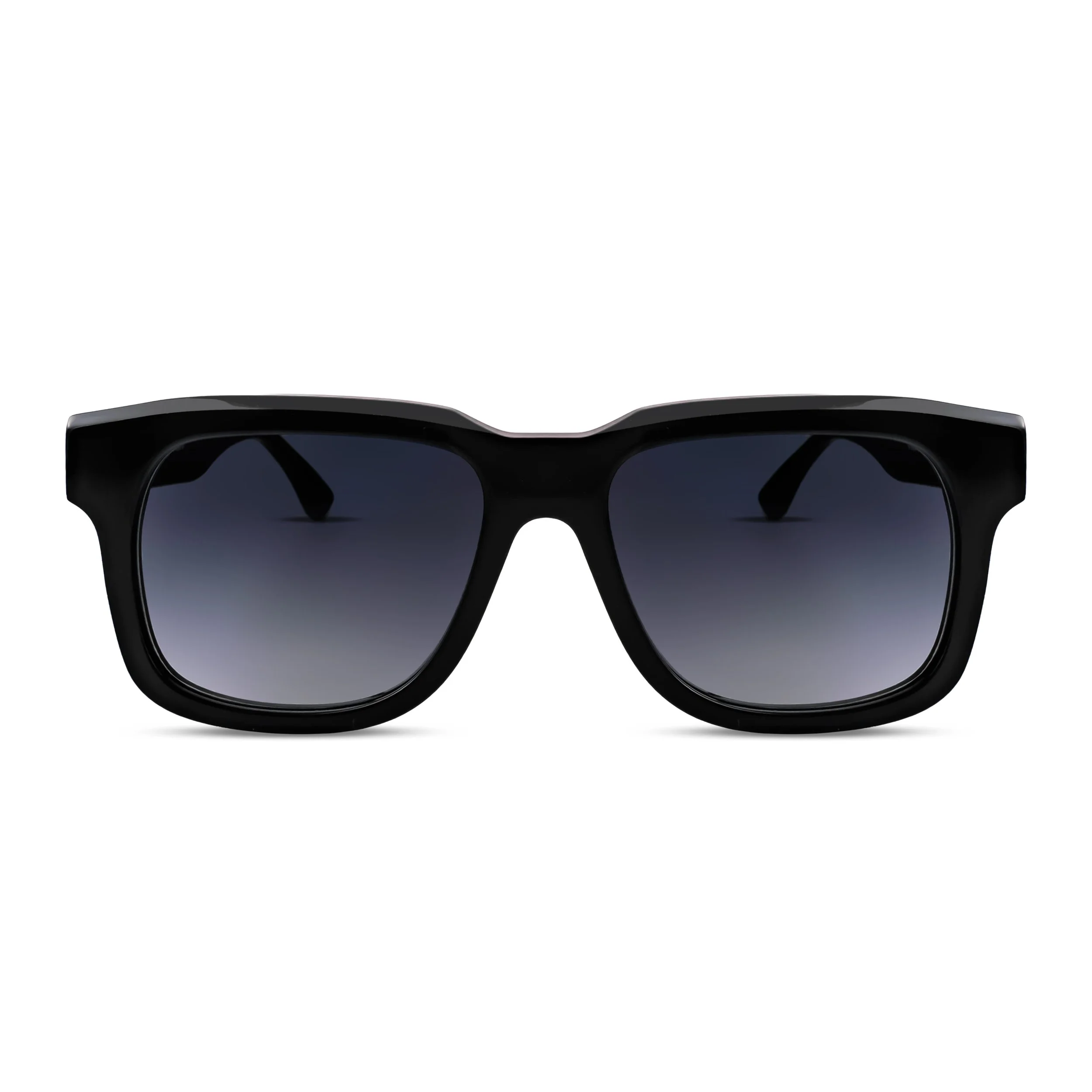
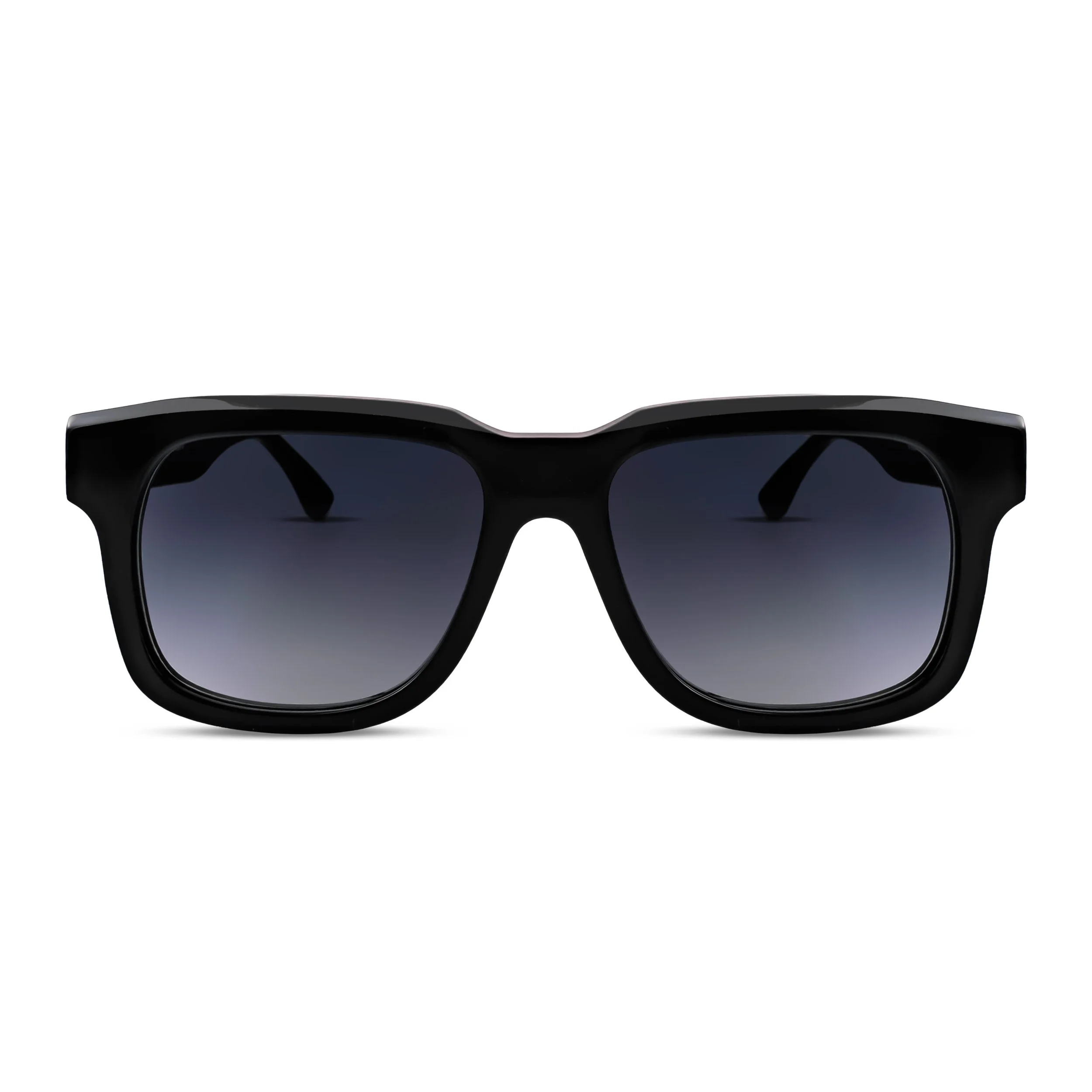
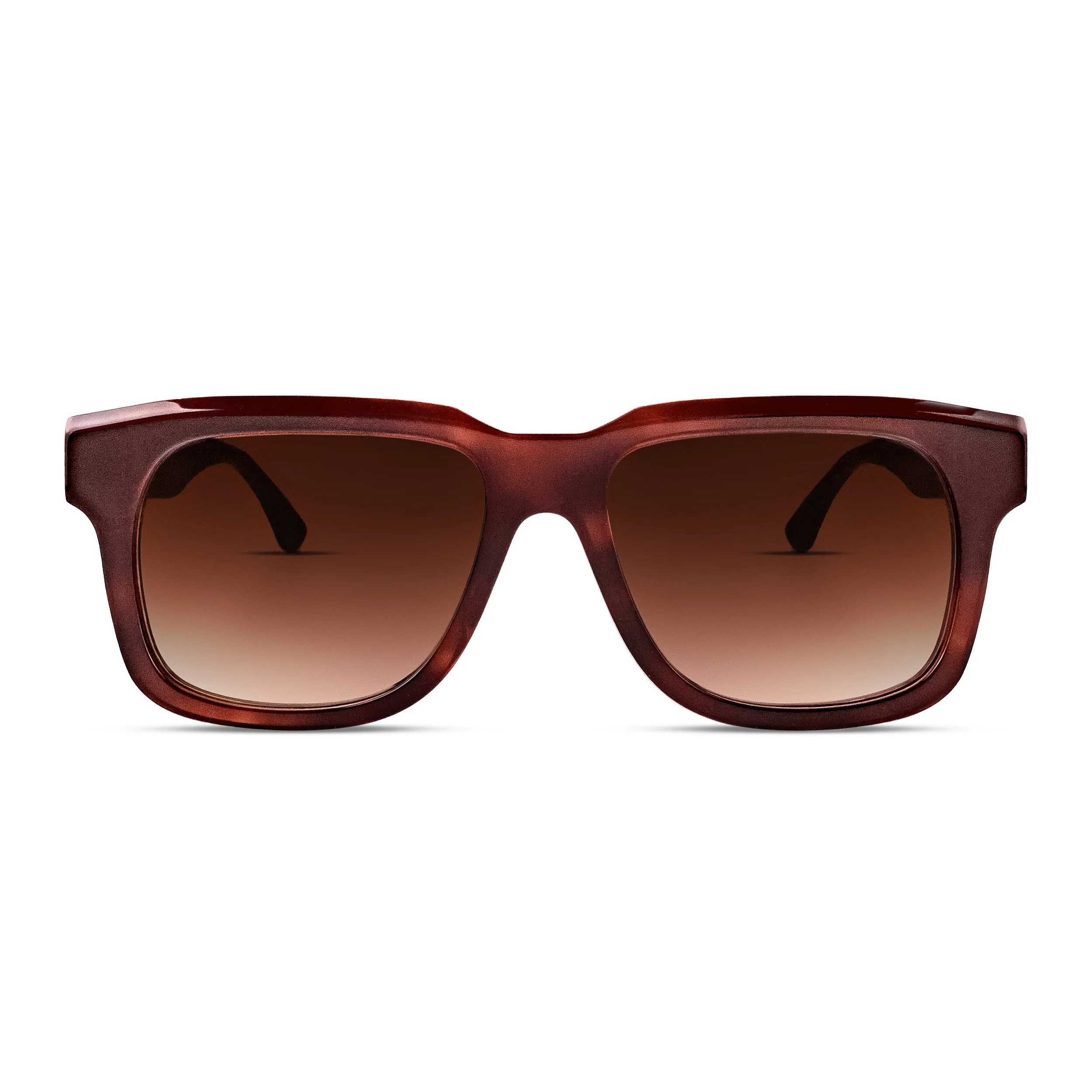
HOW DO YOU FEEL ABOUT FASHION?
COMMENT OR TAKE OUR PAGE READER SURVEY
Featured




Deep clean, seal, and protect your tile & grout in Oceanside, CA. Bring the original shine back to your floors. Request a quote today!