
Watches & Wonders 2026: Where Time Expands Beyond Earth and Design Becomes Destiny
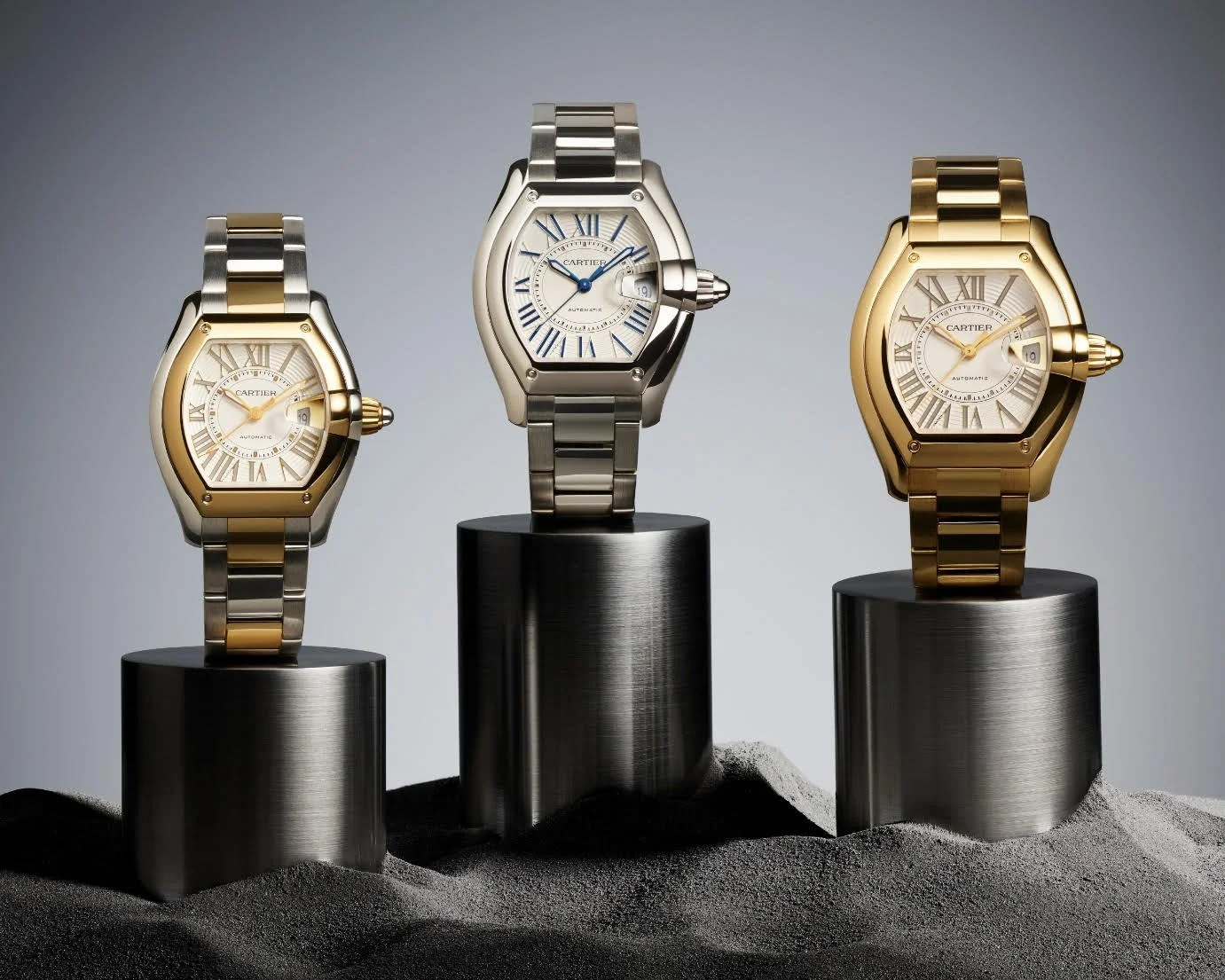
Cartier
By PAGE Editor
At Watches & Wonders Geneva 2026, the industry’s most influential maisons did more than unveil novelties—they reframed the very language of timekeeping. Across Geneva, a clear narrative emerged: heritage is no longer static, and innovation is no longer confined to mechanics. Instead, 2026 finds watchmaking operating at the intersection of culture, engineering, and speculative future-building.
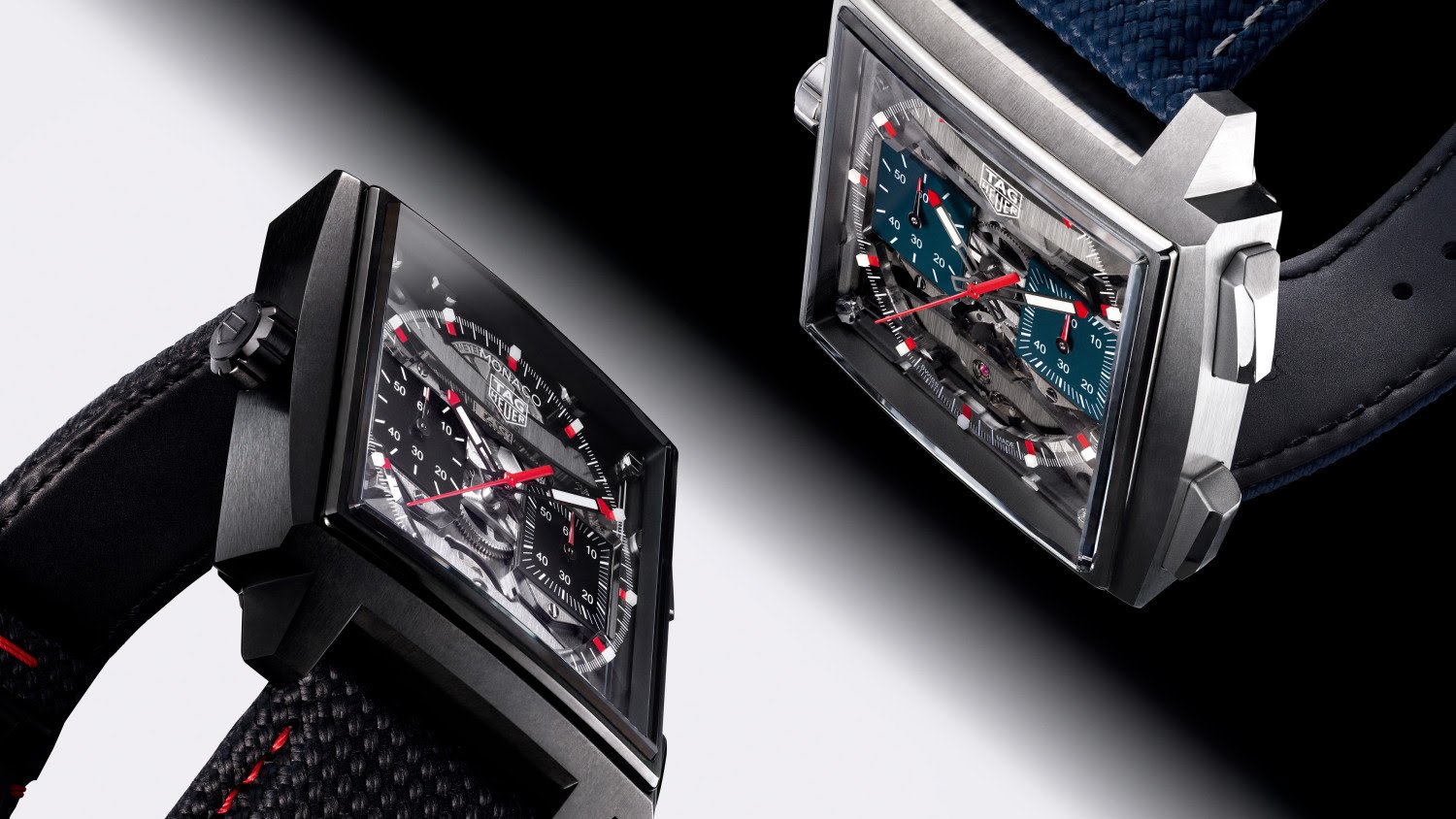
TAG Heuer
Cartier: The Enduring Power of Shape
At the center of this year’s conversation is Cartier, a maison that continues to assert its authorship over form. Long before the industry’s current fixation on design language, Cartier built its identity around silhouette—square, rectangular, oval—treating the watch as both instrument and object.
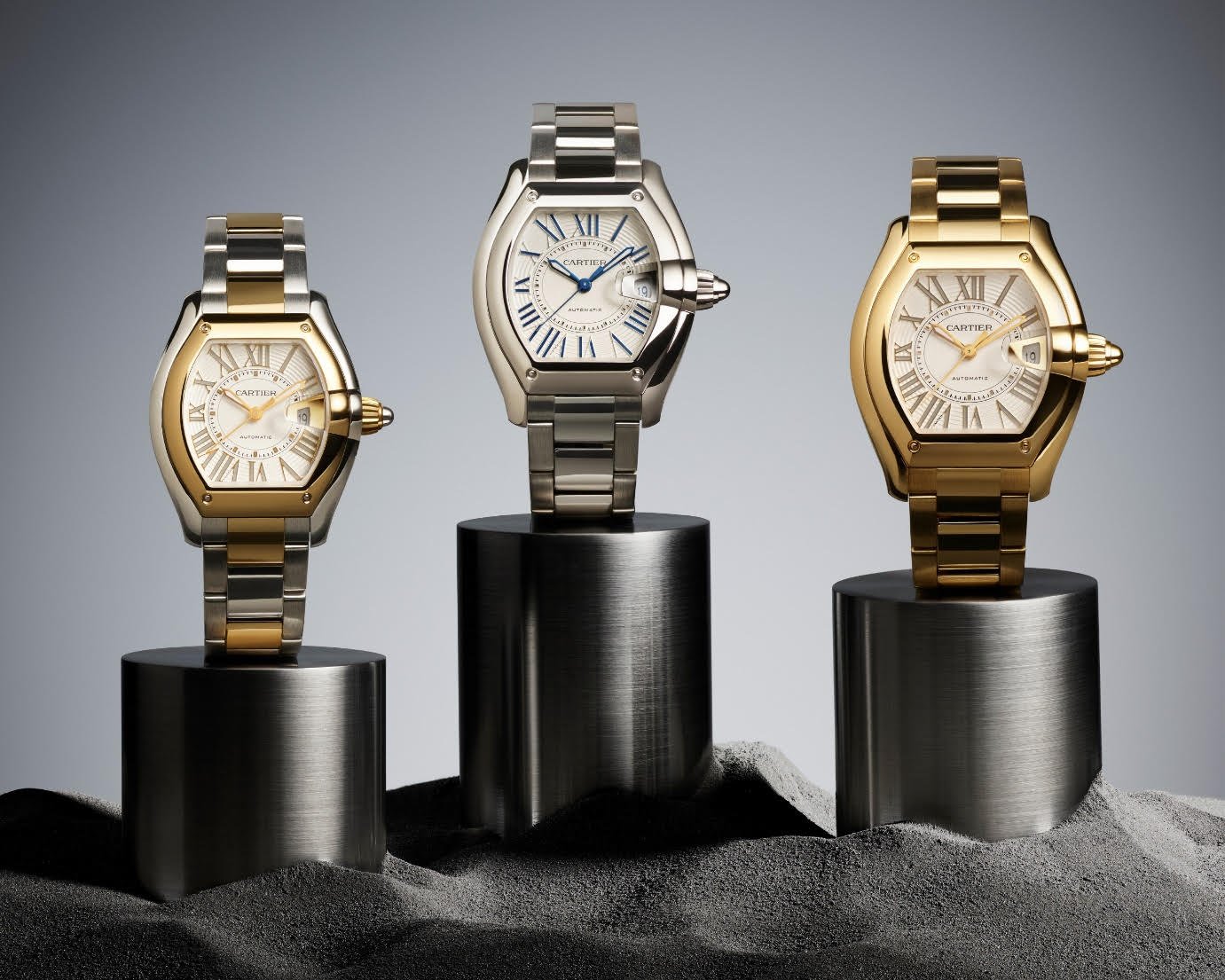
The return of the Roadster signals more than revival; it’s a recalibration. Reengineered through a network of over 100 specialized métiers, the piece reflects Cartier’s ongoing commitment to bespoke craftsmanship at scale. Alongside it, the Cartier Privé collection, Santos-Dumont, Tortue, and Baignoire reinforce a thesis Cartier has long championed: that innovation can be expressed through proportion as much as complication.
In a landscape chasing technical extremes, Cartier’s restraint reads as strategy—precision through design, not excess.
At Cartier, design remains the complication.
Roadster (2026 Relaunch):
A tonneau-shaped sports watch with an automotive-inspired dial, refined proportions, improved ergonomics, and updated automatic movements (1847 MC / 1899 MC). Features include a magnified date window, Super-LumiNova hands, and enhanced finishing.Santos-Dumont:
Ultra-thin case paired with a newly engineered multi-link bracelet (1.15mm links), delivering rare fluidity and wearability.Tortue:
Softer, rounded reinterpretation of the historic curved case, with embossed dials and high jewelry executions including pavé diamonds.Baignoire:
Defined by a full Clous de Paris texture across dial and case, transforming a minimalist oval watch into a sculptural object.Myst de Cartier:
A high-jewelry timepiece featuring hundreds of diamonds and micro-dials, with over 100 hours dedicated to gem-setting alone.
Bremont: Extending Time Beyond Earth
If Cartier anchors the conversation in heritage, Bremont pushes it into orbit—literally.
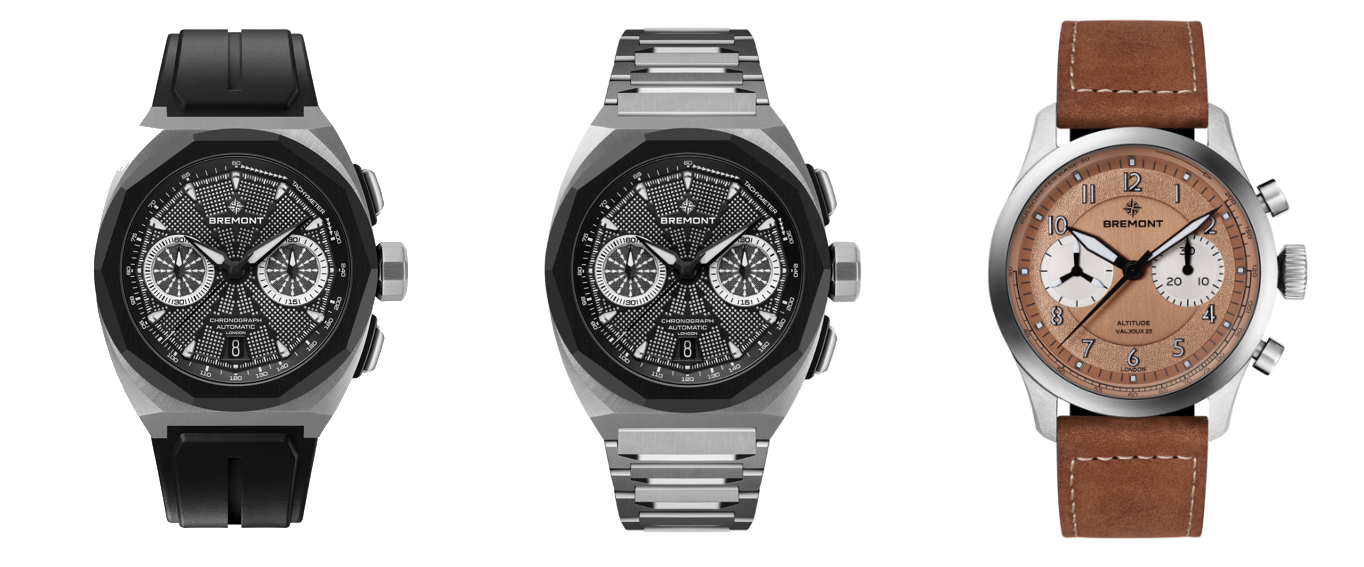
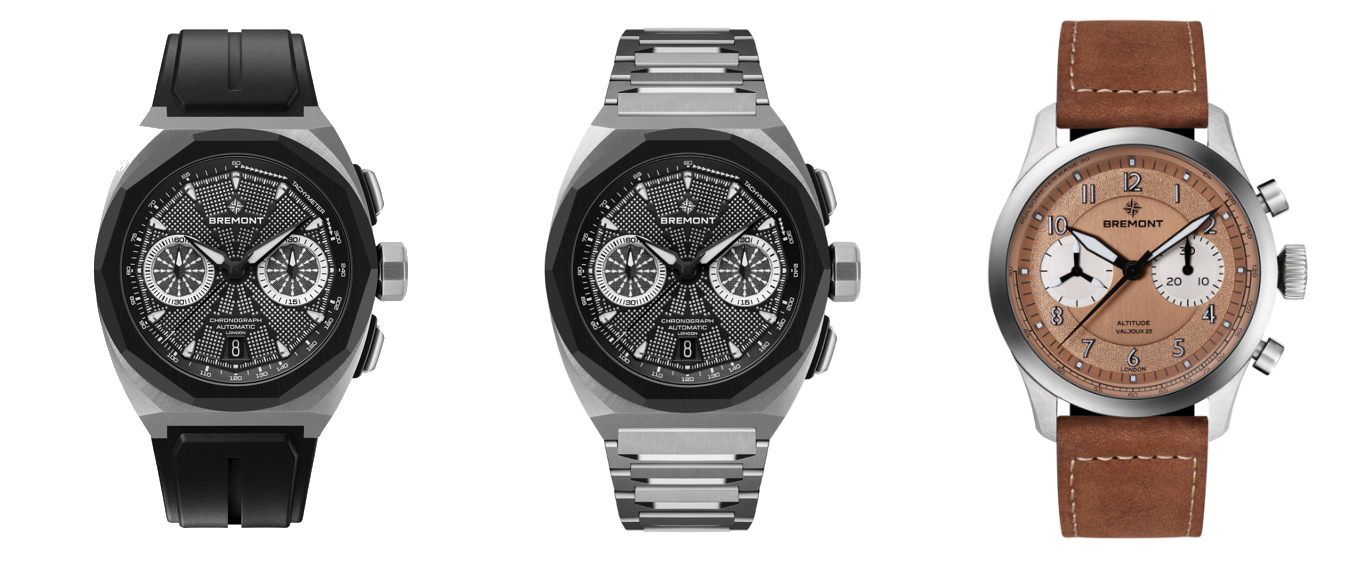
In collaboration with Astrolab, Bremont will place the Supernova Chronograph on the Moon via the FLIP rover, marking the first time a watch will remain on the lunar surface as a permanent artifact. Timed alongside global efforts led by NASA to establish Coordinated Lunar Time, the moment signals a profound shift: timekeeping is no longer Earth-bound.
The Supernova itself embodies this ambition. With a geometric, spacecraft-inspired architecture and a chronometer-rated movement, it introduces a new “Space” category within Bremont’s portfolio—an evolution of its Sea, Land, and Air framework. Meanwhile, the Altitude Chronograph Pulsograph offers a counterpoint, pairing a rare Valjoux 23 movement with contemporary finishing, collapsing decades of horological history into a single reference.
Together, they reflect a duality shaping modern watchmaking: forward propulsion grounded in archival reverence.
Roger Dubuis: Celestial Complexity Meets Narrative
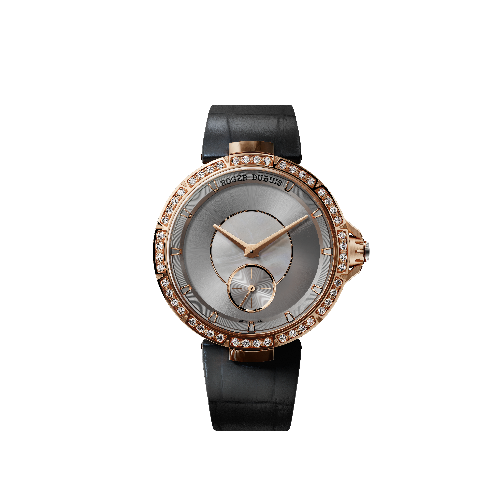
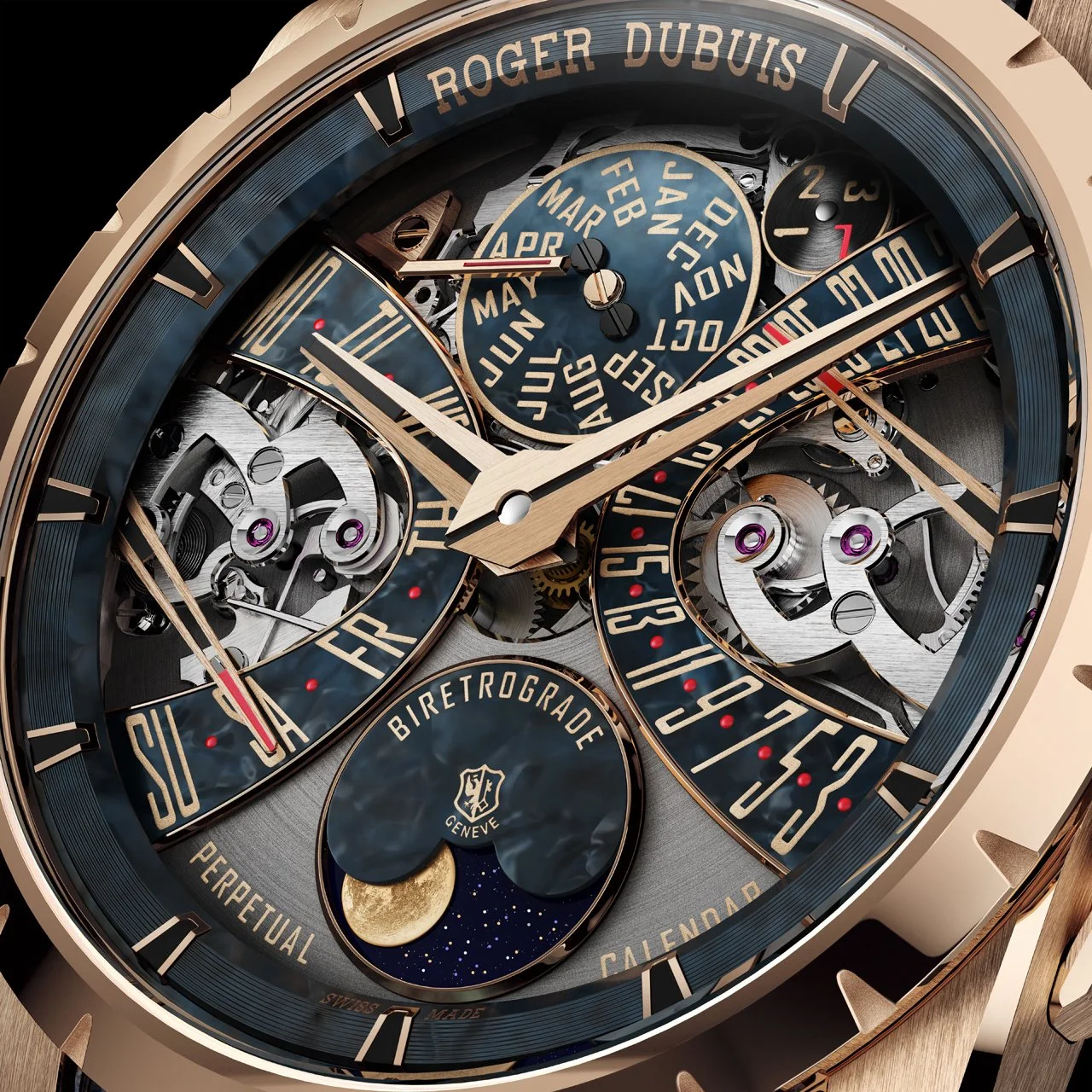
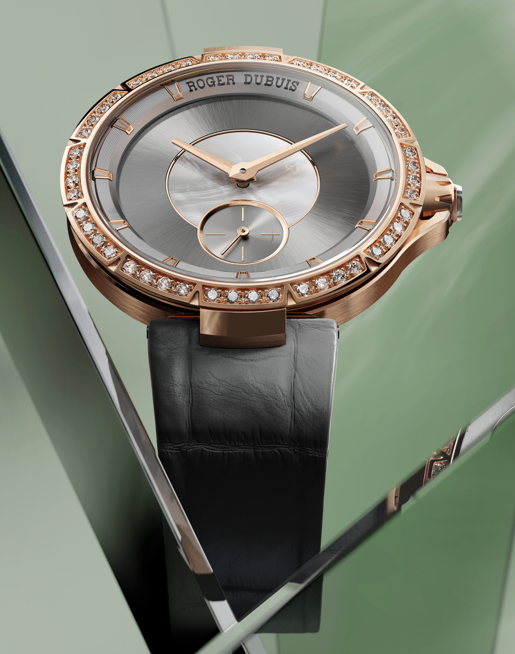
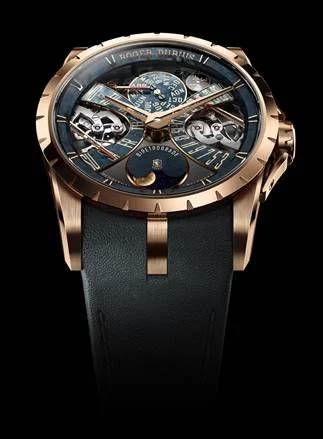
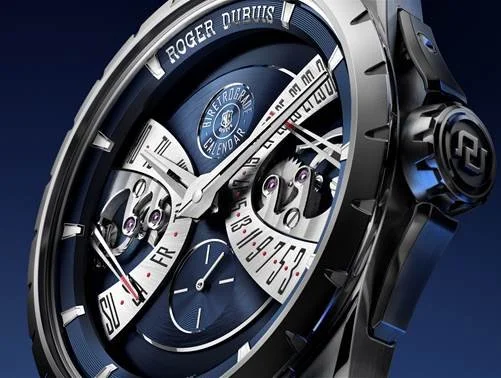
At Roger Dubuis, time becomes both technical pursuit and storytelling medium. The Excalibur Biretrograde Perpetual Calendar—anchored by the new RD850 calibre—demonstrates mastery over one of horology’s most complex complications, now enhanced with an astronomical moonphase accurate for over a century.
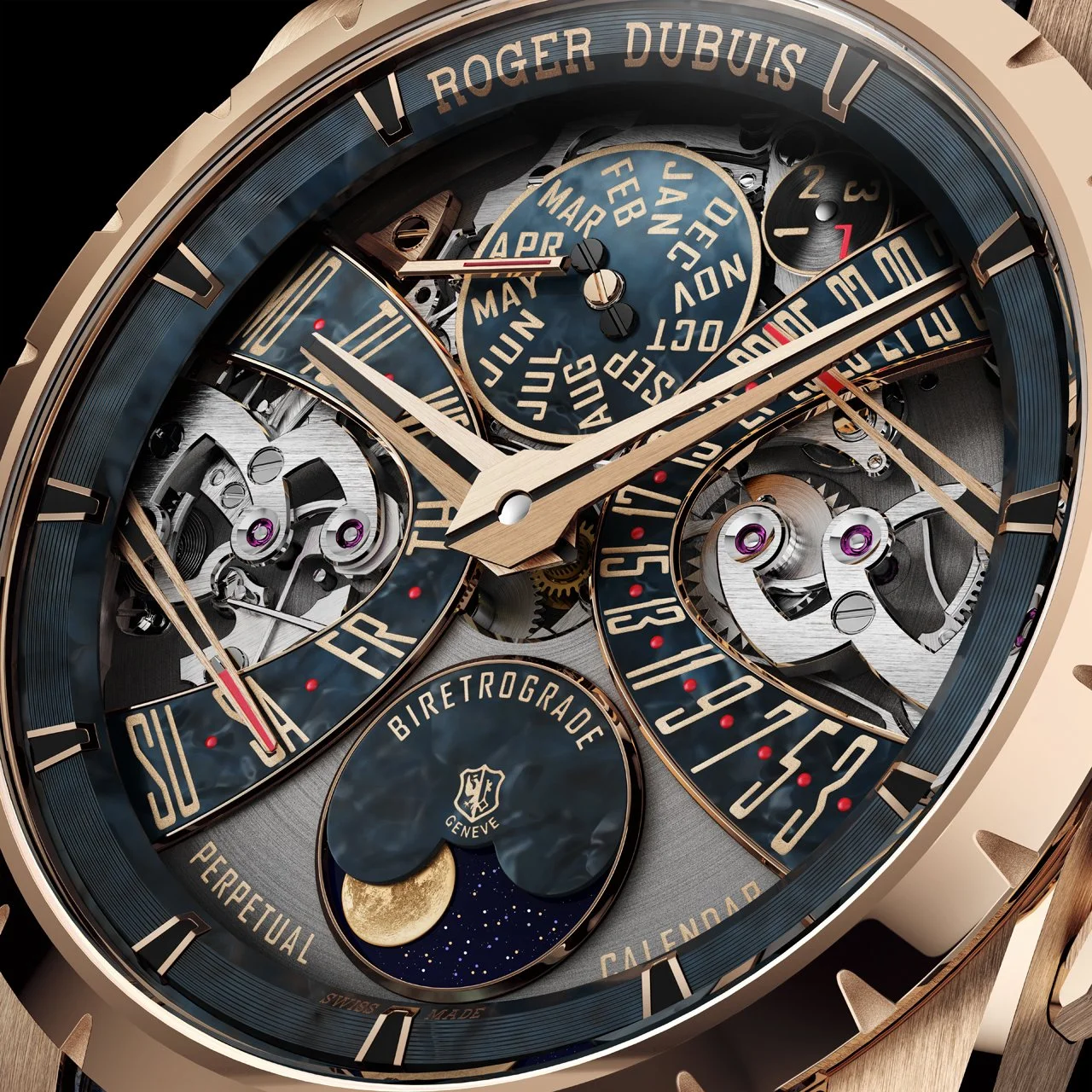
Yet, Dubuis’ real distinction lies in its narrative ambition. The Lady of the Lake introduces a feminine perspective into the Arthurian canon, translating myth into multi-layered dial architecture. Here, complications are not just functional—they are expressive, bridging mythology and mechanics.
Oris: Mechanical Integrity, Reintroduced for a New Generation
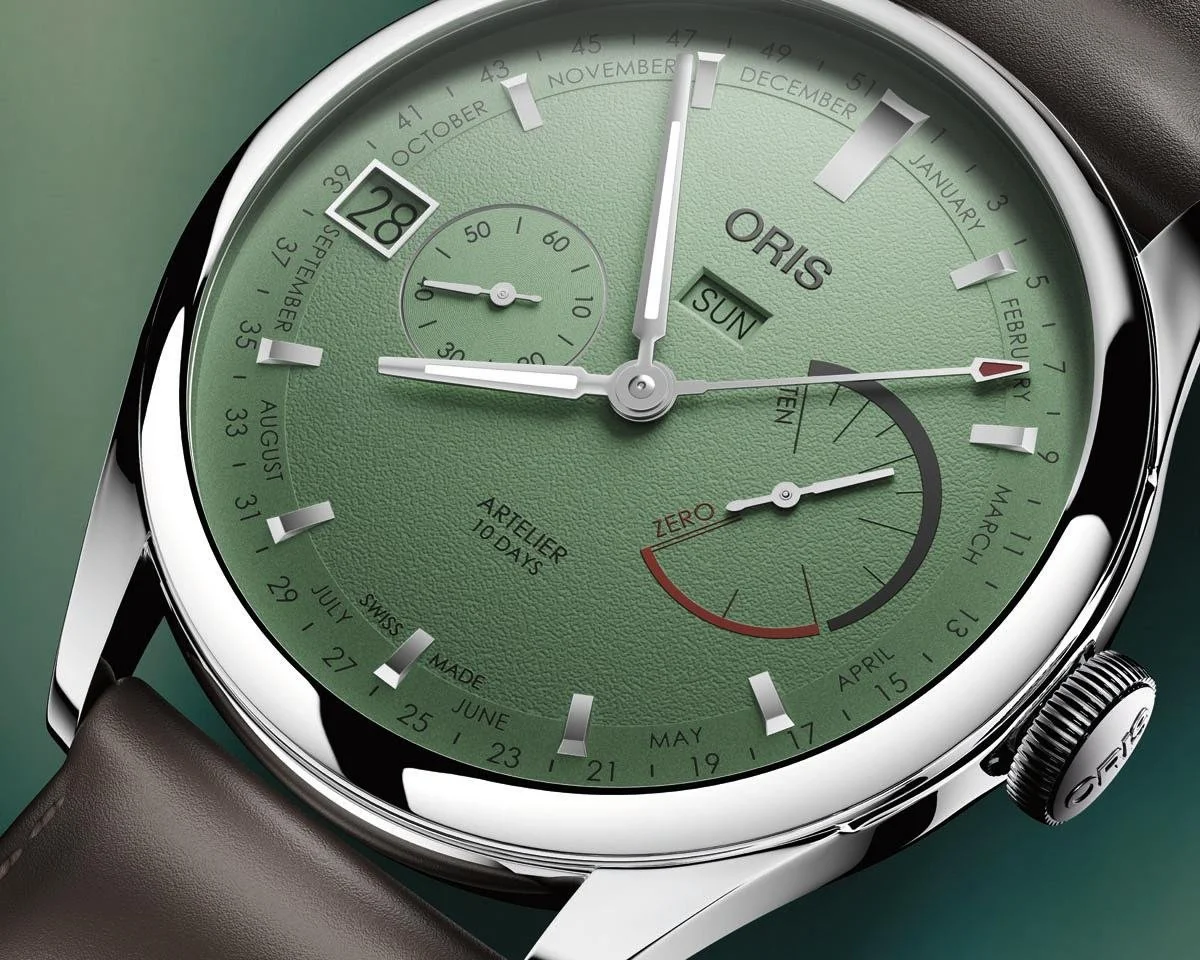
At Oris, Watches & Wonders 2026 is less about spectacle and more about reaffirmation—of independence, mechanical honesty, and the enduring relevance of accessible Swiss watchmaking.
Oris doesn’t chase extremes—it refines the fundamentals. Through Calibre 733 and 782, the brand underscores a core philosophy: true innovation is not always about complexity, but about clarity, reliability, and purpose.
Oris Star Edition (Calibre 733):
A faithful revival of the 1966 original, housed in a 35mm barrel-shaped case with vintage plexi crystal and minimalist dial architecture. At its core is the Oris Calibre 733, an automatic movement (based on Sellita SW200-1) delivering a 41-hour power reserve, 4Hz frequency, and 26 jewels, with central timekeeping and date functionality.The significance isn’t just technical—it’s historical. The original Star marked Oris’ transition from pin-lever to Swiss lever escapements, and this reissue reasserts that turning point with modern reliability.
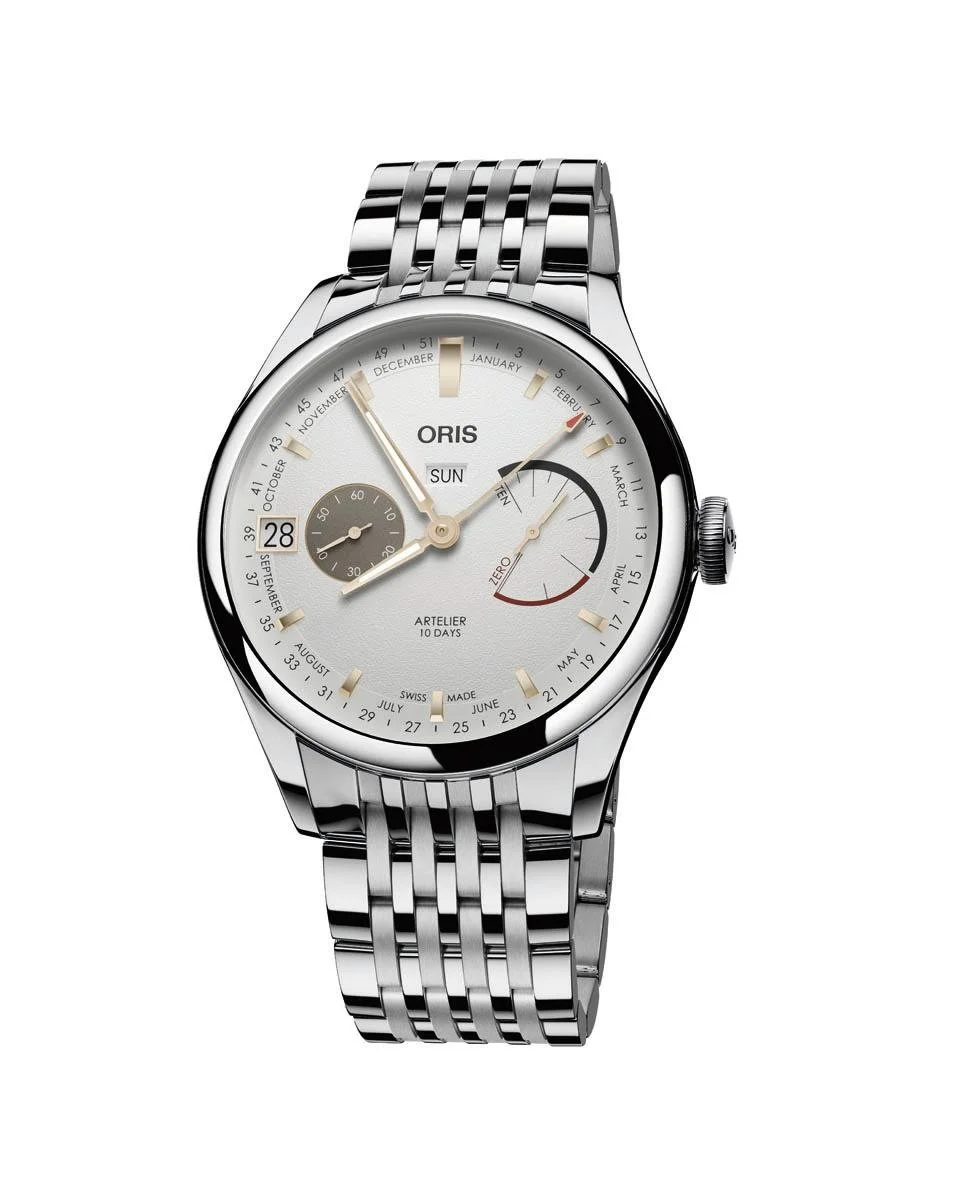
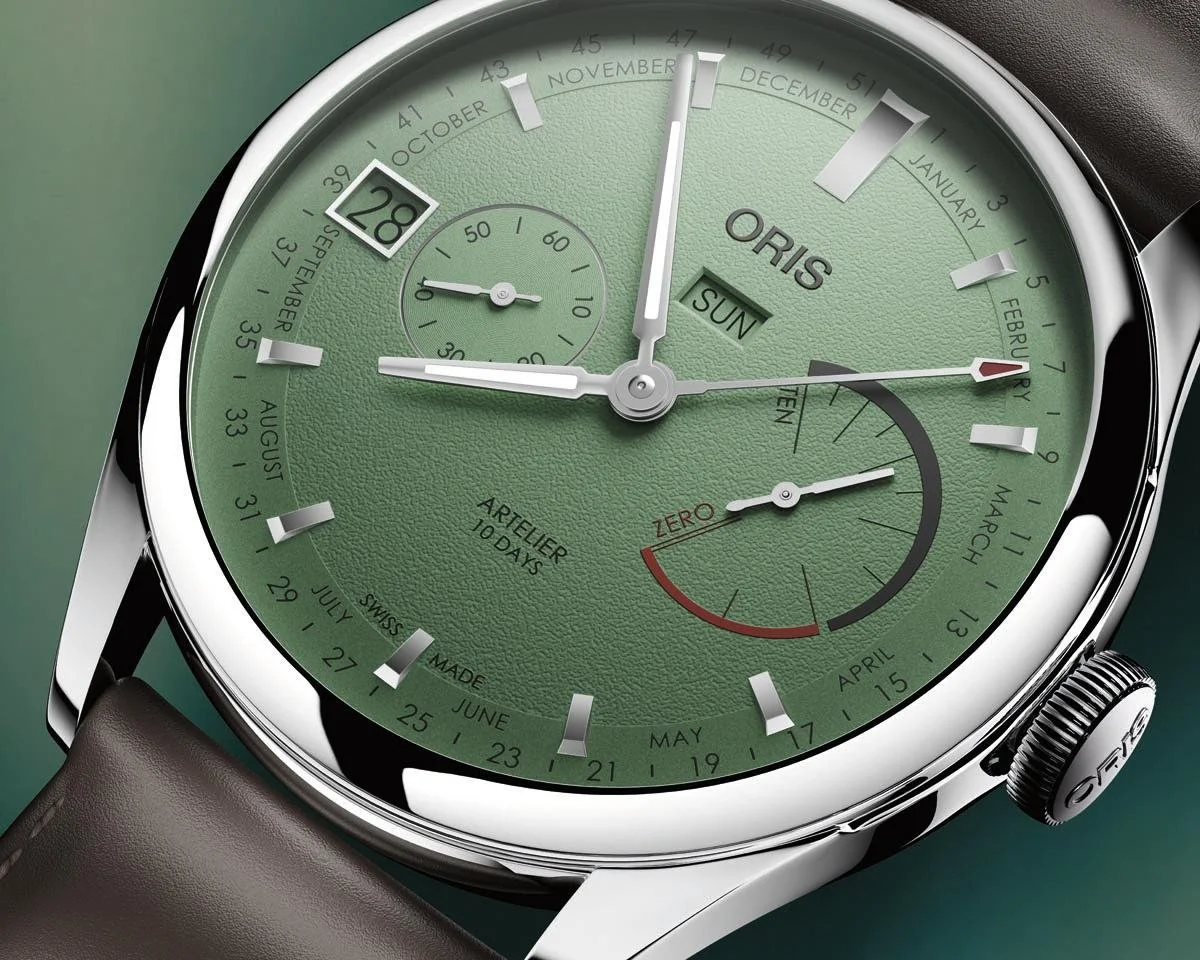
Artelier Complication (Calibre 782):
A contemporary dress watch reimagined for a new generation, featuring a moonphase at 12 o’clock and second time zone at 6 o’clock, powered by the Oris Calibre 782 automatic movement. The updated architecture simplifies interaction—adjustable via crown and a single pusher—while maintaining mechanical depth.The dial’s three-zone construction and refined typography position it as both technical instrument and design object.
Hublot: Material Innovation as Identity
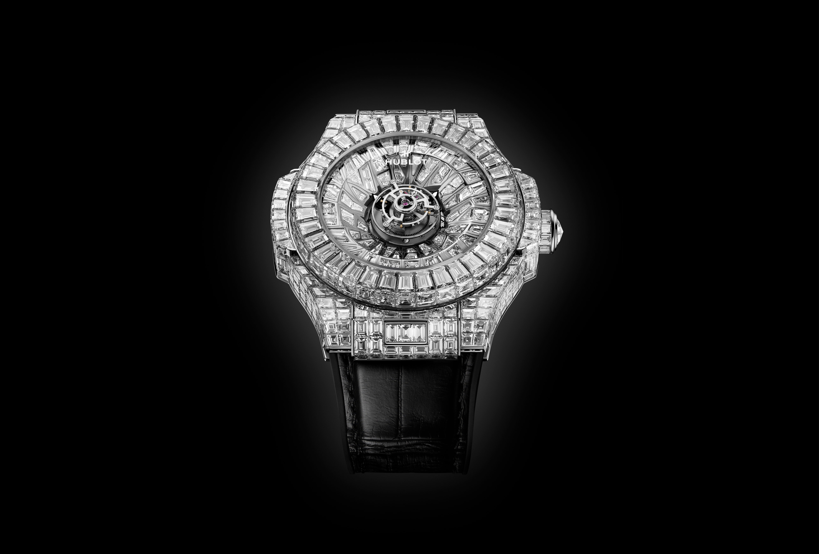
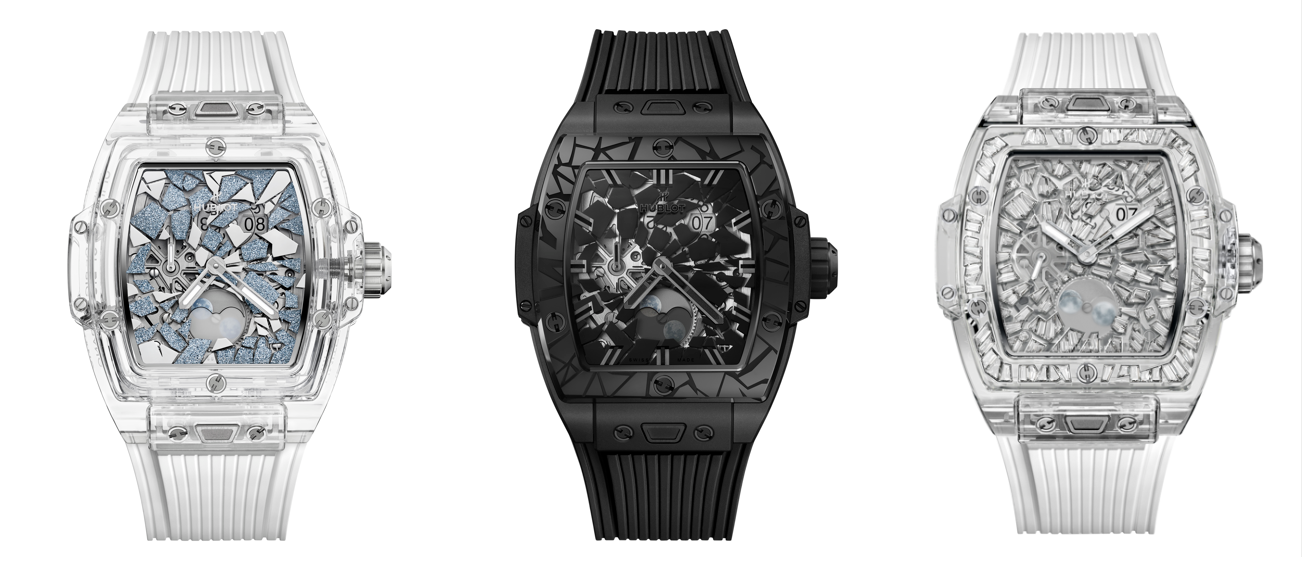
At Hublot, material is the message. Hublot continues to define luxury through material experimentation and cultural alignment.
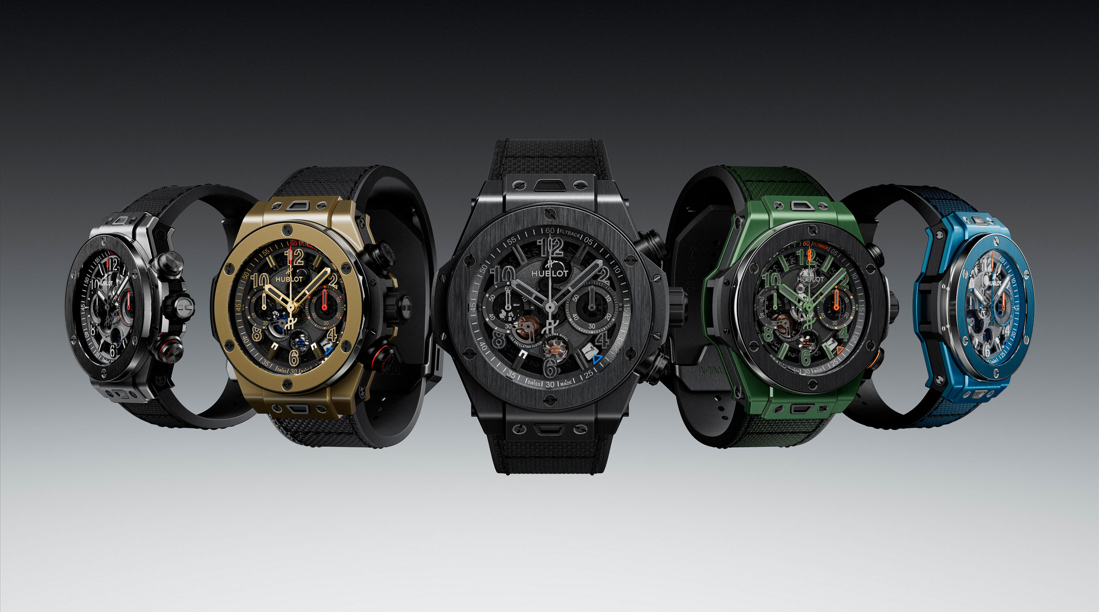
Big Bang Reloaded:
A 44mm chronograph emphasizing open-worked architecture and in-house Unico movement visibility.Big Bang Impact One Million:
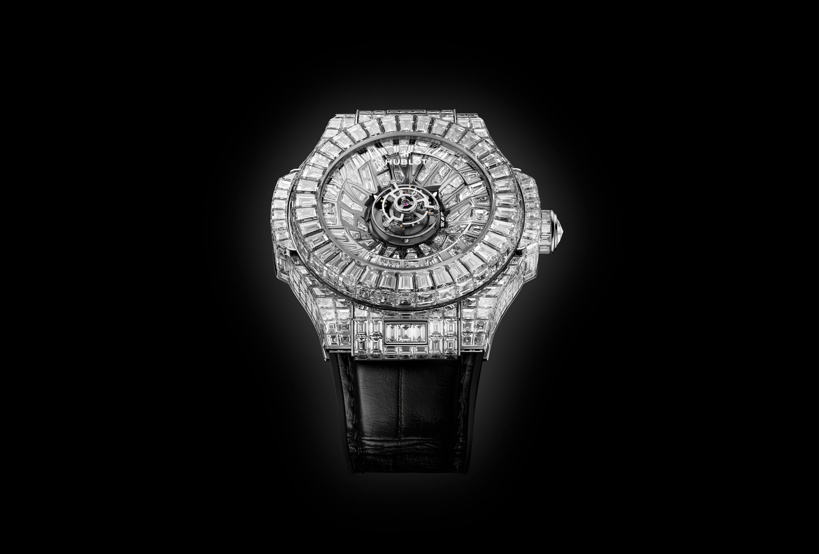
A high jewelry tourbillon set with ~500 diamonds arranged in a vortex pattern.Big Bang Mbappé & Usain Bolt Editions:
Limited editions blending ceramic, carbon, and gold with athlete-driven narratives.
NOMOS Glashütte — Minimalism Meets Mobility
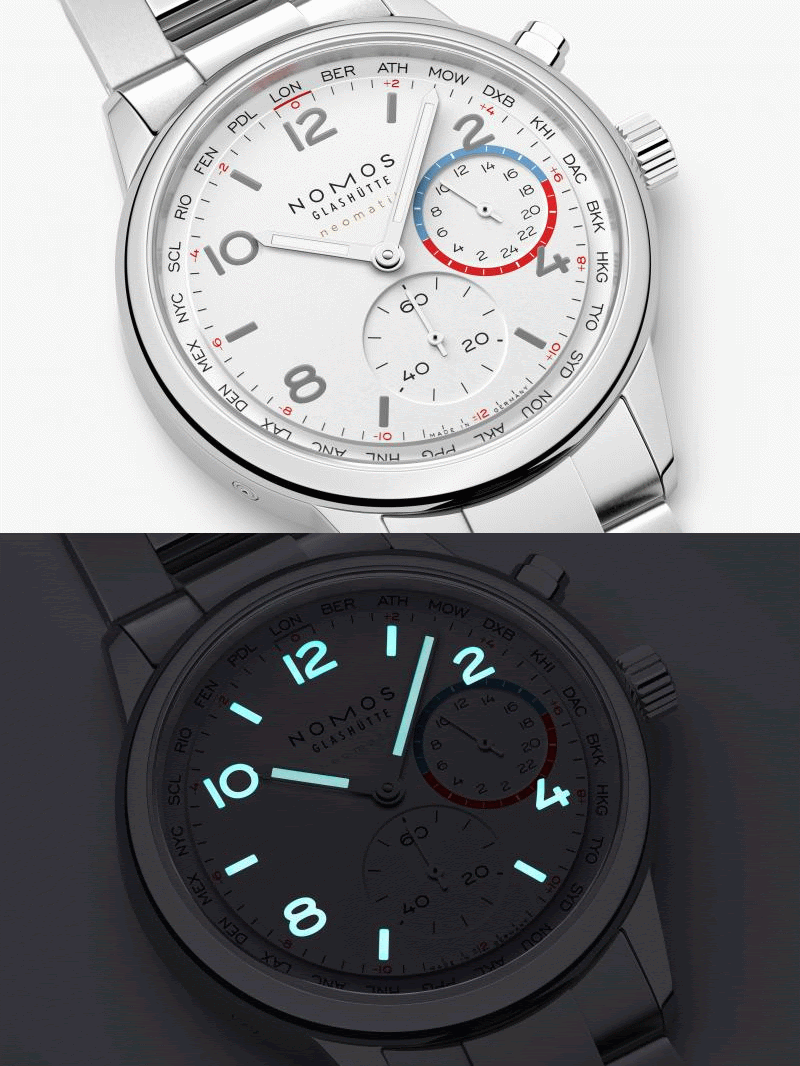
NOMOS Glashütte delivers clarity in complexity. NOMOS proves that global functionality can be expressed through minimal design.
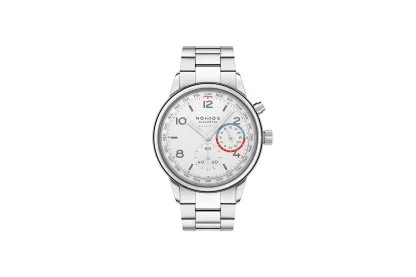
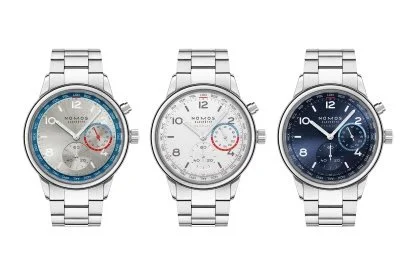
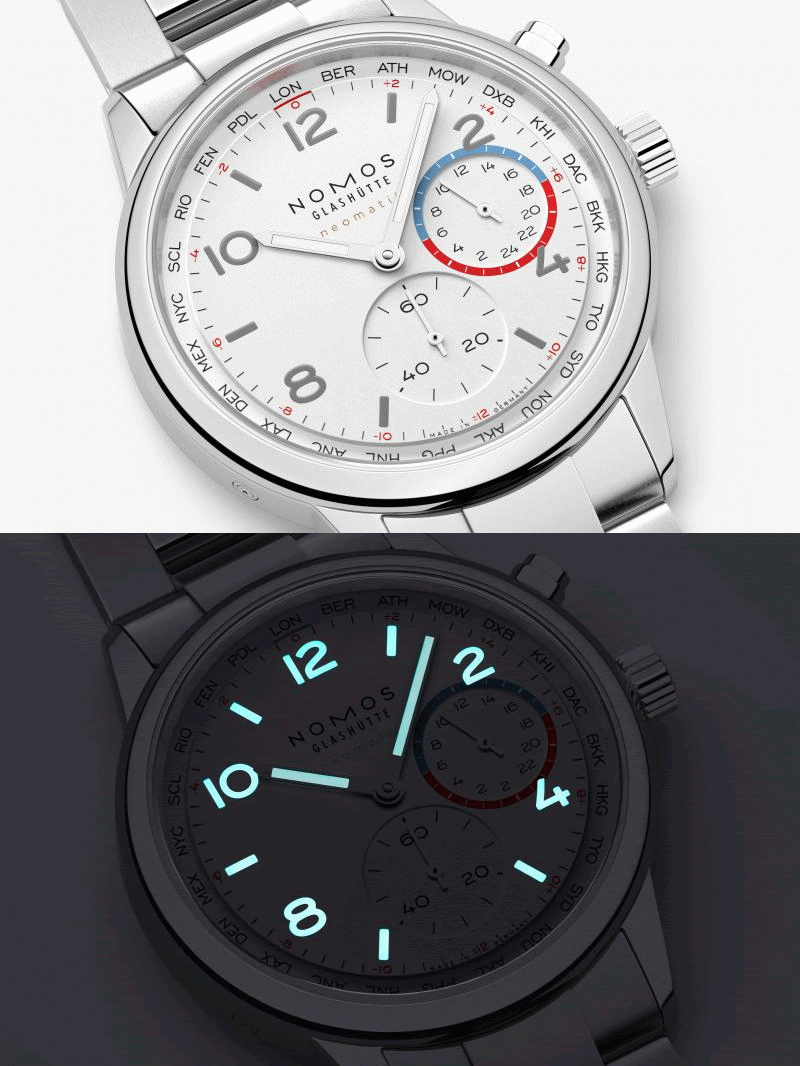
Club Sport neomatik Worldtimer (White Dial):
A 40mm worldtimer powered by the ultra-thin DUW 3202 calibre (4.8mm height), featuring 24 time zones, one-click city switching, and a dual-time subdial.
A New Chronograph Era: Precision Reimagined
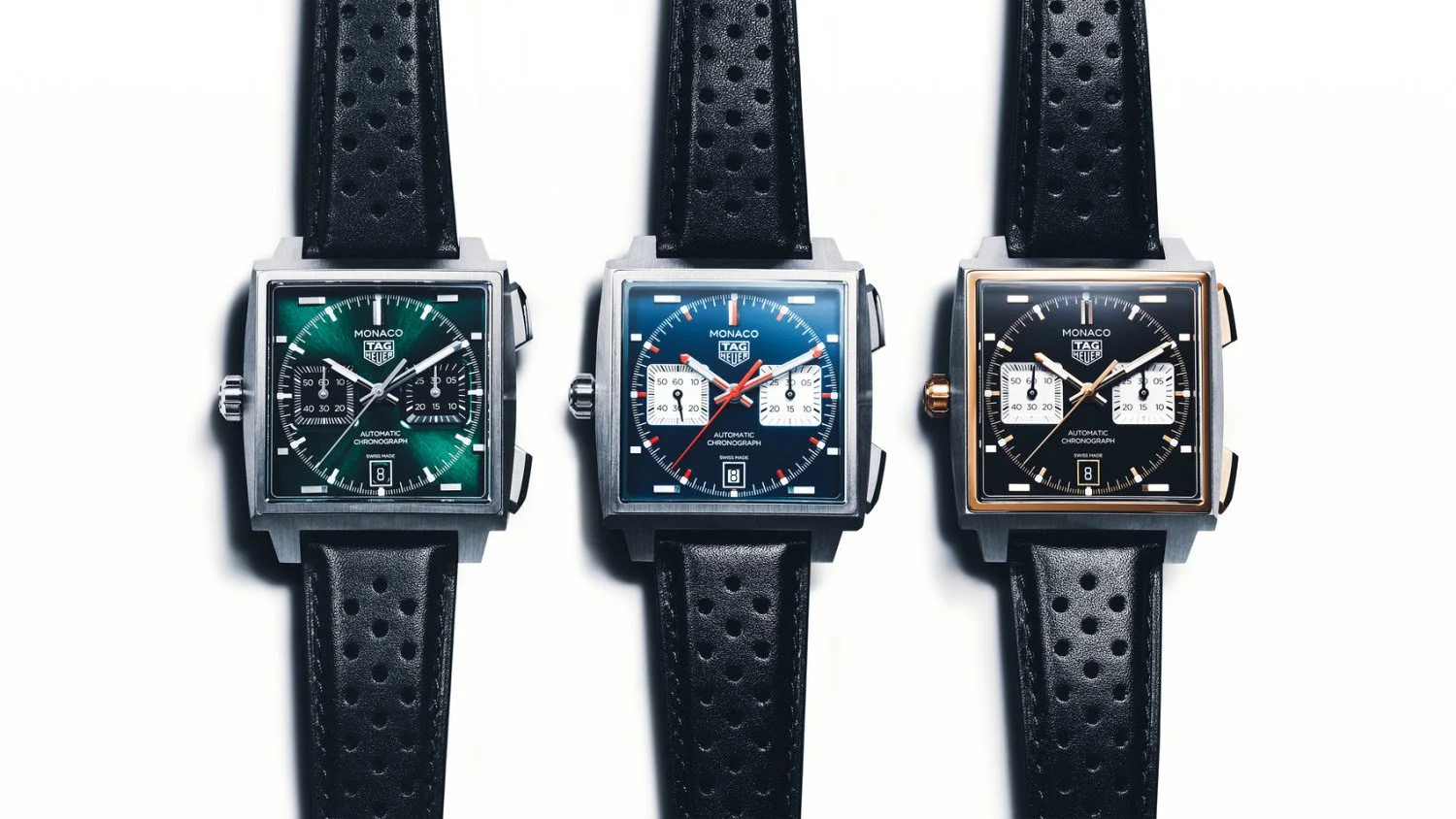
Elsewhere, the chronograph—long a cornerstone of modern watchmaking—undergoes reinvention.
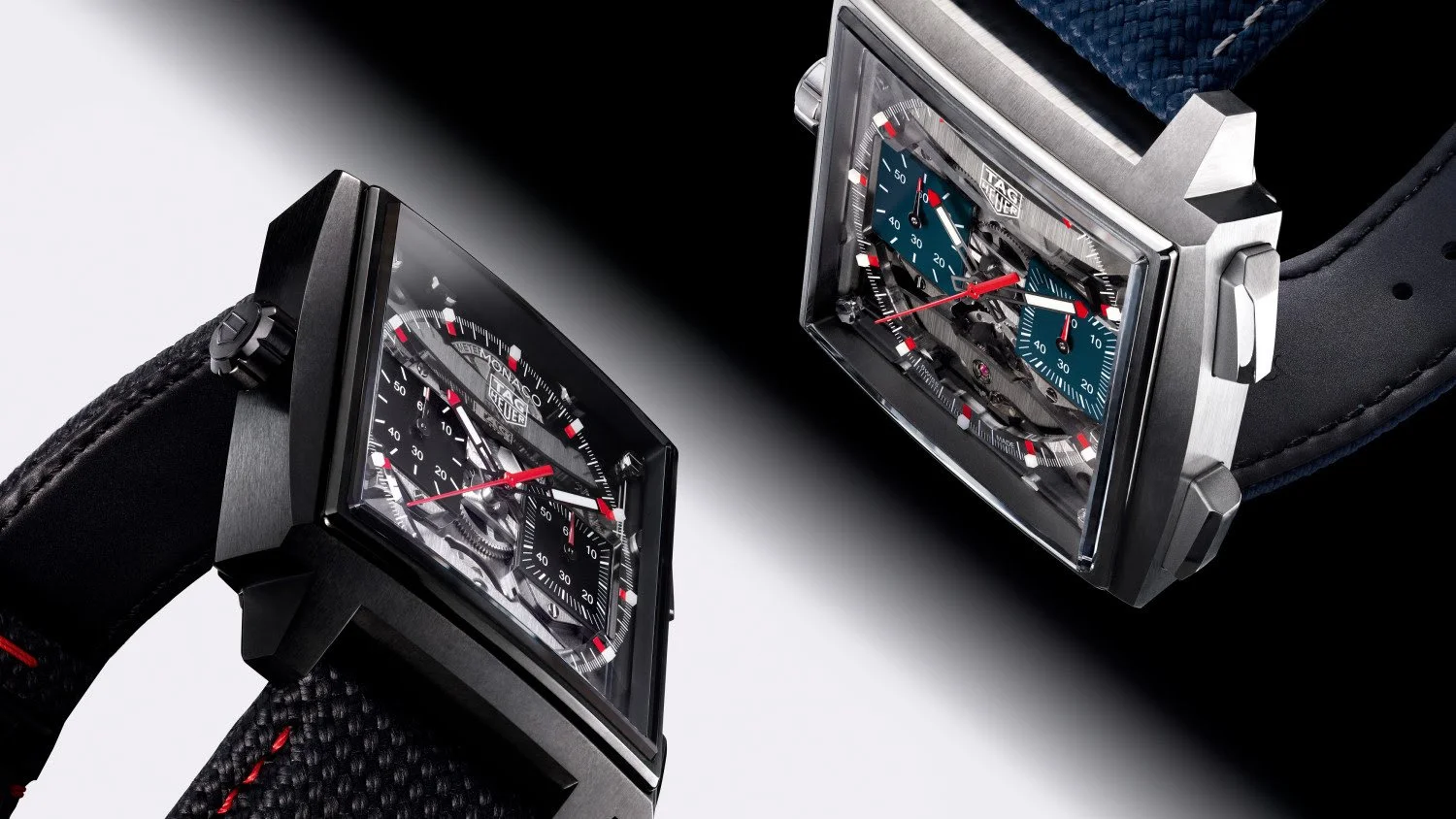
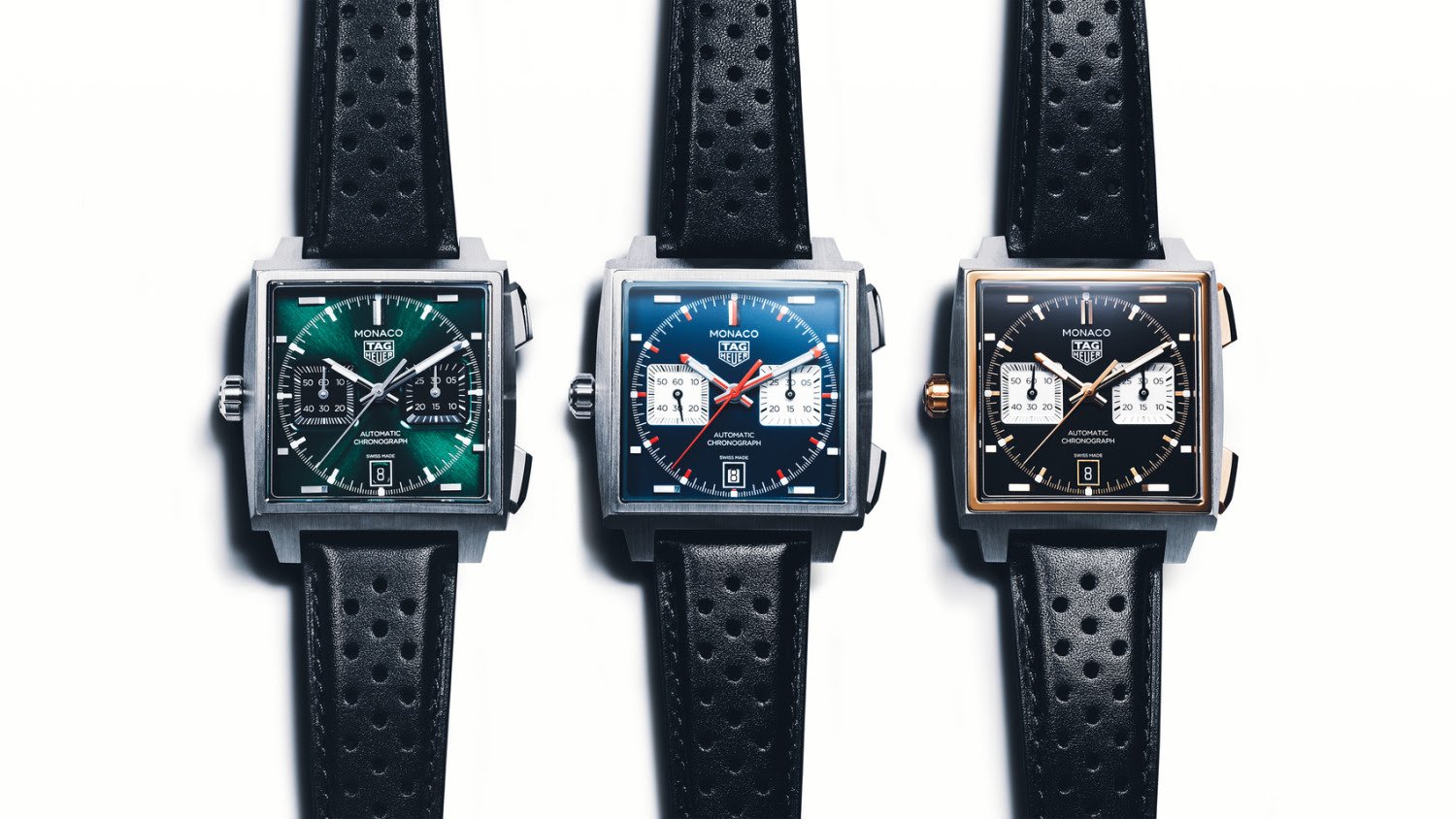
At TAG Heuer, the Monaco Evergraph introduces a compliant mechanism replacing traditional components with flexible structures, signaling a new frontier in mechanical precision. Hublot continues its material experimentation with the Big Bang Reloaded series, merging high jewelry with high engineering.
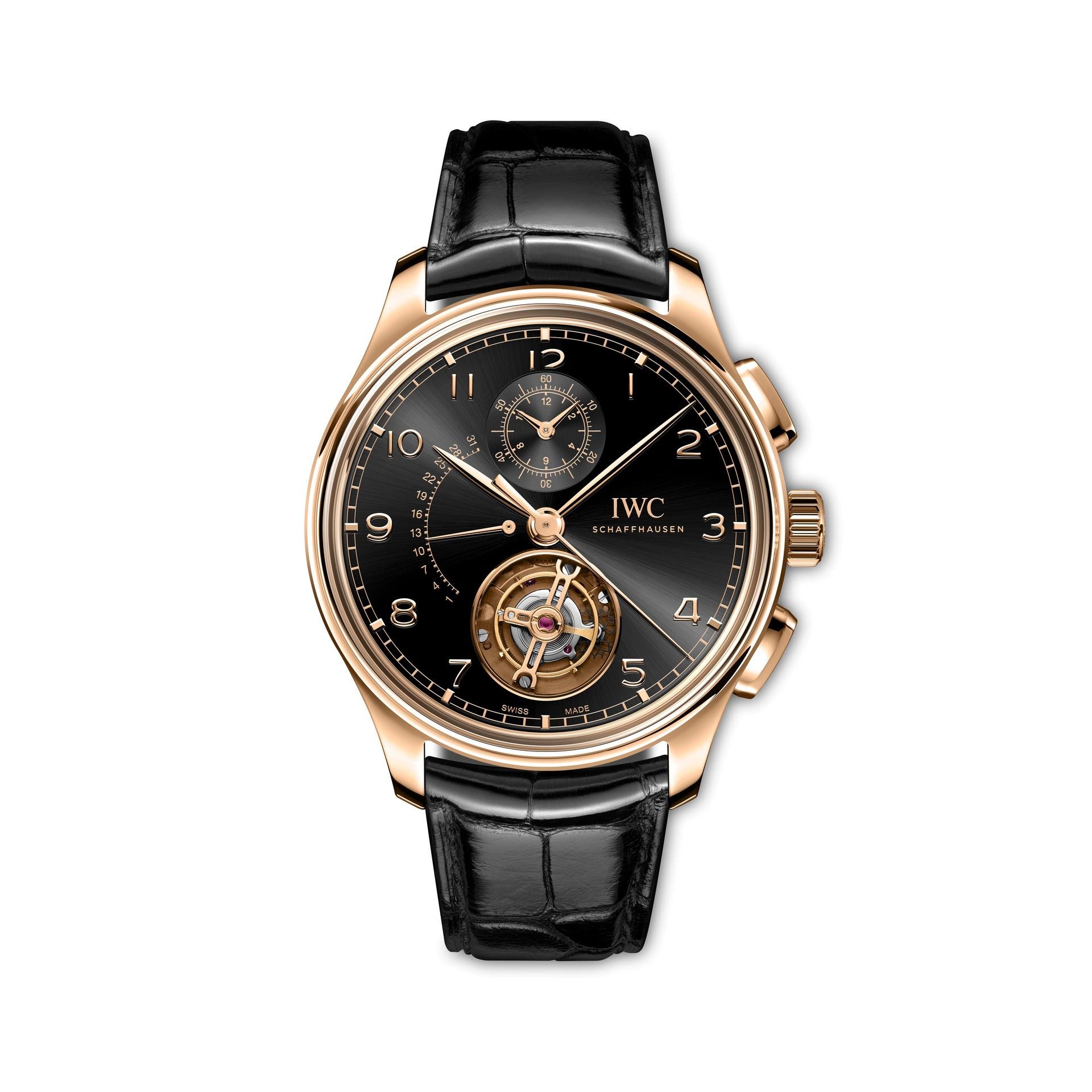
Meanwhile, IWC Schaffhausen advances usability through its fully synchronized perpetual calendar system, and NOMOS Glashütte refines the worldtimer for a generation defined by mobility—delivering complexity through clarity.
Across these releases, the message is consistent: technical innovation must now coexist with intuitive design.
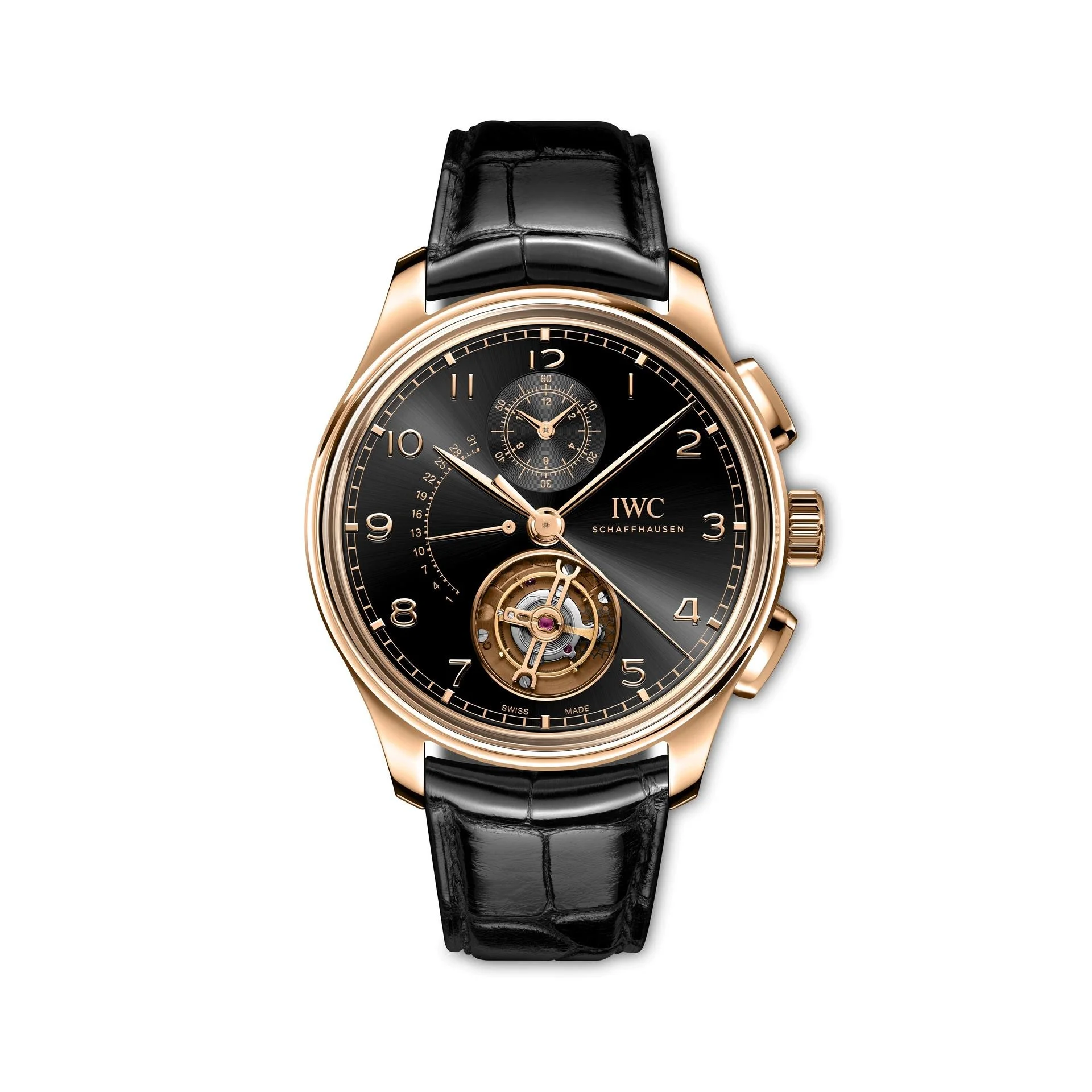
IWC Schaffhausen continues to blur the line between watchmaking and engineering.
Pilot’s Venturer Vertical Drive:
Eliminates the crown entirely, replacing it with a bezel-controlled system designed for astronauts wearing gloves.Perpetual Calendar IWC-ProSet™:
A fully synchronized gear-based system allowing forward and backward adjustment—an industry-first usability breakthrough.Big Pilot Ceralume®:
A fully luminous ceramic watch that glows for over 24 hours thanks to integrated Super-LumiNova pigments.
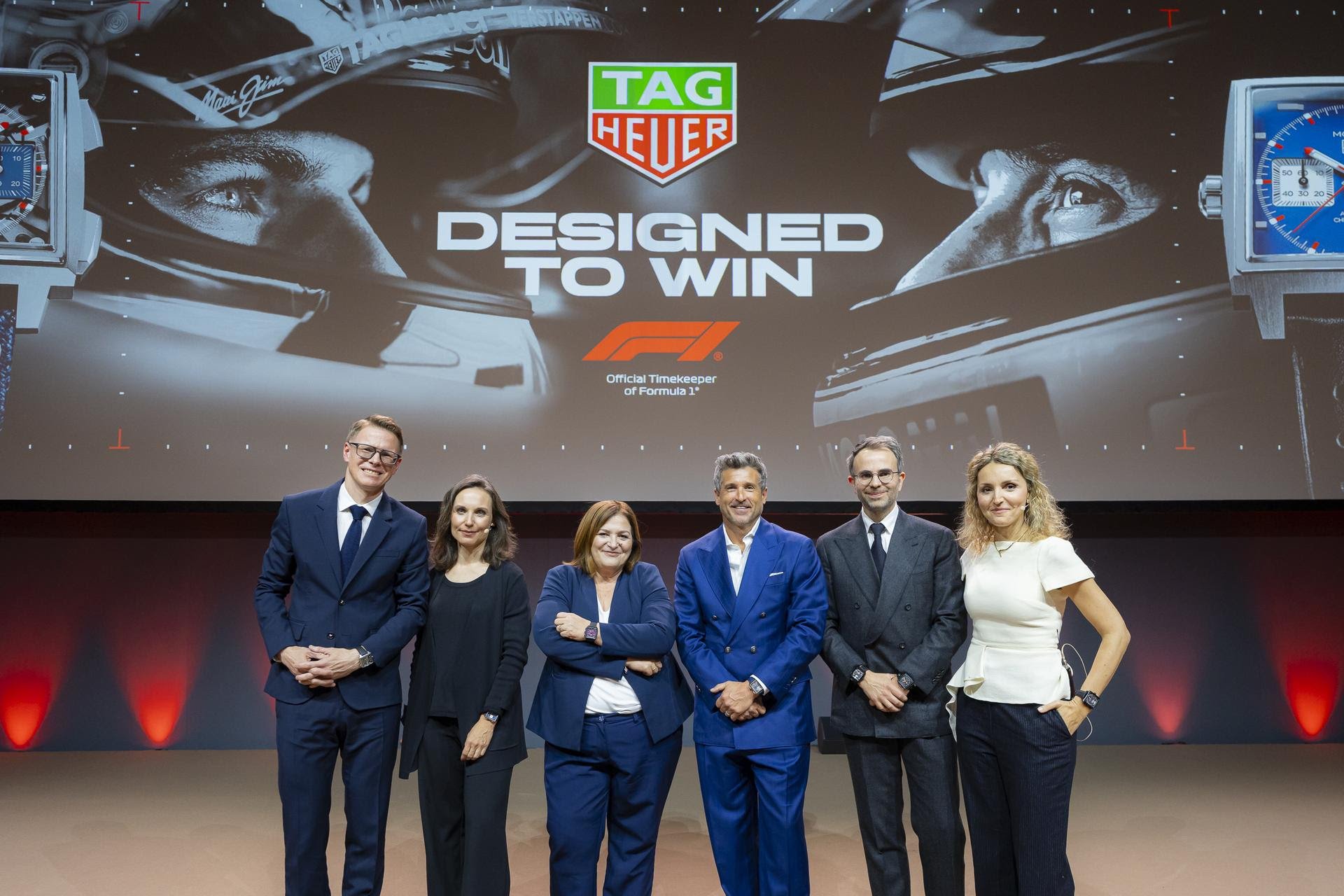
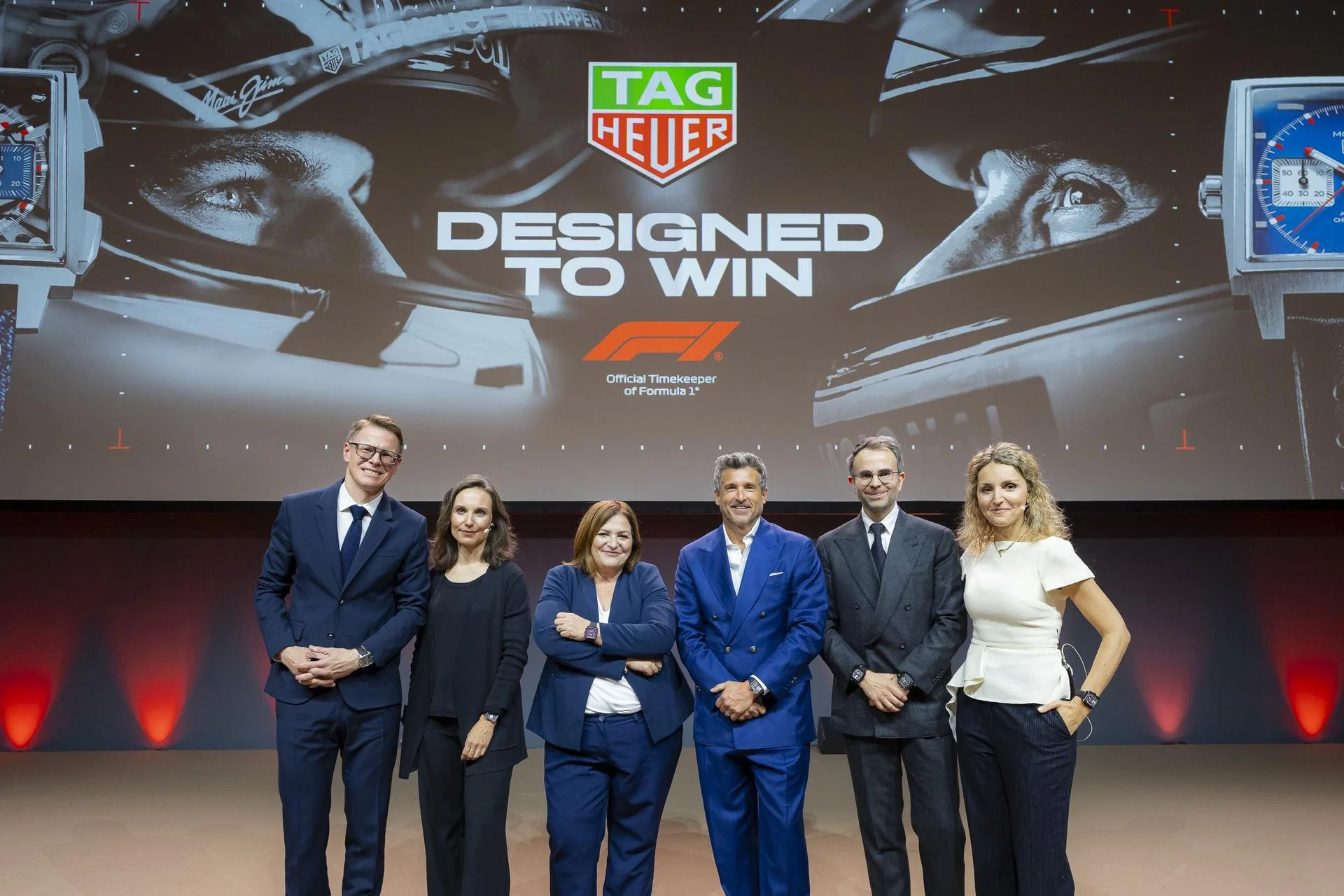
TAG Heuer booth at Watches & Wonders 2026, Geneva
The Future of Time, Reframed
What Watches & Wonders 2026 ultimately reveals is an industry in transition. The question is no longer how to measure time more precisely, but how to contextualize it—across cultures, environments, and even planets.
From Cartier’s sculptural continuity to Bremont’s extraterrestrial ambition, and from Roger Dubuis’ narrative-driven complications to the chronograph’s mechanical reinvention, the fair reflects a broader shift. Watchmaking is no longer just about heritage or innovation in isolation—it’s about synthesis.
In Geneva, time didn’t just move forward. It expanded.
HOW DO YOU FEEL ABOUT FASHION?
COMMENT OR TAKE OUR PAGE READER SURVEY
Featured



Telfar's SS2027 collection transforms the sample sale into a runway, using inside-out tailoring, manipulated materials, New York street references and a Brooklyn-to-Paris spectacle to question who gets to define fashion—and where it actually happens.