
Why a TL-Series Sewing Machine Is the Upgrade Every Serious Home Sewer Should Consider
PAGE
By PAGE Editor
Most serious home sewers reach a point where their machine stops feeling like a tool and starts feeling like an obstacle. You push a thick bag strap under the foot and the machine labours. You wrestle a double-bed quilt through a narrow harp space. You sew a long, careful seam and the stitches are mostly fine — but not quite the same at metre three as they were at metre one. If any of that sounds familiar, you may have simply outgrown what a domestic machine was designed to do.
Juki semi-industrial sewing machines, including the TL series, occupy an interesting middle ground: semi-industrial, straight-stitch, high-performance machines built to live in a home studio rather than on a factory floor, yet engineered with far more power, rigidity and stitch precision than a typical multi-function domestic. This guide explains exactly how they differ in real-world use, helps you judge whether the step-up suits your projects and space, and points you to Juki UK if you want to explore the TL range and its accessories.
What a TL-Series Machine Actually Is — and Where It Sits Between Domestic and Industrial
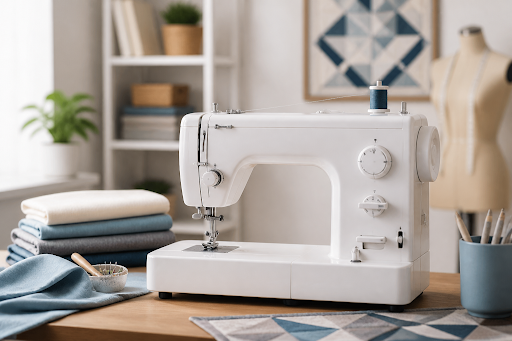
A TL-series machine is a single-needle, straight-stitch lockstitch machine built on a solid aluminium die-cast frame. It is designed to sit on a standard table in a spare room or small studio, yet it borrows key engineering from Juki's industrial line: a vertical full-rotary hook system, an industrial-grade sub-tension unit that evens out thread delivery before it reaches the main tension discs, and a microcomputer-controlled speed system. The result is a machine that weighs around 25 pounds rather than the 60-plus of a proper industrial unit, but produces near-industrial stitch quality and runs at up to 1,500 stitches per minute.
Contrast that with a typical domestic machine. Domestic machines are optimised for versatility, offering dozens of stitch types, decorative options and computerised convenience features. That breadth comes at a cost: the lighter build and multi-purpose design mean they are not engineered for all-out power on a single stitch path, and stitch consistency can waver when you push them hard over long seams or heavy fabric. A full industrial machine goes the other way — heavy, usually bolted into a dedicated cabinet, tuned for factory-style production on one fabric type, and impractical for the mixed projects a home sewer tackles across a week.
The TL-series sits deliberately between those two worlds. It does one thing — a perfect, powerful straight stitch — and it does it exceptionally well. For quilters, bag-makers and garment sewers who have hit the ceiling of what a domestic can offer, TL sewing machines are well worth exploring, since that focused design is precisely the point.
The Pain Points a TL-Class Machine Actually Solves
The frustrations that push ambitious home sewers to look beyond a domestic machine tend to cluster around the same handful of problems. The machine bogs down or skips stitches when you drive through a jeans hem, a bag strap junction, or the point where four quilt seams converge. At higher speeds it vibrates, which affects both stitch quality and the simple pleasure of sewing. Over a long seam, or across a dense row of quilting stitches, tension drifts, and you find yourself tweaking dials between projects rather than simply getting on with things.
Then there is the workspace problem. Most domestic machines offer a relatively narrow harp space, and anyone who has tried to guide a king-size quilt sandwich through one knows the feeling of constantly fighting the weight of the project. The quilt piles up against the arm; you stop, reposition and lose your line. Large cushion covers, curtain panels and structured bag bodies create the same issue.
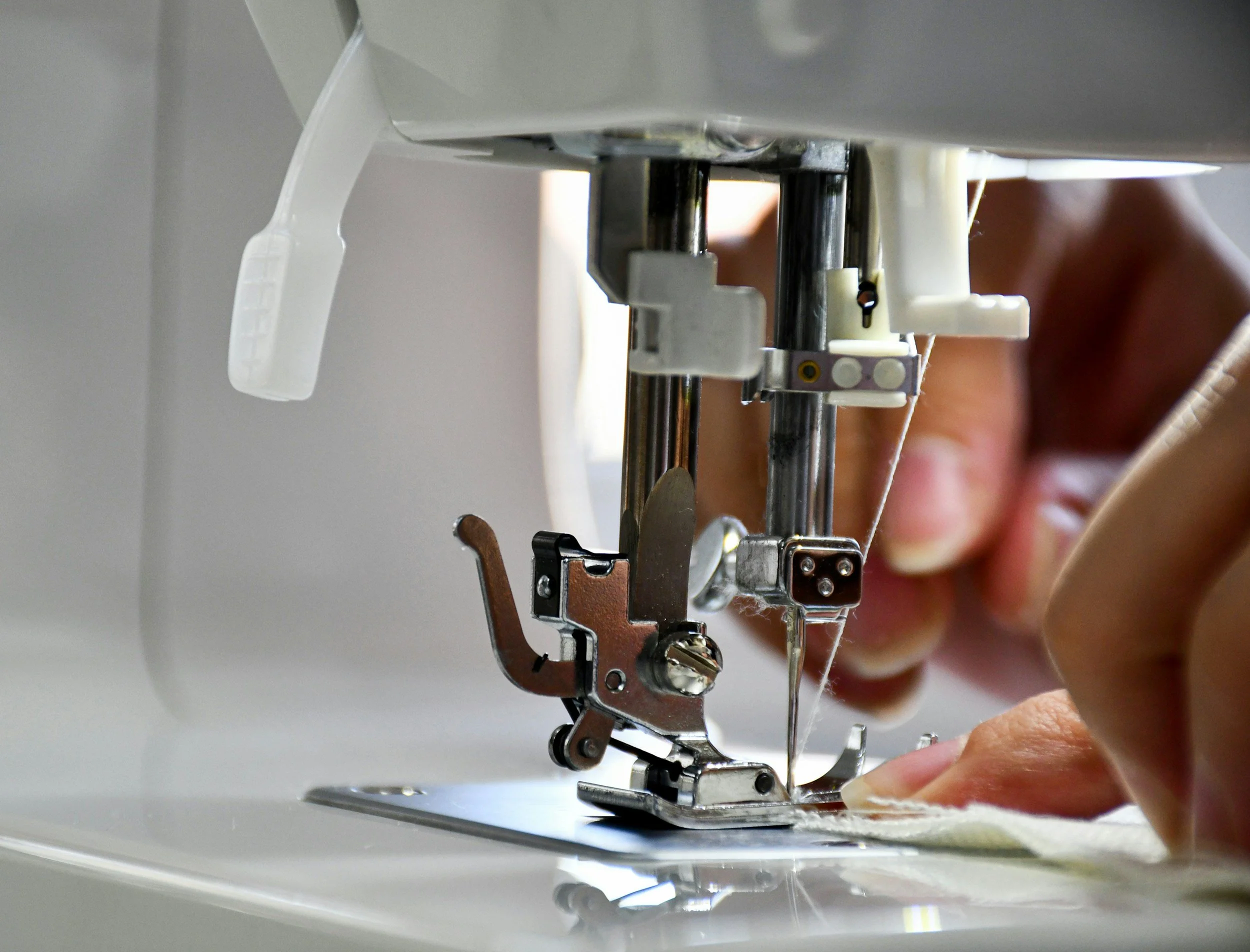
Control is a quieter frustration but a real one. Many domestic machines offer little adjustment of presser-foot pressure, no knee lift, and no way to set a speed ceiling, so you are either crawling or risking a runaway. The TL addresses each of these in ways drawn directly from industrial practice. Its largely metal body and stronger motor keep the machine stable and smooth at high speeds — users describe the sound as purring rather than rattling, even after years of intensive use. The adjustable speed-control slider lets you cap the maximum speed, so you can ease through detail work or pass the foot pedal to a learner without anxiety, then open it up again for long piecing runs. The knee lift raises the presser foot up to 12mm without your hands leaving the fabric, which matters enormously for pivoting at corners or managing free-motion quilting. Adjustable presser-foot pressure means the machine handles fine cotton lawn and heavy canvas through the same set-up process, and the industrial-style sub-tension system, once dialled in, produces beautifully even stitches project after project, removing the constant tension-tweaking that many domestic users accept as normal.
The auxiliary extension table that comes with TL-series machines, bringing the total work area to 23 inches by 13 inches, transforms the quilting experience in particular. More of the project sits level with the needle, so you are guiding rather than wrestling, and the stitch line stays accurate because the weight of the quilt is supported rather than pulling against you. Juki UK can advise on which TL model and accessory combination best addresses your specific frustrations, whether that means extension tables, specialist feet or lighting additions for your studio.
Key TL-Series Features That Change How You Sew Day to Day
Straight-stitch only. This sounds like a limitation, and in one narrow sense it is — but for anyone who spends most of their sewing time piecing, quilting, top-stitching and constructing bags or garments from woven fabrics, it is actually a strength. The entire machine is engineered around one stitch path, which is why stitch formation, needle penetration and feeding are so consistent. Experienced TL users commonly keep a domestic machine nearby for buttonholes, zigzag and occasional decorative work, treating the TL as a dedicated straight-stitch workhorse. The two machines complement each other rather than one replacing the other.
Speed and control. At up to 1,500 stitches per minute, a TL-class machine works at professional pace — the difference when chain-piecing a quilt top or sewing a long dress seam is genuinely significant in terms of time. The speed-control slider lets you dial back to slow, controlled stitching for detail work, and the foot pedal responds finely enough that you can creep stitch-by-stitch through a tricky junction or open up fully along a long border seam. This combination of high ceiling and genuine control is something most domestic machines cannot match.
Metal build and motor power. The aluminium die-cast frame and largely metal internal components translate into real-world benefits: cleaner penetration through multiple layers of denim or foam-stabilised bag panels, less needle deflection on bulk, and that characteristic purring quality rather than the vibration and rattle that heavier work can produce in a lighter domestic. This also means the machine feels built to last — there is a solidity to it that users notice from the first seam.
Workspace and extension table. Fitted with its auxiliary table or dropped into a sewing cabinet with a flush insert, a TL-class machine gives you a large, flat working surface. Patchwork units stay level as they feed through, long borders stay accurate, and free-motion quilting becomes less physically demanding because you are not fighting gravity on a project that wants to fall off the edge of a cramped bed.
Control features borrowed from industrial practice. The knee lift is indispensable once you have used it — raising and lowering the presser foot without lifting your hands means smoother pivots, better free-motion quilting flow and less fatigue over a long session. Needle up/down control stops the needle in the fabric precisely where you want it for accurate pivoting. The foot-operated thread trimmer, on the TL-2010Q activated by rocking the foot pedal backwards, snips both threads cleanly with one movement. Over a quilt with hundreds of start-stop points, that feature alone saves meaningful time and keeps the reverse of your work tidy. The drop-feed lever lowers the feed dogs for free-motion quilting or thread painting.
Fabric versatility. When correctly set up with appropriate presser-foot pressure, TL-series machines handle a wide range from fine cottons, viscose and voile through to denim, canvas, cork and faux leather. This makes them genuinely useful across quilting, bag-making, structured garments and home décor rather than being a single-use specialist tool. Juki UK stocks the full range of compatible high-shank presser feet — quarter-inch piecing feet, open-toe free-motion feet, zipper and piping feet, and more — so you can configure a TL setup precisely around the type of sewing you do most.
How Your Sewing Experience Changes When You Move Up to a TL
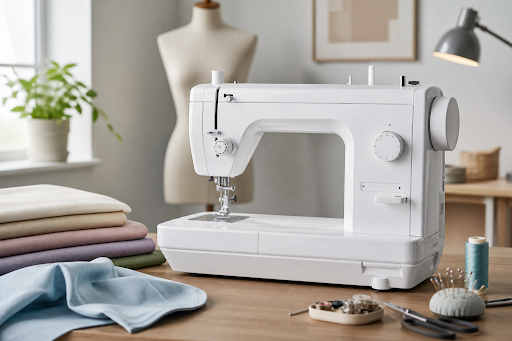
Quilt piecing is where many sewers feel the difference most immediately. The consistent stitch formation and a quality quarter-inch foot mean blocks regularly come out at their intended size, even when you are chain-piecing quickly. One user of the TL-2010Q noted that a complex scrappy block assembled without any special care measured exactly 12.5 inches when finished, across a large number of tiny seams. With a domestic machine, small inconsistencies compound; with a TL, they largely disappear.
Free-motion quilting benefits from the drop-feed lever, the larger harp space and the speed-control slider working together. The machine's weight keeps it stable on the table rather than skittering during energetic movements, which helps you maintain a more even stitch length once your technique settles. Straight-line quilting similarly improves, because the consistent stitch formation and smooth feeding produce an even, unbroken line rather than the slight wavering that can appear on a lighter machine at speed.
Bag-making and structured projects see some of the most obvious gains. Top-stitching on straps and around bag edges is cleaner, the machine drives confidently through folded webbing or foam-stabilised seam junctions without stalling or breaking needles, and the result looks and feels more professional. For garment sewing, TL machines excel at long accurate seams, neat top-stitching on collars, cuffs and waistbands, and hemming heavy fabrics such as denim where many domestic machines struggle to maintain an even pace. Home décor projects — curtains, cushions, slipcovers — benefit from the extended workspace keeping the project supported, and from the power preventing the machine from slowing on thick upholstery-weight fabrics.
Ergonomically, the combination of knee lift, generous table surface and smooth running reduces the physical effort of a long sewing session. Less stopping to reposition, fewer awkward reaches to manage a bulky project, less vibration transmitted through the table — it adds up to noticeably less fatigue, which matters if you sew for several hours at a stretch.
The realistic trade-offs are worth naming honestly. TL-series machines have a slightly steeper learning curve than some plug-and-play computerised domestics, particularly around setting tension and presser-foot pressure when you switch fabric types. And they cannot replace a decorative-stitch machine: there is no zigzag, no stretch stitch, no built-in buttonhole. For the majority of serious home sewers, the practical answer is to keep an existing domestic alongside the TL rather than replace it entirely, using each machine for what it does best. Juki UK can help you think through how a TL would fit around your current equipment and studio setup.
Is a TL Right for You? Questions to Ask Before You Decide
A few honest self-assessment questions will tell you more than any spec sheet. Start with volume: how many hours a week do you actually sew, and do you regularly work on large quilts, multiple bags, commissions or long garment seams where consistent speed and stitch quality genuinely matter? The greater the volume, the faster a TL-class machine pays for itself in time saved and failures avoided on expensive fabric.
Think about your project mix. If your sewing is predominantly quilts, woven garments, bags, structured home décor and anything requiring long accurate straight seams, a TL is very likely the right upgrade. If a significant portion of your work depends on zigzag, stretch stitches, decorative patterns or built-in buttonholes, a TL works best as a companion to your existing machine rather than a replacement — and that is a perfectly sensible setup, not a compromise.
Probe your current frustrations honestly. Do you regularly fight the machine over thick seams? Do you find yourself avoiding certain projects because the domestic will not cope, or ripping out top-stitching that is nearly straight but not quite? Are you tweaking tension settings between every project? If the answer to most of these is yes, you are probably at the point where a semi-industrial straight-stitch machine will feel transformative rather than merely incremental.
Consider your space and setup. TL-series machines are technically portable — the TL-2010Q weighs around 25 pounds — but they work best when they can stay set up, ideally on a dedicated table or in a cabinet insert that allows the bed to sit flush with the surface. If you have a permanent or semi-permanent sewing station, or can create one, that is a real advantage. If the machine needs to be packed away after every session, factor that into your thinking.
On budget: a TL-class machine is a genuine investment, but one built to withstand years of intensive use. It is worth thinking in terms of cost spread across many years of sewing and the value of fewer failures on good fabric, or on a commissioned piece where unpicking and re-sewing costs real time. For most serious sewers, the calculation is more favourable than the initial price tag suggests.
The practical next step is straightforward: write down what your current machine does well and where it holds you back, then use that list when you browse Juki UK's TL range online or speak to their team. Juki UK stocks the TL series along with matching accessories, extension tables and presser feet, and can talk through your specific sewing habits, projects and studio space to help you decide whether a TL is the right next machine — and if so, which model and configuration will suit you best.
HOW DO YOU FEEL ABOUT FASHION?
COMMENT OR TAKE OUR PAGE READER SURVEY
Featured

As European organisations continue to modernise their digital environments, the demand for practical technology services is increasingly being shaped by operational complexity rather than by simple software adoption.