
Why Shorter, More Frequent Trips Are Changing Luggage Choices in 2026
PAGE
By PAGE Editor
Travel in 2026 looks busy, but not always in the old one-big-vacation way. More travelers are planning shorter breaks, practical domestic trips, and easier getaways that fit around work, budgets, and crowded calendars. Forbes highlighted “sub-holidaying” as a 2026 trend tied to rest, recharge, and shorter escapes, while AAA projects a record 45 million Americans traveling at least 50 miles over Memorial Day weekend, with 3.66 million flying domestically.
That shift changes what people expect from luggage. When trips are shorter and happen more often, travelers usually care less about maximum capacity and more about speed, flexibility, and ease of movement. A suitcase is no longer just something you fill for one long trip. It becomes part of a travel routine that needs to work again and again.
Why Shorter Trips Feel More Common in 2026
Shorter trips fit the way many people travel now. A long vacation still matters, but plenty of travelers are also carving out long weekends, event-based trips, and quick domestic breaks that feel easier to plan and easier to afford. Memorial Day travel forecasts point to strong U.S. demand, which supports the broader idea that many 2026 trips are built around accessible, high-frequency travel windows rather than only major annual vacations.
This matters for luggage because trip duration changes packing behavior. On a short trip, travelers are less likely to need backup outfits for every scenario. They usually want a simpler setup that gets them through the airport quickly, fits into a short hotel stay, and keeps essentials close without creating extra bulk.
How More Frequent Travel Is Changing the Way People Pack
When travel happens more often, packing starts to become a repeatable system. People think more about what they actually use, what can work across multiple outfits, and what only adds weight without adding value. This does not mean every traveler suddenly packs like a minimalist. It means repeated travel exposes waste faster.
A traveler taking one long annual vacation may tolerate an overpacked suitcase. A traveler taking several shorter trips usually notices the inconvenience much sooner. Extra shoes, duplicates, and bulky items become frustrating when they are packed, moved, unpacked, and repacked over and over. That is why more frequent travel tends to push people toward lighter, more efficient luggage choices.
Why Carry-On Choices Matter More for Shorter Trips
Short trips reward mobility. Travelers want to get through security, board, land, and move on without turning the suitcase into the hardest part of the journey. For that reason, carry-on performance matters more when short travel becomes more common.
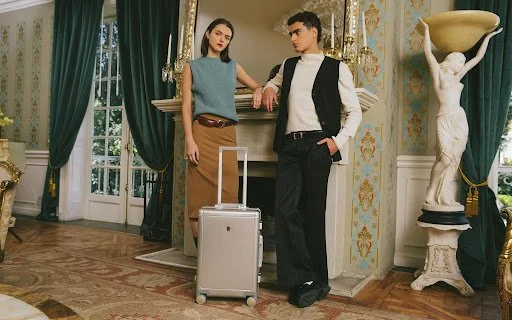
That is also why more shoppers start with the best carry-on luggage options when rethinking their travel setup. On a short or mid-length trip, the value of a good carry-on is not just size. It is how easily it supports quick packing, airport movement, and a lighter overall routine. When the same kind of trip happens several times a year, convenience matters more than ever.
What Travelers Now Expect From the Best Carry-On Luggage
Travelers now expect a carry-on to do more than simply meet size needs. They want it to feel efficient in real travel conditions. That usually means easy movement, a practical layout, and enough usable space to support a few days away without feeling overstuffed by the second day of the trip.
The expectation has shifted from “Can I fit my things in here?” to “Can I keep using this without it becoming annoying?” That is a different standard, and it explains why luggage decisions in 2026 feel more deliberate. A carry-on now has to support repetition. It has to work for the traveler who takes short business trips, weekend city breaks, and quick personal visits without requiring a completely new packing strategy each time.
Why Luggage Sets Still Make Sense for Mixed Travel Needs
Even with the rise of shorter travel, not every trip can or should be handled by one carry-on. Many travelers now have mixed travel patterns. They may take several short trips during the year, but still need a larger option for holiday travel, longer family visits, or trips that involve colder weather and heavier packing.
That is where luggage sets still make sense. A set gives travelers flexibility across different trip types without forcing one suitcase into every role. In 2026, that kind of flexibility matters because travel habits are not becoming smaller in one simple way. They are becoming more varied. A traveler may need a compact solution most of the time and a larger one only sometimes, but both needs are still real.
How Different Trip Types Are Shaping Luggage Decisions
Trip length is important, but trip type matters too. A three-day work trip, a three-day wedding trip, and a three-day outdoor getaway can all create very different packing needs. One may need only basics, another may require dress shoes and formal clothing, and another may involve gear-heavy layers.
This is why smart luggage choices are becoming less about trend alone and more about matching the bag to actual use. Travelers are looking for luggage that fits the rhythm of their most common trips, not just the biggest trip of the year.
What Travelers Often Overlook When Choosing Luggage for Repeated Travel
One common mistake is buying for an ideal version of travel rather than a realistic one. Some people buy very large luggage because they assume more space is always safer. Others buy ultra-compact luggage without considering whether it fits their real packing habits. Both choices can become frustrating when used often.
A better approach is to ask simple questions. How long are most of your trips? How often do you fly? Do you usually move between multiple stops? Do you come home with more than you left with? Frequent travel tends to reward honest answers more than aspirational ones.
Conclusion
Shorter, more frequent trips are changing luggage choices in 2026 because they reward efficiency, repeatability, and flexibility. Travelers are paying closer attention to how often they move, how long they stay, and how much they truly need for each trip. A strong carry-on matters more in that environment, but so does having a broader luggage setup when travel needs vary. The best luggage choice is no longer only about one trip. It is about supporting the way people actually travel now.
HOW DO YOU FEEL ABOUT FASHION?
COMMENT OR TAKE OUR PAGE READER SURVEY
Featured




For years, buying glasses has meant choosing between two compromises: frames that look good but cost as much as a weekend away, or budget pairs that feel like an afterthought on your face.