
At Paris College of Art, A New Master’s Program Aims To “De-Sign” Fashion’s Future
By PAGE Editor
In an industry defined by acceleration—faster drops, shorter creative tenures, rising production targets—the most radical act may be to slow down and question the system itself. That is precisely the premise behind the newly announced Master of Arts in Critical Fashion Practices at Paris College of Art, launching in September 2026.
Positioned as the world’s first MA explicitly dedicated to “de-signing” the future of fashion, the program arrives at a moment of undeniable strain. Industry-wide layoffs, designer burnout, mounting sustainability pressures, and an estimated 92 million tons of textile waste produced annually have exposed structural vulnerabilities that incremental reform can no longer disguise. Fashion, as both cultural language and industrial complex, is under review.
Rather than preparing students to enter existing hierarchies, the MA in Critical Fashion Practices proposes something more fundamental: dismantling them.

From Design To “De-Sign”
At the heart of the program is the concept of “de-sign”—a methodology of unmaking before remaking. It reframes fashion not merely as product creation, but as a system shaped by capitalism, colonial histories, labor politics, identity construction, and environmental consequence.
“The fashion system is no longer in need of faster designers or more products—it is in need of critical disruption,” says Lucas Maethger, Chair of the MA in Critical Fashion Practices and the BFA in Fashion Design at Paris College of Art. “This program exists to de-sign fashion as we know it: to challenge its assumptions, undo its hierarchies, and create space for new ways of thinking, making, and relating through dress.”
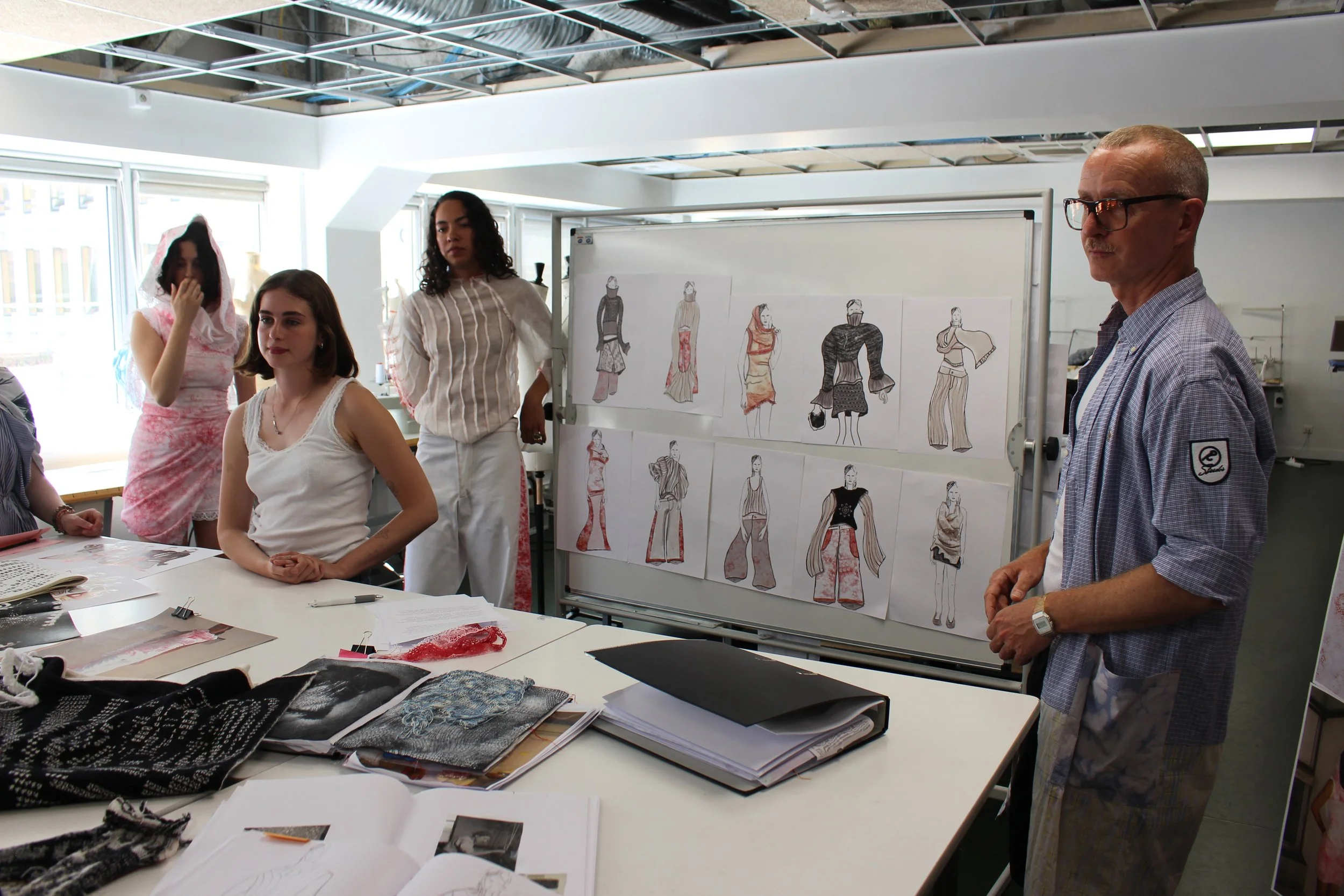
That language signals a departure from traditional fashion education models, which often prioritize market readiness, trend fluency, and accelerated production cycles. Here, research precedes output. Inquiry replaces immediacy. The runway is no longer the primary endpoint.
Research-Led, Studio-Based, System-Focused
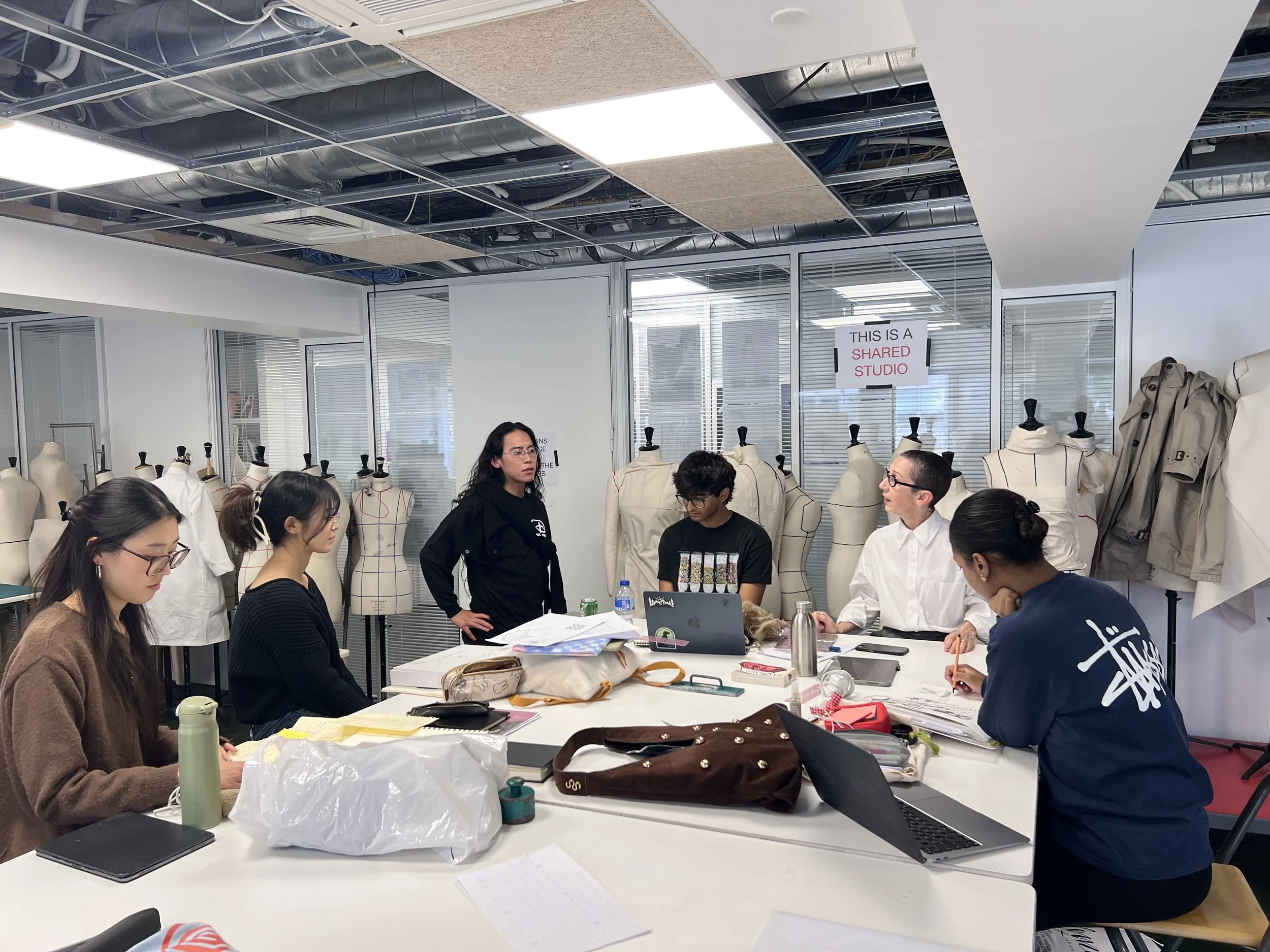
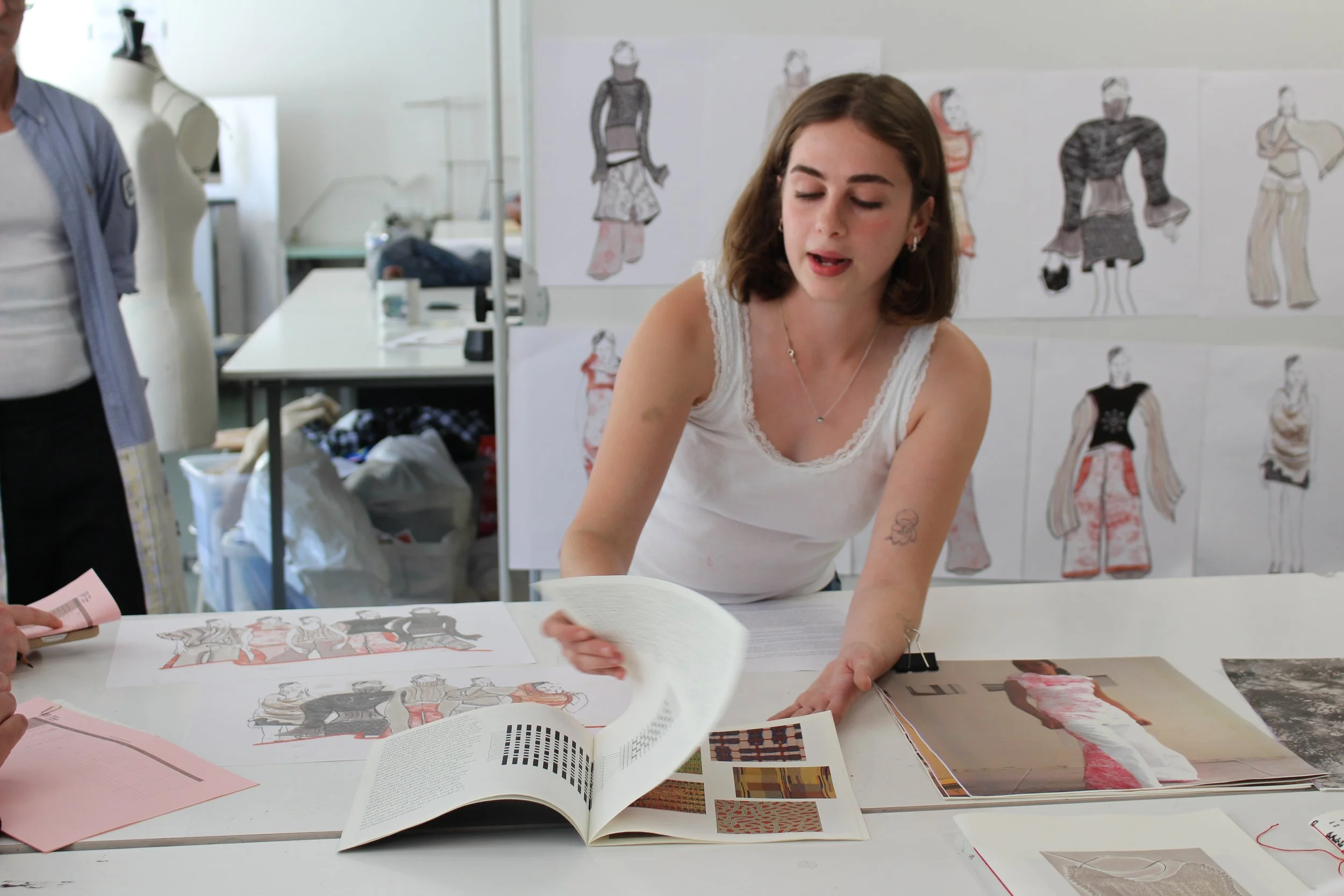
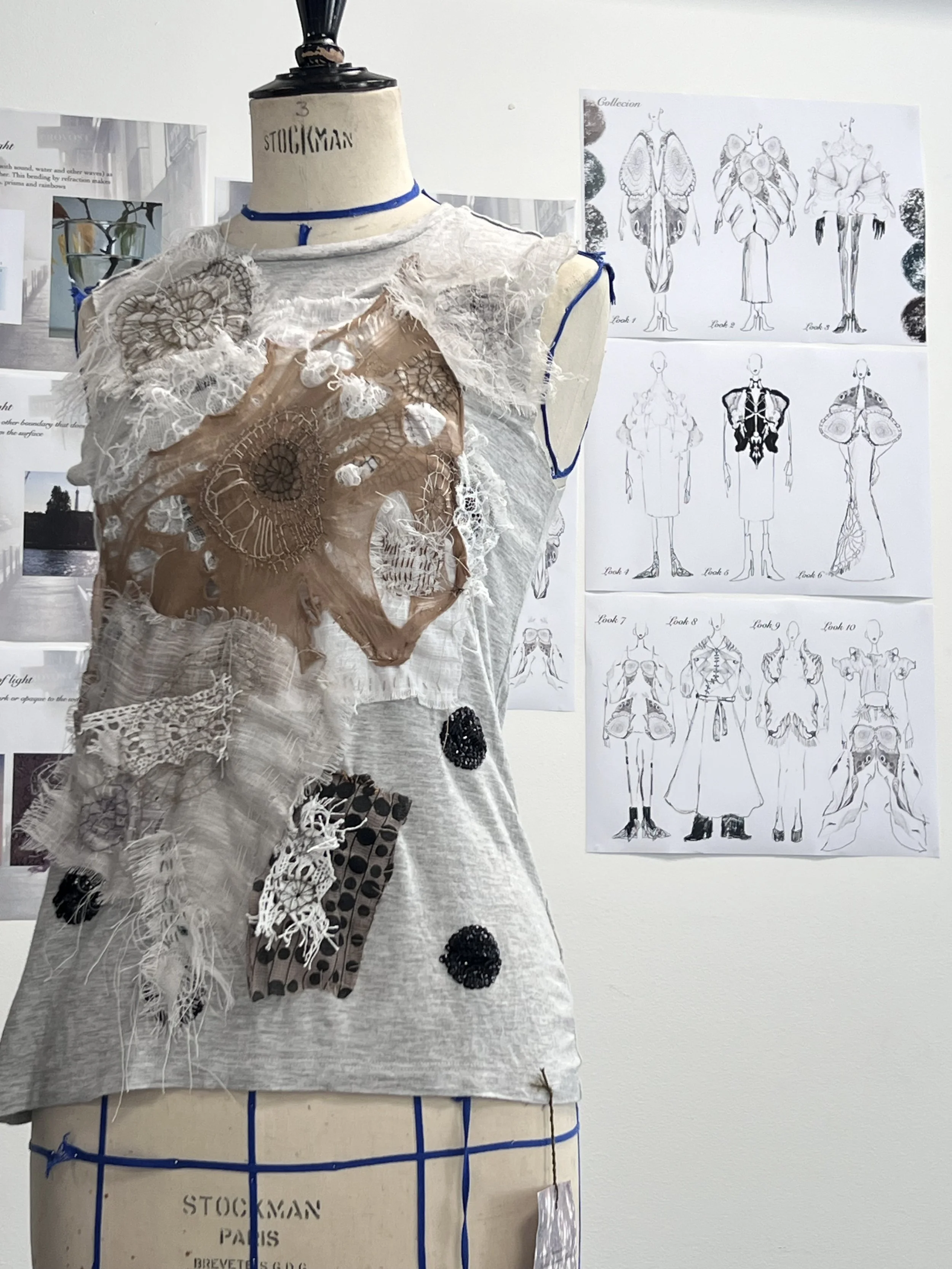
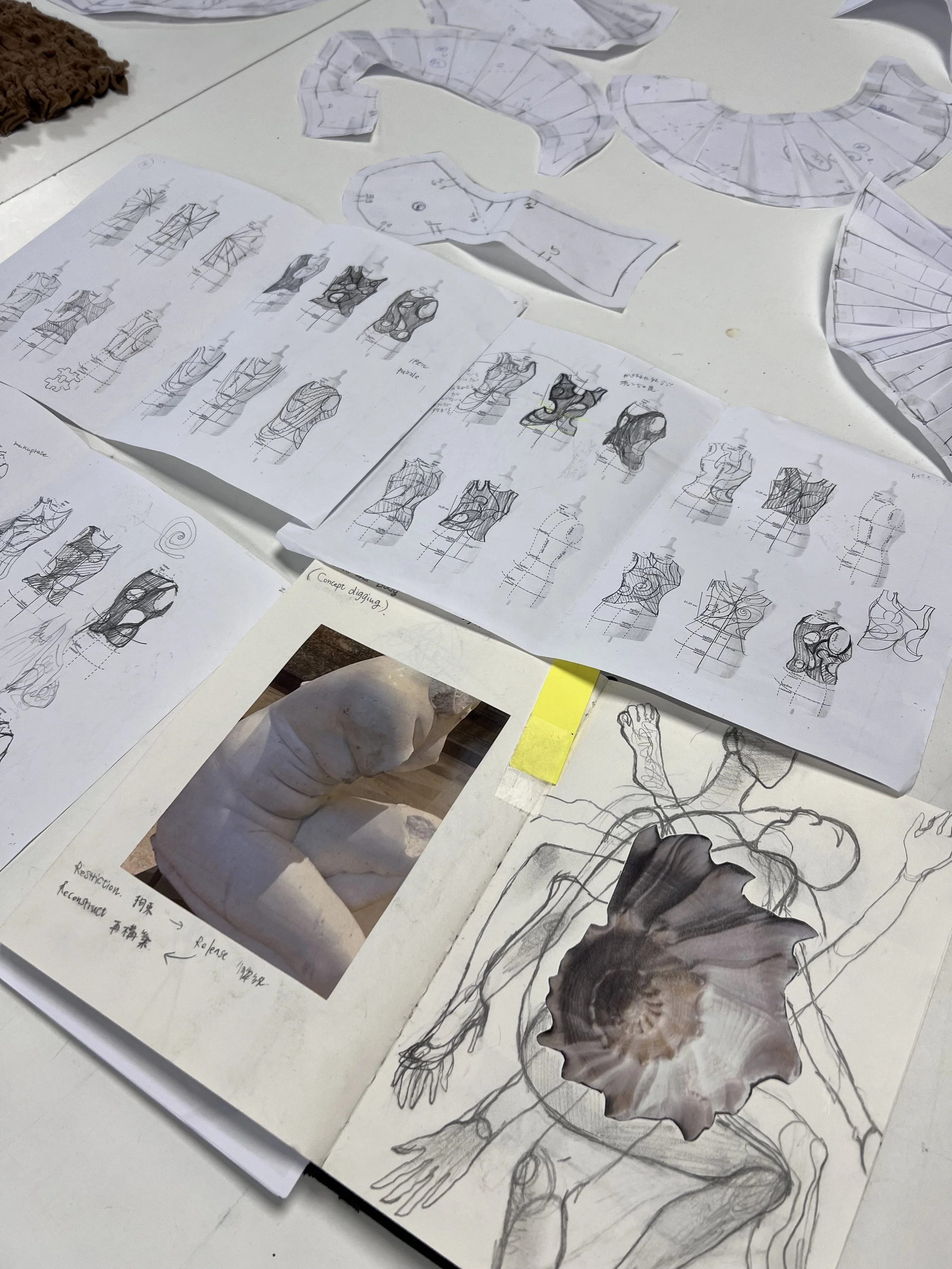
The curriculum integrates critical theory, research methodologies, speculative design, and experimental material practice into a studio-based framework. Students are encouraged to develop projects that move beyond garment production—alternative supply chain proposals, anti-extractive material systems, research-driven collections, and critical publications interrogating fashion’s relationship to power and climate crisis.
Graduates are positioned not solely as designers, but as researchers, curators, strategists, sustainability leads, writers, and educators—roles increasingly central to how fashion evolves institutionally. The program’s structure privileges long-term investigation over seasonal cadence, offering a deliberate counterpoint to an industry synonymous with speed and exhaustion.
This shift is timely. Fashion education itself is under scrutiny, with mounting calls from cultural institutions and industry leaders for programs that emphasize accountability, ethics, and systems literacy. If the next era of fashion is to be regenerative rather than extractive, its educational models must reflect that ambition.
Paris As Context, Not Backdrop
The choice of Paris is not incidental. As one of fashion’s symbolic capitals, the city embodies both the heritage and the contradictions of the global fashion system. Situated within Paris’s broader art and cultural discourse, Paris College of Art’s interdisciplinary environment allows students to engage fashion as part of larger conversations around contemporary art, politics, and social transformation.
Founded in 1986, Paris College of Art has long positioned itself as an English-language institution serving an international student body within a European cultural context. The MA builds on that global orientation, taught in English by an international faculty of practitioners and scholars.
Education As Industry Intervention
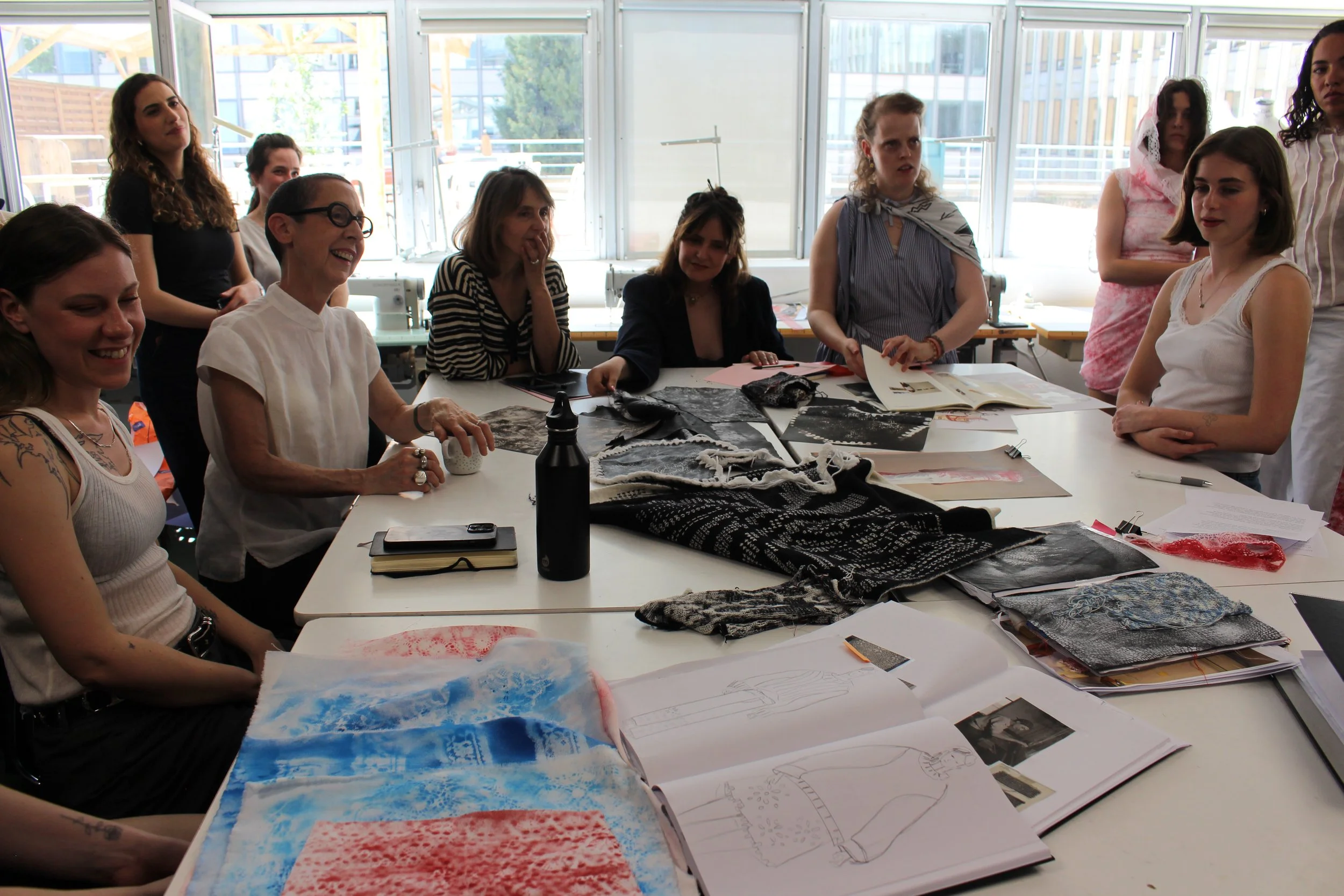
For Lucas Maethger, whose career spans luxury and fast-fashion brands including Calvin Klein and others, the launch represents more than curricular expansion—it is a direct intervention in how the industry reproduces itself.
“Fashion education cannot keep training students to do more of what is already failing,” Maethger says. “With systemic waste, labor exploitation, and creative burnout at unprecedented levels, we need to teach students to question and redesign the system itself. If we want a different industry, education must lead that change.”
That framing places responsibility squarely on institutions. If fashion’s current model is structurally flawed, reform cannot rest solely on brands or consumers. It must begin where designers, thinkers, and cultural producers are formed.
Applications for the inaugural September 2026 cohort are now open. In an era where the future of fashion is being negotiated in real time, Paris College of Art’s MA in Critical Fashion Practices positions itself not as an accessory to the industry—but as a platform to rethink its foundations.
If the next chapter of fashion is to be written differently, it may first need to be unlearned.





HOW DO YOU FEEL ABOUT FASHION?
COMMENT OR TAKE OUR PAGE READER SURVEY
Featured





For many people, the end of the workday does not always mean the beginning of recovery.