
Brick After Brick: How Nigel Sylvester Is Cementing BMX Into the Cultural Blueprint
PAGE
By PAGE Editor
In an era where cultural currency is measured not just in product, but in narrative, Nigel Sylvester continues to build a legacy that transcends BMX. What began as a discipline rooted in subculture has, under Sylvester’s direction, evolved into a fully realized ecosystem—one where sport, storytelling, and design intersect with intention.
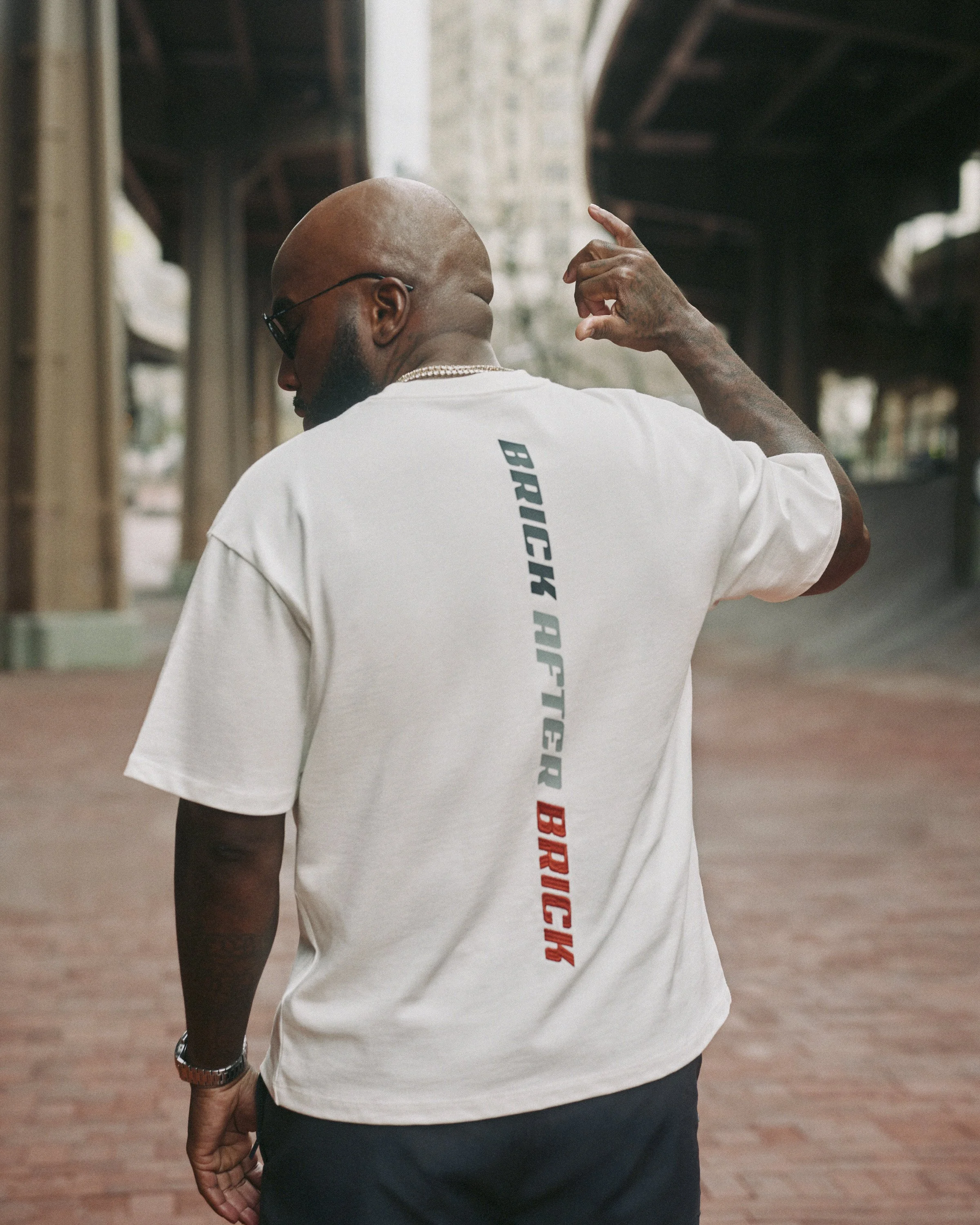
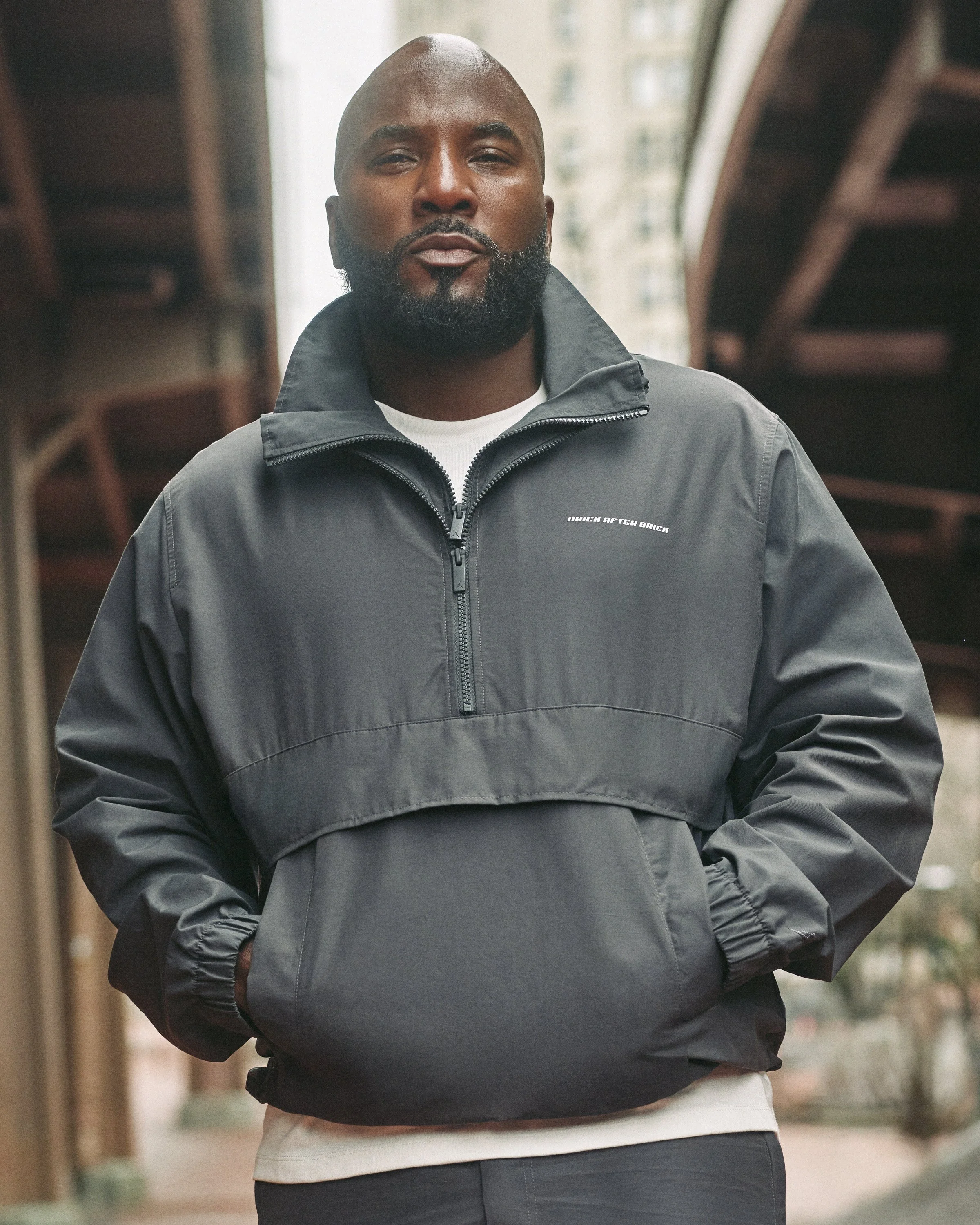
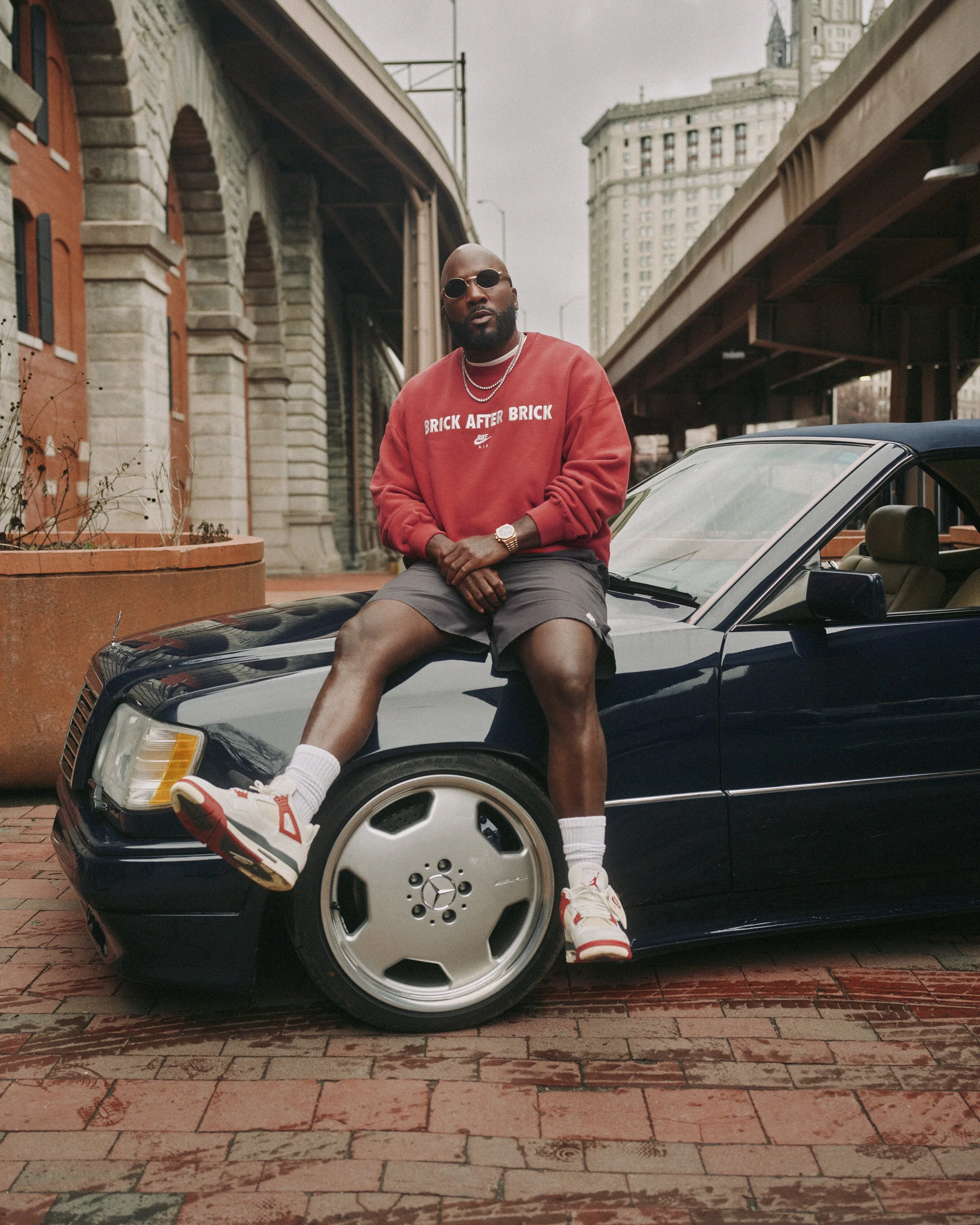
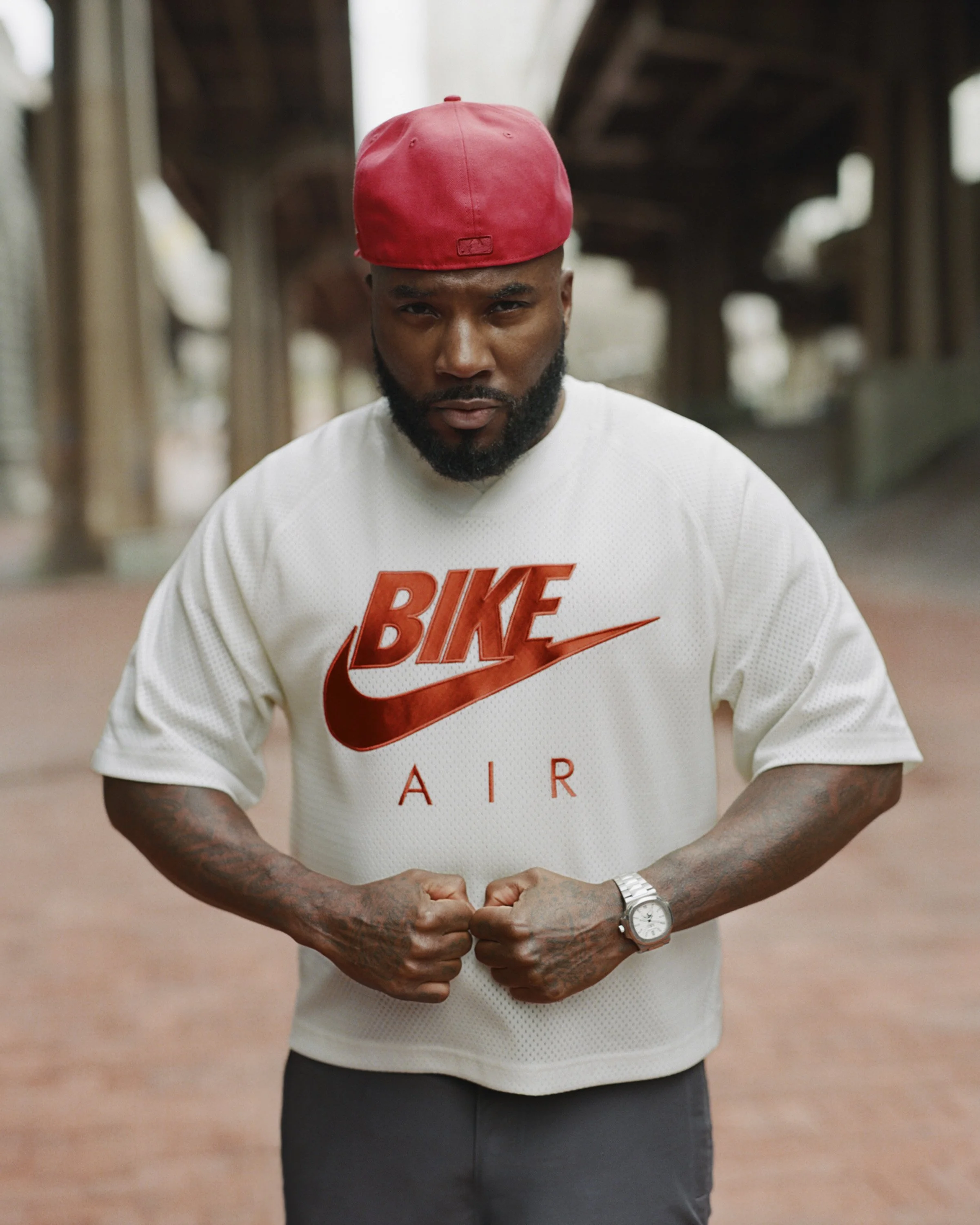
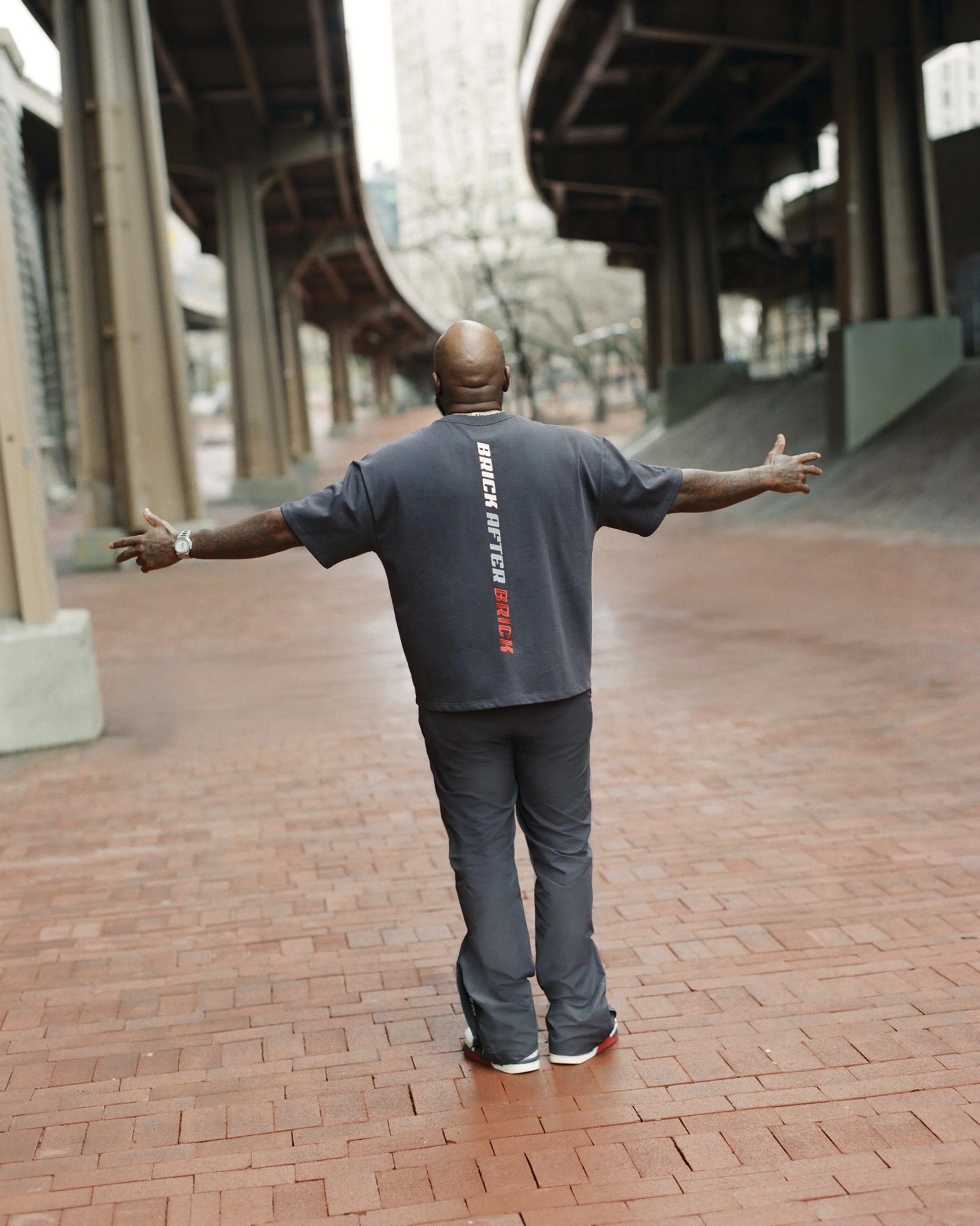
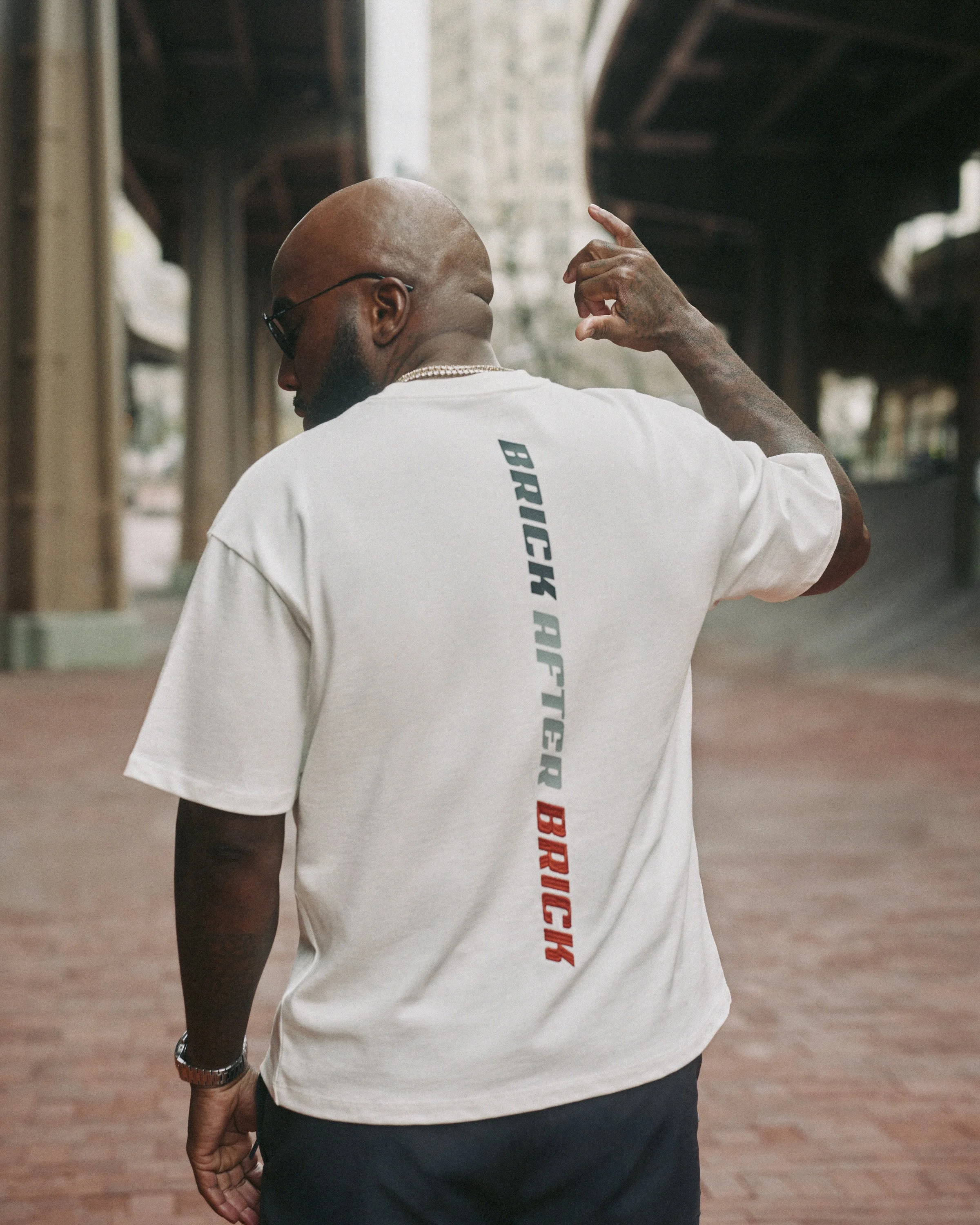
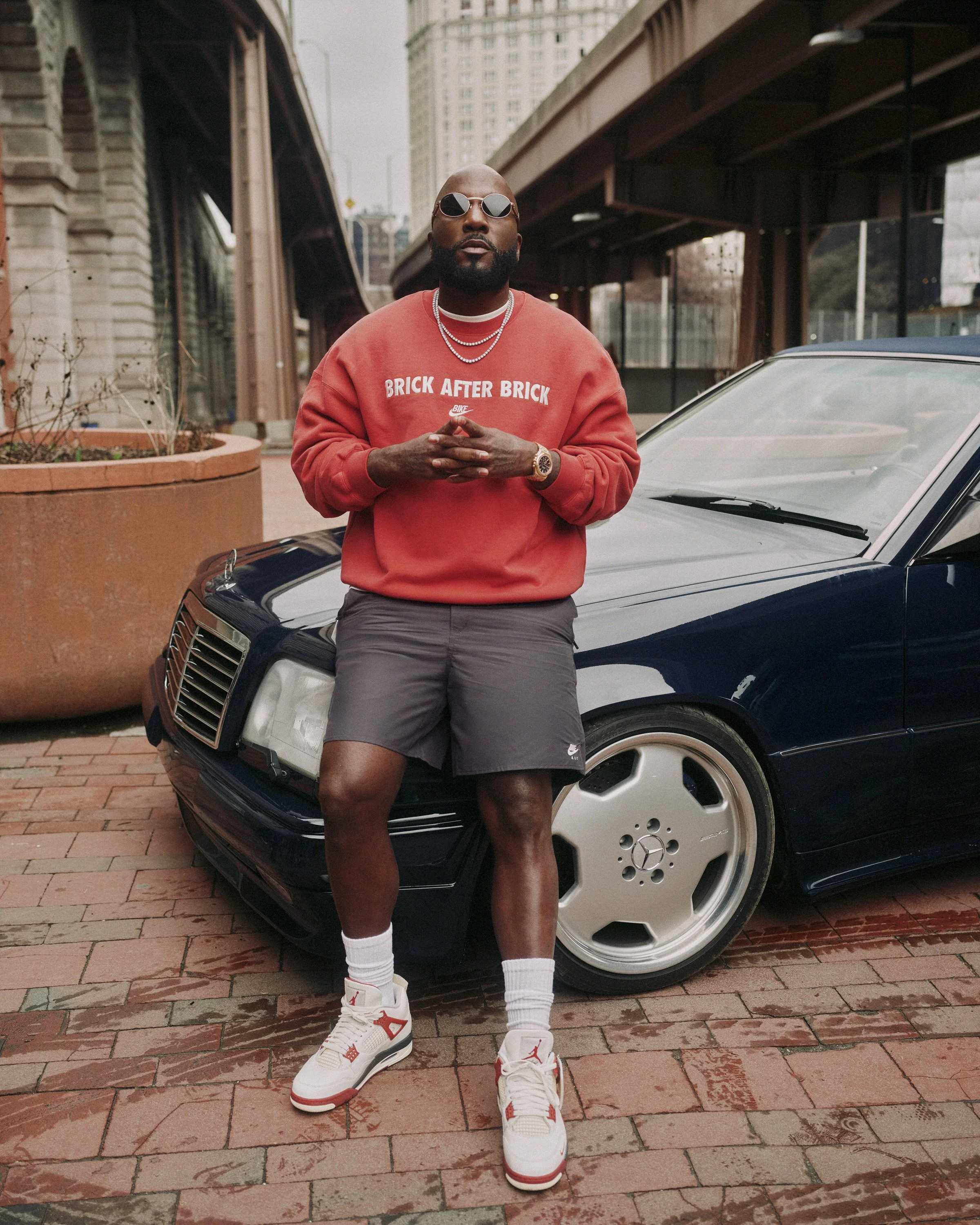
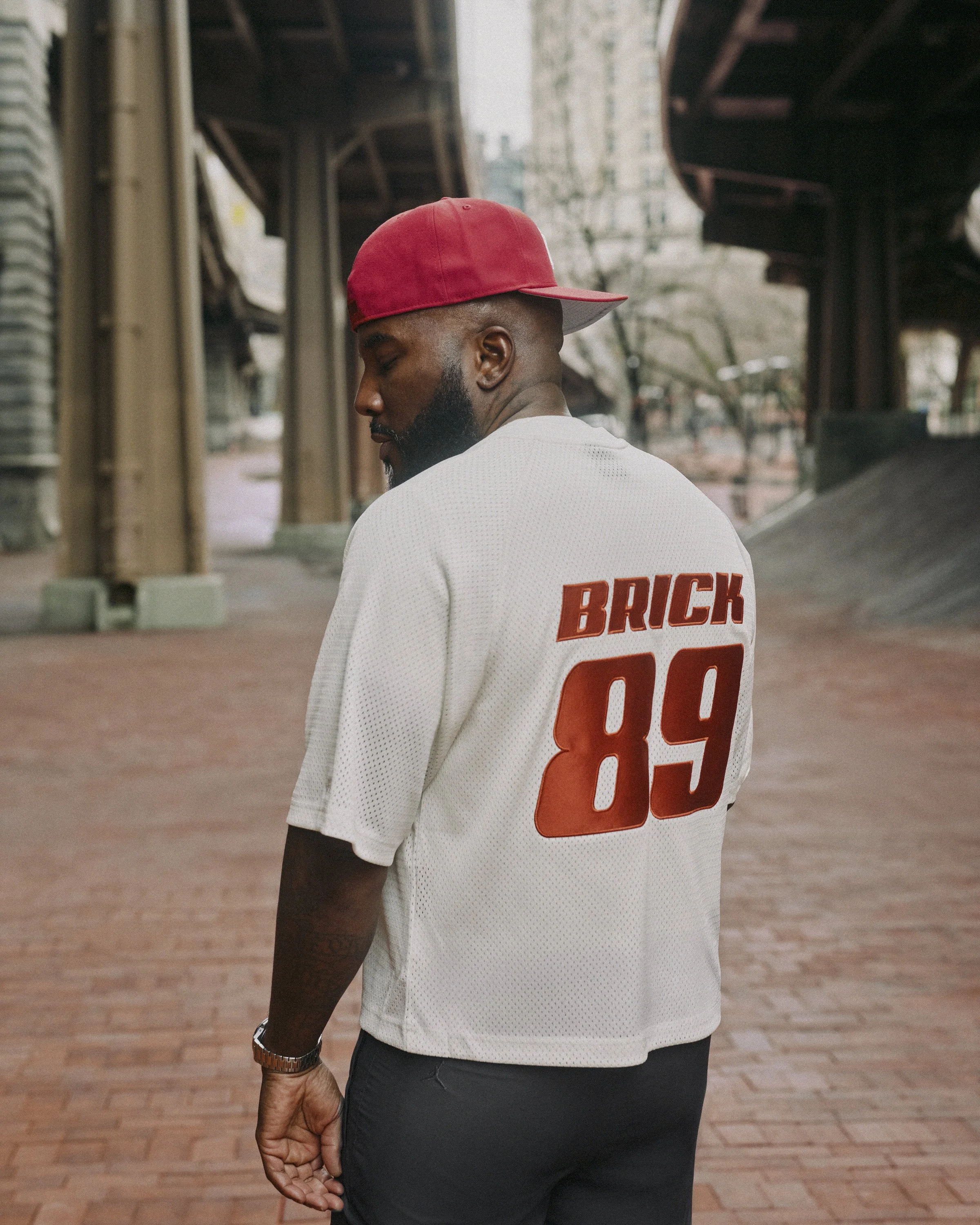
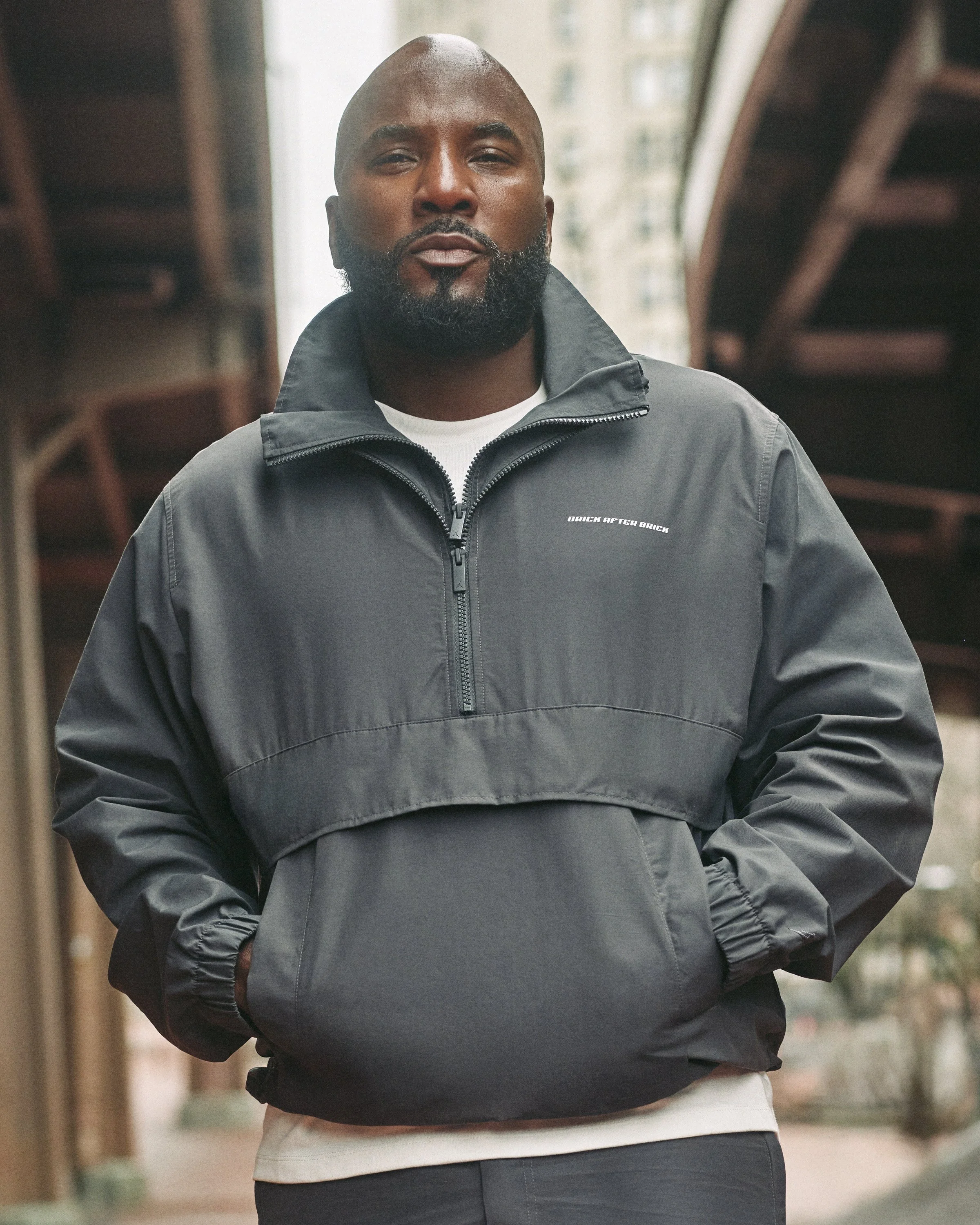
With his BIKE AIR imprint, Sylvester has reframed BMX not simply as a sport, but as a lifestyle language. His latest chapter, the “Brick After Brick” Summer ’26 collection in collaboration with Jordan Brand, signals something deeper than a seasonal drop—it’s a continuation of a philosophy grounded in consistency, resilience, and cultural authorship.
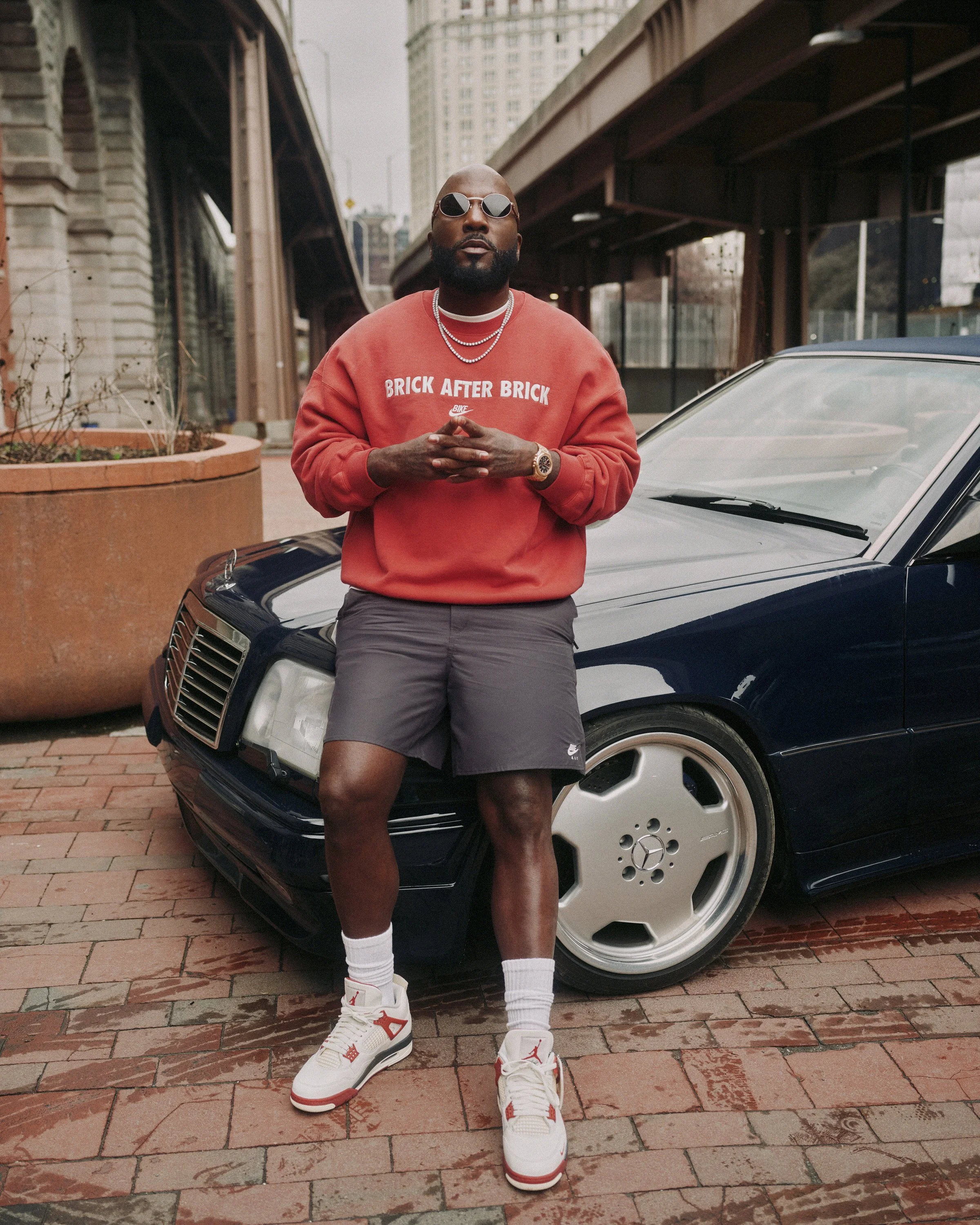
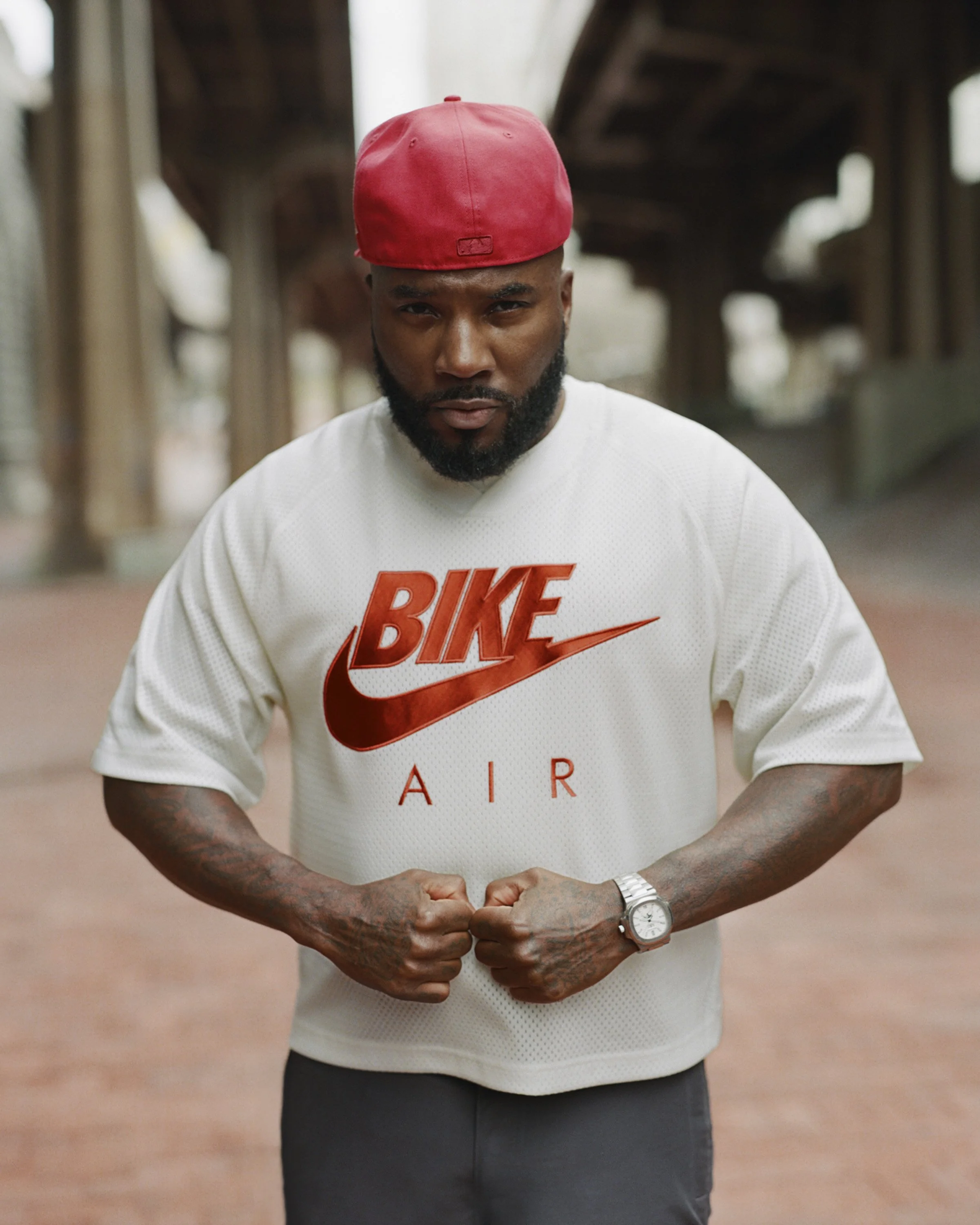
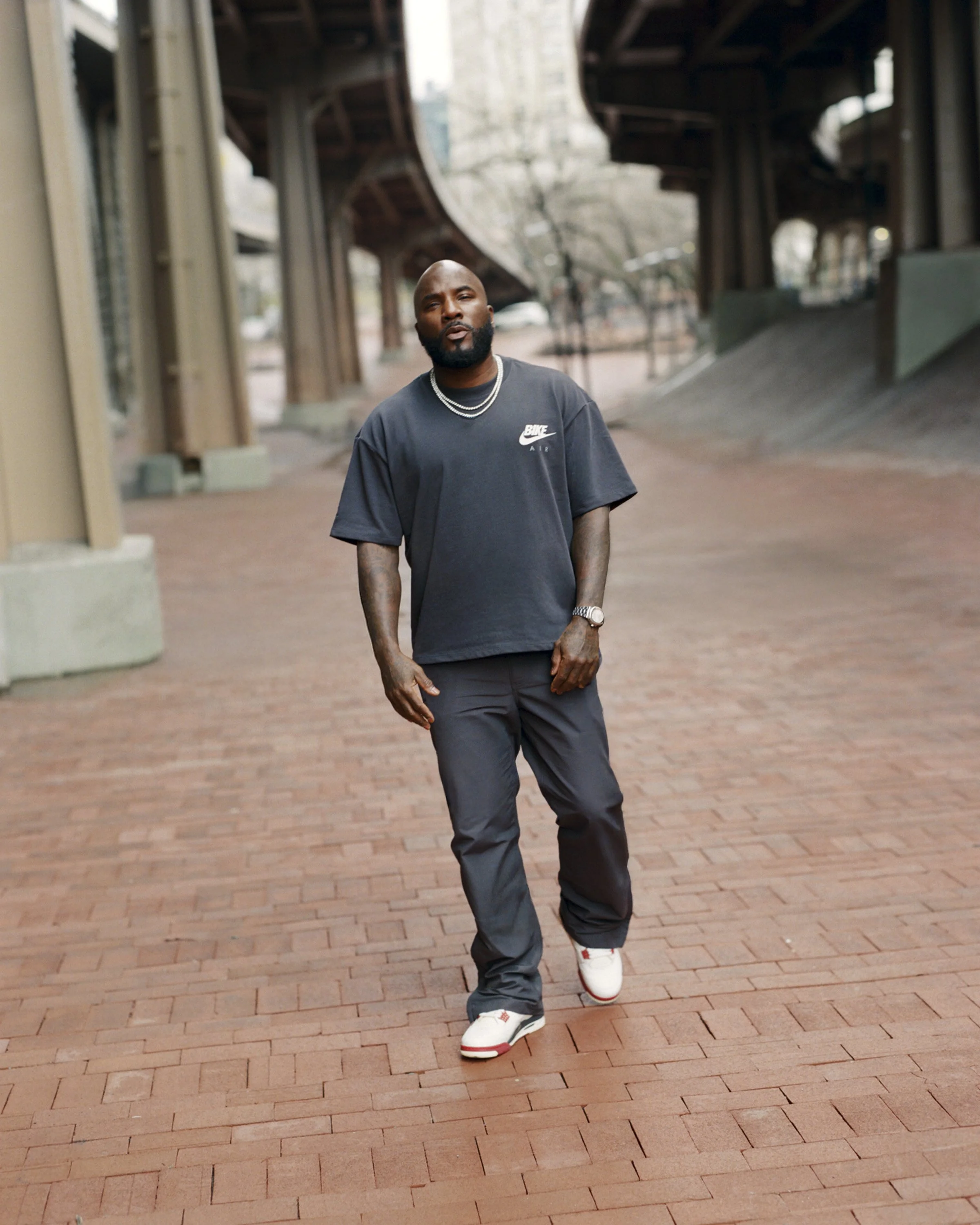
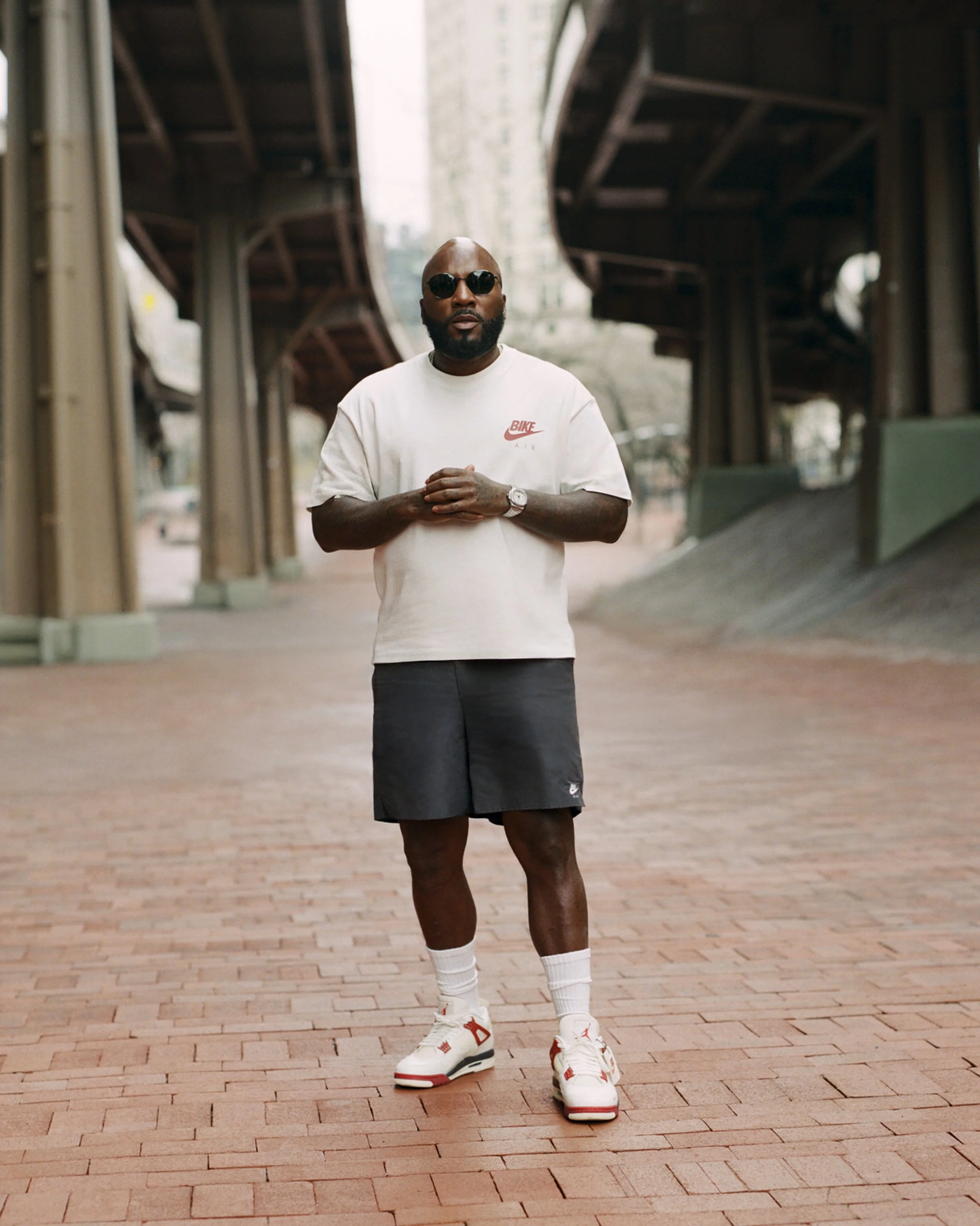
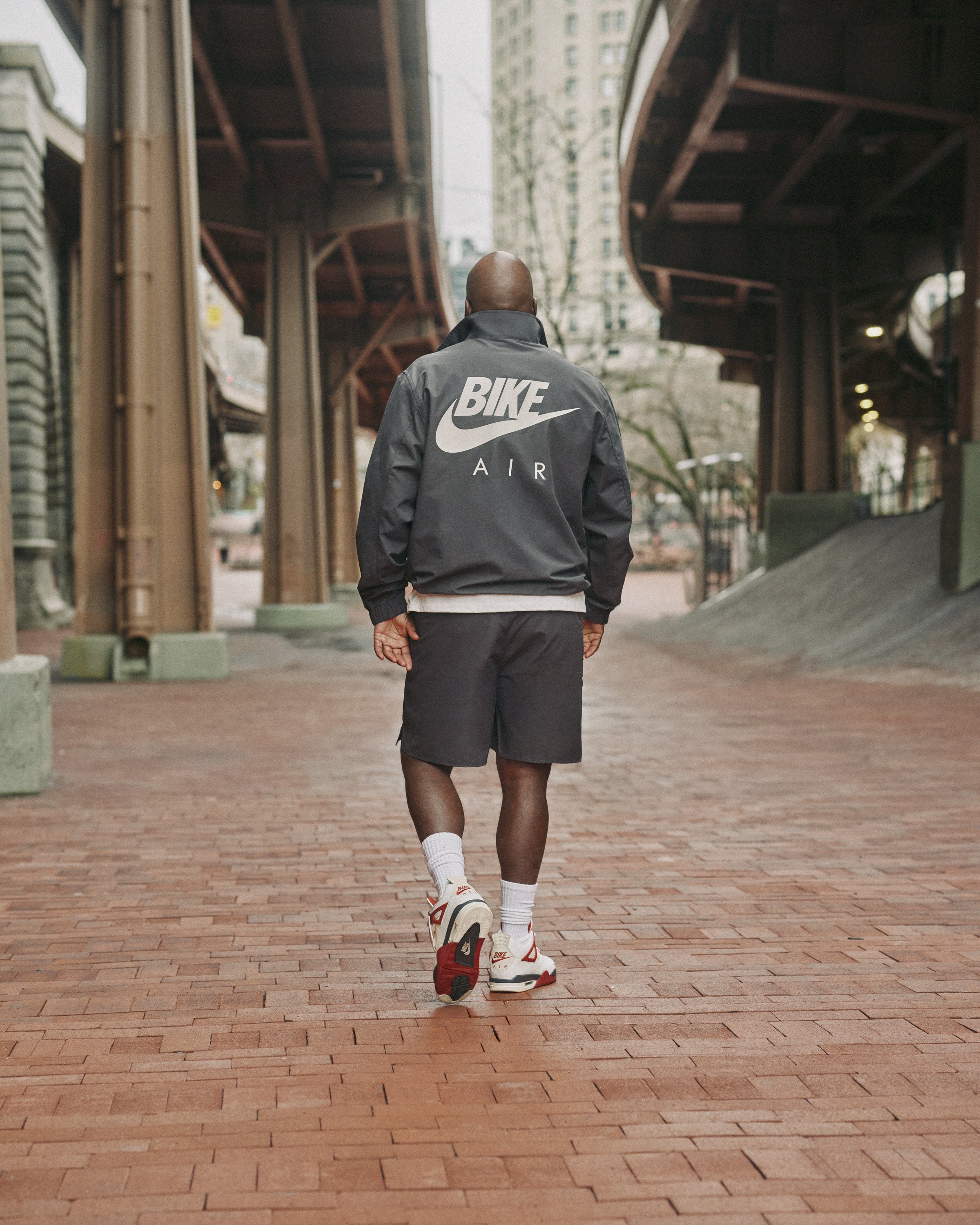
At the center of this narrative is a casting decision that feels less like a collaboration and more like a full-circle alignment. Grammy-nominated artist, entrepreneur, and cultural architect Jay “Jeezy” Jenkins fronts the “Jeezy For BIKE AIR” lookbook, bringing with him a legacy that parallels Sylvester’s own trajectory: one defined by transformation, endurance, and an unwavering commitment to evolution.
The Banks as Blueprint
Shot at the legendary Brooklyn Banks, the campaign is rooted in geography as much as it is in memory. For Sylvester, the Banks are not just an iconic backdrop—they are sacred ground. It’s where he refined his craft, where hip-hop soundtracked his progression, and where the visual language of red brick became synonymous with his identity.
“It was an honor to collaborate with Jeezy… This is motion, creativity, and consistency coming together to create something timeless,” Sylvester notes. His words echo the ethos behind BIKE AIR: that greatness is not a moment, but a process—built, quite literally, brick by brick.
For Jeezy, stepping into that environment reframed the collaboration in visceral terms. “When Nigel told me it means sustaining after building, everything clicked… That’s real hustle, real purpose, and real legacy.” The synergy is undeniable—two narratives forged in different arenas, unified by a shared understanding of the grind.
Product as Storytelling
What distinguishes “Brick After Brick” is its ability to translate lived experience into product. The collection merges technical performance with streetwear sensibilities, bridging BMX utility with the visual codes of contemporary fashion. It is less about category and more about convergence—where a rider’s uniform becomes a cultural artifact.
This is where Sylvester’s partnership with Jordan Brand proves especially potent. The brand’s legacy in storytelling through design finds new dimension through Sylvester’s lens—one that prioritizes authenticity over nostalgia, and forward motion over static heritage.
The success of its predecessor, “Brick by Brick,” underscores this approach. From being named Sneaker of the Year at ComplexCon to earning multi-category recognition from Nice Kicks, the release demonstrated that product can still carry narrative weight in a saturated market—if the story is real.
Experience as Currency
Beyond the lookbook, Sylvester’s recent Los Angeles activation signals a broader shift in how drops are experienced. A custom claw machine offering access to his coveted Air Jordan 4 turned the release into an interactive moment—part spectacle, part community gathering.
It’s a strategic evolution: moving from product release to cultural event. Fans didn’t just purchase—they participated. They camped, competed, documented, and, in doing so, extended the story beyond the object itself.
Building the Future, One Brick at a Time
If “Brick by Brick” established the foundation, “Brick After Brick” is about sustainability—of vision, of relevance, and of cultural impact. Sylvester is not chasing moments; he is constructing a framework.
By aligning with a figure like Jay “Jeezy” Jenkins, grounding the narrative in the Brooklyn Banks, and continuing to push the boundaries of collaboration with Jordan Brand, Sylvester reinforces a key truth: culture is not inherited—it is built.
HOW DO YOU FEEL ABOUT FASHION?
COMMENT OR TAKE OUR PAGE READER SURVEY
Featured

Telfar's SS2027 collection transforms the sample sale into a runway, using inside-out tailoring, manipulated materials, New York street references and a Brooklyn-to-Paris spectacle to question who gets to define fashion—and where it actually happens.