
Essential Aquatic Adventure Tips for Thrill-Seeking Explorers
PAGE
By PAGE Editor
With life in a seemingly never-ending cycle of terrible things occurring around the world, we can take solace in the fact that there is indeed an entire world to explore and enjoy, away from the usually negative headlines. For those who are willing to push their boundaries a touch further than the average Joe, there are even more experiences that aim to thrill, frighten, and ultimately make you feel more alive than ever before. This post explores a few options for those more inclined towards the water than the land and hopefully provides a few ideas for those seeking adventure in their lives to consider and perhaps even dip their toes into.
Choosing The Element To Dive Into Or Skirt Above
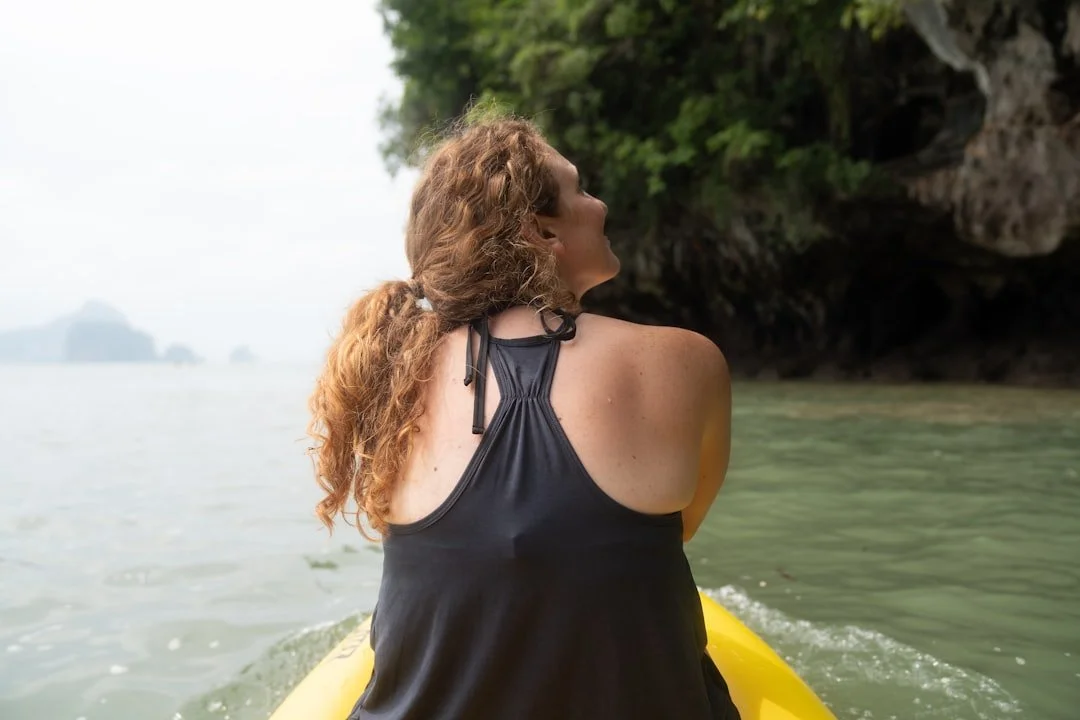
When it comes to the water, you have three distinct possibilities to stretch your adventure muscles. You can obviously choose any of them, but bear in mind that different levels will require different training and gear. You can choose between the following:
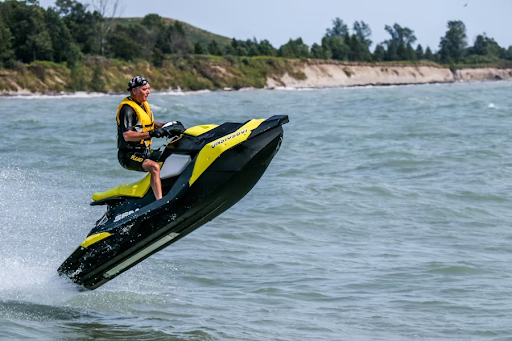
Surface-level events like kayaking, jet skiing, surfing, et al.
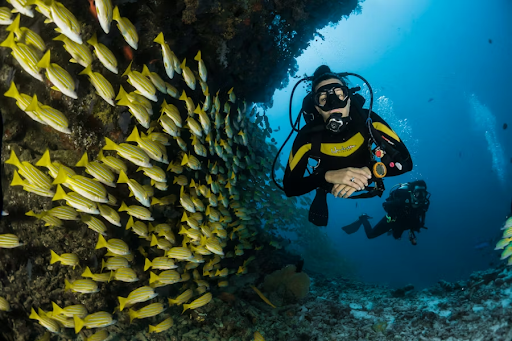
Subsurface options that include the obvious choices like scuba diving and snorkeling (or perhaps even freediving if so inclined).
Above the surface, activities such as flyboarding or foilsurfing take place.
Each category will inevitably involve different levels of training and gear, so you need to select your position carefully. For example, if you get deep into jet skiing and invest in your own machine, you will have to choose the correct jet ski storage units to keep them safe and in working order, ready to use when the urge hits. When it comes to scuba diving, not only do you need to invest in equipment, but also a lengthy training program to become au fait with procedures and so on. For most folks, they can experience a much deeper connection to a sport when they choose to go a mile deep and an inch wide rather than the converse (i.e., take time to explore all facets of their chosen aquatic hobby and aim to become the very best they can at it).
Essential Pre-Adventure Preparation
Even the most hardened adventurers channeling their inner Shackleton must prepare to make the most of their trips. As they say, proper preparation prevents poor performance, and when it comes to the kinds of shenanigans you might get up to in, on, or above the water, it can potentially save your life. Before even considering any of the aforementioned options, you should prepare in the following ways:
Develop a physical fitness baseline: Adventuring on the water is unlike any form of land-based activity, and depending on where you choose to have fun, you might be very, very far from help and be in a position where you have to haul yourself to safety. Consequently, it will pay dividends to improve your overall health, particularly in terms of cardio, before you even set foot in the water.
Skills and assessment foundations: Before any water-based activity, confirm the following:
You’re able to tread water for at least 10 minutes.
Comfortable swimming in open water (not only the pool).
You’re familiar with self-rescue techniques.
Completed formal training for a specific activity.
You understand how to read the water and know when it’s probably a wise idea to move things to another day if conditions aren’t right.
Research the locations you will use: The environment matters often more than your expense, and when it comes to water, you should always respect it. Learn about weather conditions where you plan on having fun, check for any restricted zones, study warnings provided by local authorities, and always let others know where you’re going.
The Right Equipment For The Right Adventure
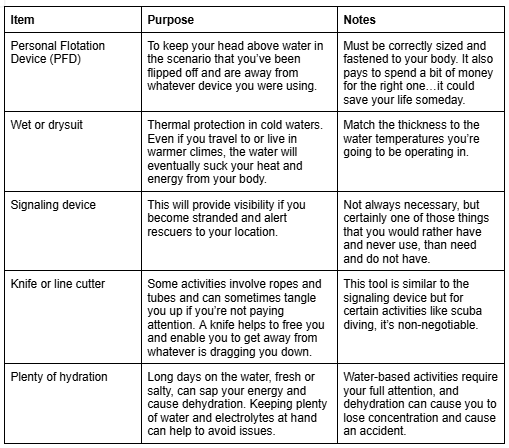
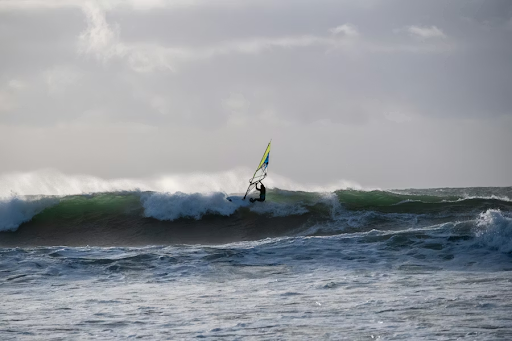
As we’ve already alluded to, some activities will involve investing, sometimes heavily, in specific gear. Obviously, if you plan on snorkeling once in a while, you needn’t spend a fortune, but other activities like scuba diving, jet skiing, and windsurfing will involve not just a high initial expenditure but also ongoing costs to keep everything in working order. We can’t really cover every detail since there are so many options and variables, but at a minimum, you ought to have the following:
Safety Protocols That Save Lives
Although somewhat a part of the pre-adventure prep section, this topic deserves its own section due to how vital it is. It can seem slightly dull to anyone interested in the raw thrill of adventure, but trust us that once you know a few protocols, you will feel far more emboldened when you go out.
The buddy system: You should never conduct any high-risk endeavor alone, especially if you plan on venturing far from a boat or the shore. The buddy system enables someone to get help if things go terribly awry.
Have an emergency action plan: You don’t need a highly detailed plan; in fact, a complicated one can actually be counterproductive. But you do need to be able to answer a few simple questions before heading out, like where the nearest emergency exits are (shoreline, boats, etc.), who and how to contact if it all goes wrong, and so on.
Read the danger signals: Knowing how to read the water can literally be the difference between life and death. This might sound like hyperbole, but the reality is that knowing the difference between calm waters and an underlying riptide makes all the difference.
It might appear as though this post is a not-so-hidden attempt to dissuade you from pursuing such adventurous activities, but quite the contrary. The more you understand about what you're getting into, the more you’ll be able to enjoy it sans the fear that comes from the unknown.
HOW DO YOU FEEL ABOUT FASHION?
COMMENT OR TAKE OUR PAGE READER SURVEY
Featured





Wale joins CapSole as Chief Creative Officer and equity partner, bringing his influence in sneaker culture to a business focused on preservation, sustainability, and extending the life of collectible footwear.