
How Smart Golfers Are Getting More Out of Their Game by Spending Less on Gear
PAGE
By PAGE Editor
There is a quiet assumption in golf that better gear equals a better game. Walk into any pro shop, and it is easy to believe that the latest driver or a shiny set of irons is the missing piece. But most experienced golfers will tell you something different. The ones who actually improve are not always the ones spending the most. They are the ones spending smarter.
This article is for the golfer who wants to get genuinely better without draining their wallet every season.
The Real Relationship Between Equipment Cost and Performance
Why expensive clubs rarely fix the real problem
Here is something the equipment industry would rather you not think about too hard. The gap between a mid-range club and a top-of-the-line model is far smaller than the marketing suggests. For the average amateur golfer, the difference often comes down to cosmetics and confidence rather than measurable performance gains.
Coaching data supports this. Most handicap improvements at the recreational level come from better swing mechanics, improved course management, and more deliberate practice. A golfer with a repeatable swing will outperform someone with better clubs and an inconsistent one almost every time.
The gear upgrade cycle and how it traps golfers
The golf industry runs on a seasonal release cycle. Every year brings new technology, new language around speed and forgiveness, and a strong suggestion that last year's model is now somehow inadequate.
This cycle works because golf is emotional. A bad round makes you want to fix something, and a new club feels like a solution. But the problem is rarely the equipment. Spending money on gear can feel like progress when it is actually just spending money.
How the Secondhand Market Has Changed the Game
The used club market is not what it used to be
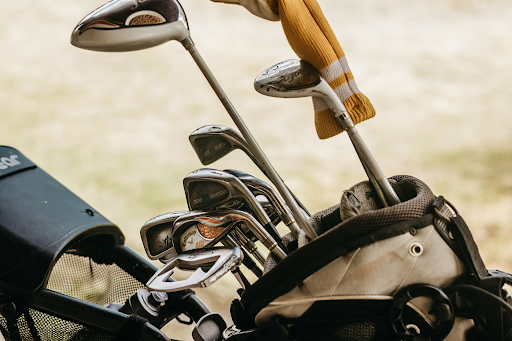
Ten years ago, buying secondhand golf clubs felt like a gamble. You were relying on a stranger's description and hoping for the best. That has changed significantly. Much like the way vintage culture has evolved from informal swap meets into a structured, quality-driven space, the preowned golf market has undergone the same kind of maturation. Today, specialist retailers inspect, grade, and verify used equipment before it reaches the buyer. Condition ratings are clear, return policies exist, and the quality assurance around preowned clubs has genuinely improved.
This shift has made secondhand buying a legitimate and smart choice for golfers at every level, not just beginners watching their budget.
Why woods are a particularly strong secondhand buy
Woods are where the secondhand market really delivers. Drivers and fairway woods are built for durability. The faces are engineered to perform over thousands of rounds, and unless a club has been genuinely abused, the performance characteristics hold up well into its second or third ownership.
For golfers looking to upgrade their long game without paying retail price, it makes real sense to shop preowned golf woods through specialist retailers who have already done the quality checks for you. You get the performance without the new-club price tag, and in many cases, you can access premium brands that would otherwise sit outside your budget.
What to Actually Look for When Buying Used Clubs
Reading the condition of a club beyond the obvious
Face wear is the most important thing to check on any used wood. Light bag marks and paintwork scuffs are cosmetic and do not affect how the club performs. But heavy face wear, visible impact concentrated in off-centre zones, or any crack around the hosel are different matters entirely.
The shaft is equally important. Check for any twisting, soft spots, or repairs. Grip condition matters less because regripping is cheap and straightforward, but everything structural should be sound before you commit to a purchase.
Buying clubs that match where your game actually is
One of the most common mistakes golfers make is buying equipment suited to where they hope their game will be rather than where it actually is. A stiff-shafted driver built for a high swing speed will not help a player who has not developed that speed yet. It will likely make things worse.
When buying used, focus on finding clubs that suit your current swing profile. The right shaft flex, loft, and head design for your actual game will give you far better results than aspirational specs you are not ready to use.
Building a Better Bag Without Overspending
Know which clubs deserve a new purchase and which do not
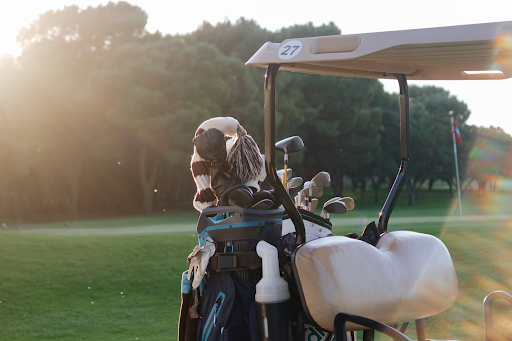
Not every club in your bag deserves the same budget. Wedges and putters are high-touch clubs where feel and fresh grooves matter more. These are reasonable places to spend on new. Woods and long irons, on the other hand, are perfect candidates for the preowned market. They are durable, they hold their performance well, and the savings are substantial. For golfers looking to upgrade their long game without paying retail price, it makes real sense to shop preowned golf woods through specialist retailers who have already done the quality checks for you. You get the performance without the new-club price tag, and in many cases, you can access premium brands that would otherwise sit outside your budget.
Think of your bag as something that evolves with your game
Rather than building a permanent bag, think of it as something that grows with you. Buying used at each stage of your development means you are not locked into expensive equipment you might outgrow. You can sell, upgrade, and rotate without the financial anxiety that comes with buying everything new. It is a more flexible and, honestly, more sensible way to approach the game.
Getting More From What You Already Have
A fitting session can transform the clubs you already own
Before you spend anything on new or used equipment, consider a professional fitting session on the clubs already in your bag. Adjustments to lie angle, loft tweaks, and regripping can make a noticeable difference to how your current clubs perform. It is one of the most cost-effective things a golfer can do and one of the most overlooked.
Practice and strategy will always outperform gear
The most honest thing you can hear as a golfer is this: lessons and deliberate practice will do more for your game than anything you can buy. Understanding your tendencies, working on your short game, and making smarter decisions on the course will lower your scores faster than any equipment upgrade. Equipment can support a good game. It cannot create one.
Conclusion
Smart golfers know that the game is won or lost in preparation, practice, and decision-making rather than at the checkout. The secondhand market has matured enough to offer real quality at honest prices. A strategic approach to building your bag, combined with an honest assessment of where your game actually stands, will take you further than chasing every new release. Audit your bag, be honest about what is holding your game back, and spend your money where it will genuinely make a difference.
FAQs
Are preowned golf clubs reliable enough for regular play?
Absolutely. As long as you buy from a reputable retailer who grades and inspects their stock, preowned clubs can perform just as well as new ones for the vast majority of recreational golfers.
What should a beginner focus on when buying clubs on a budget?
Consistency and forgiveness matter most at the beginner stage. Look for cavity-back irons and higher-lofted woods with regular flex shafts. The secondhand market is an ideal place to start without overcommitting financially.
How do I know if a used wood has too much face wear?
Look for deep scratching or pitting on the face itself, particularly if impact marks are concentrated toward the heel or toe. Some surface wear is normal and cosmetic. Structural damage to the face or hosel is a reason to walk away.
Is it worth getting a fitting if I am using secondhand equipment?
Yes. A fitting is about understanding your swing, not your clubs. The data you gather from a fitting session applies whether you are buying new or used, and it will help you make much smarter purchasing decisions either way.
HOW DO YOU FEEL ABOUT FASHION?
COMMENT OR TAKE OUR PAGE READER SURVEY
Featured


Flyknit and leather sit at opposite ends of the handbag world, and buyers get pushed into picking a side too early. One sounds modern and light. The other sounds premium and safe.