
FGI At 30: Why The Rising Star Awards Still Define Fashion’s Future Economy
PAGE
By PAGE Editor
In an industry that often confuses visibility with longevity, Fashion Group International has spent three decades proving that true influence is built earlier—at the moment when emerging talent is still being shaped, challenged, and, most critically, supported.
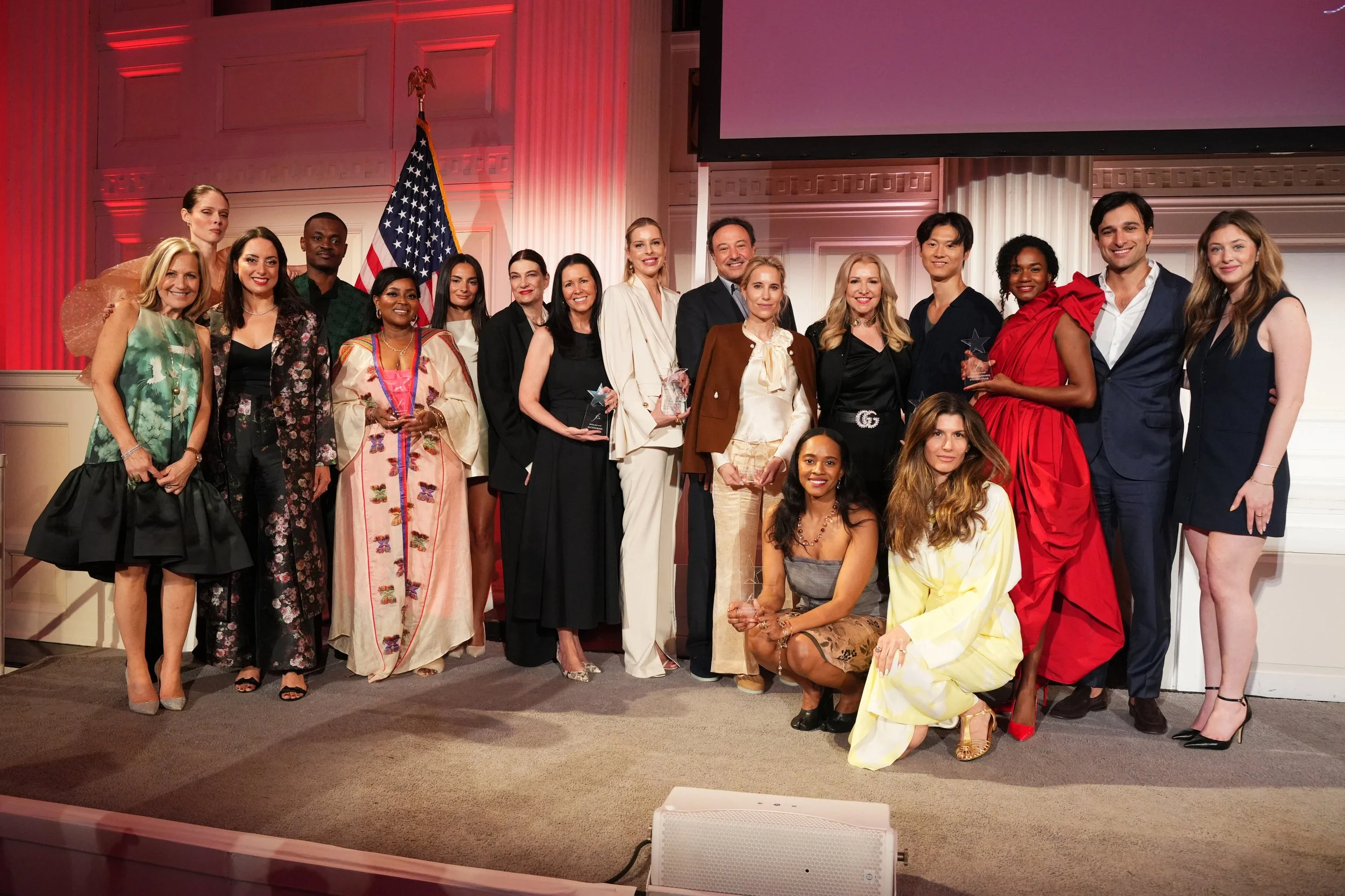
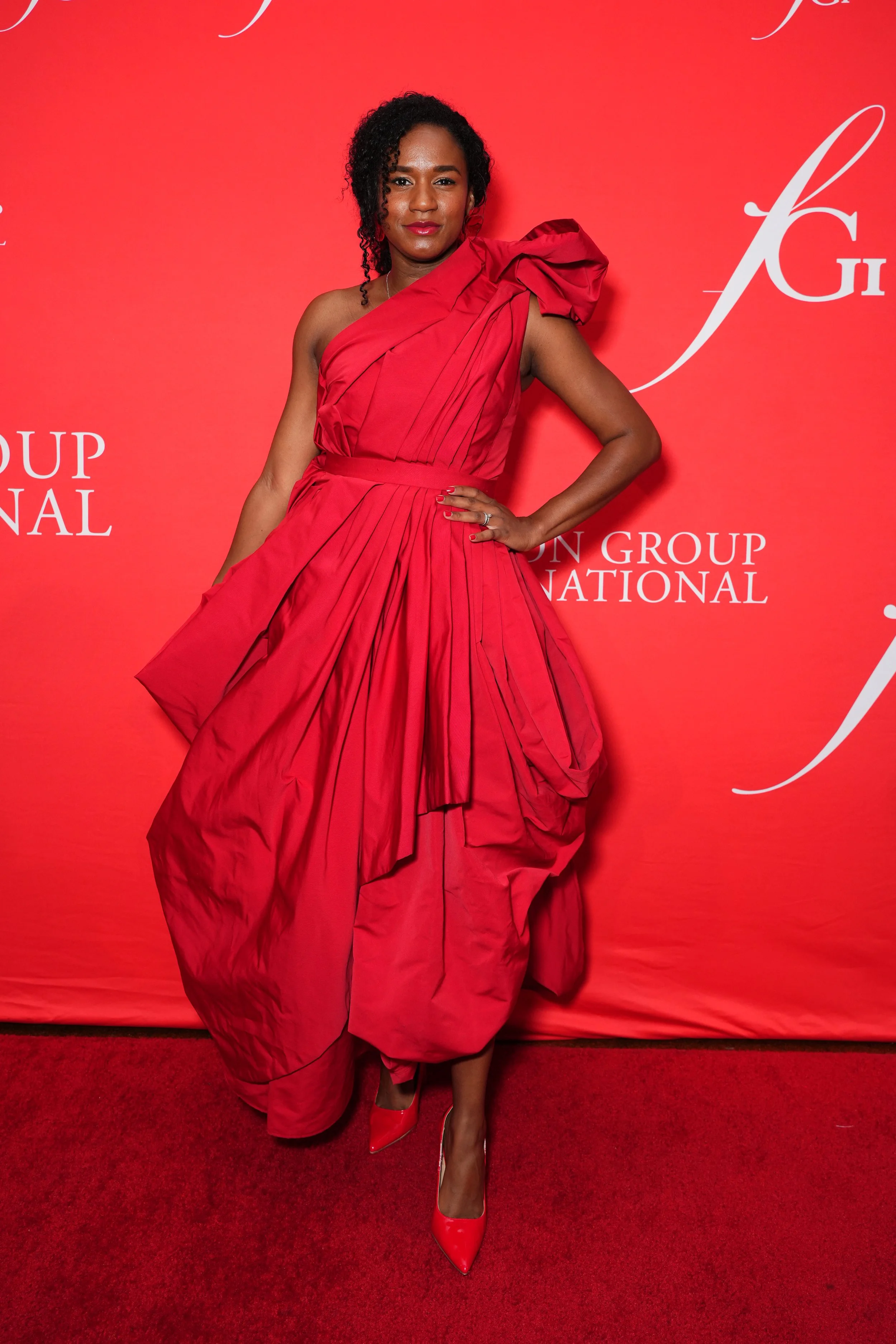
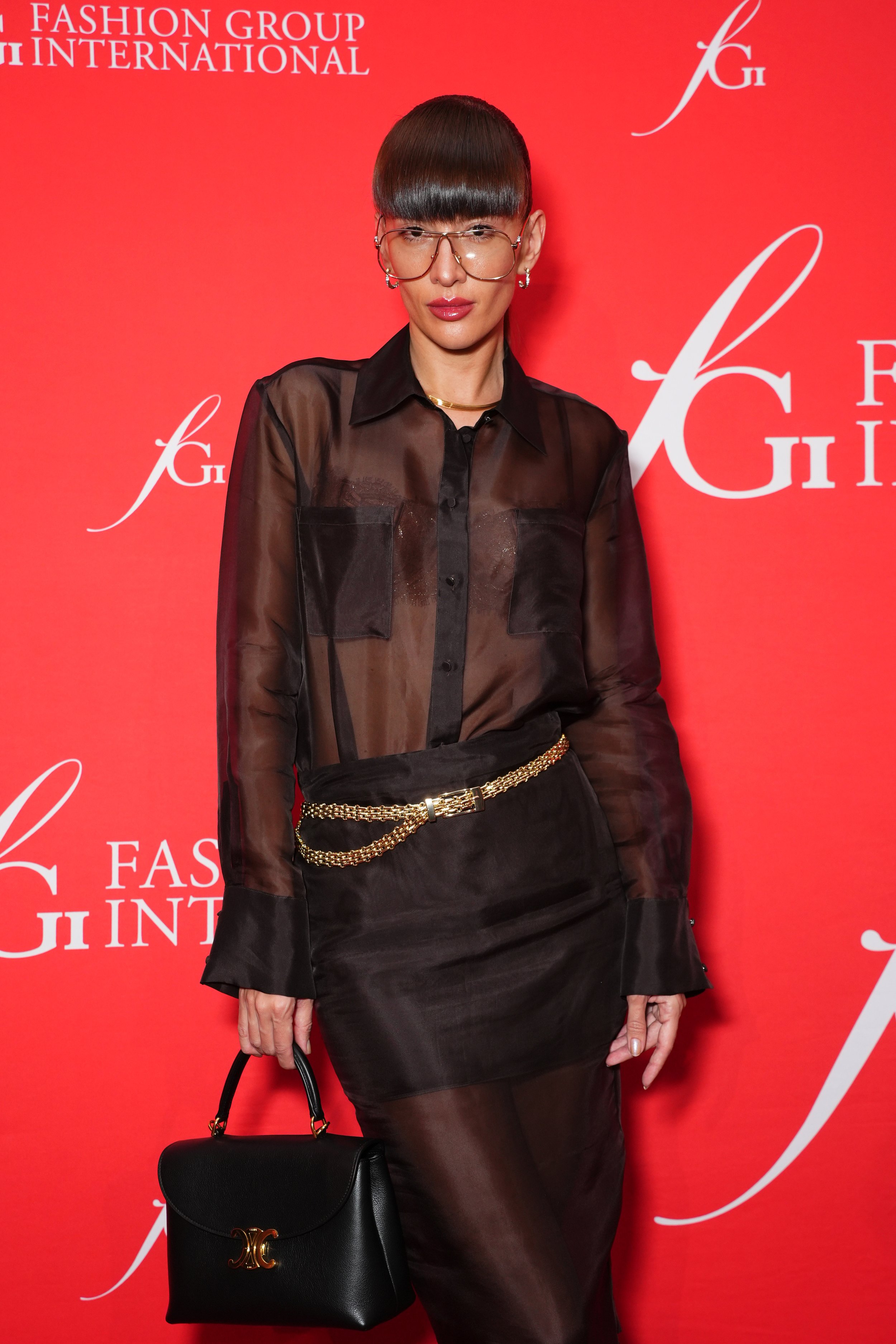
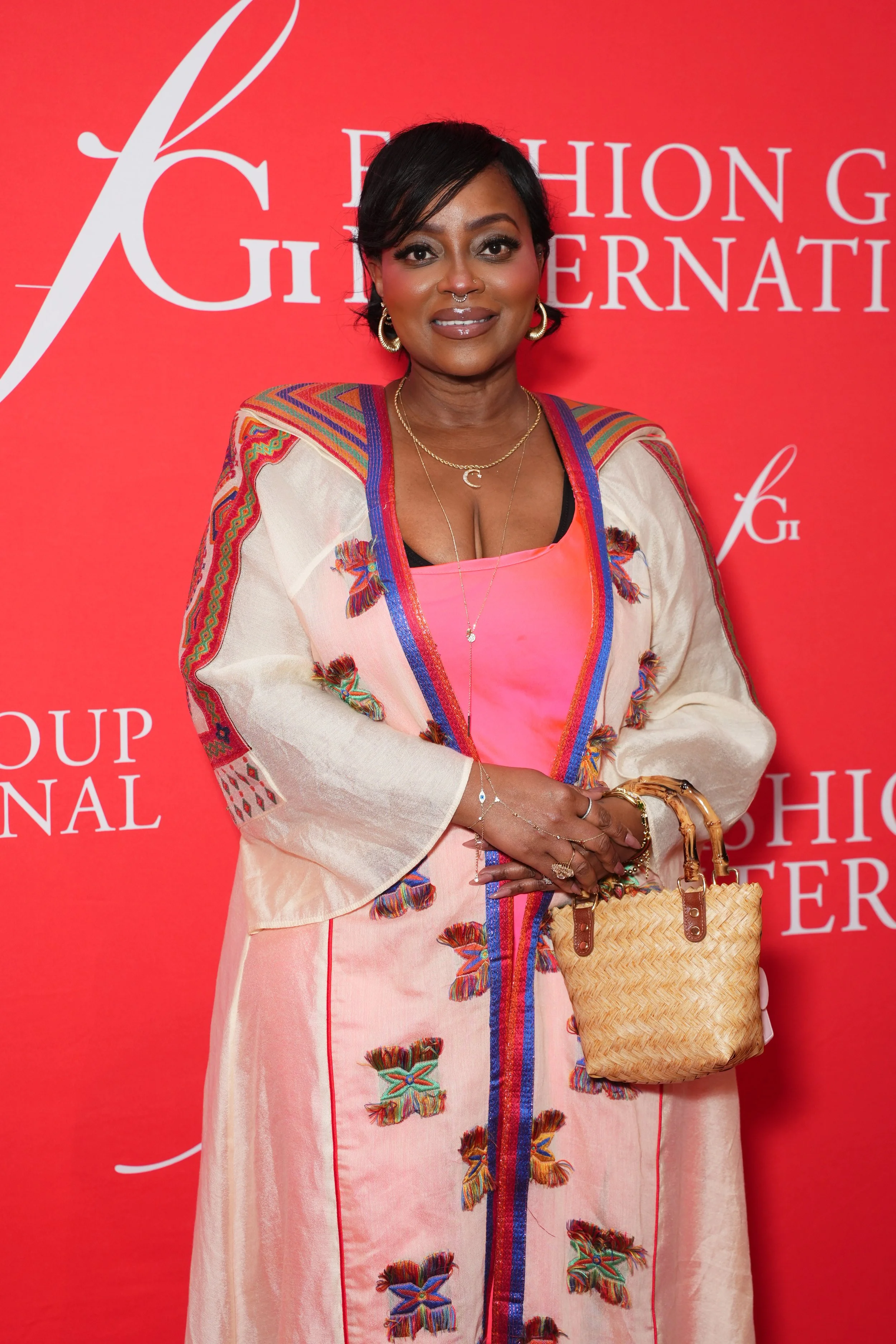
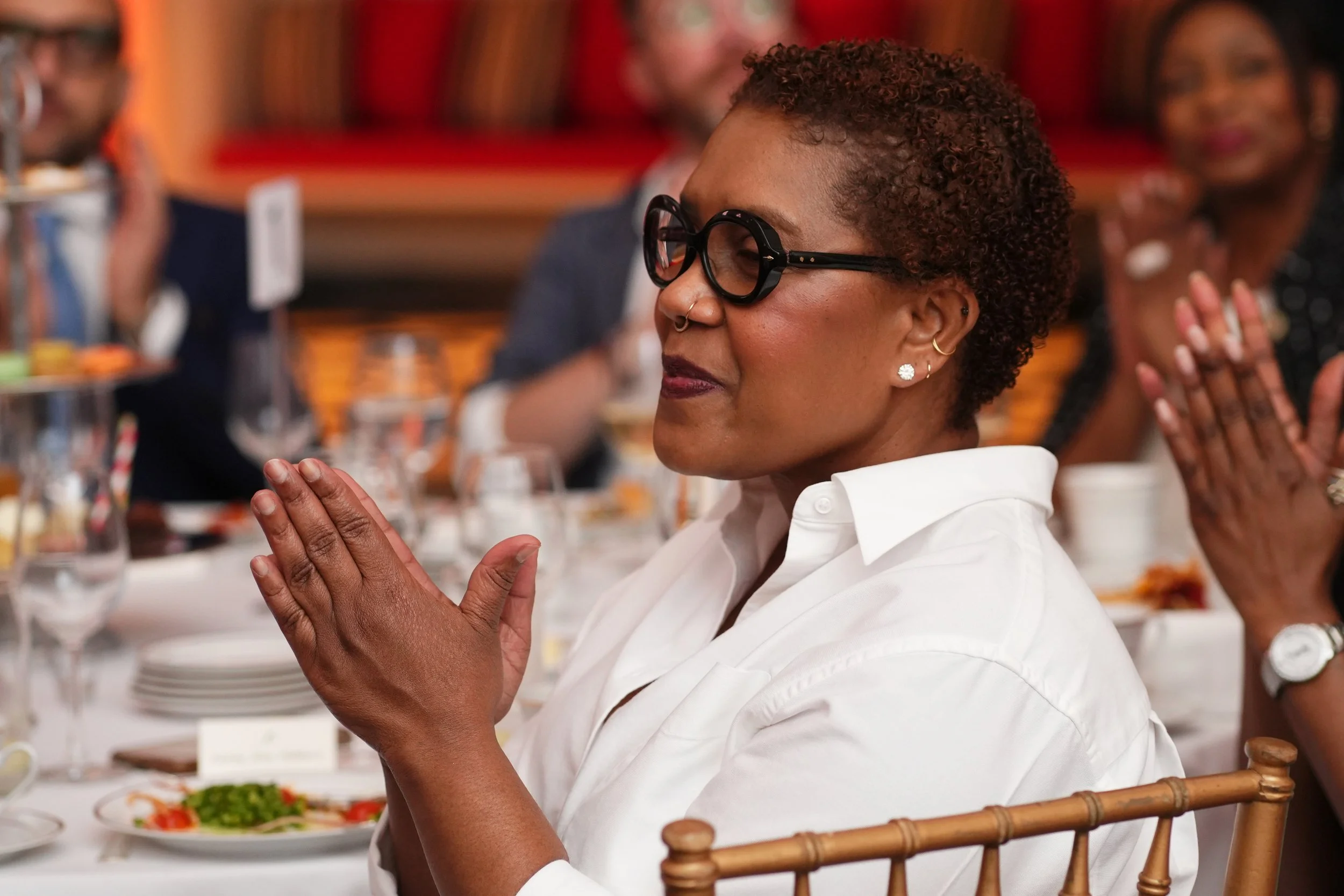
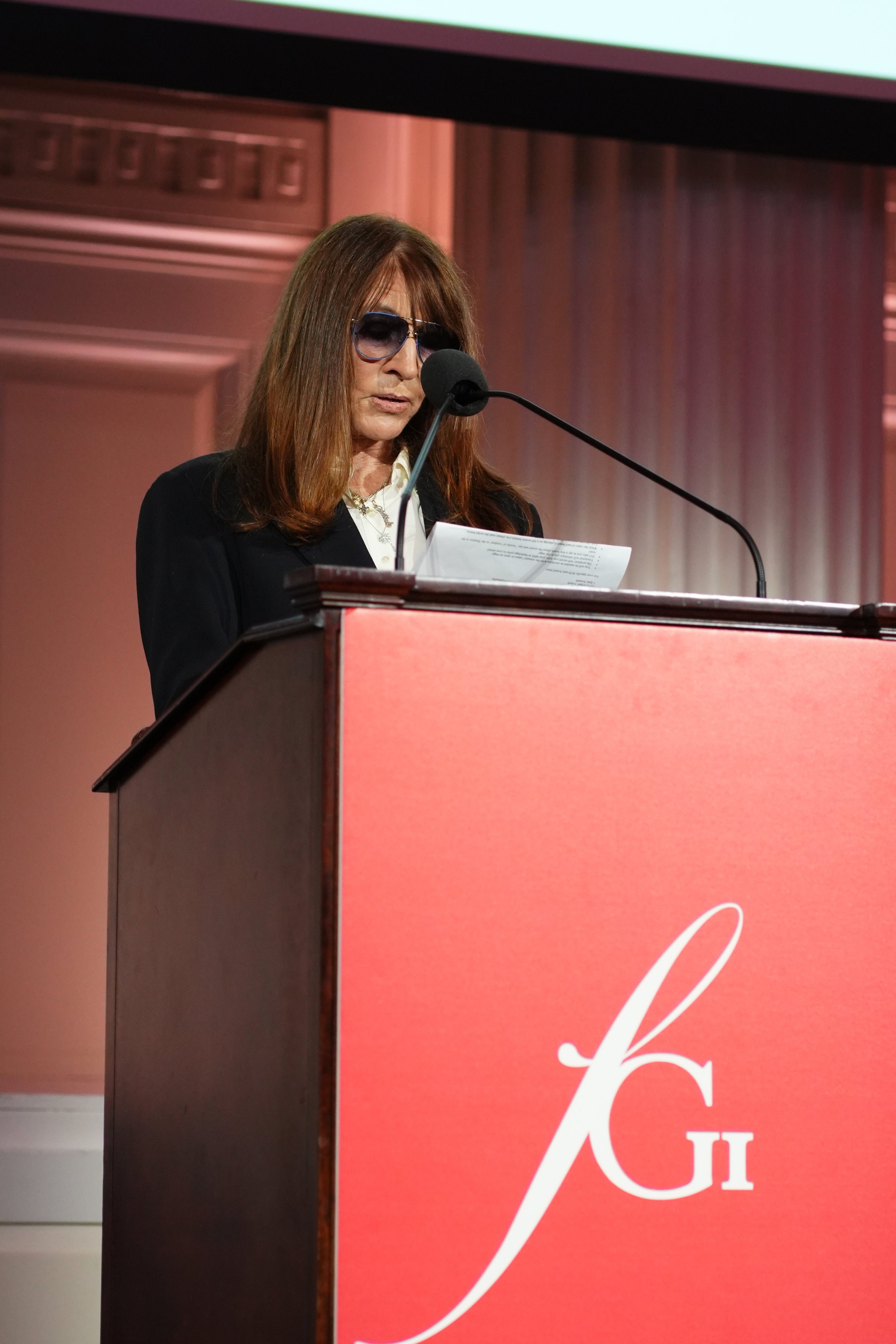
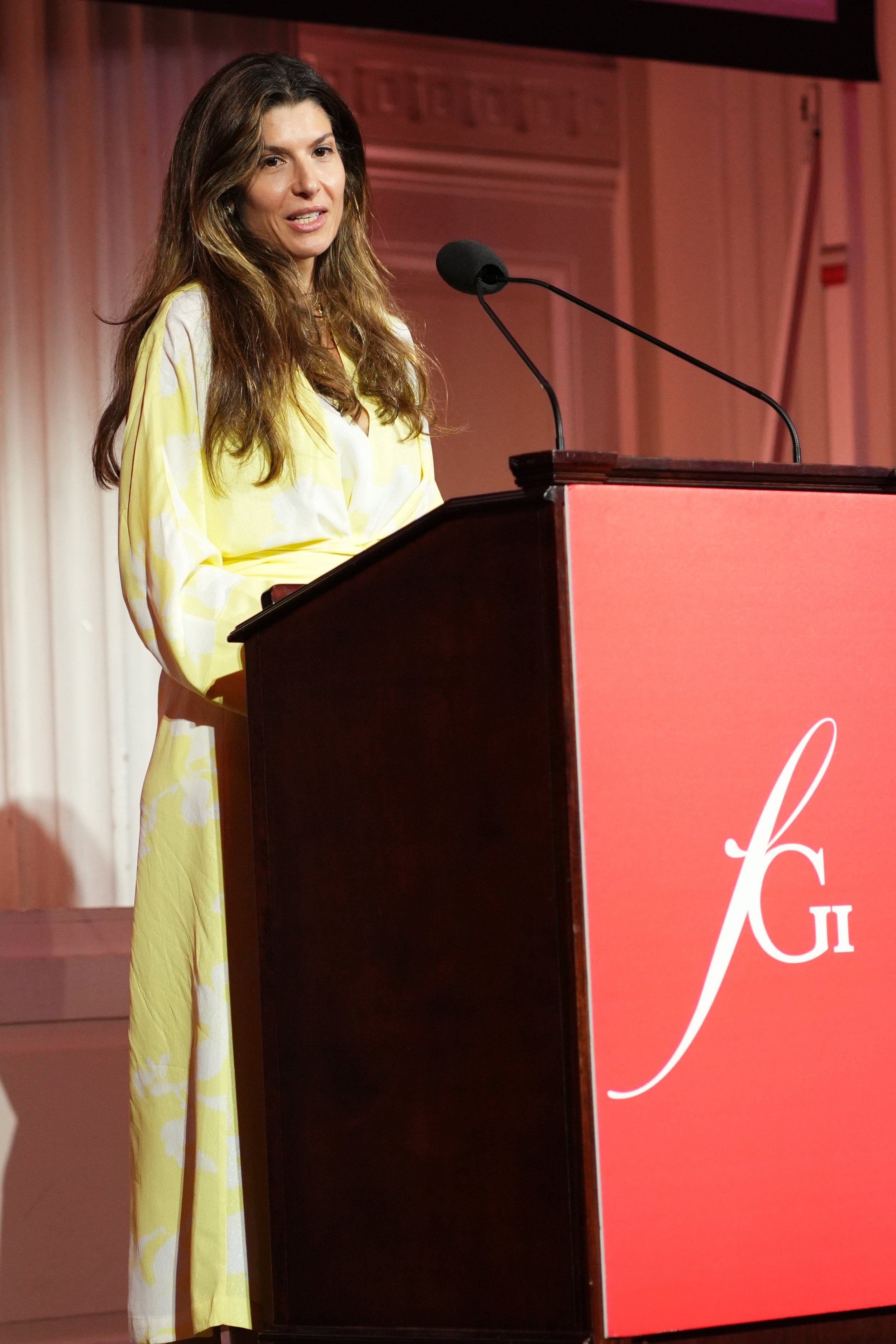
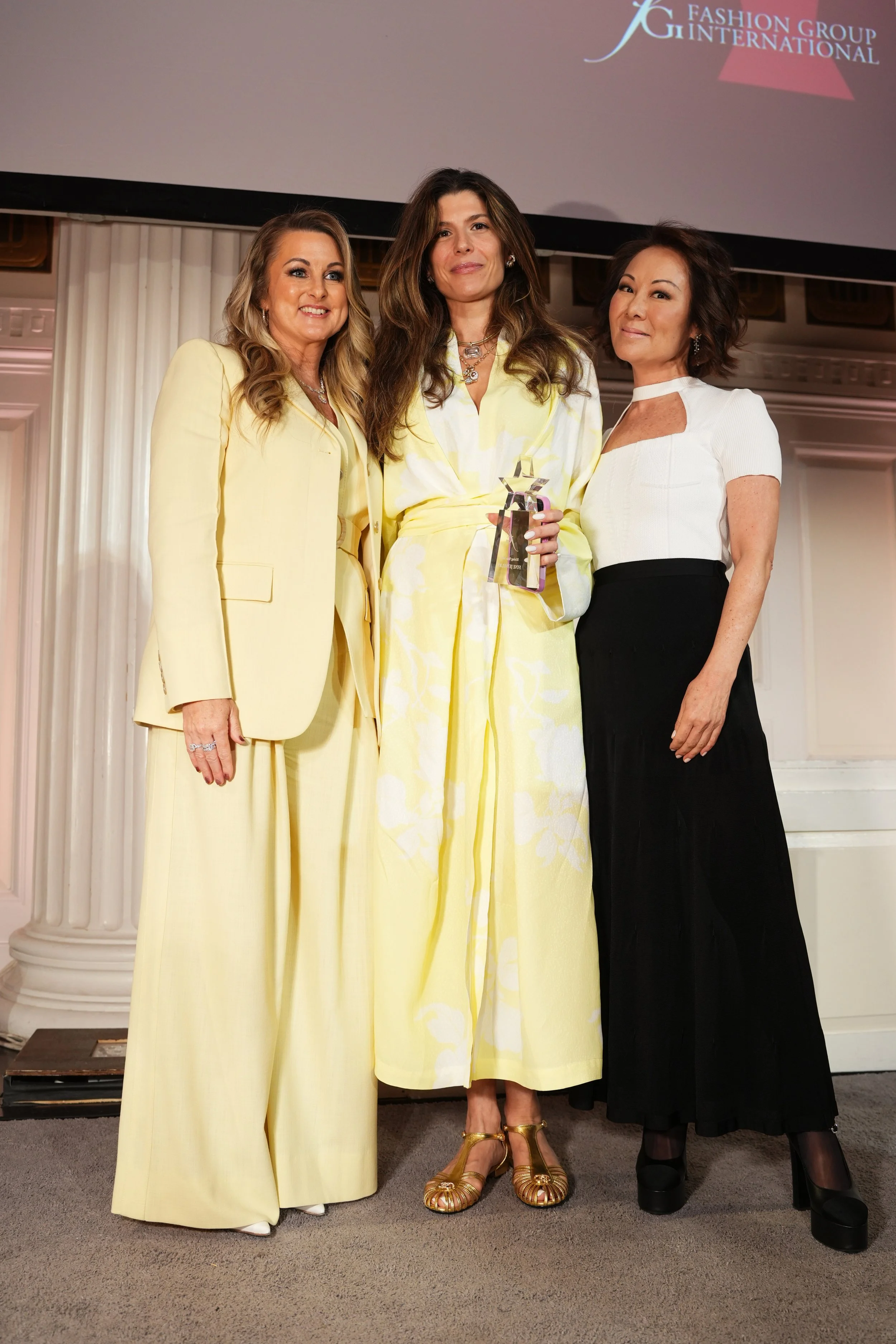
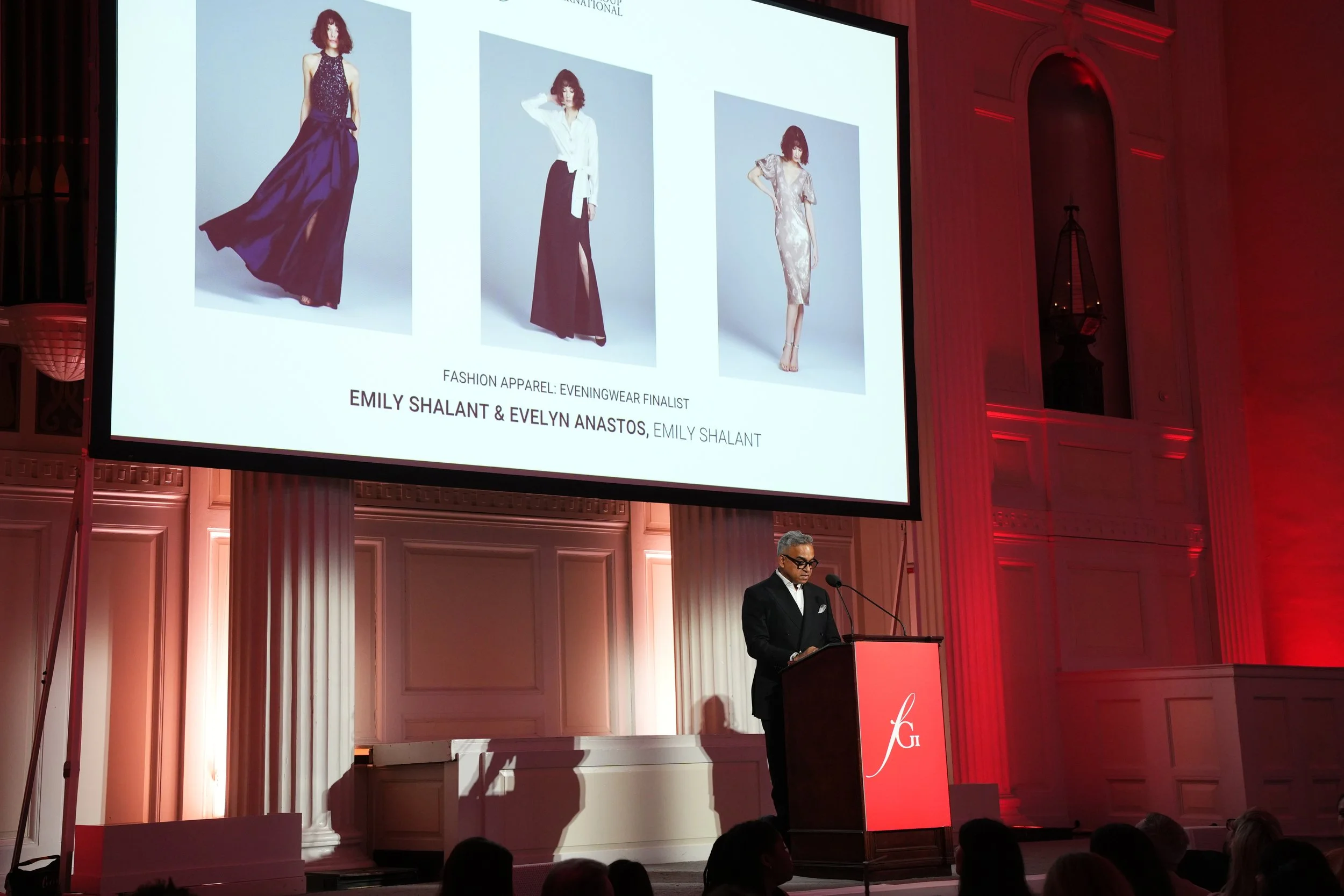
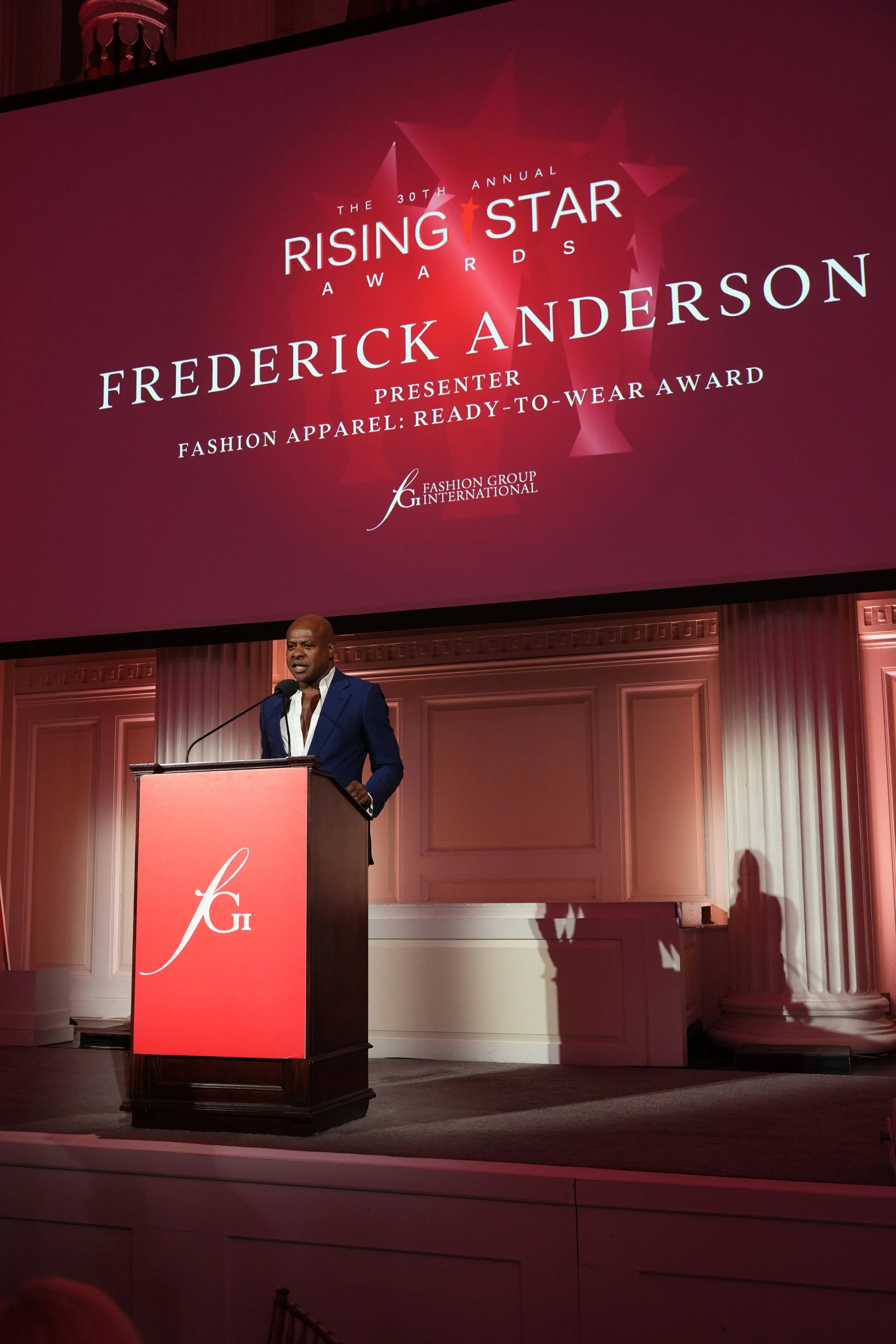
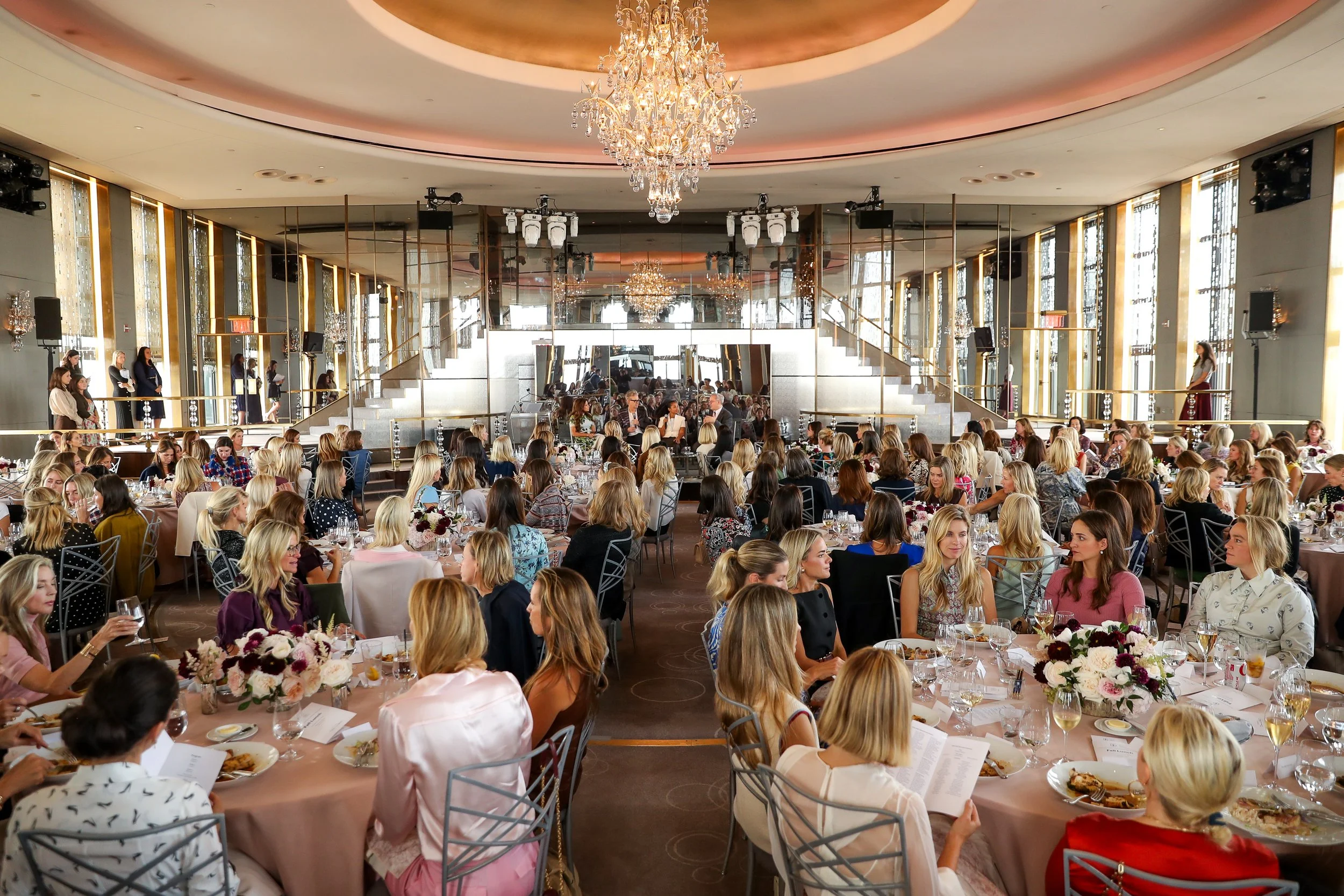
On April 16, inside the historic rooms of 583 Park Avenue, that philosophy took center stage as the FGI Rising Star Awards marked its 30th anniversary—less a retrospective than a recalibration of where fashion, beauty, and consumer culture are heading next.
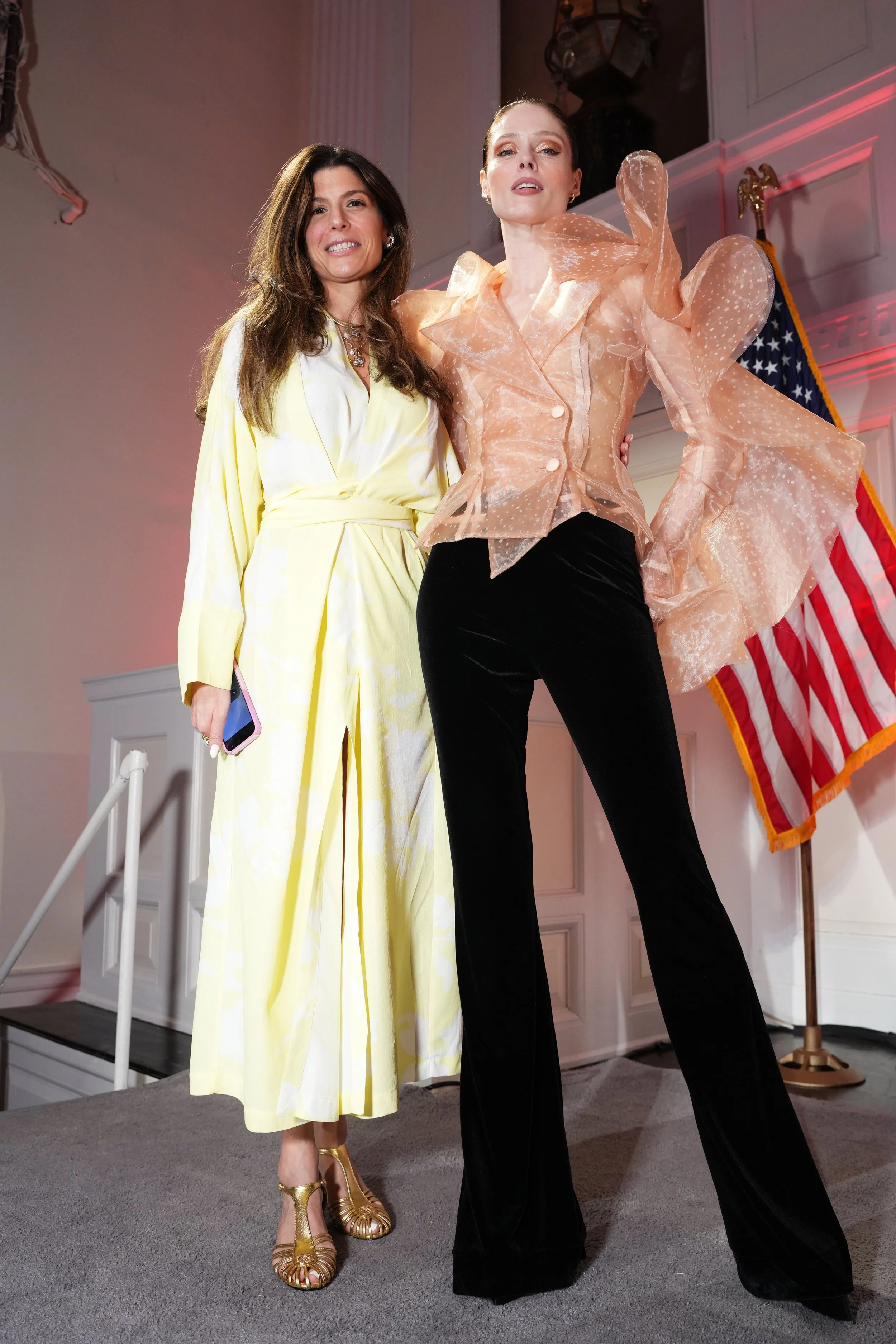
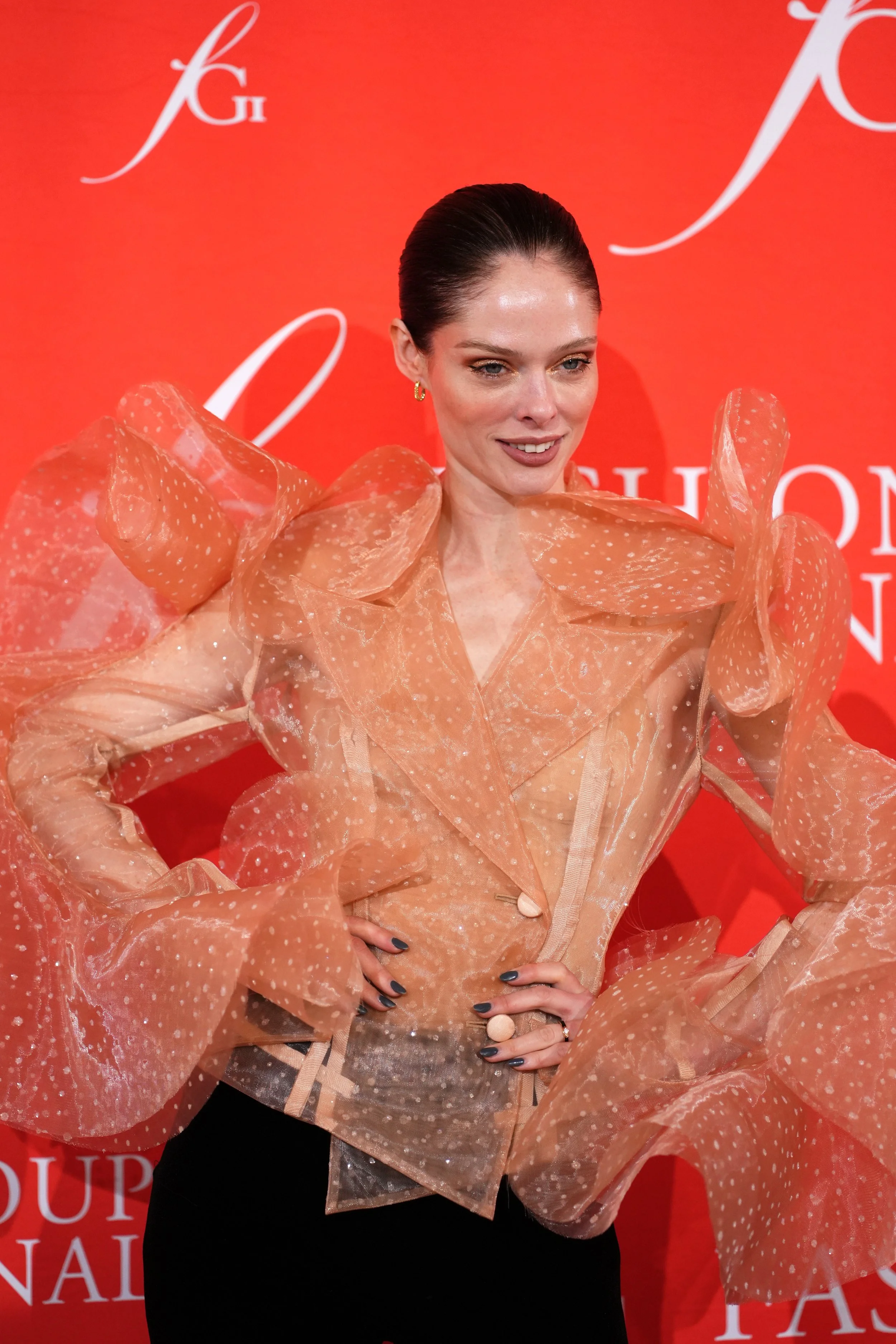
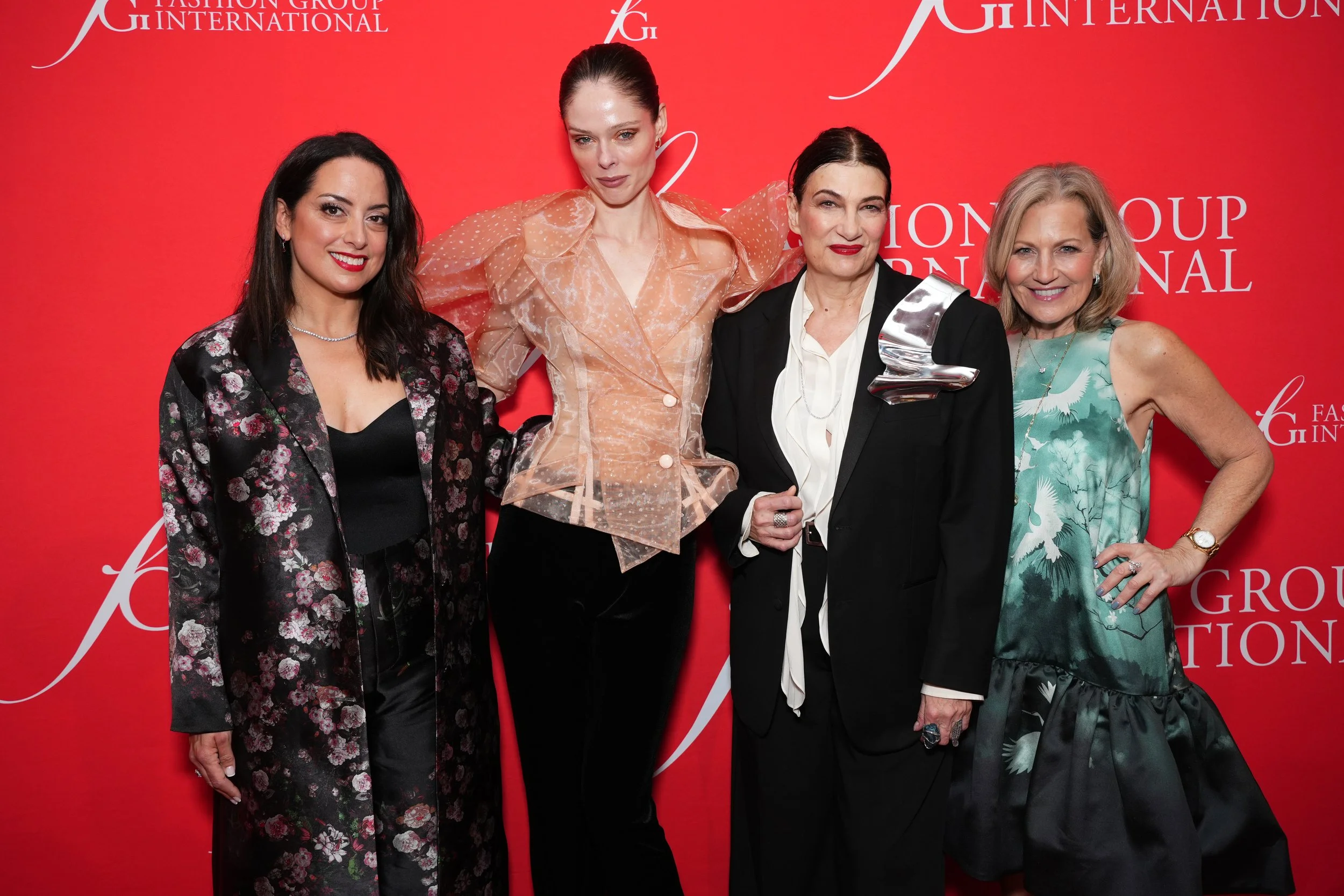
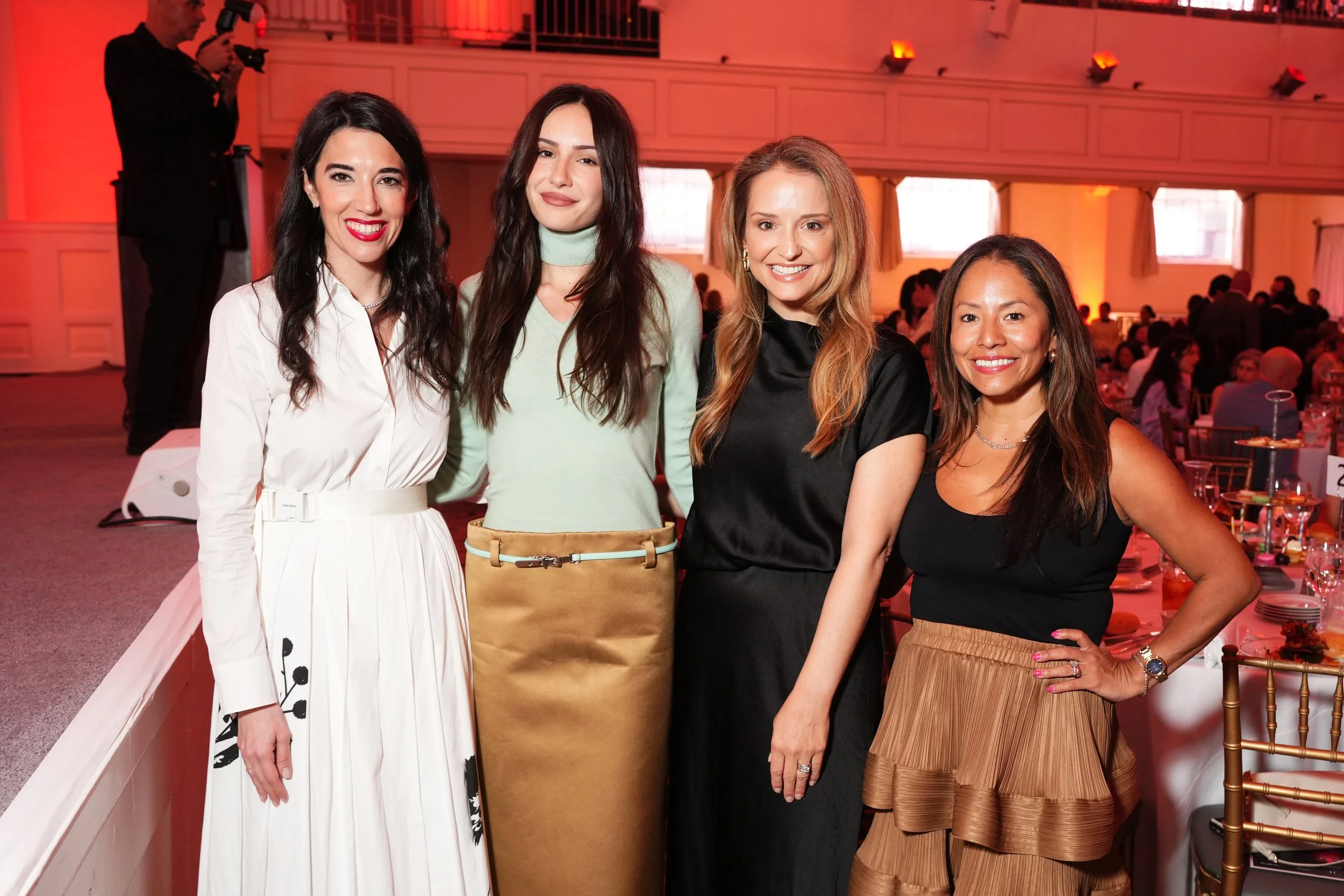
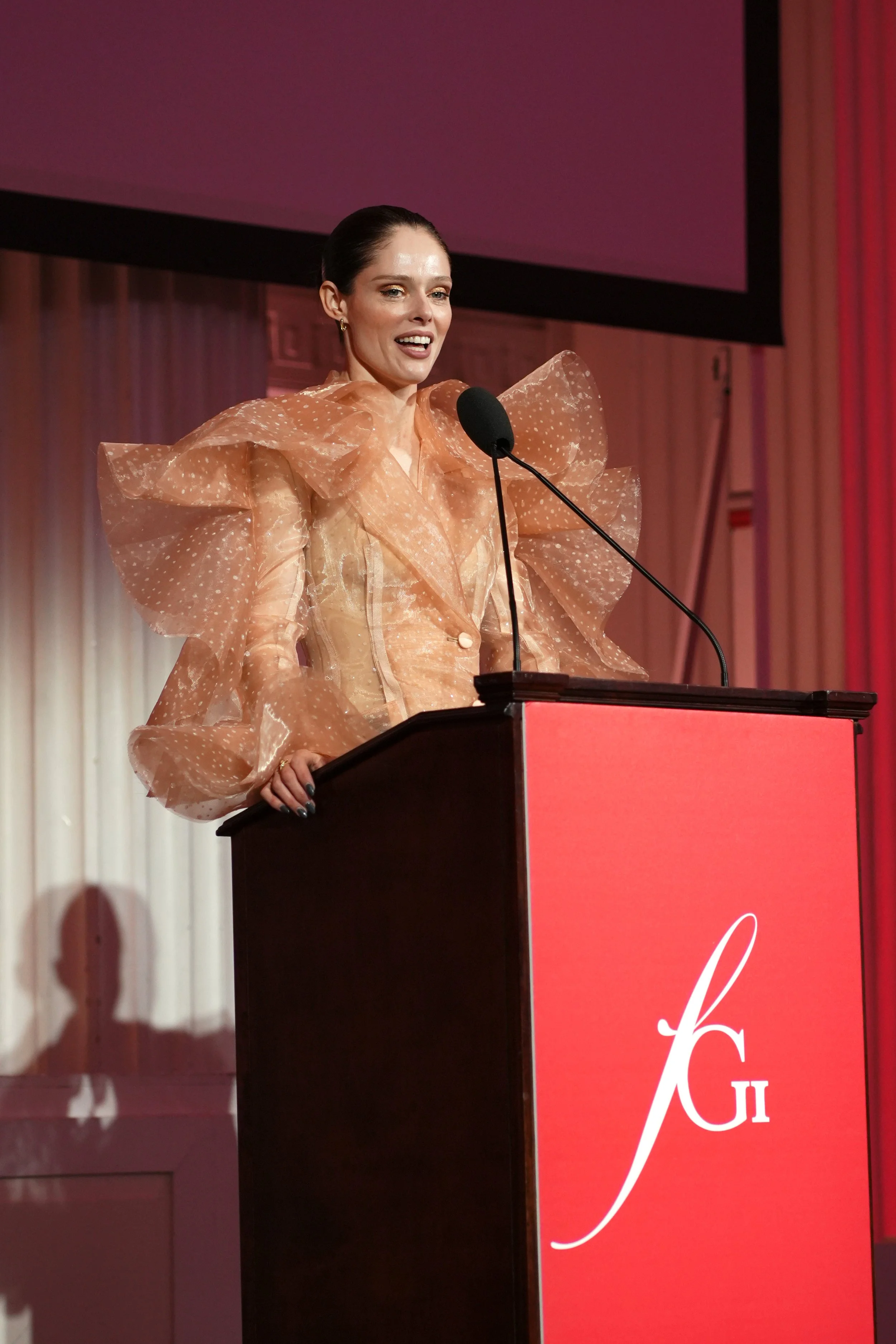
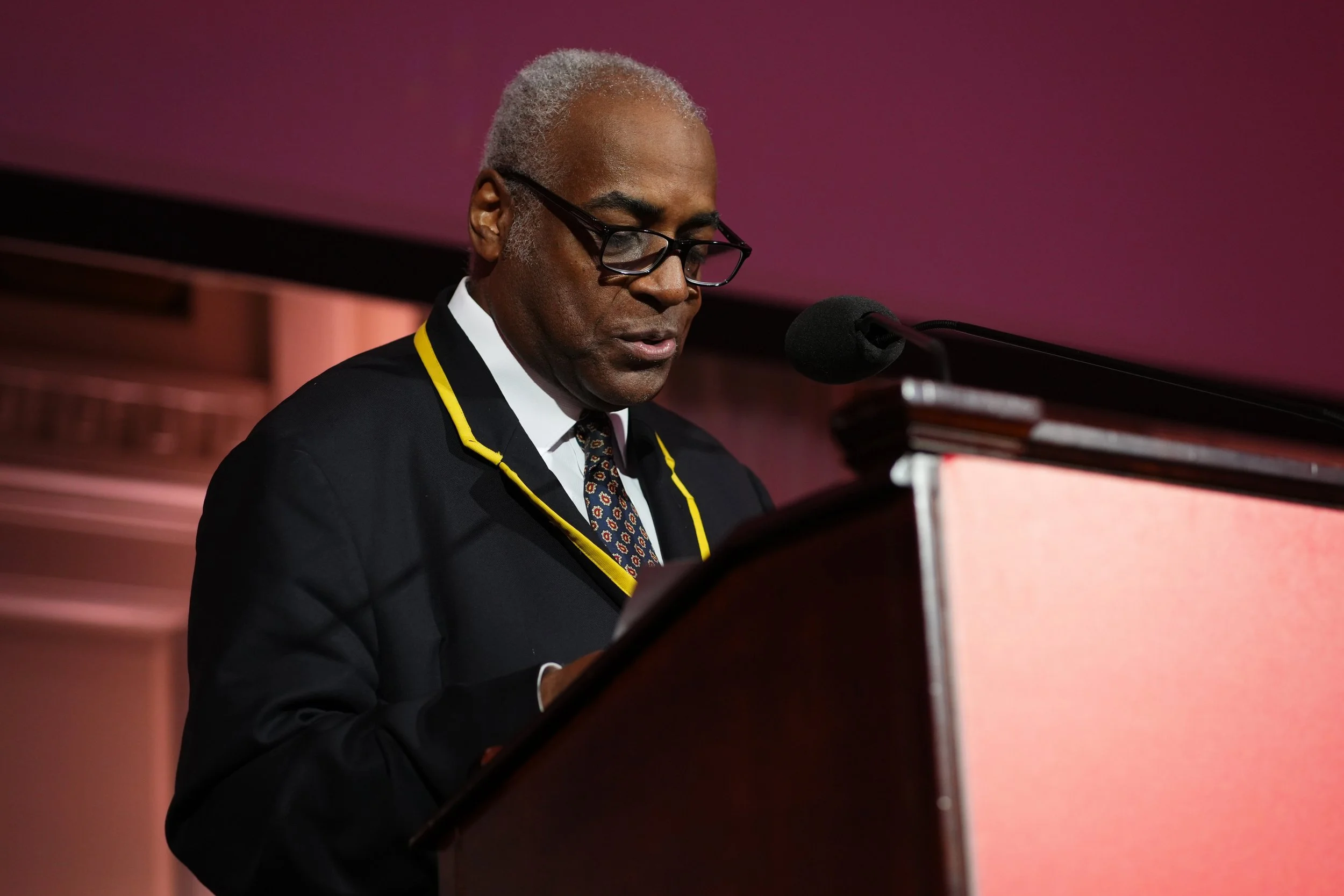
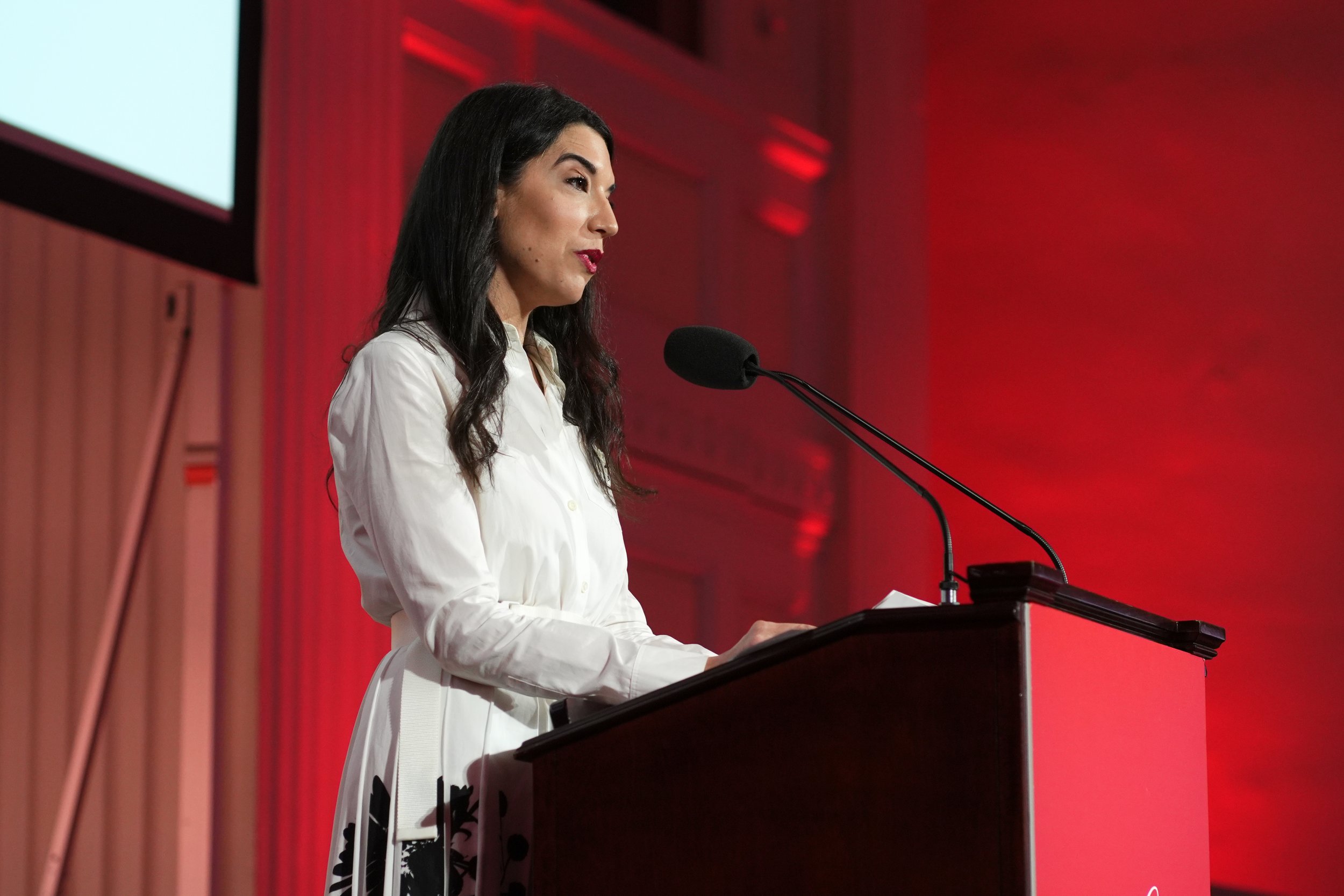
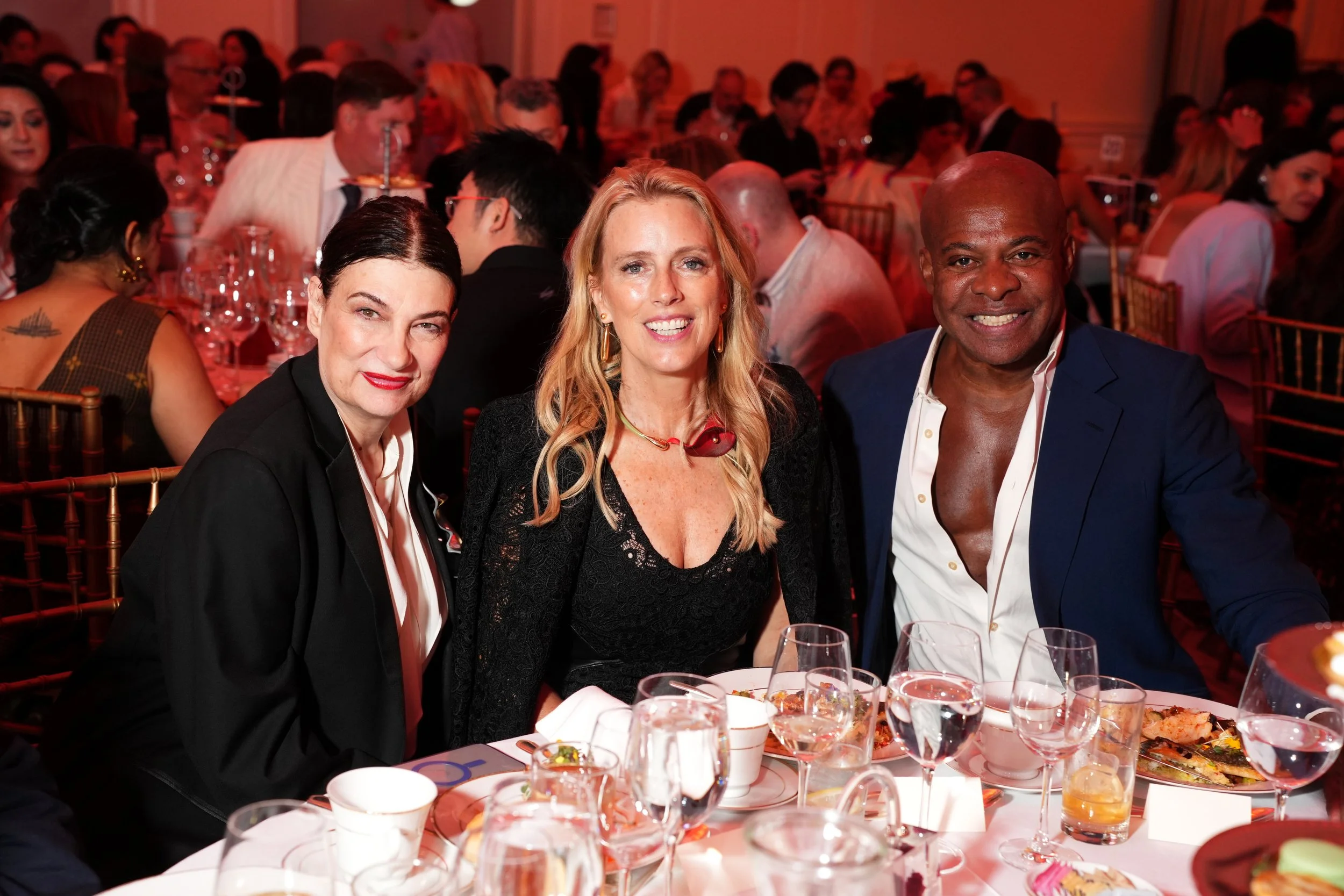
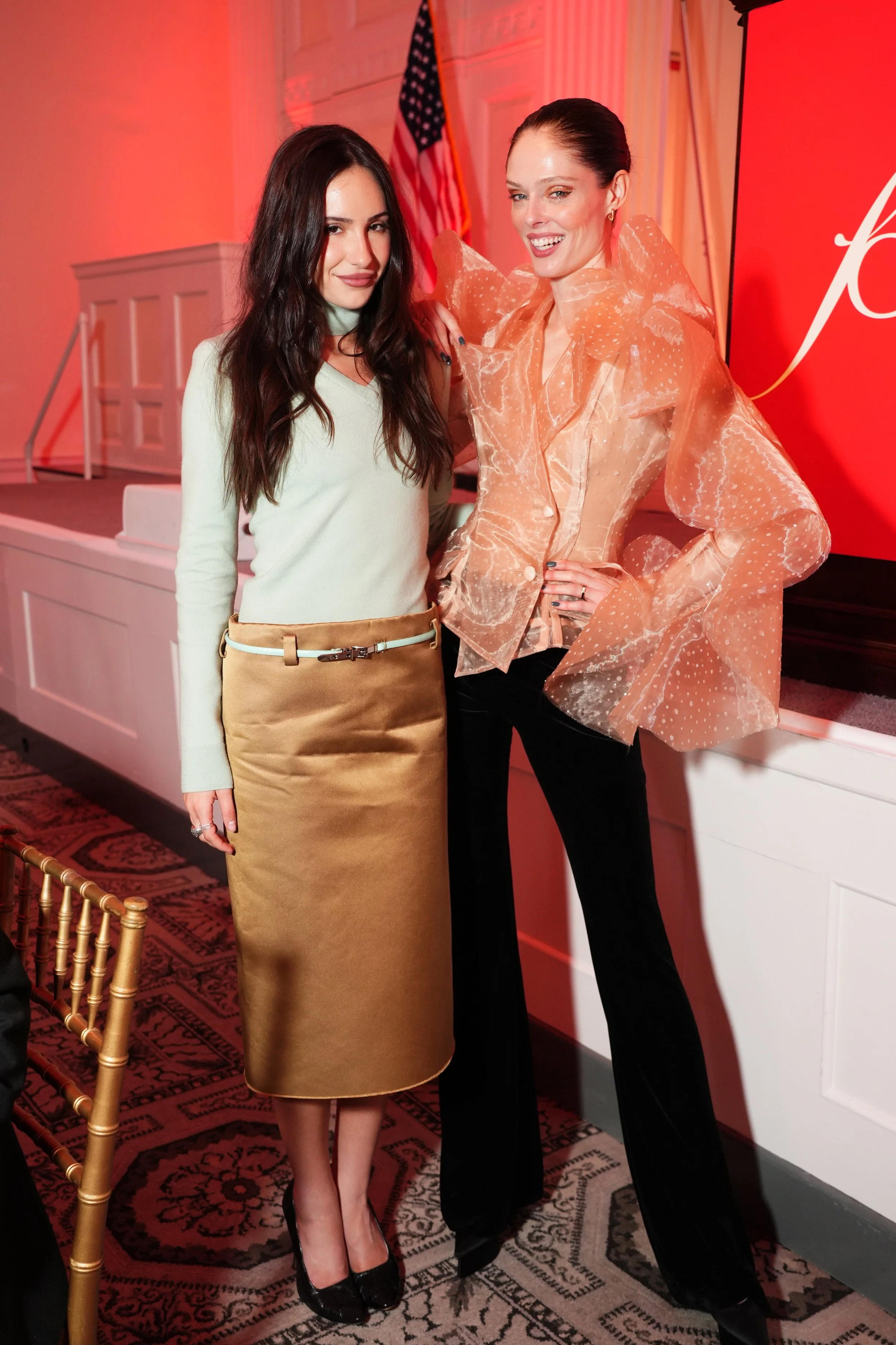
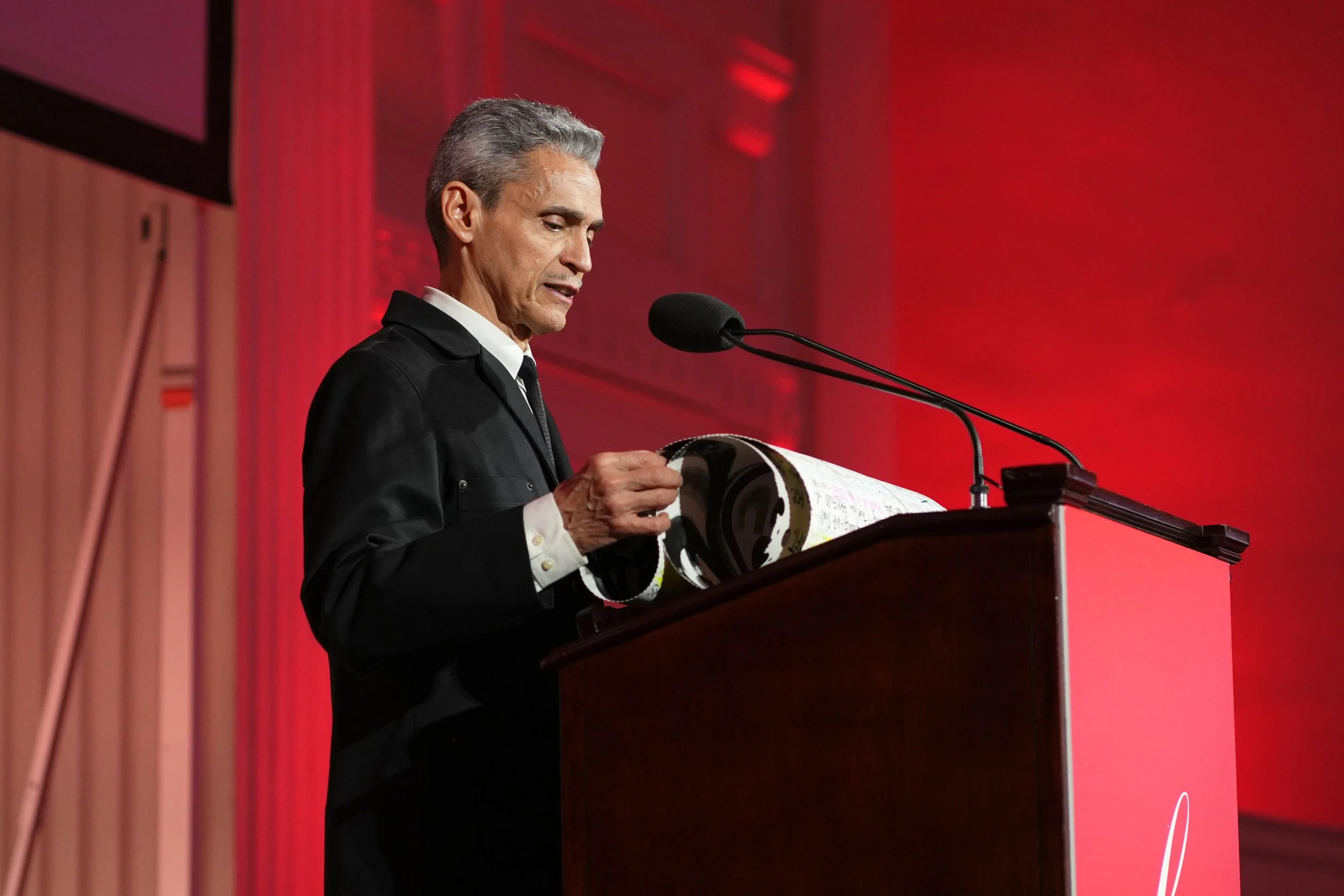
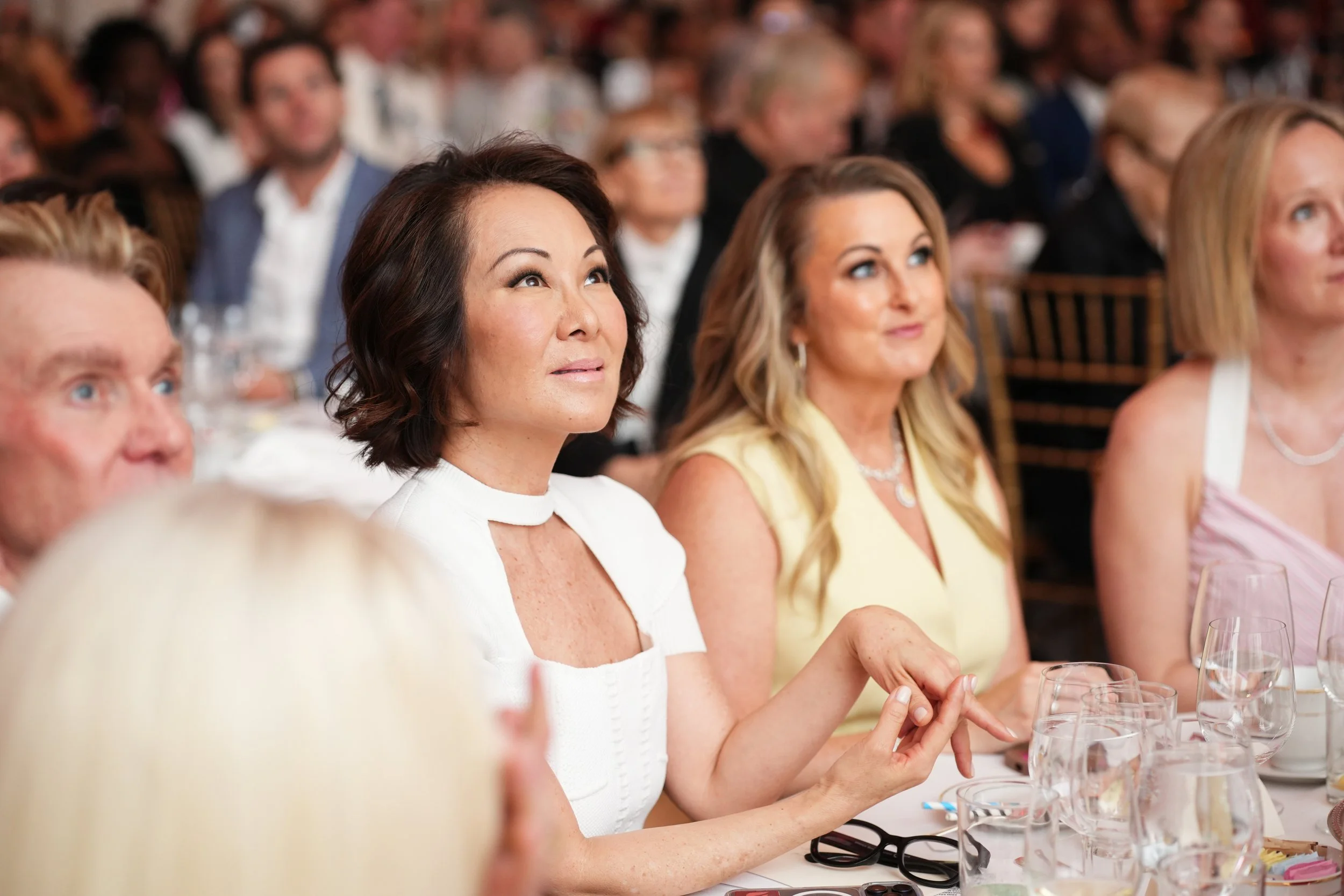
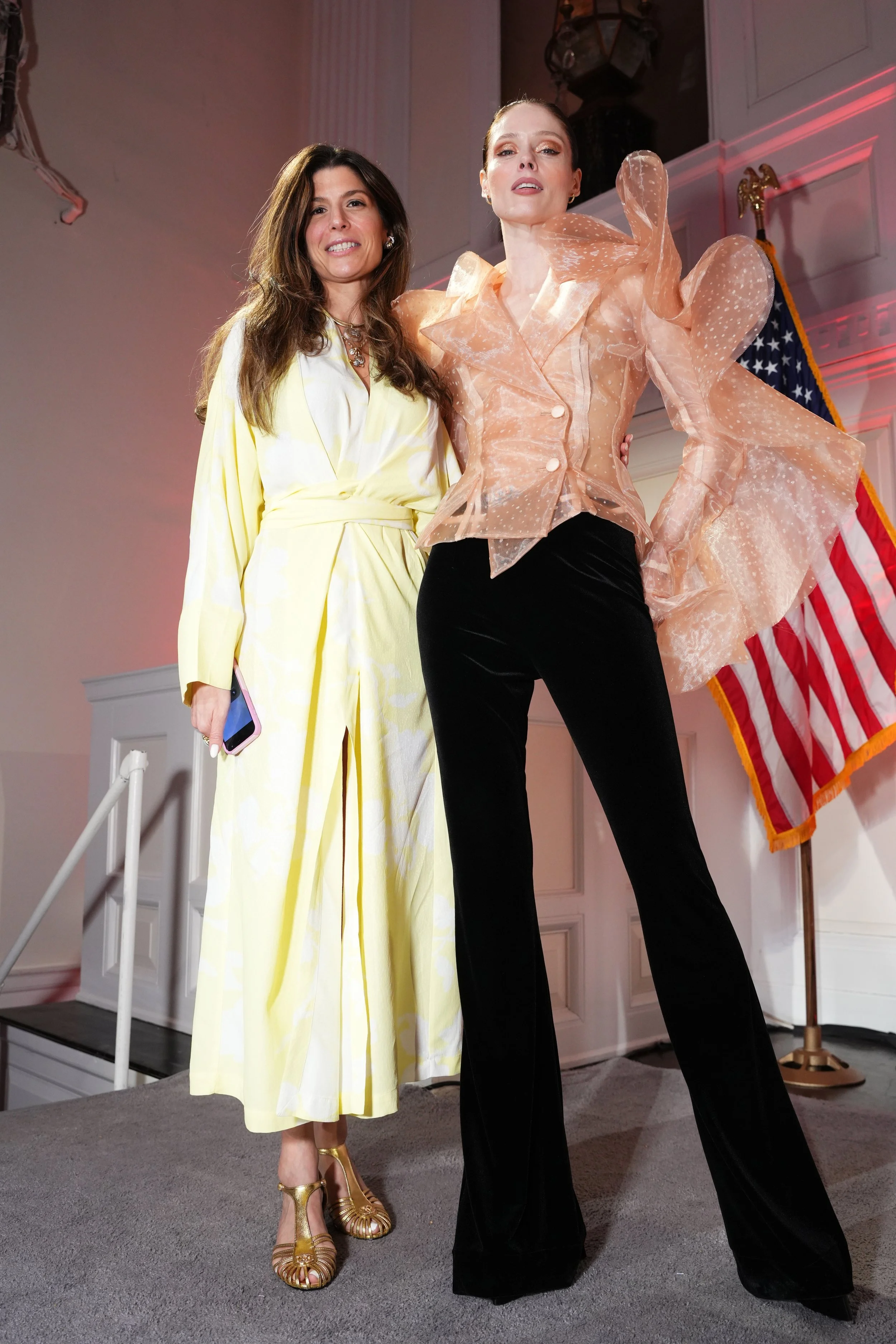
Hosted by model and entrepreneur Coco Rocha and anchored by a keynote from artist and cultural polymath Ruben Toledo, the event gathered a cross-section of the industry that rarely converges in one room anymore—designers, executives, investors, and media figures—each representing a different node in fashion’s increasingly complex ecosystem.
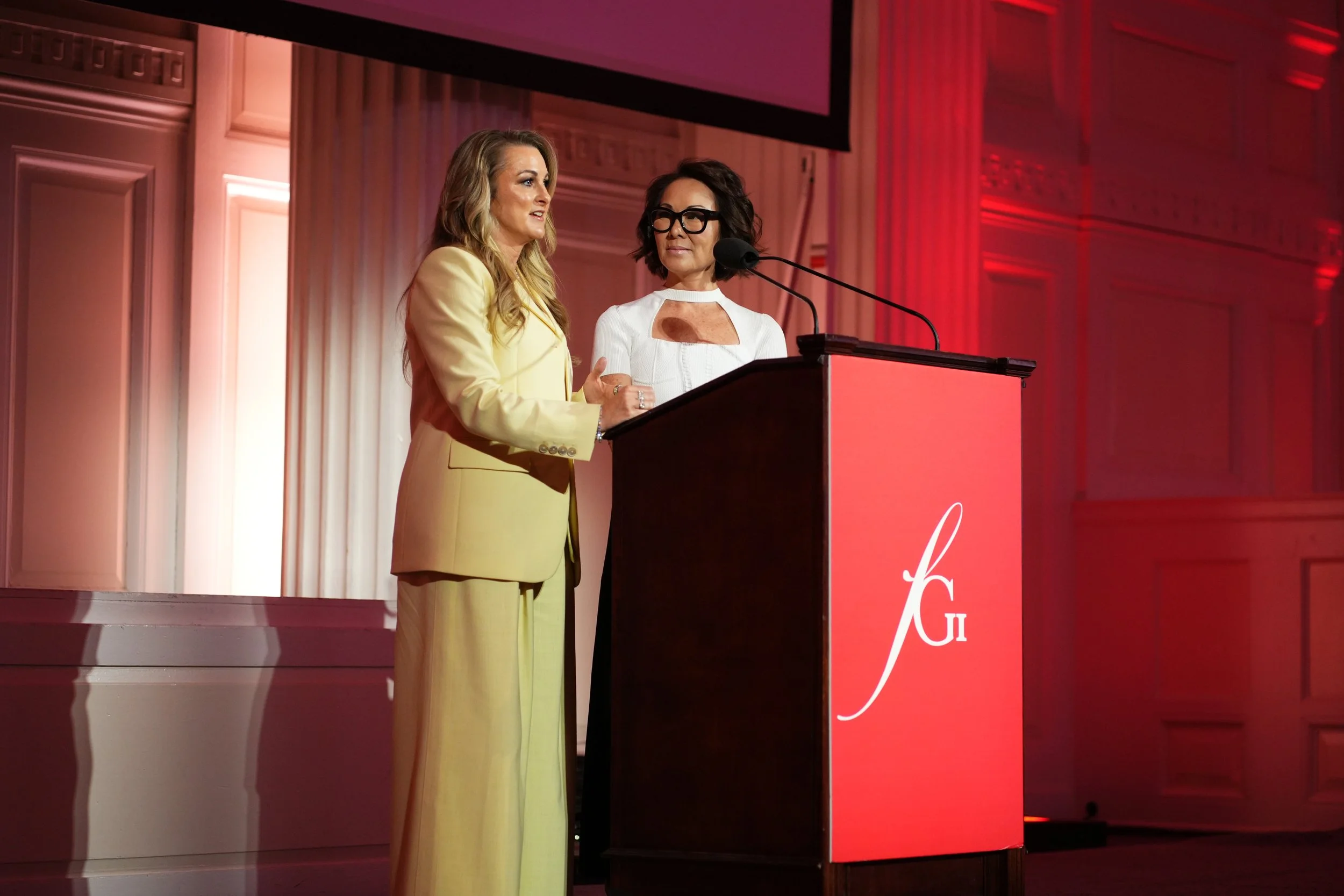
For Maryanne Grisz, the organization’s President and CEO, the milestone wasn’t just ceremonial. It was structural.
“What stands out is not only the talent we celebrate,”
she noted,
“but the enduring role of community in shaping the future of our industry.”
In a fragmented market defined by algorithms and acceleration, community has quietly become fashion’s most undervalued currency.
The Architecture Of Influence
What separates the Rising Star Awards from the saturated awards circuit is its timing. FGI doesn’t wait for cultural consensus—it identifies it early. Alumni like Tory Burch, Jason Wu, Brandon Maxwell, and Phillip Lim weren’t yet institutions when they were first recognized—they were signals.
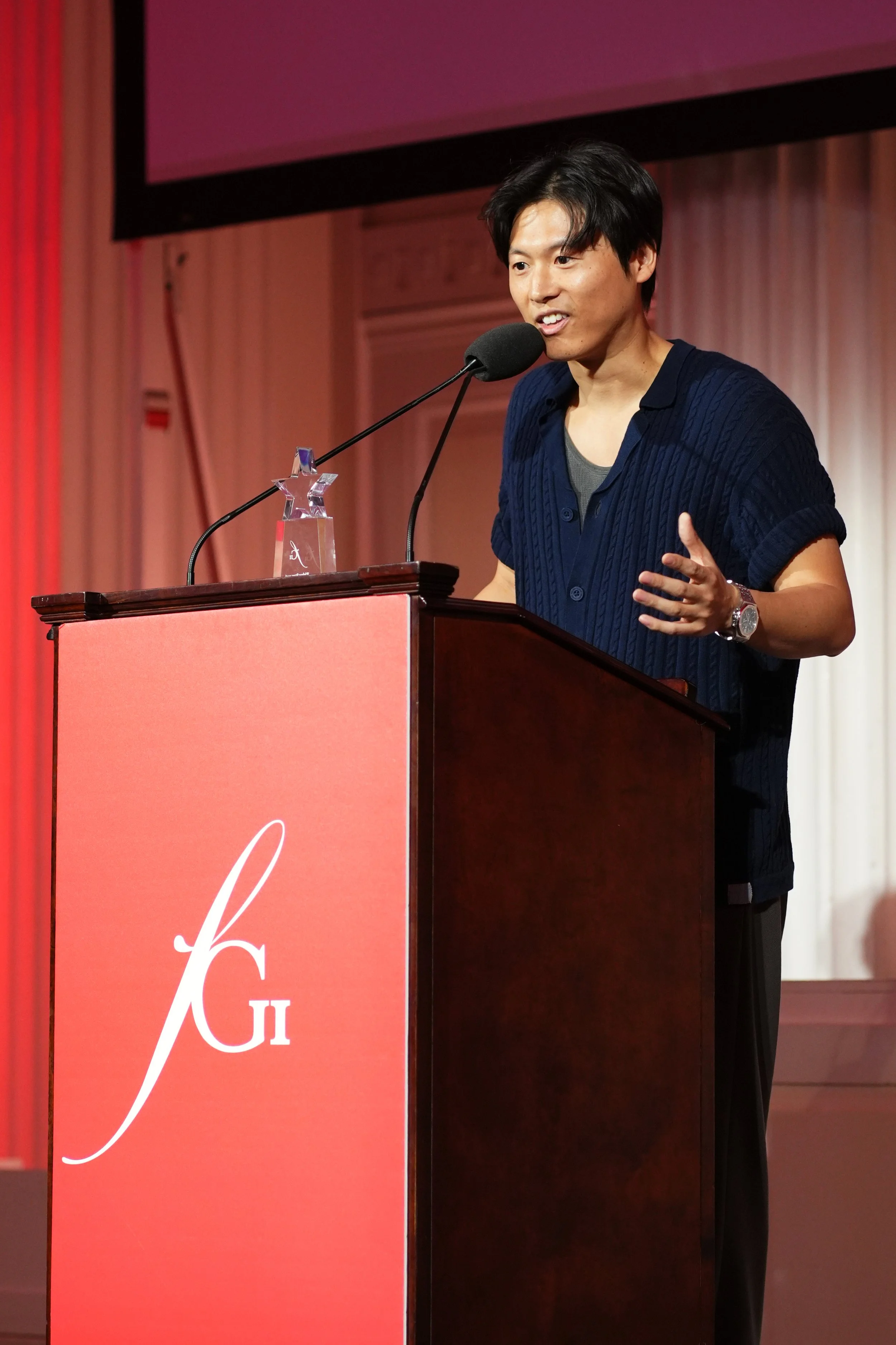
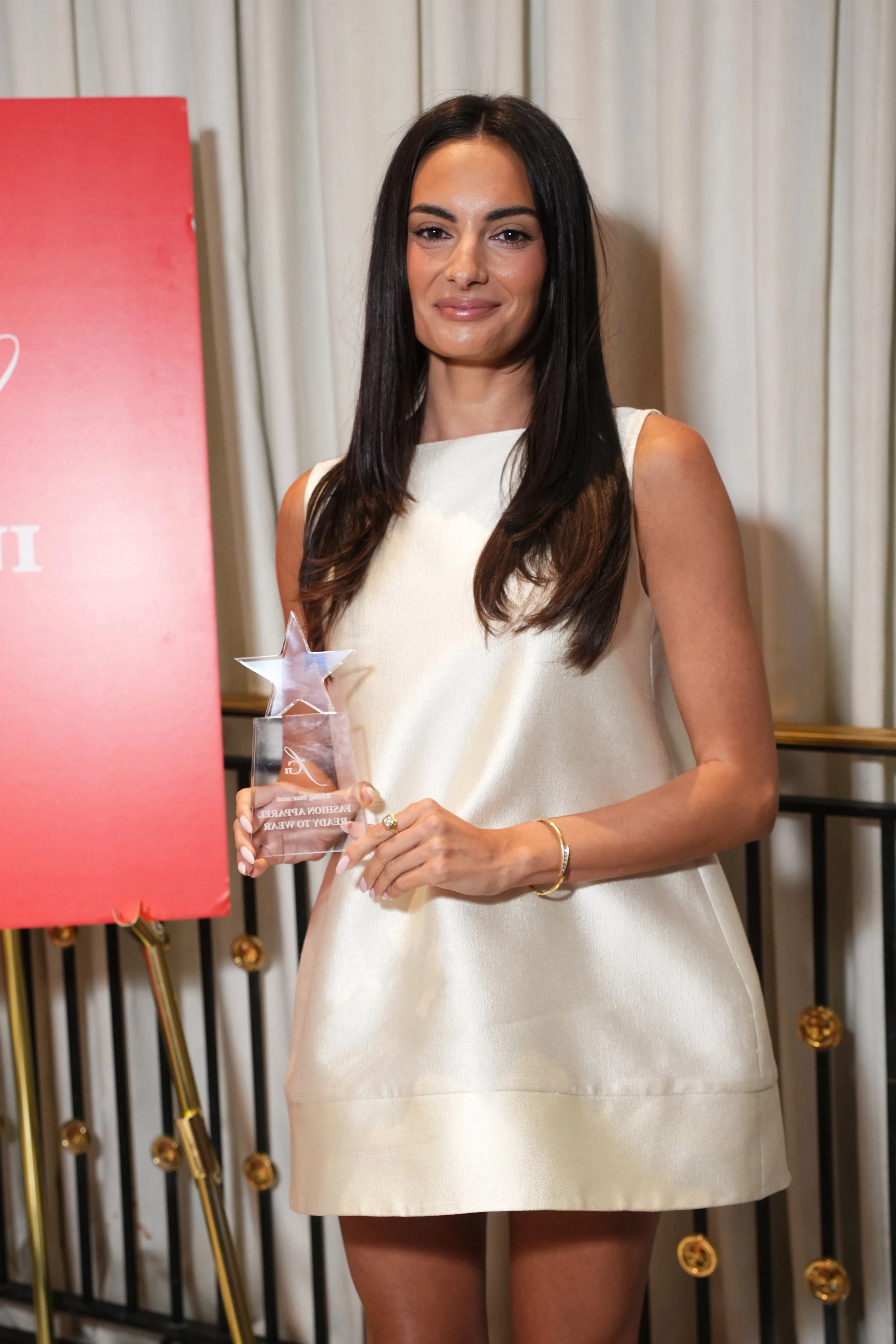
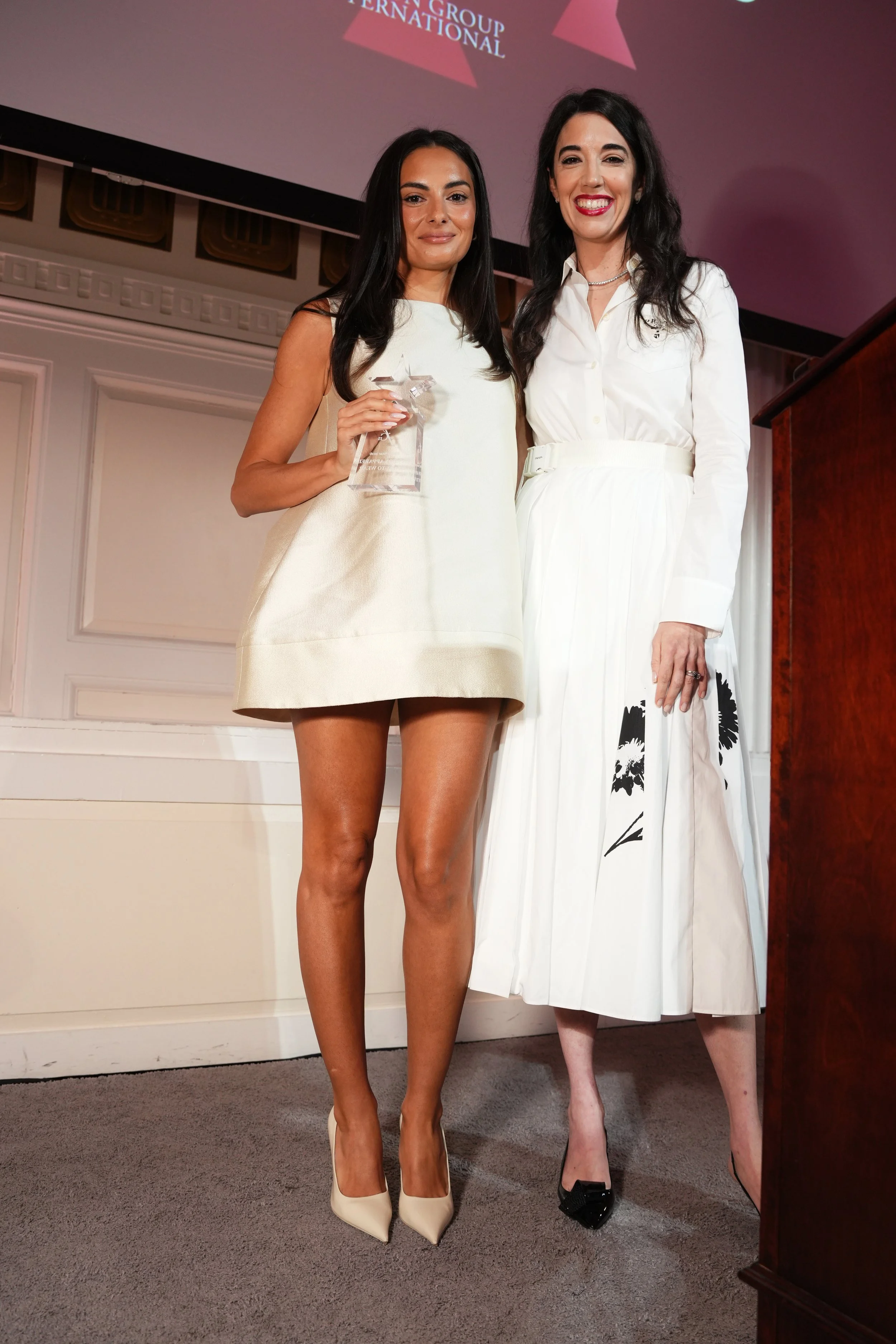
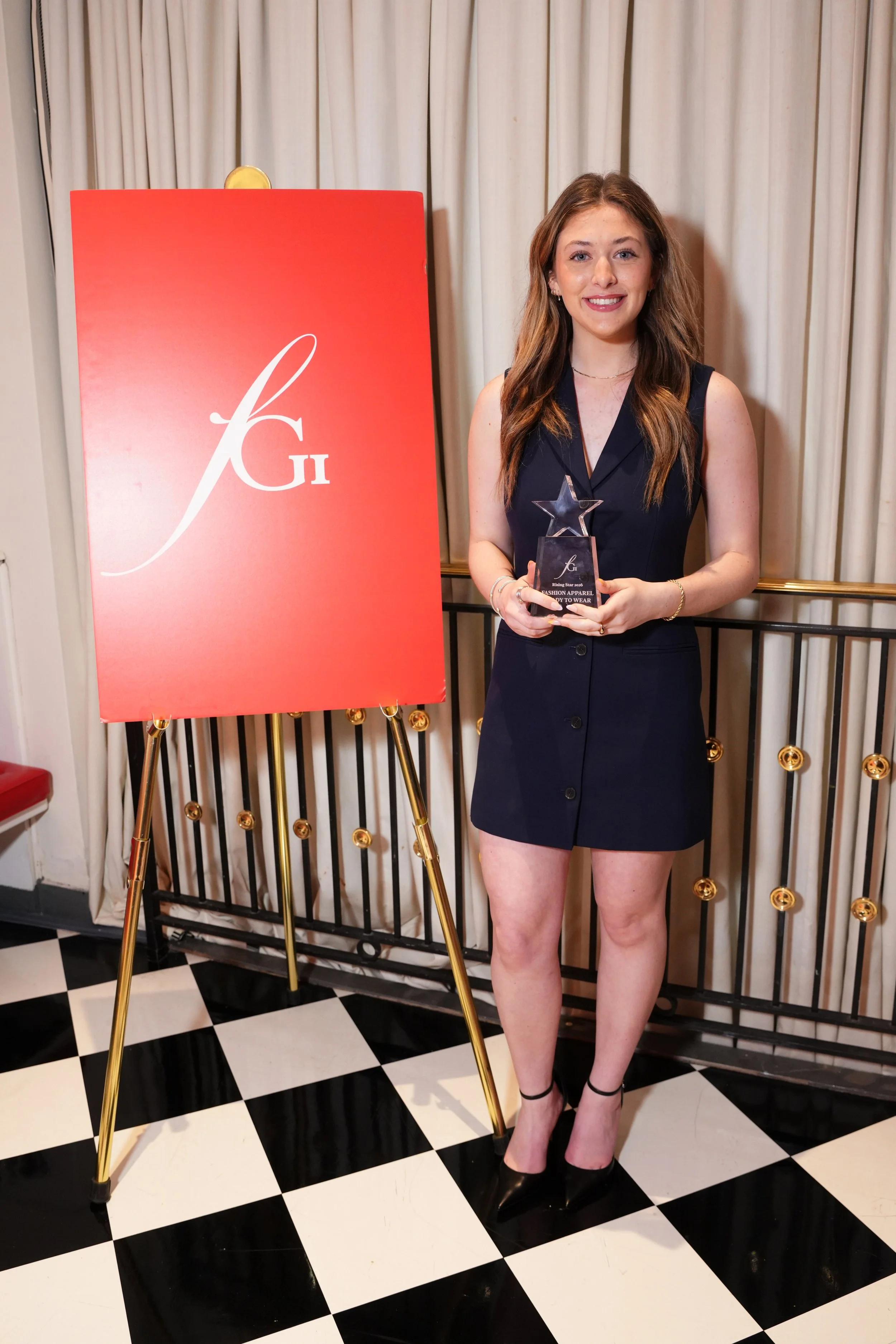
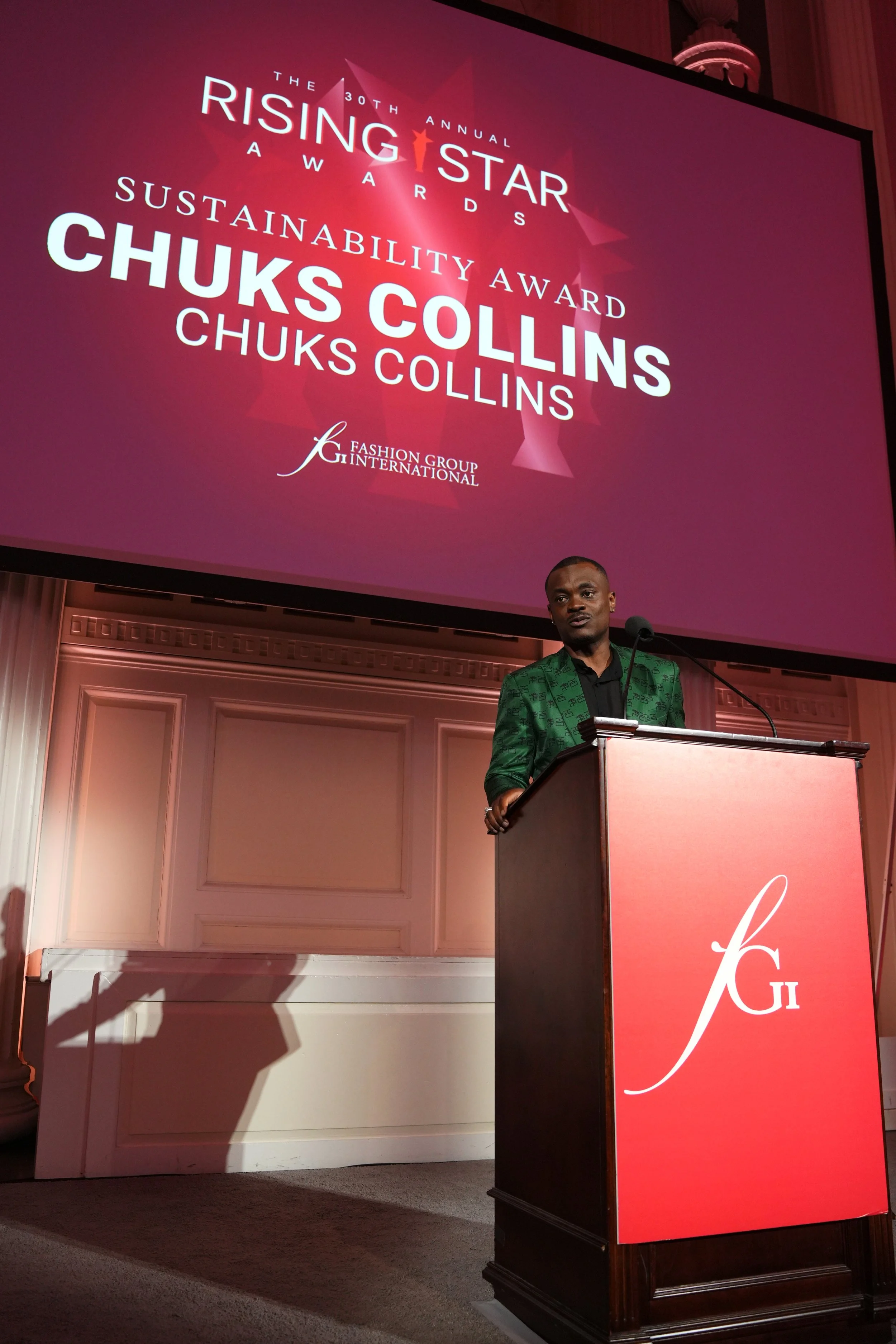
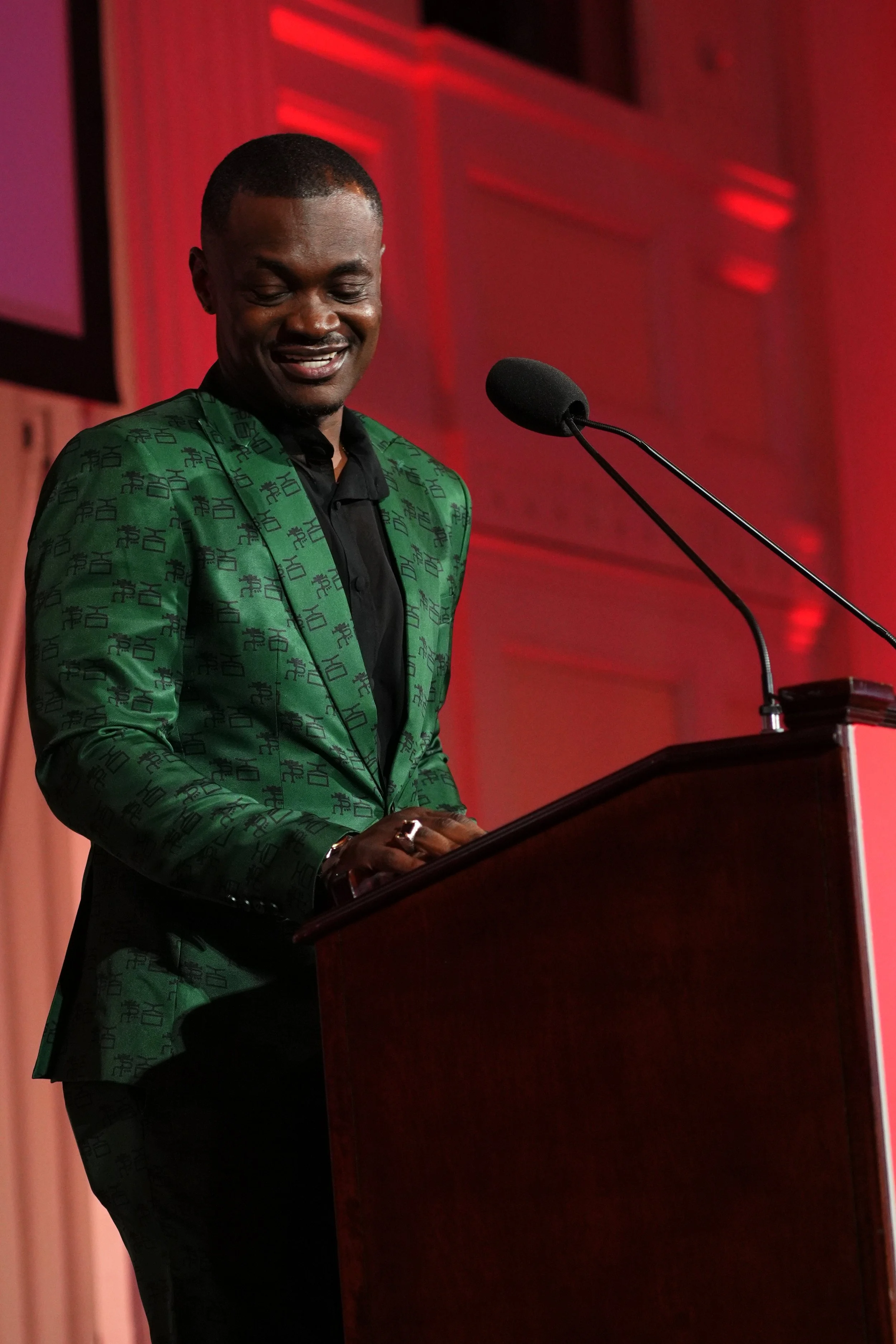
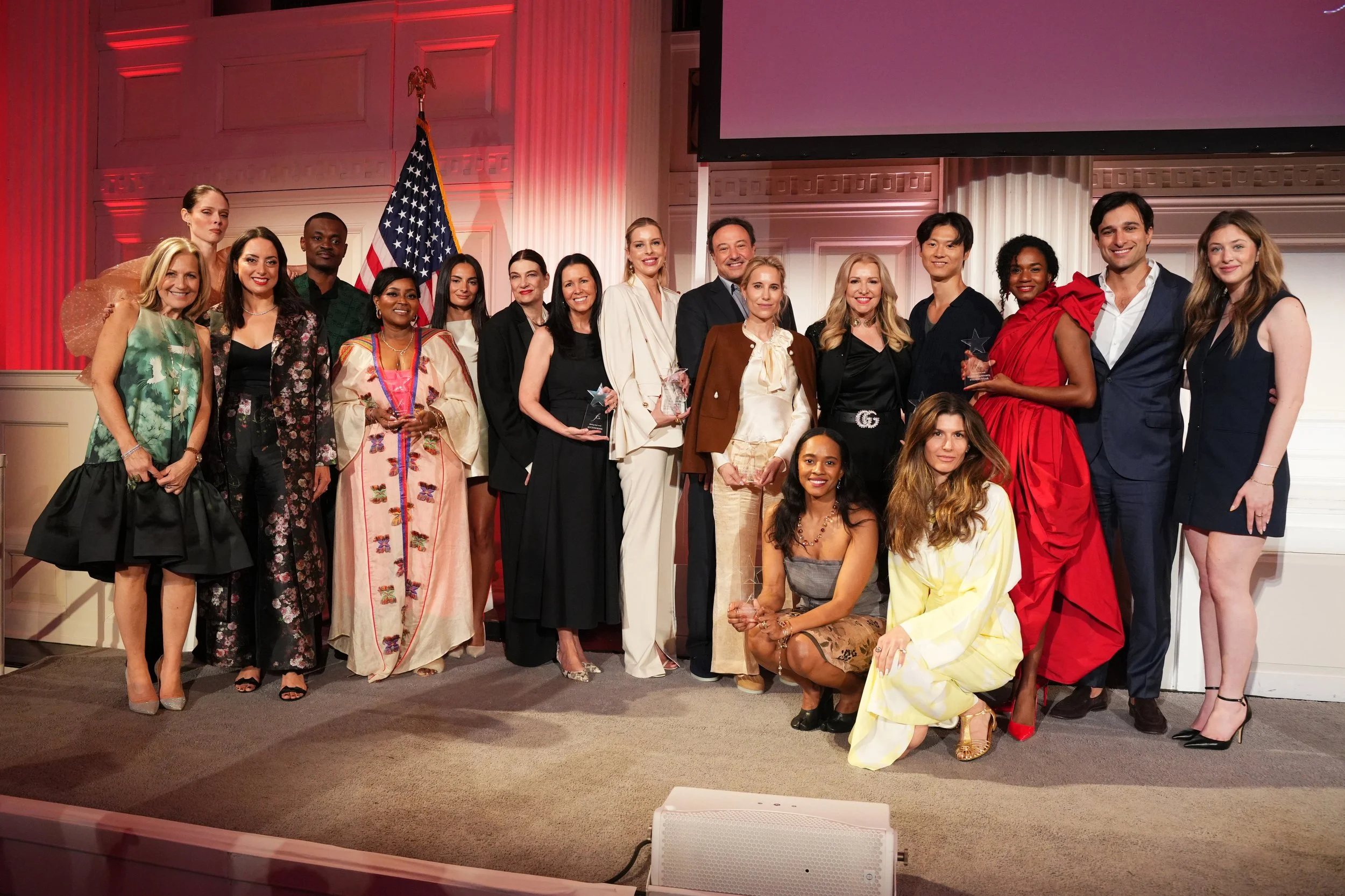
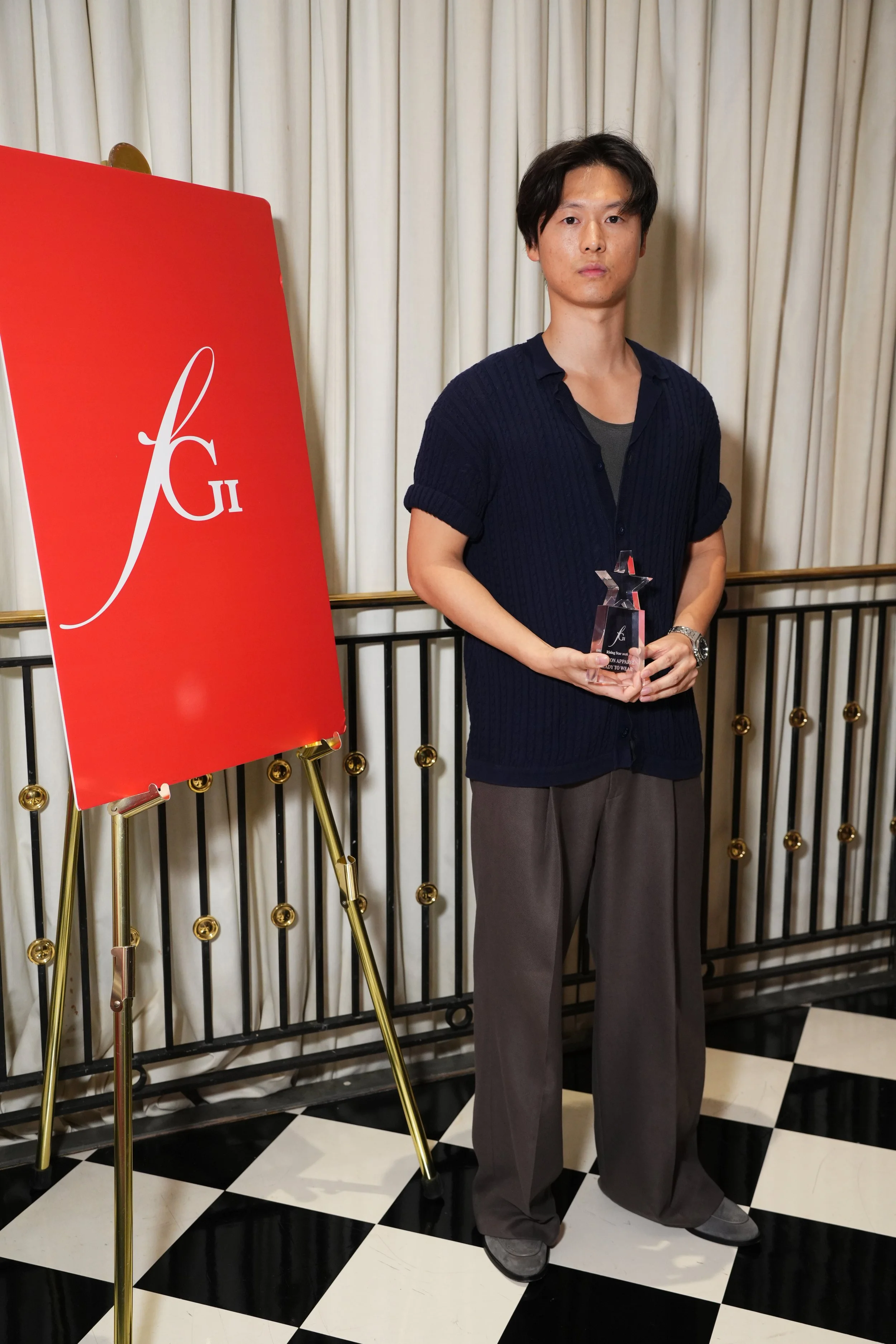
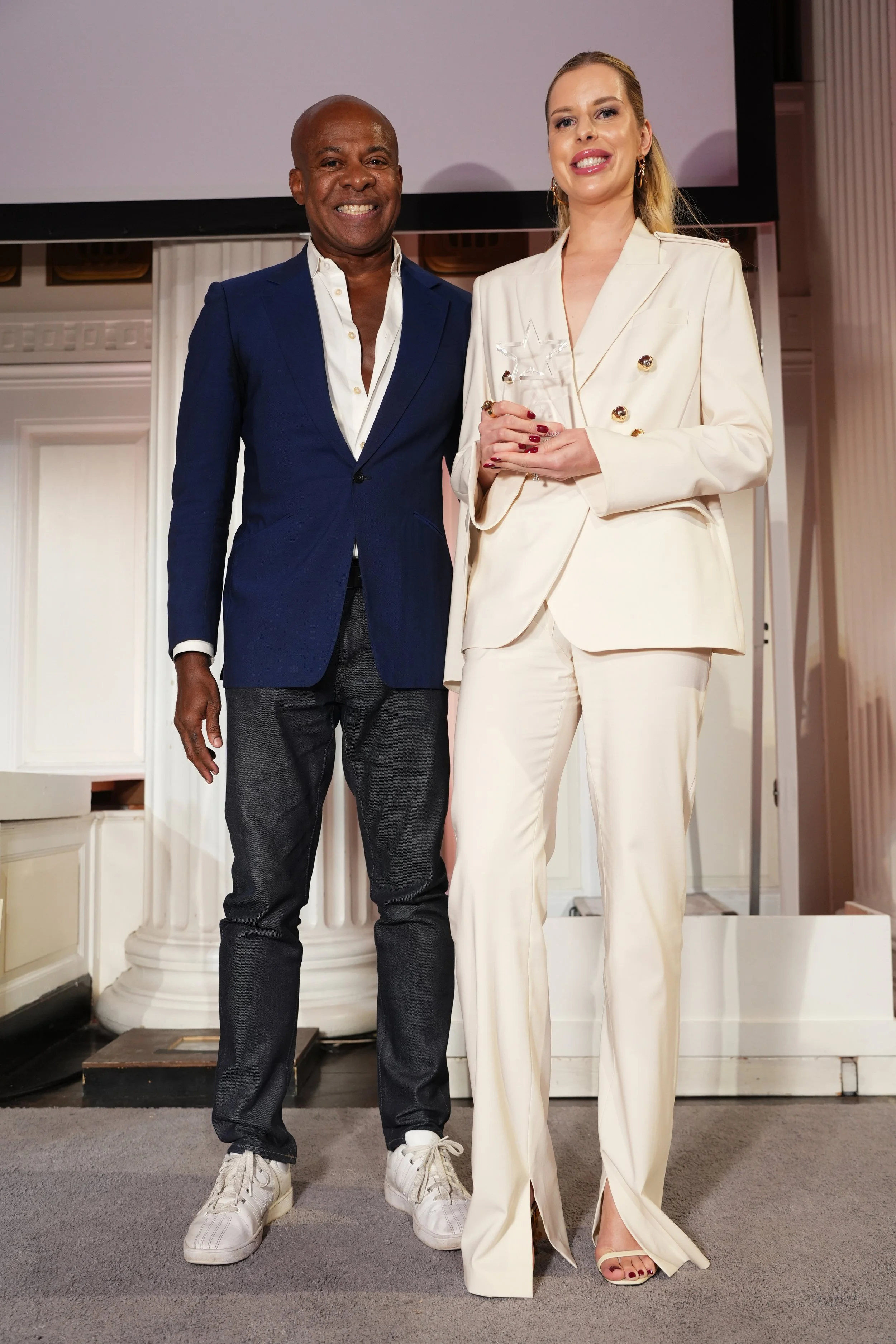
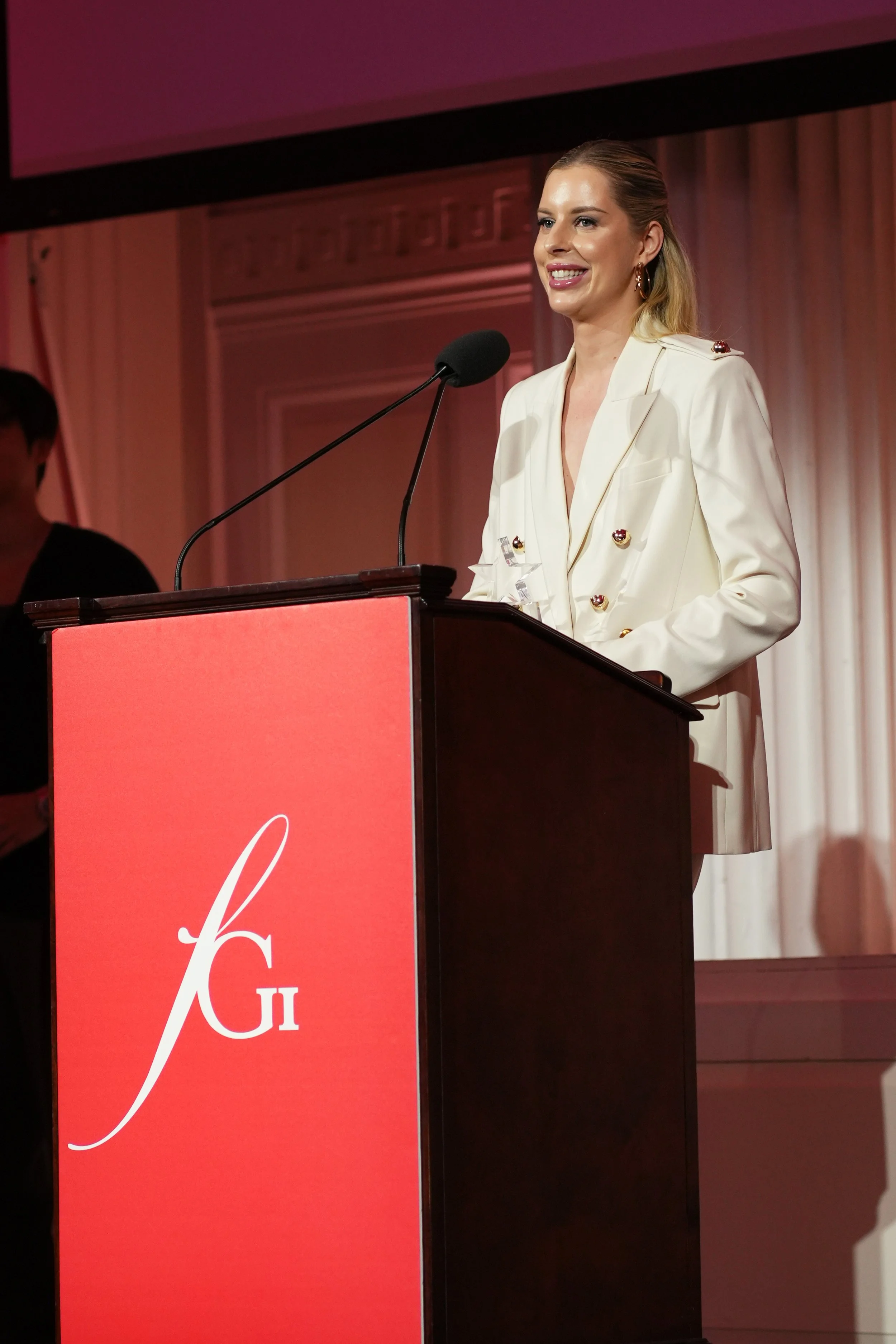
That same predictive lens defined this year’s honorees across apparel, beauty, accessories, jewelry, and sustainability. Designers like Wangda Chen, Chuks Collins and Aiste Hong, alongside jewelry innovators such as Jamie Books and Ashley Moubayed, reflect a generation less concerned with category boundaries and more focused on narrative ownership.
This is where FGI’s model becomes instructive for the broader industry: the future of fashion isn’t siloed—it’s interdisciplinary, values-driven, and increasingly global in both perspective and execution.
Mindy Grossman And The Business Of Cultural Relevance
If emerging talent represents the future, Mindy Grossman embodies the infrastructure that allows that future to scale.
Honored with the Lifetime Achievement Award, Grossman’s career traces the evolution of modern consumer culture—from her leadership roles at Nike and Ralph Lauren to her transformation of HSN into a “boundaryless retail” platform, and later, her reinvention of WW International into a digitally-driven wellness brand.
Now serving as Partner and Vice Chair at Consello, Grossman represents a rare category of executive: one who understands that brand equity today is inseparable from cultural fluency.
Her recognition by FGI signals a broader shift in what the industry values. Creative excellence alone is no longer sufficient; it must be paired with operational vision and the ability to translate cultural insight into scalable business models.
The Expanding Definition Of Impact
Beyond Grossman, the evening’s special honors reinforced how far the definition of “fashion influence” has expanded.
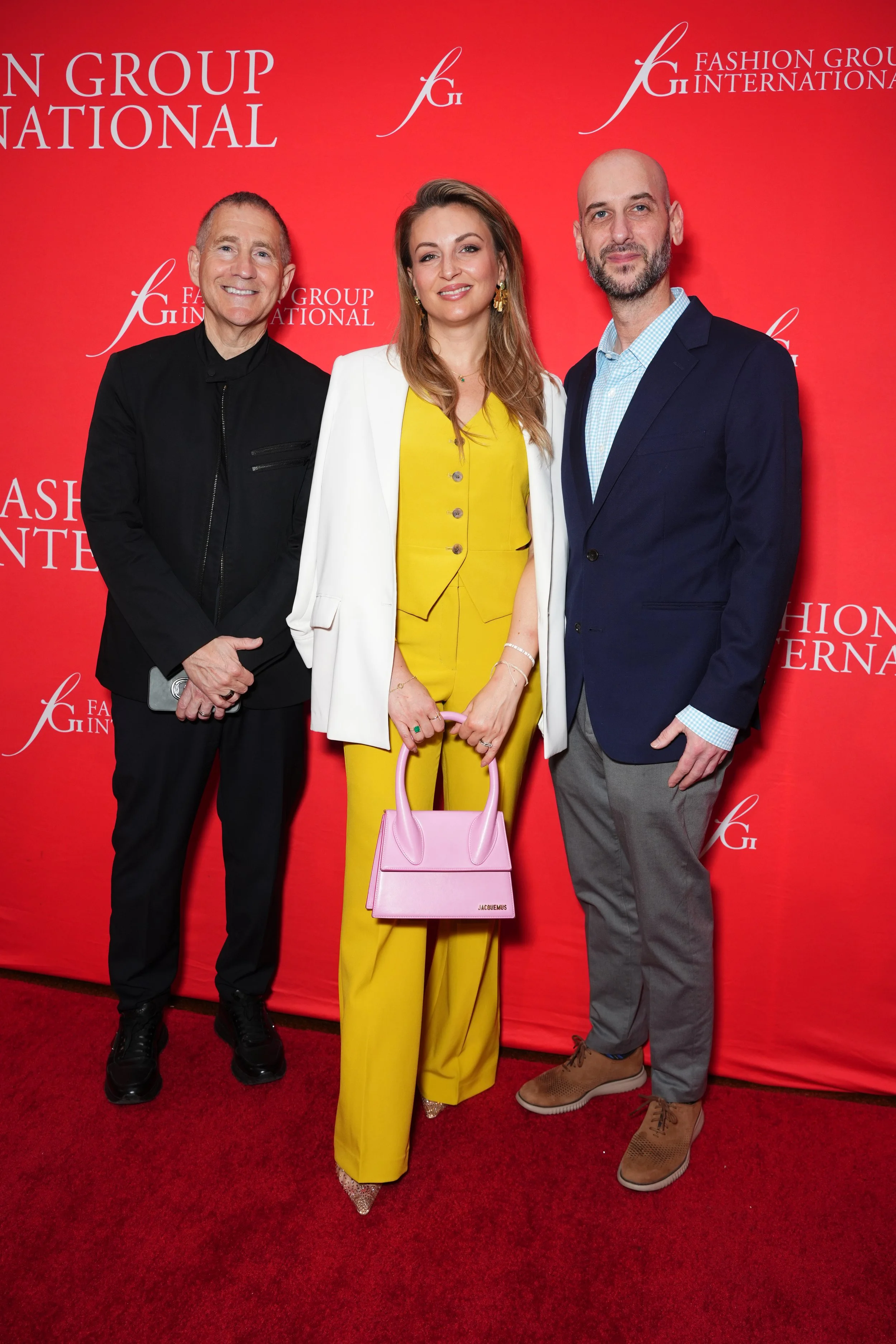
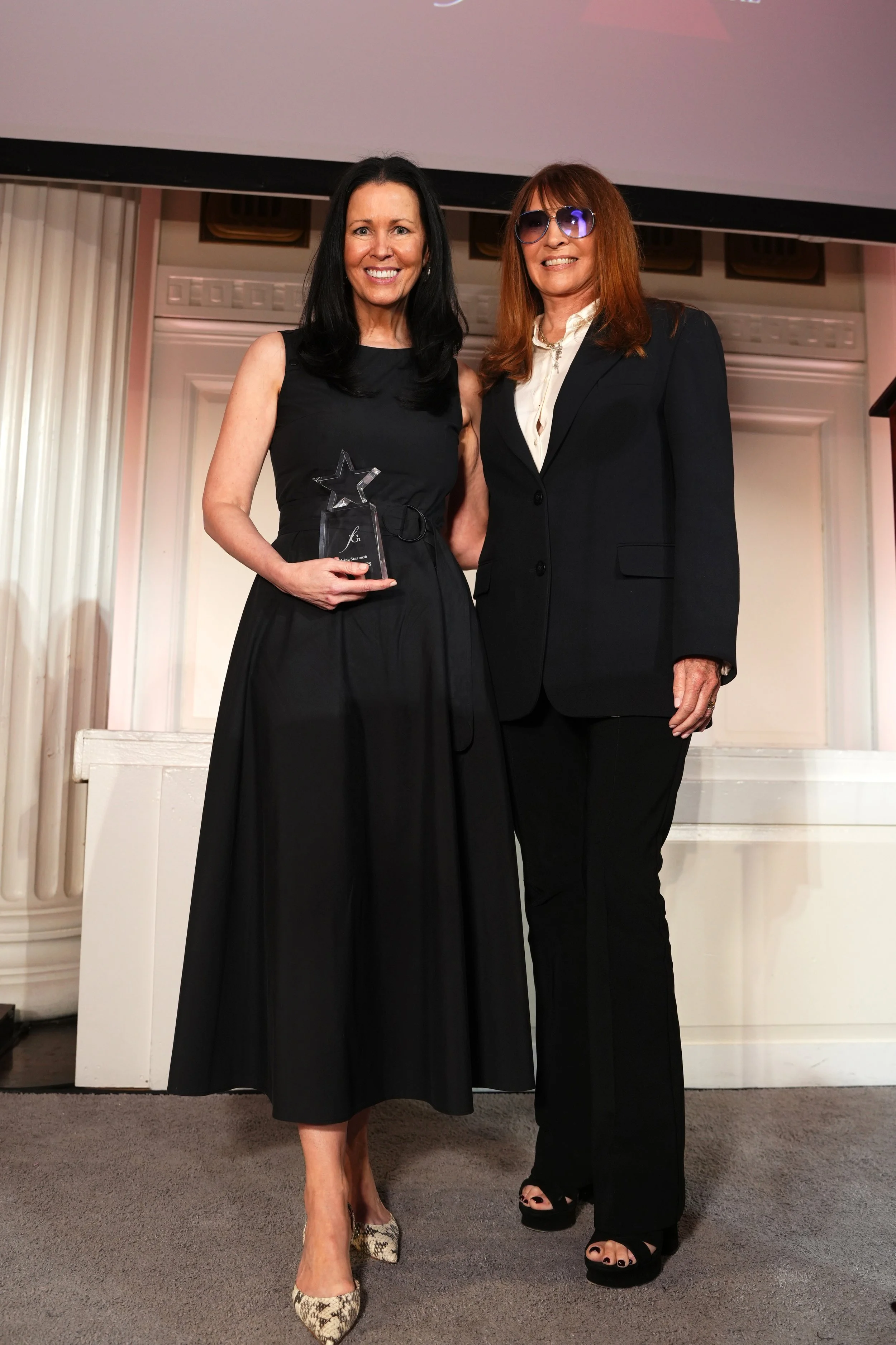
Entrepreneur Justin Abrams received the Hilldun Business Innovation Award, underscoring the growing importance of financial and operational ecosystems in nurturing creative industries. Meanwhile, media personality Paige DeSorbo was awarded the inaugural Media Impact Award, a recognition that content—once considered peripheral to fashion—is now central to its commercial and cultural relevance.
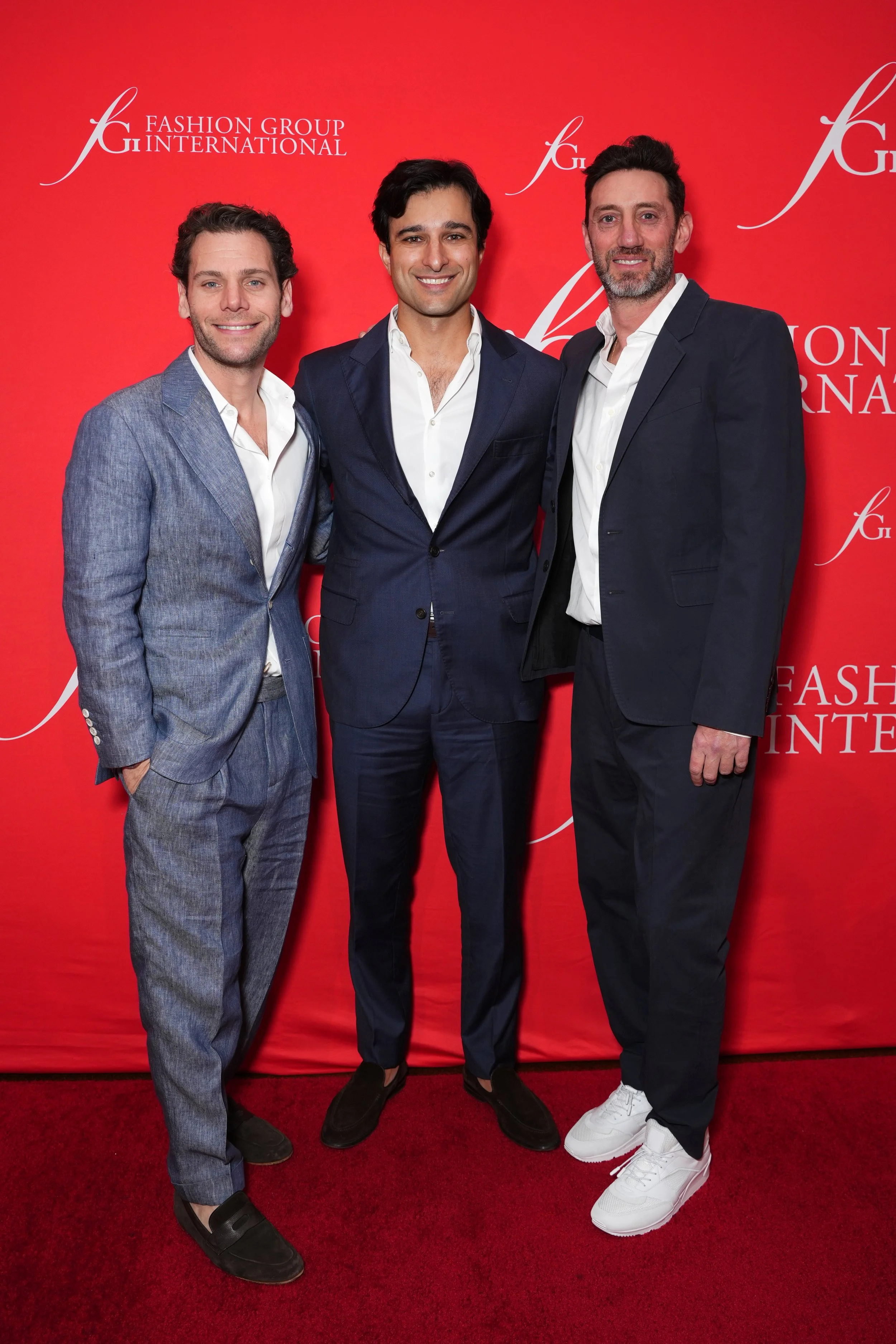
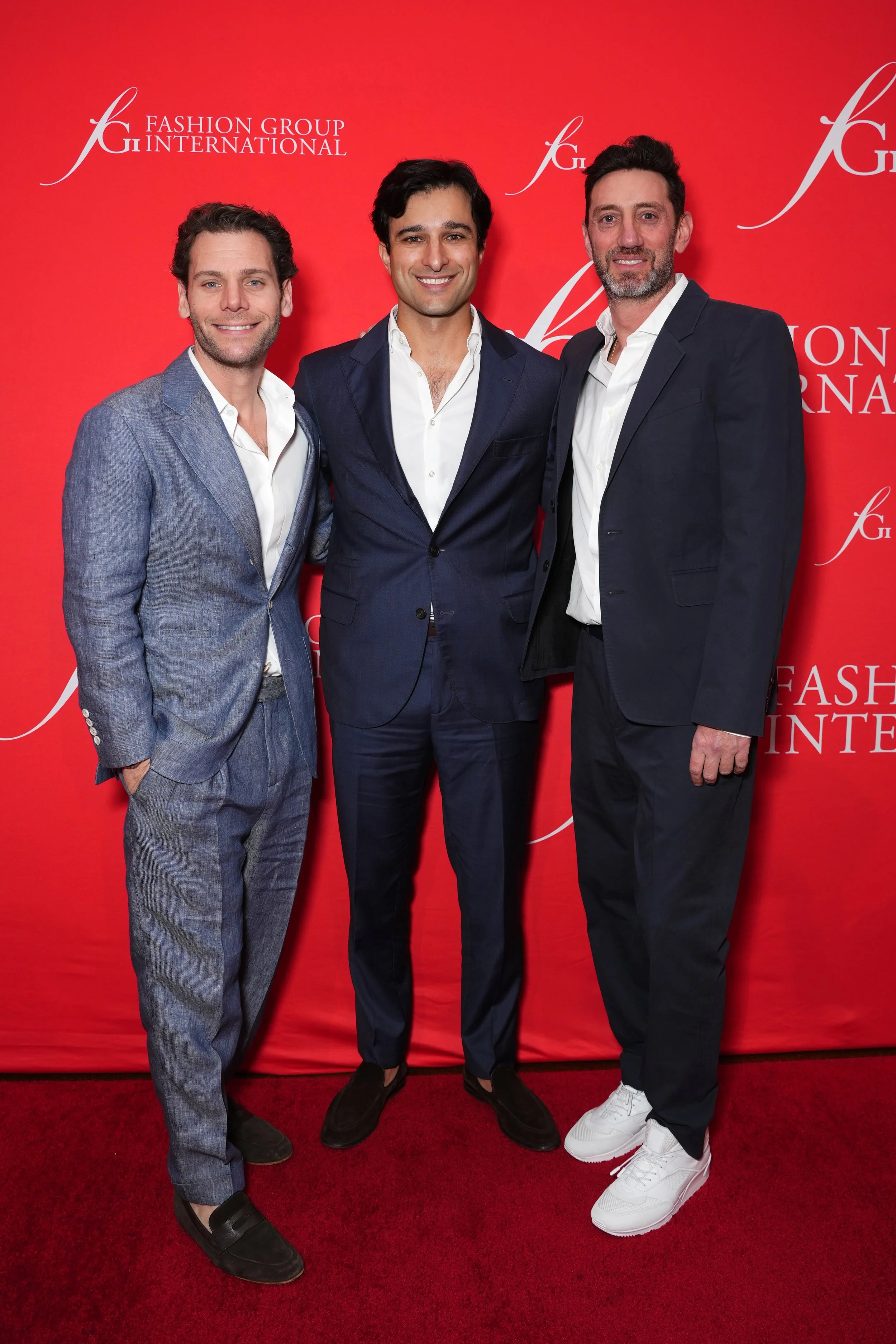
Justin Abrams [center]
Even the inclusion of the Macy's Future Fashion Award points to a recalibrated pipeline: one that connects education, retail, and storytelling earlier than ever before.
Community As Competitive Advantage
What the 30th anniversary ultimately revealed is that FGI’s greatest innovation isn’t the awards themselves—it’s the network behind them.
Founded in 1930 by figures like Eleanor Roosevelt and Edith Head, FGI has long operated as a connective tissue across the industry. Today, with more than 5,000 members globally, that network functions less like a legacy institution and more like an ecosystem—one that actively shapes access, opportunity, and visibility.
In an era where fashion is increasingly decentralized, that kind of infrastructure isn’t just valuable—it’s necessary.
As Rocha aptly framed it during the ceremony, “We all rose because someone believed in us.” The Rising Star Awards are built on that premise. Thirty years in, they’ve proven that belief—when institutionalized—can become one of the most powerful forces in fashion.

HOW DO YOU FEEL ABOUT FASHION?
COMMENT OR TAKE OUR PAGE READER SURVEY
Featured



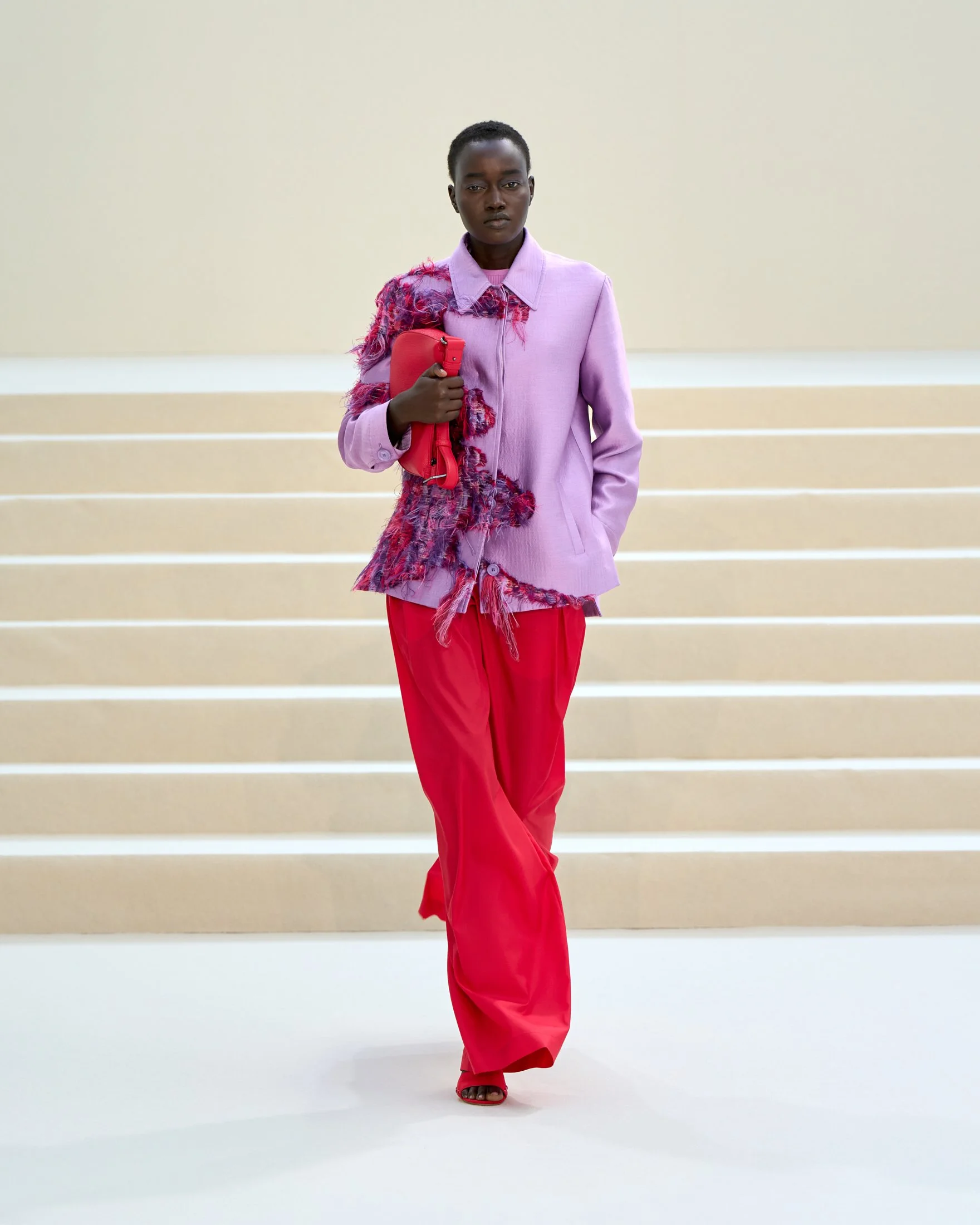
Telfar's SS2027 collection transforms the sample sale into a runway, using inside-out tailoring, manipulated materials, New York street references and a Brooklyn-to-Paris spectacle to question who gets to define fashion—and where it actually happens.