
Tokyo Sense Signals a New Model for Cultural Retail at Paris Fashion Week Men’s
By PAGE Editor
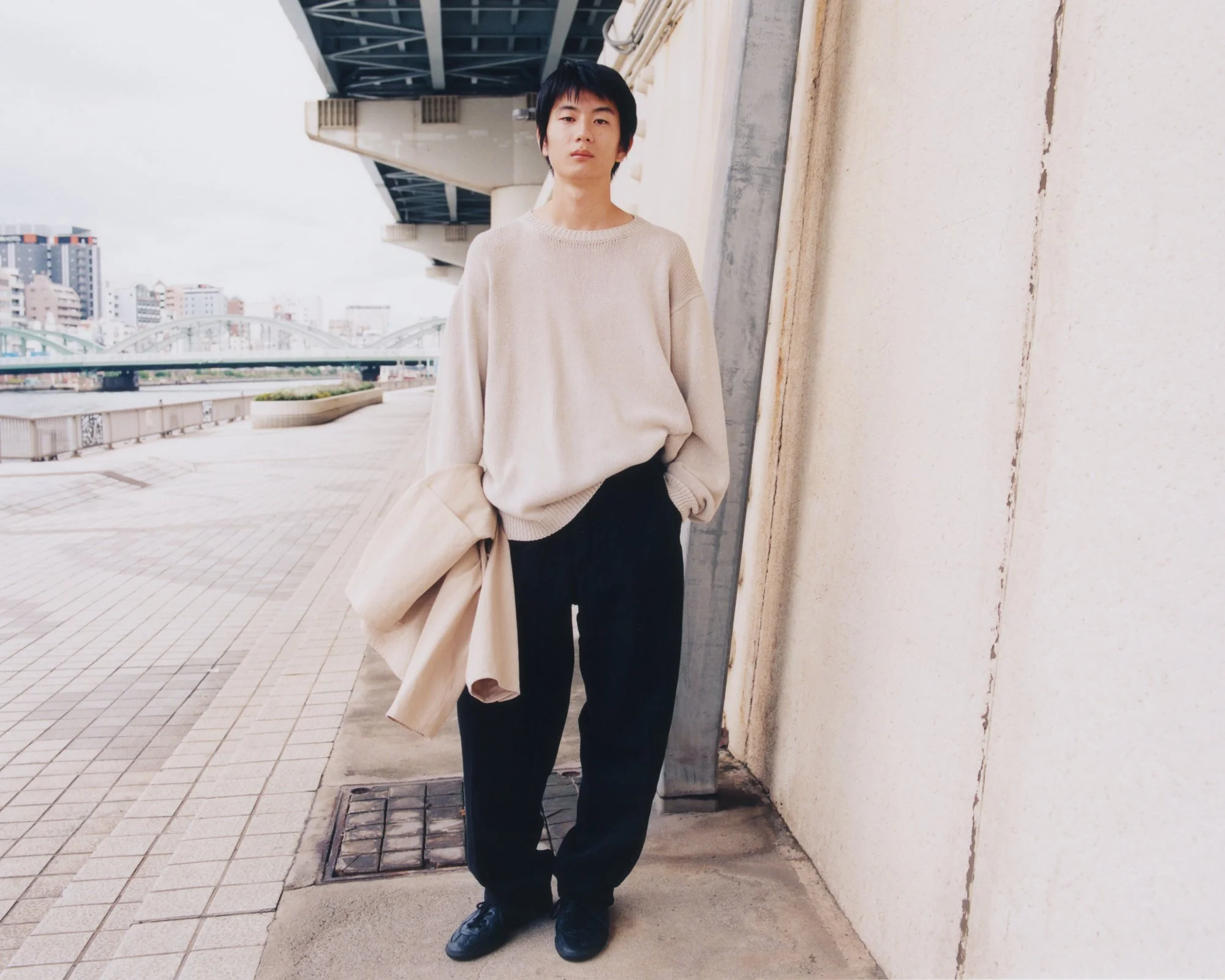
In an industry increasingly driven by velocity—drops, moments, metrics—clarity has become a rare commodity. It is precisely this absence that tokyo sense, a new platform by LUMINE in collaboration with Andreas Murkudis, seeks to address during Paris Fashion Week Men's June 2026. Rather than compete within the noise, the project reframes the conversation entirely, positioning Japanese craftsmanship not as spectacle, but as a system of thought.
Set to unfold from June 14 to July 7, 2026, in the Marais, tokyo sense resists the conventions of the pop-up format. It operates instead as a hybrid—part concept store, part exhibition, part editorial platform—designed with a deliberate sense of temporality. This is not about urgency, but about presence. A defined window that invites immersion rather than extraction.
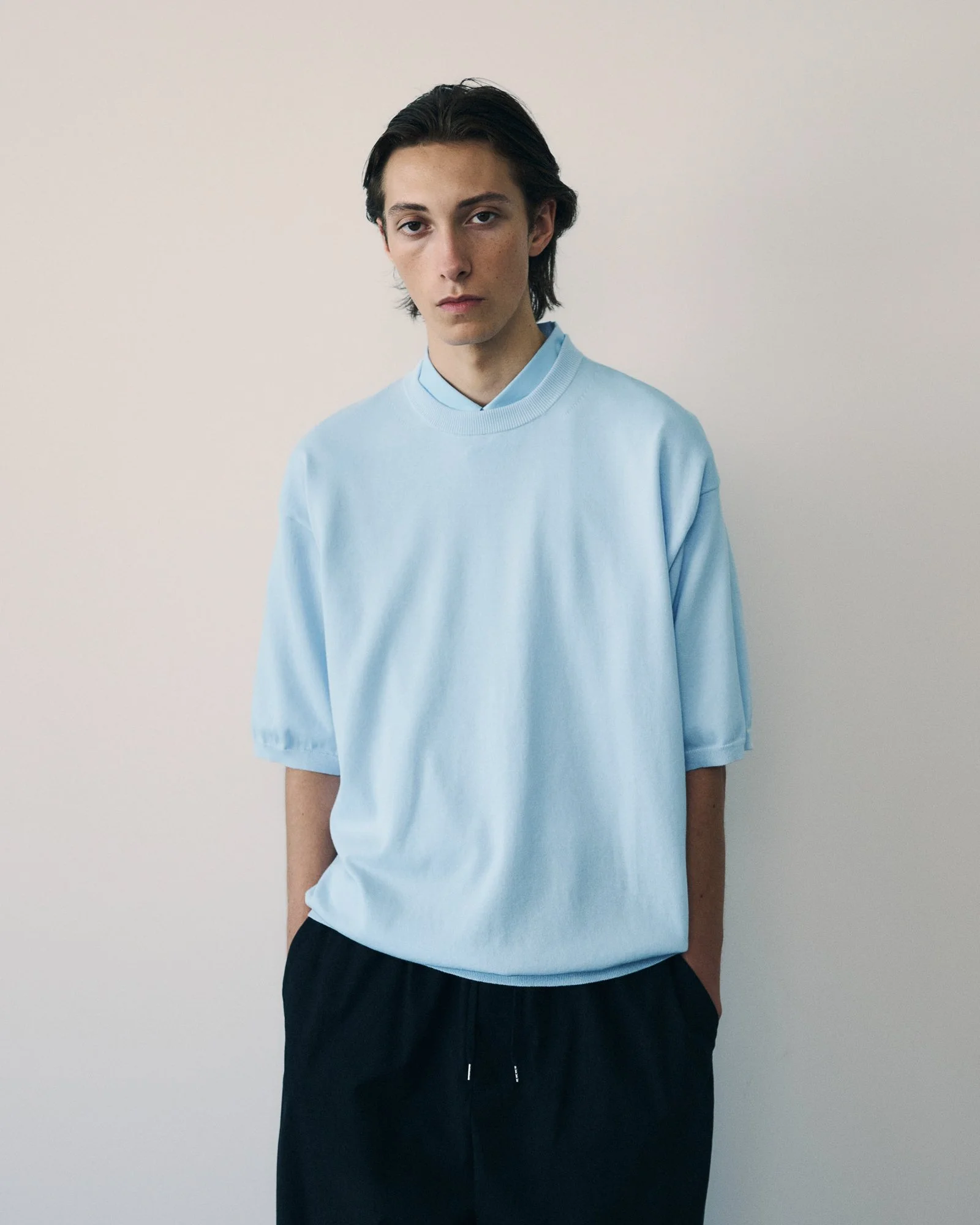
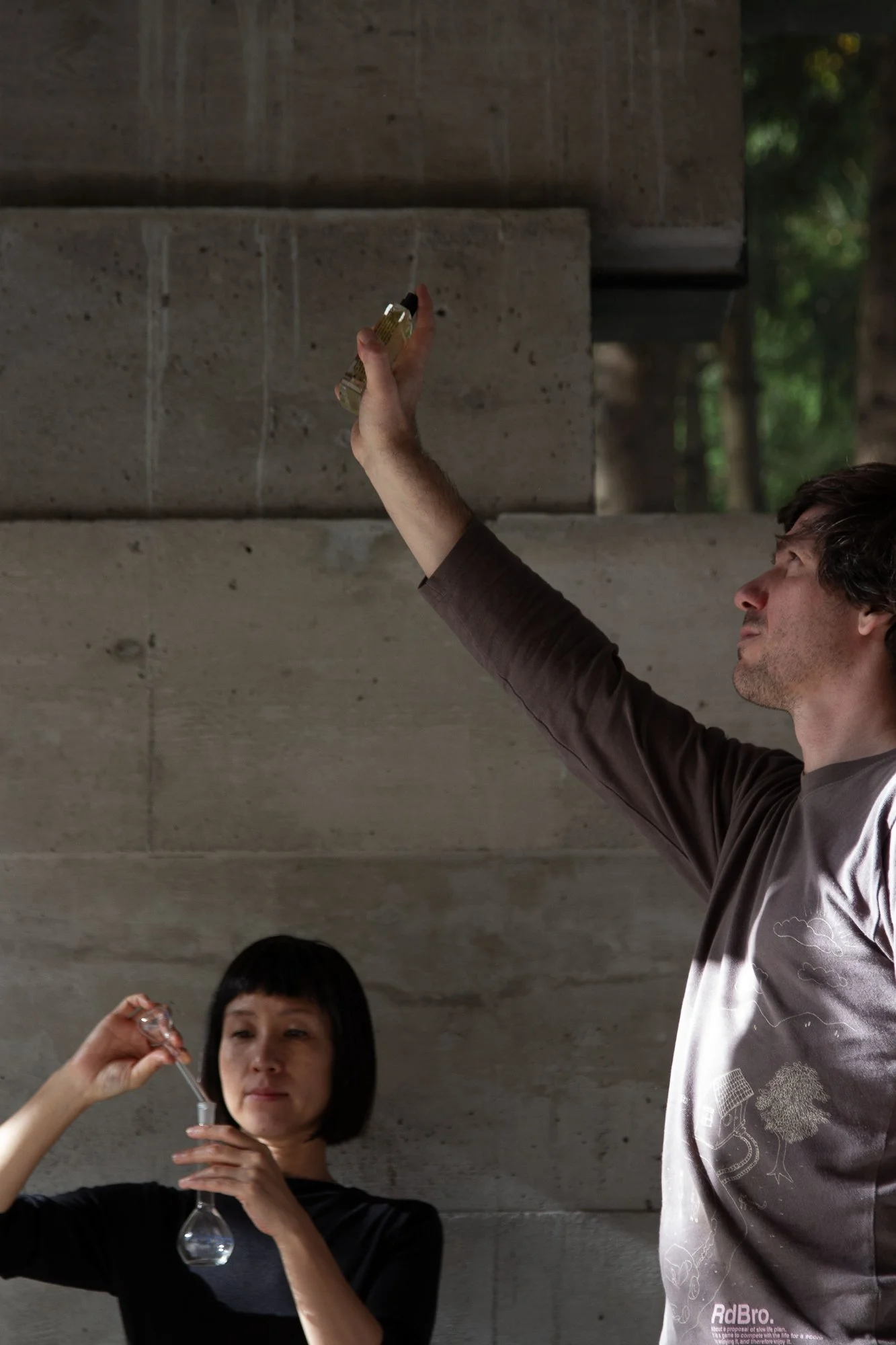
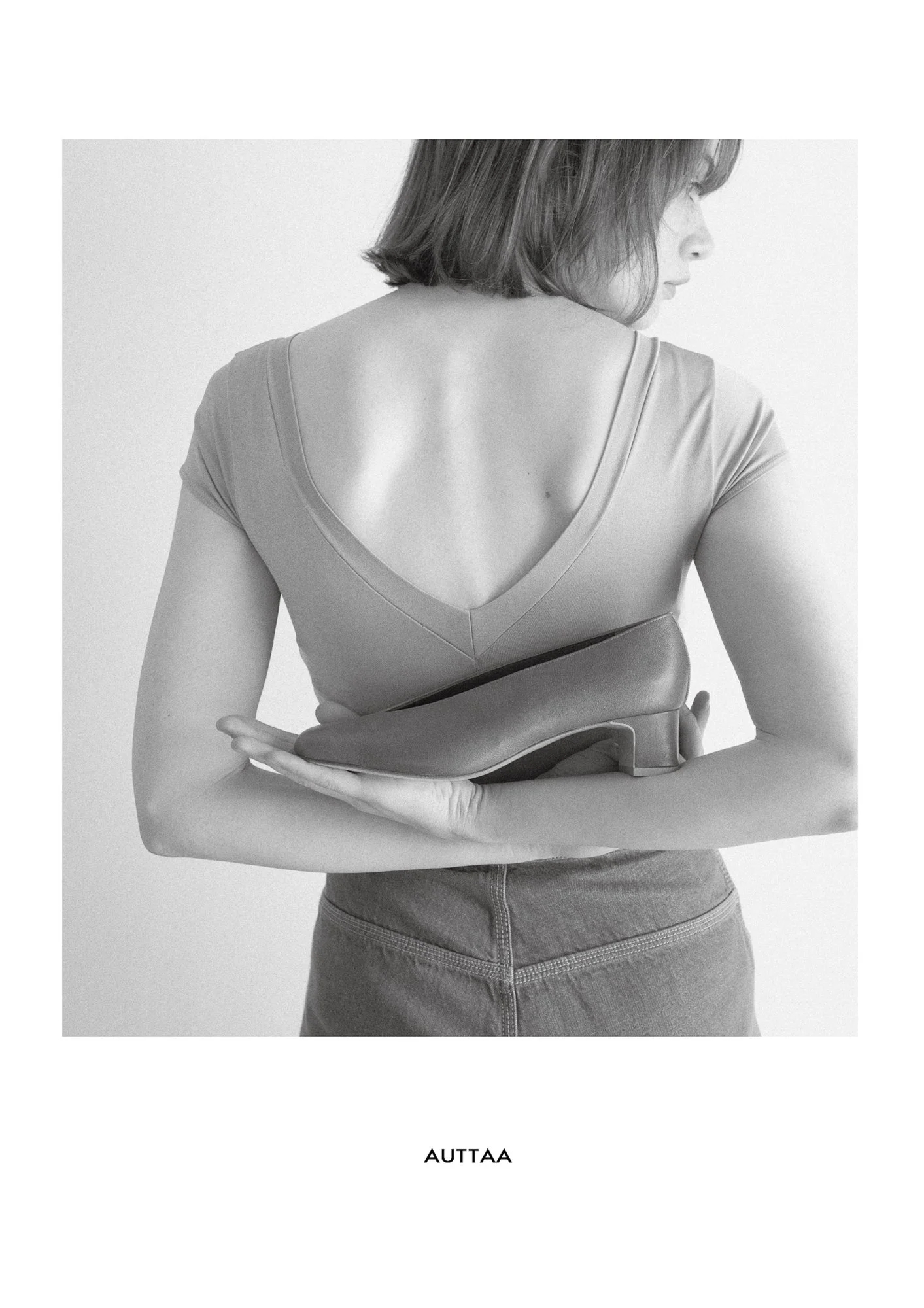
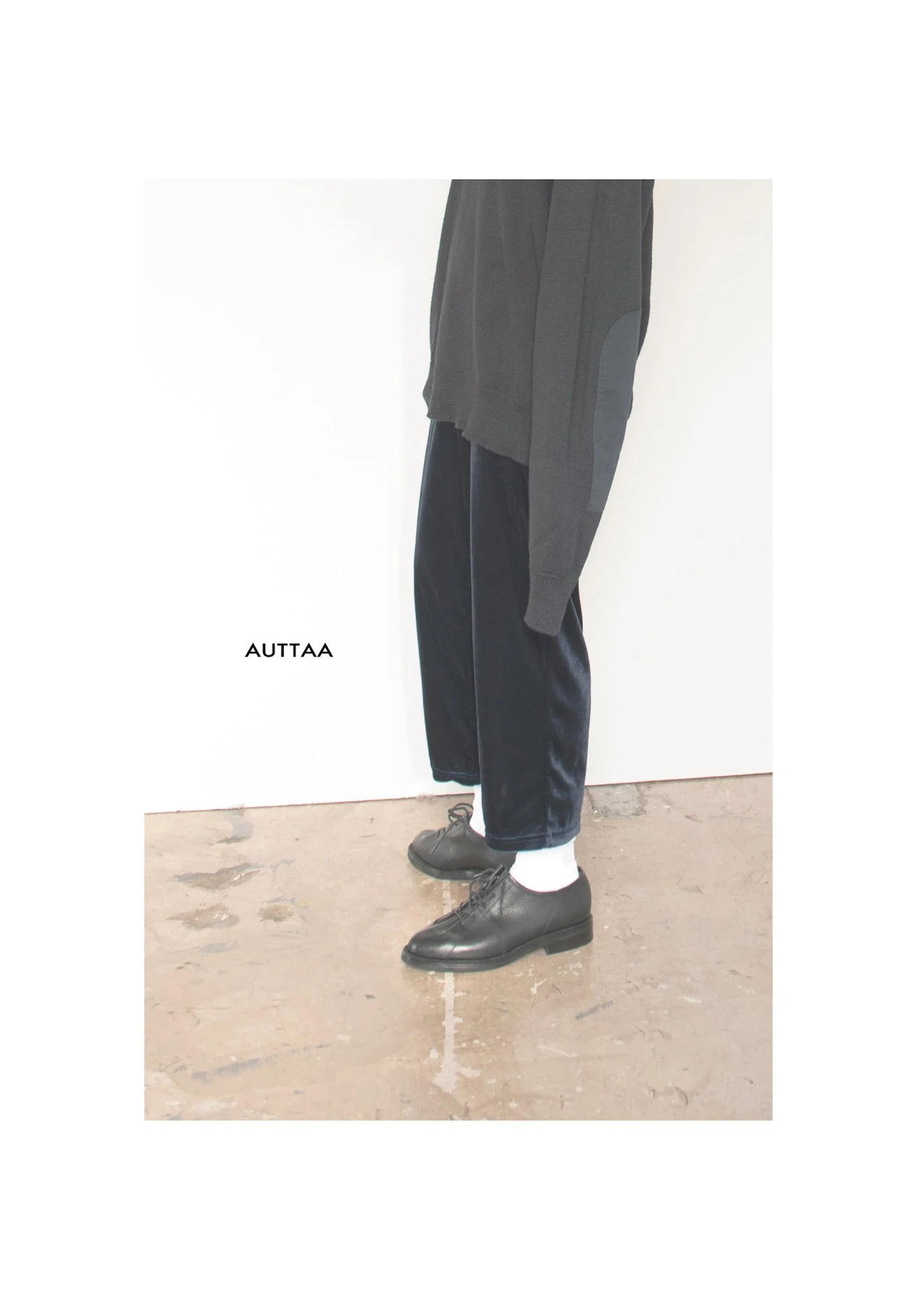
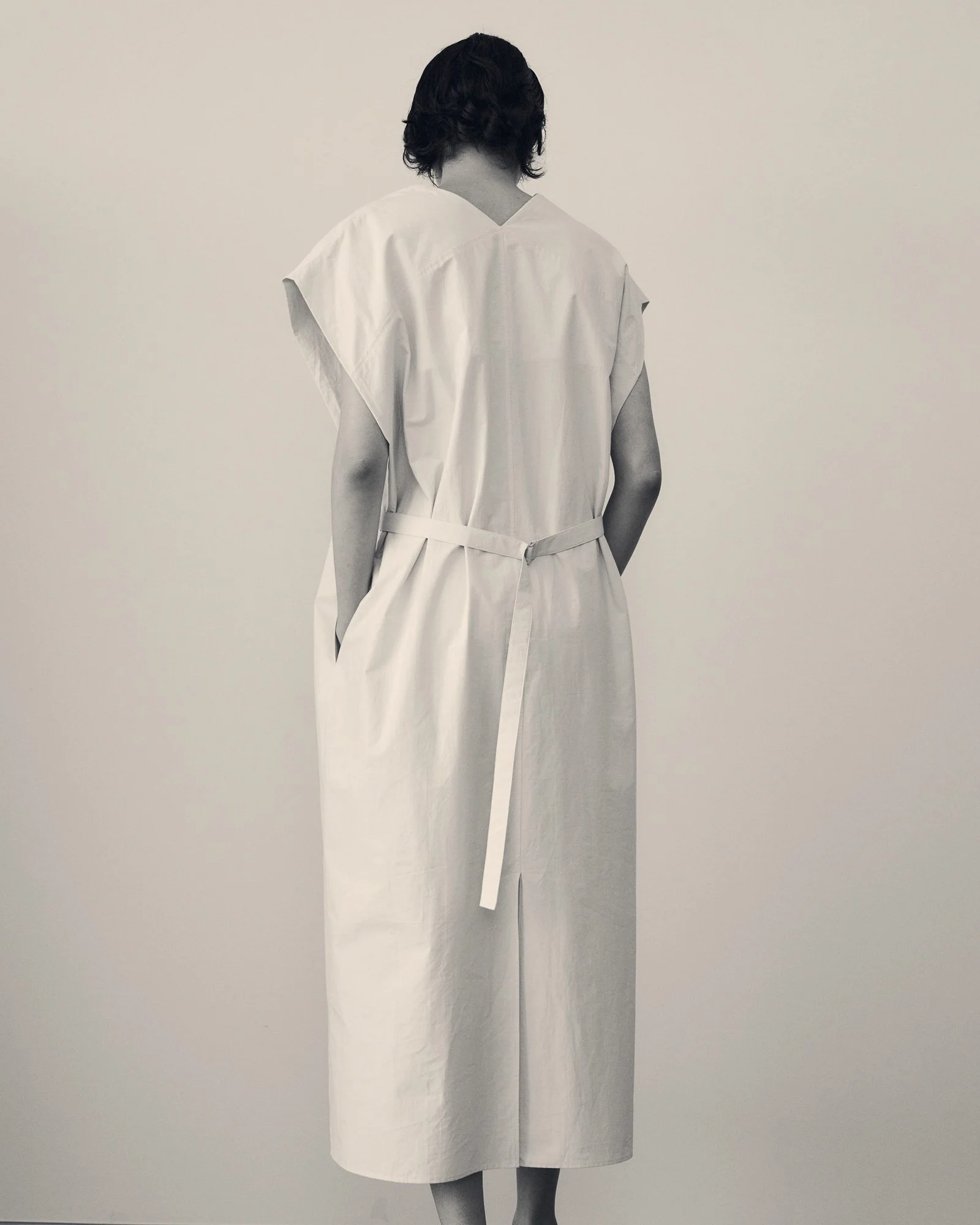
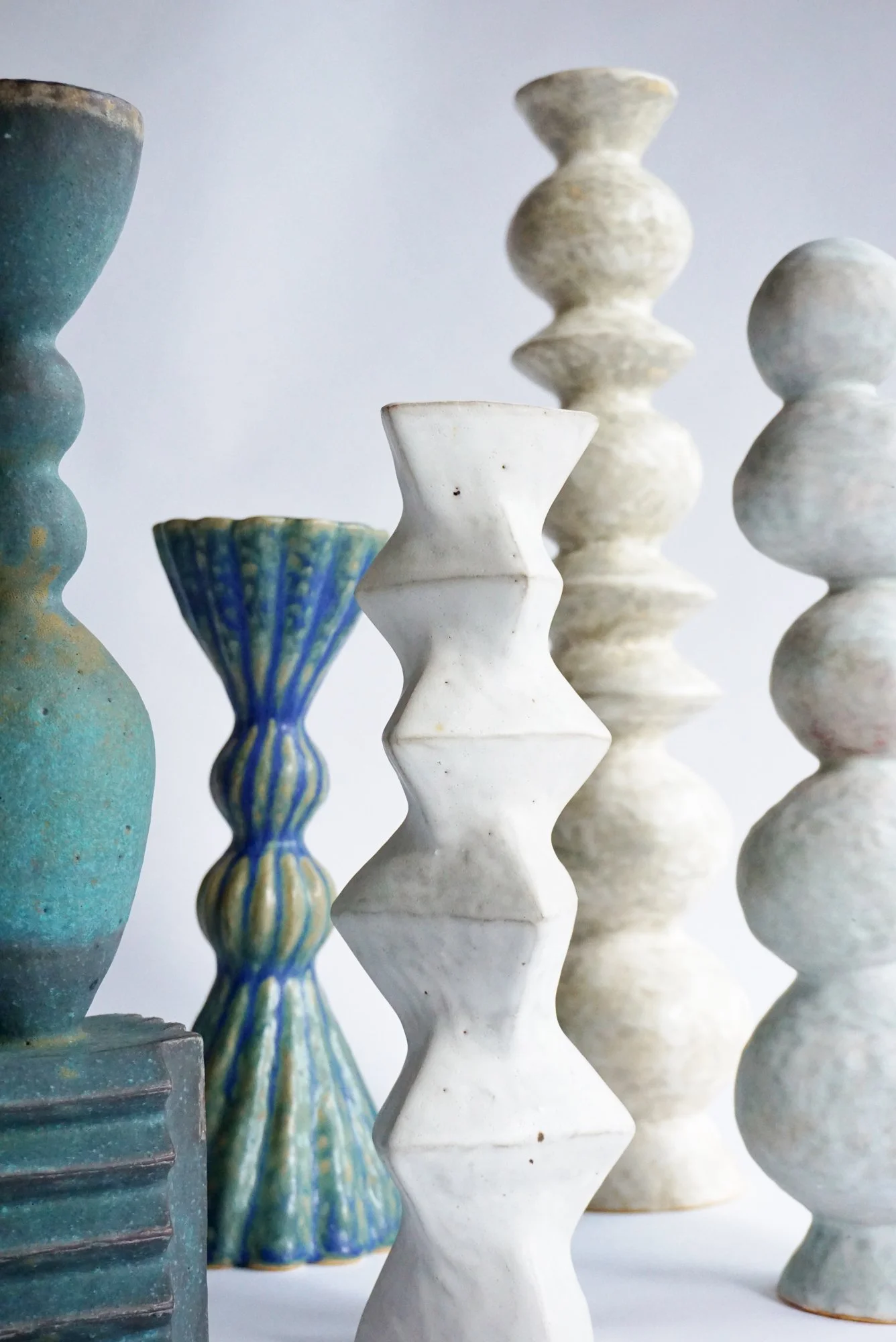
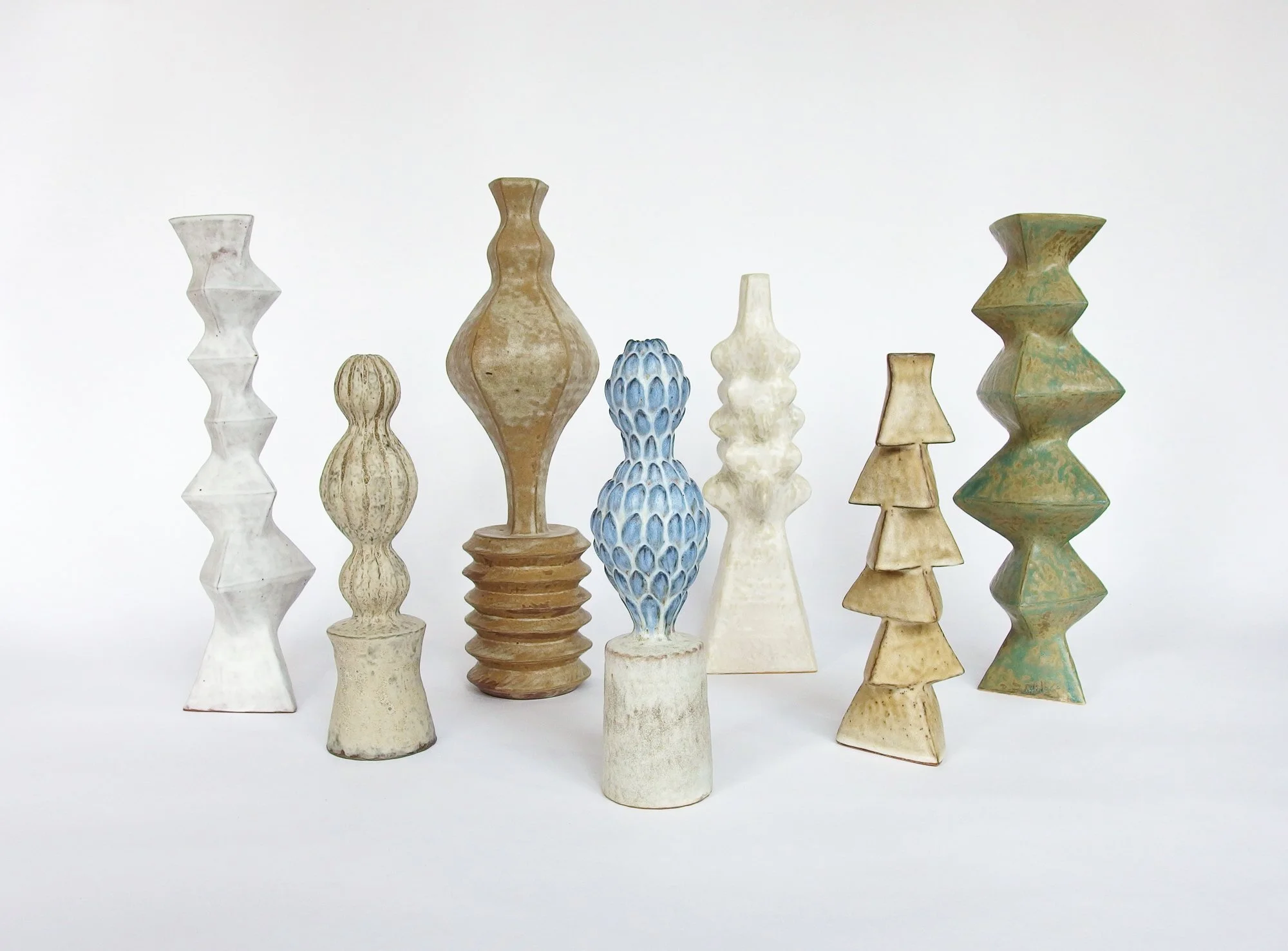
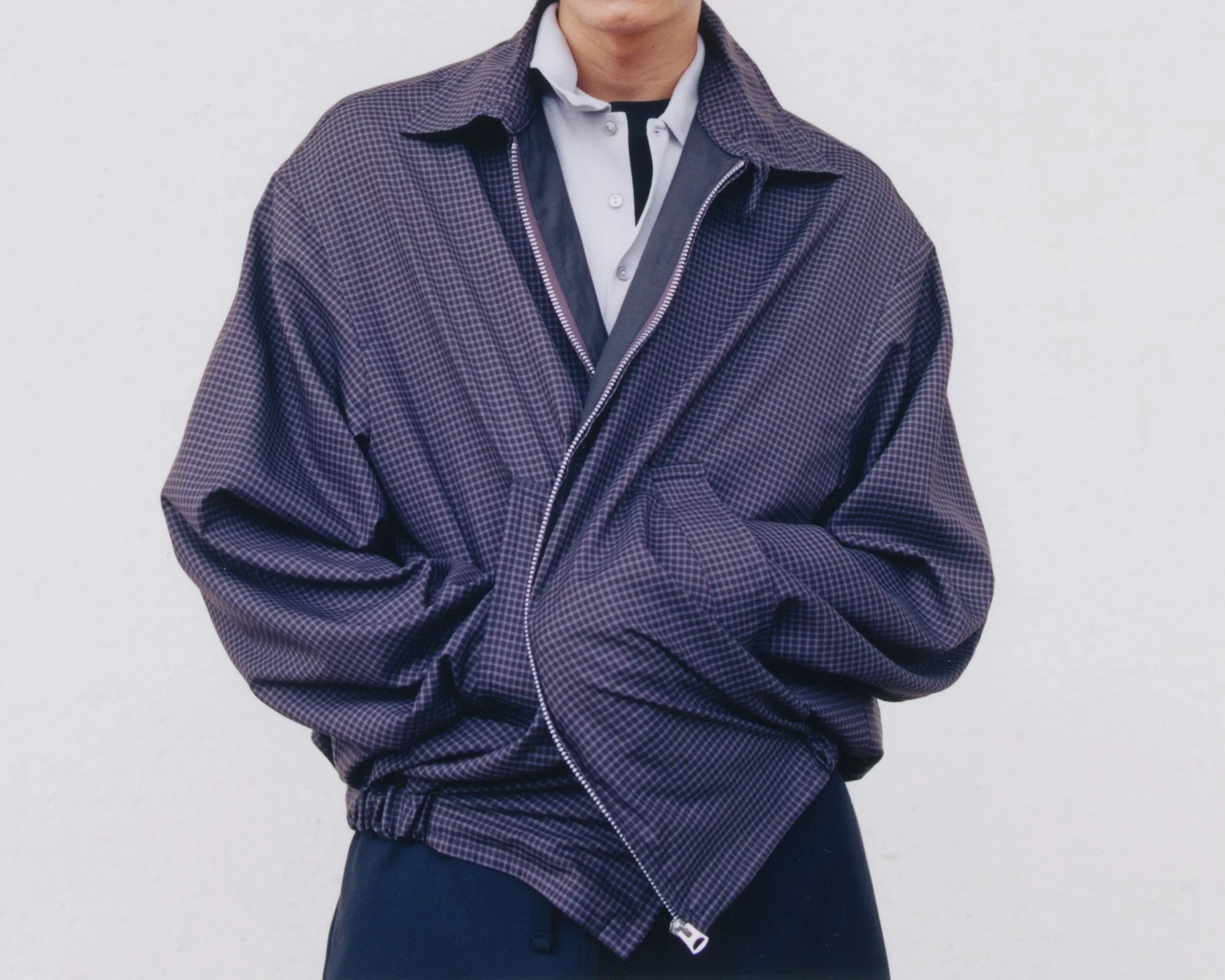
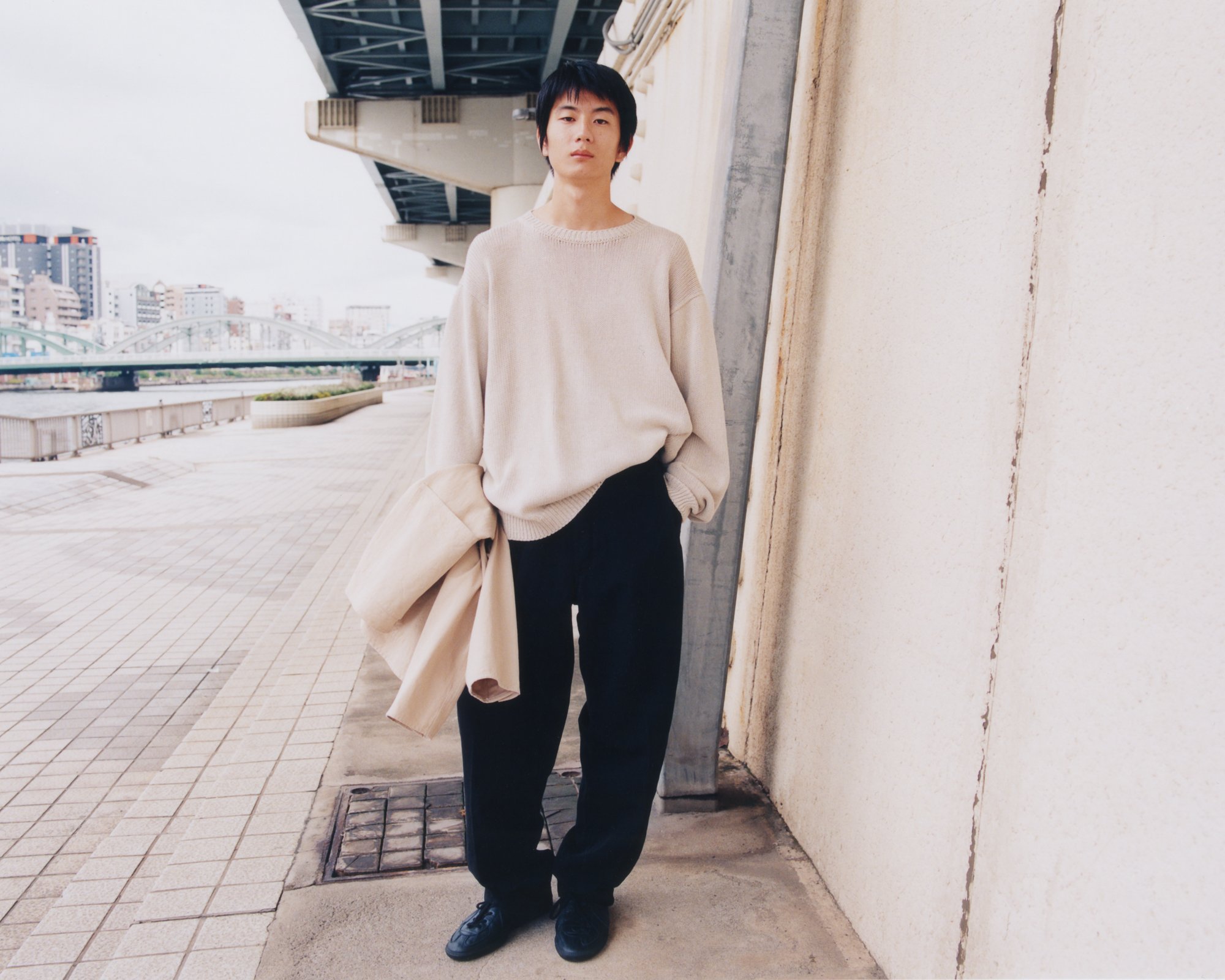
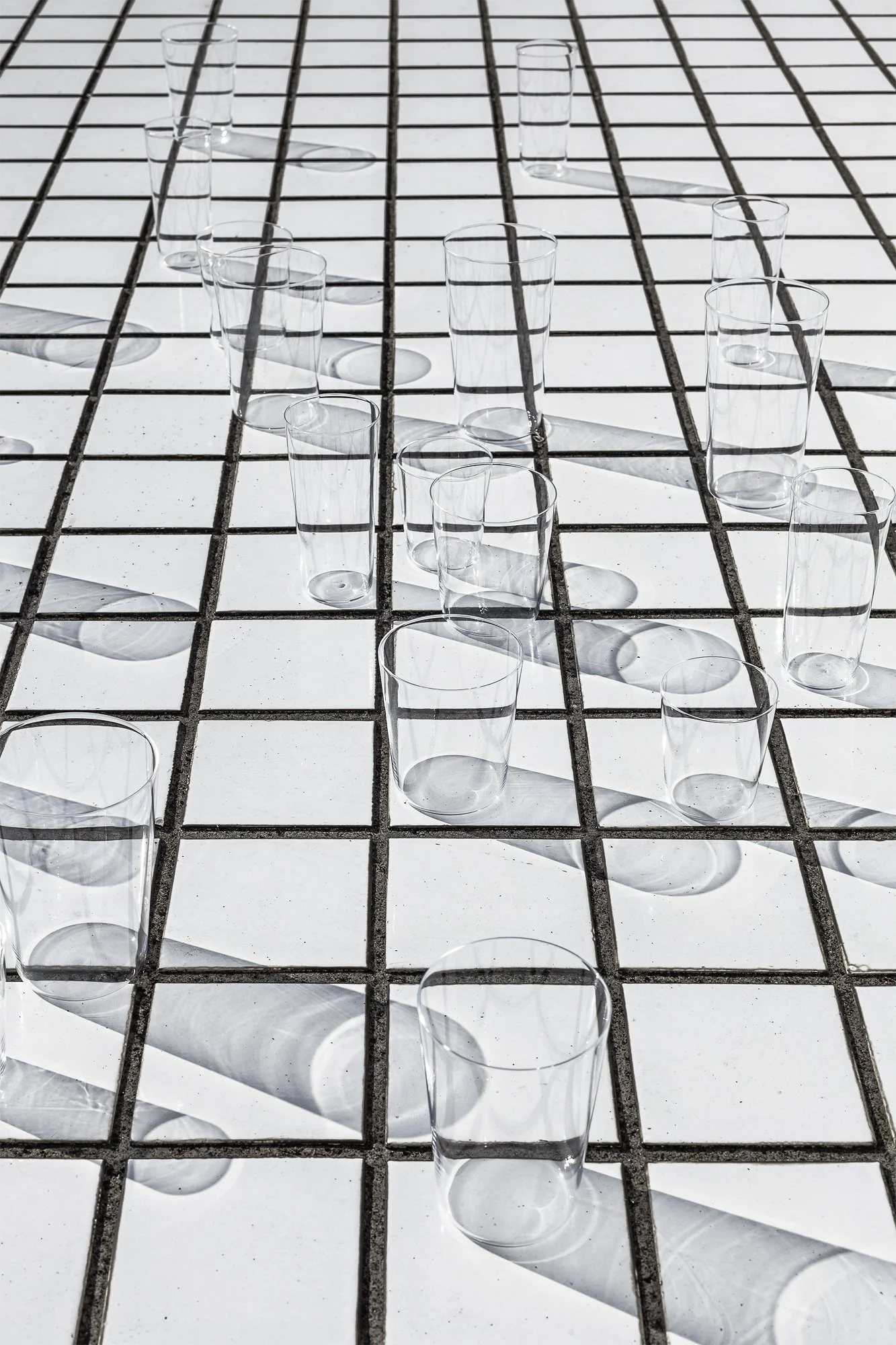
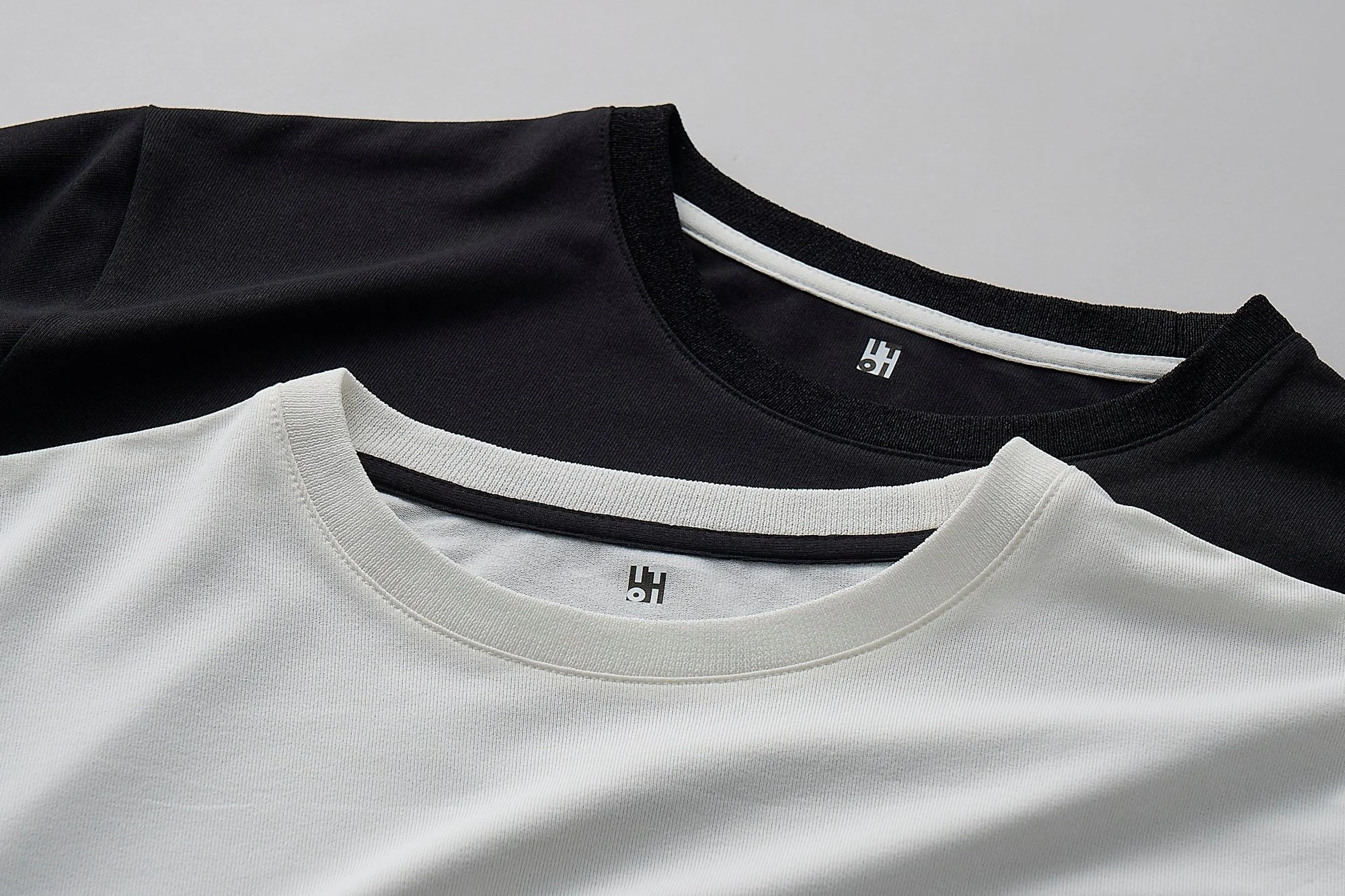
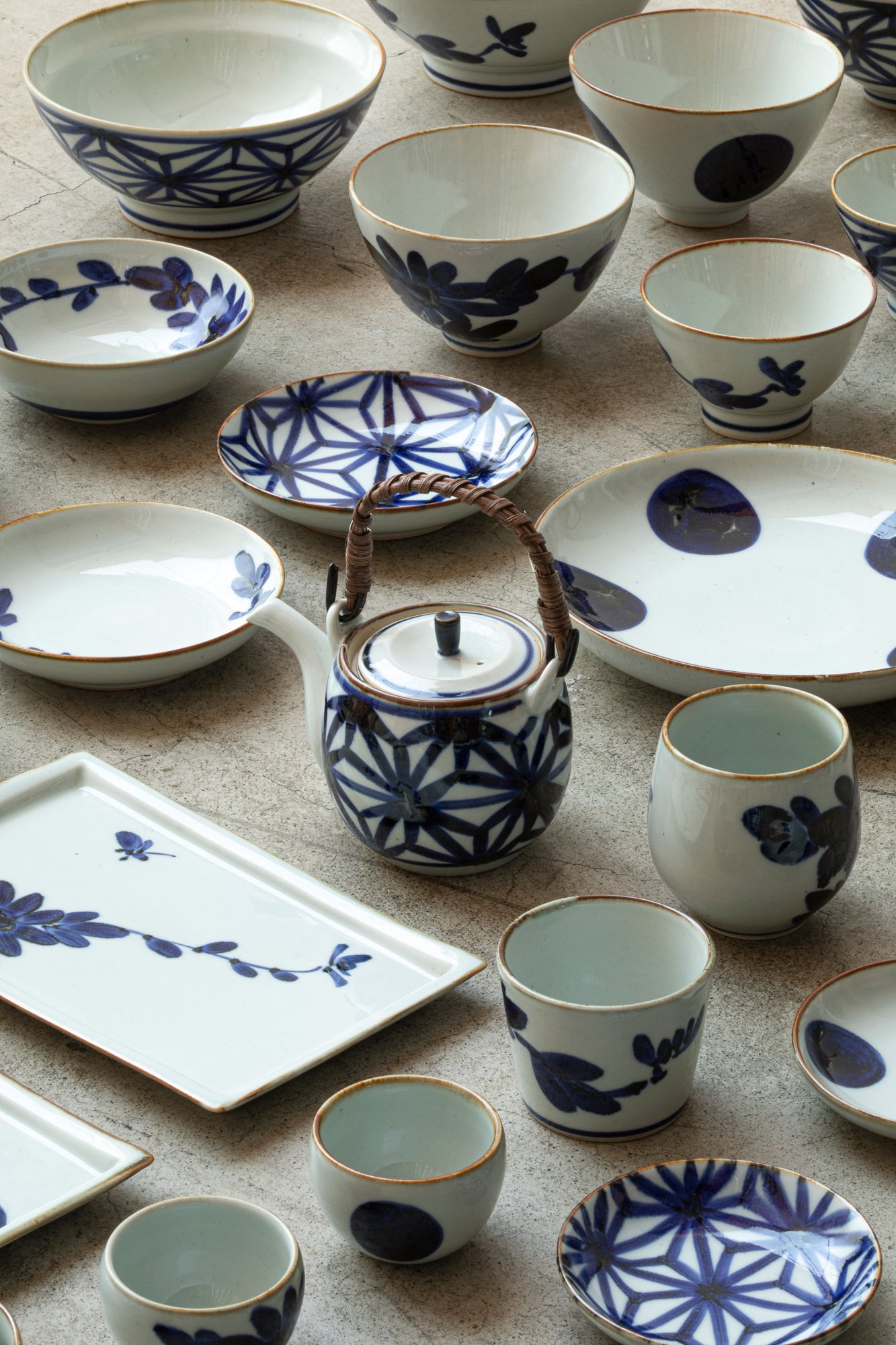
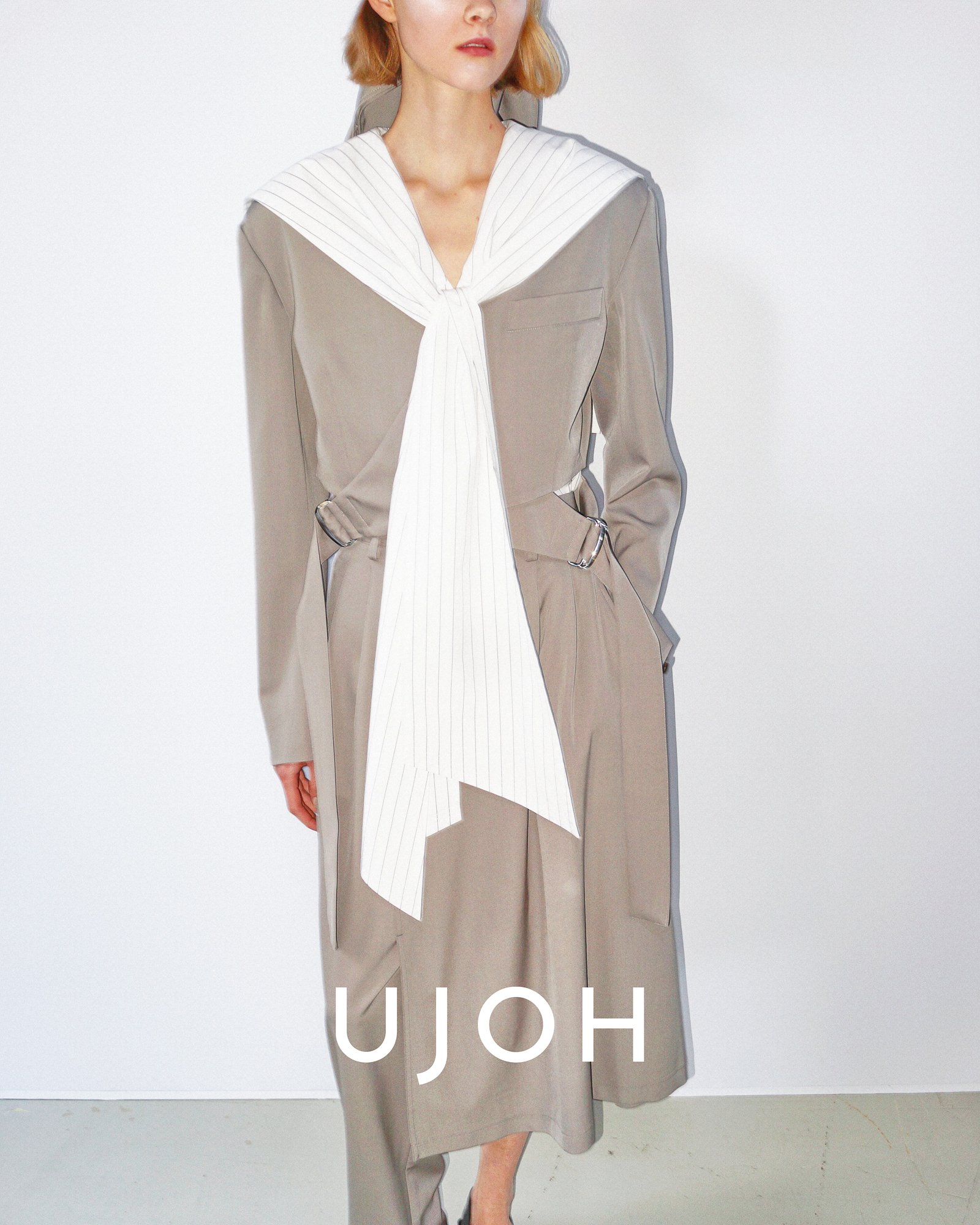
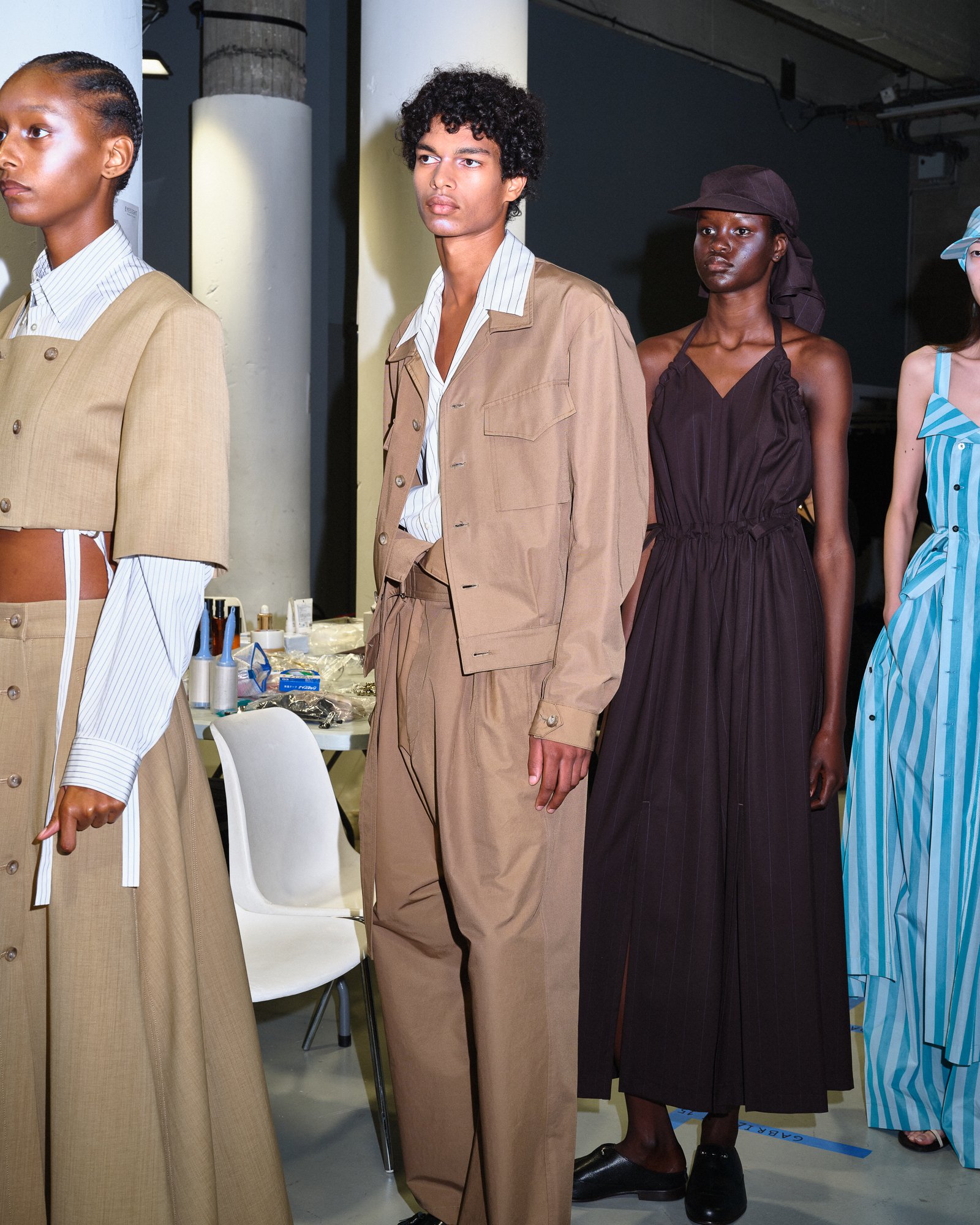
At its core, the platform gathers approximately 30 Japanese brands spanning fashion, objects, and print. Yet what distinguishes tokyo sense is not the breadth of its offering, but the absence of hierarchy within it. Each designer and maker is presented with equal spatial and narrative weight, forming what reads less like a retail environment and more like a collective thesis on contemporary Japanese creativity. It is a subtle but meaningful shift away from the personality-driven economies that dominate Western fashion cycles.
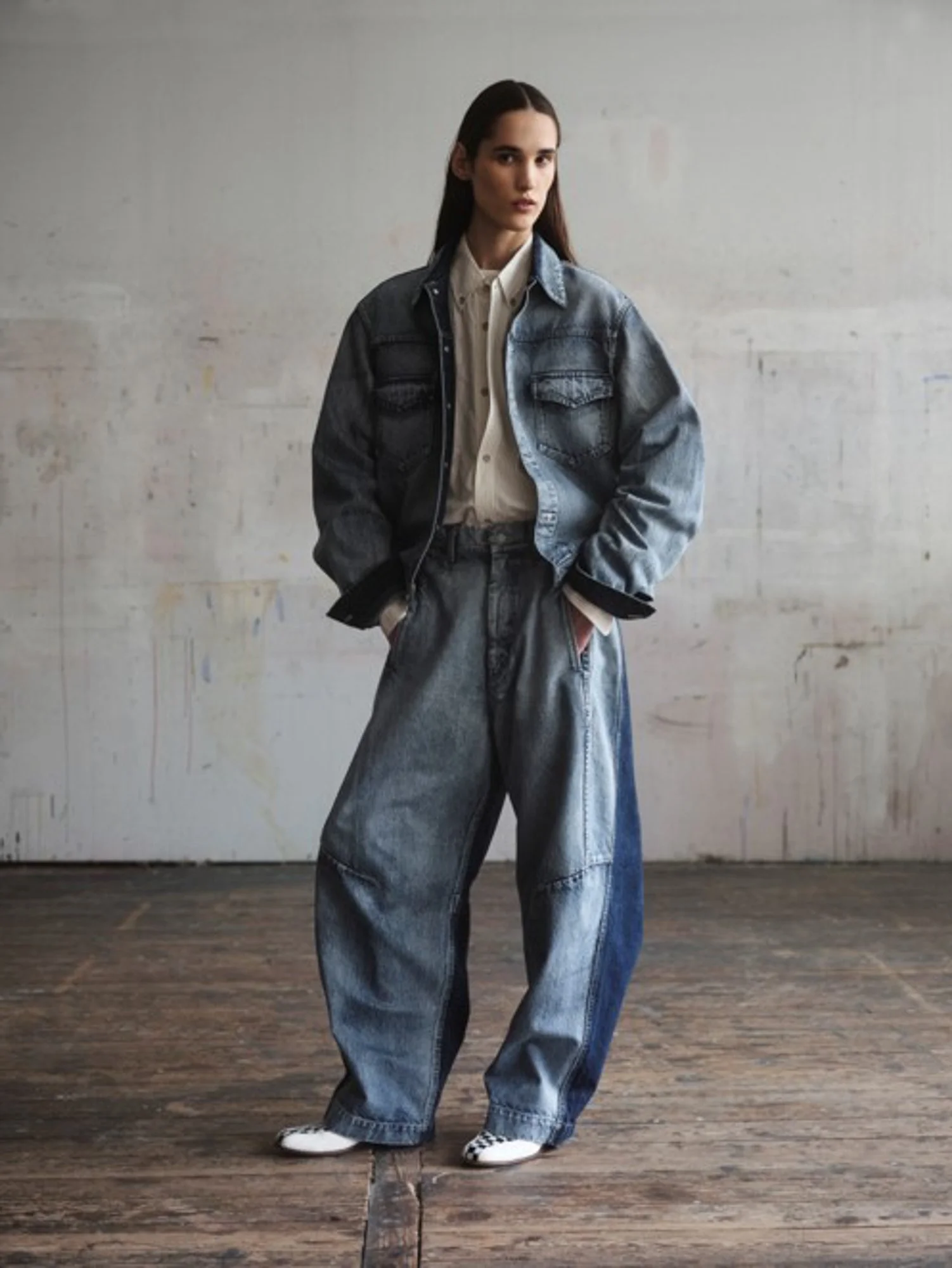
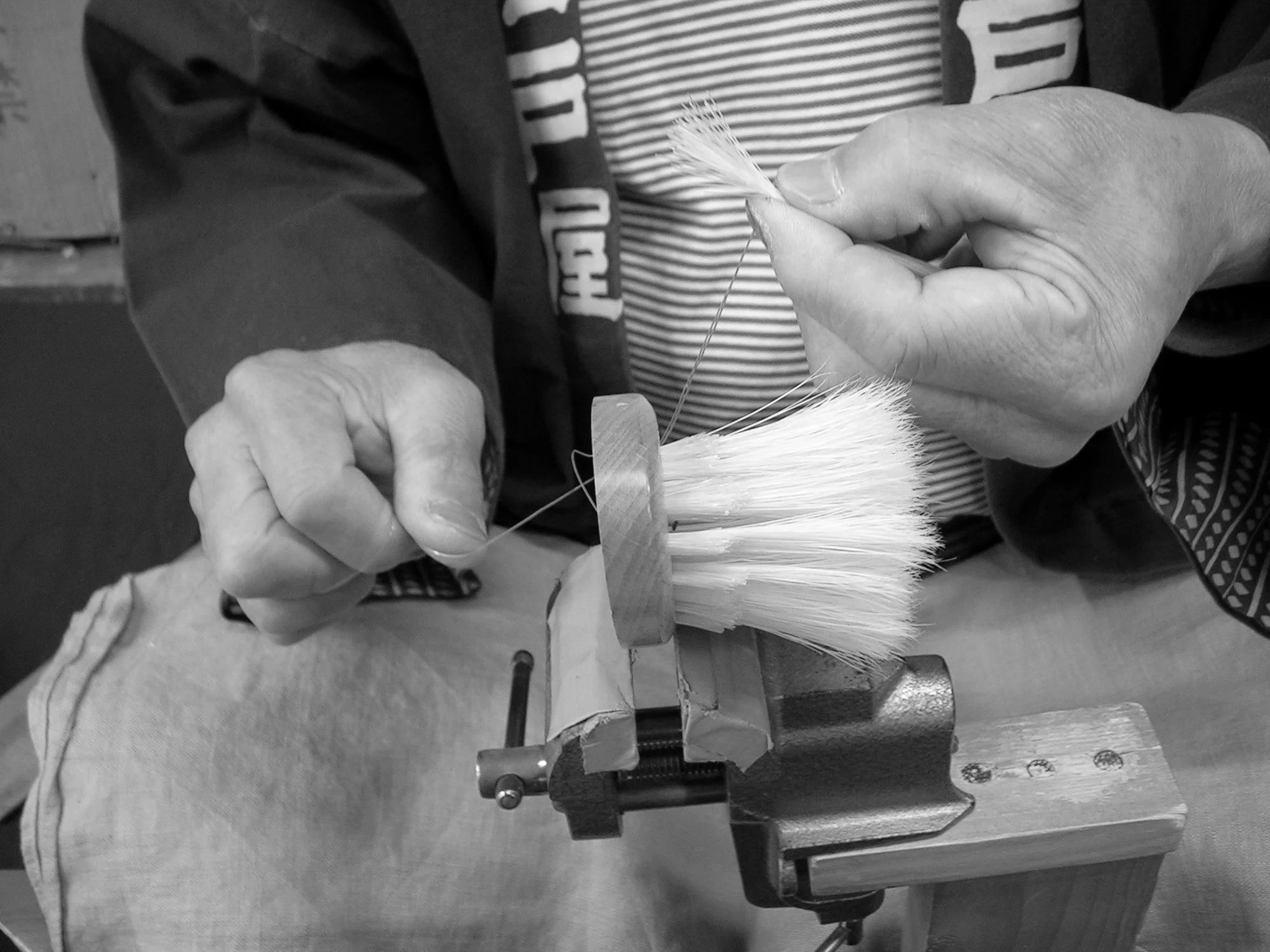
Murkudis, whose Berlin-based retail philosophy has long championed restraint and longevity, approaches the project with a curator’s discipline. His perspective reframes retail as an act of editing rather than accumulation. In this context, Japanese craftsmanship—often reduced to shorthand descriptors of “precision” or “heritage”—is given the space to be understood in its evolving state. Not static tradition, but a living, adaptive framework shaped by material intelligence and cultural continuity.
For LUMINE, the initiative marks a strategic extension of its global ambitions. Following the launch of its Singapore flagship, Paris represents a deliberate entry into a market that functions as both a cultural amplifier and a commercial validator. Yet tokyo sense avoids the familiar playbook of international expansion. Instead of exporting product, it exports perspective—embedding Japanese design values within a European context without diluting their specificity.
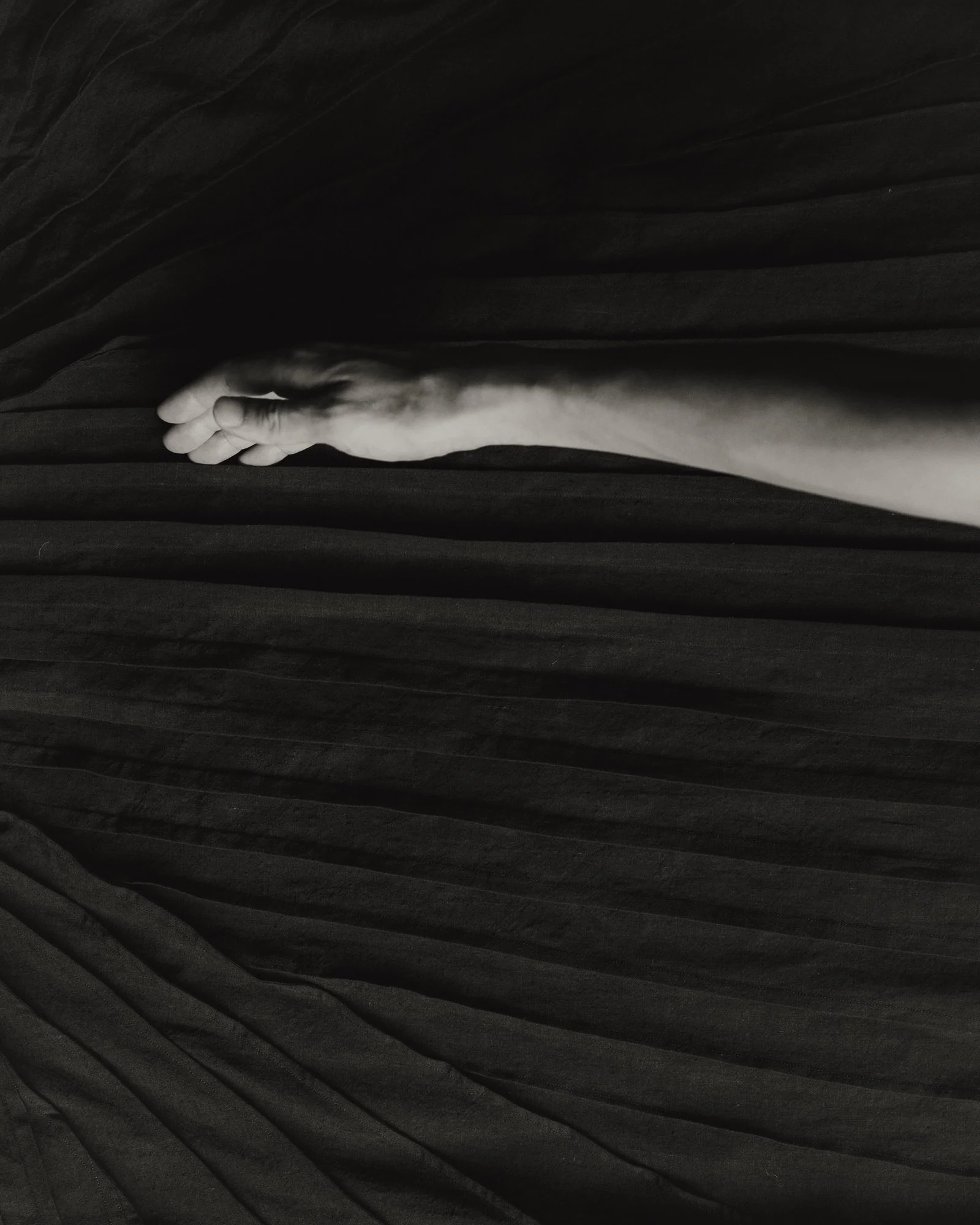
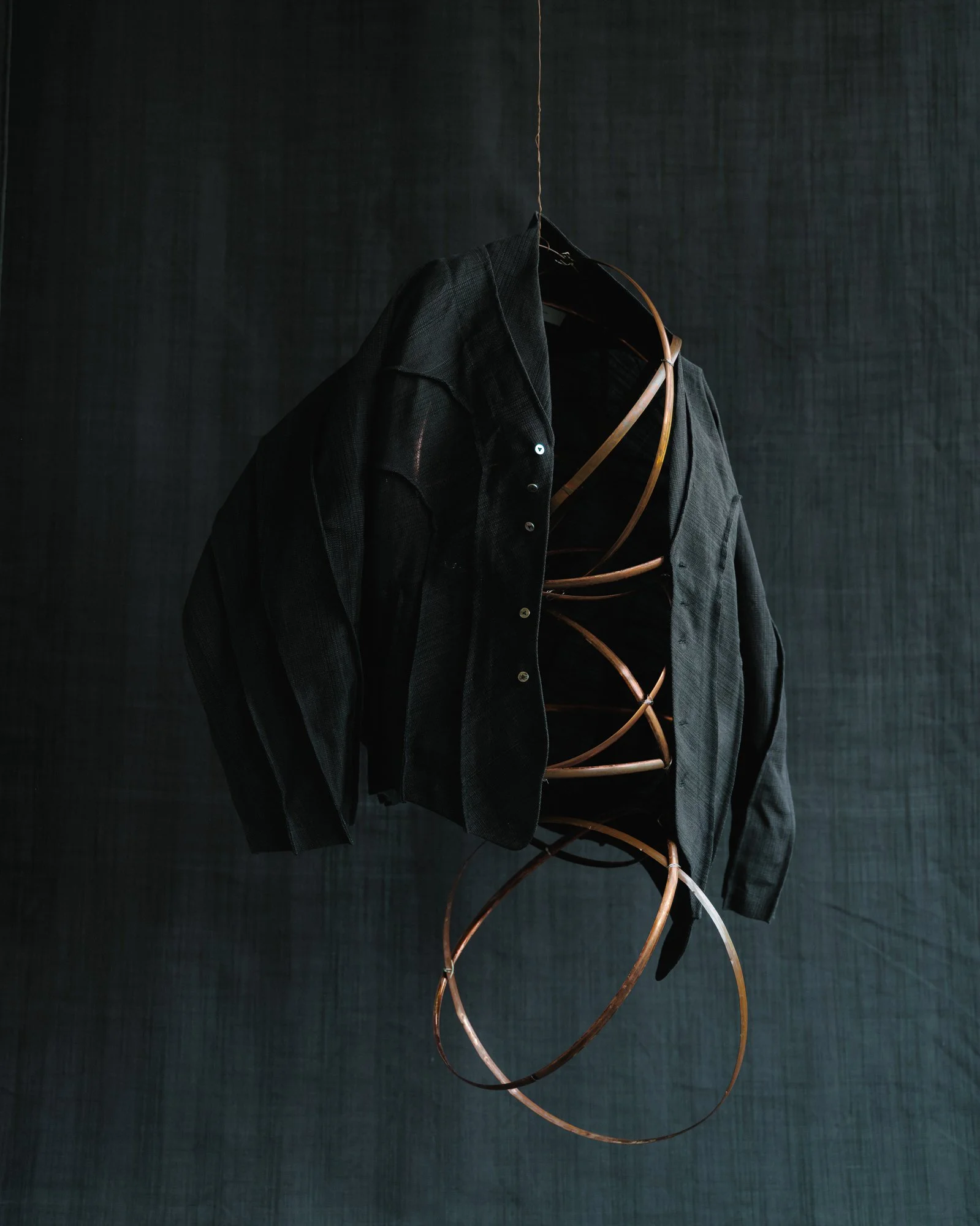
This distinction is critical. As the global fashion industry grapples with questions of sustainability, authenticity, and long-term value, Japan’s material-first approach offers a counterpoint to trend-driven consumption. The emphasis on fabrication, process, and lived experience introduces a different metric of desirability—one less concerned with immediacy and more aligned with endurance.

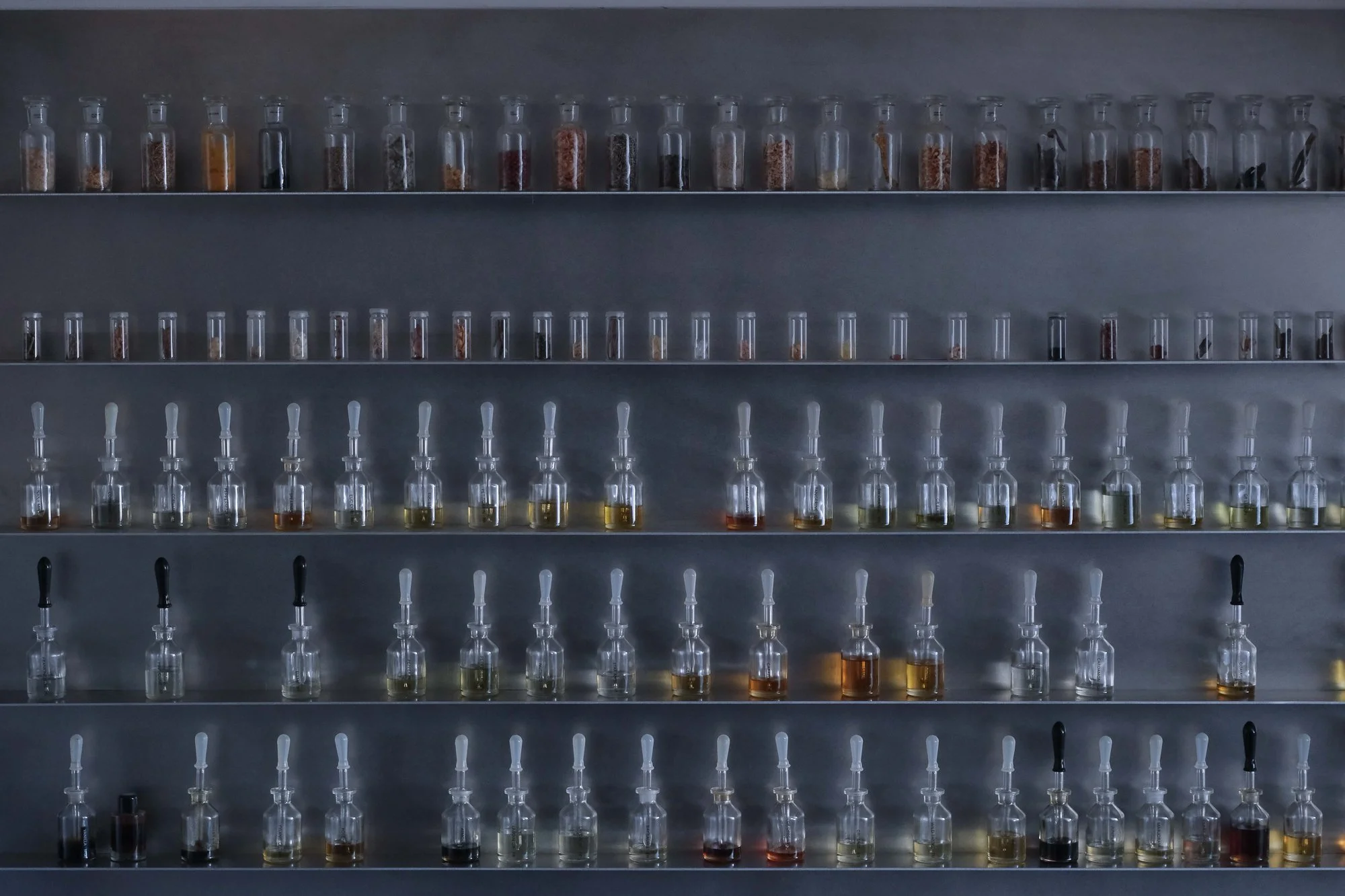
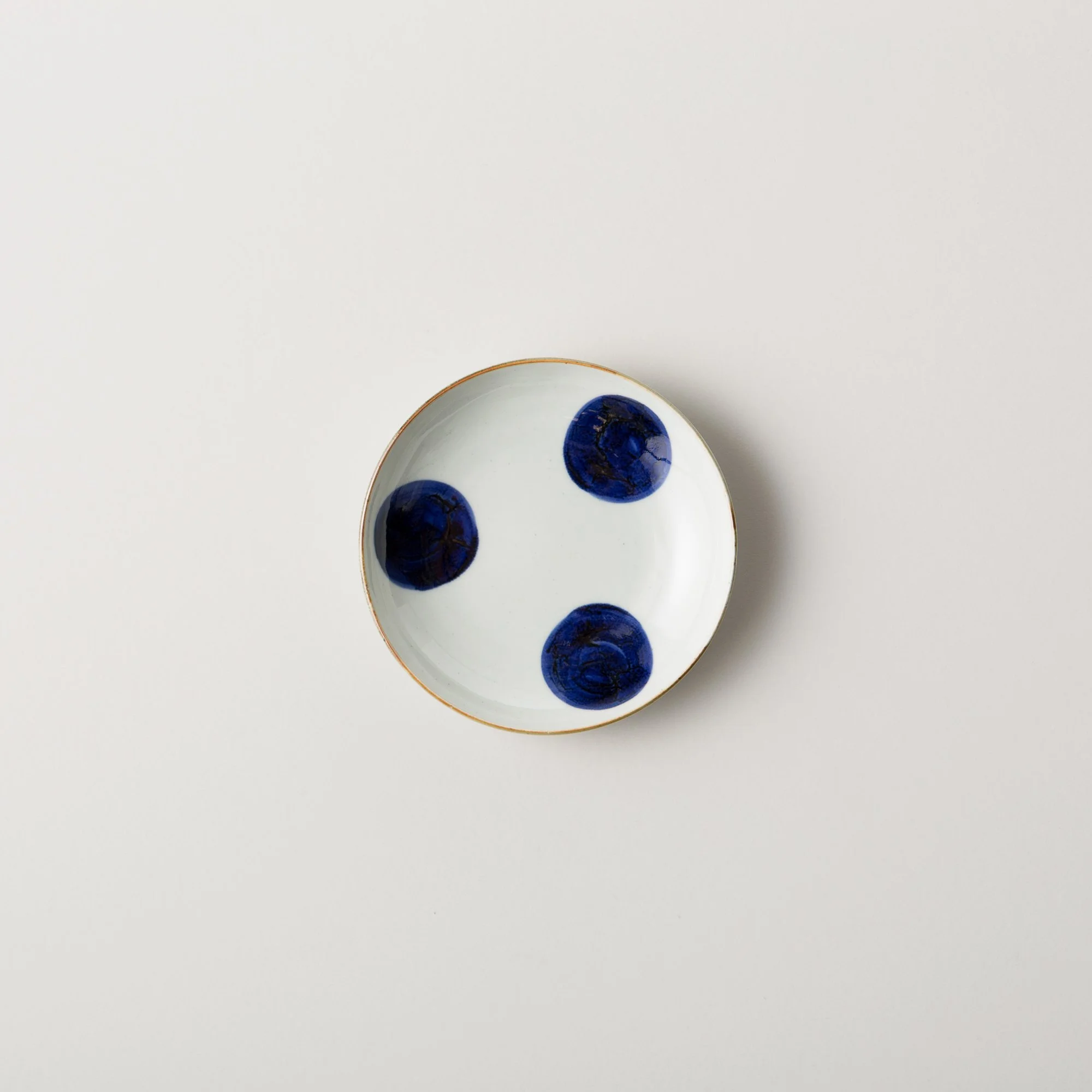
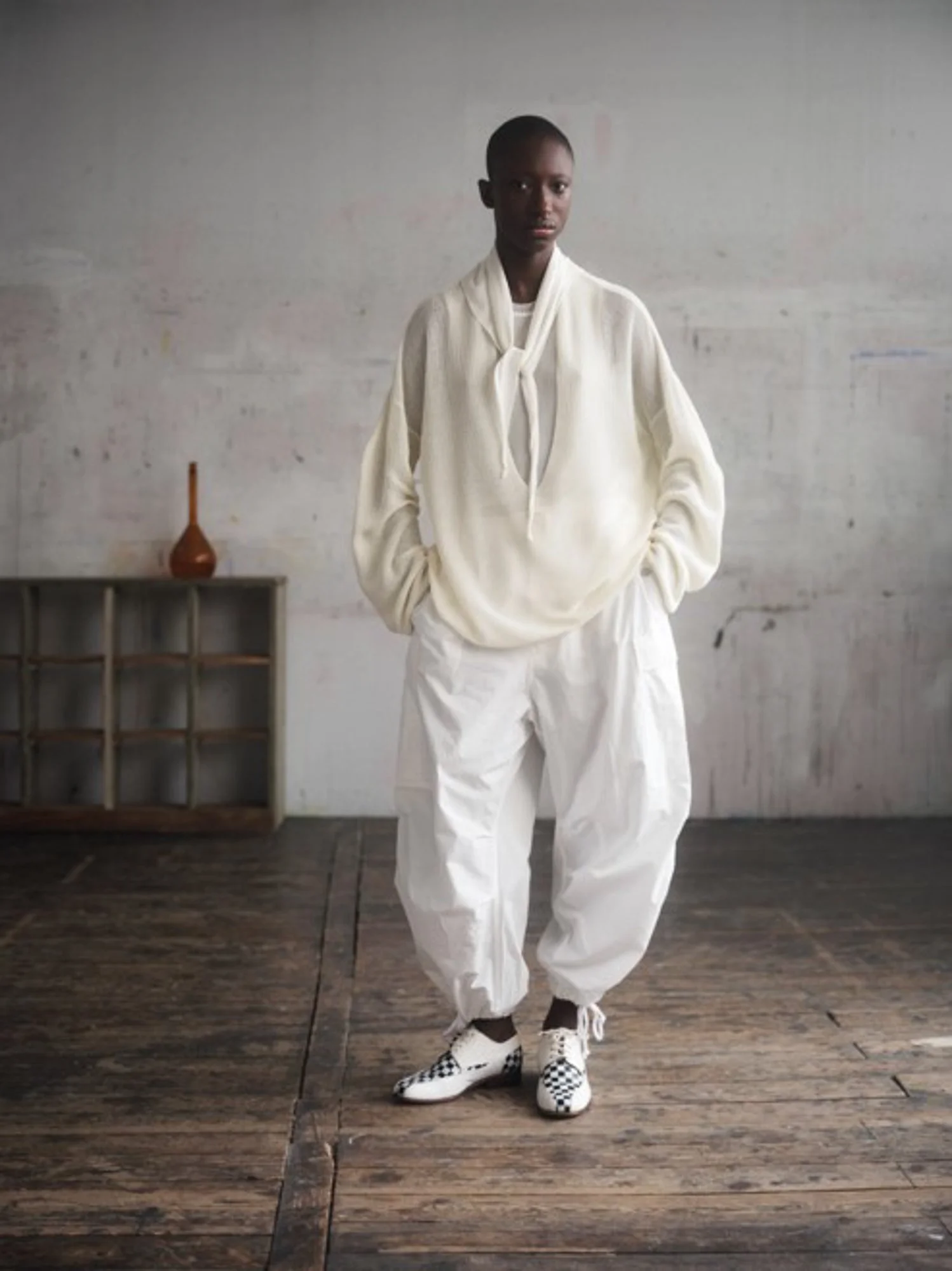
Sugano ORGANIC [https://www.instagram.com/sugano_organic/]
The project’s structure reinforces this philosophy. Anchored by key moments throughout its run, tokyo sense is designed as both destination and dialogue—engaging international buyers and press while remaining accessible to the local Paris community. It functions as a node within a broader network of cultural exchange, linking Tokyo and Paris not through spectacle, but through shared inquiry.
Importantly, tokyo sense is conceived as a platform rather than a one-off activation. Future iterations are expected to expand into other cities, suggesting a scalable model that merges curatorial integrity with commercial viability. In doing so, it proposes an alternative framework for global retail—one that prioritizes context over scale, and meaning over momentum.
In a landscape saturated with experiences engineered for visibility, tokyo sense offers something quieter, and arguably more enduring: a recalibration of how fashion is presented, understood, and ultimately valued.











HOW DO YOU FEEL ABOUT FASHION?
COMMENT OR TAKE OUR PAGE READER SURVEY
Featured

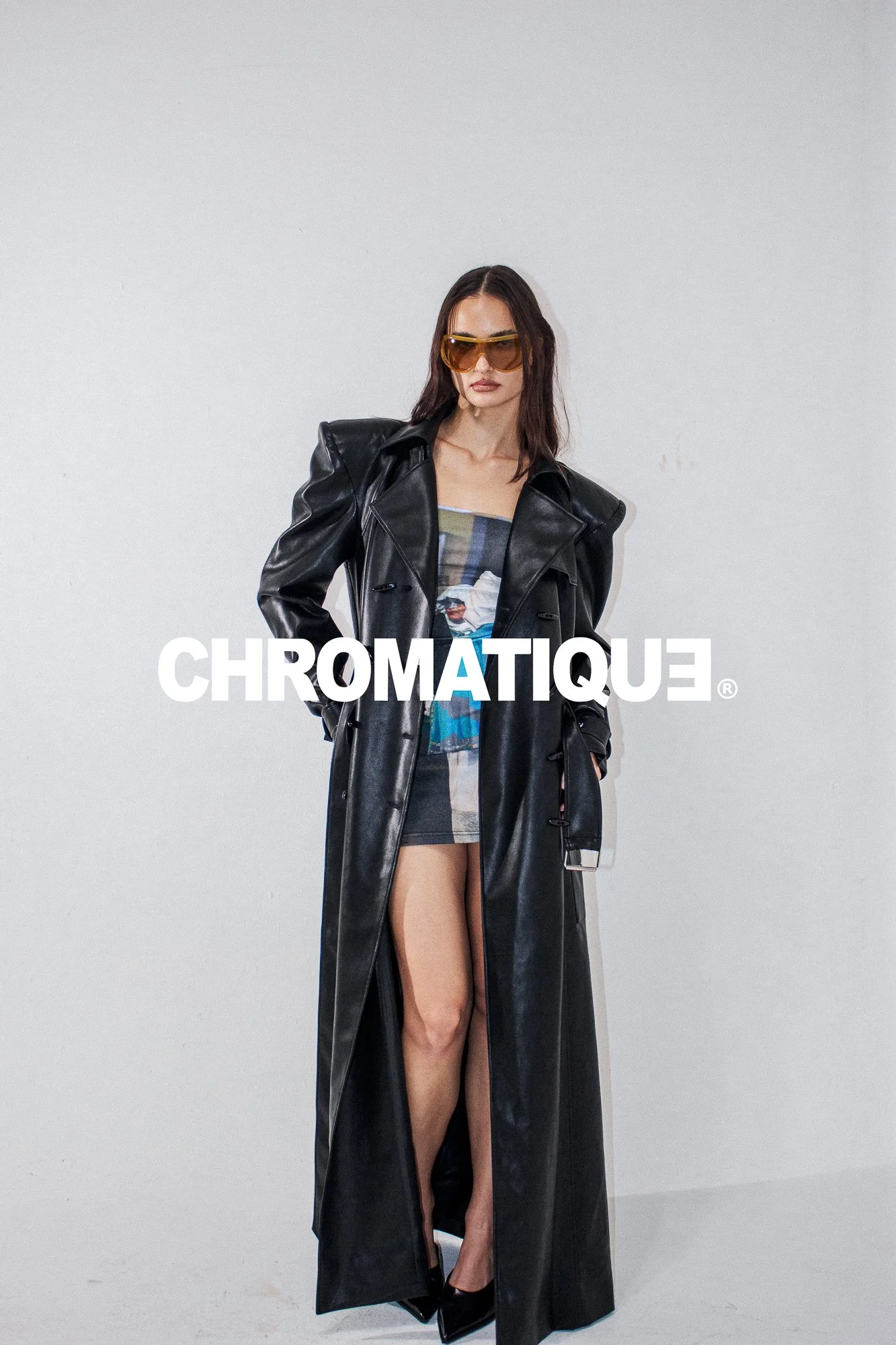
Telfar's SS2027 collection transforms the sample sale into a runway, using inside-out tailoring, manipulated materials, New York street references and a Brooklyn-to-Paris spectacle to question who gets to define fashion—and where it actually happens.