
Flush Mount Ceiling Fans for Low Ceilings: Expert Guide
PAGE
By PAGE Editor
Flush mount ceiling fans are a brilliant upgrade for rooms with low ceilings.
The problem…
Many homeowners aren't aware they should buy one. Some know but accidentally buy the wrong type. Either way you're stuck with a hanging fixture that looks silly, sticks out too far or — worse — becomes dangerous to use.
Thankfully there's an easy solution.
If you know what to look for, you can make sure your room has the perfect fan every time.
Let's dive into…
Exactly What Is a Flush Mount Ceiling Fan?
Do You Need One?
How to Pick the Perfect Size
What Features Should You Pay For?
How to Install & Set Up
Without further ado…
What Exactly Is a Flush Mount Ceiling Fan?
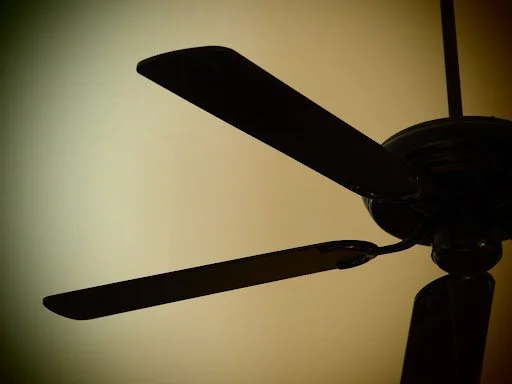
A flush mount ceiling fan, sometimes called a hugger fan or low profile ceiling fan as well, doesn't use a downrod. Instead of hanging down 12–14 inches like a normal ceiling fan, it clips into place leaving only 6–10 inches between it and the ceiling.
This low hanging profile is ideal for rooms with very little headroom where a hanging fixture would look weird — or worse, be unsafe to use. Take a look at any quality selection of flush mount ceiling fans and you'll quickly see tons of options meant for rooms with low ceilings. From sleek modern styles to more traditional looks — they all blend into the room while keeping air moving efficiently.
Got it? Cool.
Wait – Do You Actually Need a Flush Mount Fan?
Here's the deal:
If the ceiling height is 7.5 feet from the floor or lower, you'll need to use a flush mount ceiling fan.
This is because most ceiling fans will hang down 12–14 inches from the ceiling. Fan blades need a minimum of 7 feet clearance from the floor to avoid being a safety hazard. Any ceiling 8 feet tall or lower doesn't have enough room for a traditional mount.
Flush mount fans, on the other hand, can offer a few distinct advantages:
Blades won't accidentally hit tall people or kids running through the room.
Makes the ceiling seem higher than it really is (more headroom).
Can move air forward in summer and reverse to pull warm air down in winter.
Rooms that commonly benefit from flush mount fans include bedrooms, hallways, basements, kitchens, or any apartment/home with standard-height 8 foot ceilings. Whenever you run into a room with a low ceiling, that's where you should install a flush mount.
Now – How Do You Choose the Right Size?
This is another common mistake with newbies — buying a fan with blades that are too big or too small.
It needs to be perfectly sized for the room. If it's too small then it won't circulate enough air. Too large and it looks awkward while wasting electricity. Keep these rules in mind when deciding:
Up to 75 square feet of space? Go for a fan 29-36 inches in size.
Between 76 and 144 square feet? 36-42 inches.
For larger rooms aim for a 50 to 54-inch fan.
These dimensions refer to blade span, and should always be centered in the room for optimal circulation.
One last thing to triple-check before heading to checkout:
You need to double-check that the blades will still have that minimum 7 foot distance from the floor once installed. Measure your ceiling height, then subtract how many inches the fan will stick down from the ceiling (listed in product specs). The number you get should be at least 7 feet.
What Features Are Worth Spending Extra On?
Not every flush mount ceiling fan is created equal.
Take note of these features when looking at different options:
DC motor designs are leaps and bounds more efficient. Using DC motors allows the fan to run quieter while using significantly less electricity than traditional AC ceiling fans. Much quieter than you'd expect. This is especially nice in bedrooms where running it overnight doesn't wake you up.
Built-in LED lighting is a quality of life upgrade. Having the light and fan combined into one device simplifies installation, takes up less space on the ceiling, and many even come with LEDs you can dim or change color temperature. They're downright impressive hidden into such a small package.
Reversible motors change the season your fan is used in. Not many think about this, but flipping your fan to run backwards at home can actually make you more comfortable. In summer it creates a wind-chill effect, making rooms feel up to 7°F cooler. In winter reversing your fan can push heated air down from the ceiling and lower heating bills.
Remote or smart controls are pretty much required these days. Don't underestimate how nice it is to change the lighting or fan speed from anywhere in the room. This convenience might not seem like much but it adds up quickly.
Choose an energy star certified fan whenever possible. By requiring stricter efficiency standards, these fans use up to 44% less electricity during their lifetime than non-certified fans. Only a few dollars more but well worth it combined with a smart thermostat.
4 Installation Tips You Can't Miss
Installing flush mount ceiling fans is well within the skill level of most homeowners. But there are a couple things you should know beforehand.
First things first — does the existing ceiling box support a fan?
Your current light fixture is almost certainly not rated to have something as heavy as a fan attached to it. If not, that needs to be upgraded prior to installation.
Second, flush mount only works with flat ceilings.
If you have a vaulted or angled ceiling you'll need a special mounting adapter to connect the fan to the ceiling. However, these adapters increase the profile of the fan by several inches. It may remove the benefits of a flush mount altogether.
Third, double-check installed depth on the product specs.
It should be listed how many inches down the fan sits from the ceiling. Using that info plus your ceiling height you can calculate whether blade clearance will still be 7 feet.
A couple other things to note during installation:
Make sure to turn off the circuit breaker and not just the light switch.
Always install the canopy in a way that covers the box and any marks left by removing the old light.
Balance your blades after installation to reduce wobble and annoying hums as it runs.
If any of the electrical work gives you pause, hire a pro to do the install.
Final Thoughts
Flush mount ceiling fans are ideal for rooms that have 8 feet ceilings or lower.
They keep everyone safe, help give the illusion of higher ceilings, and provide comfort all year long. Picking one with a DC motor, energy star rating, and reversible blades is one of the best ways to save on utility bills.
Before we go, remember:
Any ceiling under 7.5 feet tall should use a flush mount.
Make sure you size the fan correctly for the room.
DC motors are quieter and more efficient.
The ability to reverse fan direction is great in winter too.
Double-check your fan will have a 7-foot clearance from the floor.
Choose wisely and your flush mount ceiling fan could become one of the best upgrades to your room.
HOW DO YOU FEEL ABOUT FASHION?
COMMENT OR TAKE OUR PAGE READER SURVEY
Featured





Having a friends with benefits relationship is a great idea, if you find the right person for it.