
HELIOT EMIL Reintroduces the Hiking Boot as a Study in Structural Precision
PAGE
By PAGE Editor
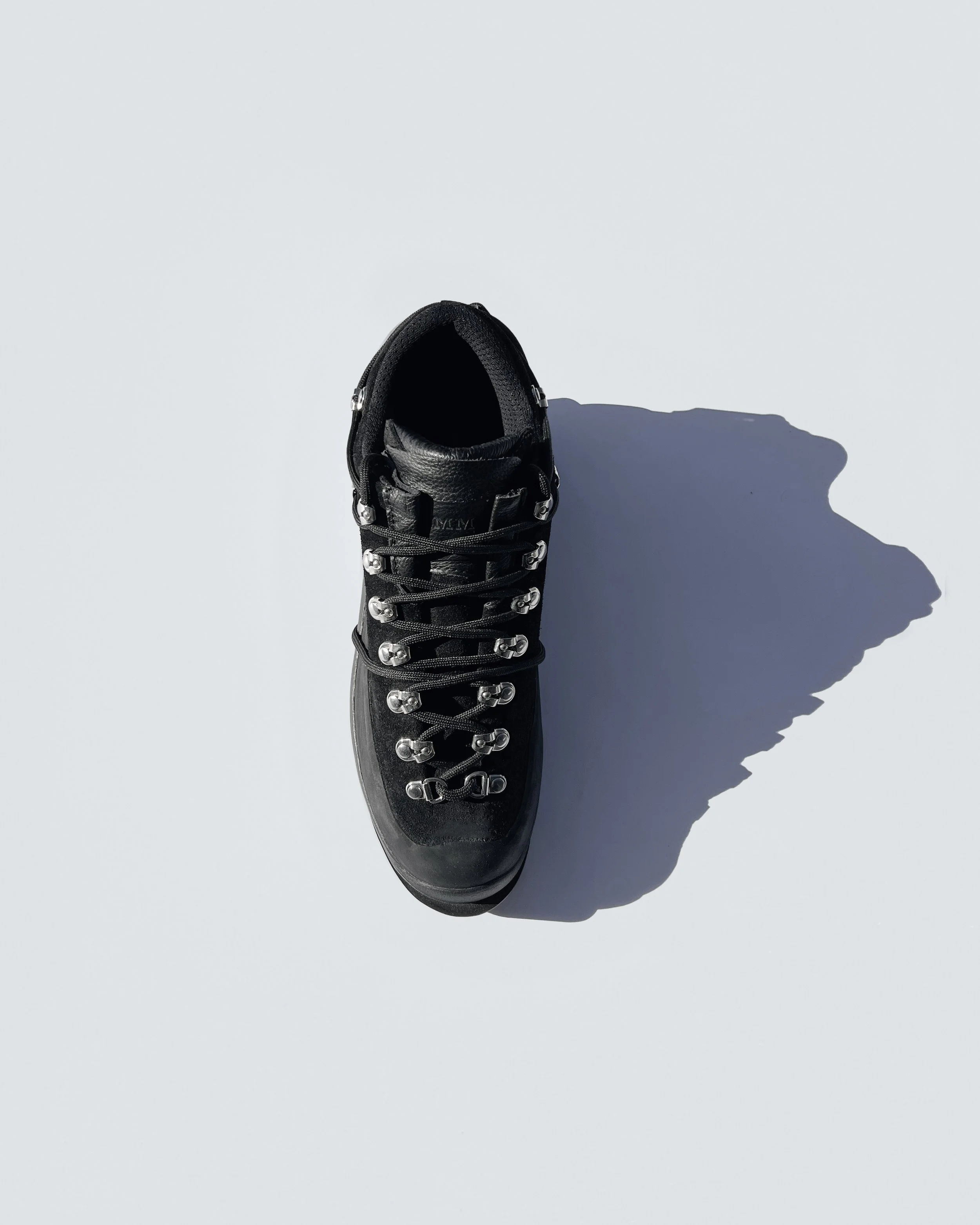
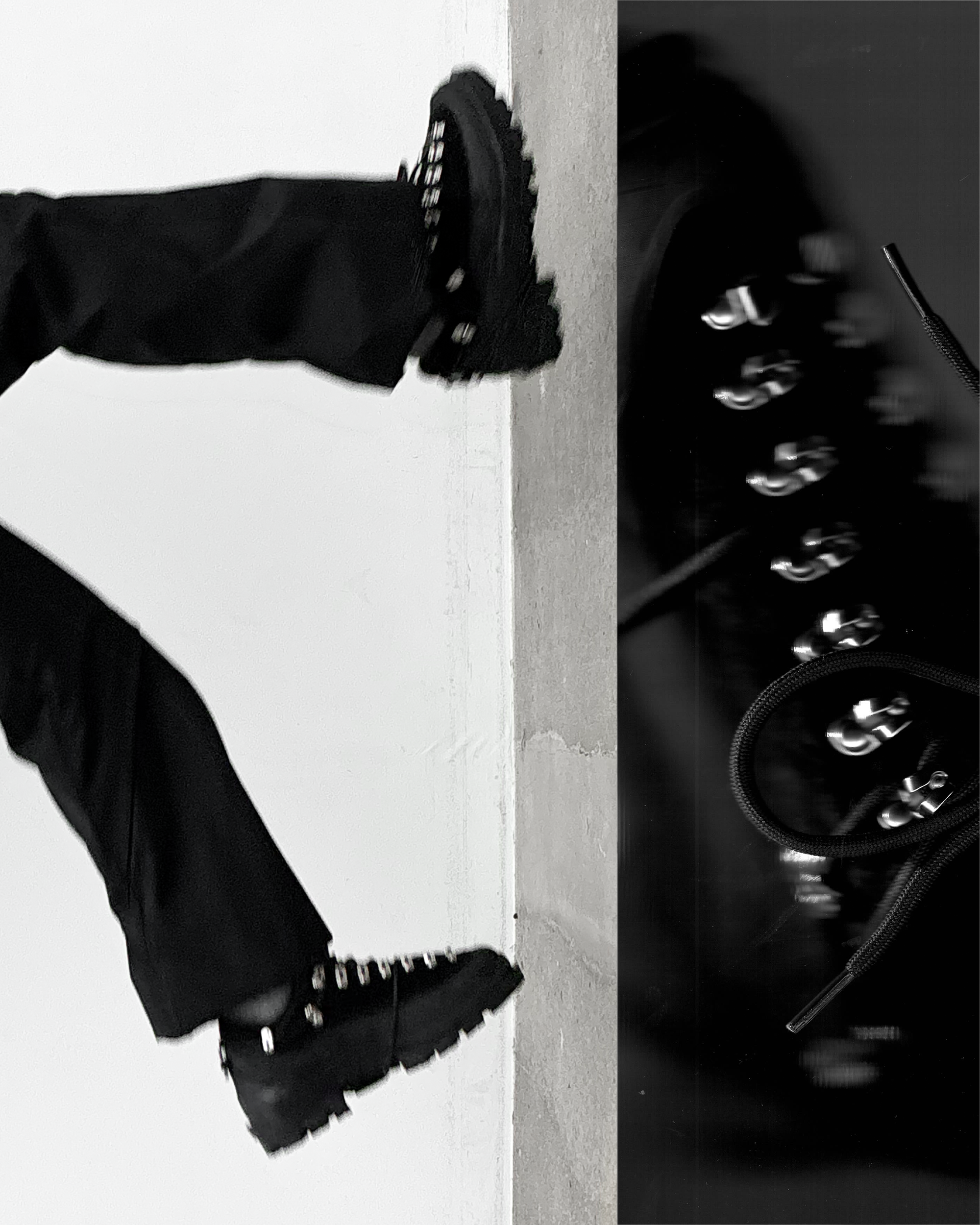
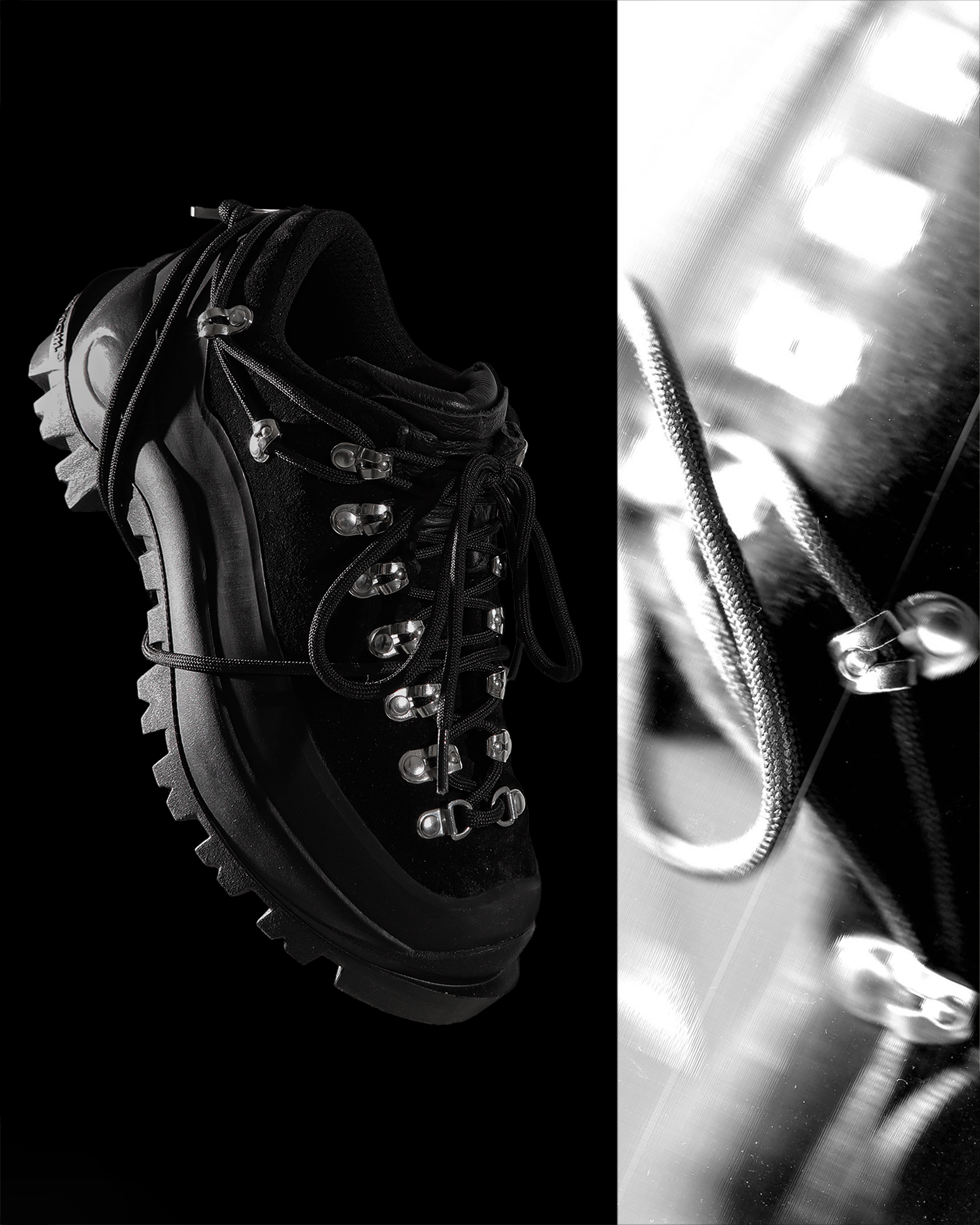
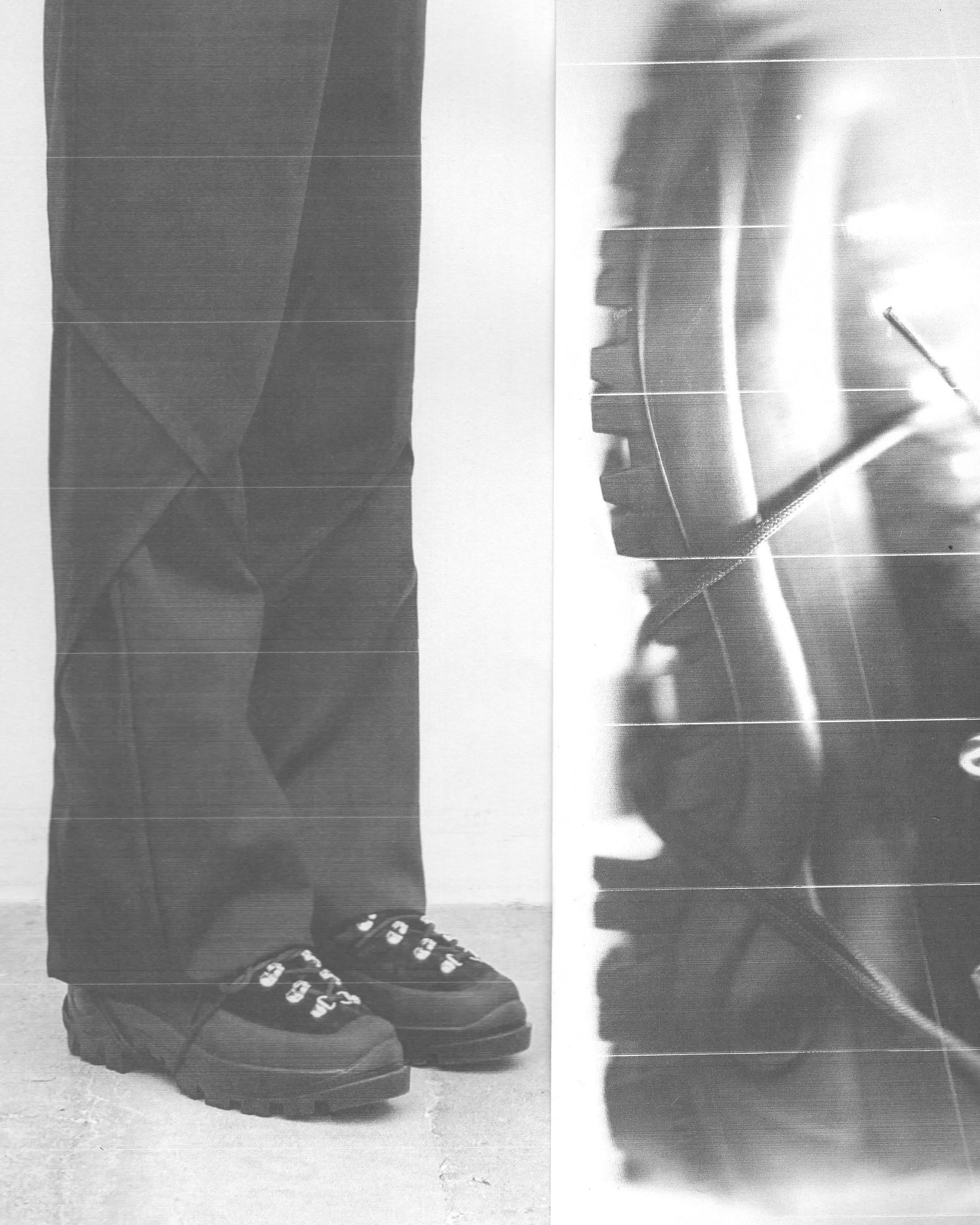
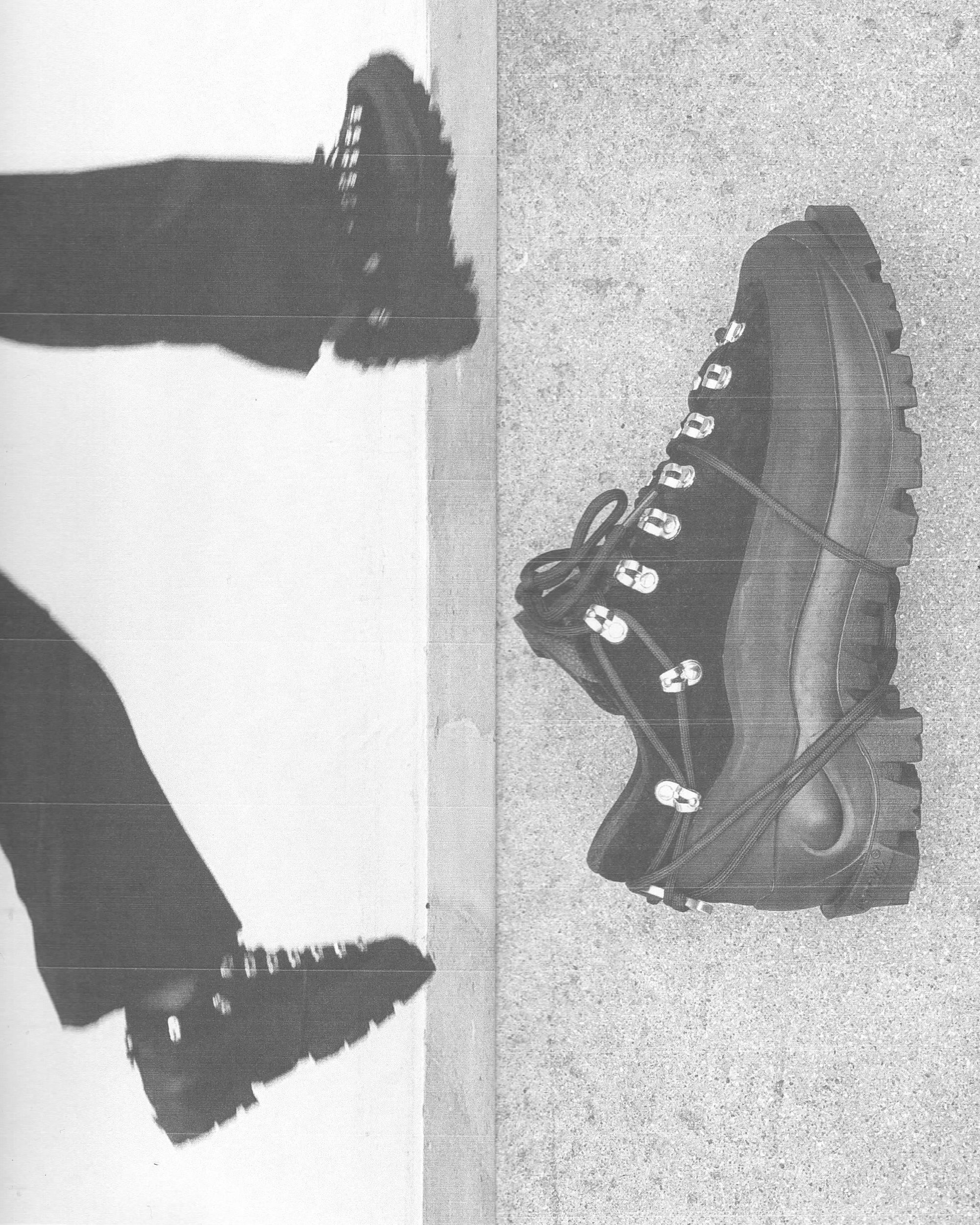
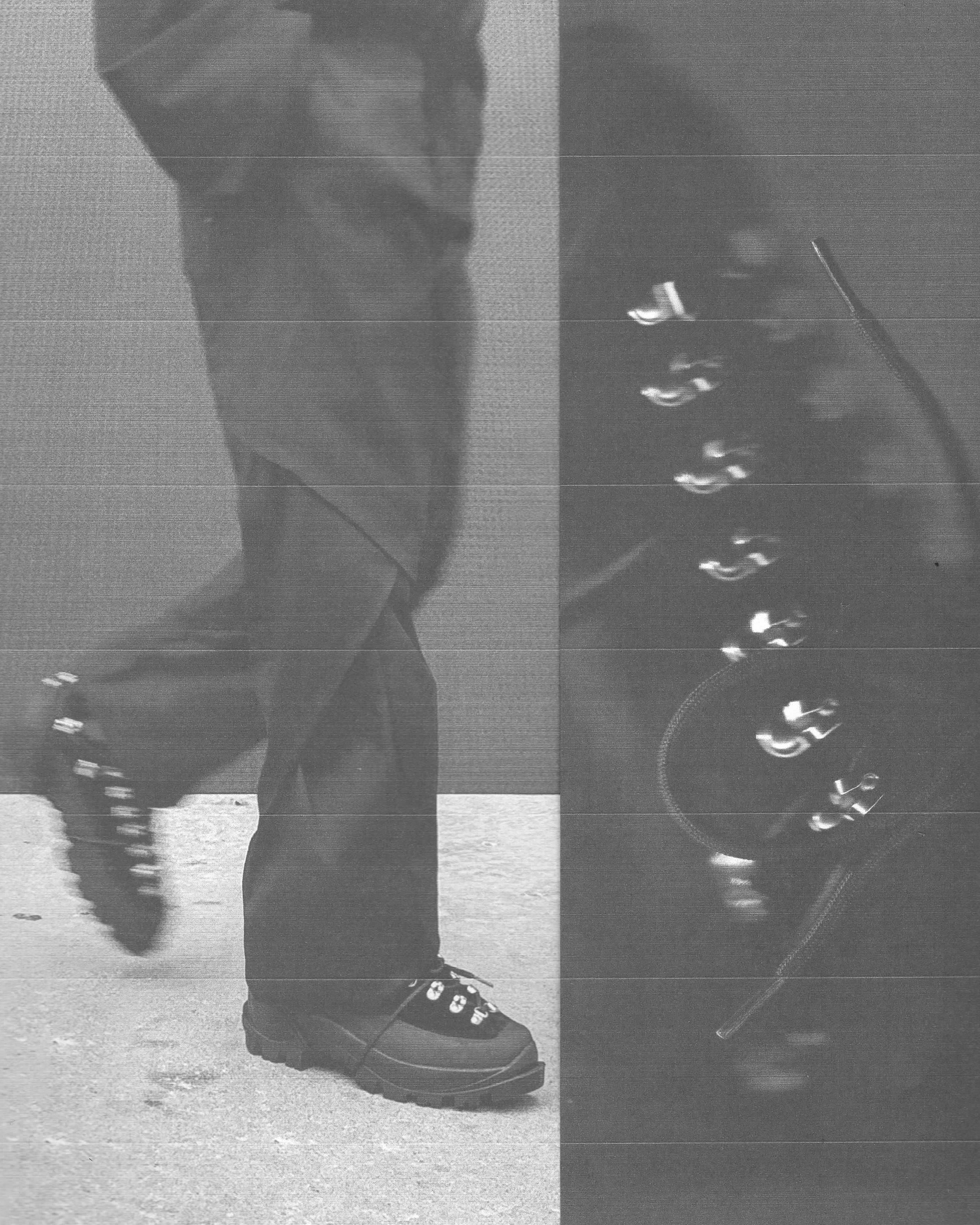
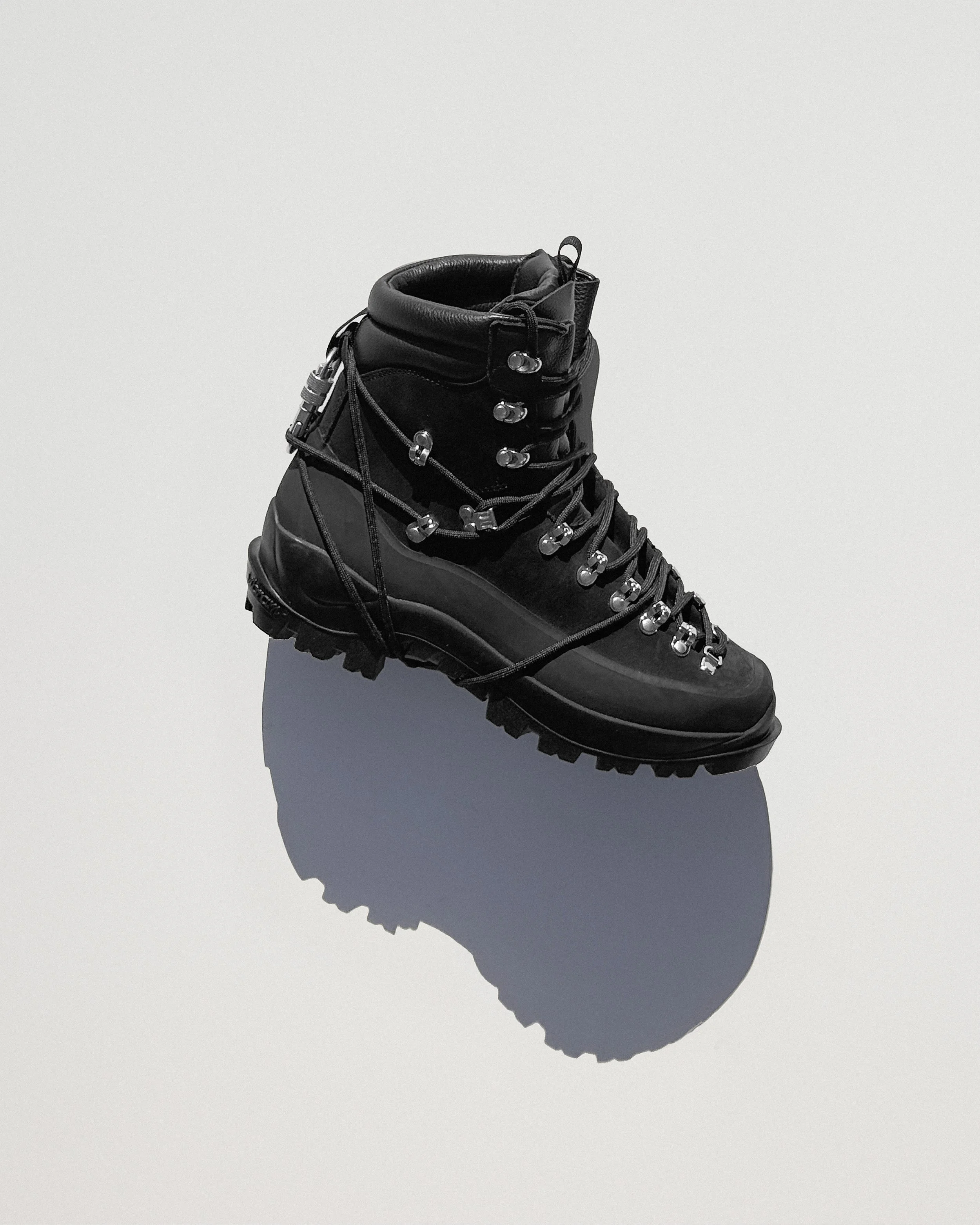
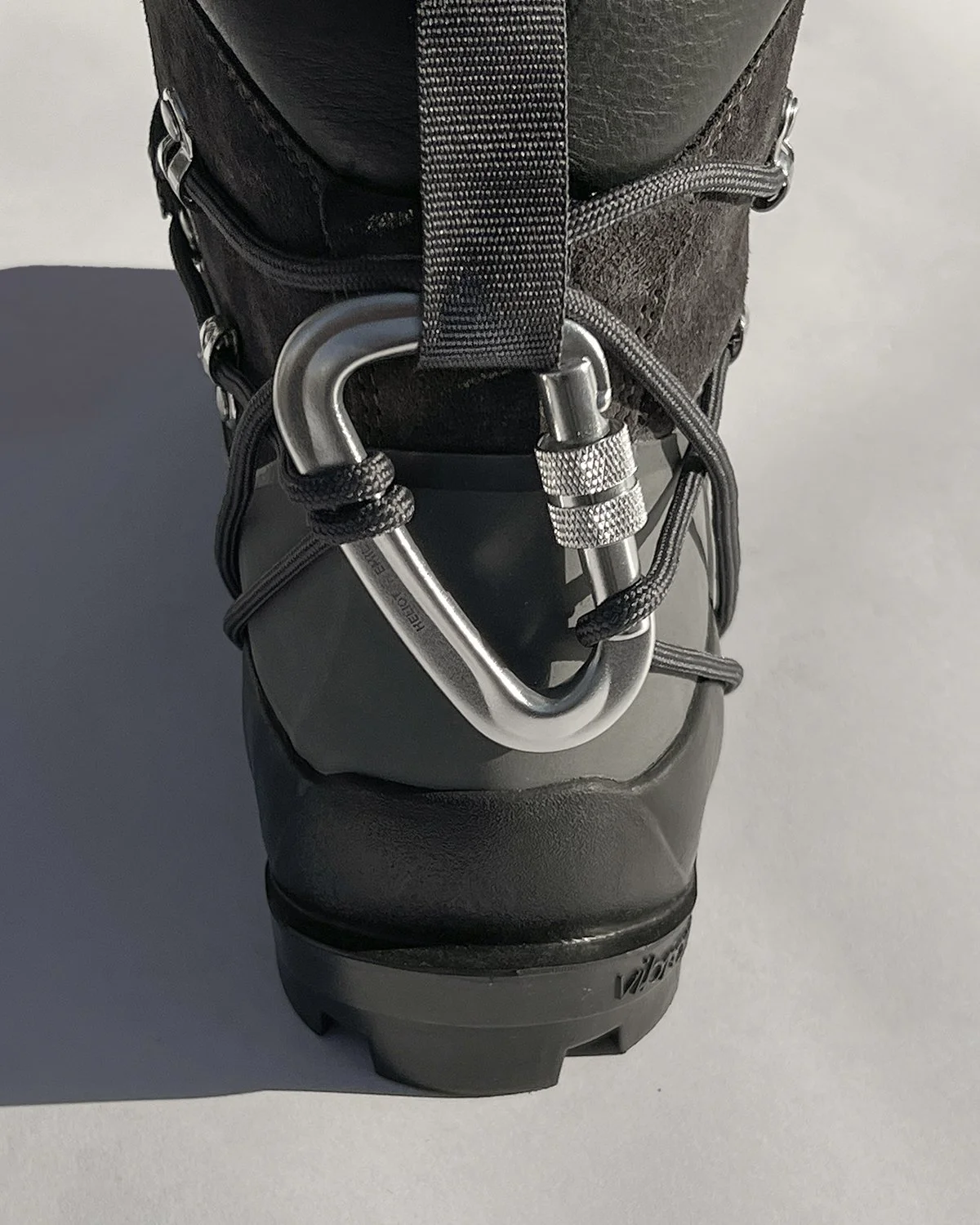
Technical footwear often leans on aesthetics over substance, HELIOT EMIL returns to first principles—relaunching its Hiking Boots not as a seasonal accessory, but as a case study in construction, discipline, and industrial design. The Copenhagen-based label, known for its clinical approach to form, partners once again with Diemme, grounding the project in a lineage of mountaineering expertise that predates fashion’s current obsession with utility.
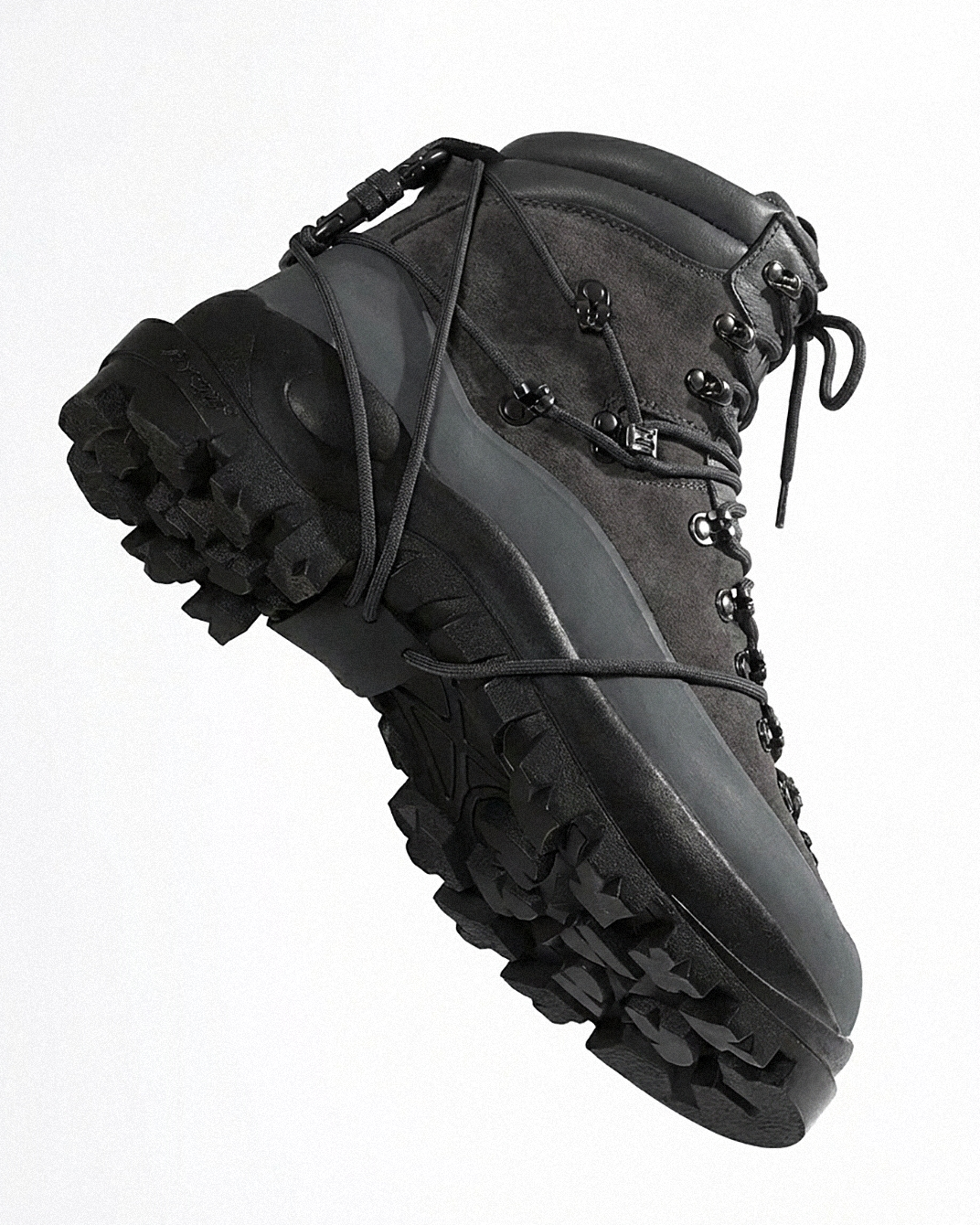
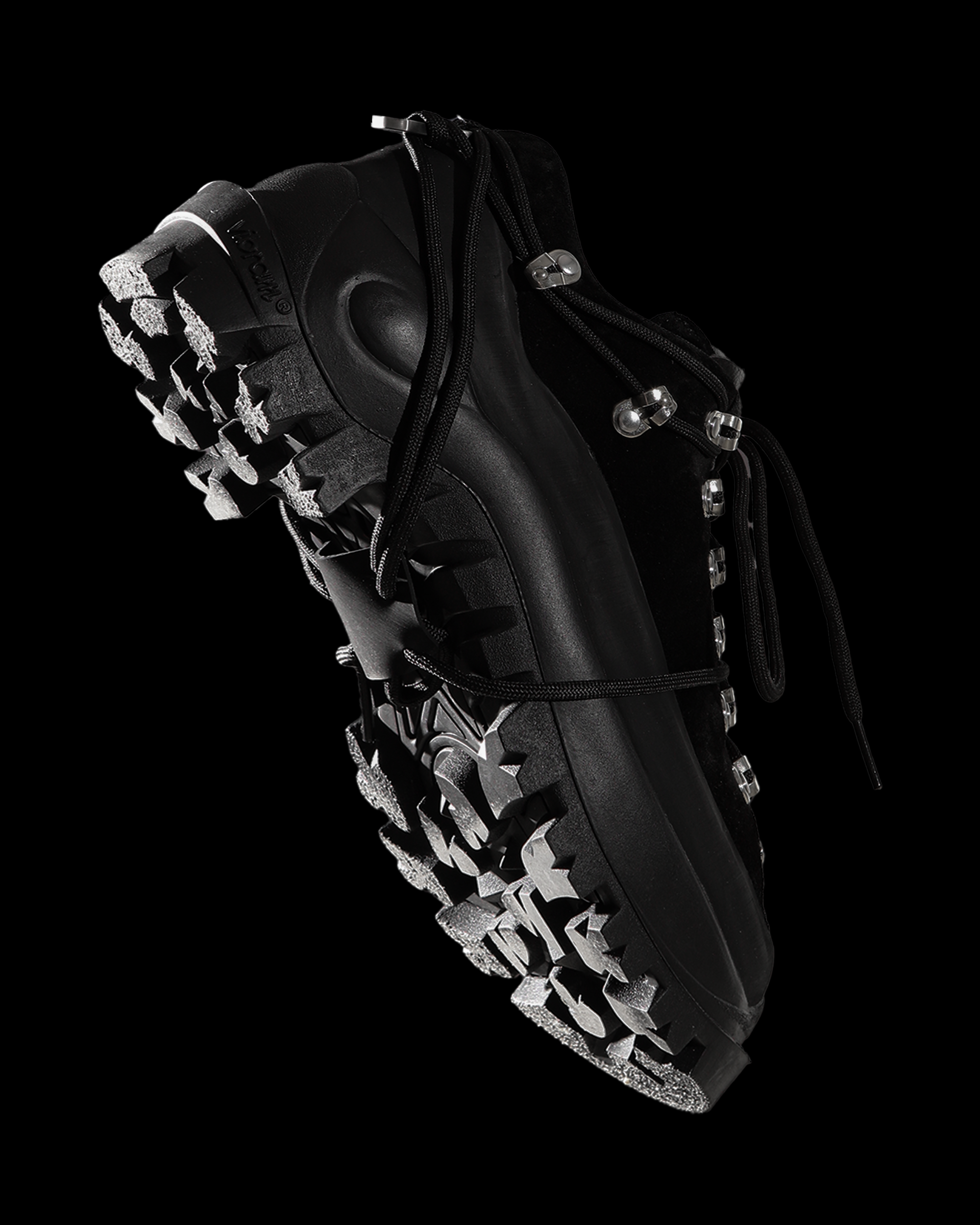
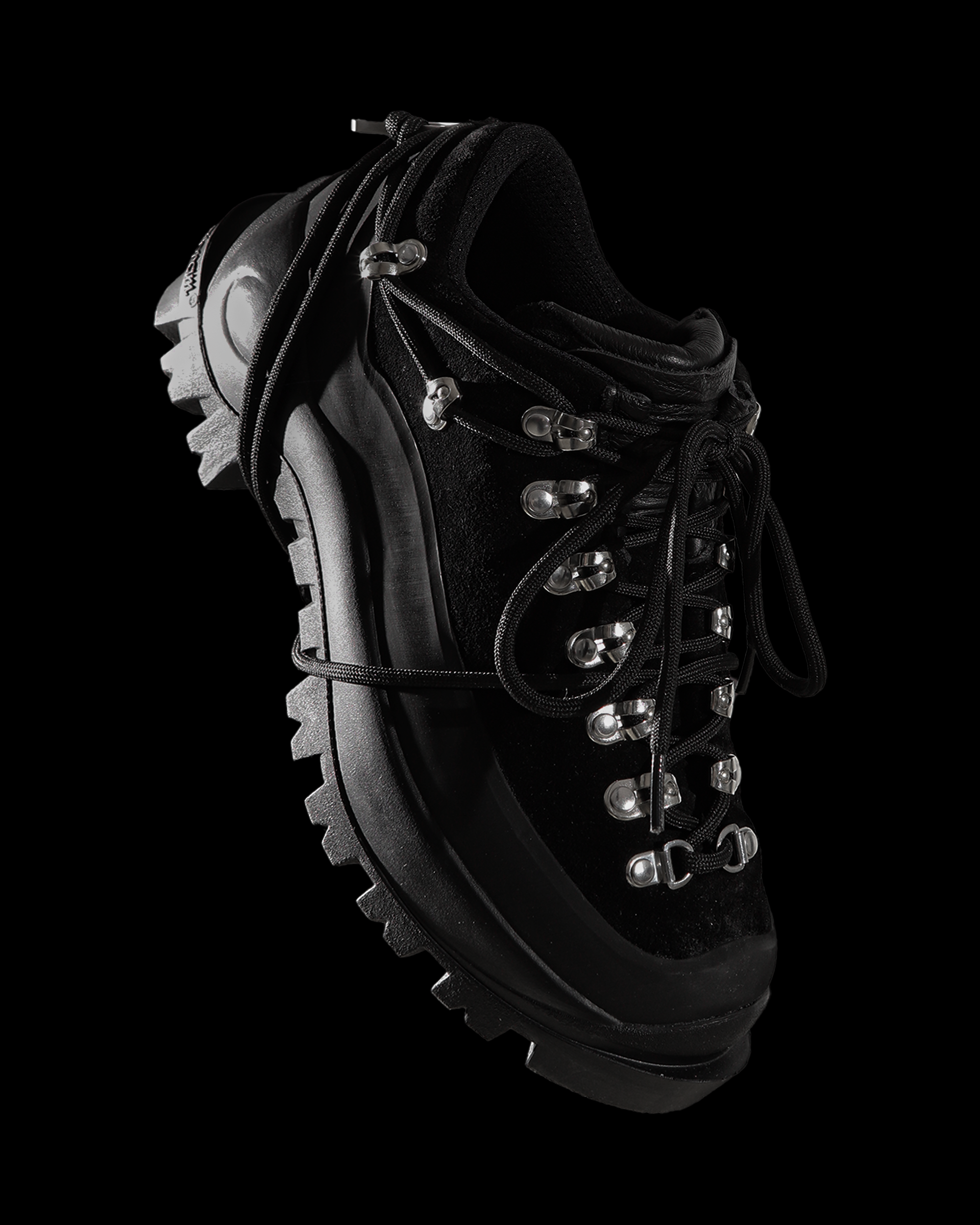
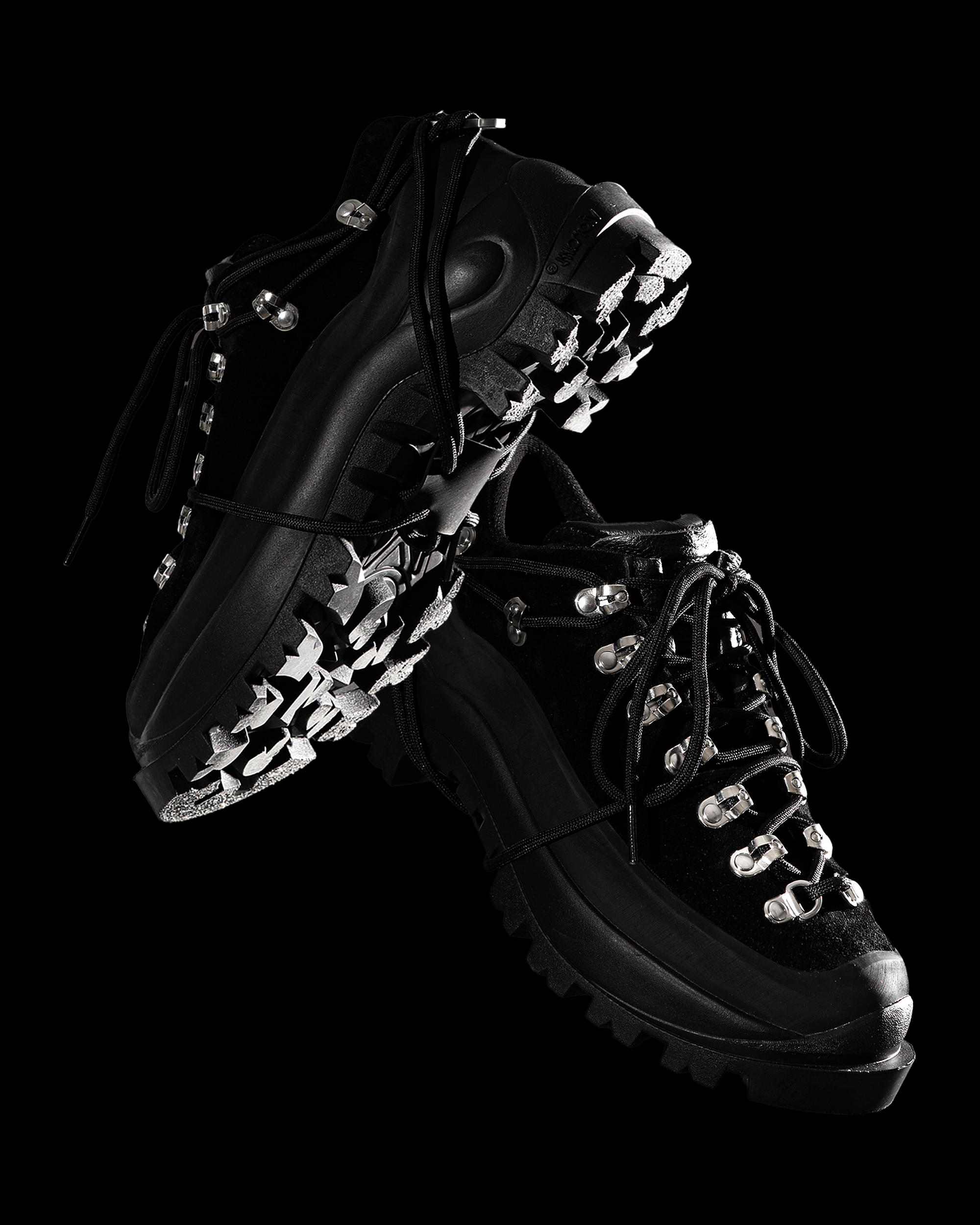
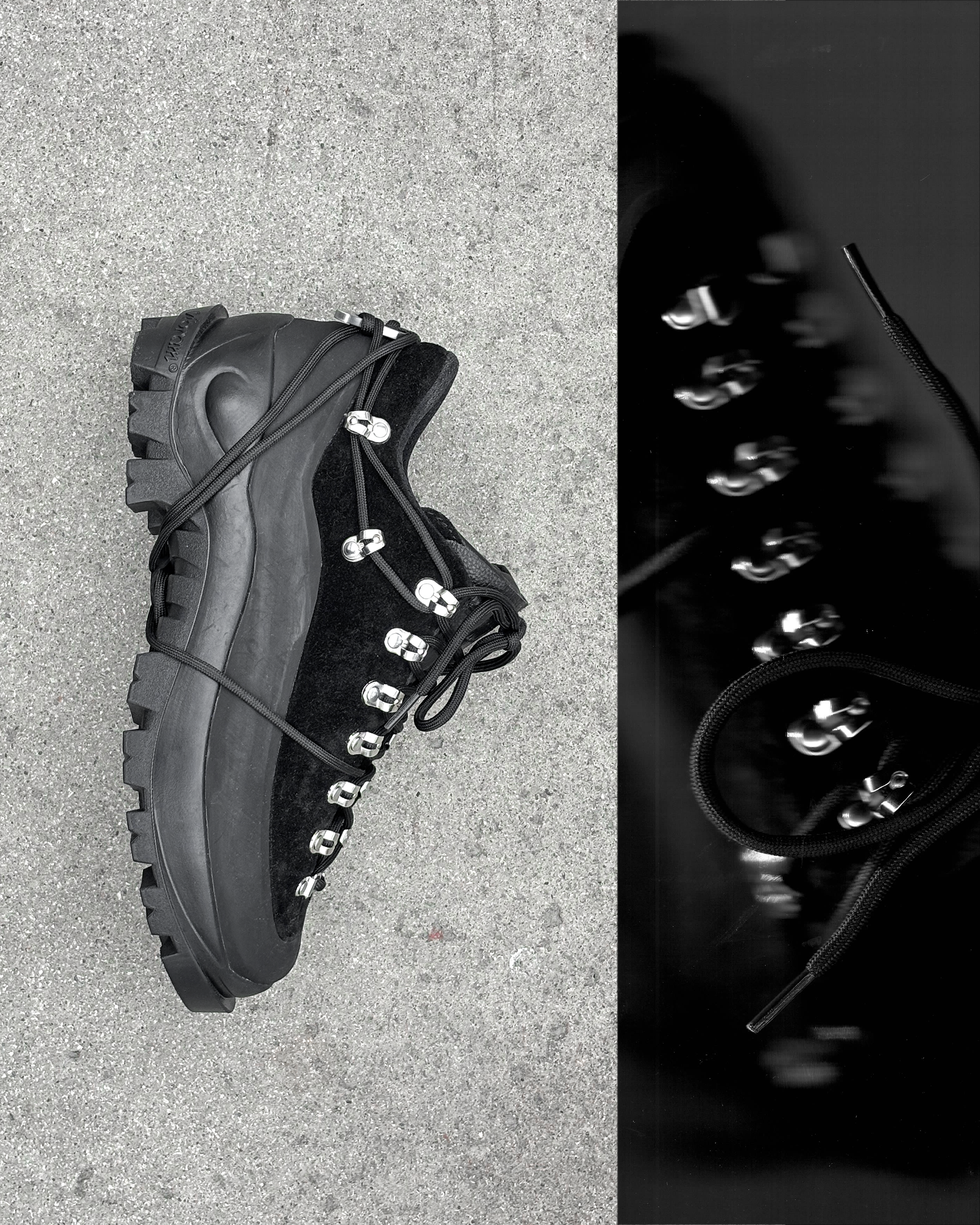
At its core, the Hiking Boot is less about nostalgia and more about recalibration. Produced in the Italian Dolomites, each pair is shaped through a rigorously manual process that reframes heritage as a technical advantage rather than a stylistic reference. This is not a reinterpretation of the alpine silhouette—it is an elevation of it.
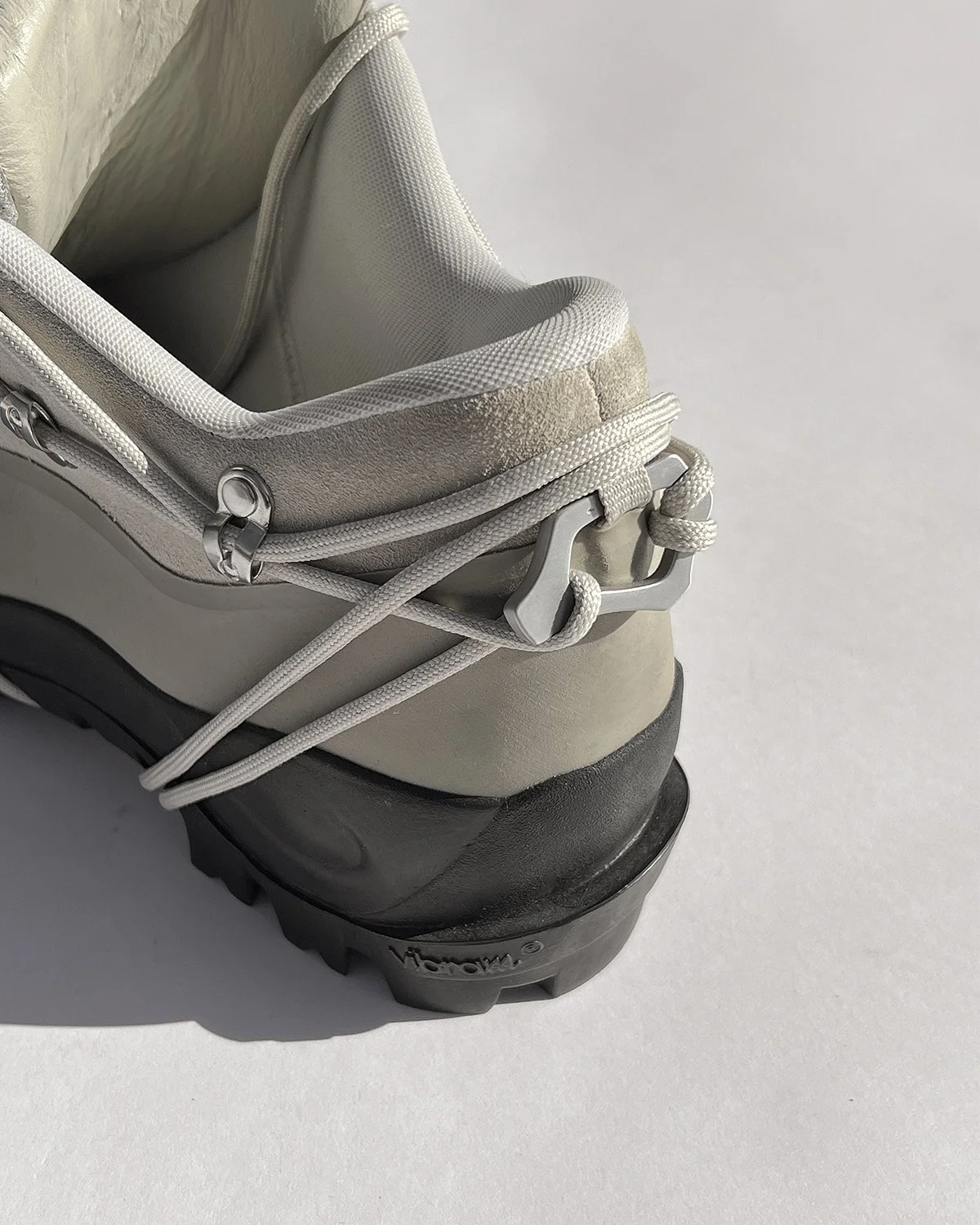
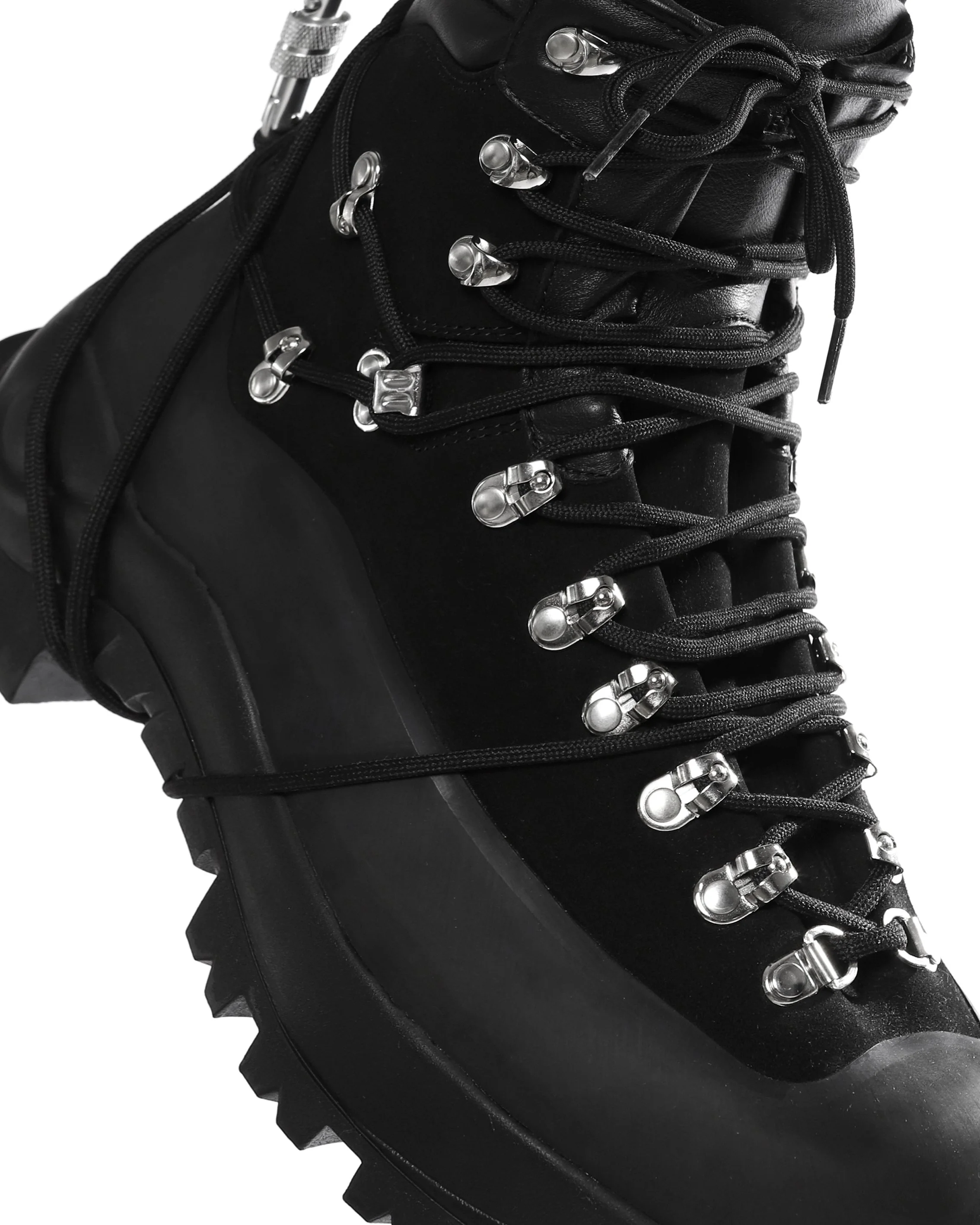
The numbers themselves read like an engineering blueprint. Each unit comprises 185 individual components, assembled across a 72-stage manufacturing process. Forty artisans contribute to every pair, each applying a specialized discipline—from leather skiving to high-pressure bonding—resulting in a system of construction that prioritizes structural integrity over speed. In a landscape dominated by automation, the decision to maintain zero-automation lasting feels less like tradition and more like resistance.
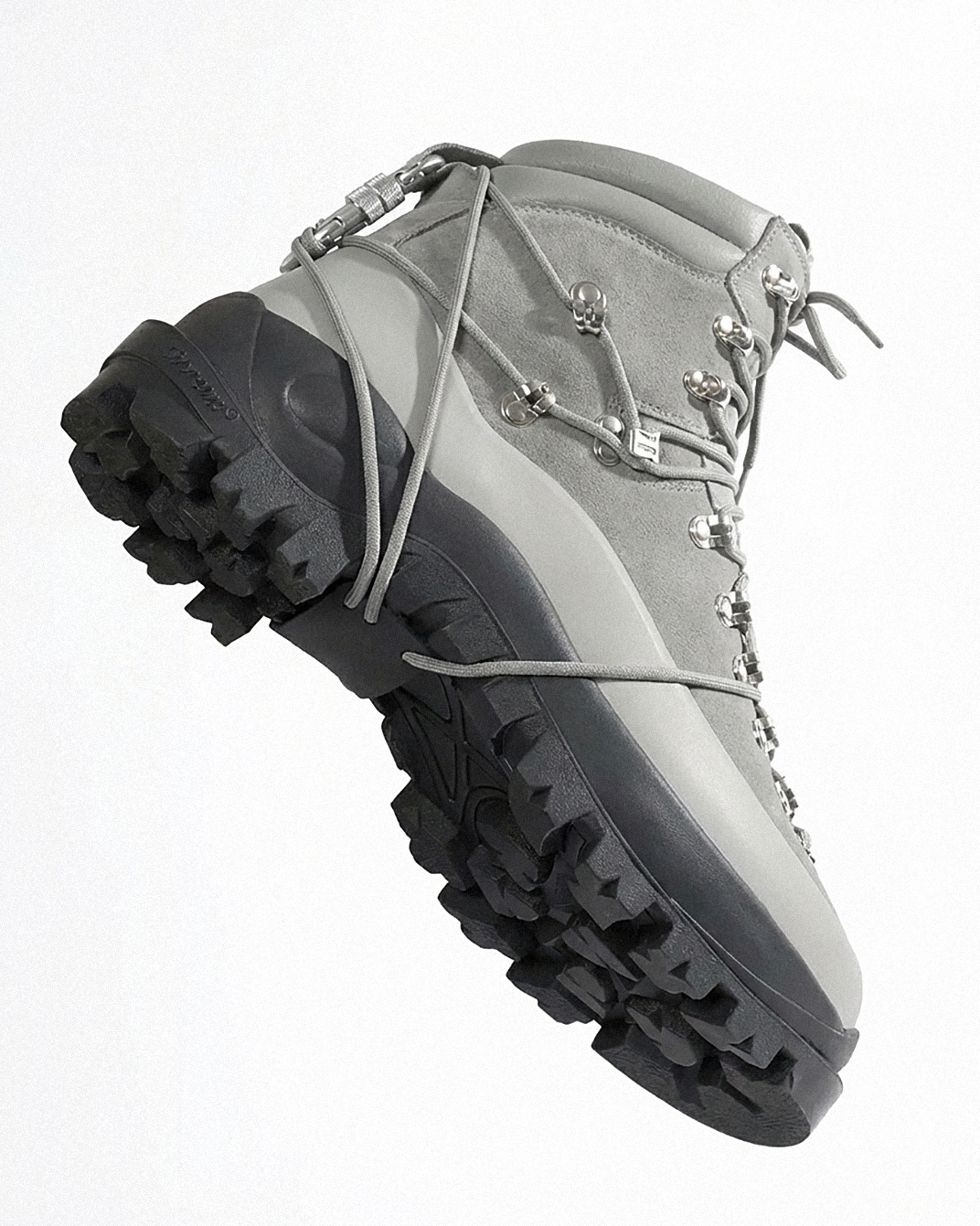
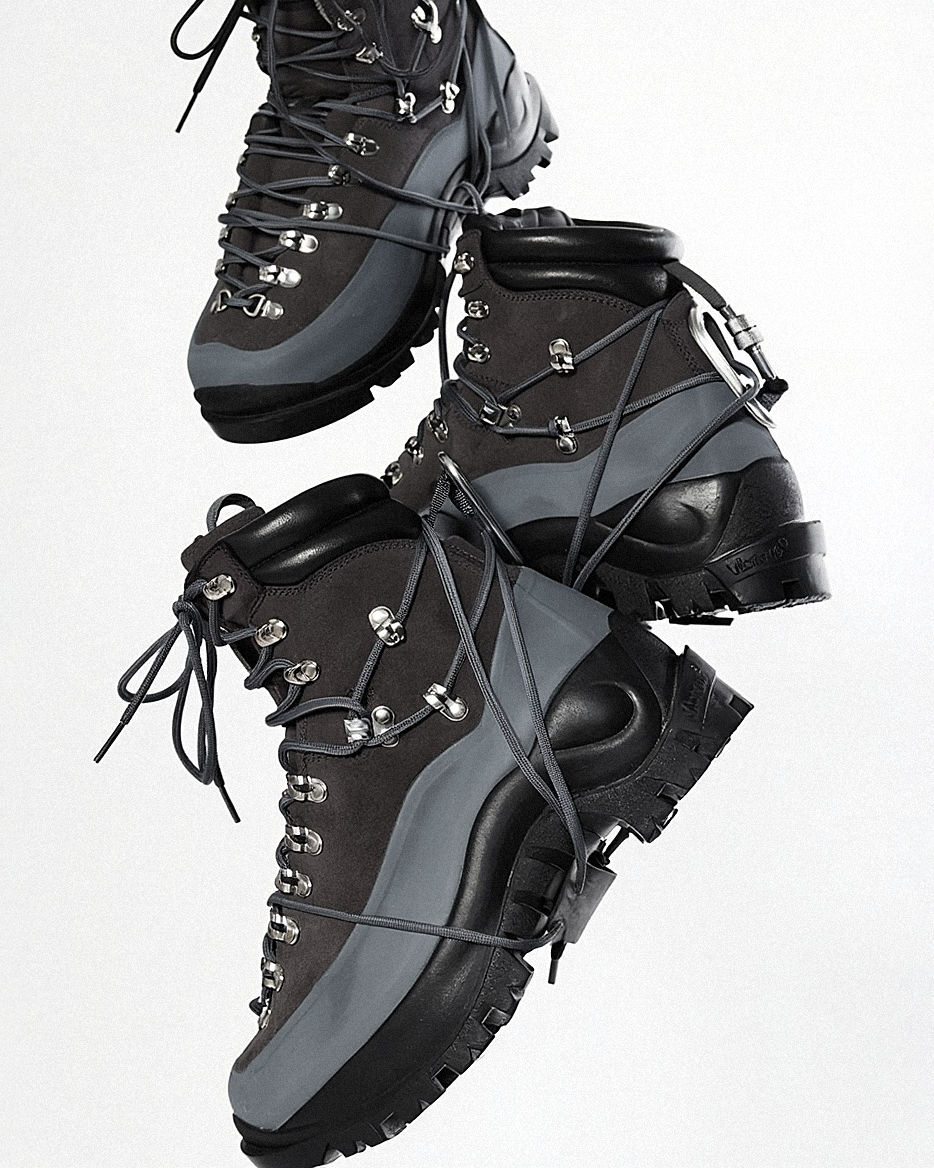
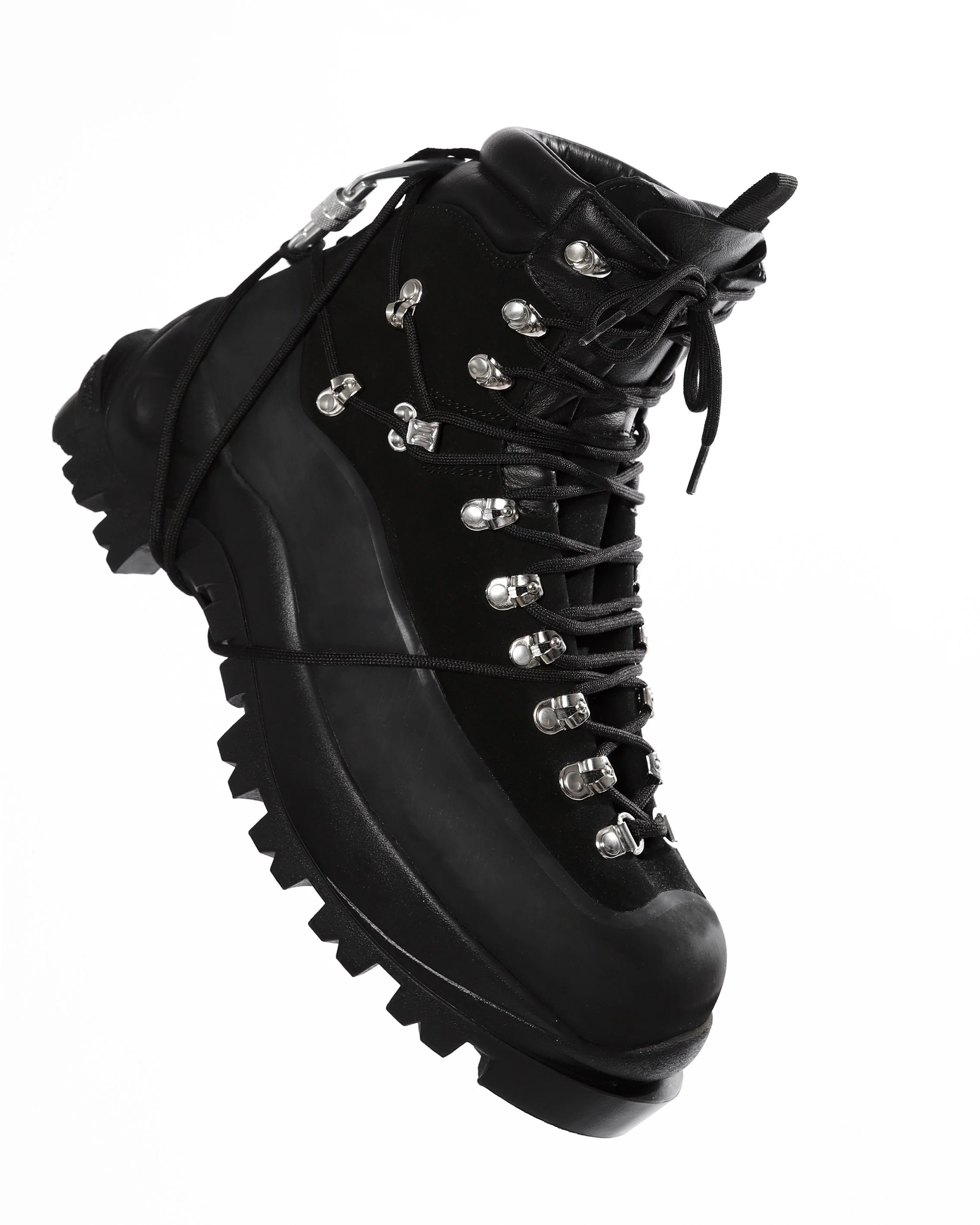
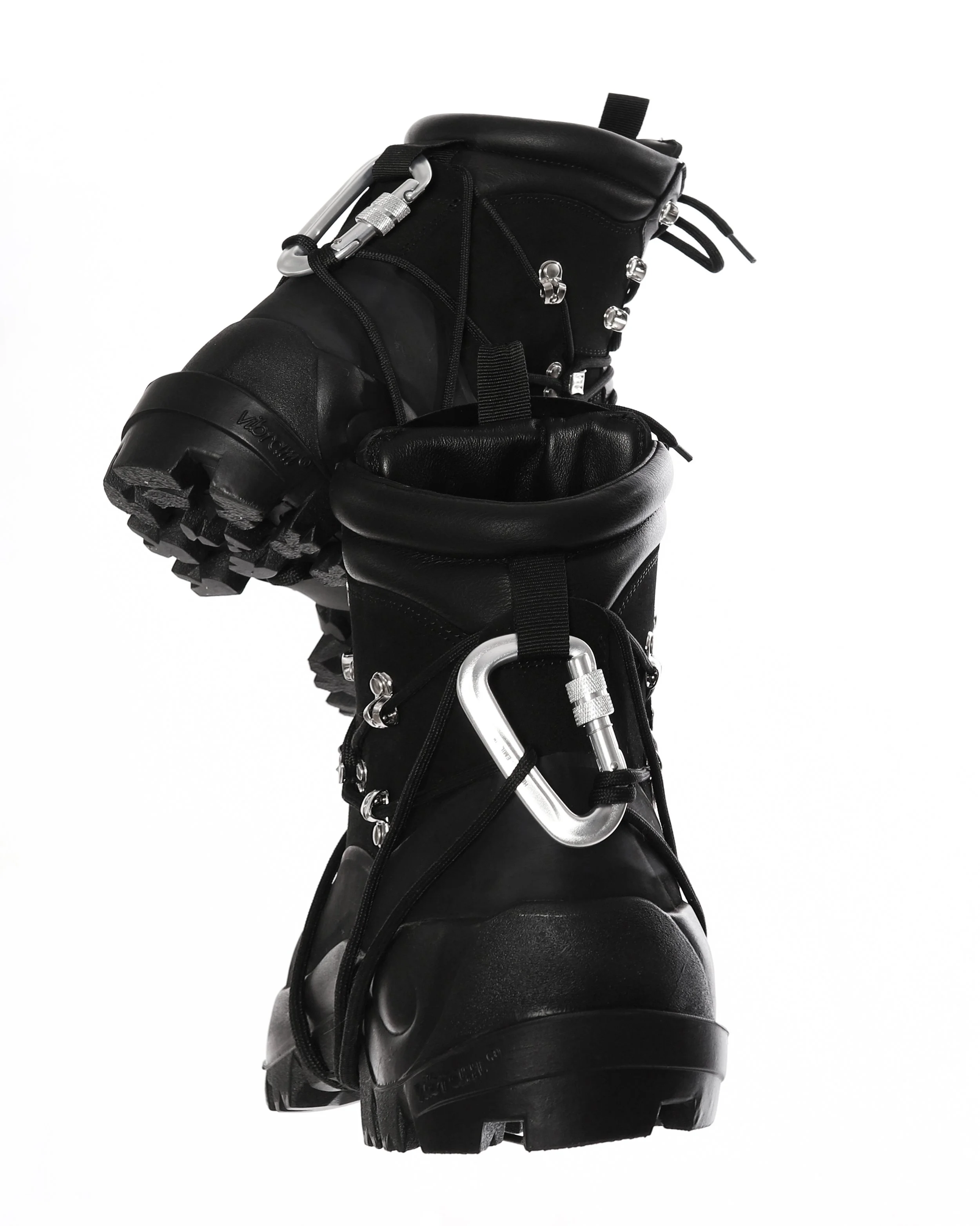
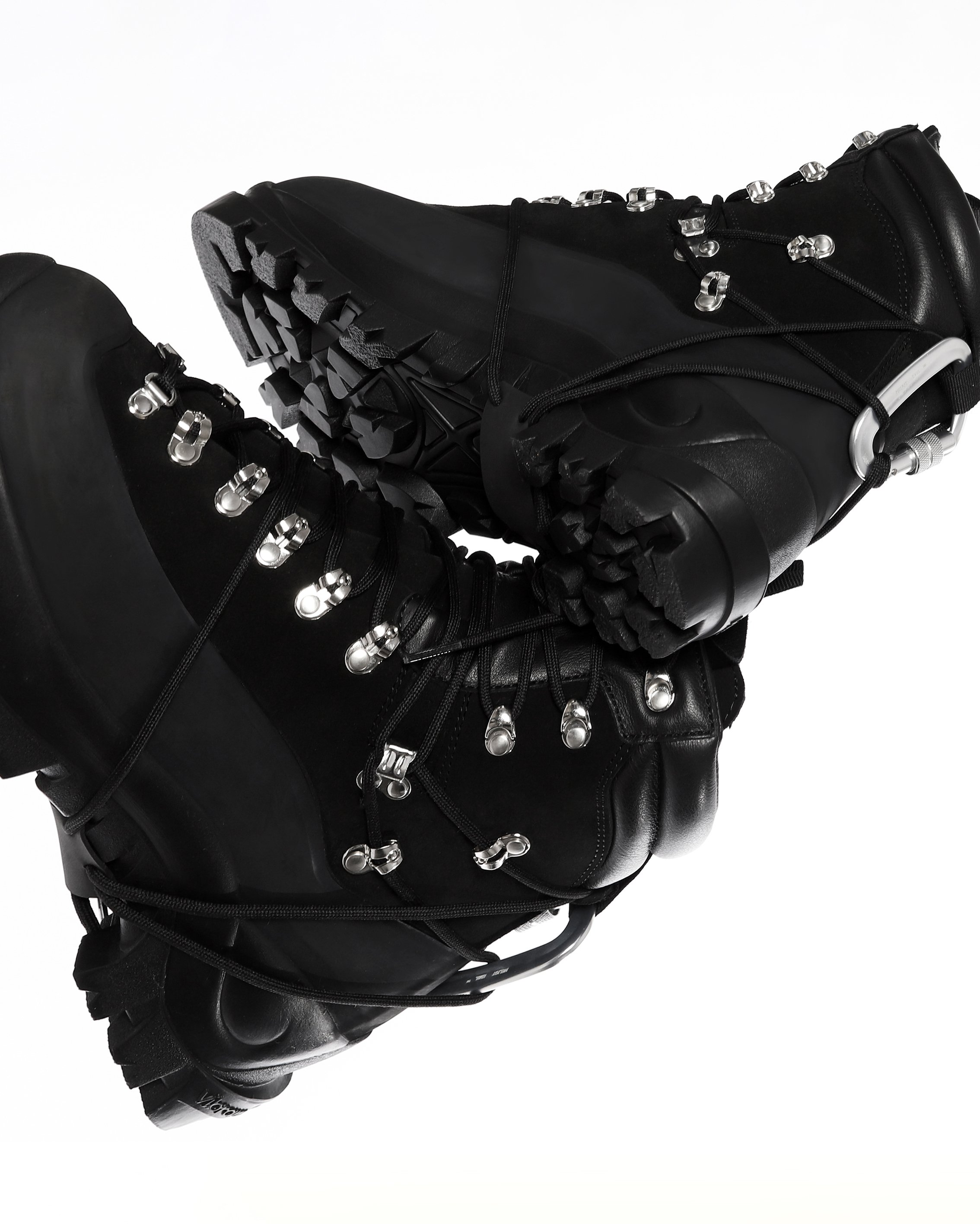
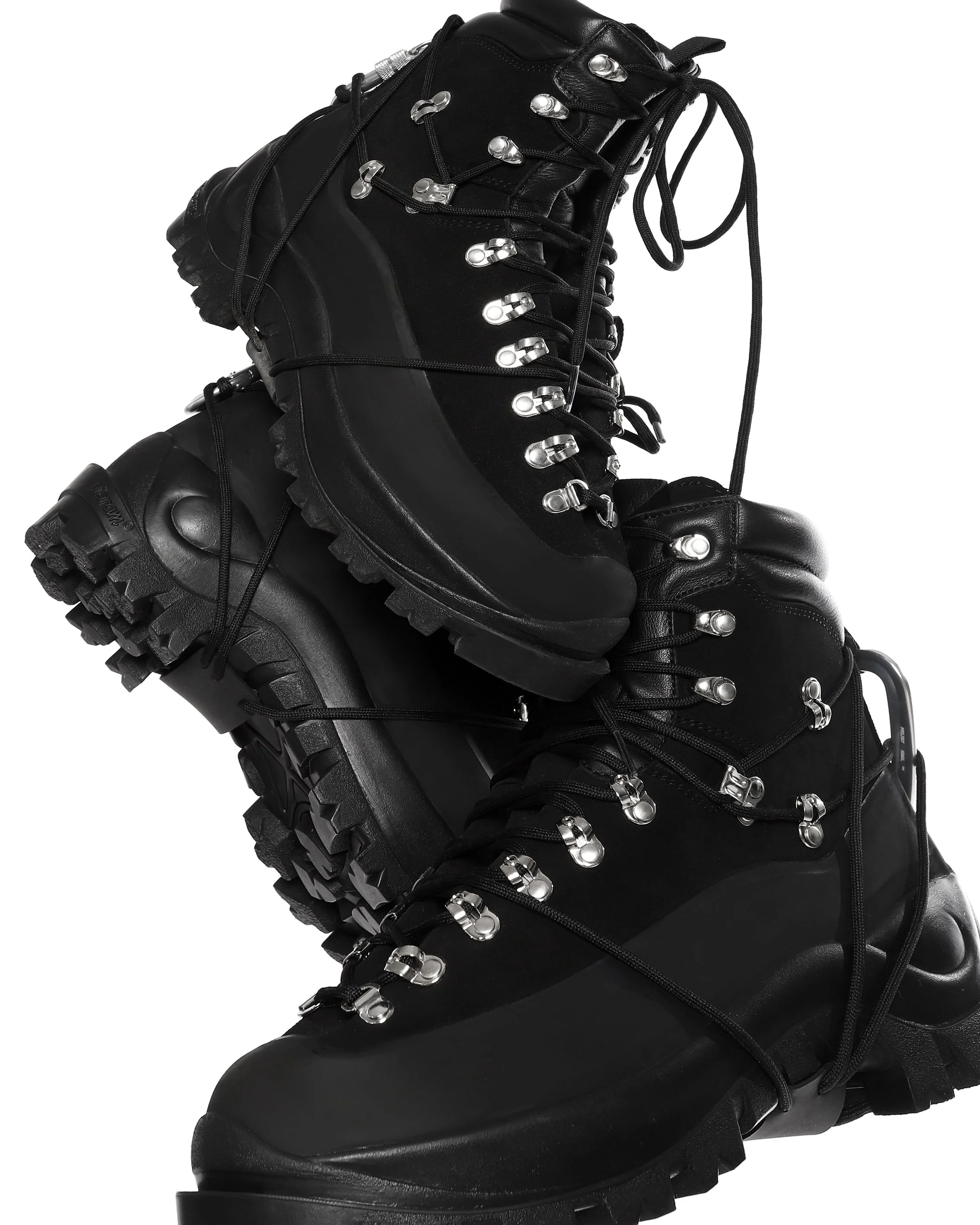
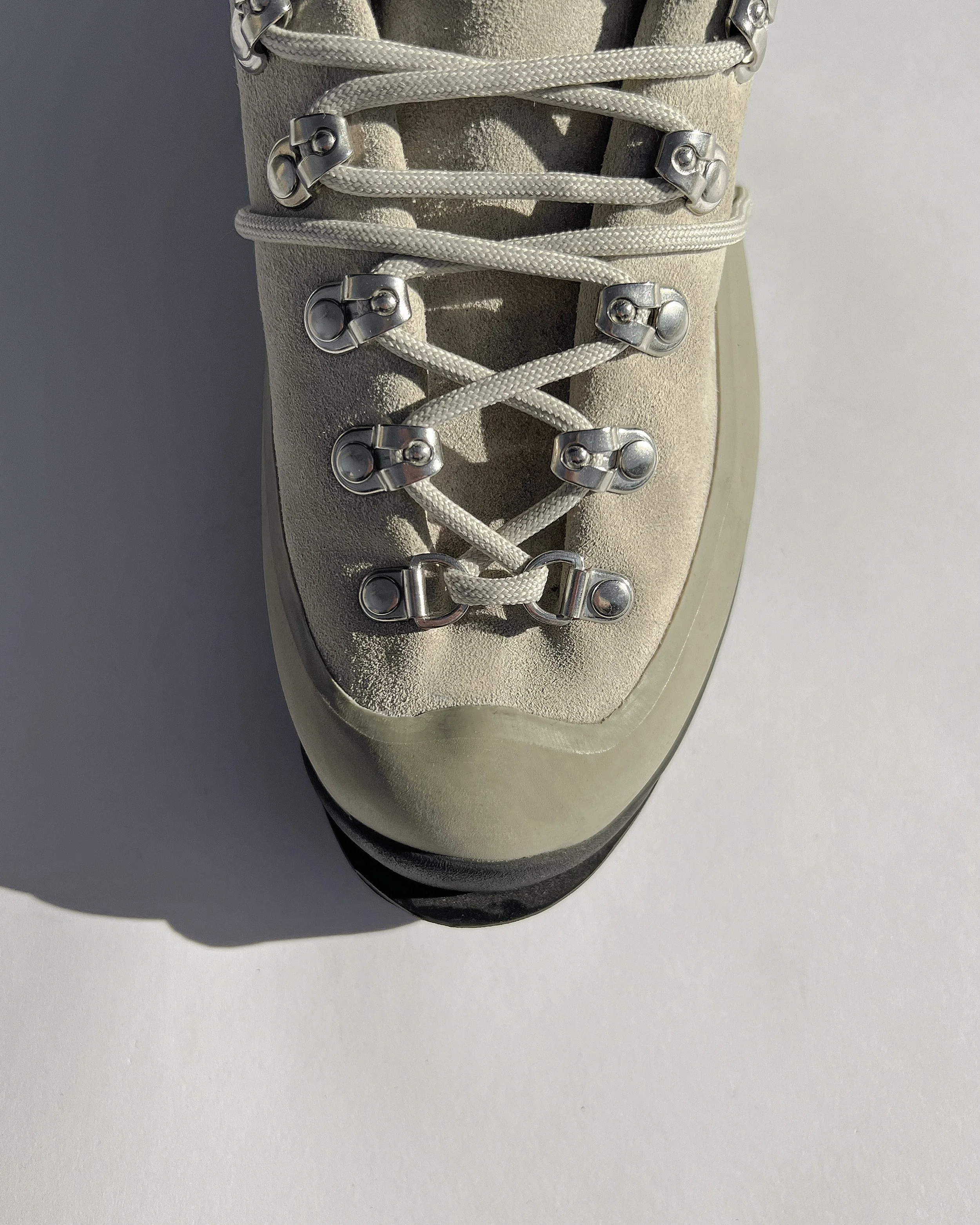
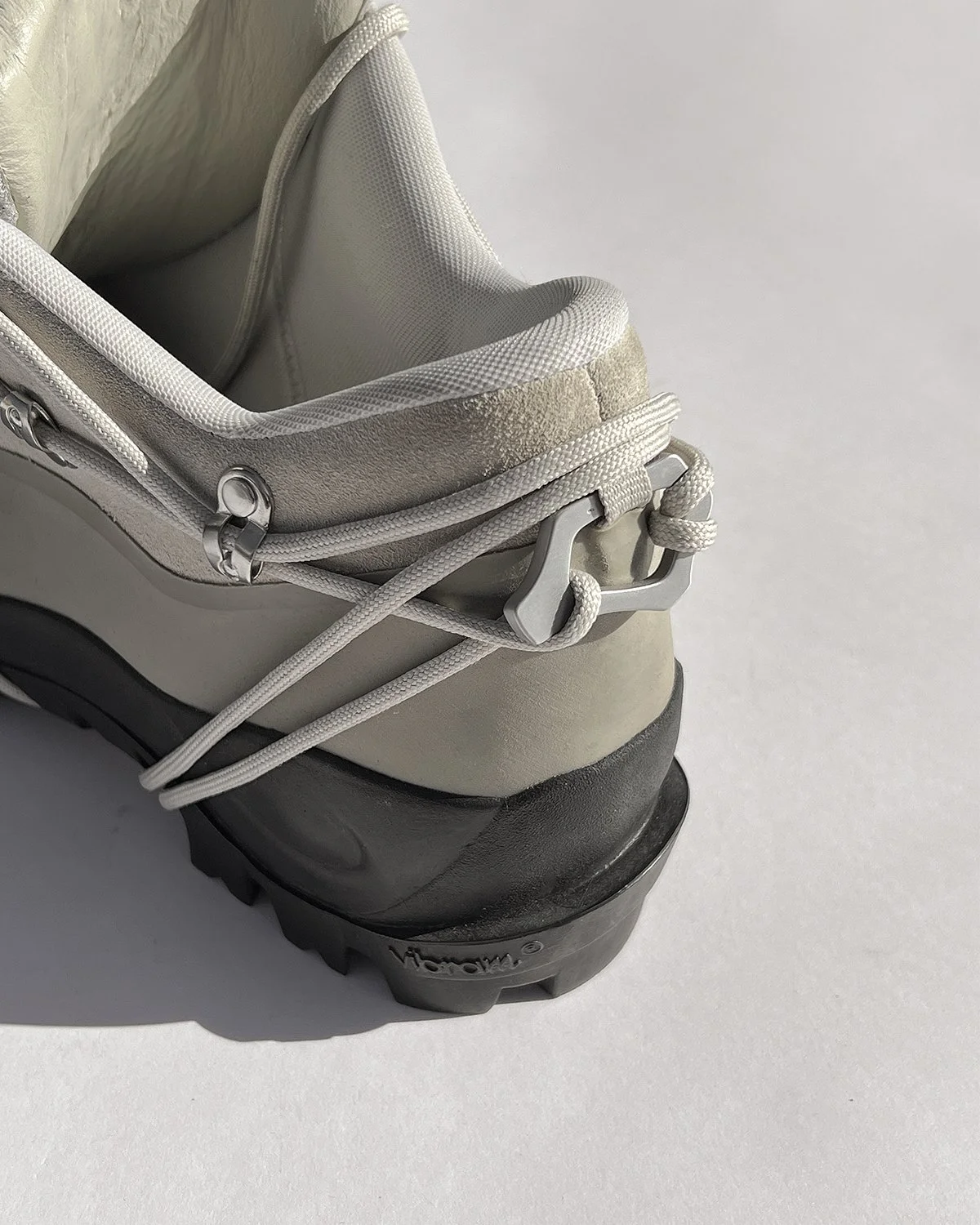
What emerges is a silhouette defined by tension: between rigidity and flexibility, protection and mobility. The 12-point reinforcement system—anchored by TPU toe caps and internal heel counters—ensures durability across terrains, while a four-stage buffing cycle delivers the brand’s signature industrial finish. It is this duality that positions the boot within HELIOT EMIL’s broader design language: utilitarian at its core, but architecturally expressive in execution.
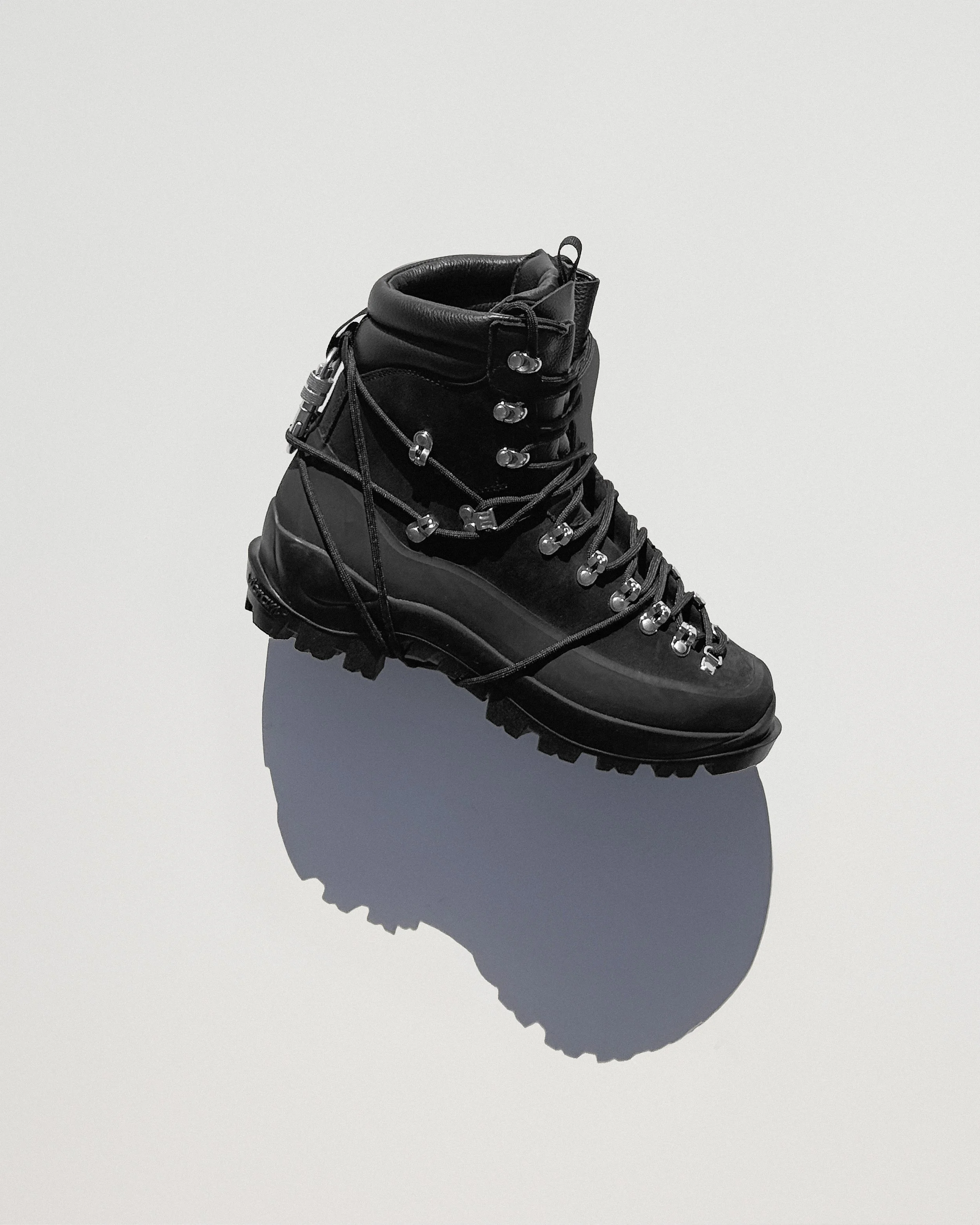
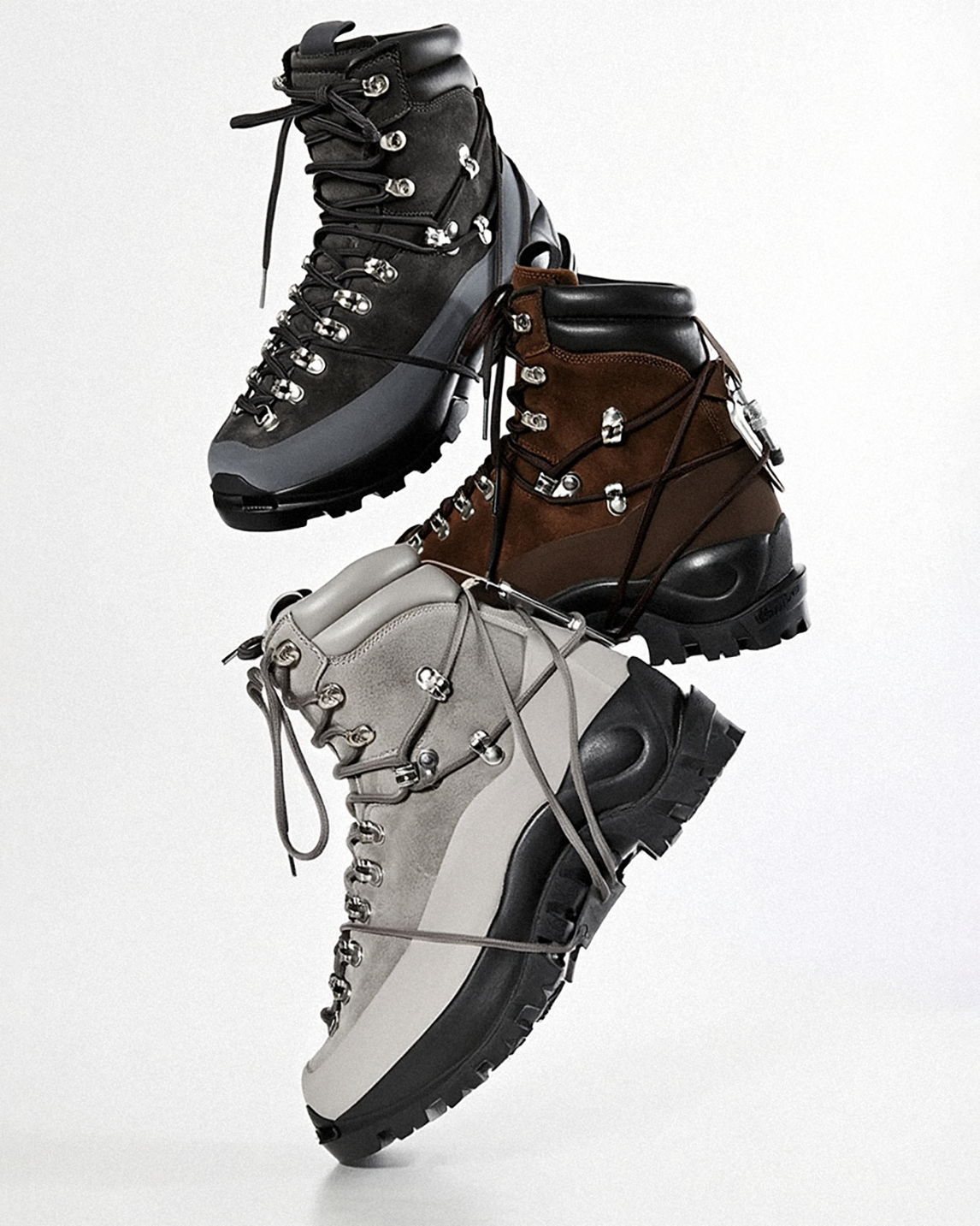
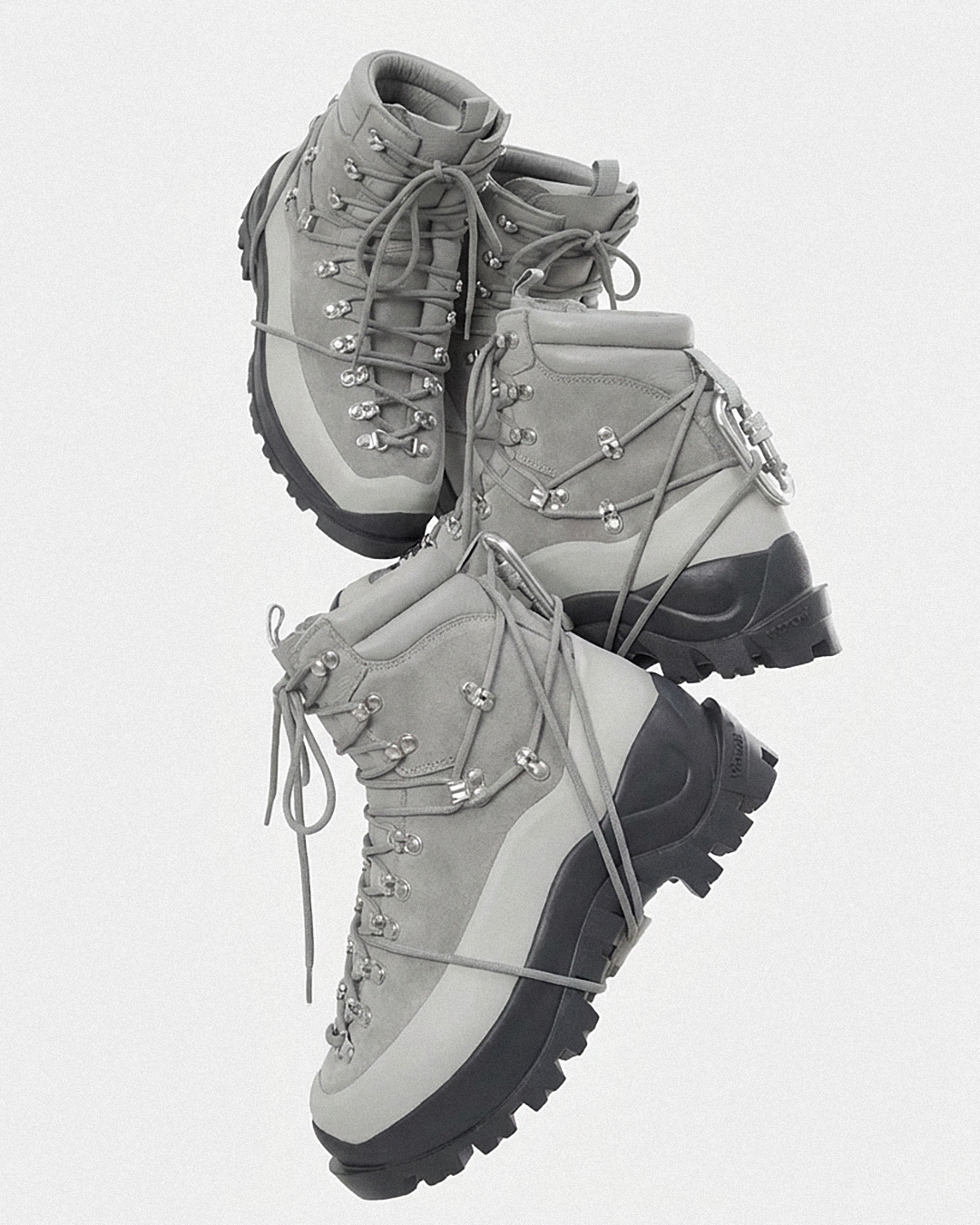
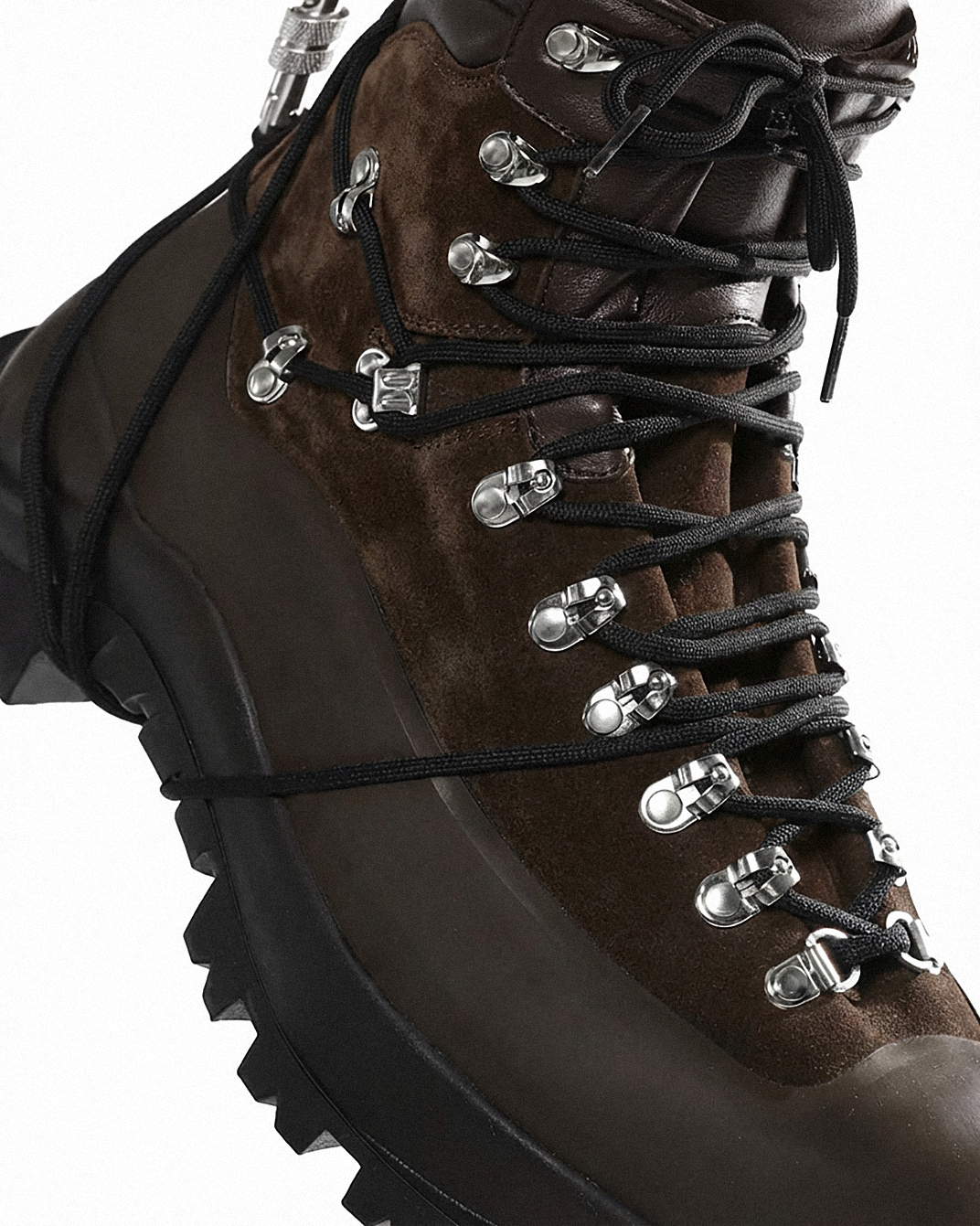
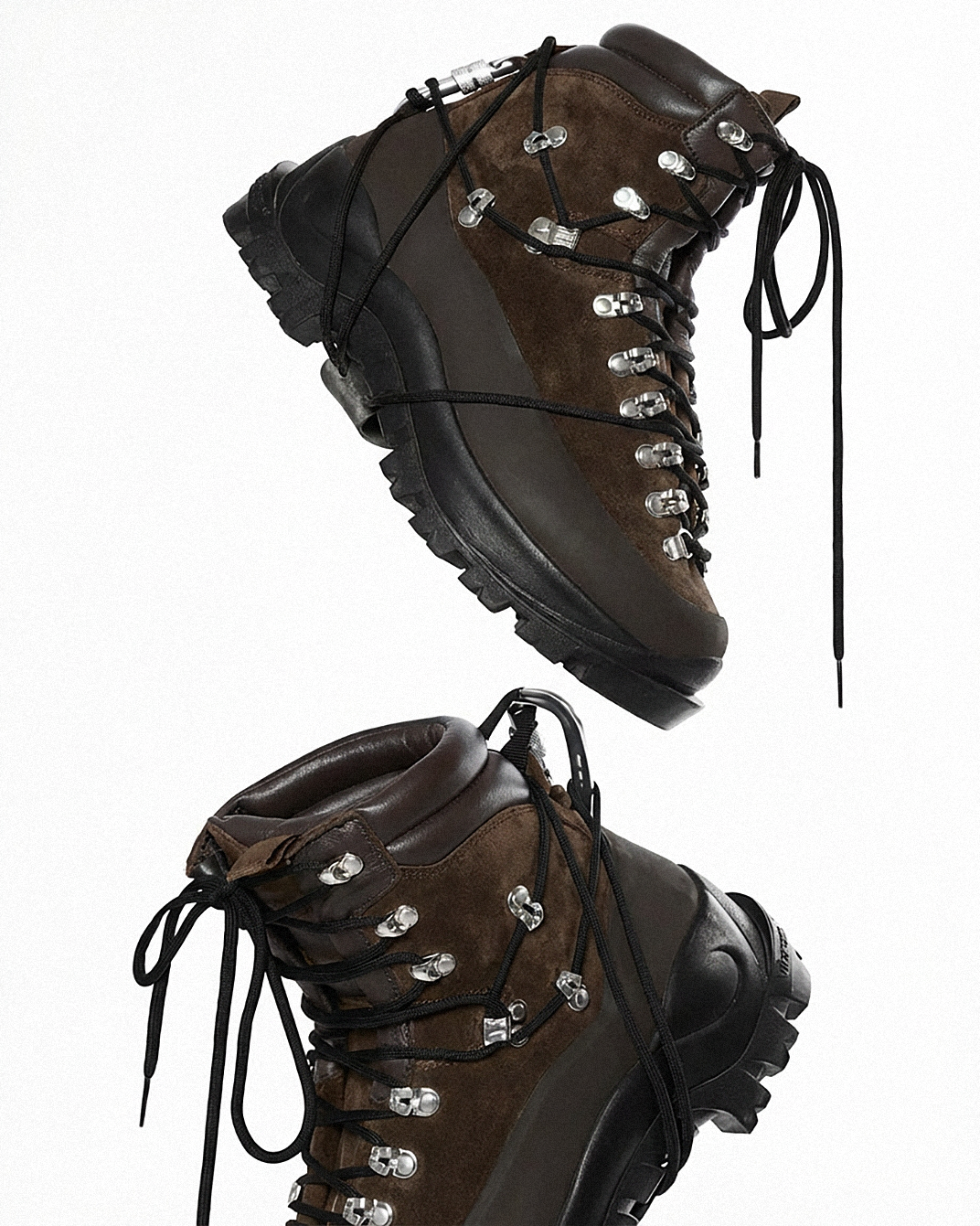
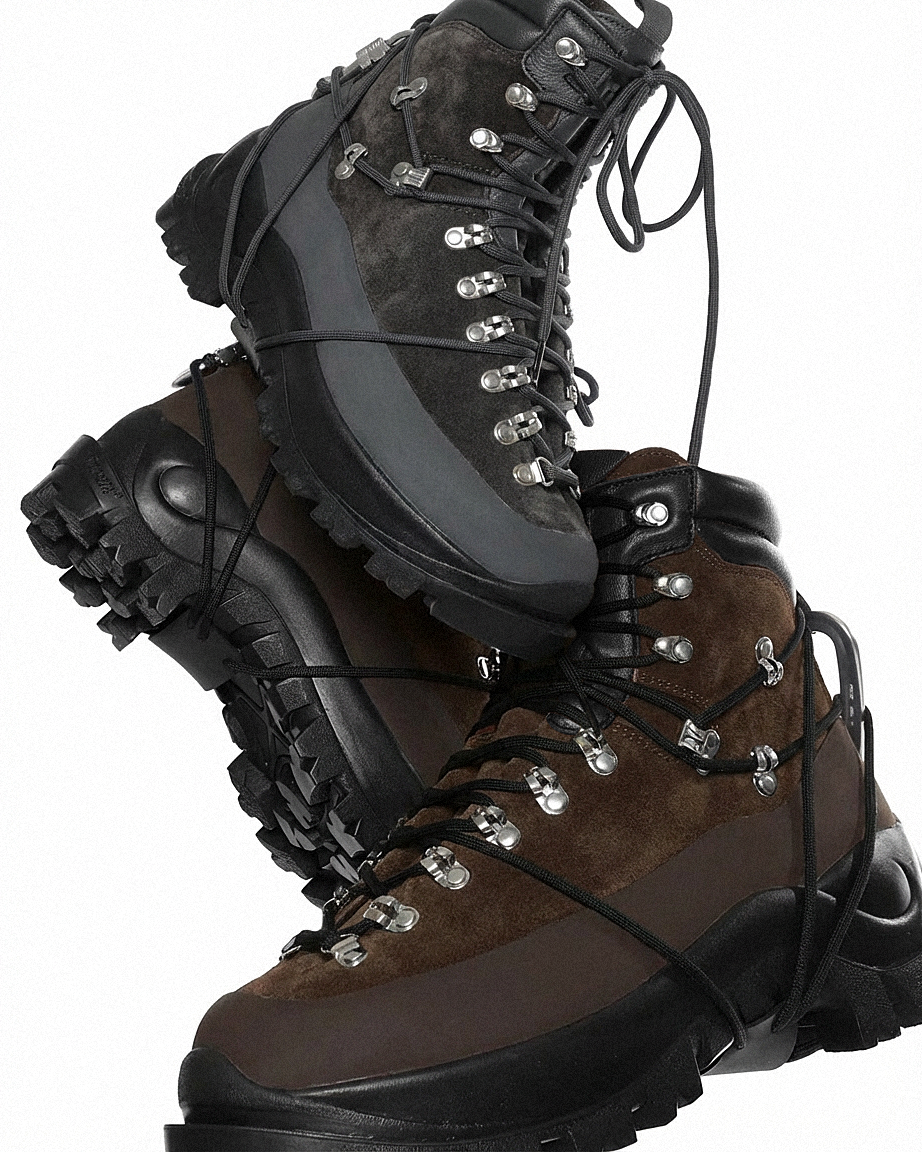
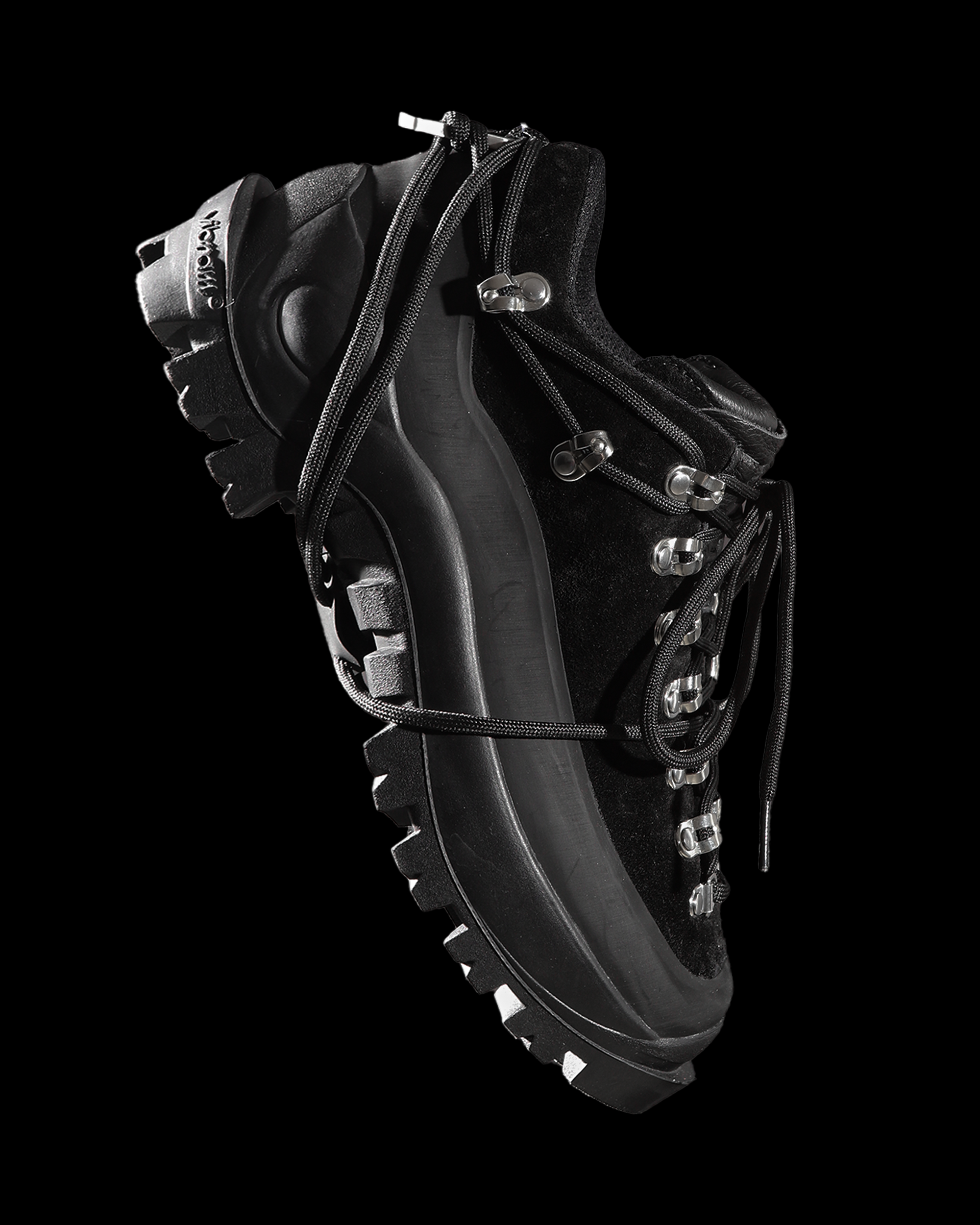
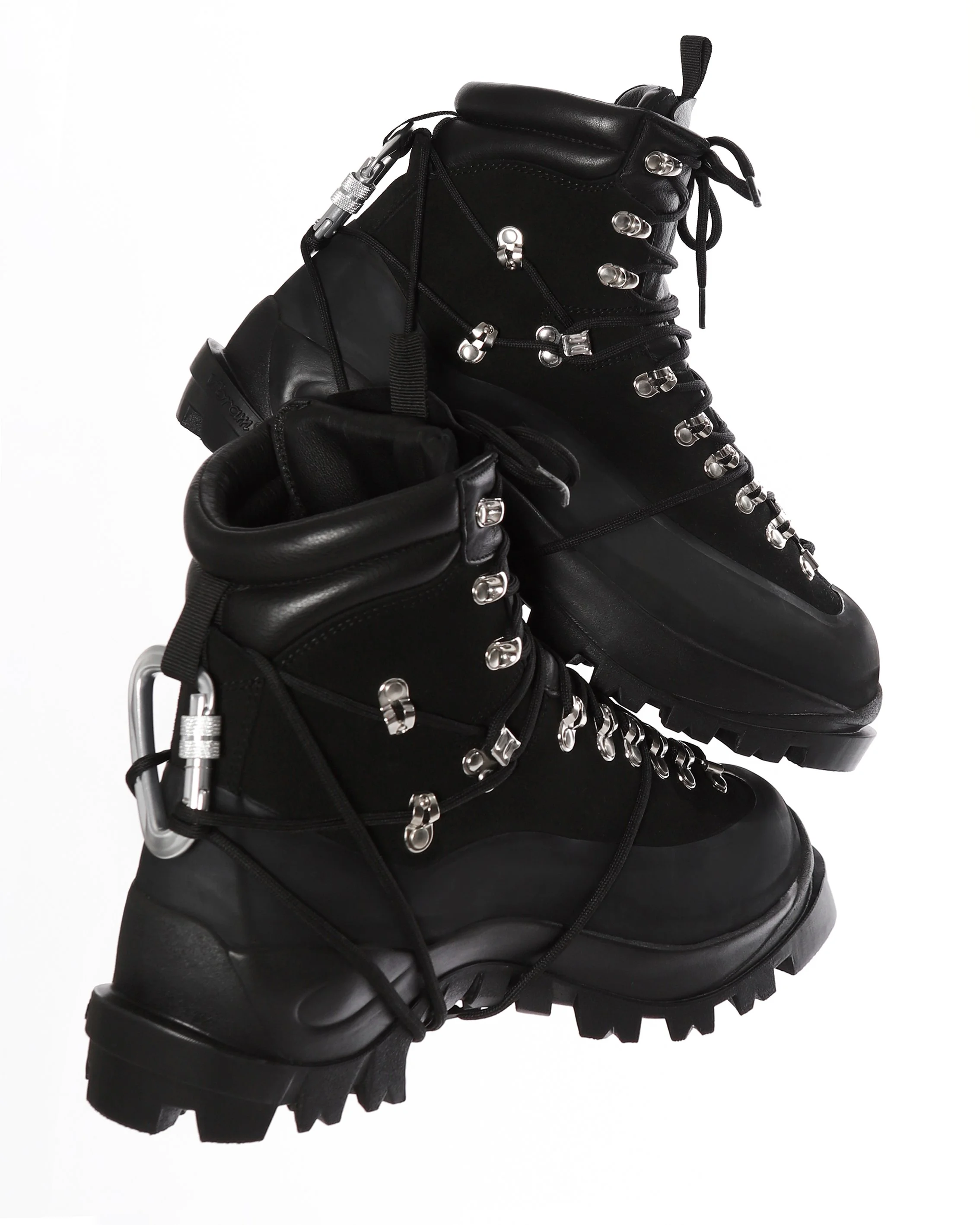
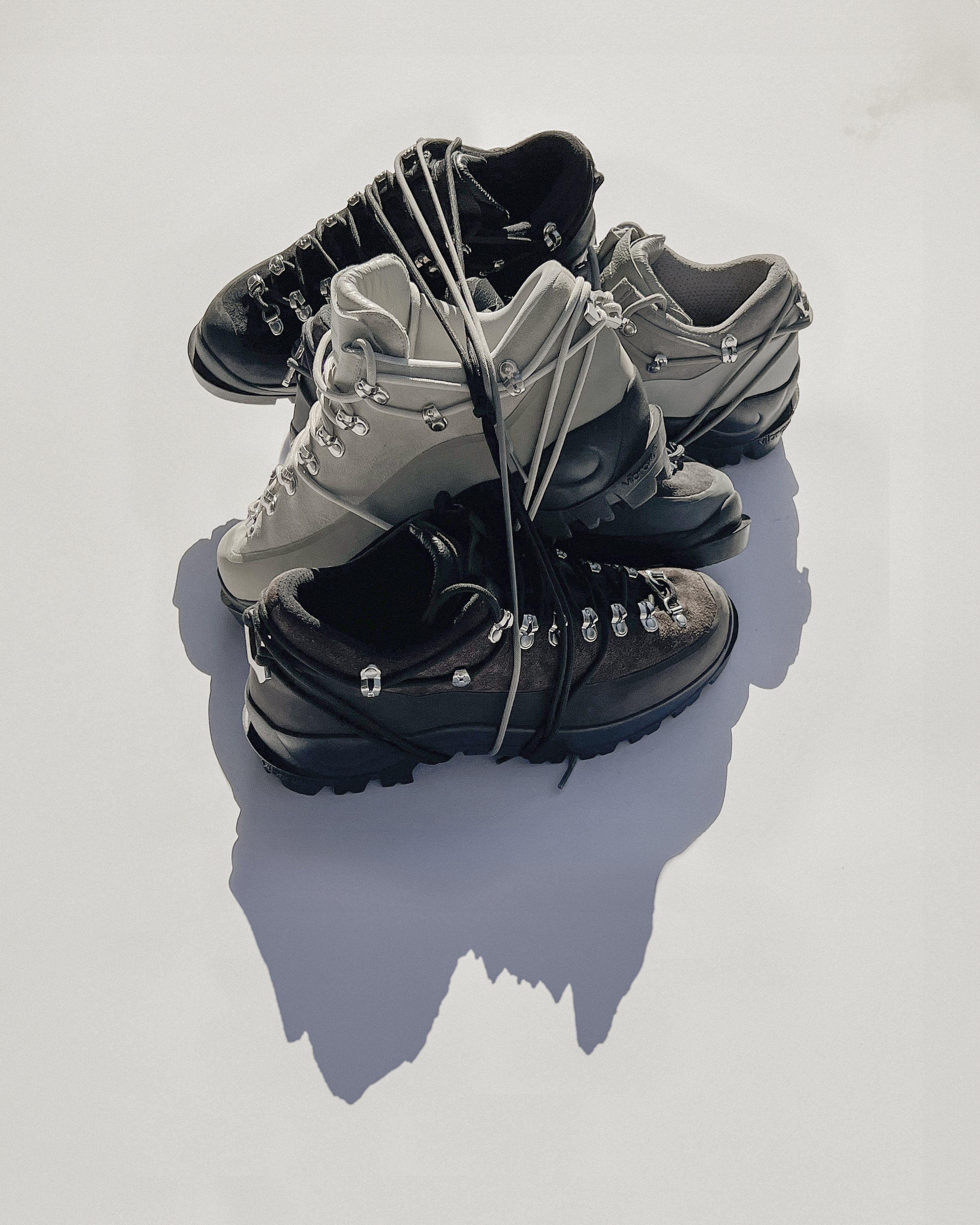
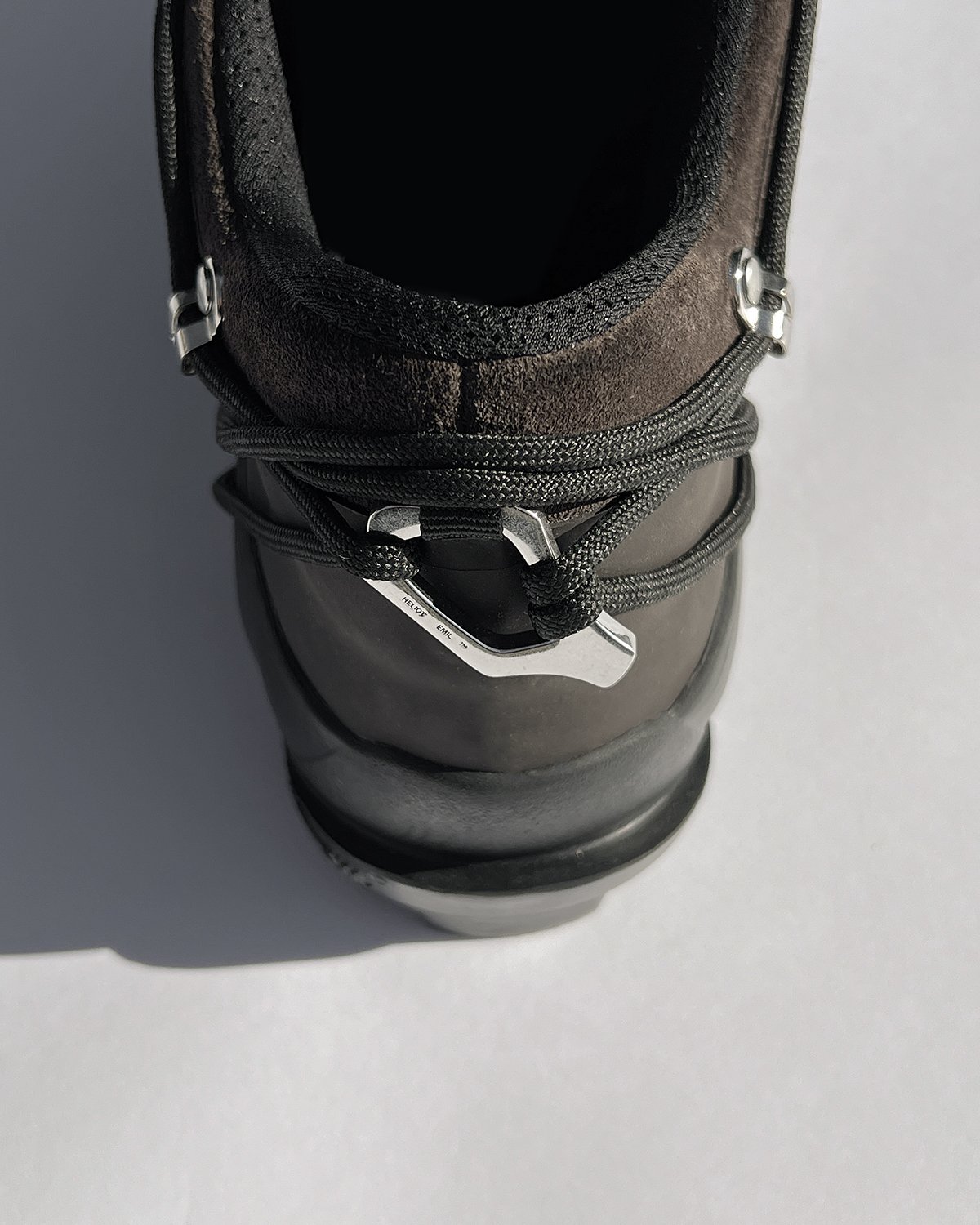
The relaunch also expands the visual vocabulary of the model. The signature Black returns with renewed clarity, offered in both the standard and elongated Tall Hiking Boot silhouette—an evolution that subtly shifts proportion and stance. Alongside it, Light Grey introduces a sharper, almost clinical interpretation of the form, while Dark Brown grounds the collection in a more traditional, earth-bound sensibility. Each colorway operates less as a seasonal variation and more as a study in material and tone.
What HELIOT EMIL accomplishes here is not simply a product release, but a reframing of what technical footwear can represent within contemporary fashion. By embedding mountaineering rigor into a high-fashion context, the brand continues to blur the boundaries between performance and design—proposing a future where utility is not an aesthetic, but a methodology.
In that sense, the Hiking Boot stands as both object and ideology: engineered for movement, but designed to communicate stillness, precision, and control.
HOW DO YOU FEEL ABOUT FASHION?
COMMENT OR TAKE OUR PAGE READER SURVEY
Featured



Telfar's SS2027 collection transforms the sample sale into a runway, using inside-out tailoring, manipulated materials, New York street references and a Brooklyn-to-Paris spectacle to question who gets to define fashion—and where it actually happens.