
How to Choose a Gemstone Engagement Ring: A Data-Driven Buyer’s Guide (2026)
PAGE
By PAGE Editor
Choosing an engagement ring used to be straightforward. Walk into a store, pick a diamond, choose a setting, and you were done.
That approach still exists, but it no longer reflects how most modern buyers think.
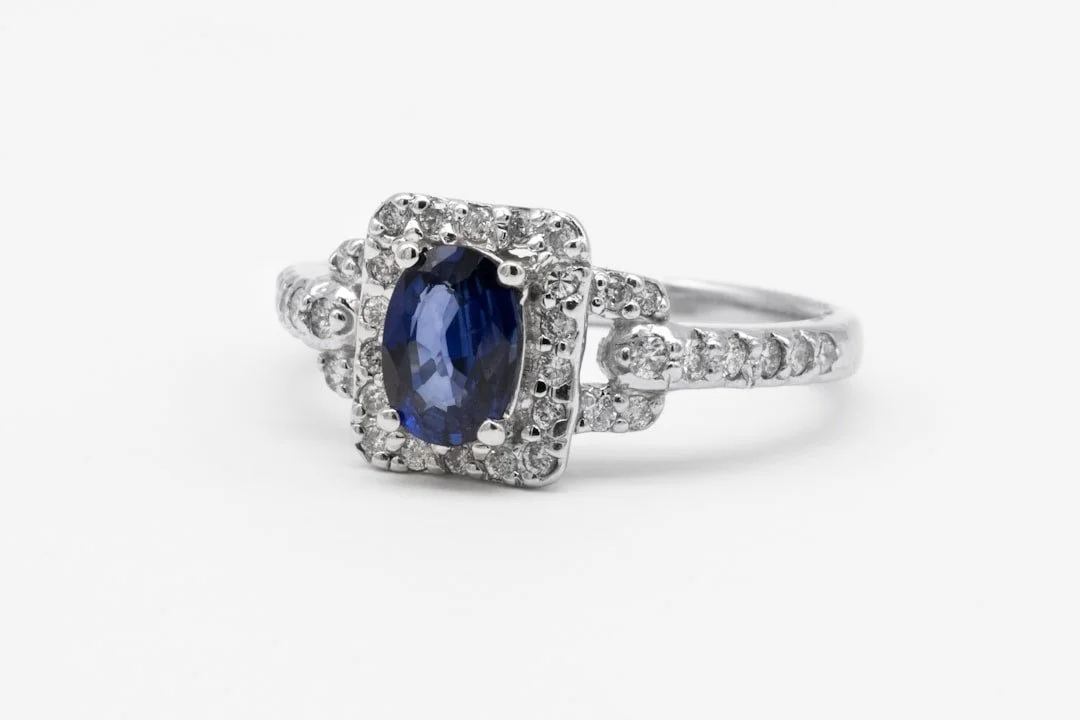
In 2026, engagement ring shopping has shifted toward personalization, transparency, and smarter spending. More couples are choosing sapphire, emerald, or ruby over traditional diamonds, not just for aesthetics, but for value and meaning.
This guide is built to help you make a clear, informed decision using real-world benchmarks, not marketing claims.
Why Gemstone Engagement Rings Are on the Rise
There’s a measurable shift happening in the fine jewelry market.
Industry data shows that colored Gemstone Engagement Rings are gaining share, especially among buyers in the $5,000–$20,000 range. In markets like the US and UK, demand for sapphires and emeralds has grown steadily over the past few years.
The reasons are practical:
More individuality: Buyers want rings that feel personal, not mass-produced
Better visual value: A high-quality gemstone can appear larger and more vibrant at a similar price point
Less focus on tradition: Couples are more open to non-diamond options
Instead of following a fixed formula, buyers are now asking better questions.
What looks good long term? What fits our lifestyle? What actually holds value?
Step 1: Understand What Your Budget Really Buys
Before comparing gemstones, you need a realistic sense of what your budget translates to in today’s market.
Here’s a general guide:
$3,000–$5,000: Smaller stones, basic settings, limited customization
$5,000–$10,000: Good gemstone quality, some custom options
$10,000–$20,000: High-quality stones, full custom design, better craftsmanship
$20,000+: Rare gemstones, premium origin, detailed bespoke work
One common mistake is assuming budget only affects size. In reality, it also impacts:
Color saturation
Clarity
Cut precision
Setting quality
If your goal is to maximize both appearance and long-term satisfaction, many buyers find that investing in a thoughtfully designed Orleone custom gemstone engagement ring can provide a more balanced result than choosing a larger but lower-quality stone.
Step 2: Choose a Gemstone That Matches Real Life
Not all gemstones are created equal, especially when it comes to daily wear.
Strong Choices for Engagement Rings
Sapphire (Mohs 9): Durable, versatile in color, excellent for everyday use
Ruby (Mohs 9): Rare, bold, and highly resistant to wear
Emerald (Mohs 7.5–8): Distinctive, but requires more care
Stones to Be Careful With
Opal: Soft and sensitive to moisture
Pearl: Easily scratched and damaged
Morganite: Attractive, but less durable over time
If the ring is going to be worn daily, durability should carry as much weight as appearance. A beautiful stone that chips or dulls quickly will not age well.
Step 3: What Actually Determines Gemstone Quality
Unlike diamonds, where the 4Cs are standardized, gemstones require a more nuanced evaluation.
Color Comes First
Color is the single most important factor.
Look for:
Strong saturation (not faded or grayish)
Balanced tone (not too dark, not too light)
Clean hue (minimal unwanted color mixing)
A smaller gemstone with vivid color will almost always outperform a larger, dull one.
Clarity Is Contextual
Most gemstones contain inclusions. This is normal.
Emeralds typically have visible inclusions
Sapphires often appear cleaner
The goal is not perfection, but visual appeal. If inclusions are not noticeable to the naked eye, they are usually acceptable.
Cut Affects Everything
Cut determines how light interacts with the stone.
A poorly cut gemstone can look lifeless, even if the material is high quality. A well-cut stone, on the other hand, can appear brighter and more valuable than its size suggests.
Origin and Treatment Matter
Many gemstones are treated to enhance color or clarity. This is common and not necessarily a problem, as long as it is disclosed.
Untreated stones and stones from certain origins (like Kashmir sapphires or Colombian emeralds) tend to command higher prices, but they are not essential for most buyers.
Step 4: The Role of Design and Setting
The setting is not just a frame. It directly affects how the gemstone looks and performs.
Key factors include:
Prong vs. bezel settings: Visibility vs. protection
Halo designs: Increase perceived size and brilliance
Band proportions: Impact comfort and durability
Metal choice: Changes the overall tone of the ring
This is where custom design becomes especially valuable.
Instead of adapting to a pre-made ring, you can build around the gemstone itself. Many buyers who explore a custom gemstone engagement ring route find that even a mid-range stone can look significantly more refined when paired with the right design choices.
Step 5: Custom vs. Ready-Made — What Works Best?
There’s no universal answer, but trends are clear.
Ready-made rings are better if:
You need a ring quickly
You prefer a standard, proven design
Custom rings are better if:
You want control over gemstone selection
You care about design details
You’re investing in the mid-to-high range
Custom doesn’t have to mean complicated. When done properly, it simply allows you to allocate your budget more efficiently and avoid paying for features that don’t matter to you.
Step 6: Common Mistakes to Avoid
Even well-informed buyers make avoidable mistakes.
Here are the most common ones:
Prioritizing size over color quality
Choosing delicate gemstones for daily wear
Overpaying for branding rather than craftsmanship
Ignoring certification or gemstone documentation
Not thinking about maintenance and long-term use
A good rule of thumb:
If a decision only looks good in photos but not in real life, reconsider it.
Step 7: Think Long-Term, Not Just the Proposal
The proposal is one day. The ring is for years.
Ask practical questions:
Will this design still feel relevant in 5–10 years?
Is it comfortable enough for daily wear?
Can it be resized or maintained easily?
Many experienced buyers now focus less on immediate visual impact and more on durability, wearability, and timeless design.
Final Thoughts
Choosing a gemstone engagement ring is no longer about following tradition. It’s about making a smart, informed decision that reflects both personal taste and real-world use.
If you keep your focus on a few key factors, the process becomes much clearer:
Prioritize color and cut over size
Choose a gemstone that fits daily wear
Treat design as equally important as the stone itself
Whether you go with sapphire, emerald, or something less conventional, the best ring is the one that continues to feel right long after the proposal.
And in today’s market, making that kind of choice is less about luck, and more about understanding what actually matters.
HOW DO YOU FEEL ABOUT FASHION?
COMMENT OR TAKE OUR PAGE READER SURVEY
Featured



Wale joins CapSole as Chief Creative Officer and equity partner, bringing his influence in sneaker culture to a business focused on preservation, sustainability, and extending the life of collectible footwear.