
JennyFax’s “Family Issue” Collection Turns Memory Into Fashion at Paris Fashion Week
JennyFax
By PAGE Editor
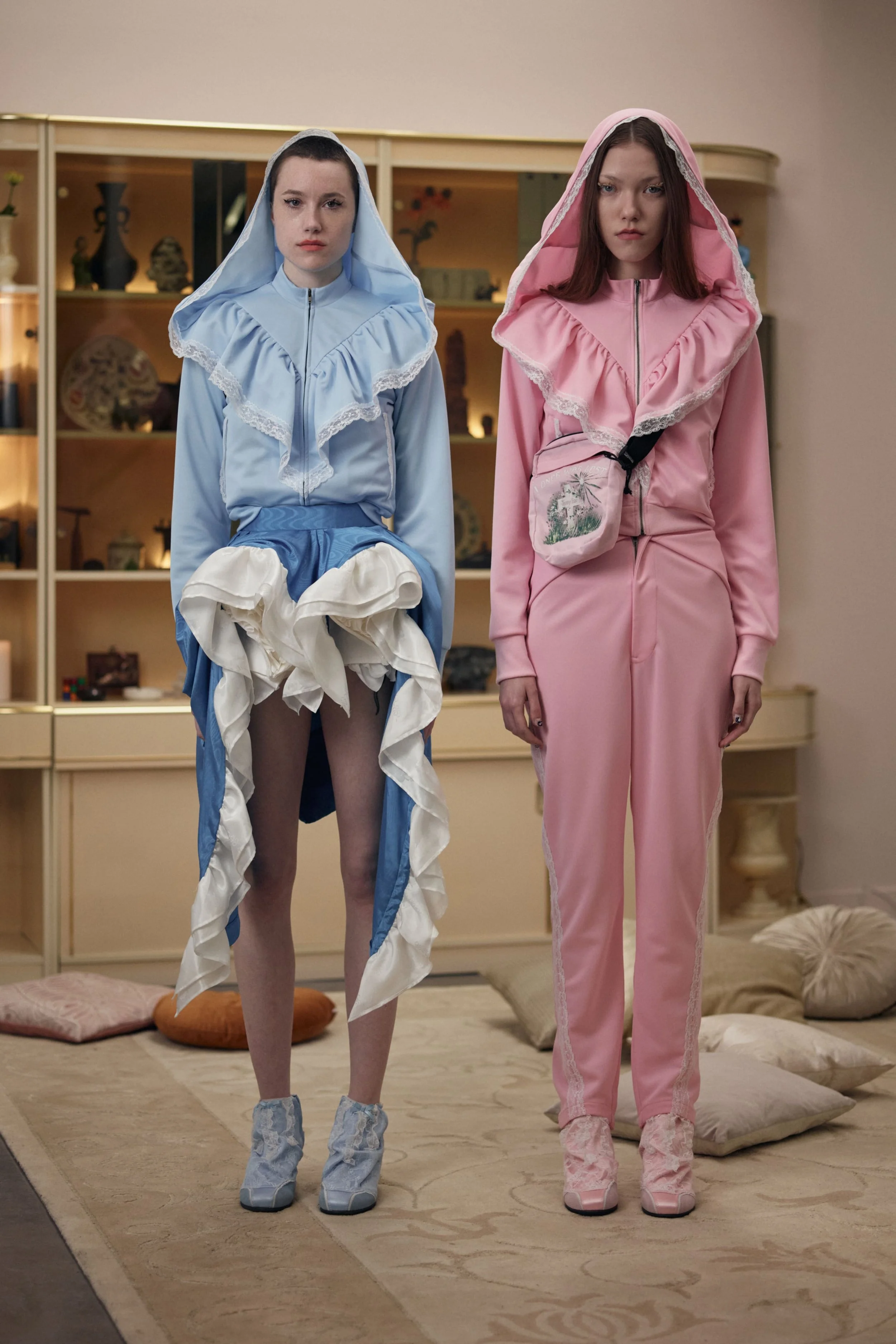
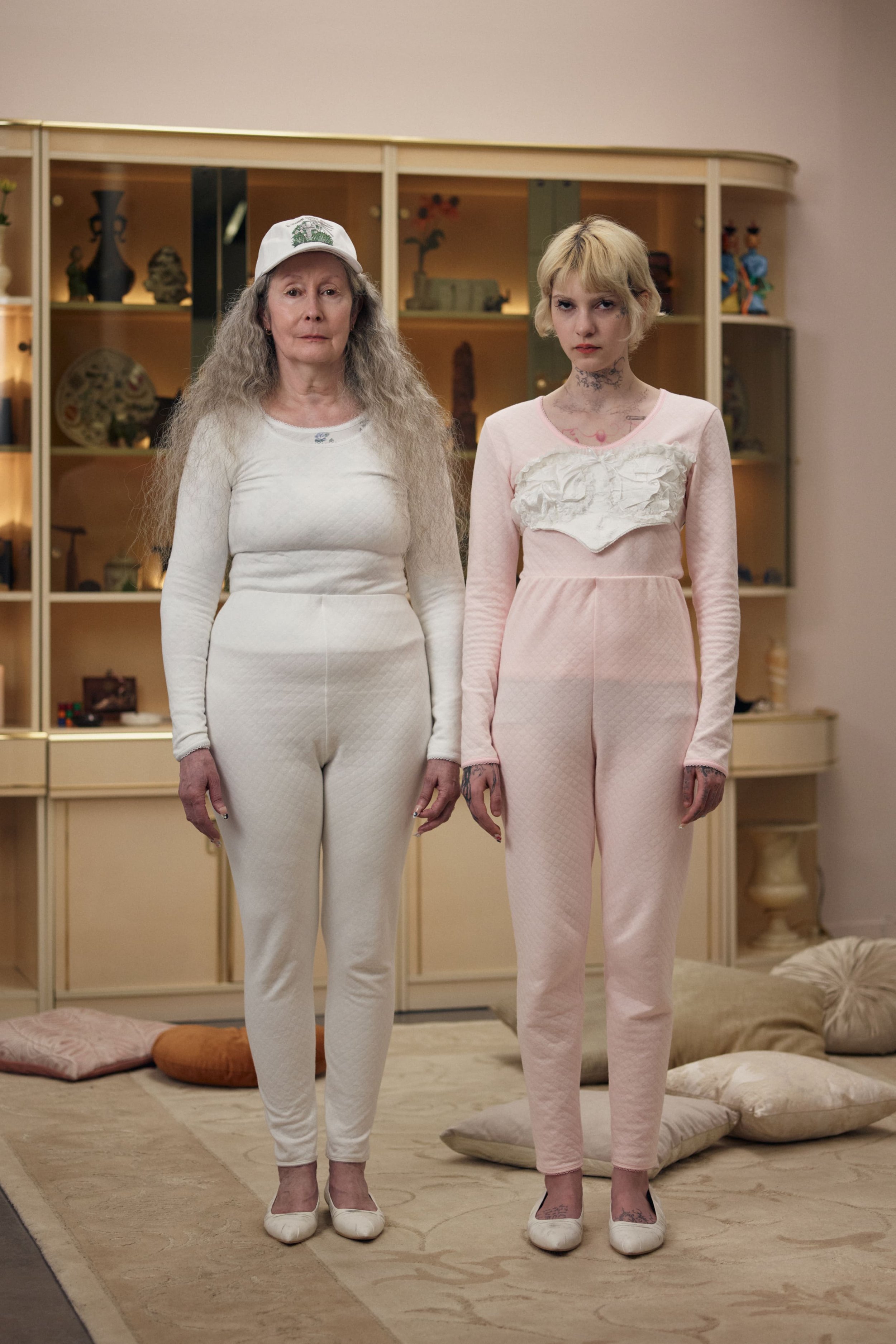
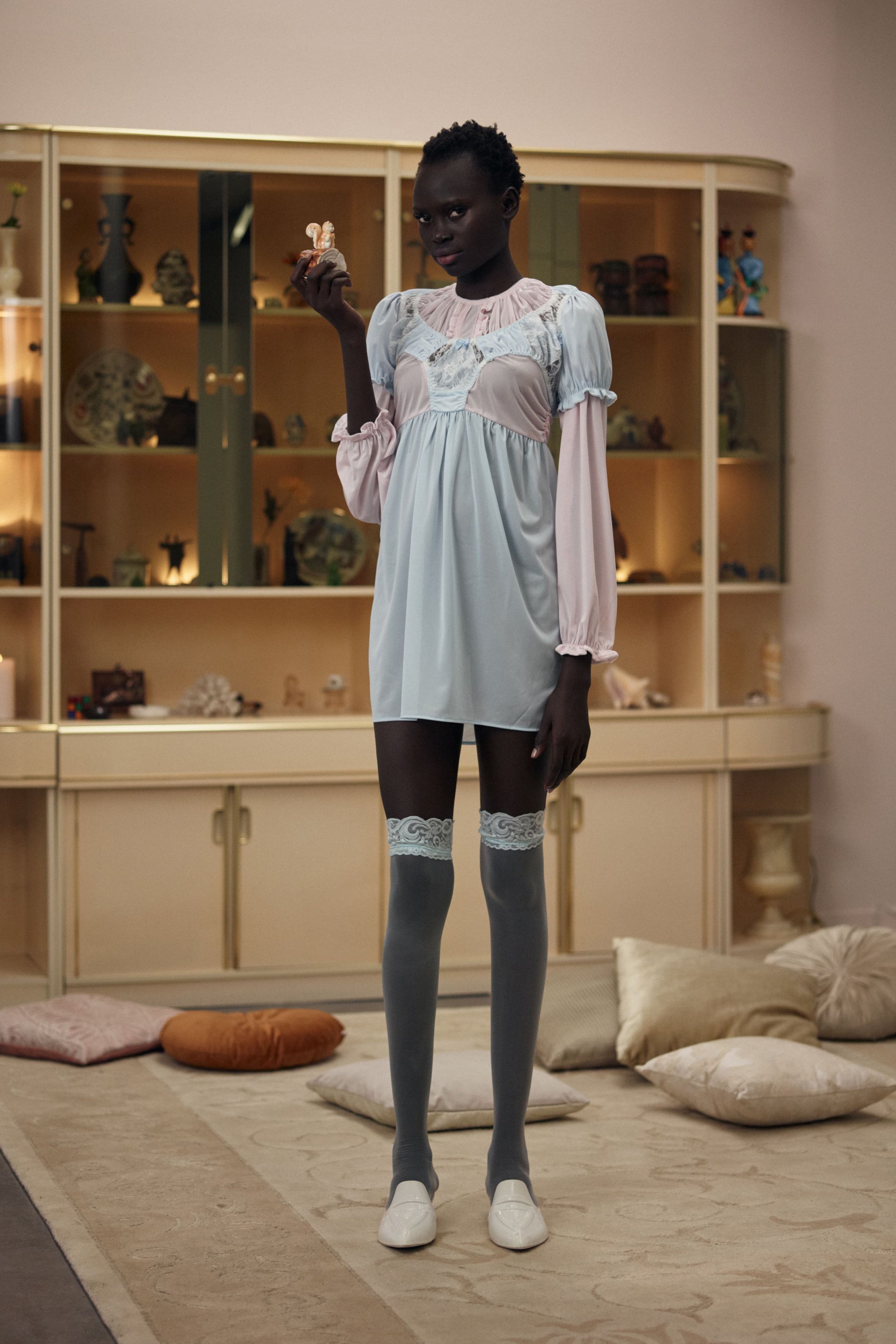
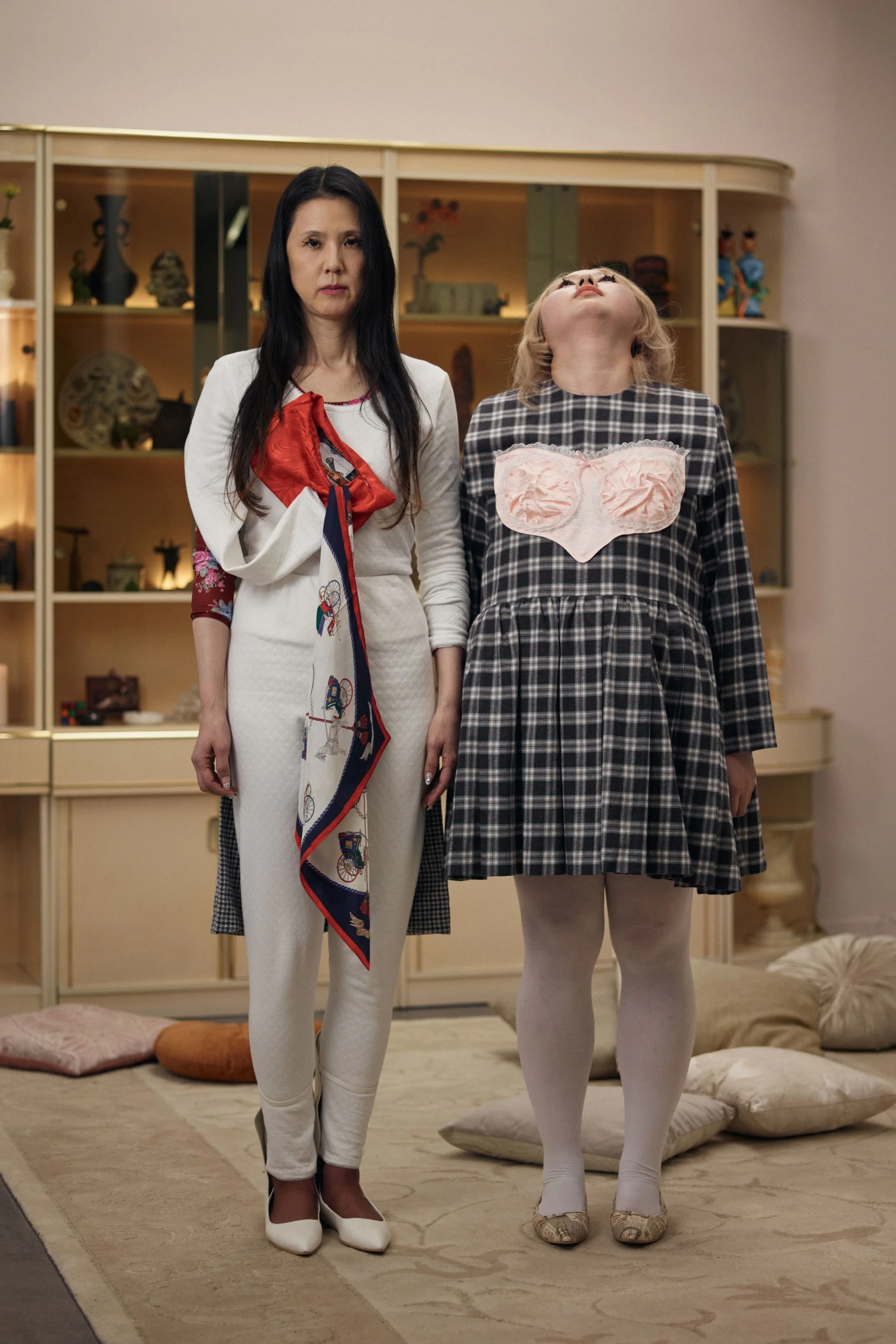
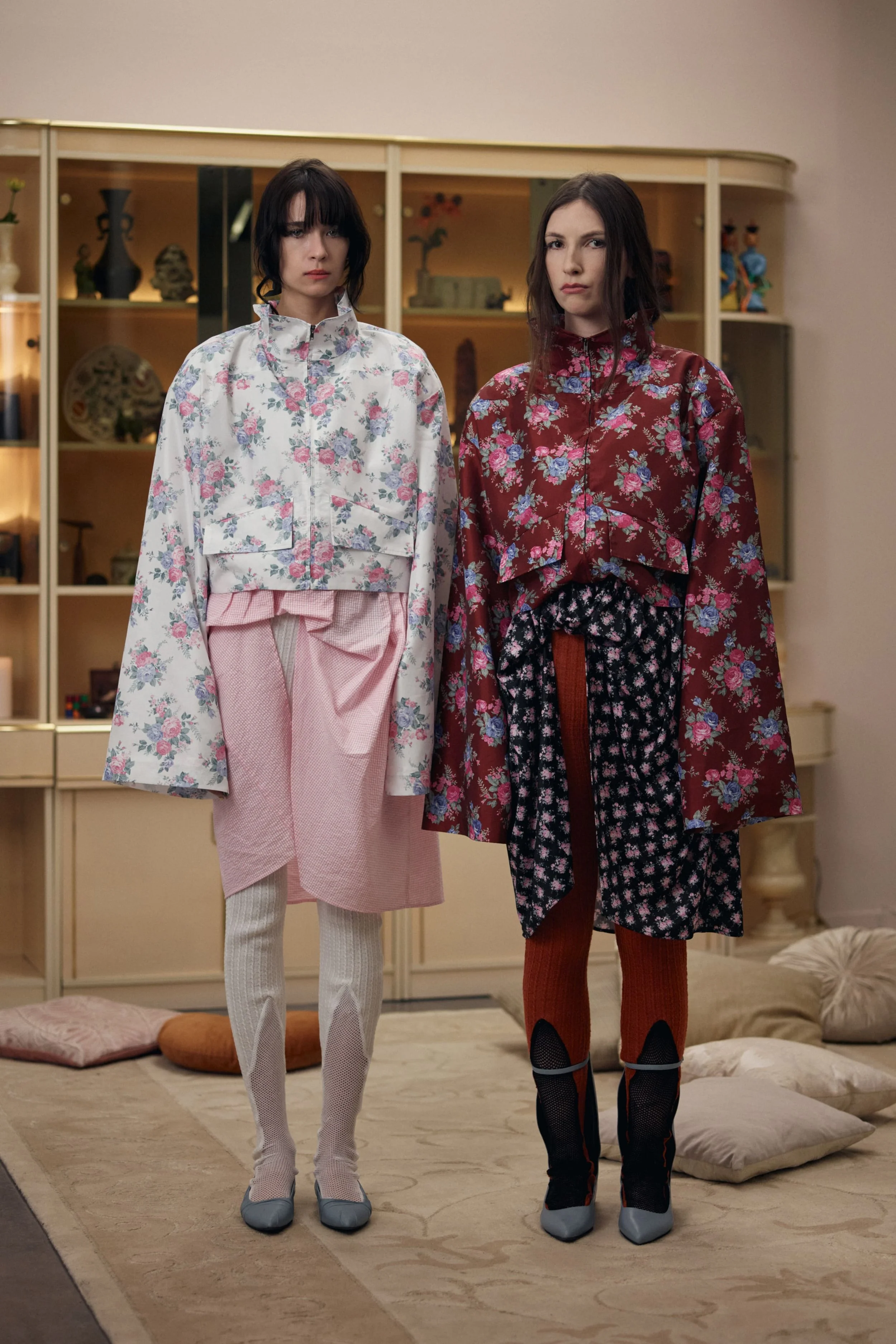
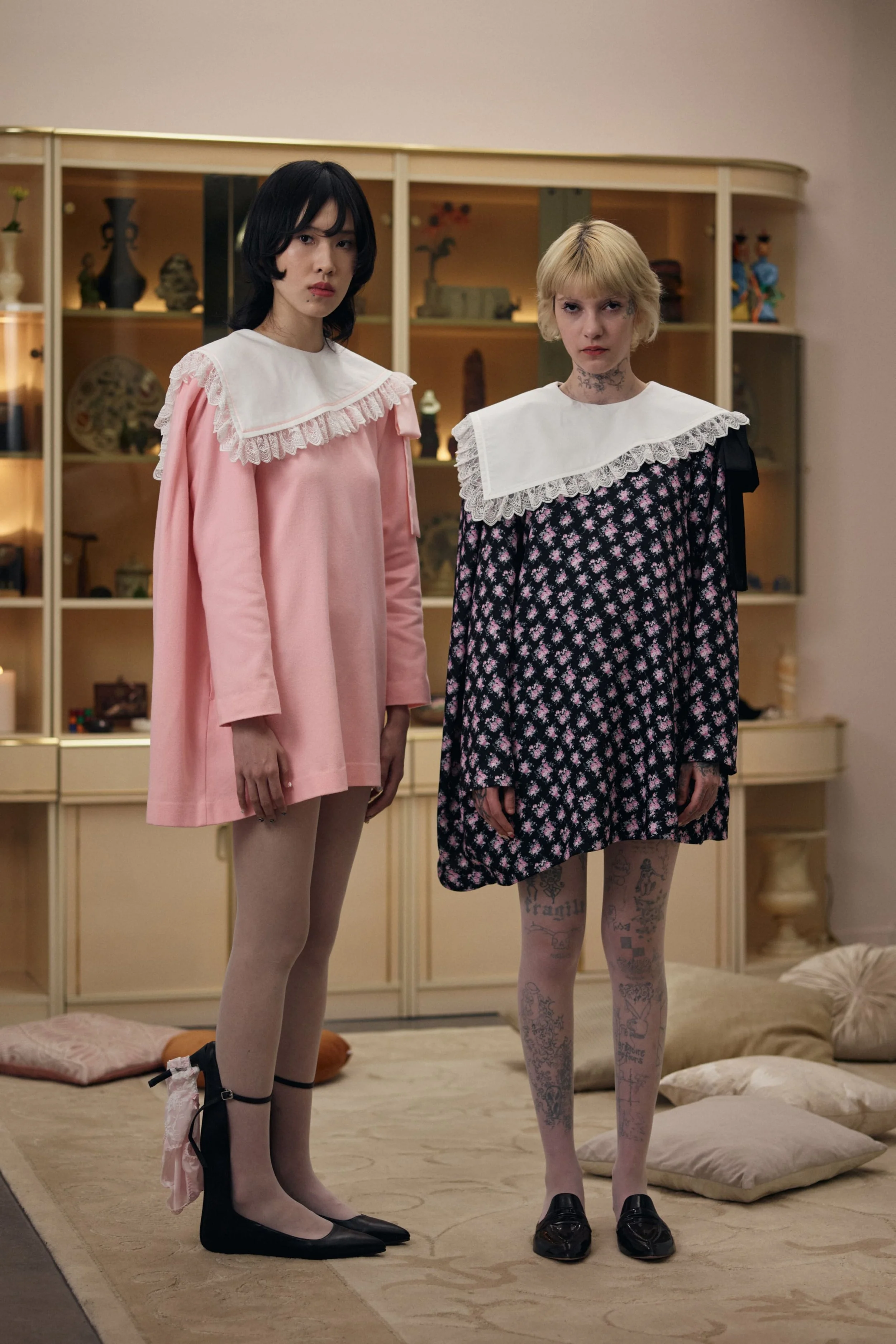
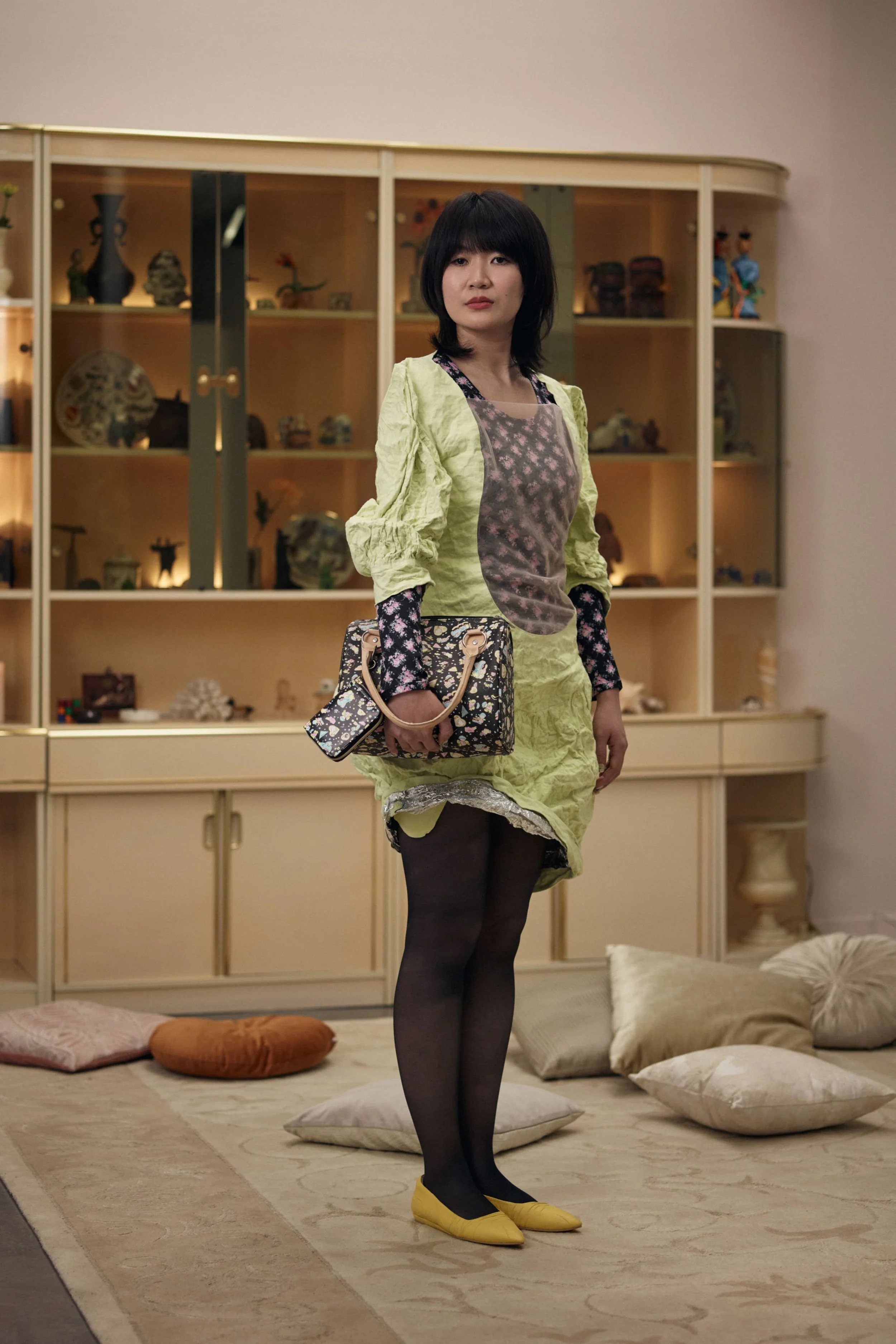
When speed defines nearly every dimension of modern life, Japanese designer Shueh Jen‑Fang continues to explore something slower and far more intimate: the emotional architecture of memory. On March 5, the designer’s label JennyFax presented its Fall/Winter 2026 collection, titled Family Issue, through a quiet yet deeply reflective presentation at the MAAT Gallery during Paris Fashion Week.
Rather than staging a traditional runway spectacle, JennyFax opted for a setting that felt more like stepping into someone’s living room than attending a fashion show. A large piece of furniture sat at the center of the presentation space—something ordinary, almost anonymous, yet immediately familiar. The gesture was intentional. In a fashion system increasingly defined by acceleration, spectacle, and algorithmic trends, Jen-Fang turned her attention to the objects and relationships that exist outside of fashion’s cycle of constant reinvention.
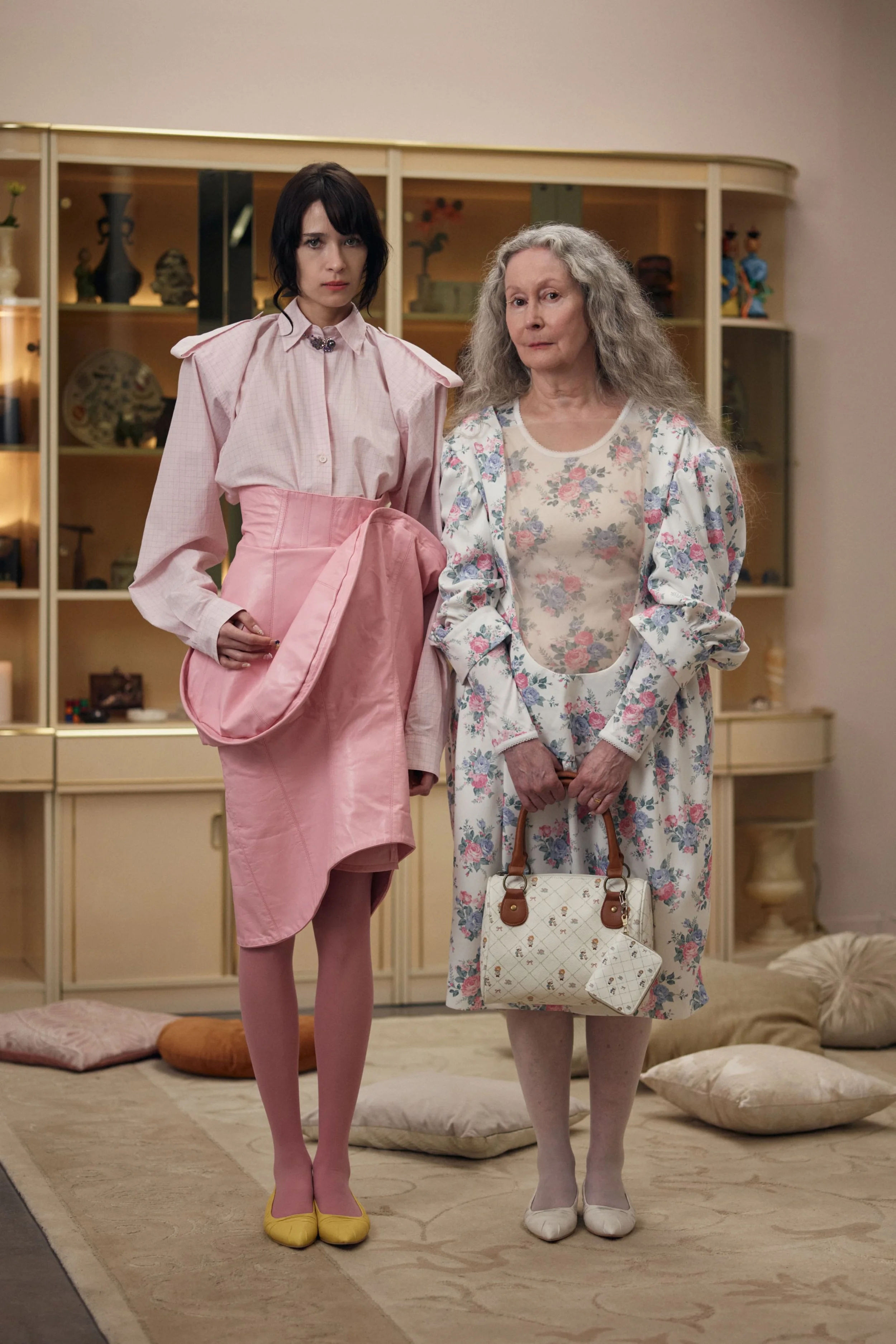
“Today, when everything feels fast and convenient, I often wonder what really makes myself different,” the designer reflected in notes accompanying the presentation. “I think it is something personal, something that cannot be replaced.”
That sentiment became the conceptual backbone of the collection. The furniture installation evoked the quiet domestic landscapes where memories accumulate: the living rooms, kitchens, and family homes that quietly shape identity. The designer described childhood trips where small souvenirs would return home in suitcases, eventually becoming everyday objects—tokens that carried emotional weight far beyond their modest appearance.
In this sense, the collection explored a kind of emotional permanence in contrast to fashion’s typical ephemerality. Family, Jen-Fang suggested, represents one of the few systems that resists optimization.
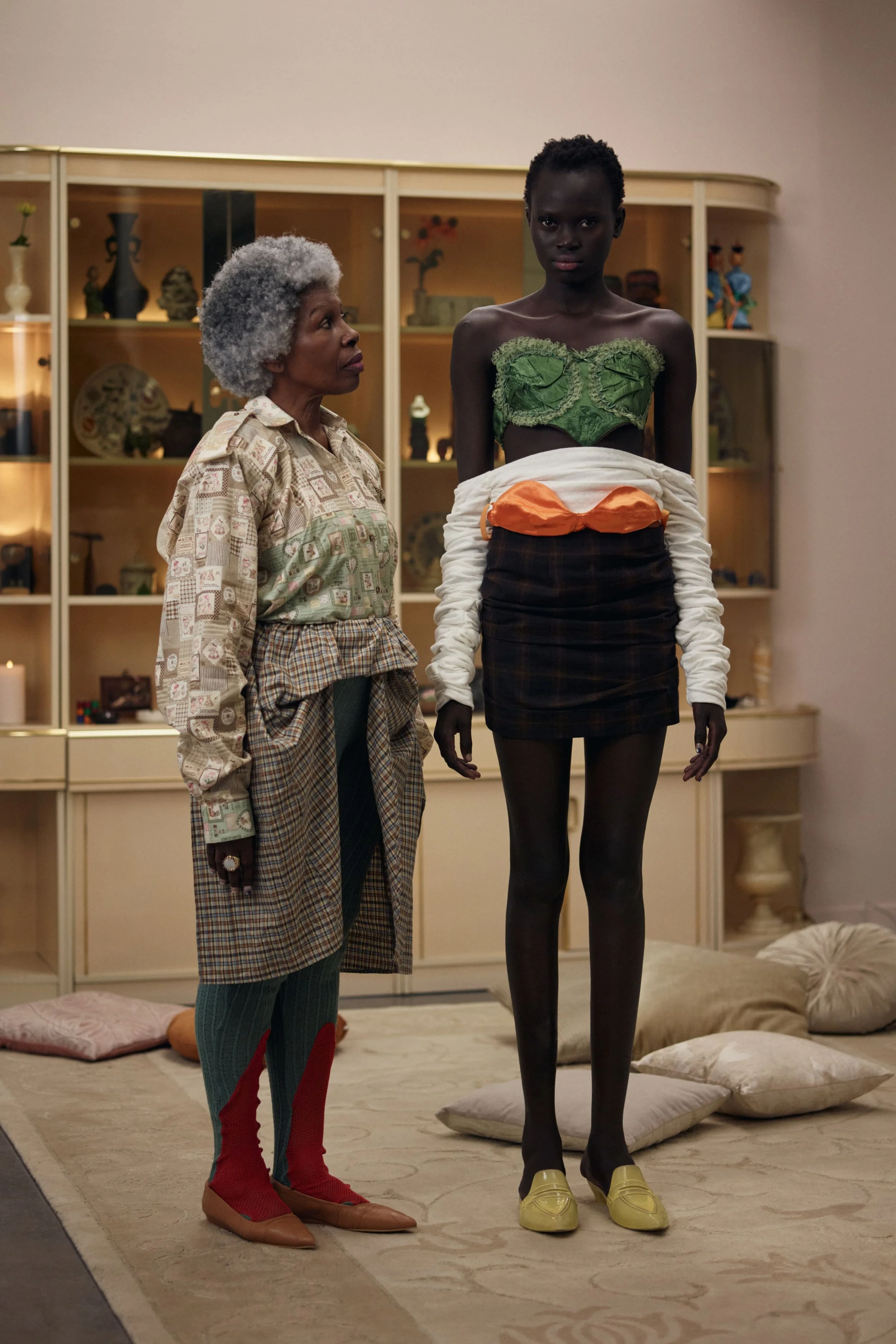
“Family makes you special,” she wrote. “Family is something you cannot choose. It is made up of different personalities, different habits, and different ways of thinking. Maybe that is why it becomes so special.”
For JennyFax, whose work has long embraced whimsical silhouettes, hand-crafted textures, and a sense of nostalgic storytelling, the theme felt like a natural evolution. The label has consistently challenged conventional ideas of perfection, favoring emotional sincerity over polished minimalism. Imperfections—whether in memory, relationships, or garments—are treated not as flaws but as evidence of life lived.
That philosophy extended through the narrative of Family Issue. The designer emphasized the beauty of moments that are imperfect, even illogical—details that could never be reproduced by the efficiency-driven systems that increasingly govern daily life.
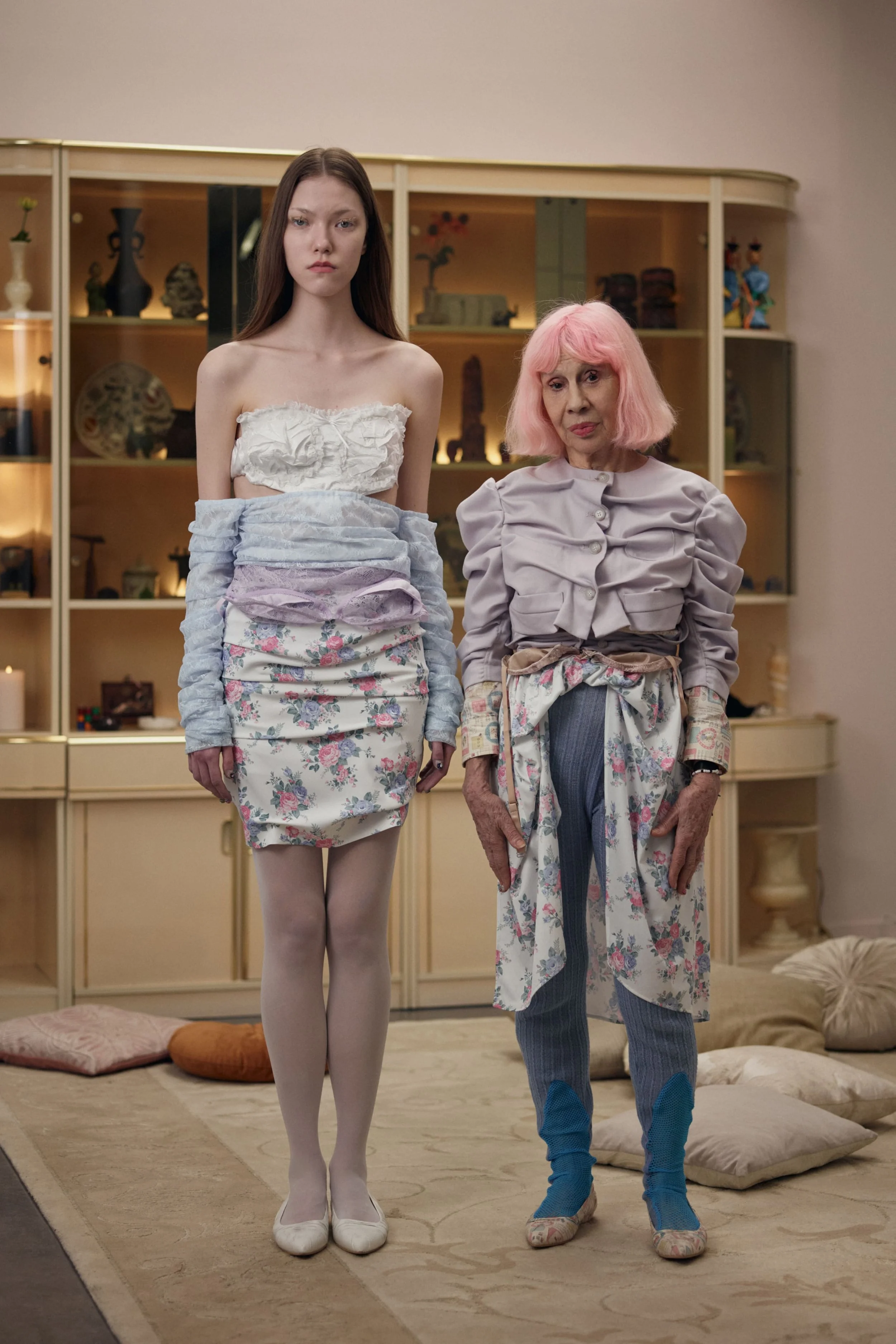
“The memories you create together are special,” she continued. “All the imperfect and illogical parts—they are things no modern system can copy. And that is what makes them truly precious.”
Within the broader landscape of Paris Fashion Week—often defined by scale, celebrity, and spectacle—JennyFax’s presentation felt intentionally intimate. It suggested that fashion’s future may not always lie in bigger productions or faster cycles, but in rediscovering the personal stories that clothing quietly carries.
In the end, Family Issue was less about nostalgia and more about preservation. By anchoring the collection in the emotional textures of family life, Jen-Fang reminded audiences that fashion, at its most meaningful, is not simply about novelty. It is about memory, belonging, and the small details that quietly define who we are.

HOW DO YOU FEEL ABOUT FASHION?
COMMENT OR TAKE OUR PAGE READER SURVEY
Featured



Christmas shopping becomes easier when you focus on how a child already likes to play.