
KENT&CURWEN At 100: Rewriting British Codes Through The Subversive Lens of ‘Whipplesnaith’
PAGE
By PAGE Editor
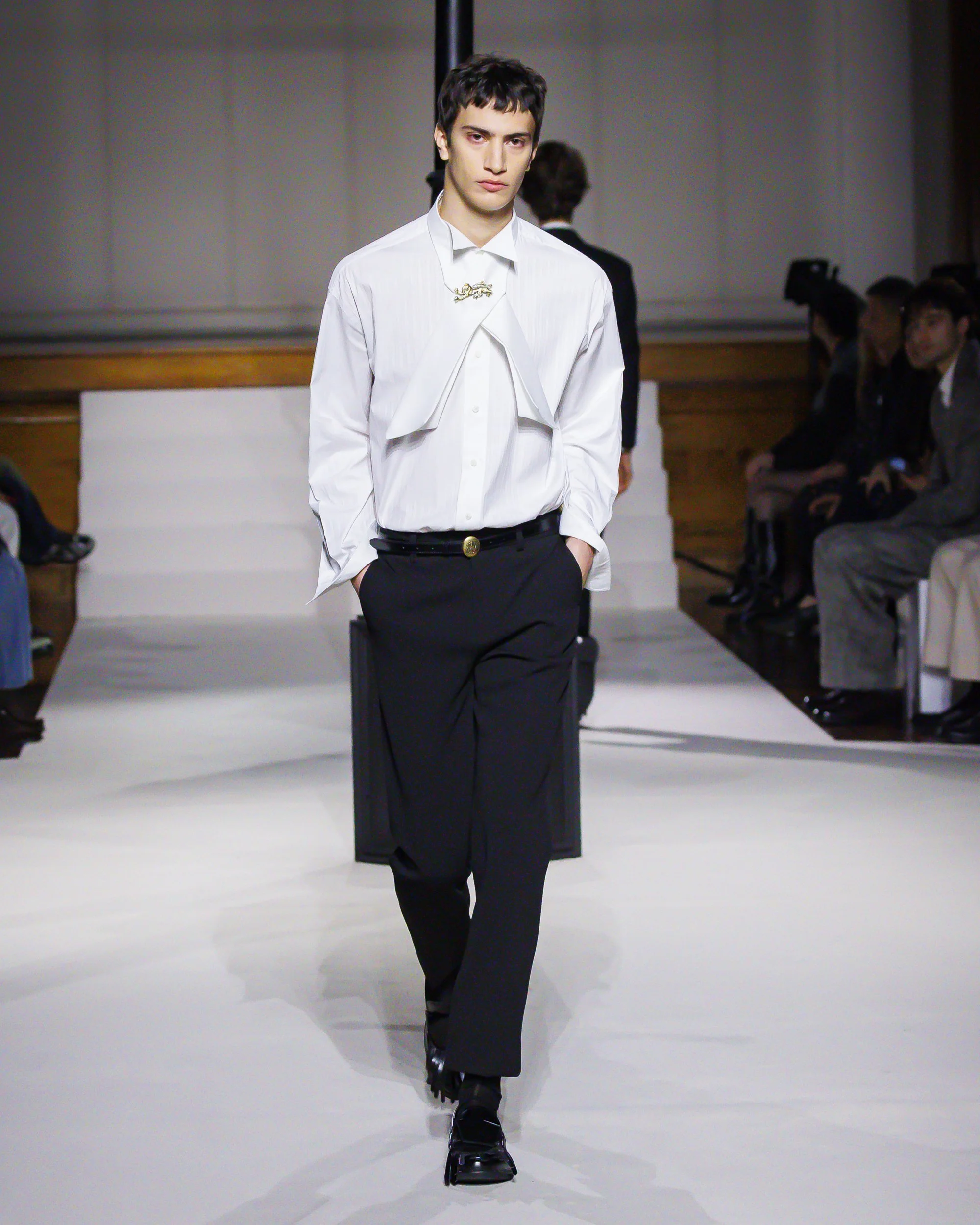
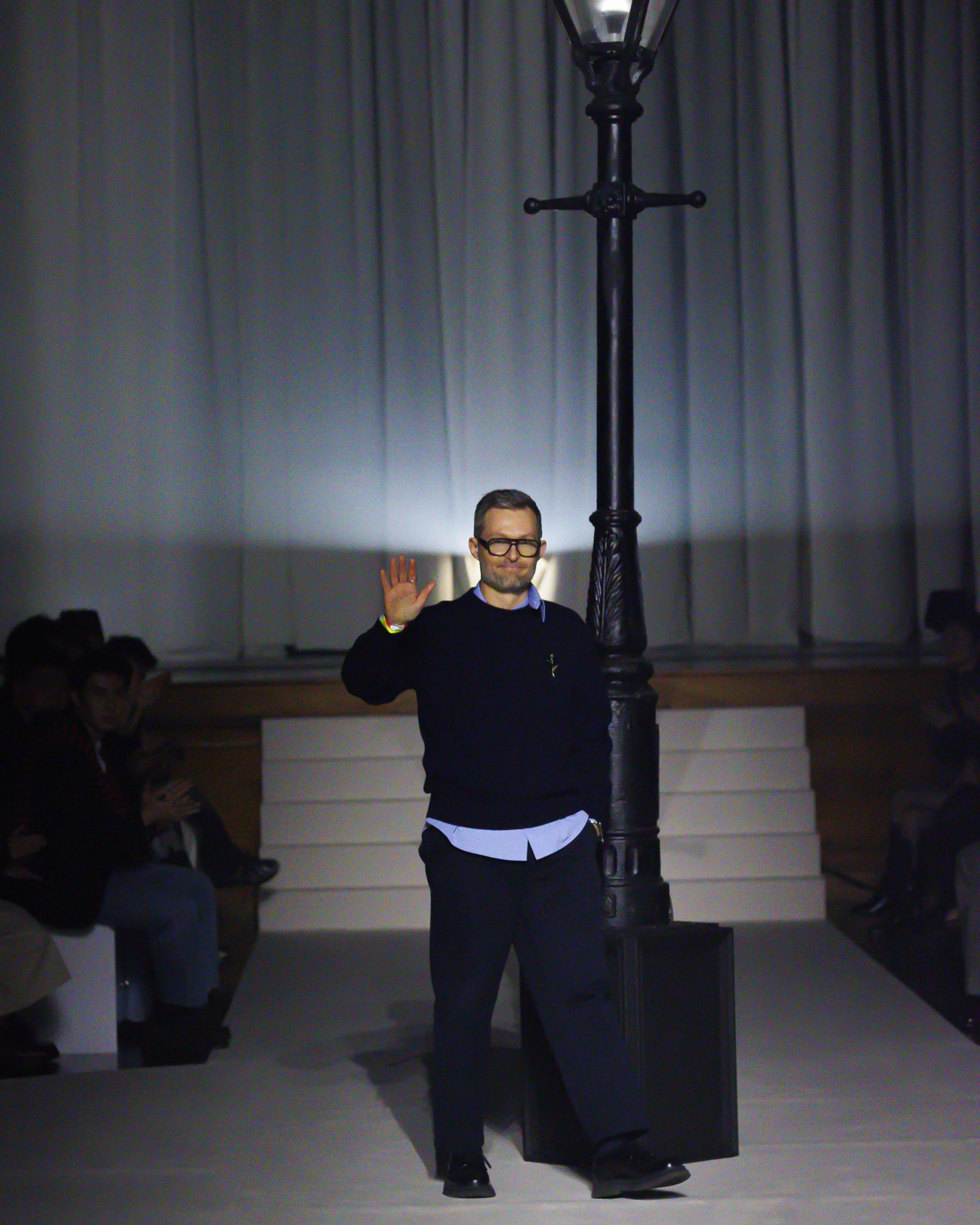
At a moment when heritage brands are increasingly challenged to justify their relevance, KENT&CURWEN chooses not to look back—but to climb forward. For its centenary, the house steps off-schedule and into something more intimate, staging its Autumn/Winter 2026 collection, Whipplesnaith, within the storied walls of Westminster School—a setting that mirrors the collection’s tension between tradition and rebellion.
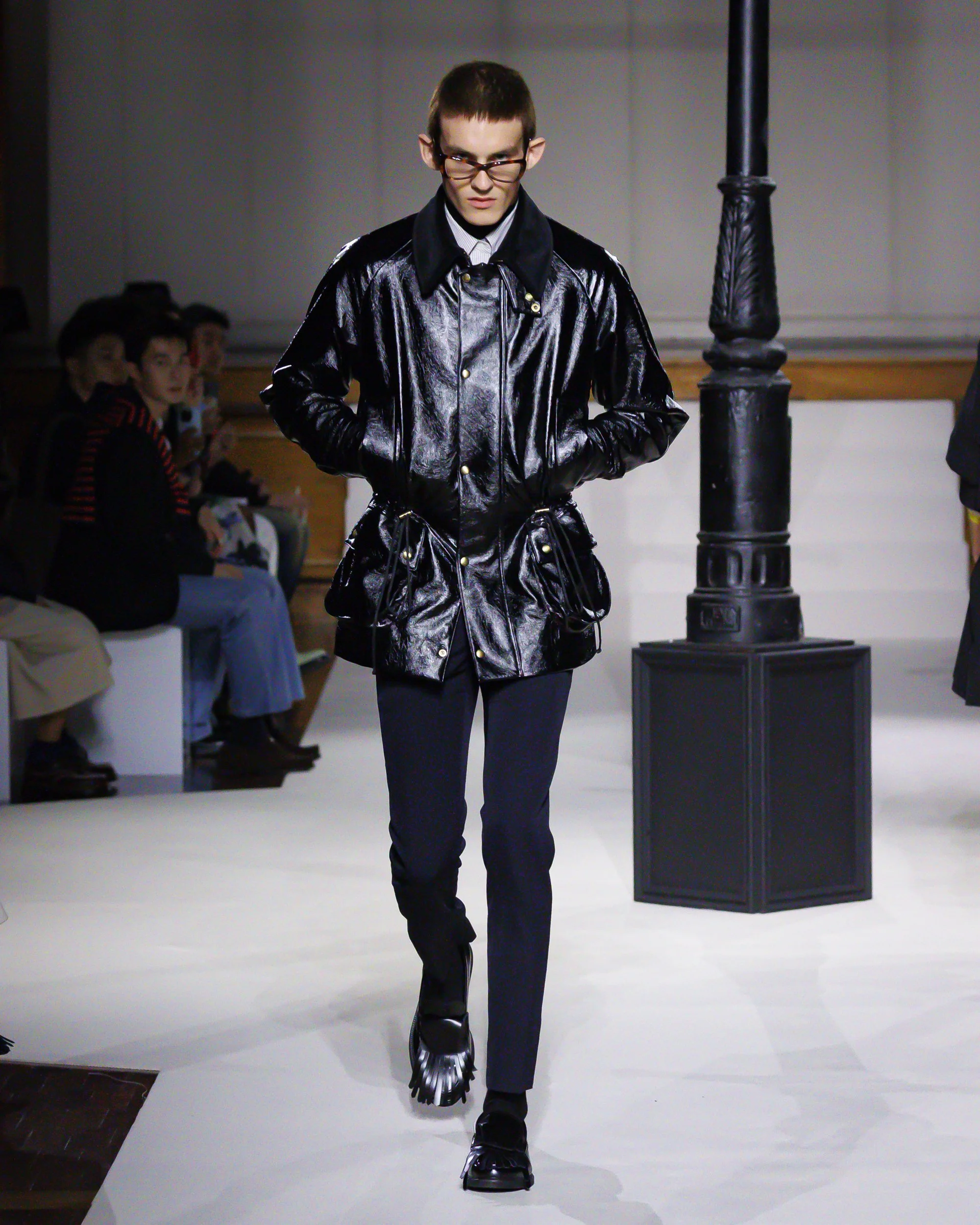
Under the direction of Chief Creative Officer Daniel Kearns, the brand reframes British identity not as a fixed aesthetic, but as a living, evolving contradiction. The collection draws from the mythos of the Night Climbers of Cambridge, a covert 1930s collective who reimagined the rigid architecture of academia as a nocturnal playground. Their anonymous ringleader, Whipplesnaith—the pen name of Noel H. Symington—becomes both muse and metaphor.
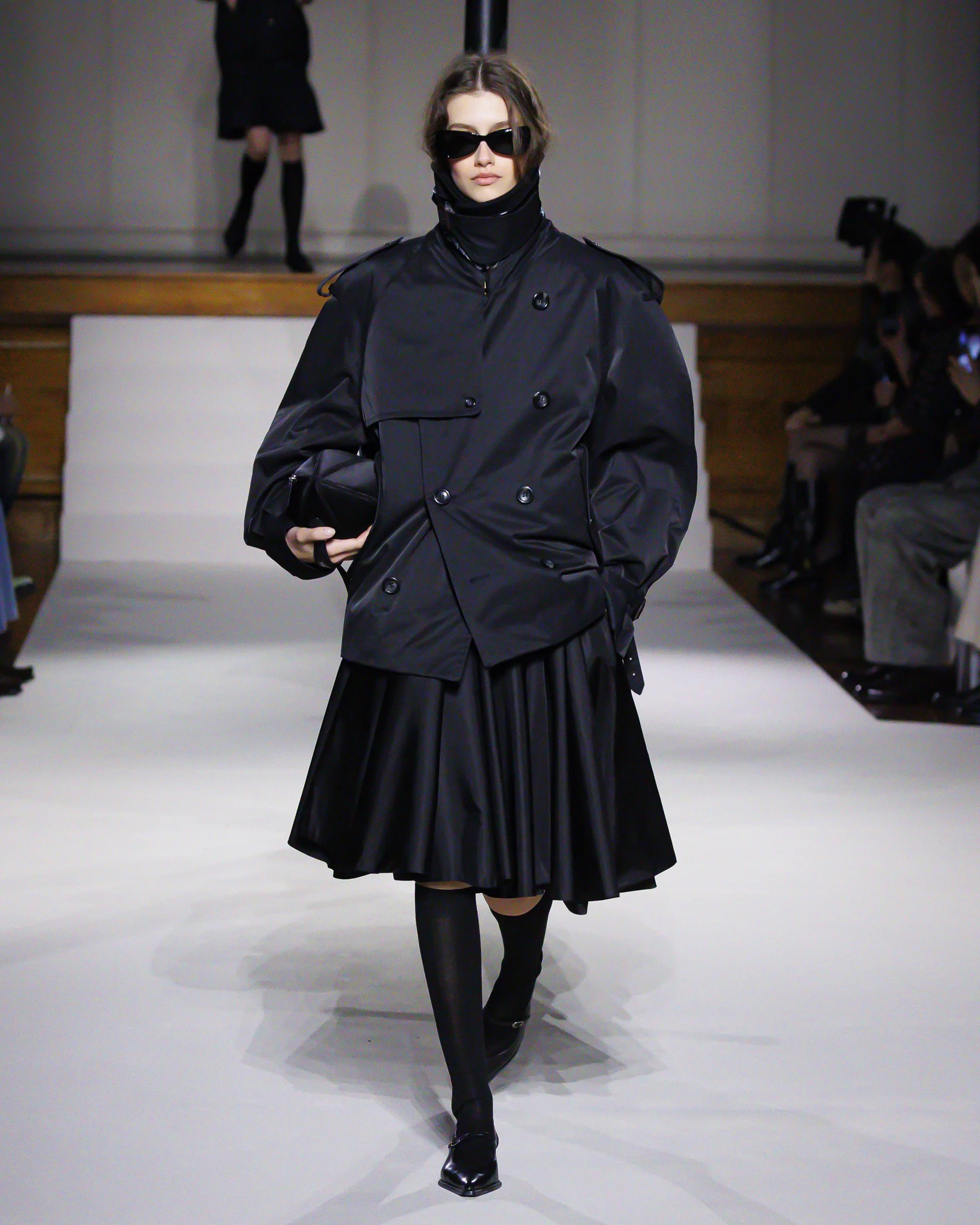
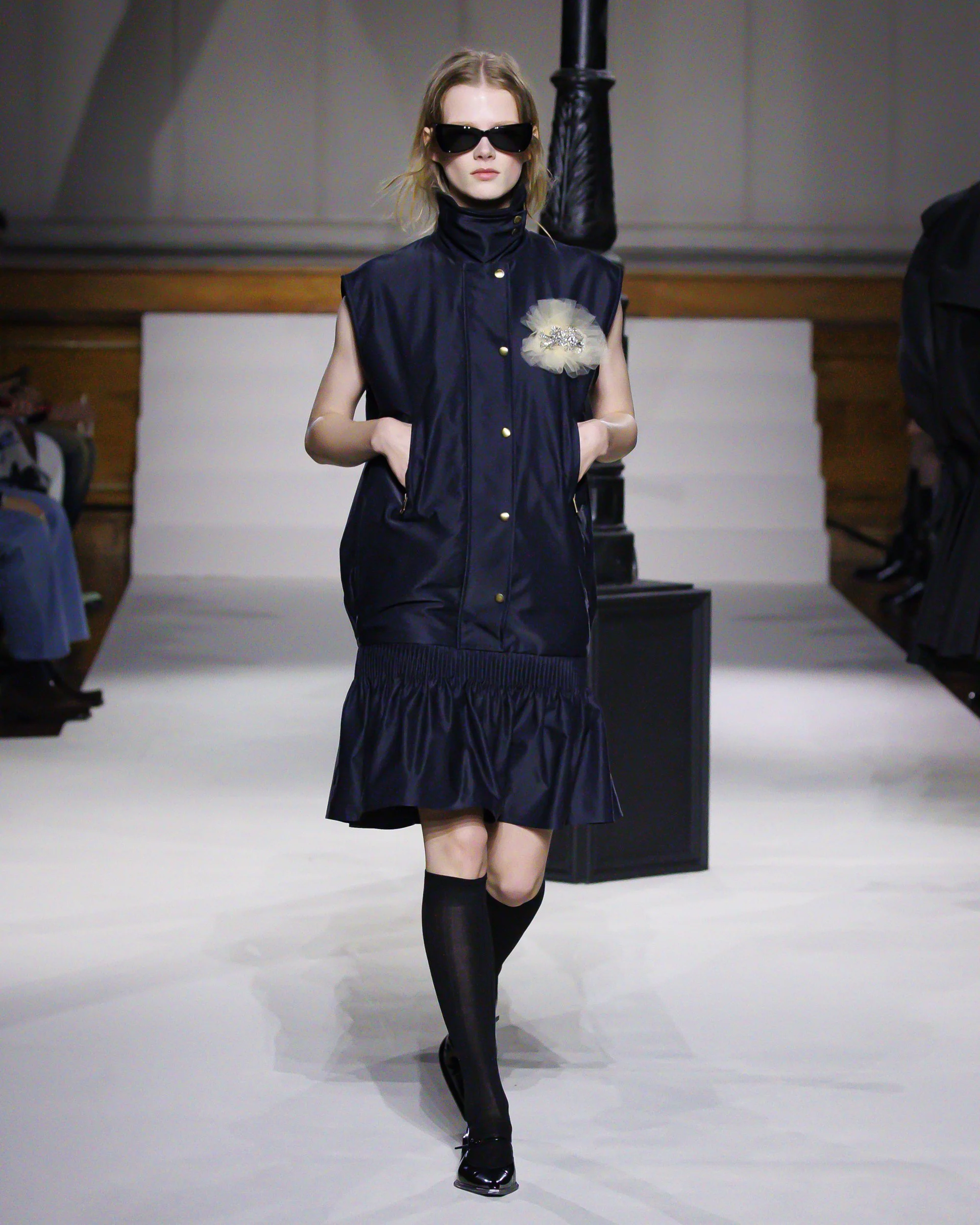
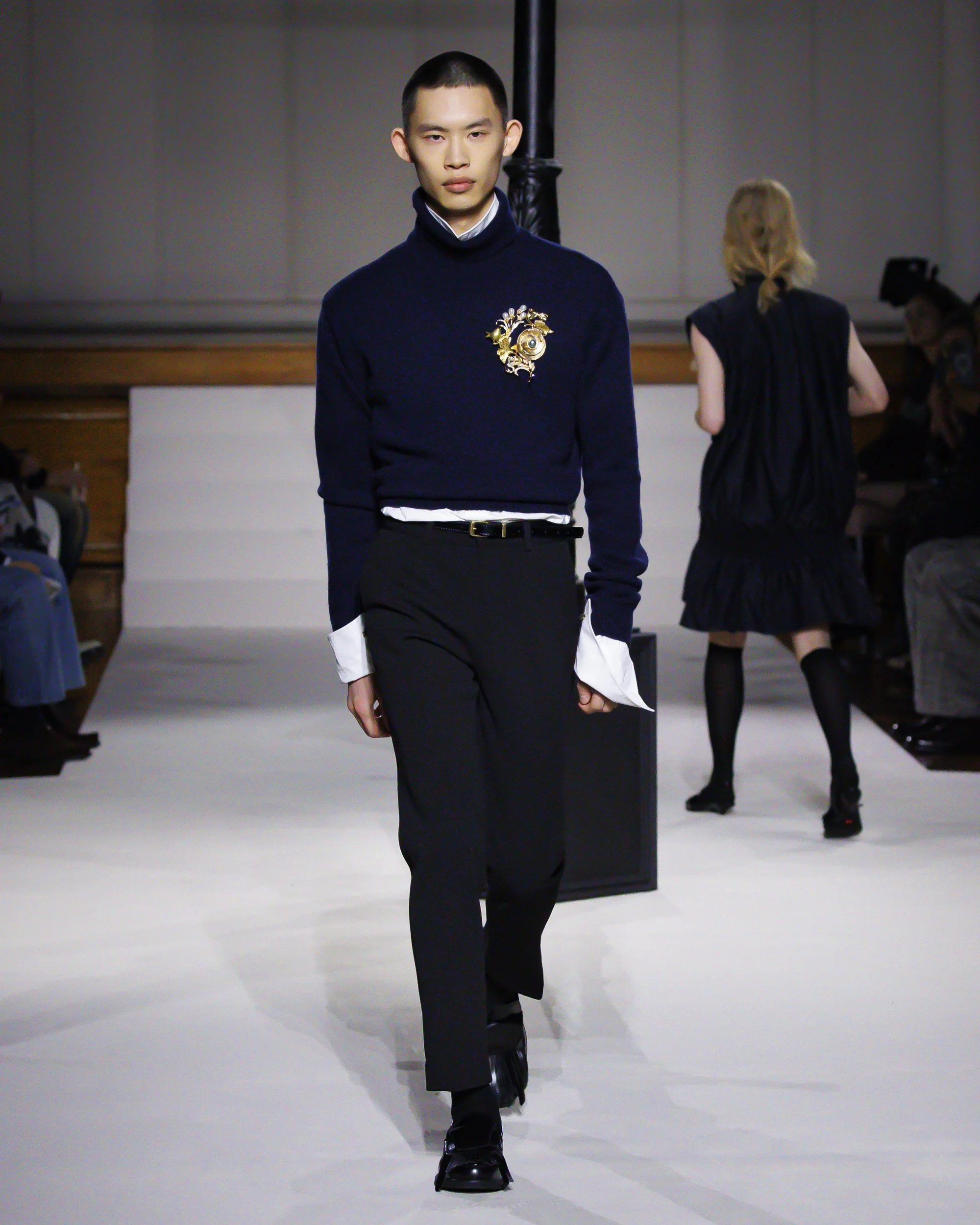
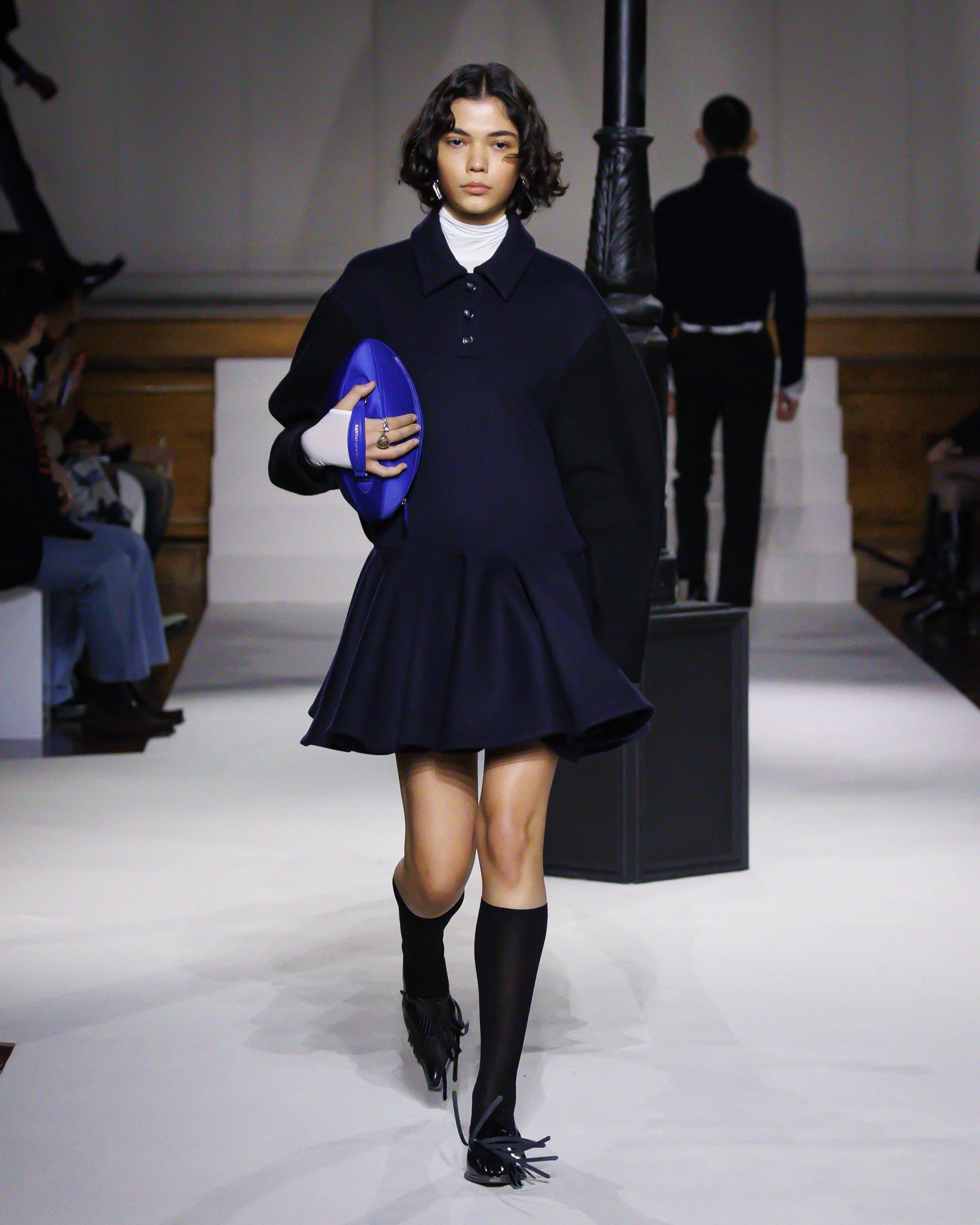
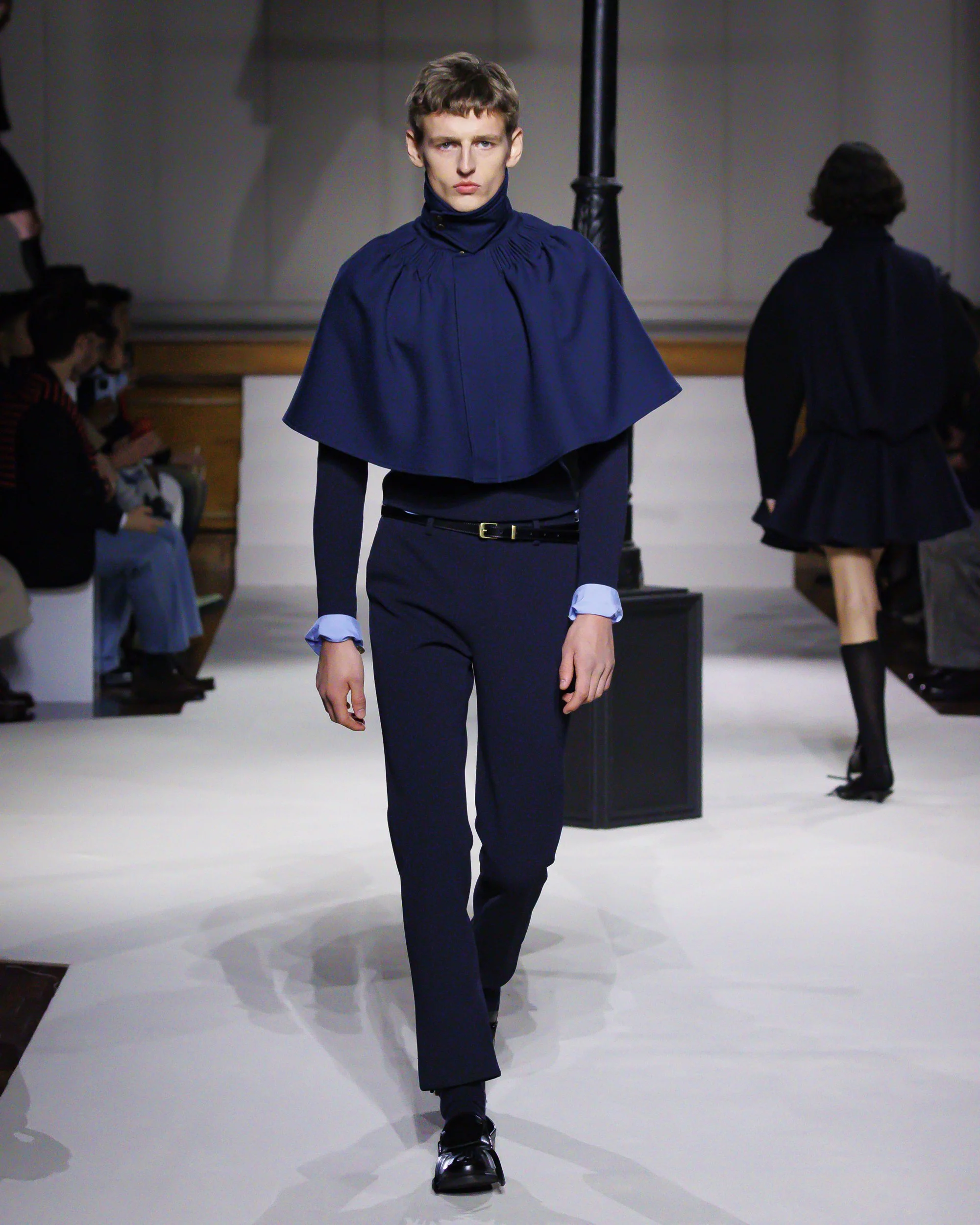
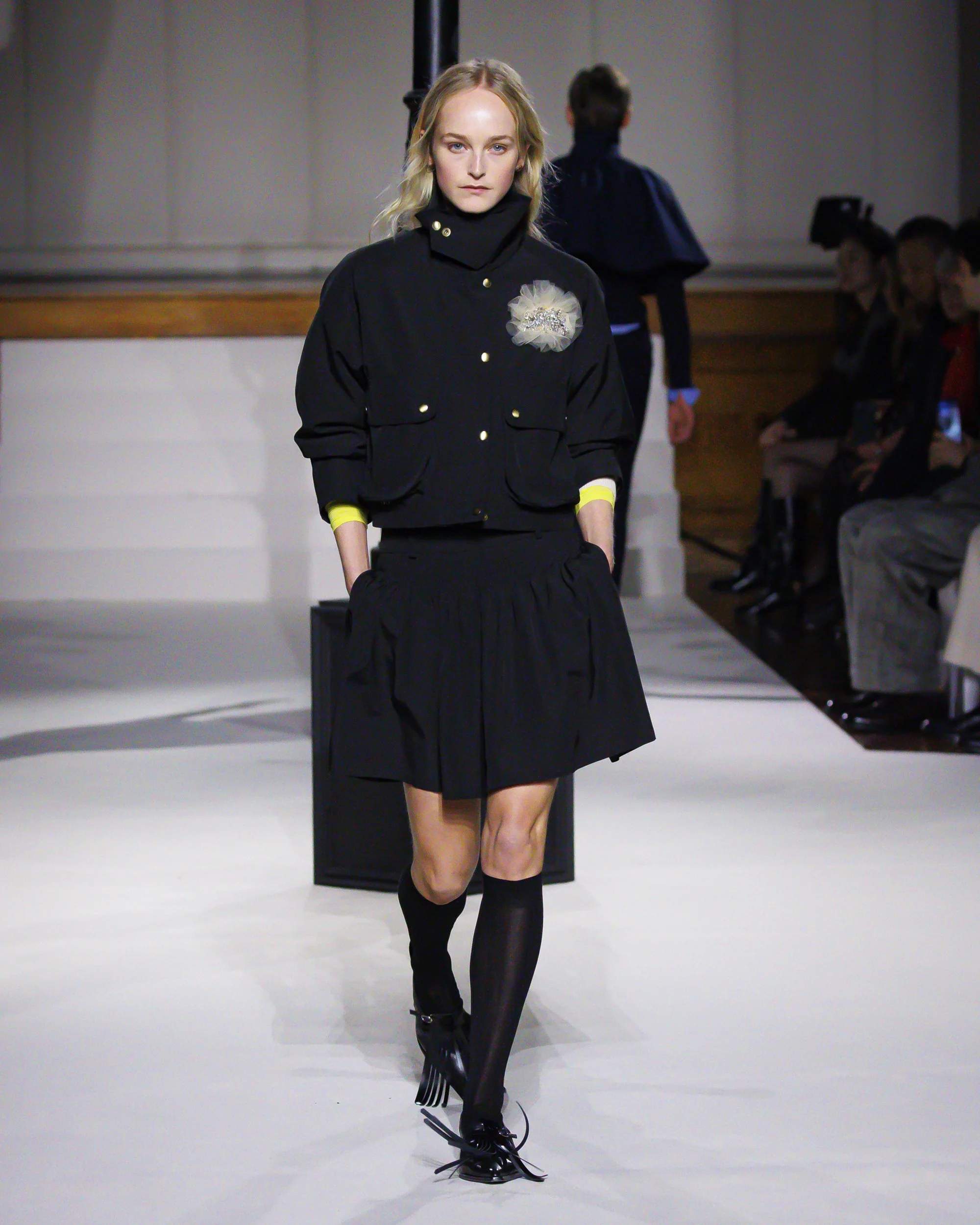
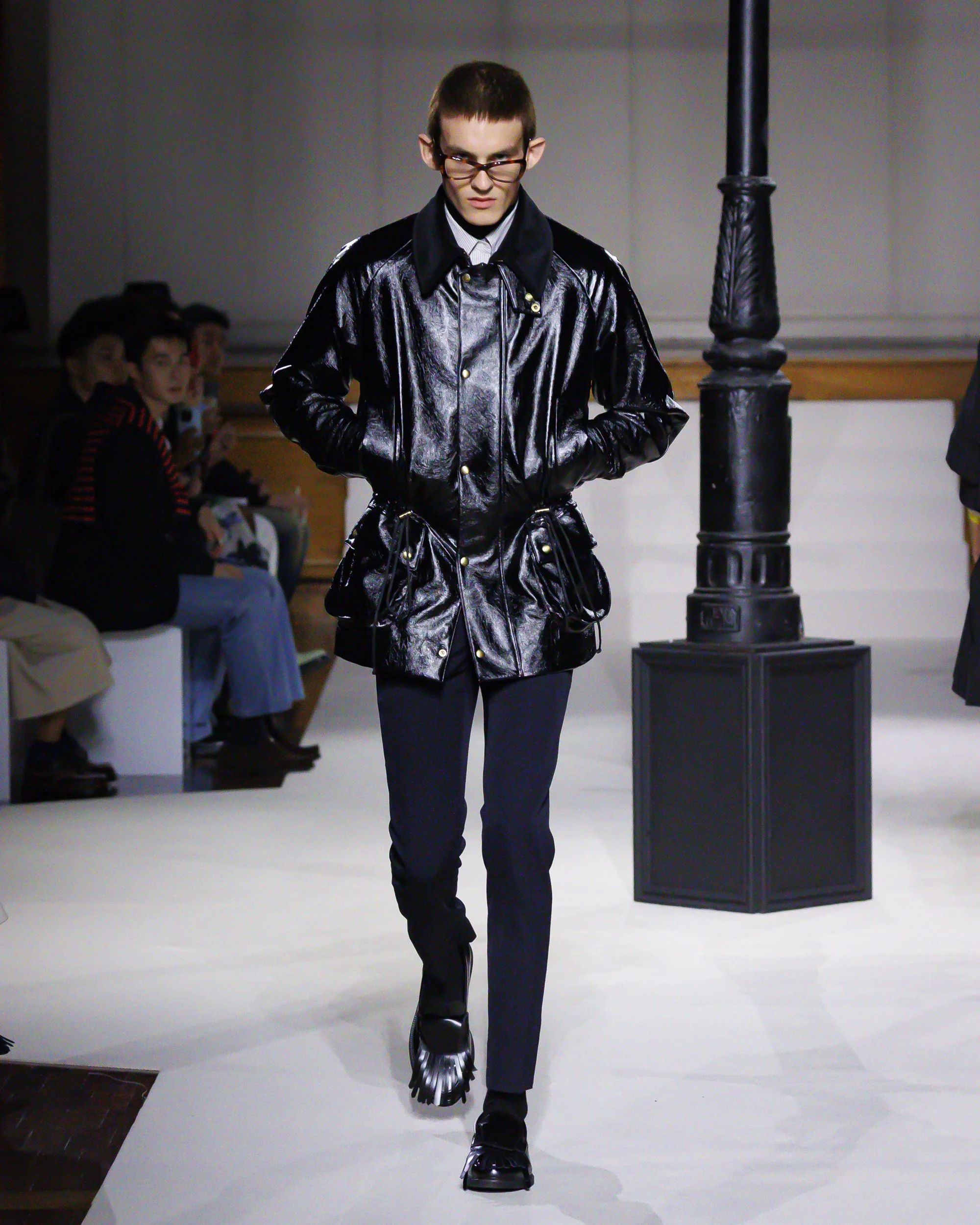
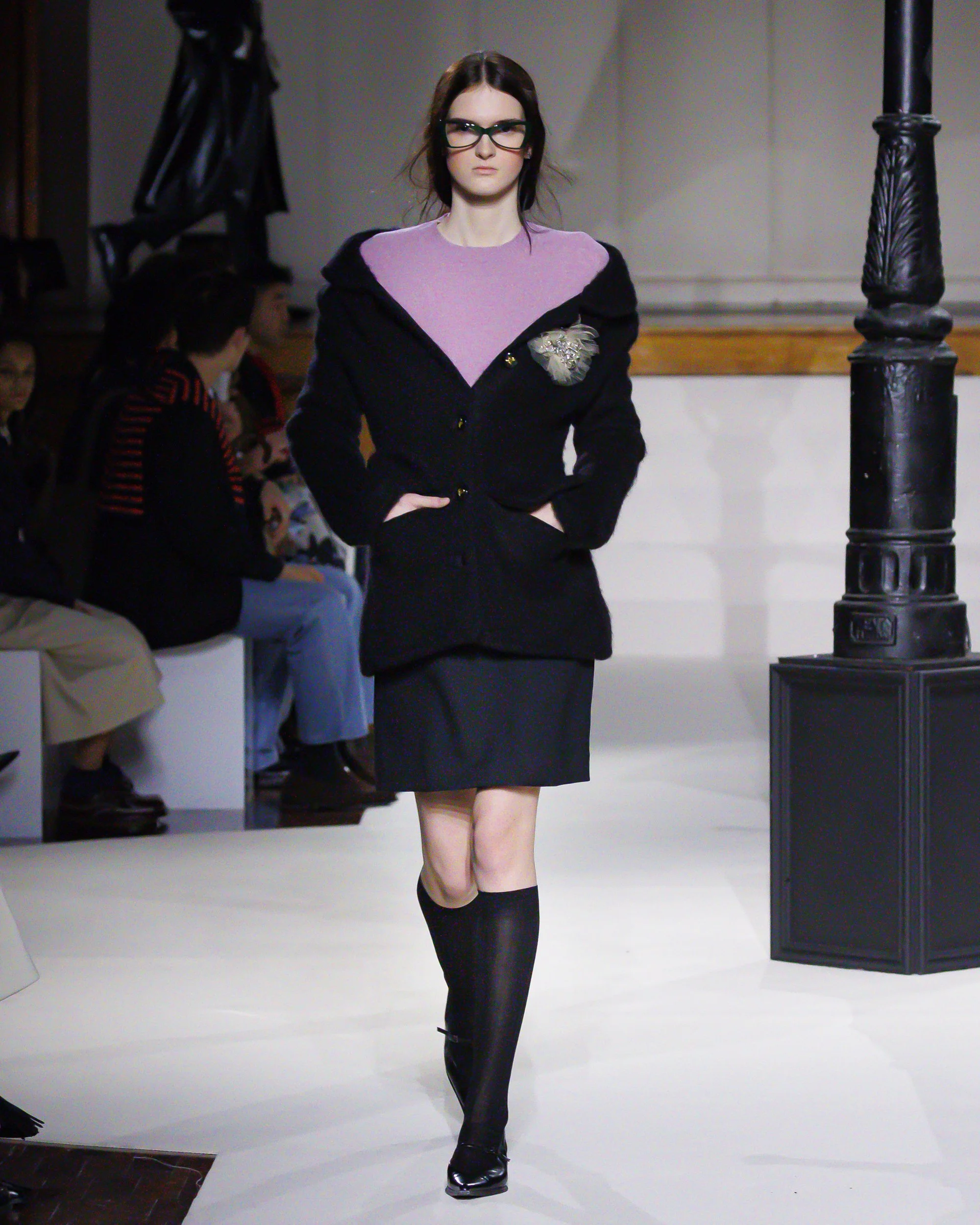
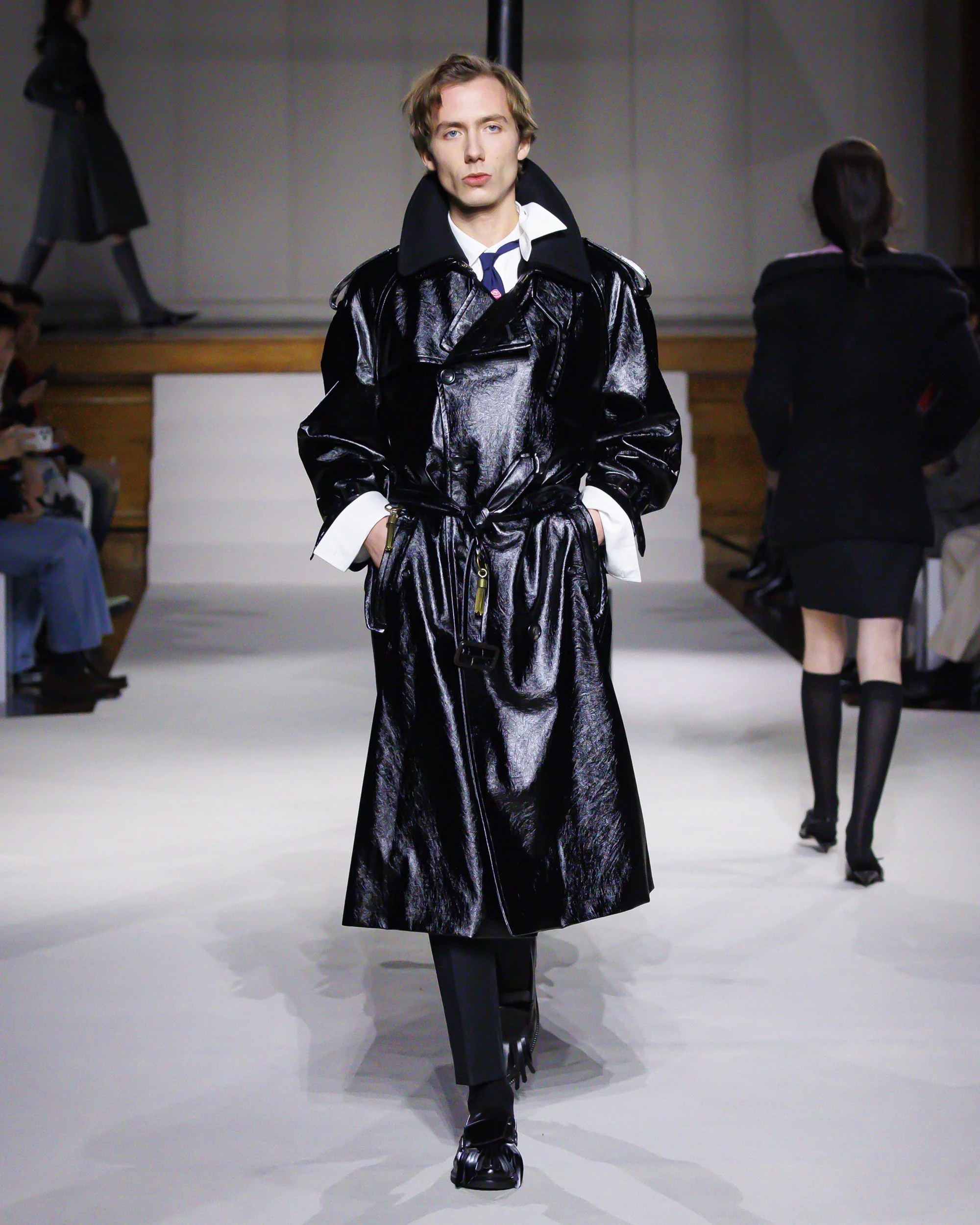
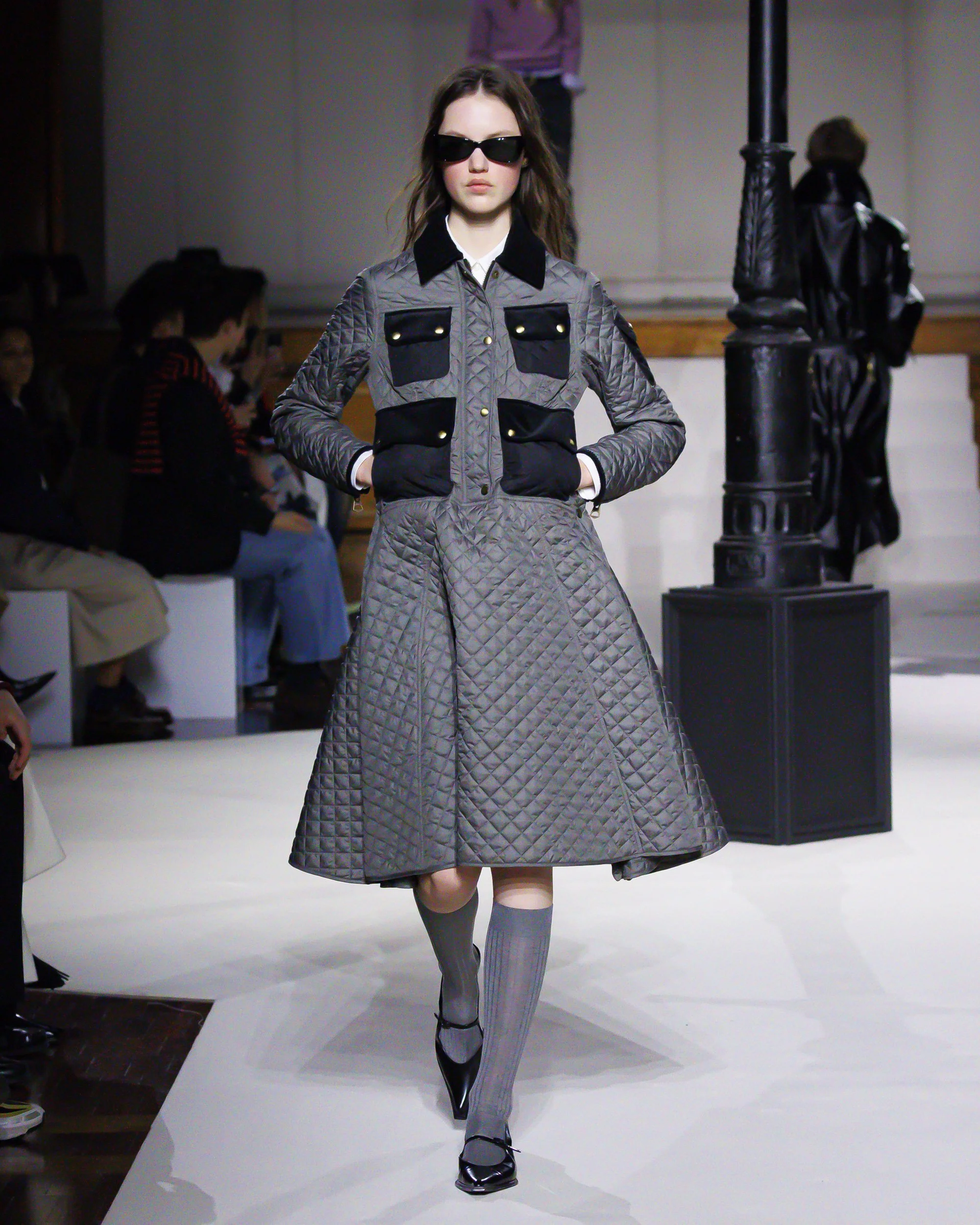
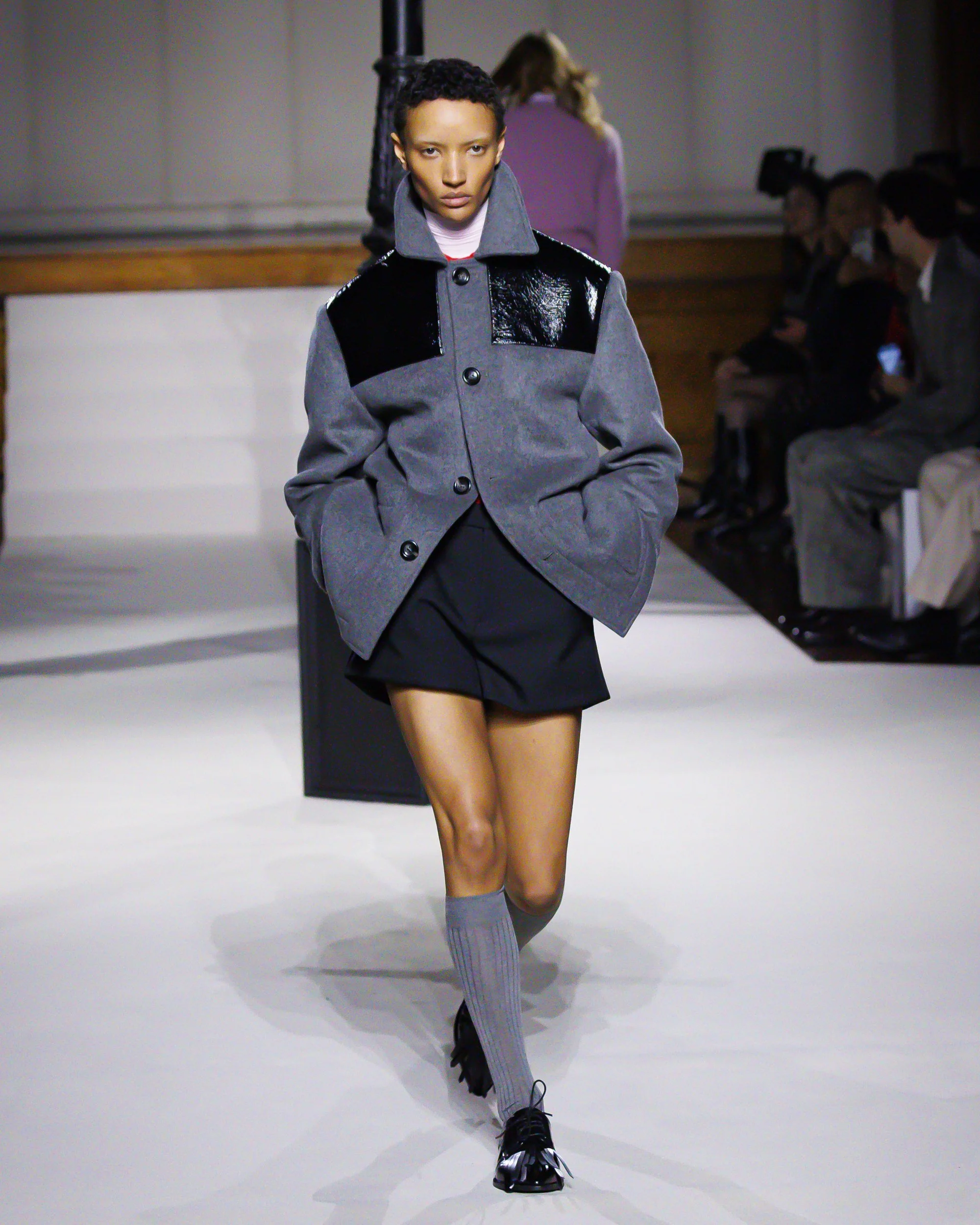
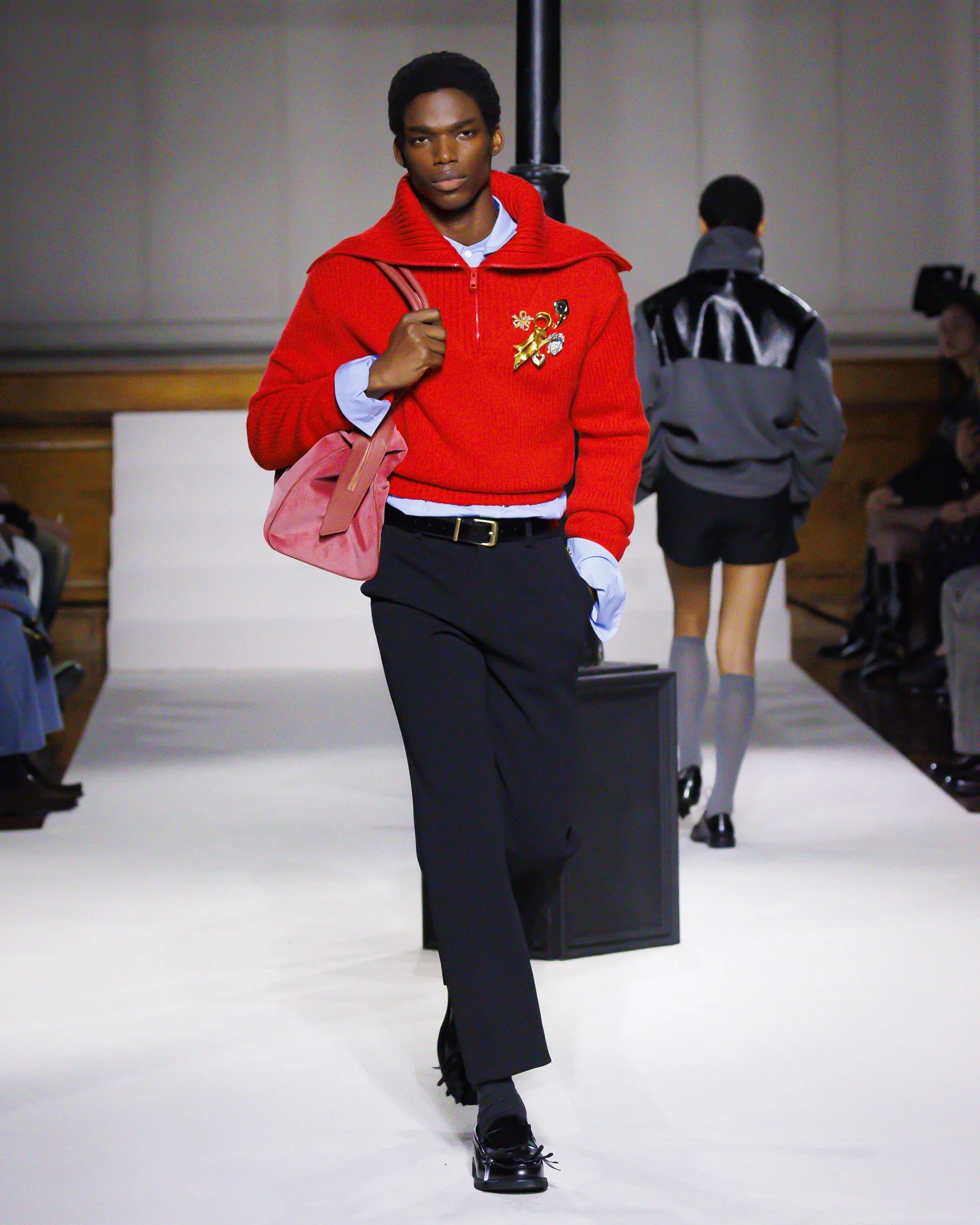
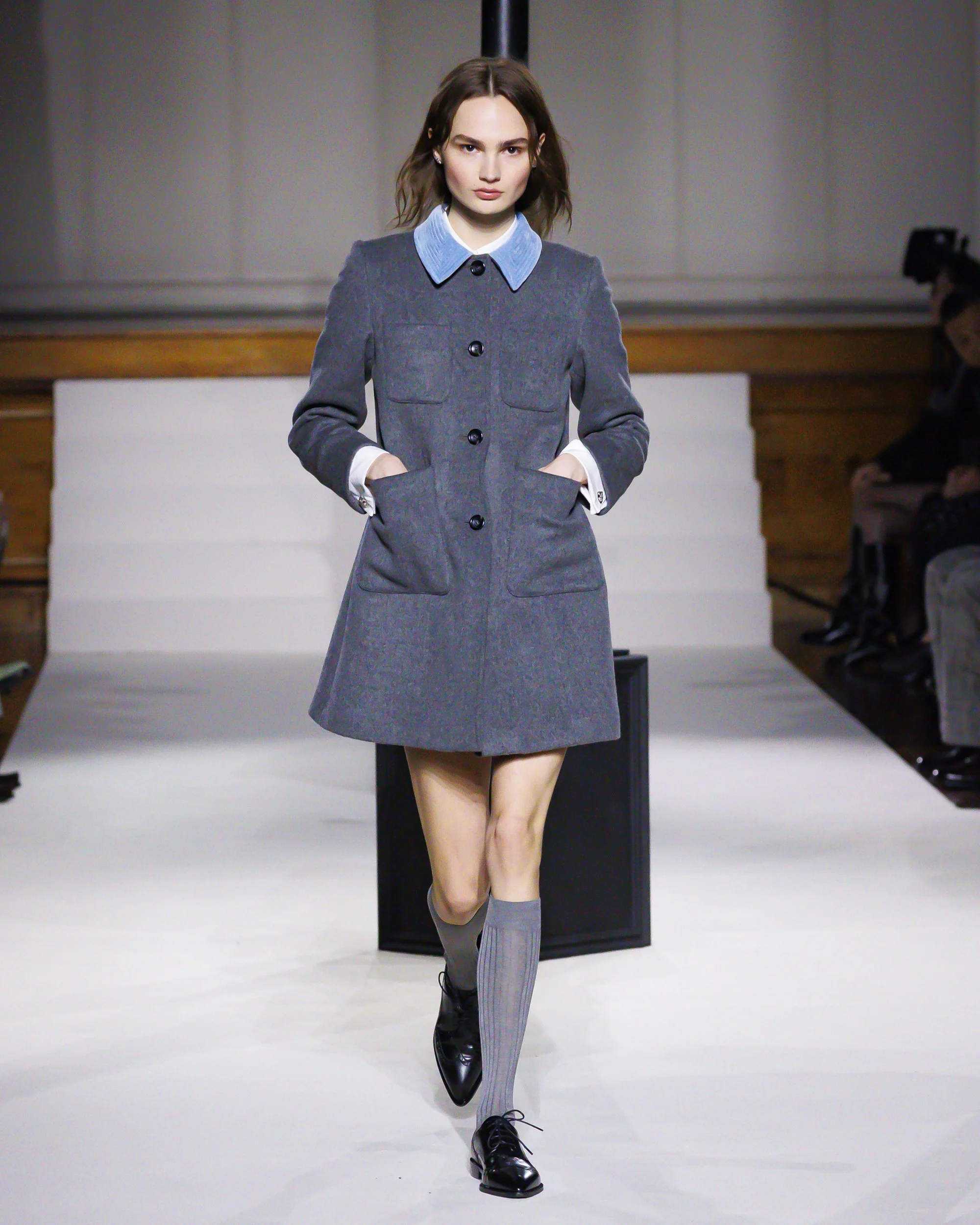
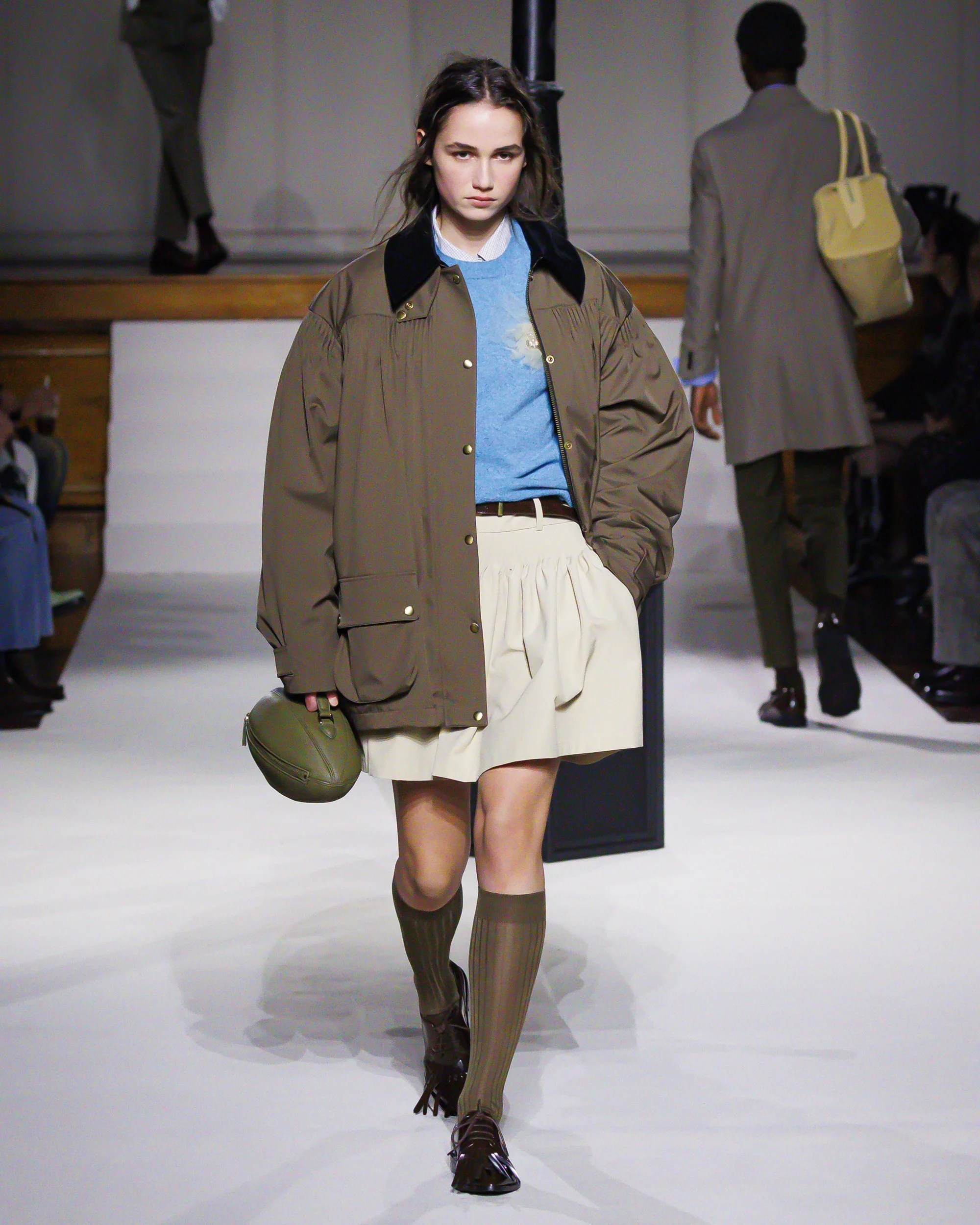
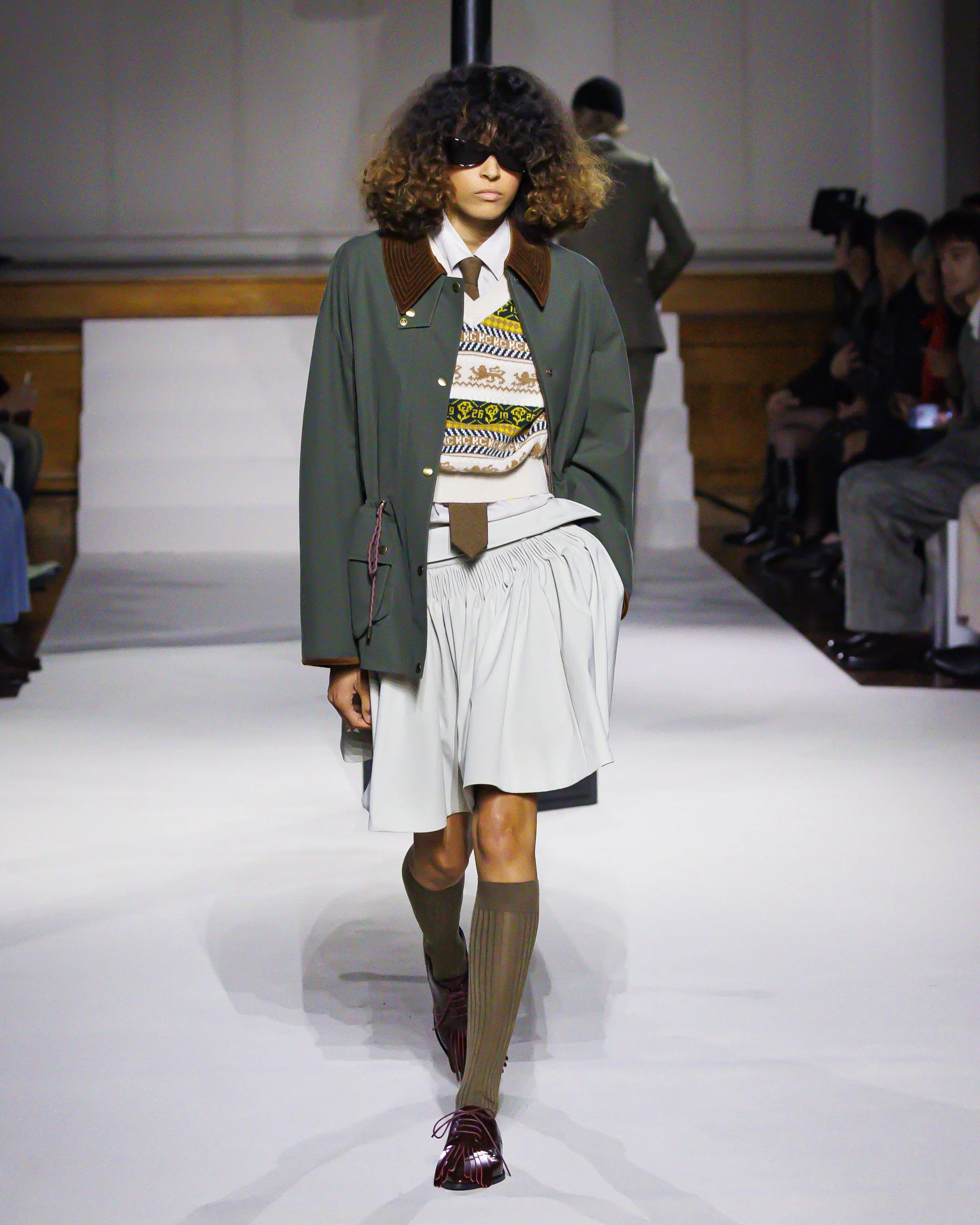
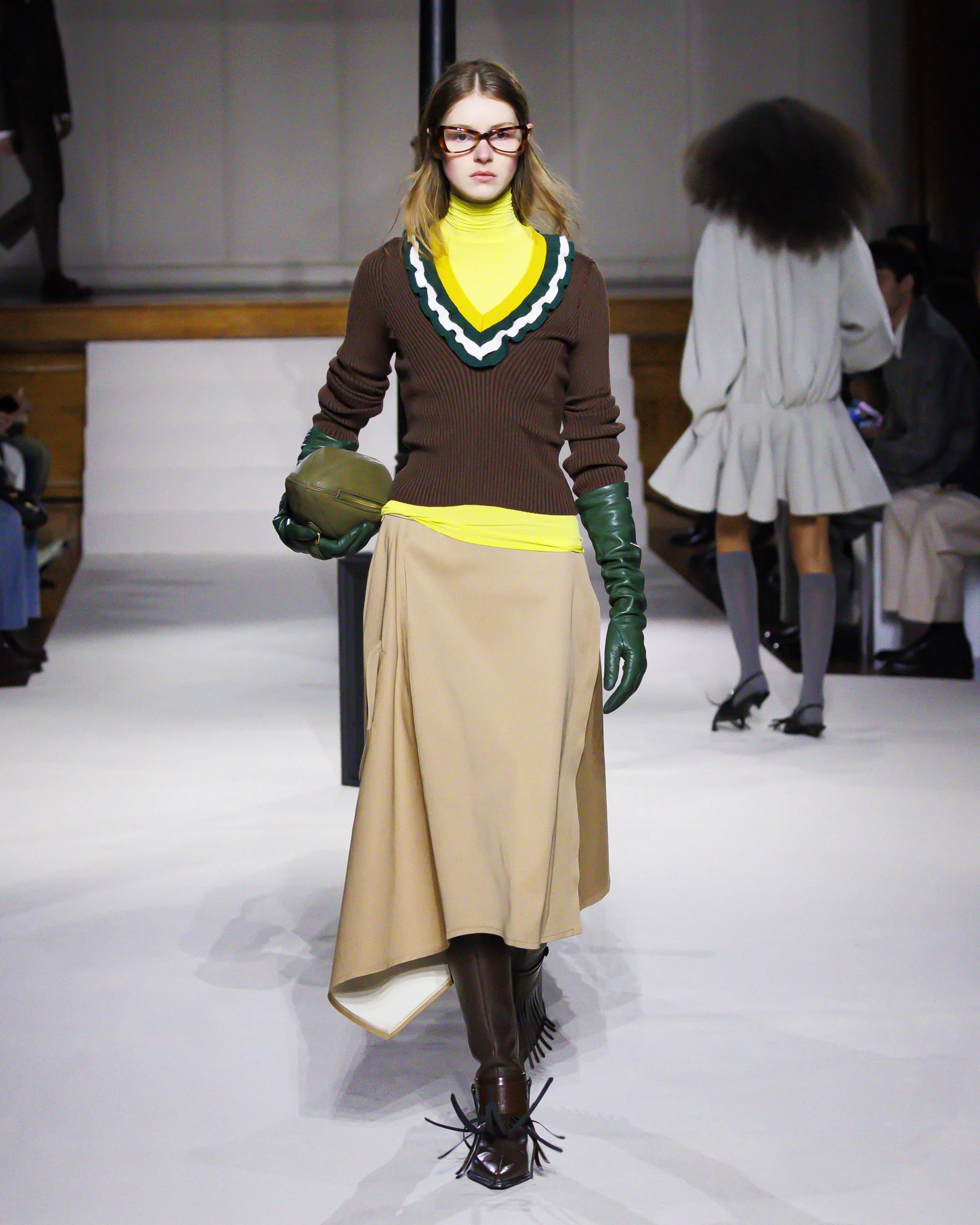
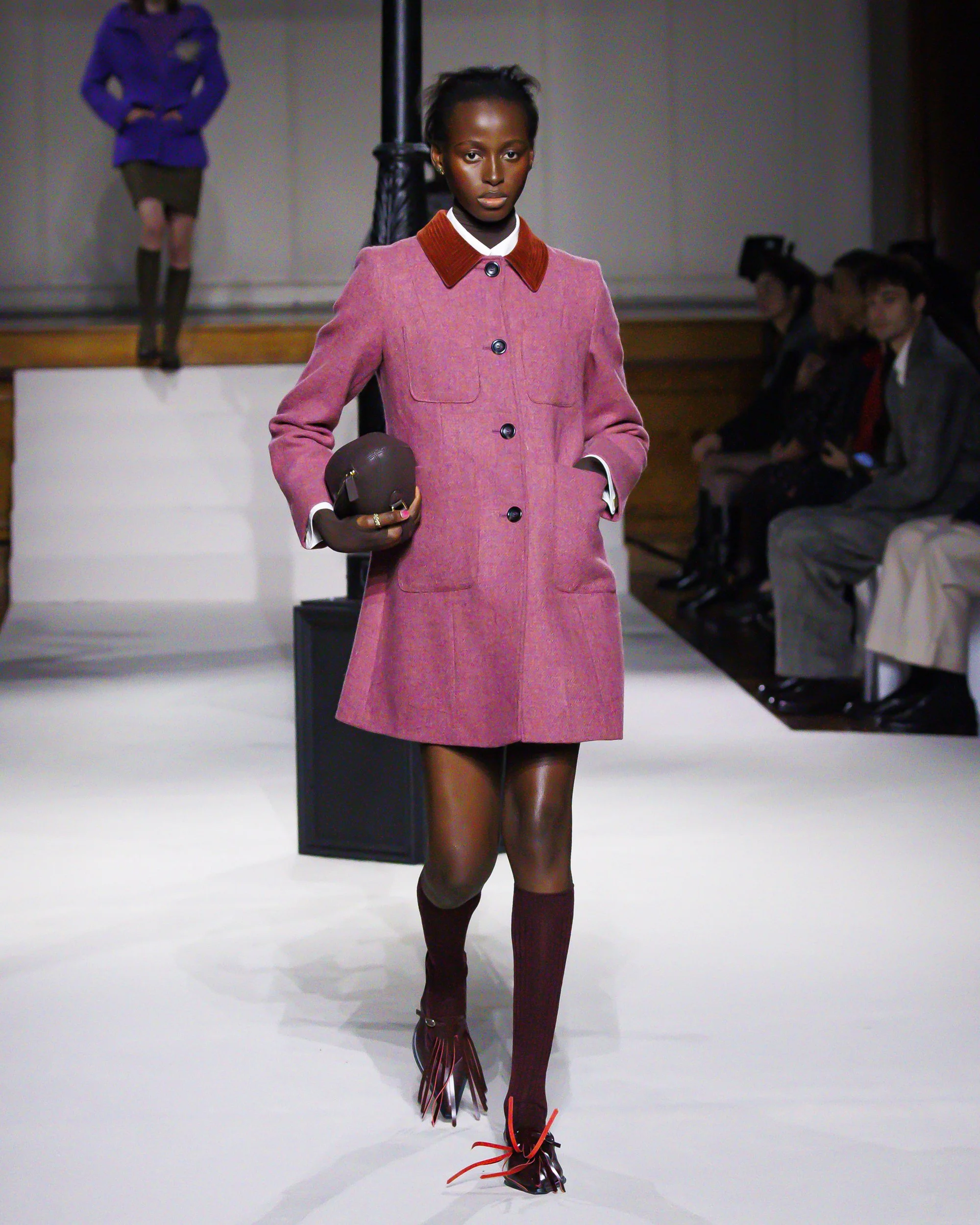
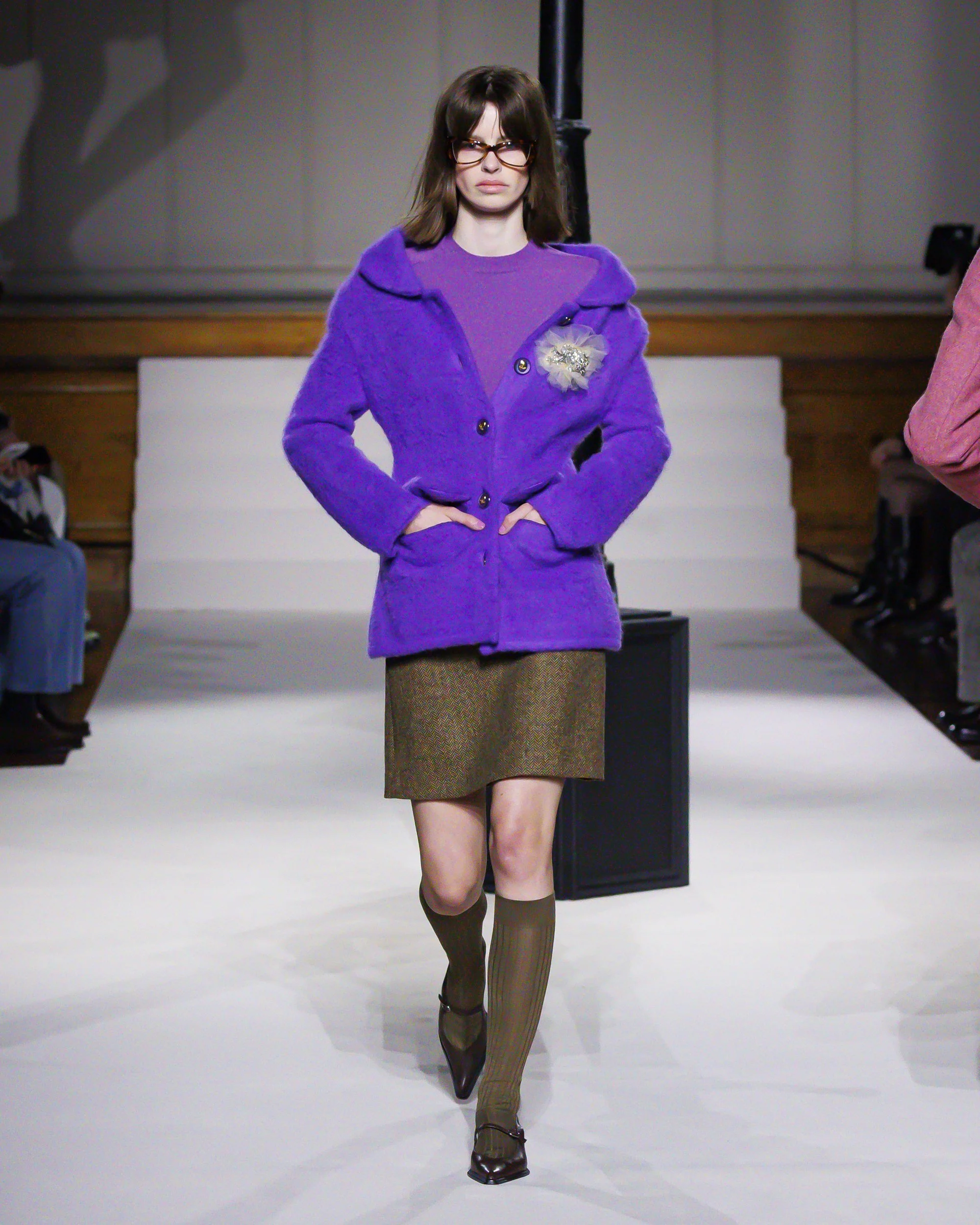
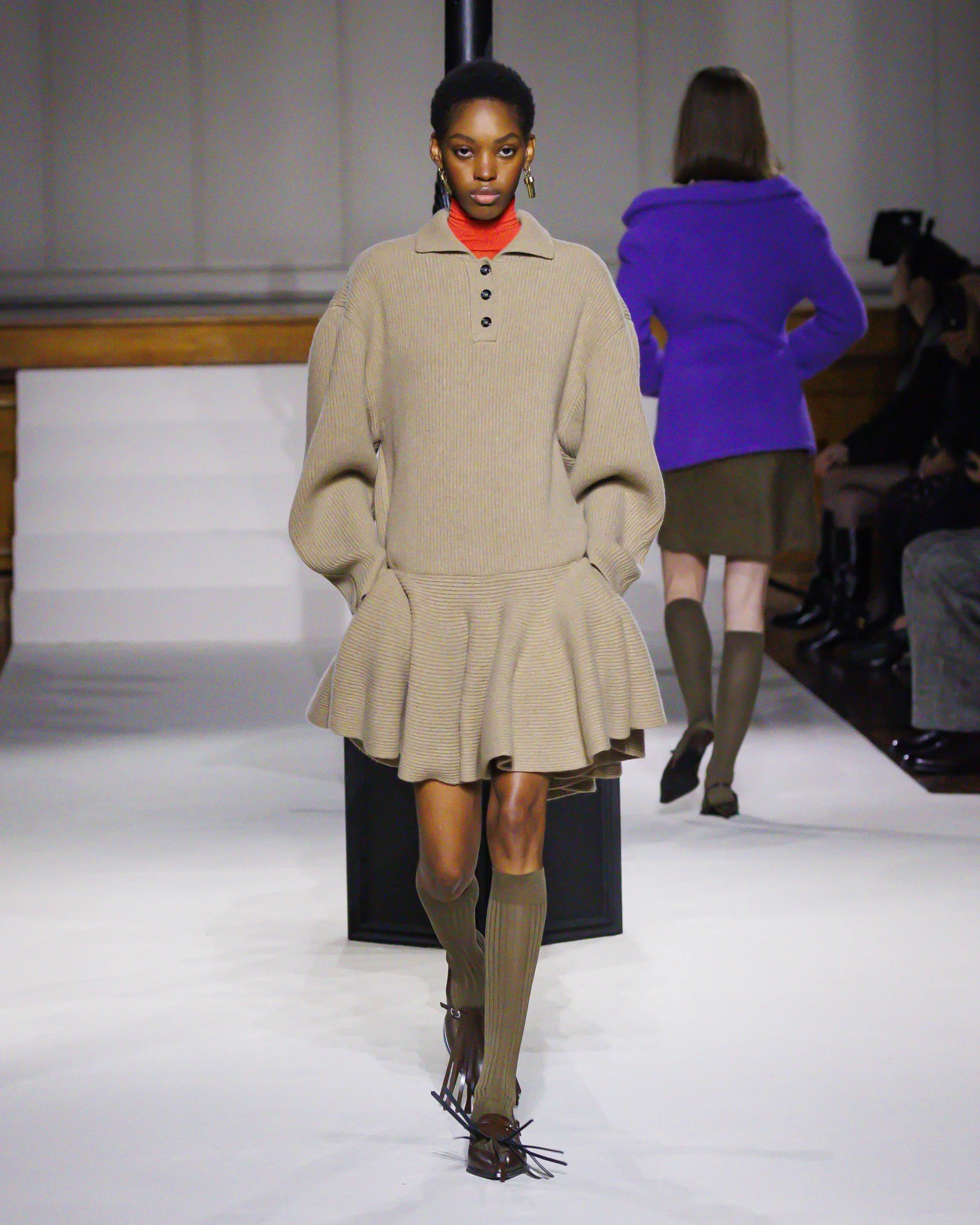
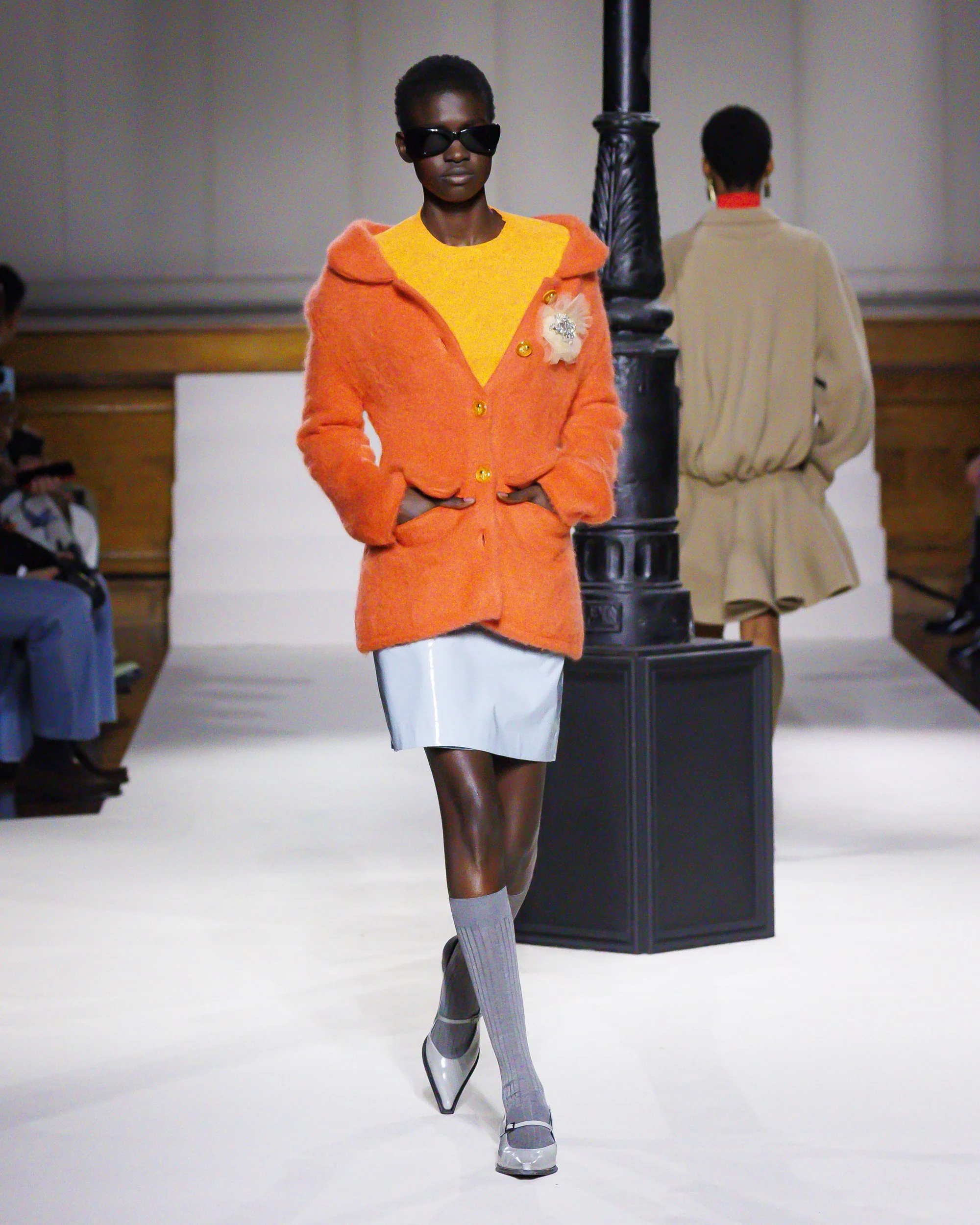
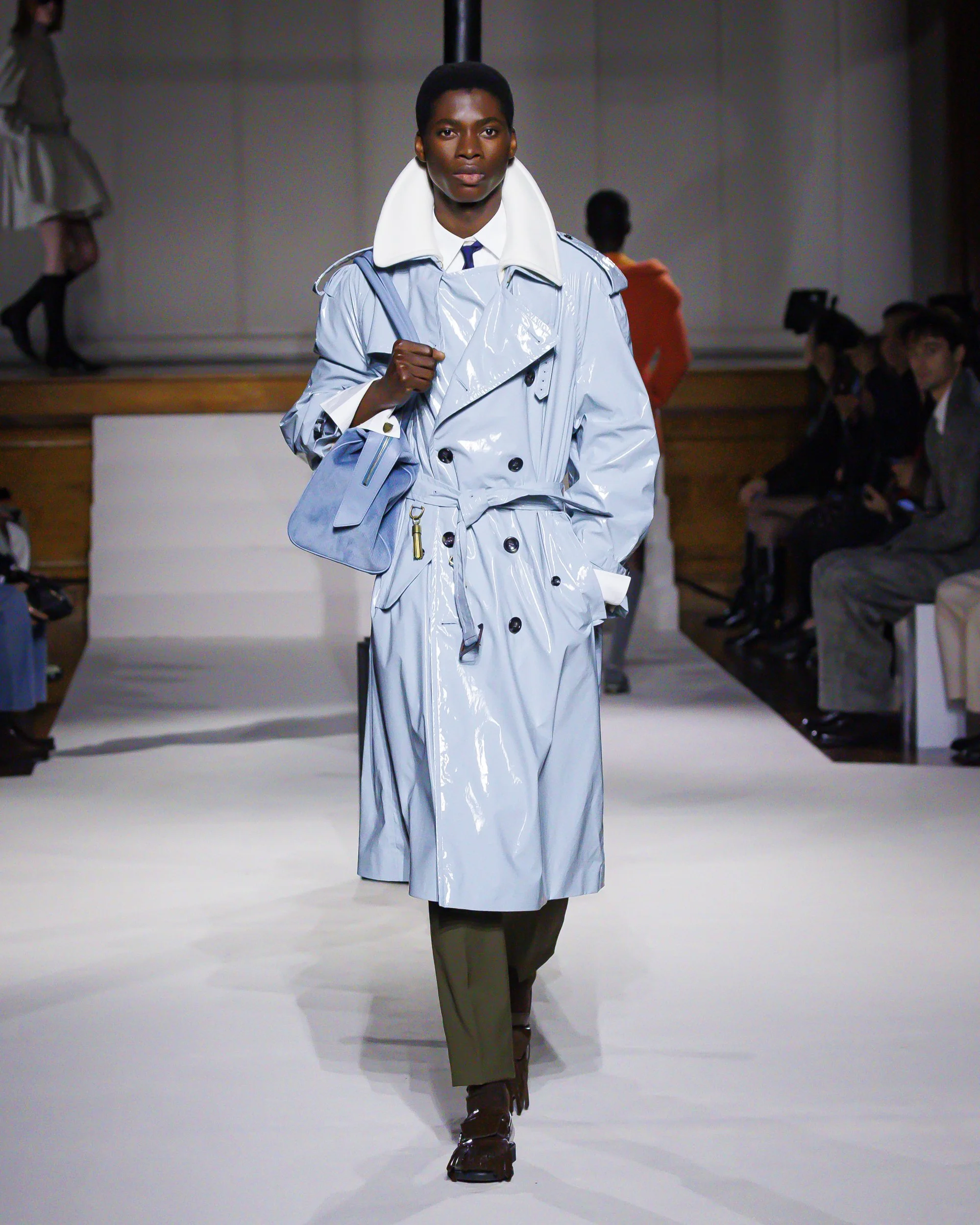
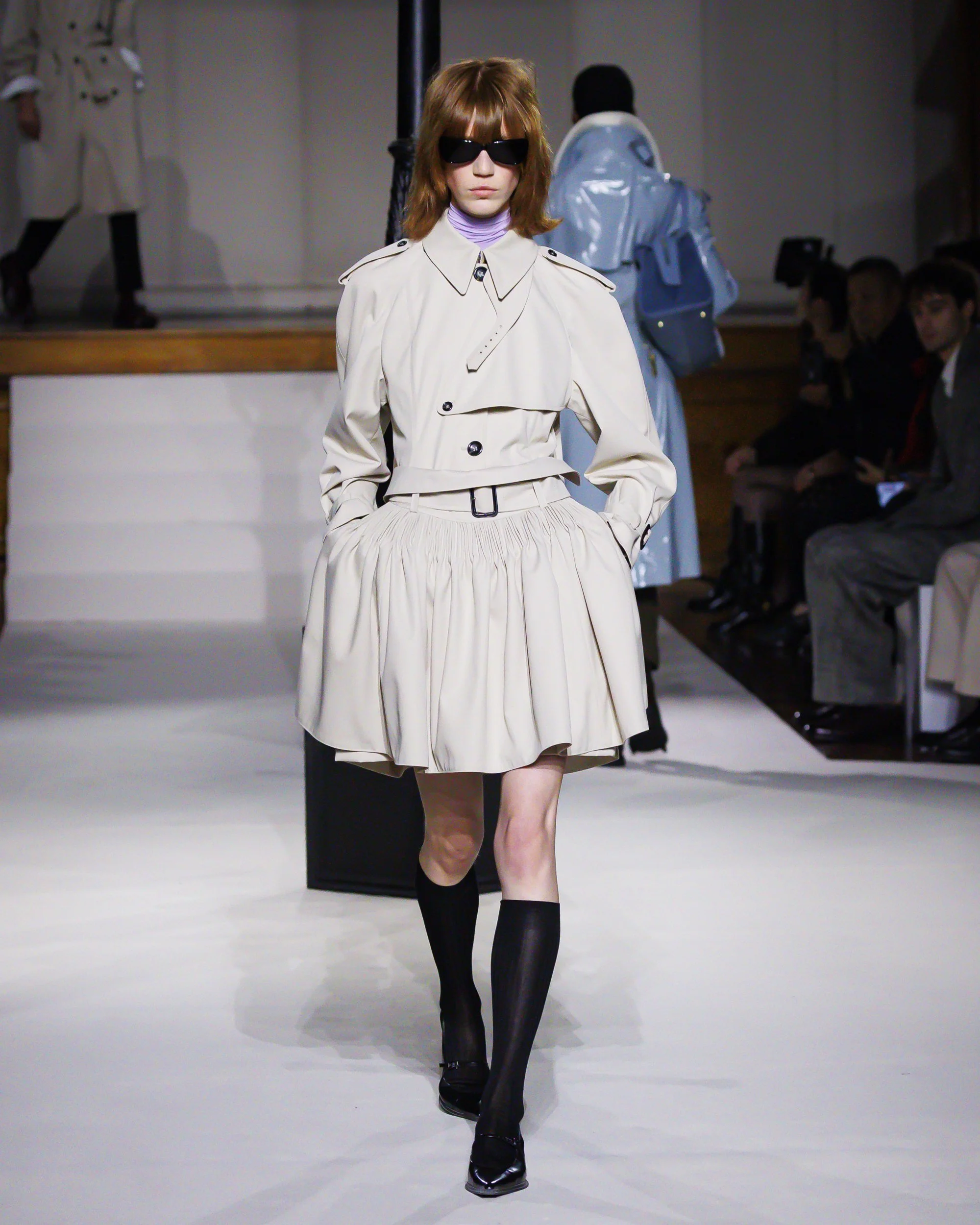
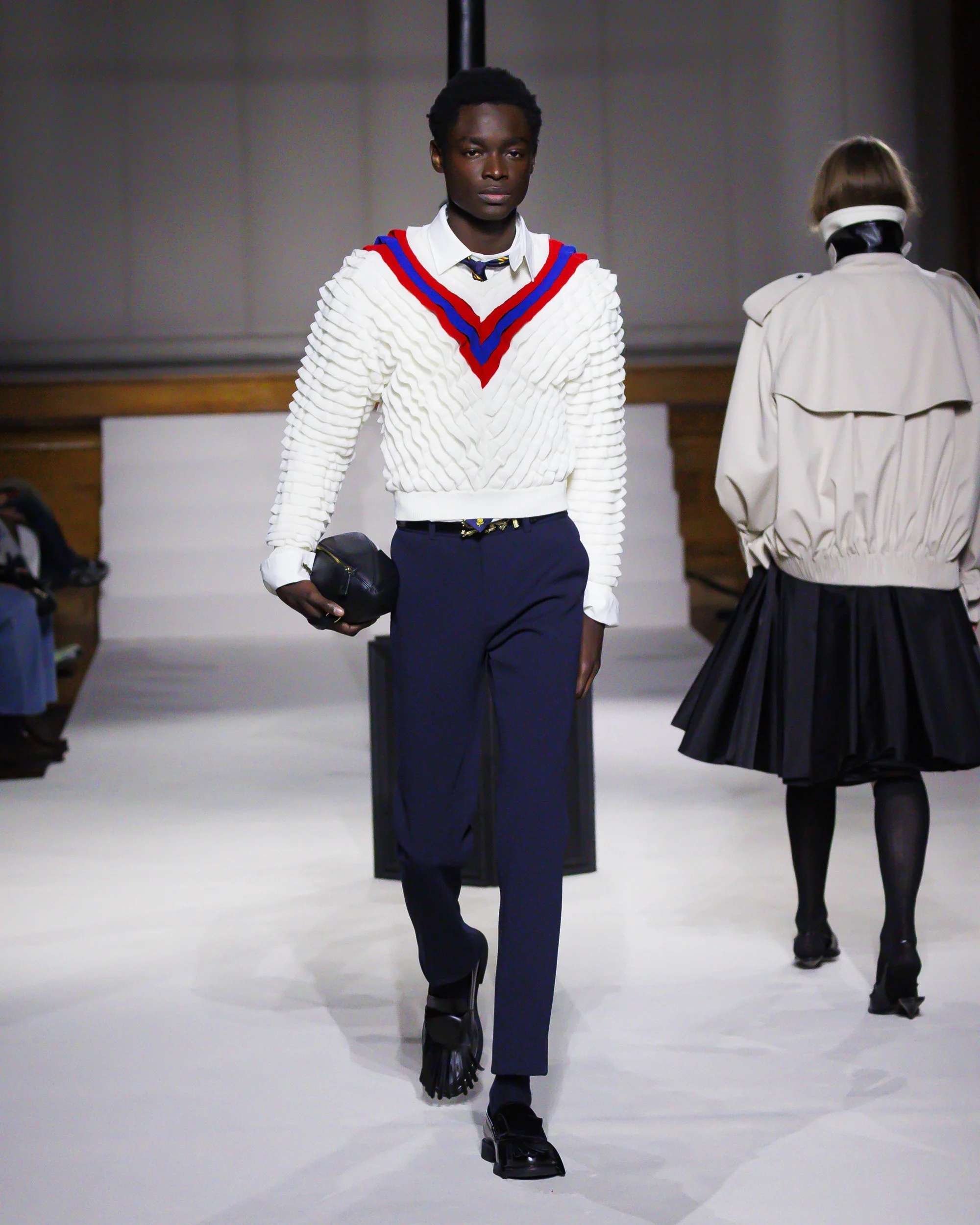
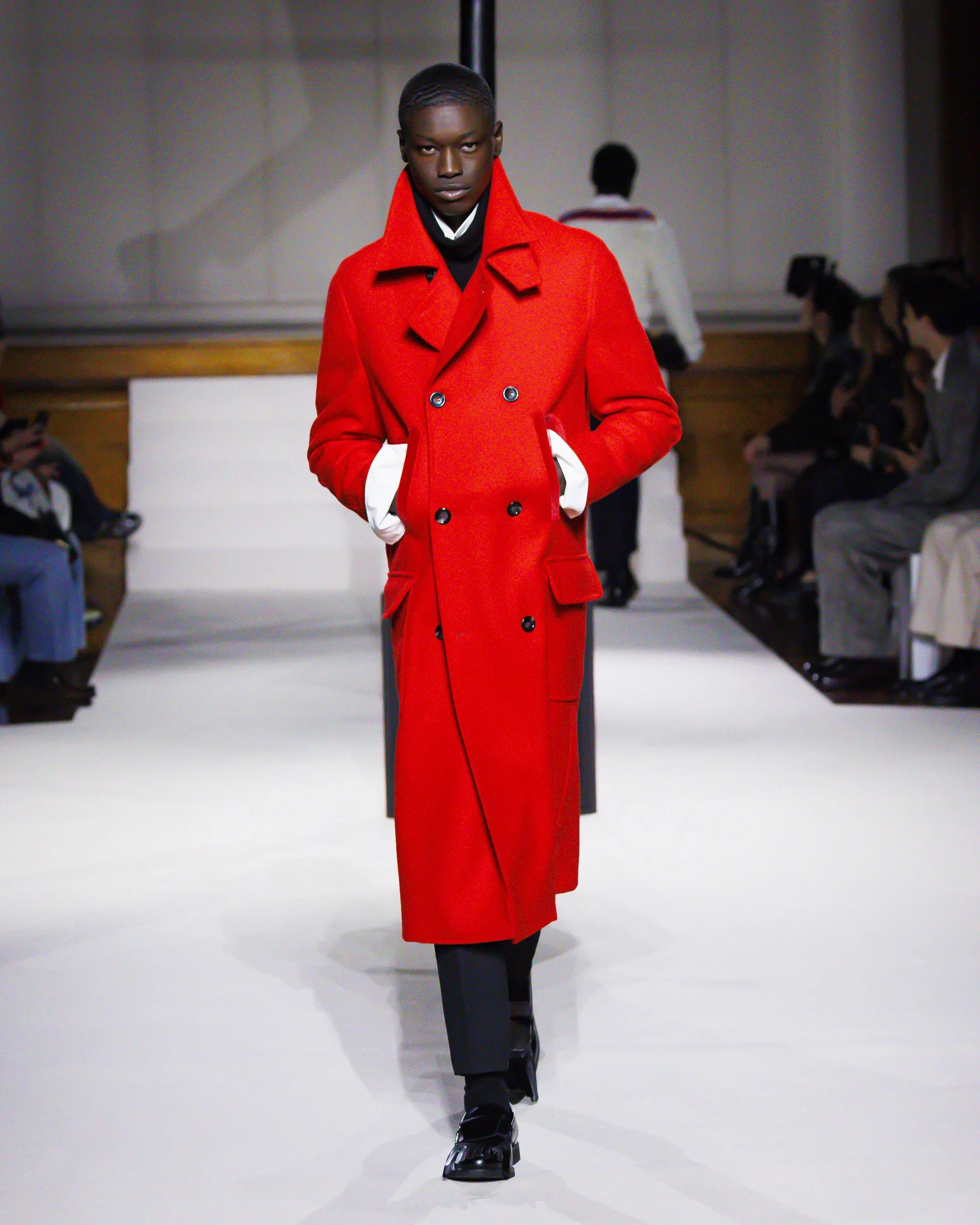
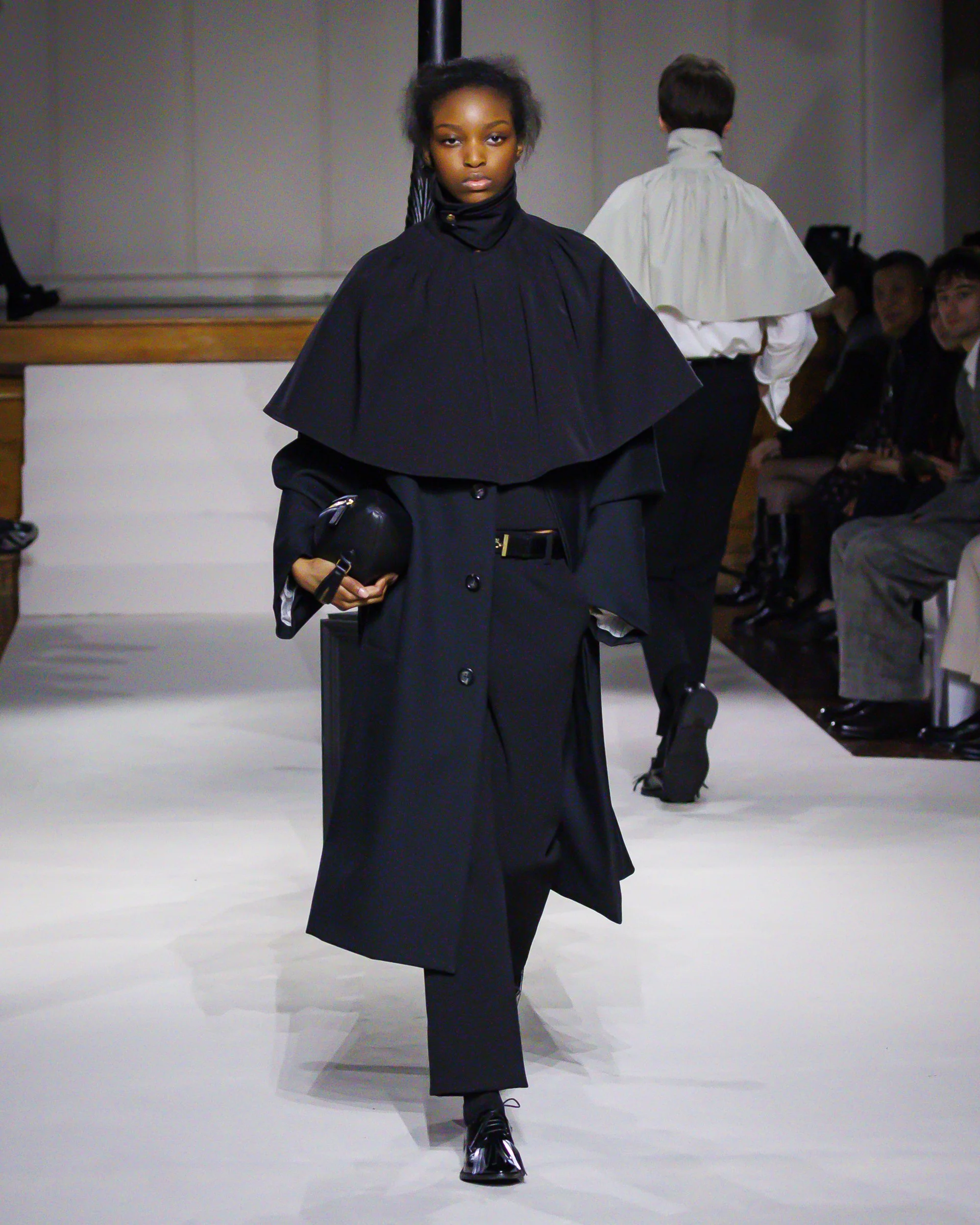
Kearns leans into this duality. There is structure, but it’s unsettled. Tradition, but disrupted. The collection’s palette moves like dusk into night—midnight blues dissolving into black, punctuated by collegiate reds, lilacs, and burnt oranges that feel less decorative and more declarative. It’s a study in contrast: restraint meets irreverence.
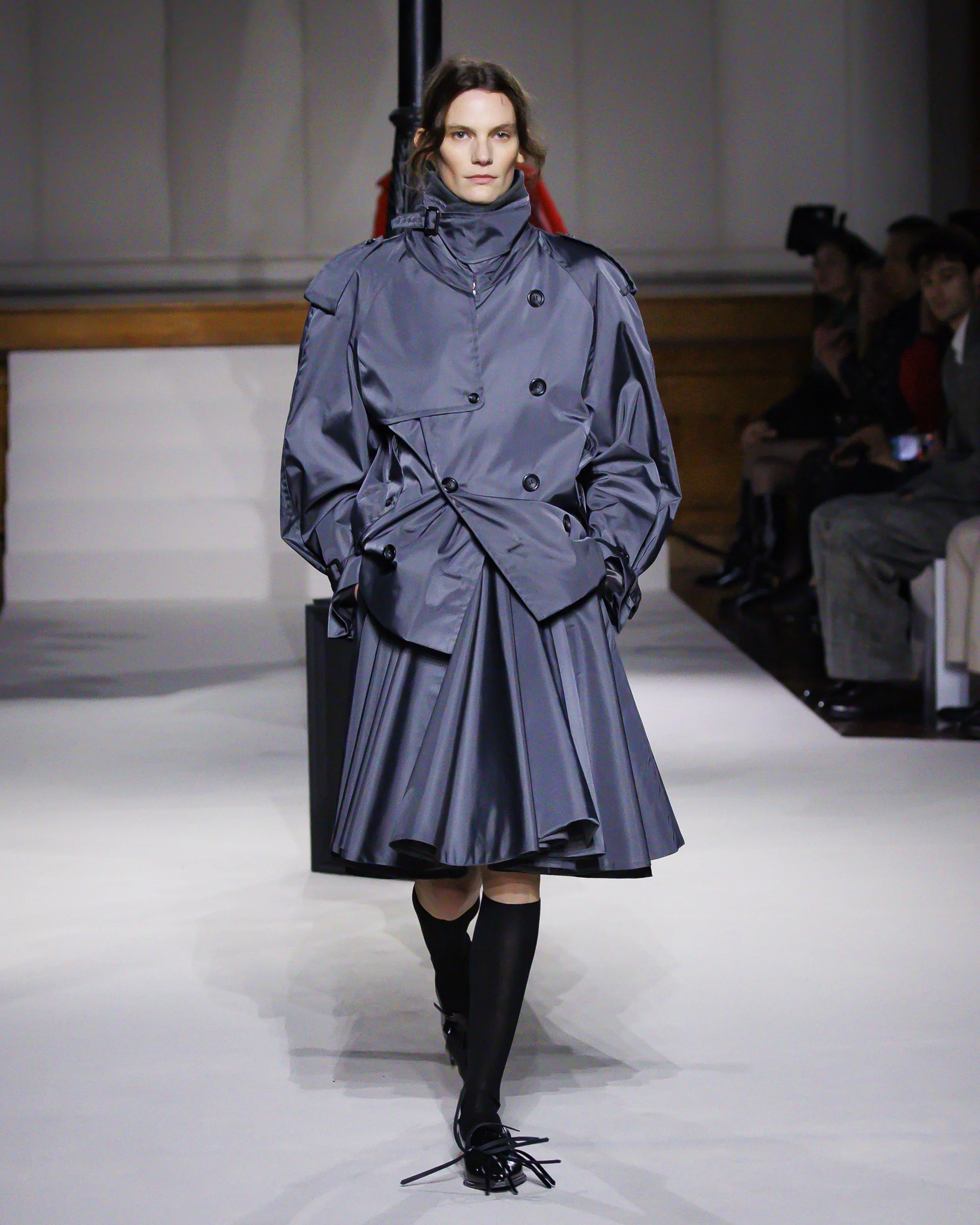
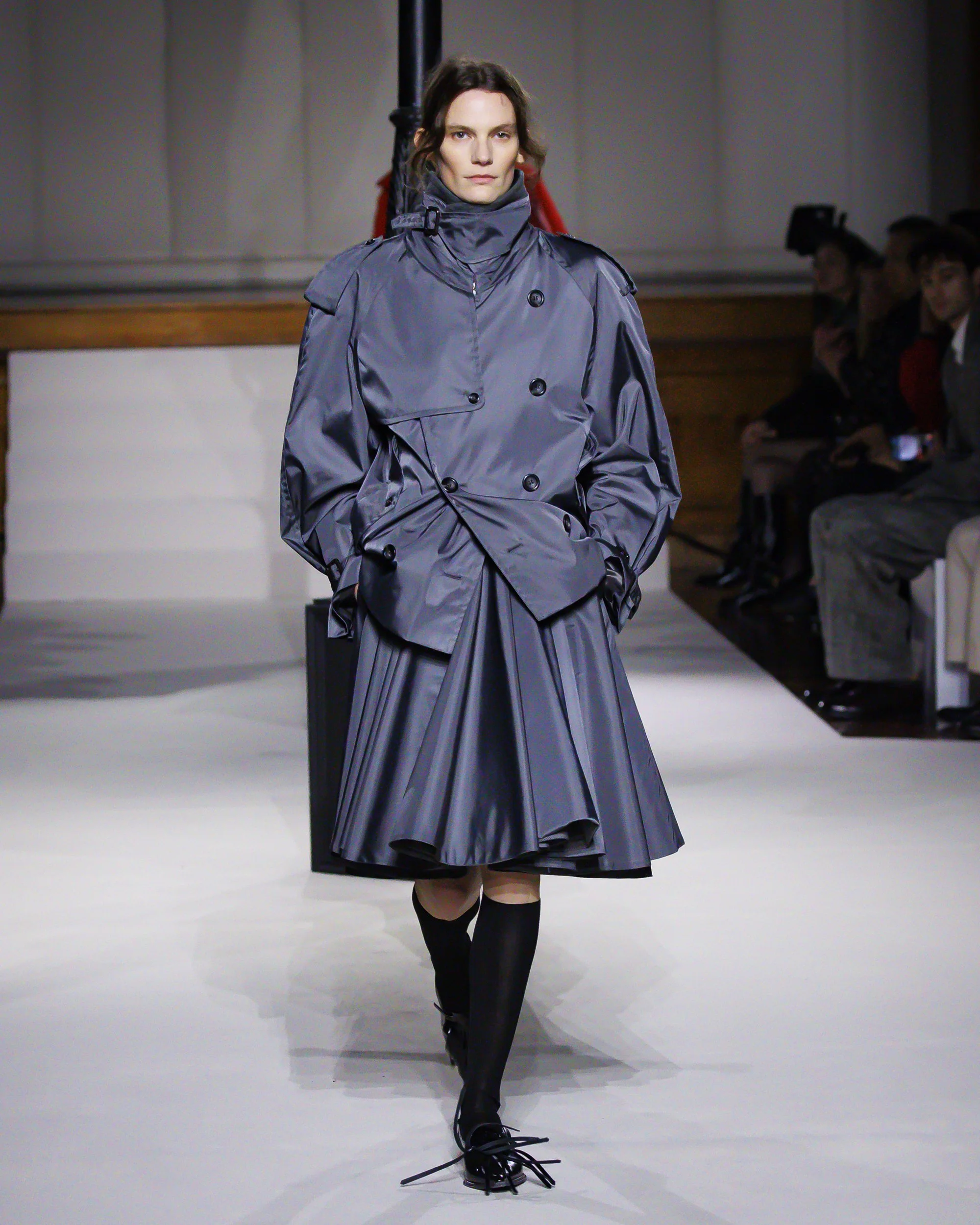
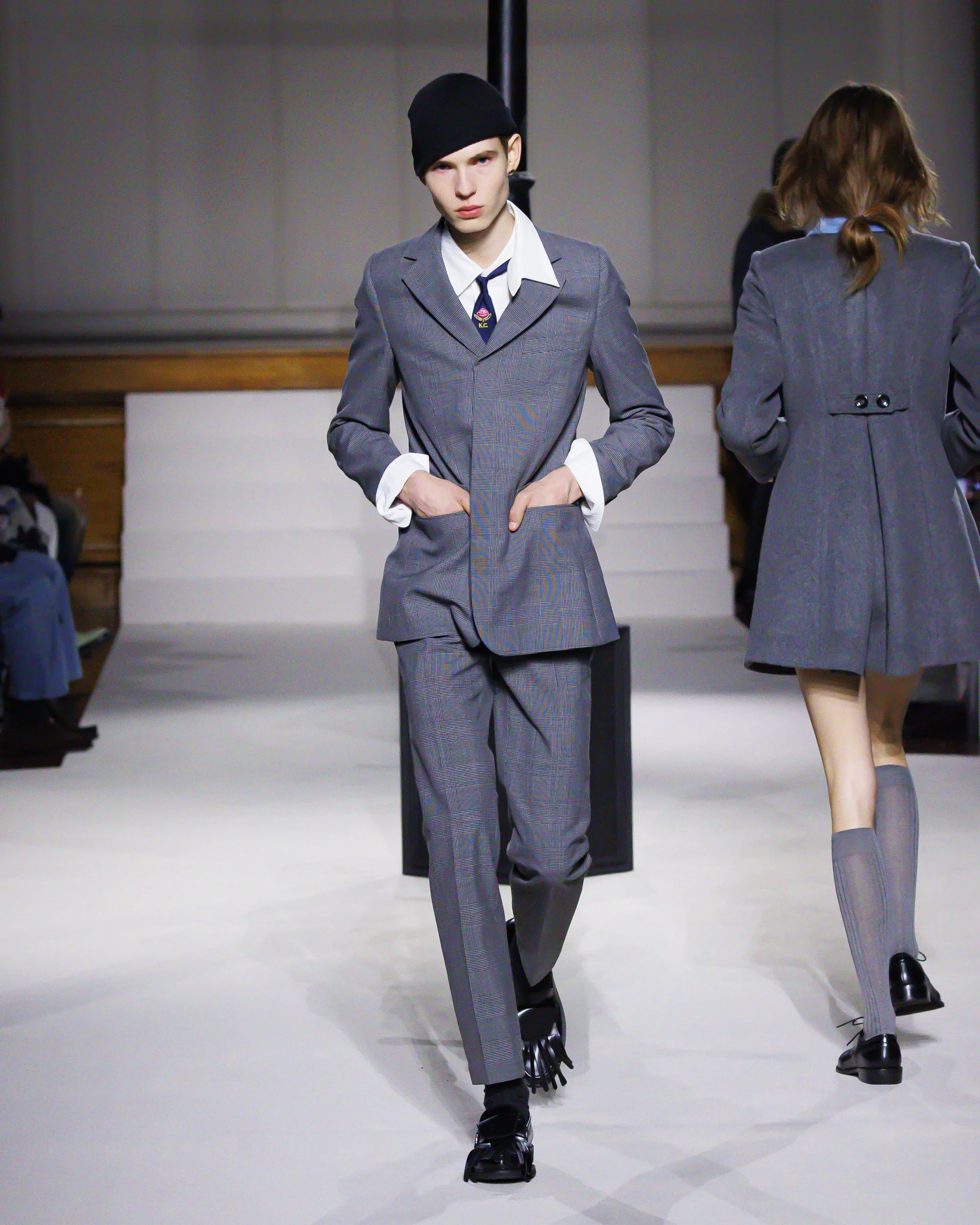
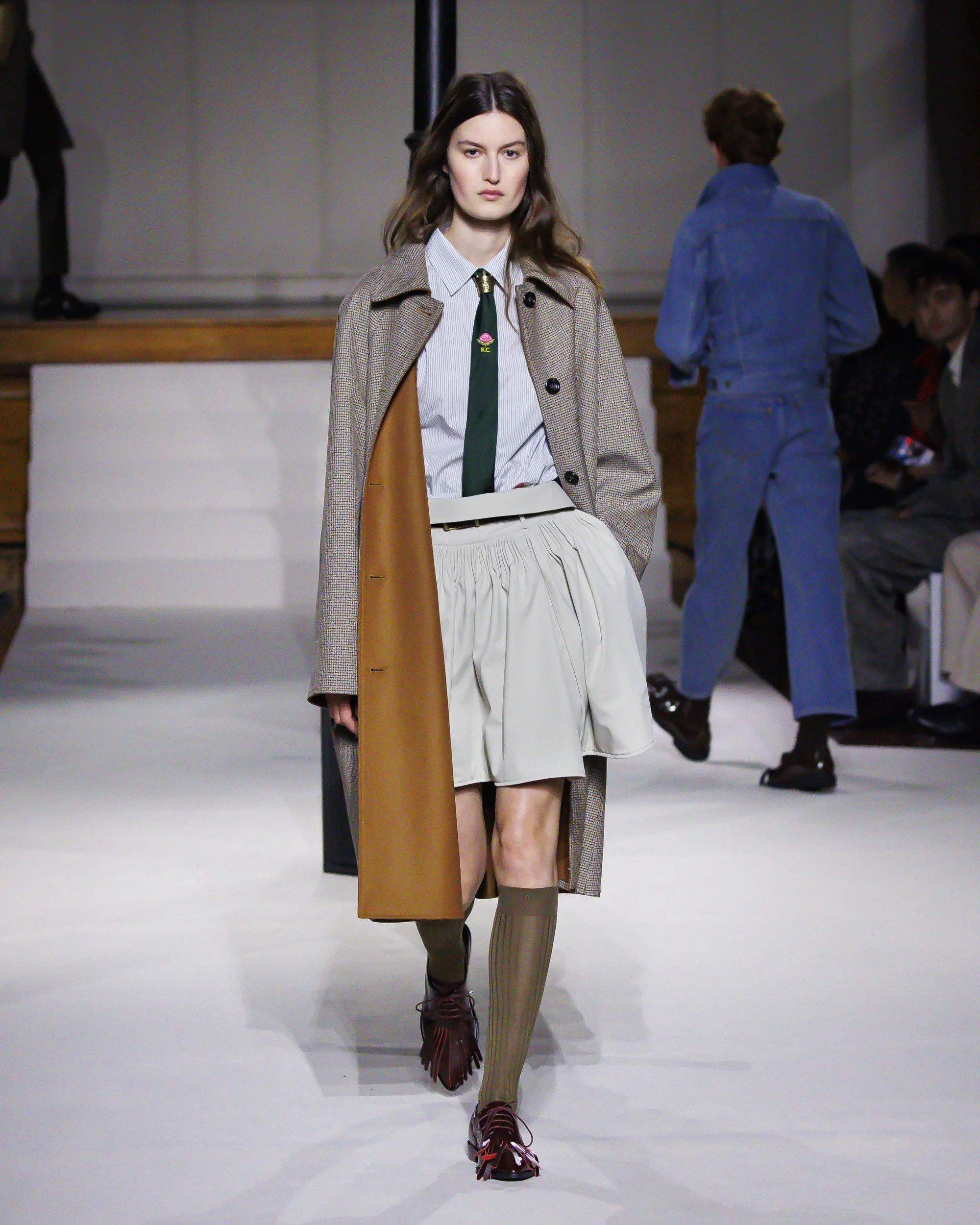
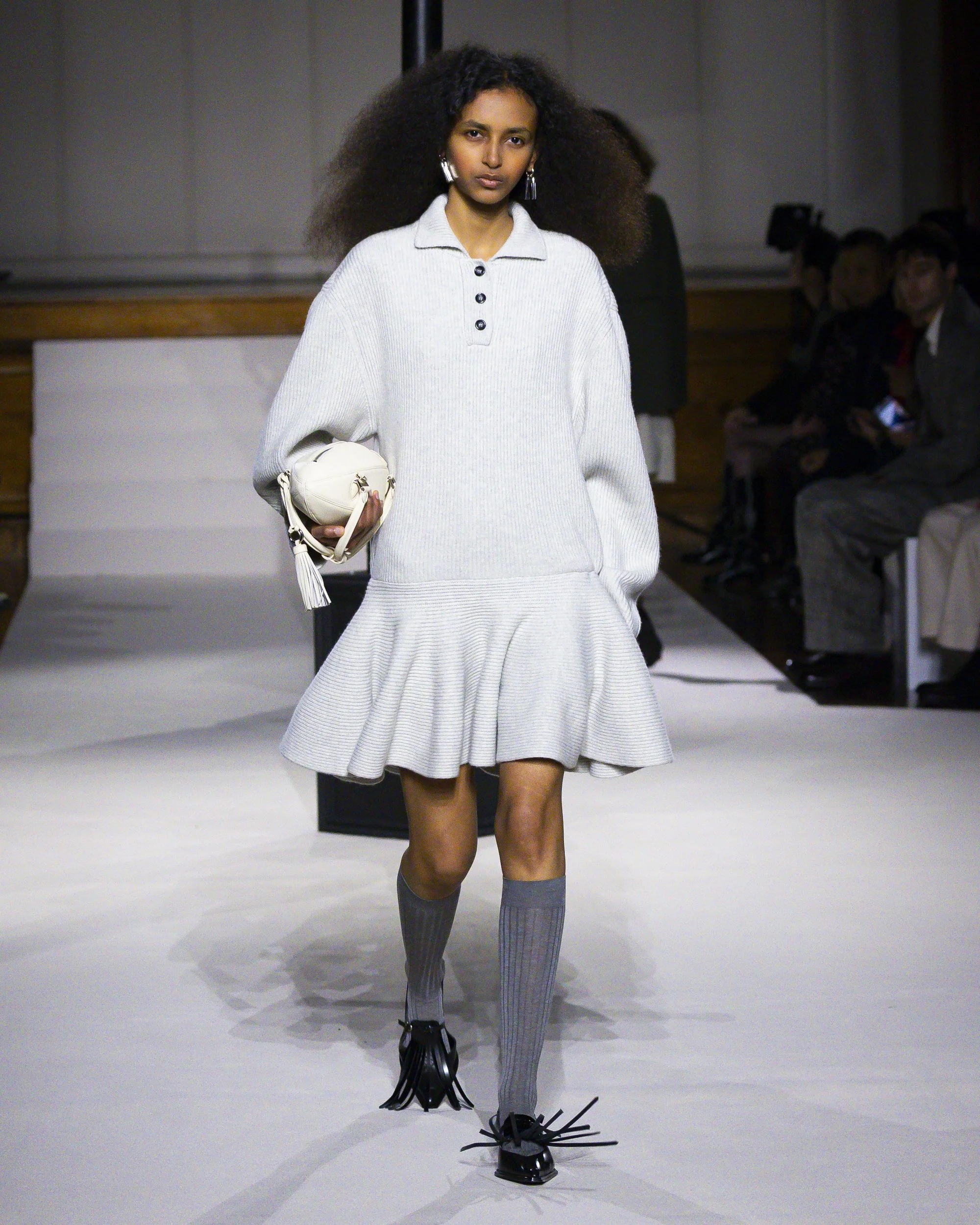
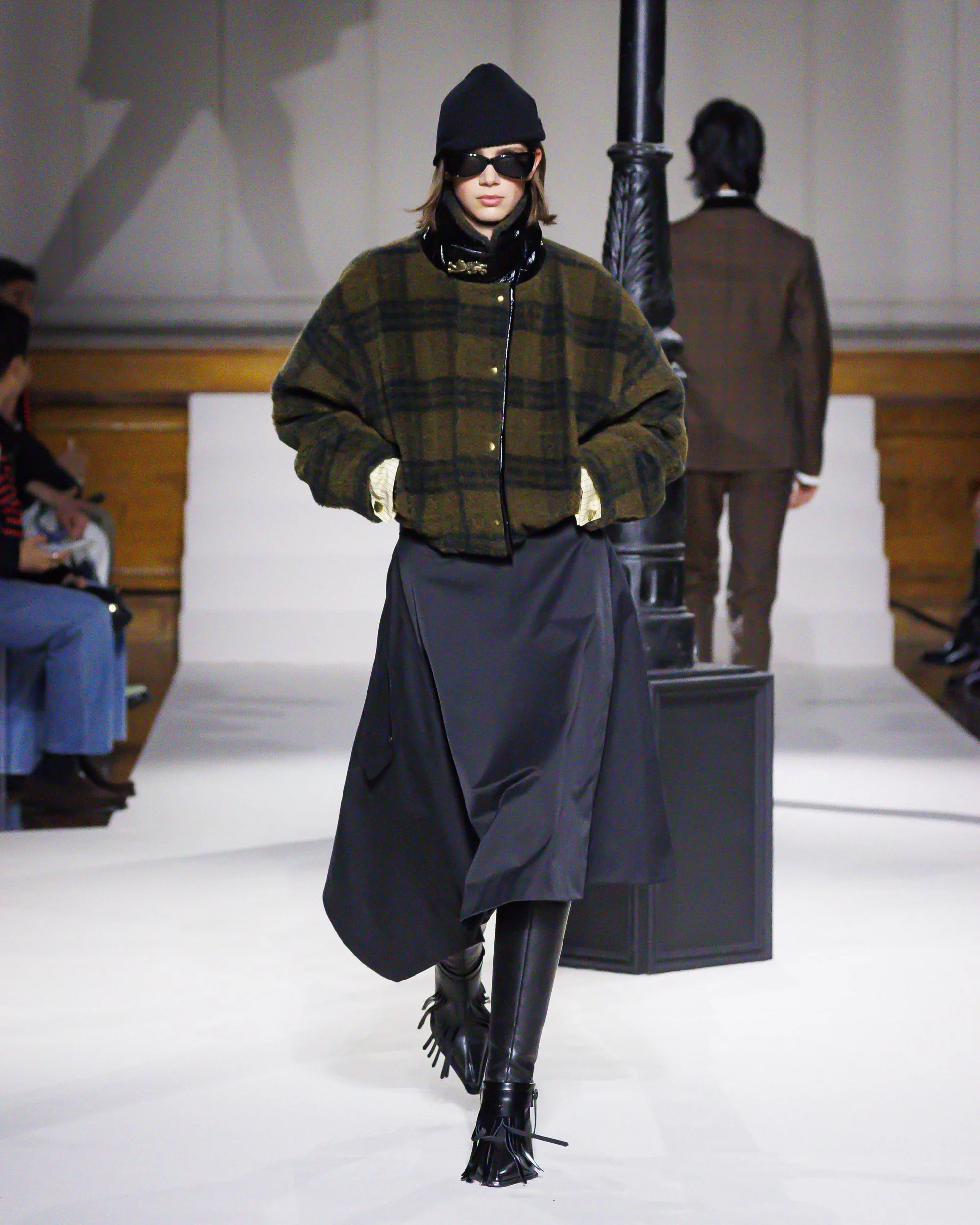
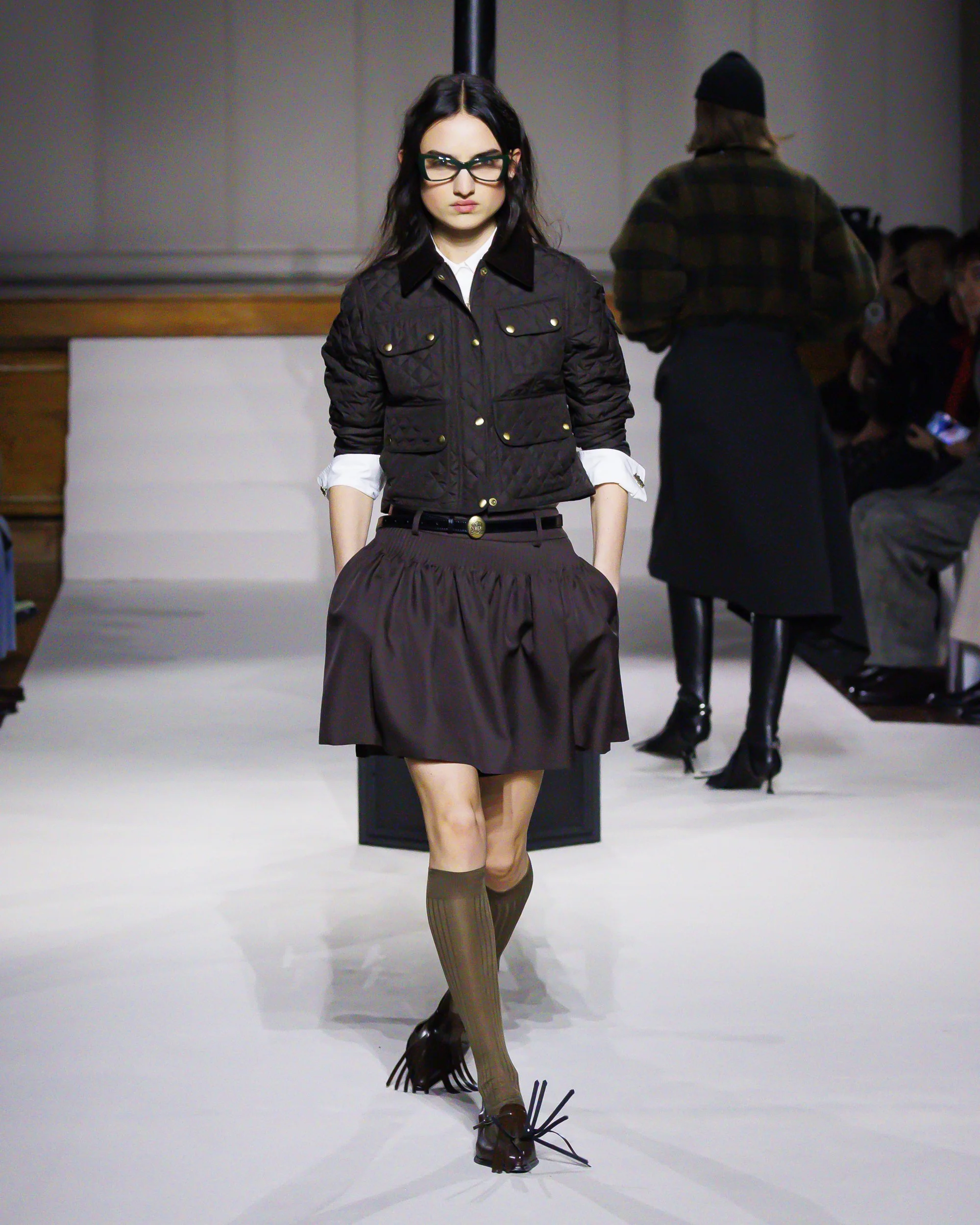
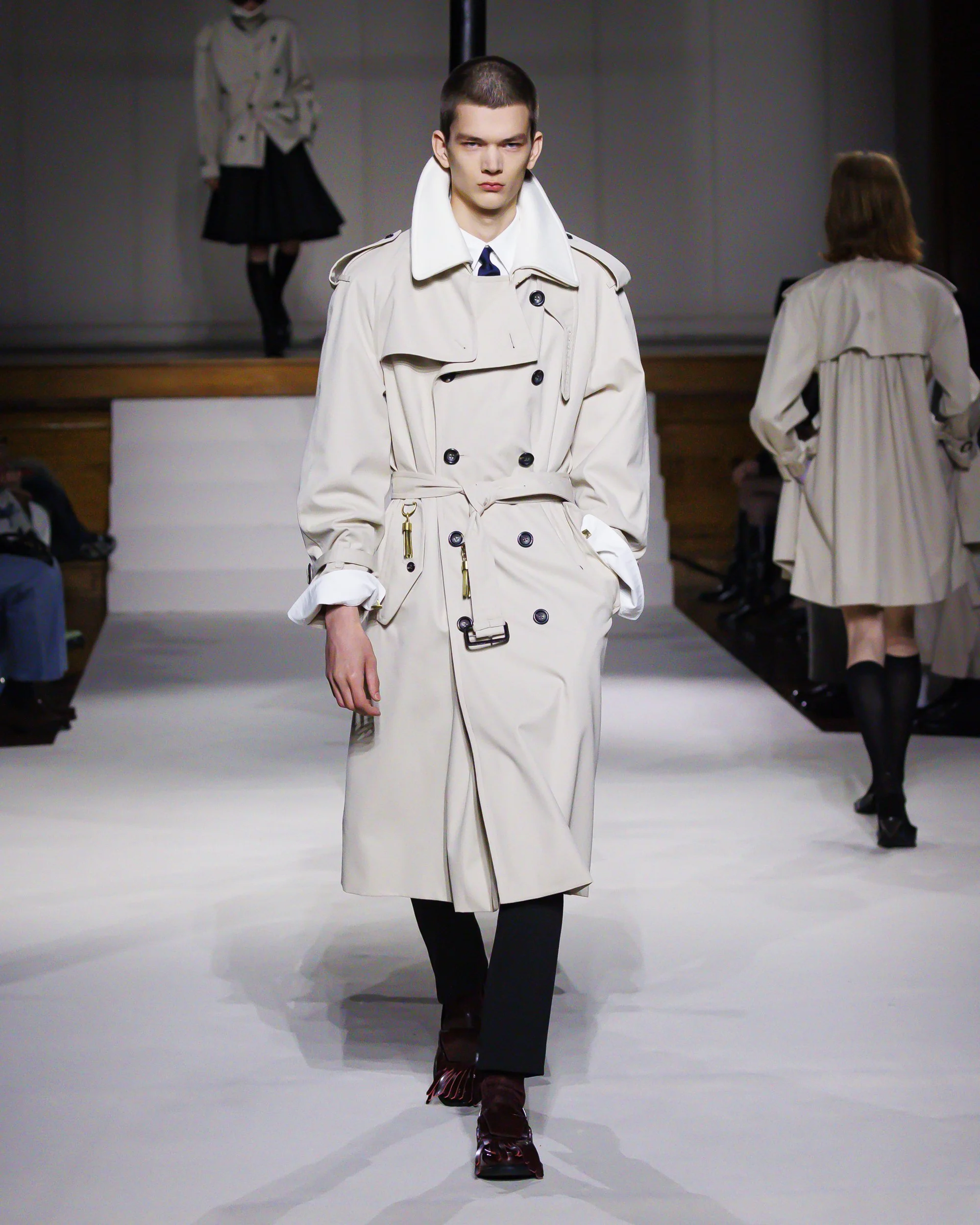
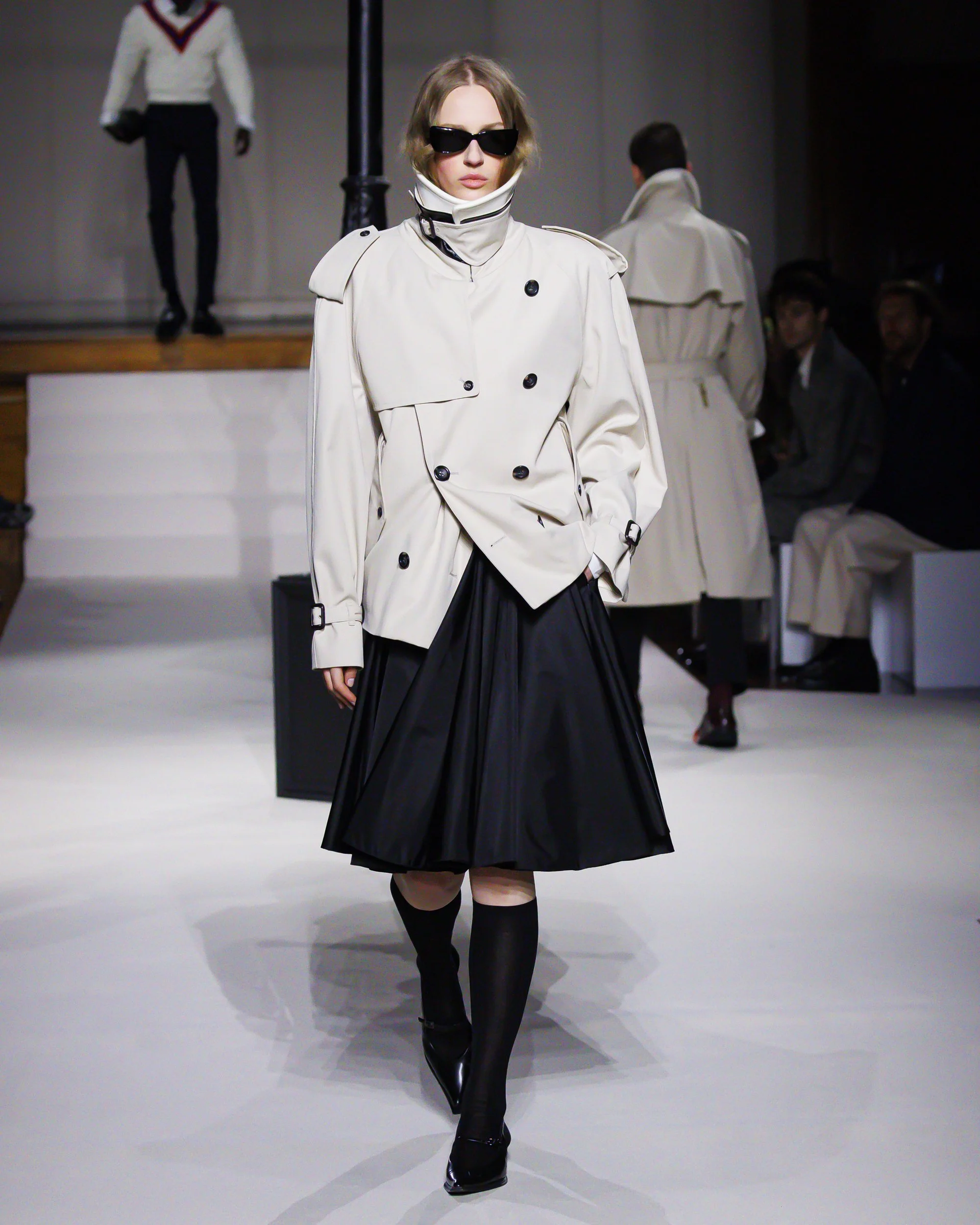
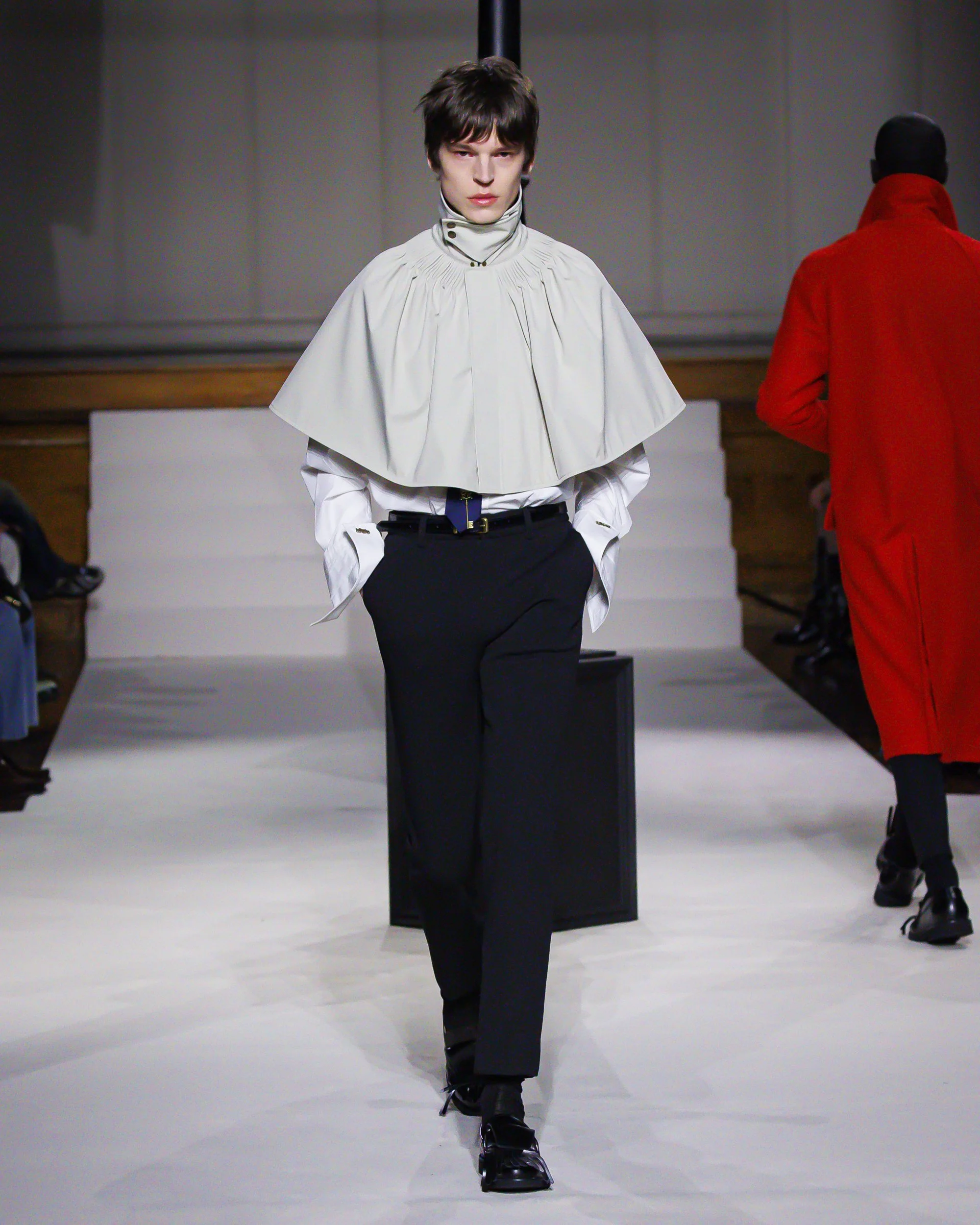
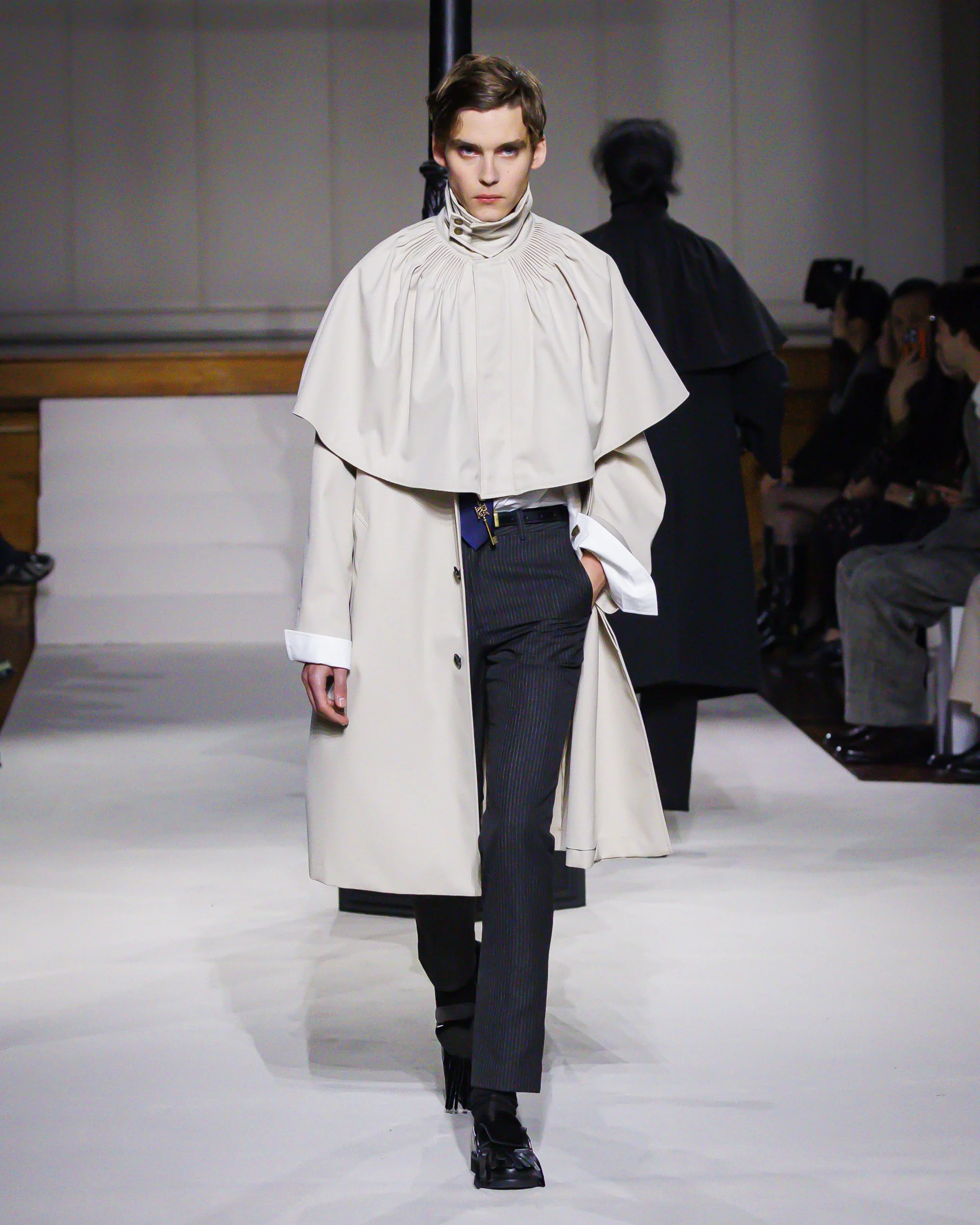
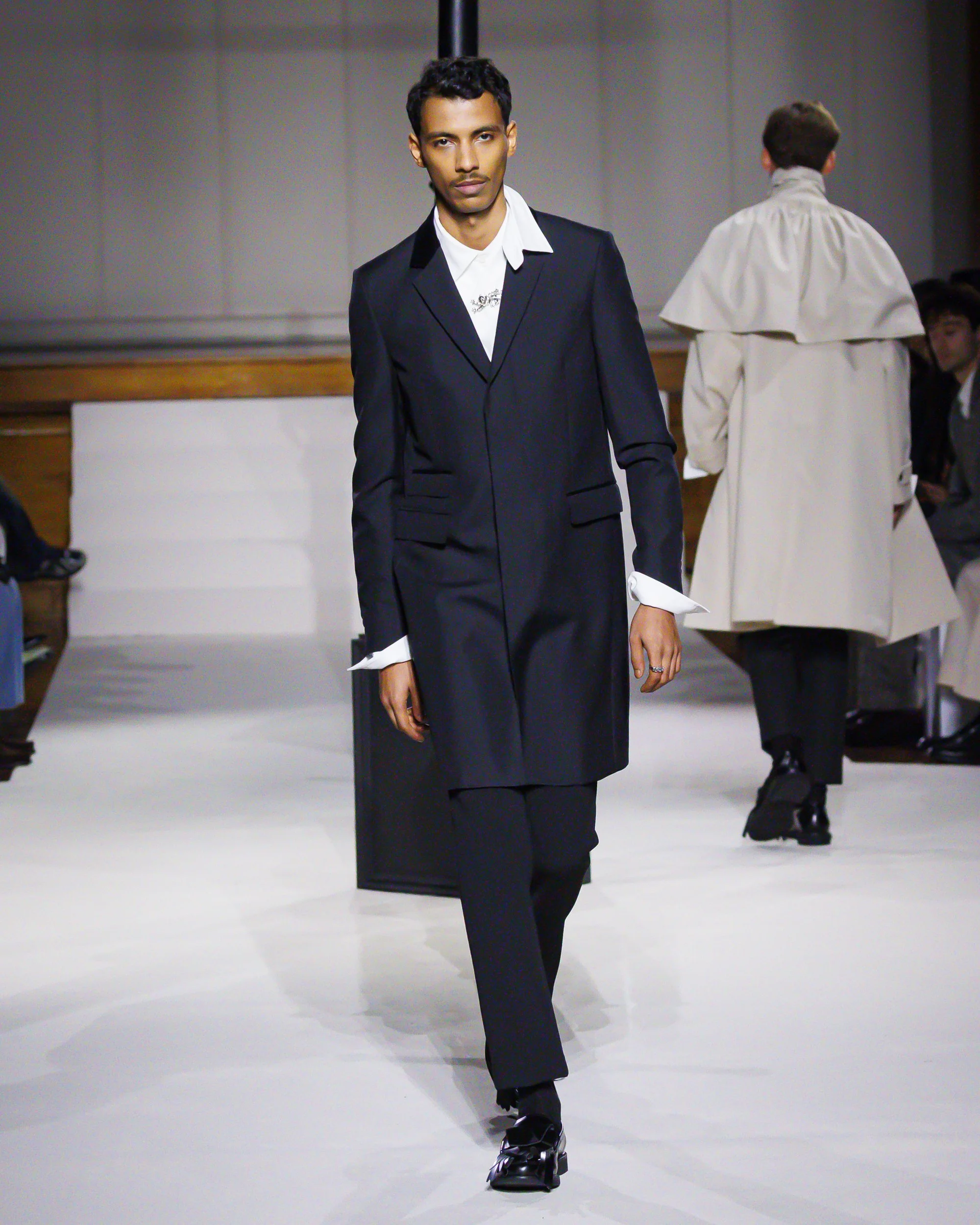
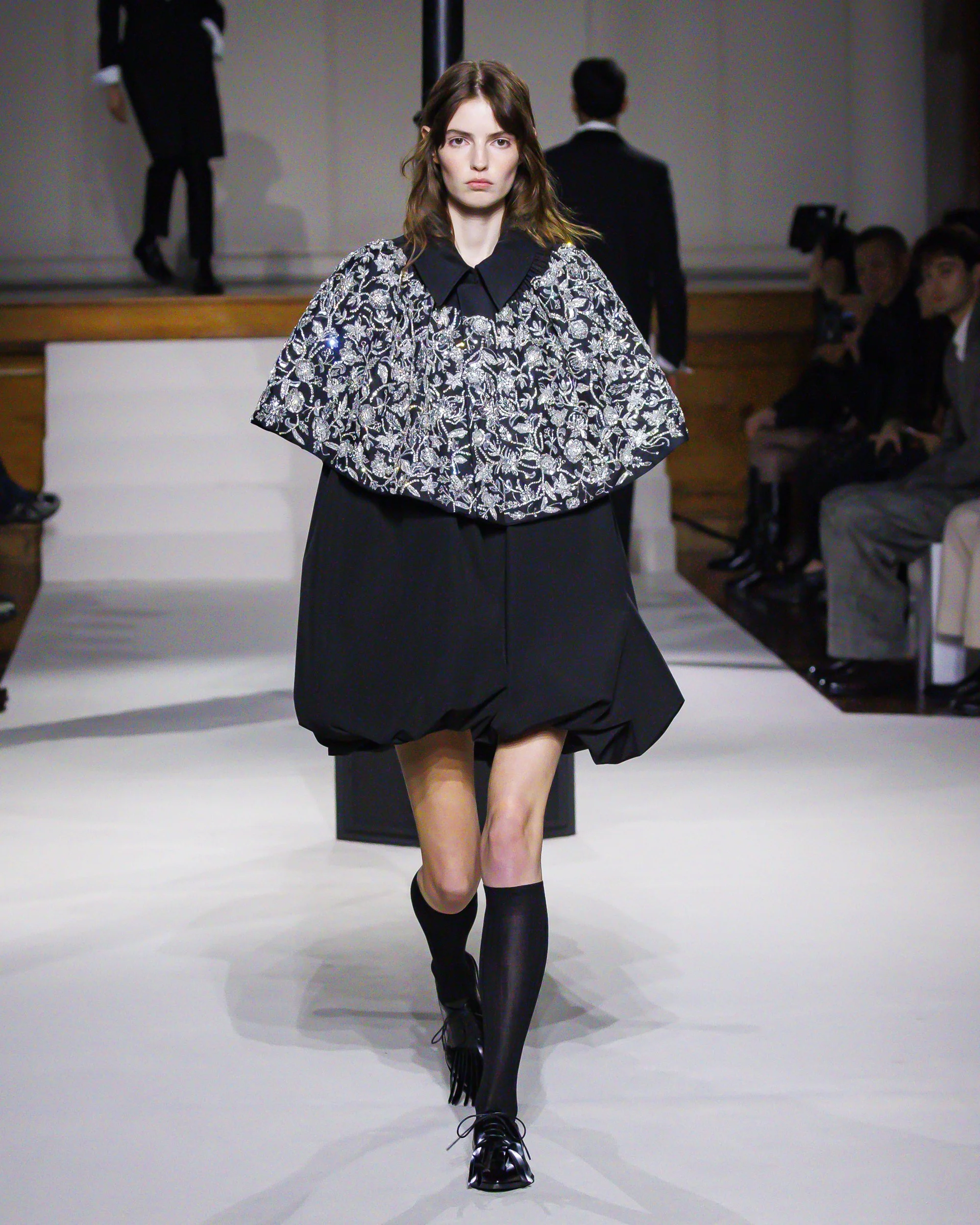
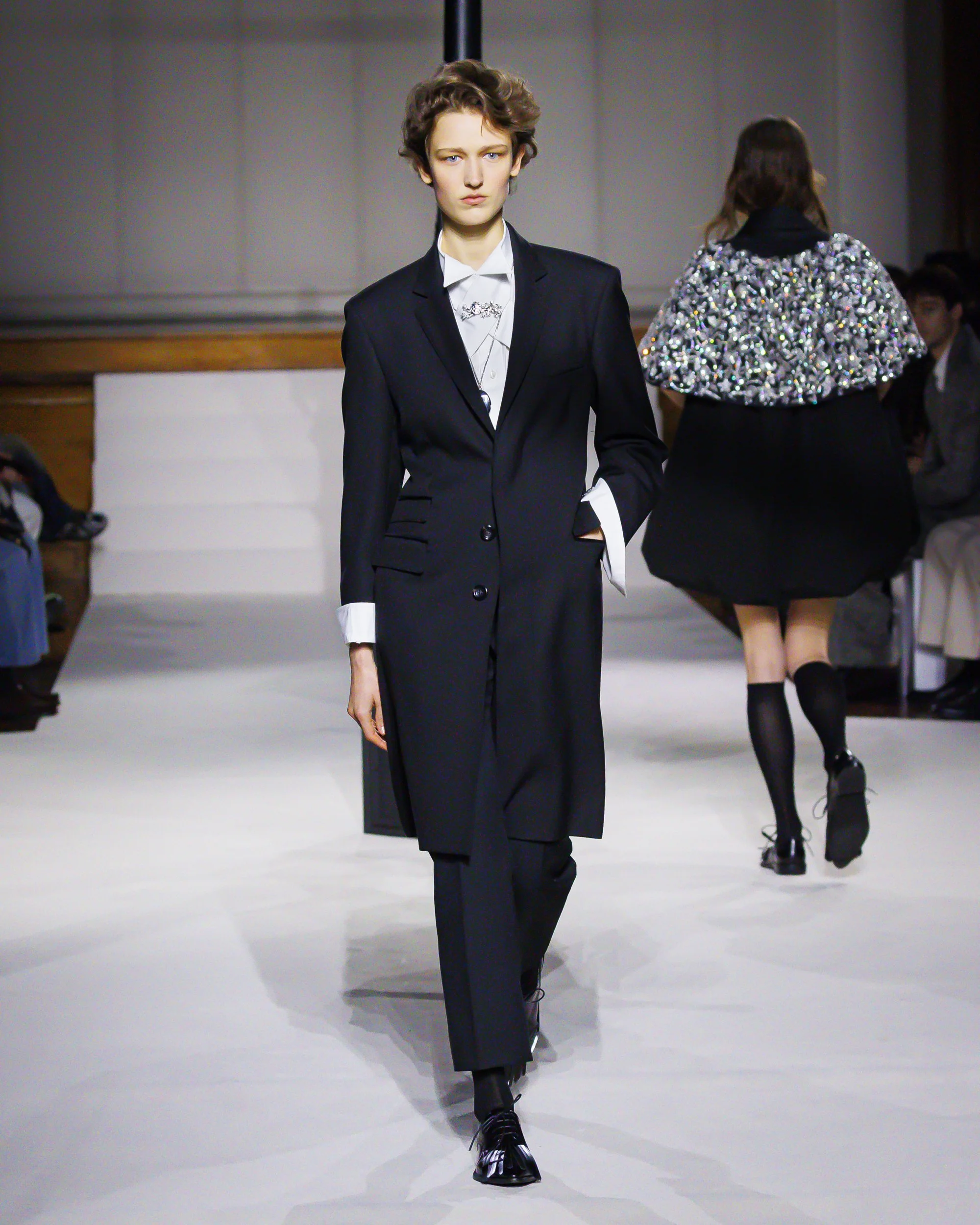
Silhouettes follow suit. Tailoring remains sharp, but never rigid—slim suits are offset by deconstructed knits and exaggerated volumes that feel almost insurgent against the codes they reference. The trench coat, perhaps the most enduring symbol of British outerwear, is reimagined with patent finishes and cape-like constructions, suggesting both armor and anonymity. It’s not about abandoning heritage—it’s about interrogating it.
This is where KENT&CURWEN’s centennial narrative finds its edge. Founded in 1926 as a maker of ties for Oxford and Cambridge, the brand helped define a visual language of British collegiate identity. But Whipplesnaith asks a more urgent question: who gets to reinterpret that language today?
The answer lies in nuance. Accessories carry a sense of wit—corsage details and insignia embroidery blur the line between uniform and individuality. There’s a quiet theatricality at play, one that doesn’t demand attention but rewards observation. Much like the Night Climbers themselves, the collection thrives in the margins.
The guest list underscored this generational dialogue, with appearances from Hero Fiennes Tiffin, Xin Liu, Nabhaan Rizwan, and Emma Appleton among others—figures who, in their own right, navigate the intersection of legacy and modernity.
What Kearns ultimately delivers is not a retrospective, but a reframing. The Latin phrase “Multum in parvo”—much in little—echoes throughout the collection, not just as a reference to the Night Climbers’ ethos, but as a broader commentary on design today. In an era dominated by excess—of content, of product, of noise—there is power in precision, in subtlety, in intention.
With Whipplesnaith, KENT&CURWEN doesn’t simply celebrate 100 years. It challenges what the next 100 could look like—less about preservation, more about perspective. Less about fitting in, more about seeing differently.







HOW DO YOU FEEL ABOUT FASHION?
COMMENT OR TAKE OUR PAGE READER SURVEY
Featured

Albert Kriemler’s latest Akris collection translates Martha Jungwirth’s emotionally charged paintings into fluid tailoring, expressive textiles and deeply personal details that explore clothing as an intuitive record of memory, movement and human gesture.