
Pierre Cardin Reframes Corporate Uniforms Through LeShuttle Collaboration
PAGE
By PAGE Editor
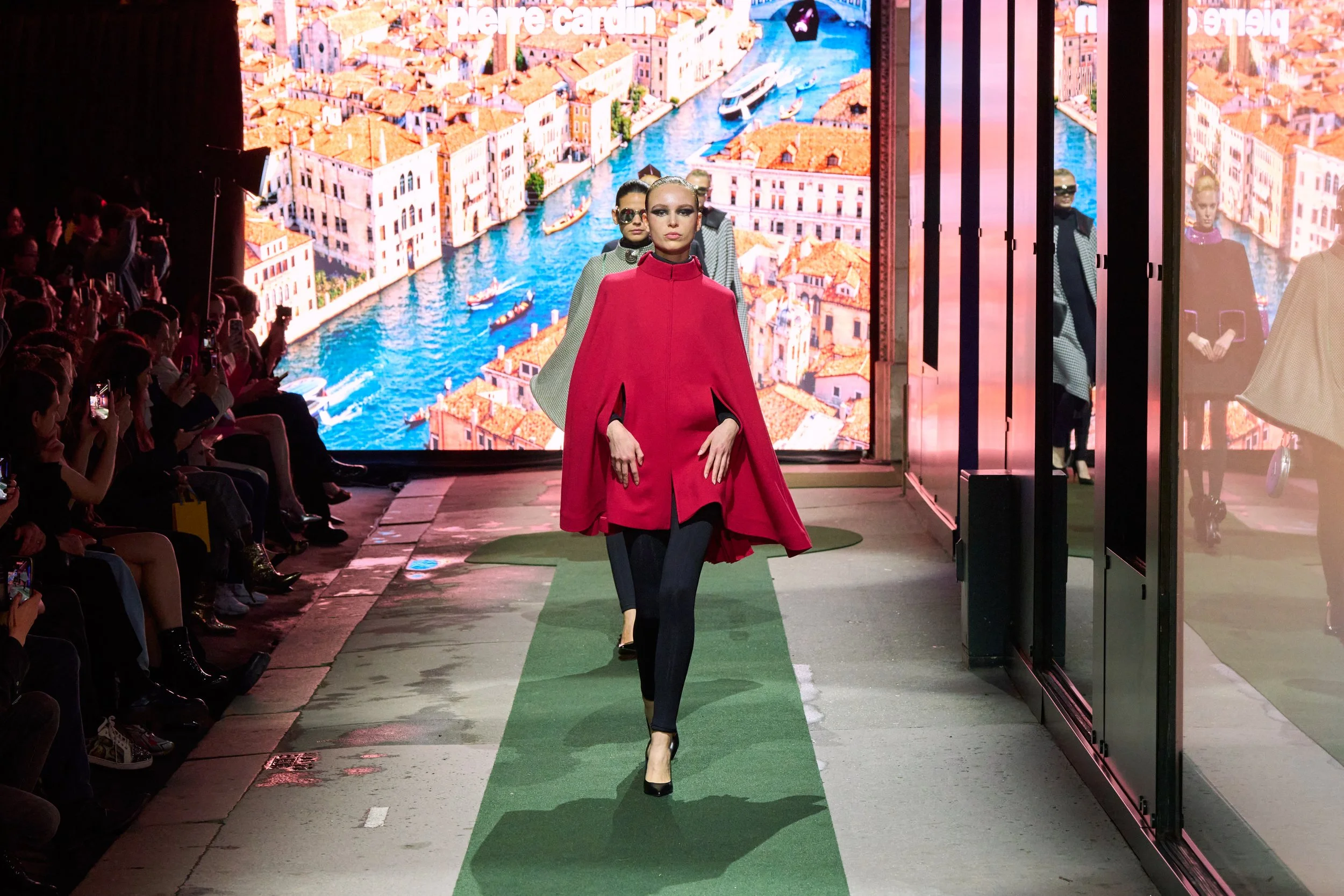
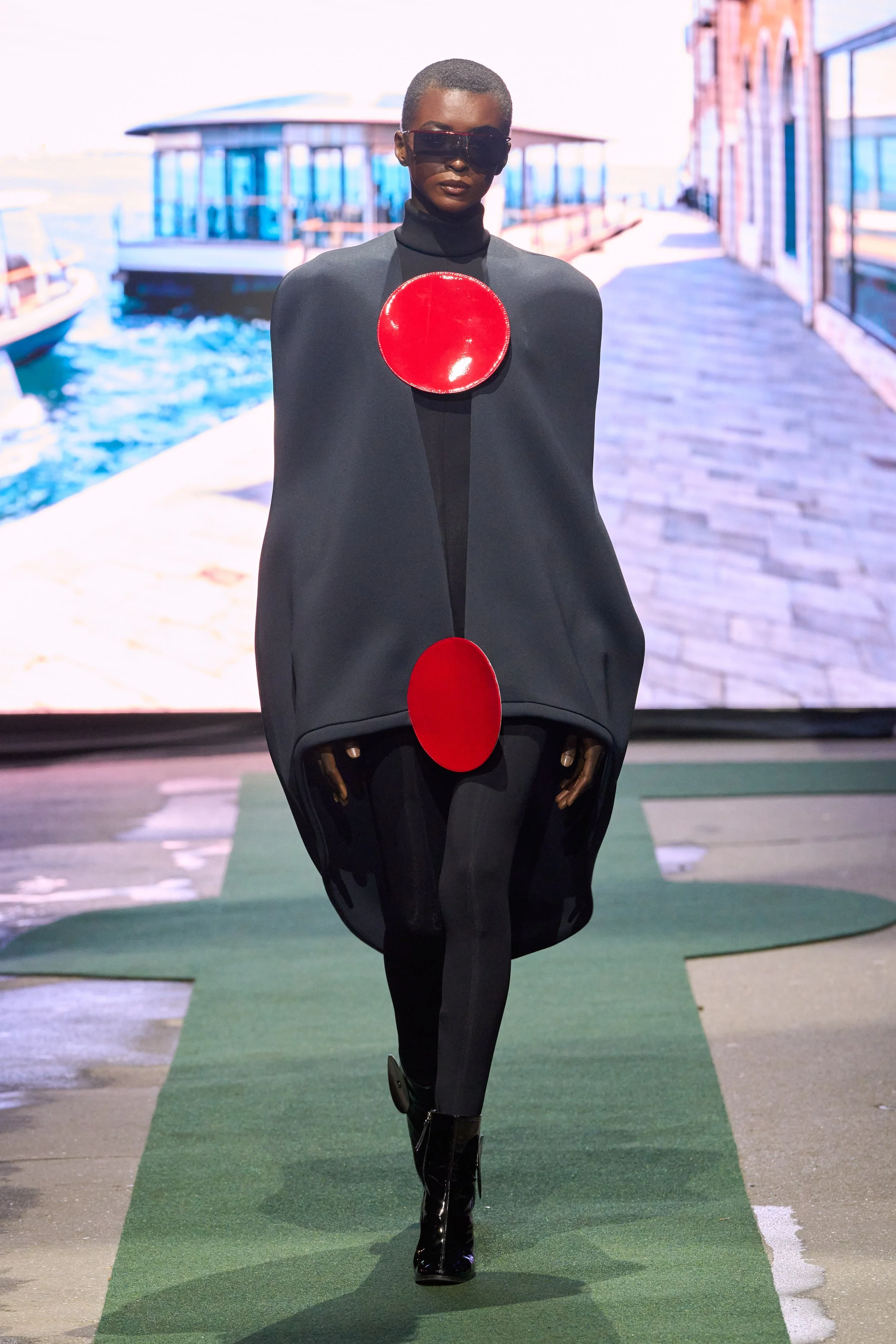
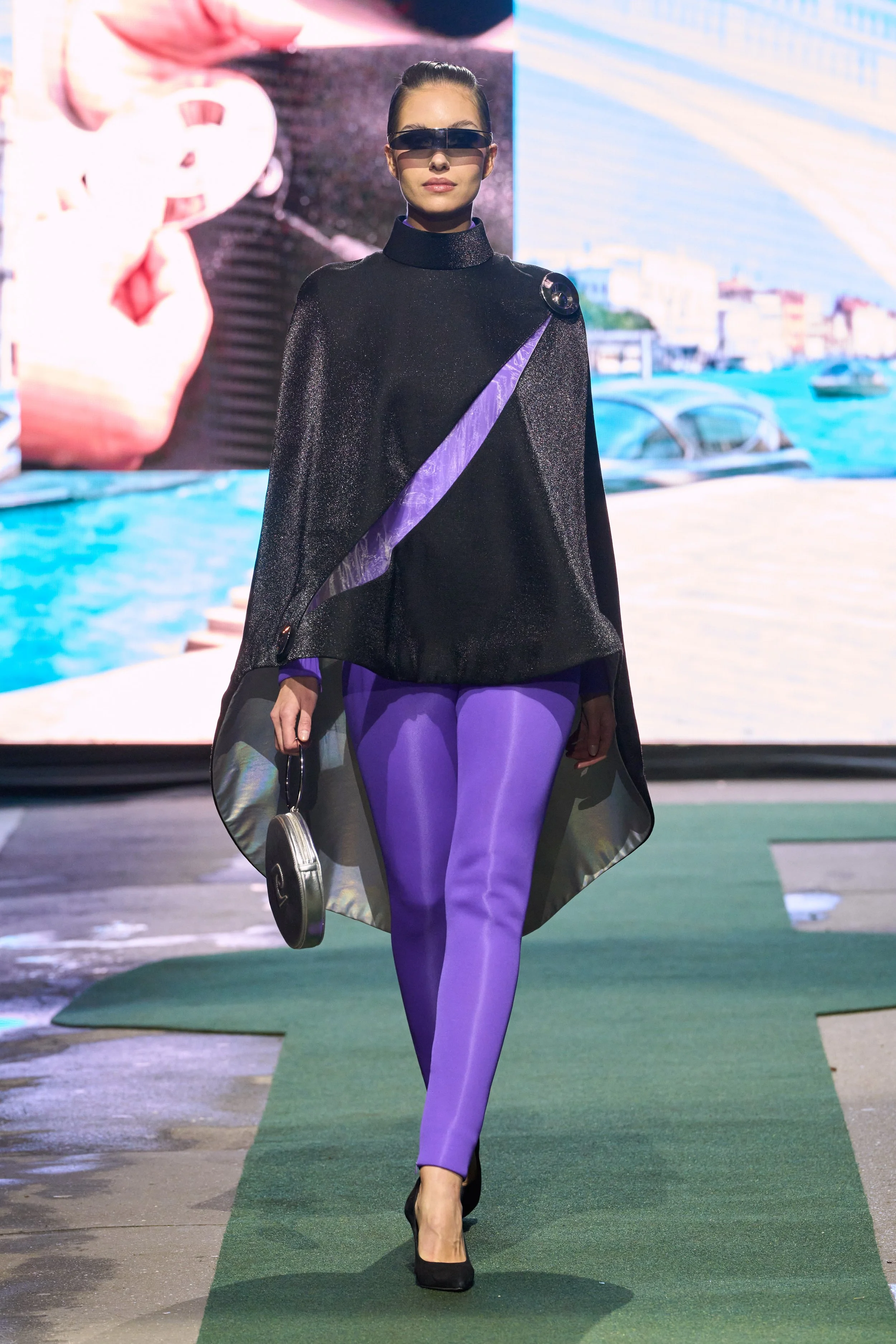
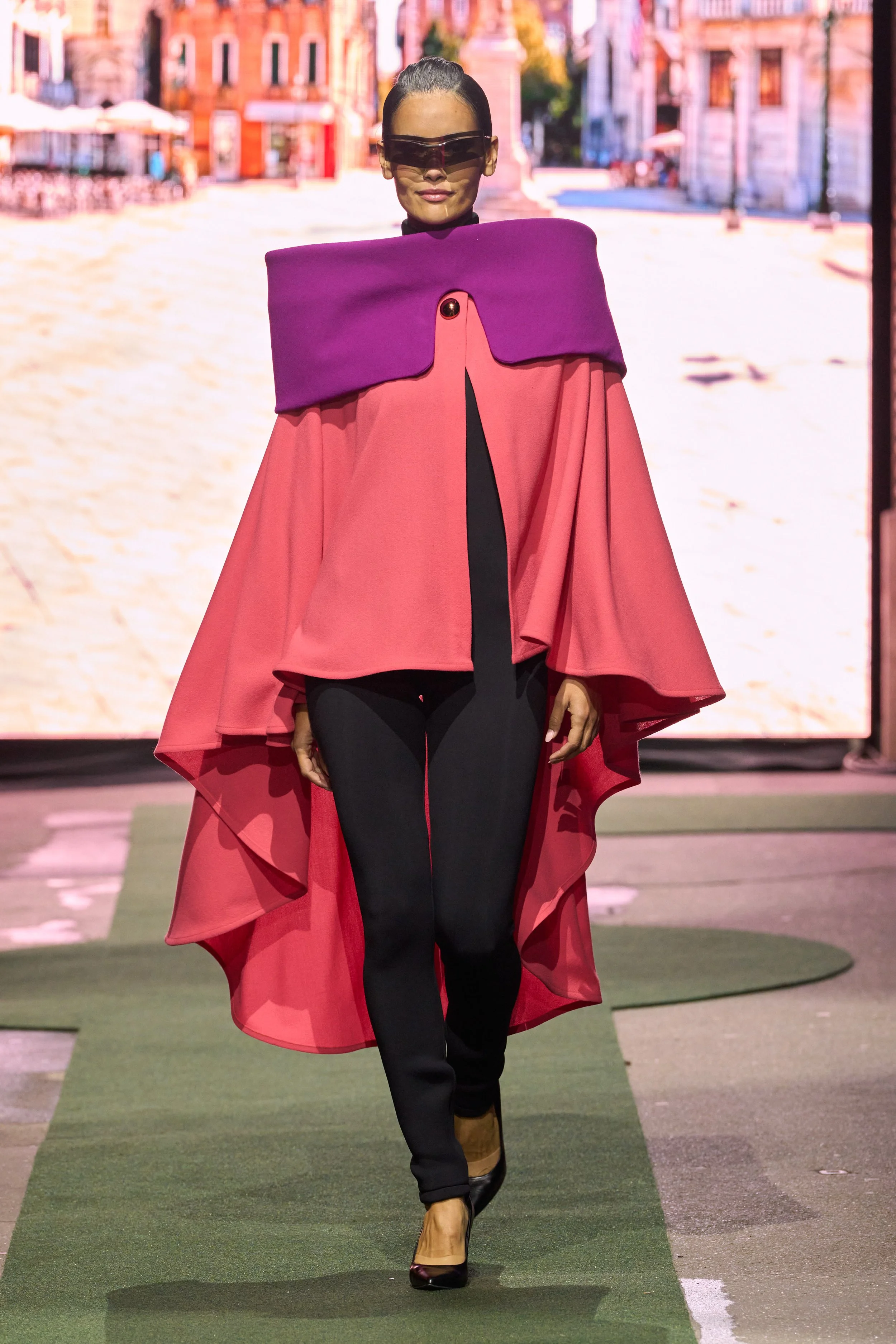
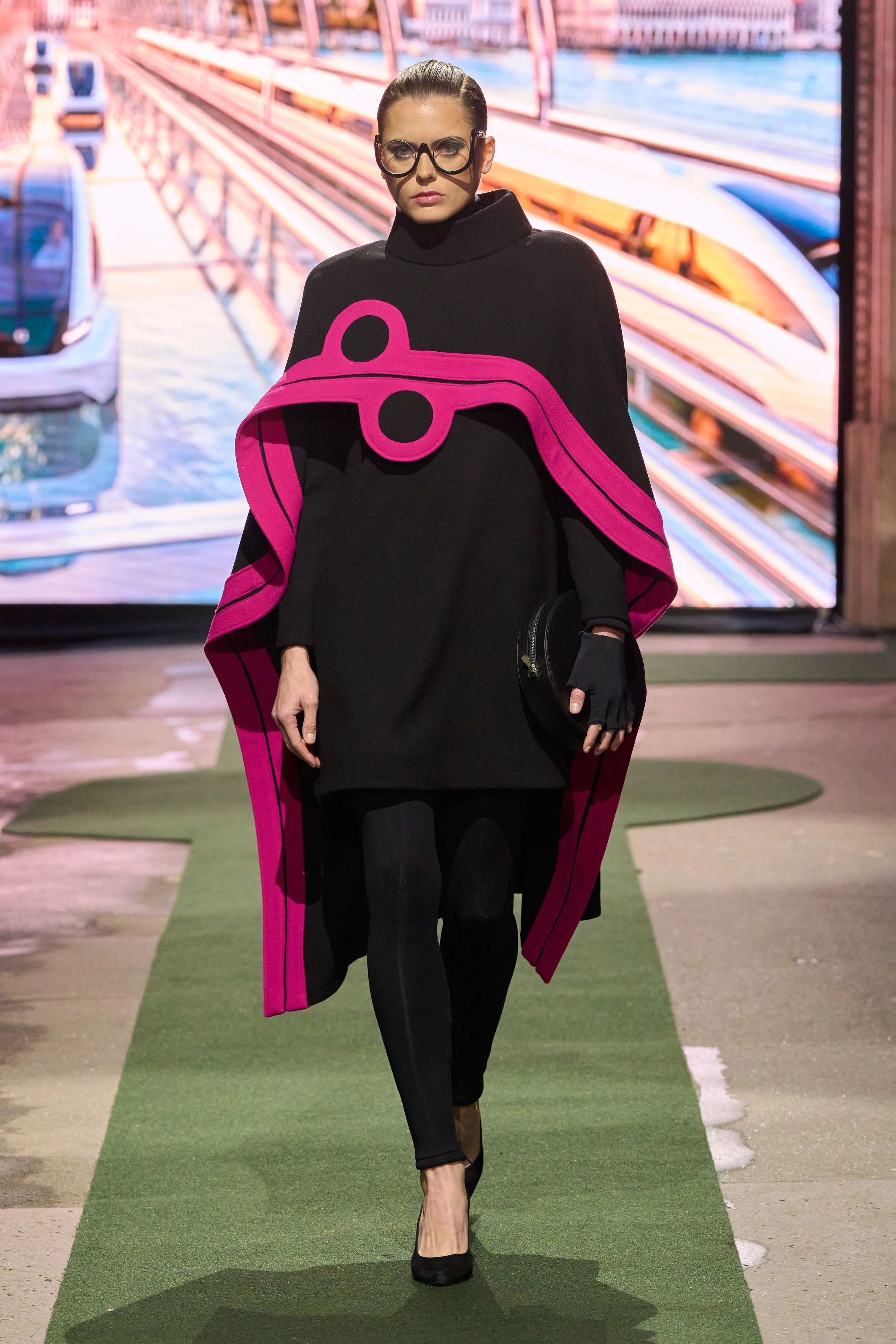
For decades, corporate uniforms have existed in the periphery of fashion—functional, standardized, and often overlooked as vehicles for creative expression. But with Pierre Cardin stepping in to redesign uniforms for LeShuttle, that narrative is being decisively challenged. What emerges is not simply a refresh of workwear, but a reframing of uniform design as a legitimate extension of fashion’s evolving language.
Few designers—or houses—have been as historically equipped to take on this challenge. Founded by Pierre Cardin in 1950, the maison built its legacy on disruption: from pioneering ready-to-wear to introducing unisex collections long before the industry caught up. Cardin’s work consistently questioned the boundaries between utility and imagination, embedding futuristic silhouettes and geometric precision into garments designed for real life.
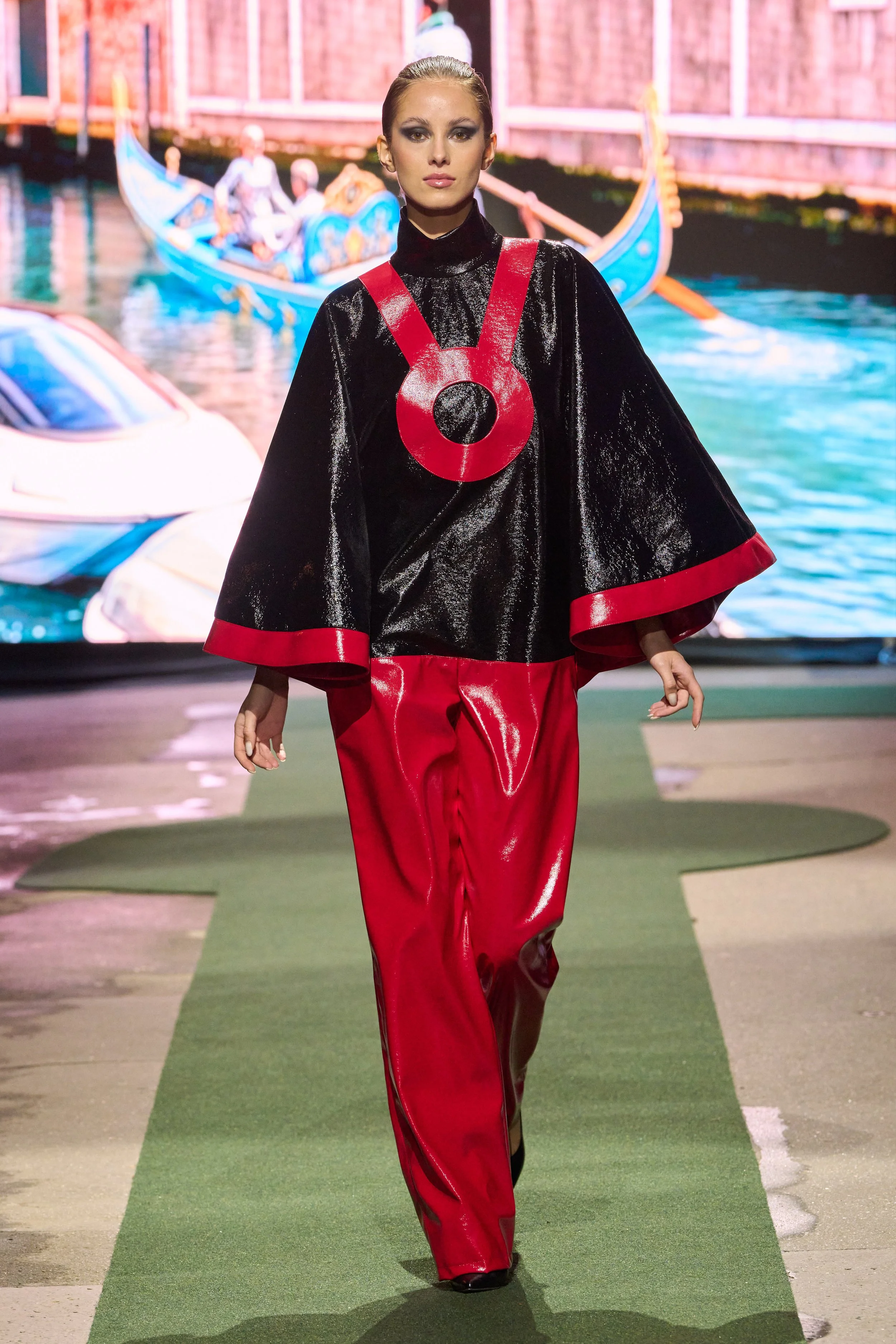
That same ethos now informs the LeShuttle project. Under the direction of Rodrigo Basilicati-Cardin, the house continues to operate with a forward-facing lens—one that views corporate wear not as limitation, but as opportunity. The forthcoming uniforms, set to launch in 2027, are expected to reflect this balance: garments that are refined yet accessible, structured yet adaptable, and above all, designed with both the wearer and observer in mind.
What distinguishes this collaboration is its emphasis on uniform as identity. In an industry increasingly driven by storytelling, even the most functional garments carry symbolic weight. For Pierre Cardin, this is familiar territory. The brand has long treated clothing as a communicative tool—whether through its space-age collections of the 1960s or its continued engagement with futurism, sustainability, and innovation today.
Corporate uniforms, in this context, become a new frontier. They demand a nuanced approach: designs must perform across long hours, varied environments, and diverse body types, all while maintaining a coherent visual language. It is here that Cardin’s legacy of precision tailoring and modular design becomes particularly relevant. The uniform is no longer static; it is adaptive, responsive, and reflective of a broader cultural shift toward versatility in fashion.
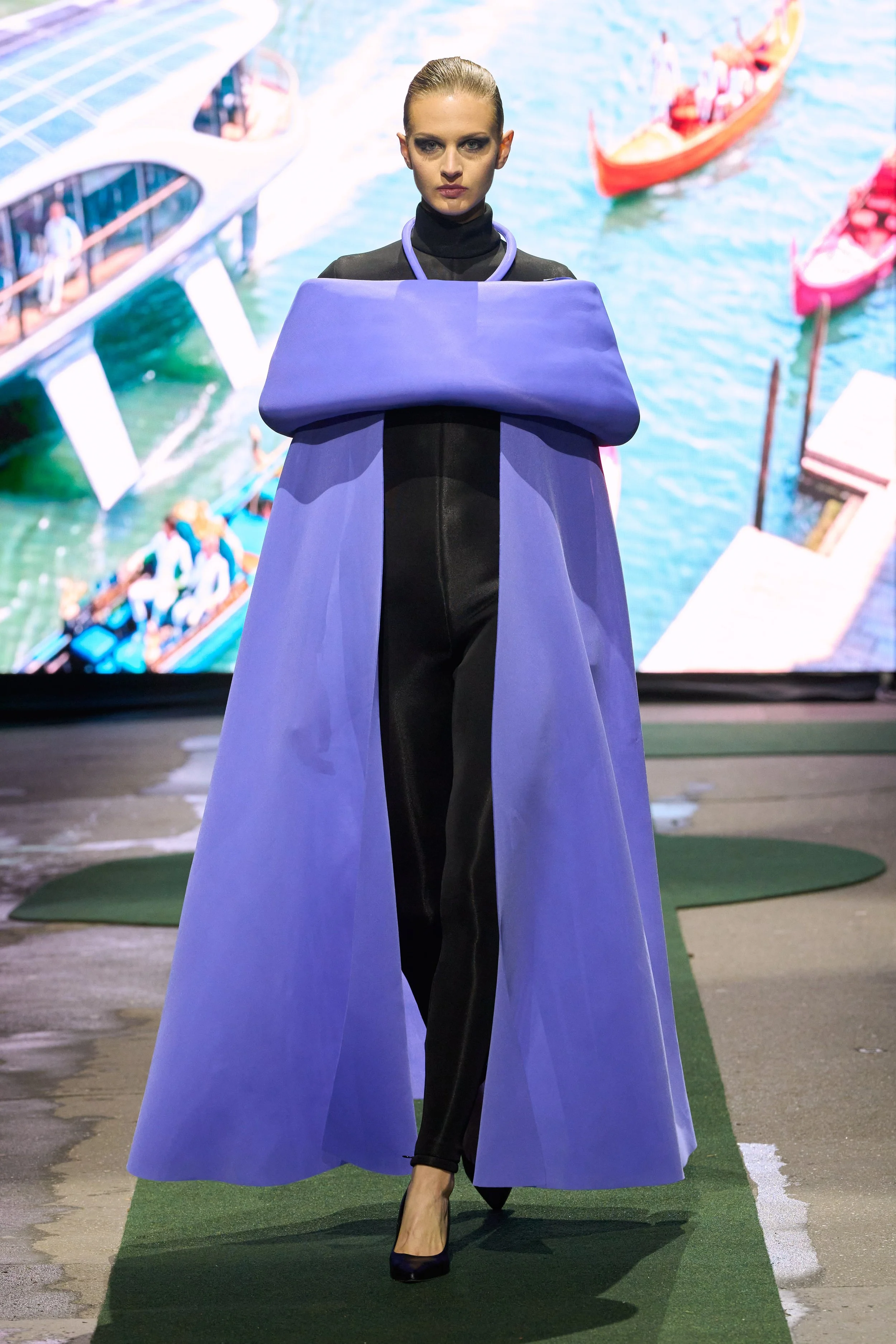
There is also a deeper recalibration at play. As fashion continues to blur the lines between luxury, streetwear, and utilitarian design, categories that once felt rigid are dissolving. Workwear, once defined by necessity, is increasingly shaped by aesthetics and brand alignment. The LeShuttle collaboration underscores this evolution, positioning uniform design within the same creative discourse as runway collections and capsule drops.
Yet, unlike traditional fashion cycles, the stakes here are different. Uniforms must endure—not just physically, but stylistically. They are worn daily, seen by millions, and become embedded in the visual memory of a brand. This demands a kind of timelessness that few designers successfully achieve. For Pierre Cardin, whose work has spanned over seven decades, this long-view approach is intrinsic.
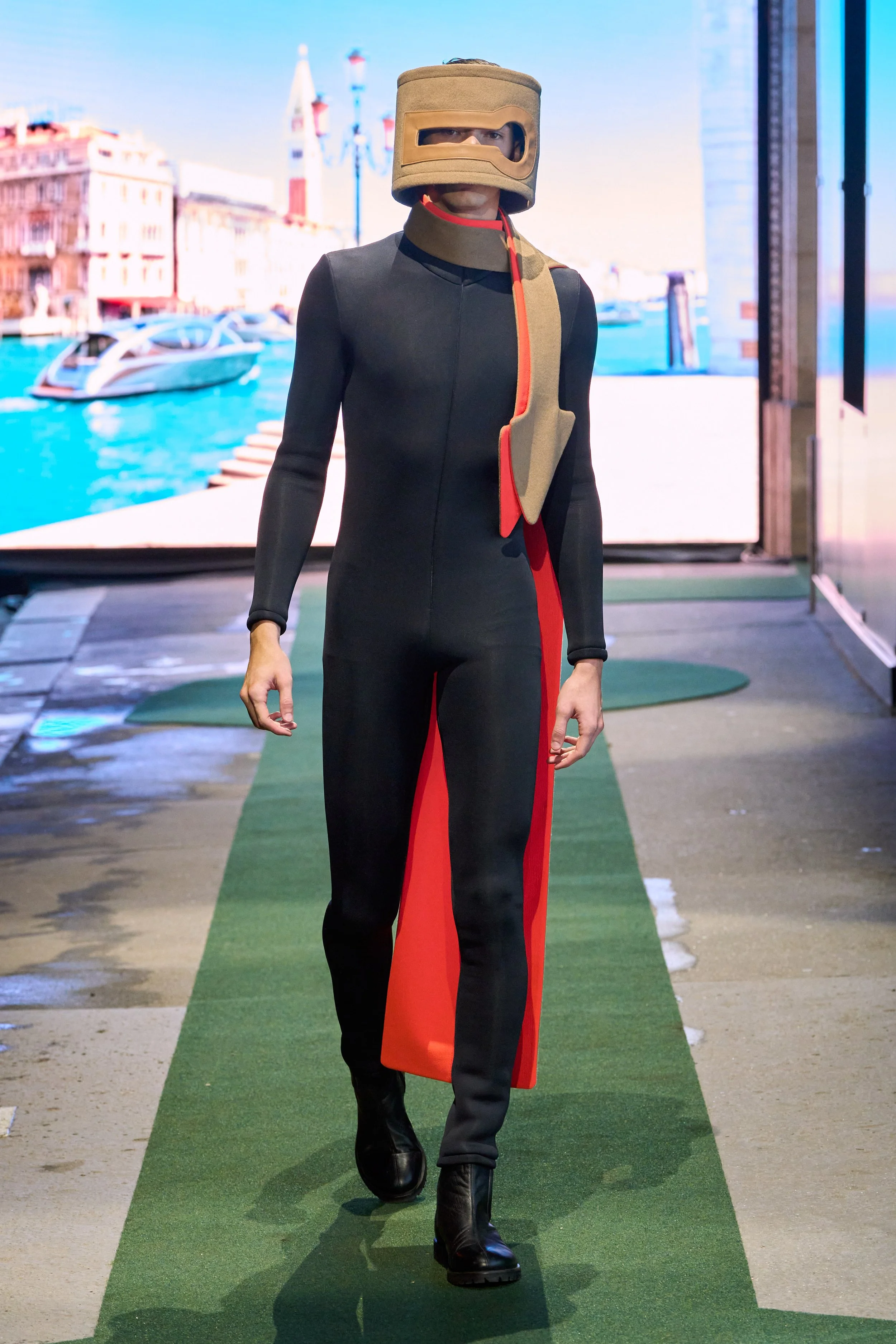
What makes this moment particularly compelling is how it repositions corporate fashion within the broader industry conversation. No longer an afterthought, uniform design is emerging as a site of innovation—where functionality sharpens creativity, and constraints produce clarity.
In reimagining LeShuttle’s uniforms, Pierre Cardin is not just designing garments; it is redefining the parameters of fashion itself. The result is a quiet but significant shift—one where the everyday becomes elevated, and where even the most utilitarian pieces carry the imprint of design thinking at its highest level.
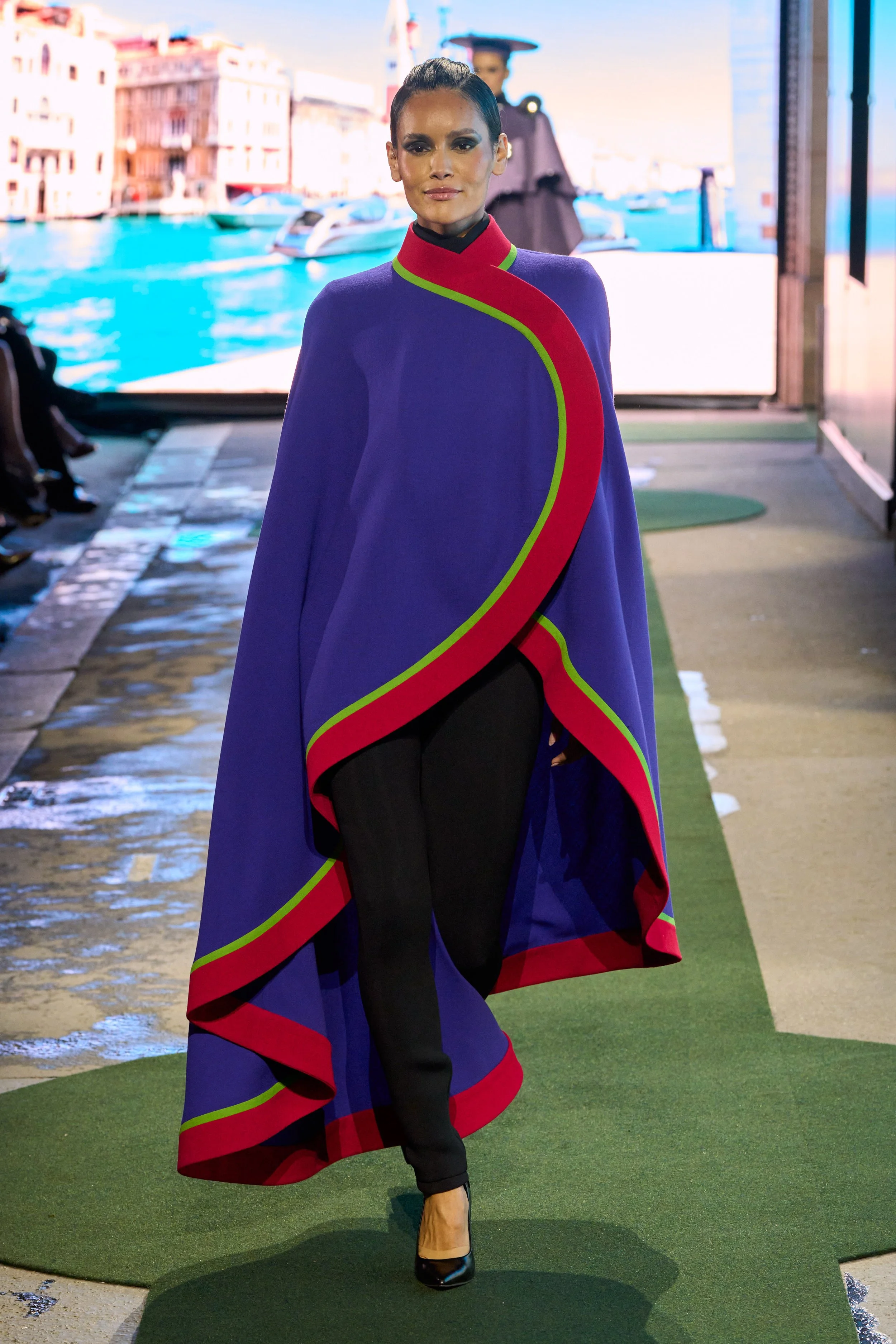
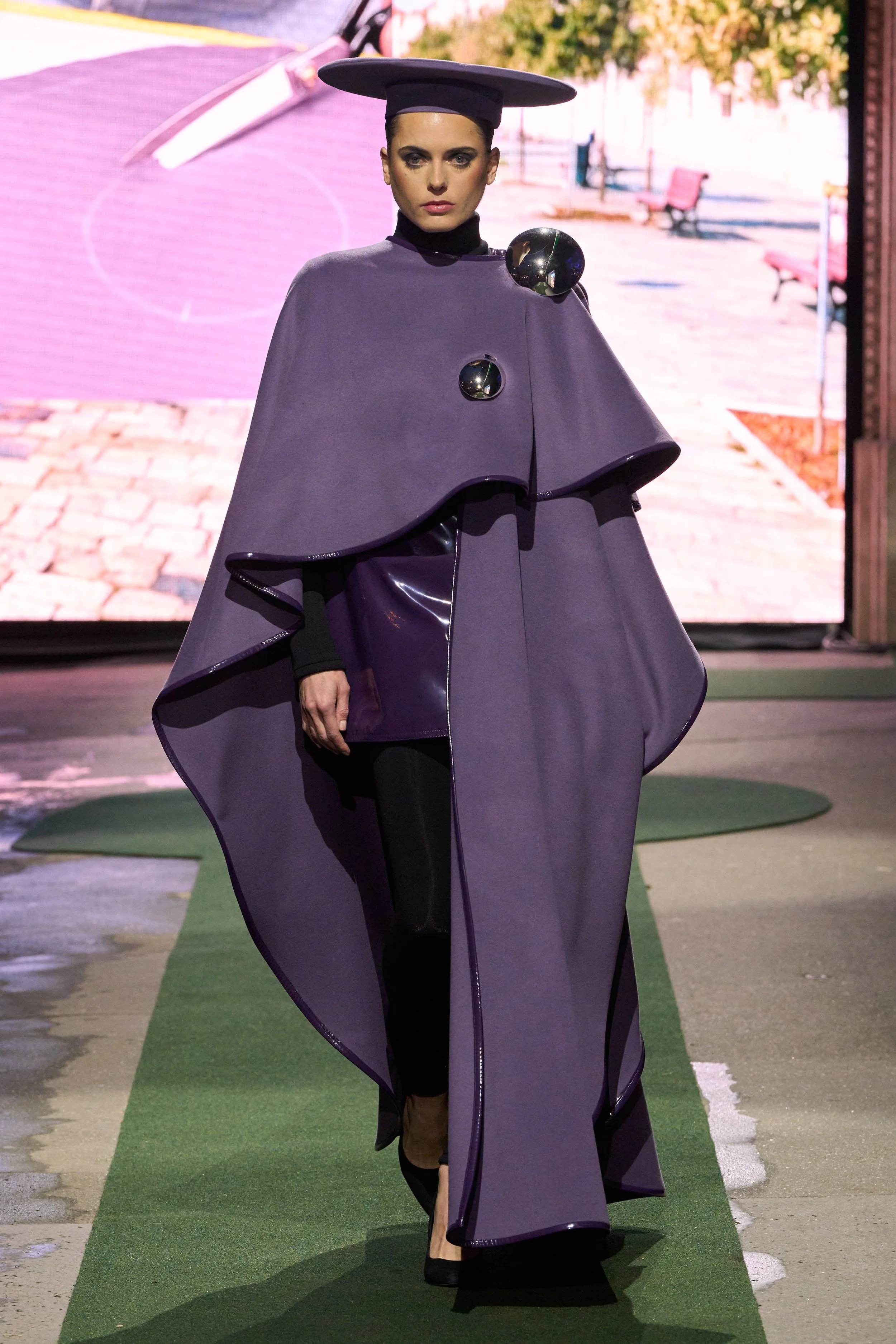
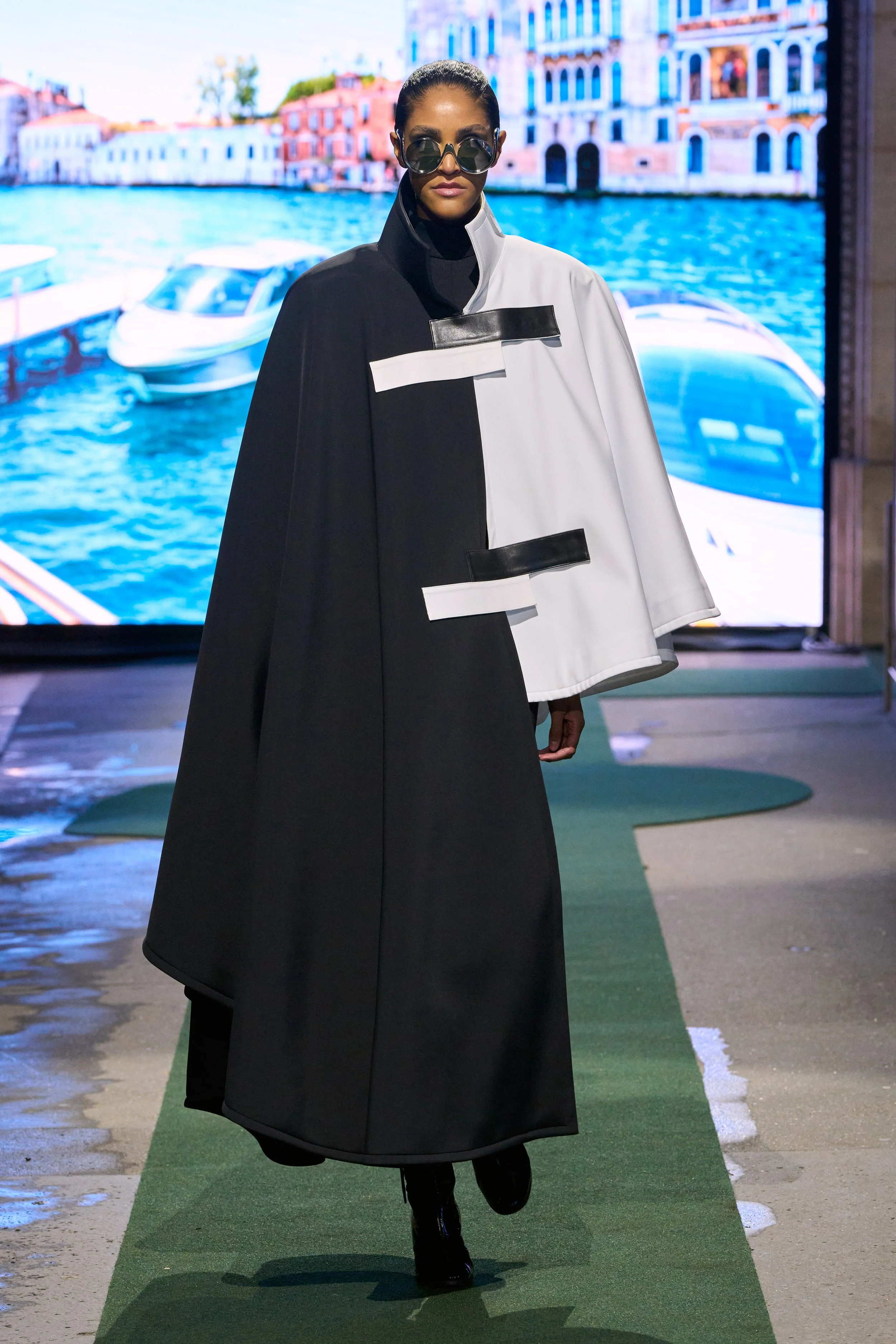
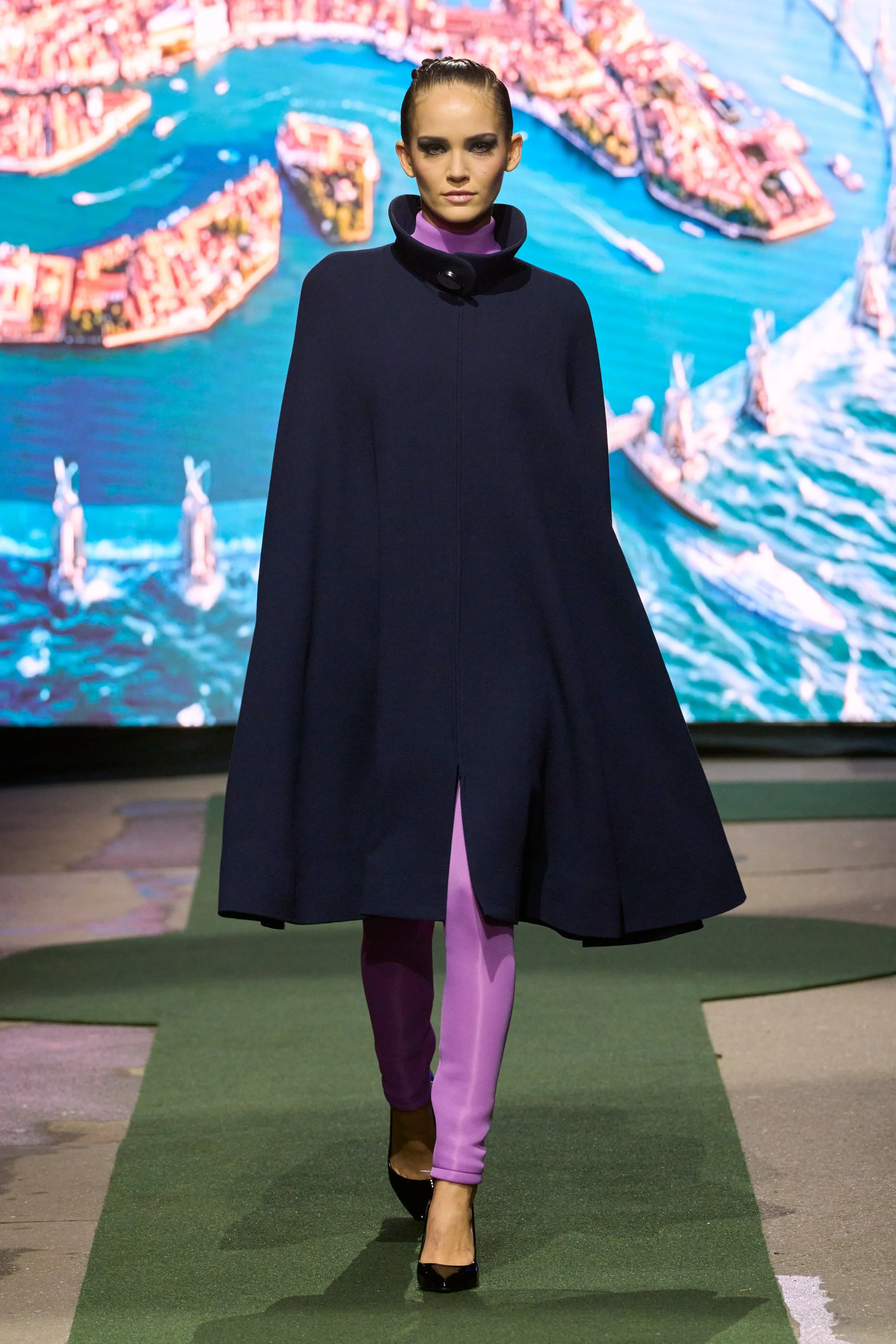
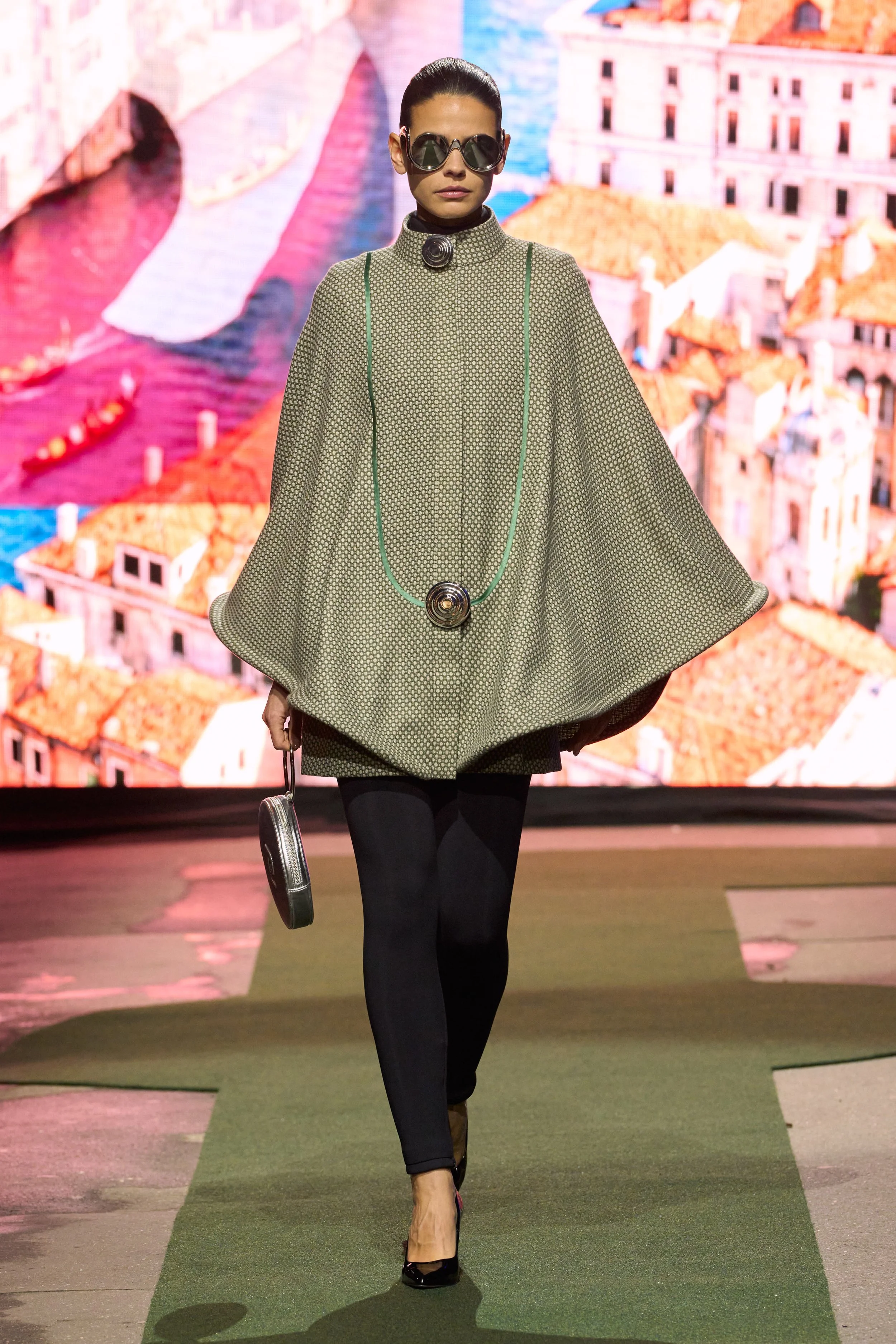
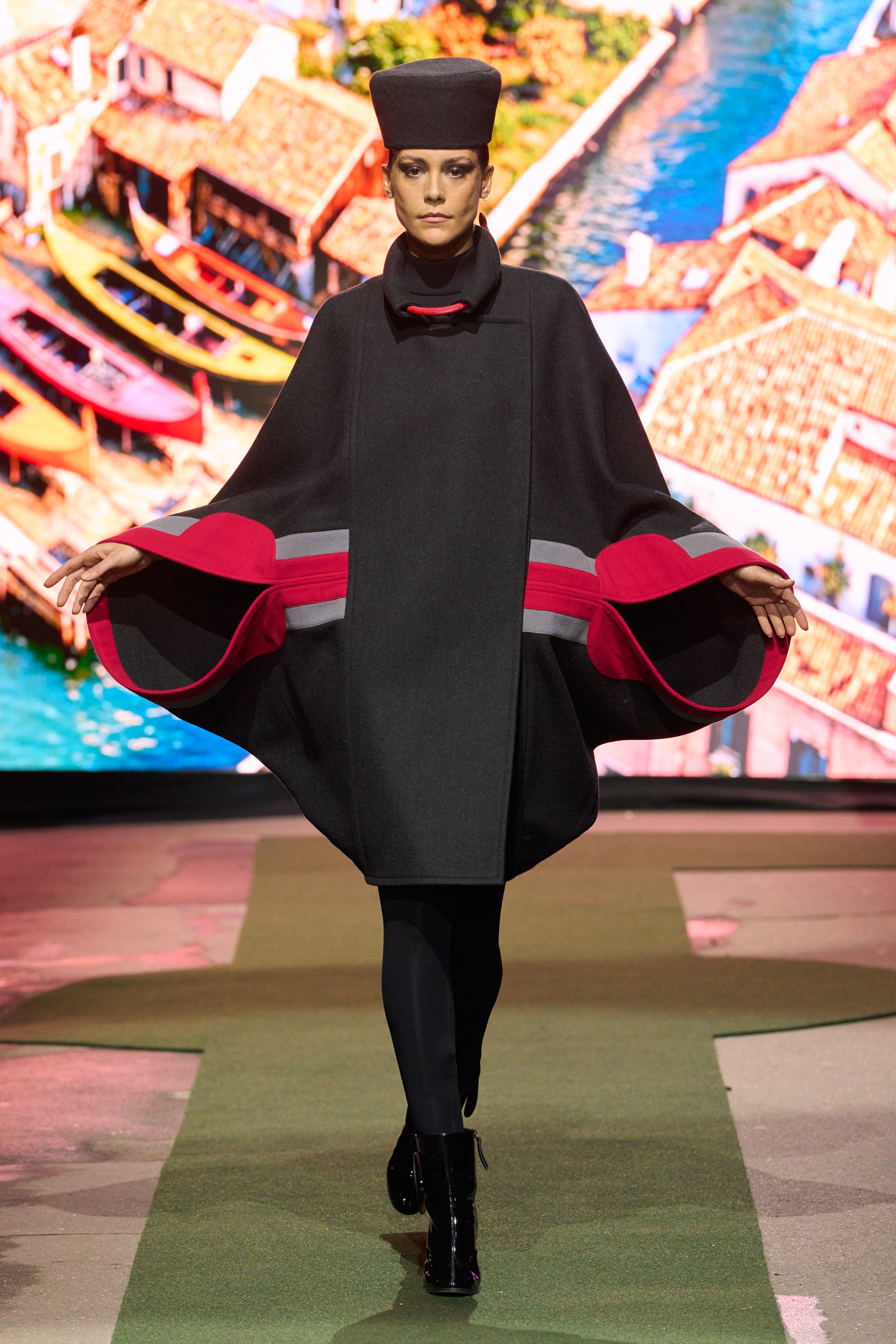
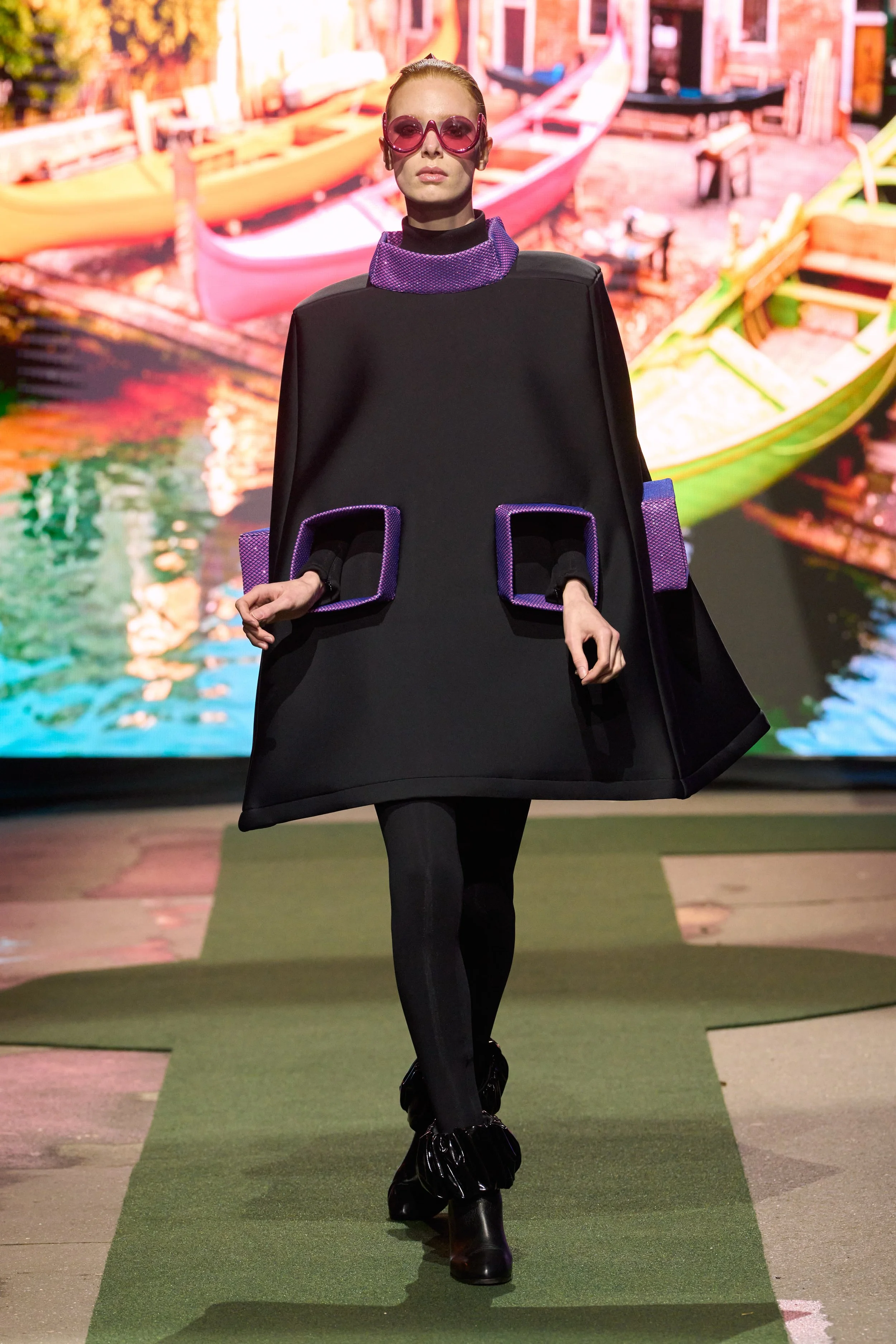
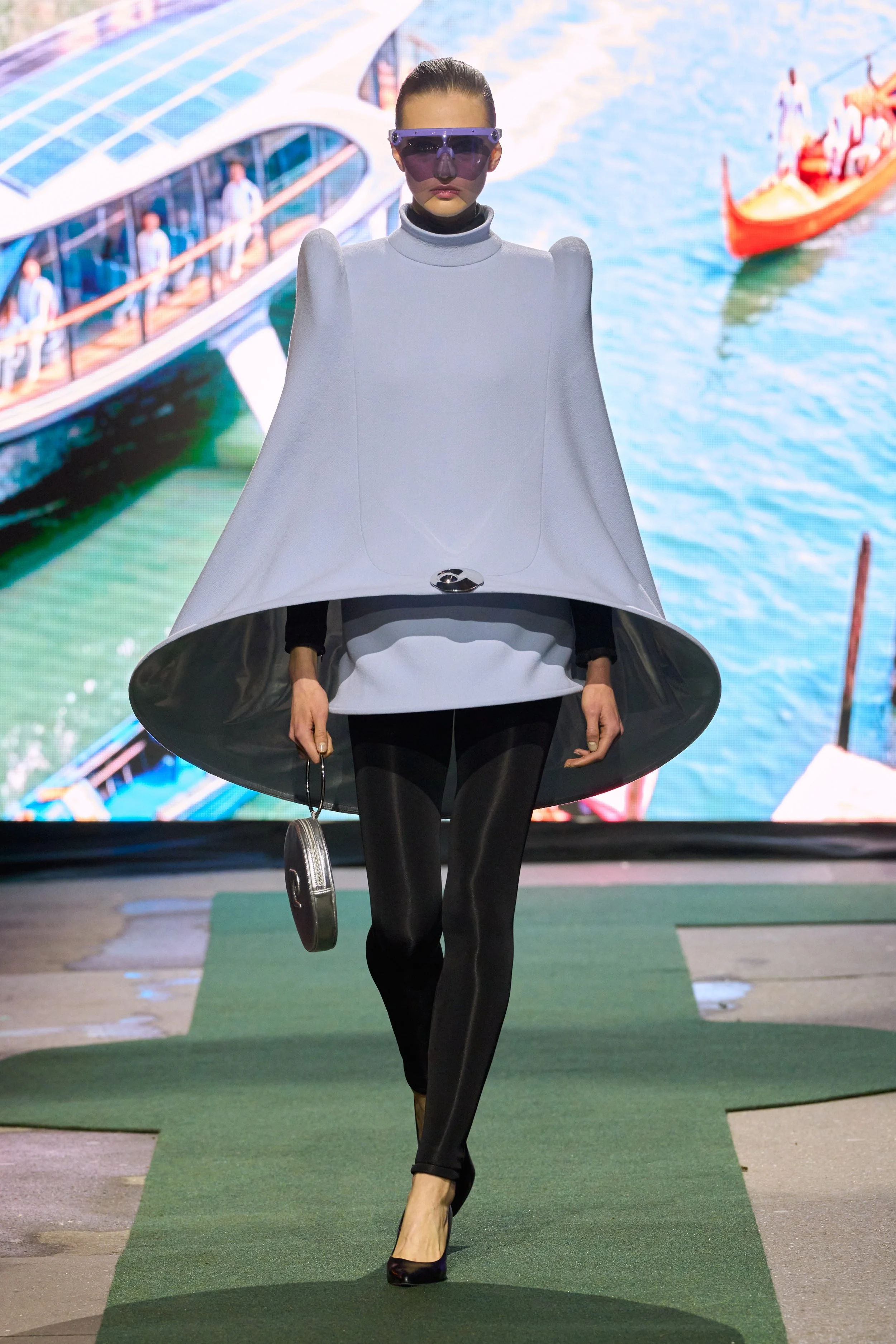
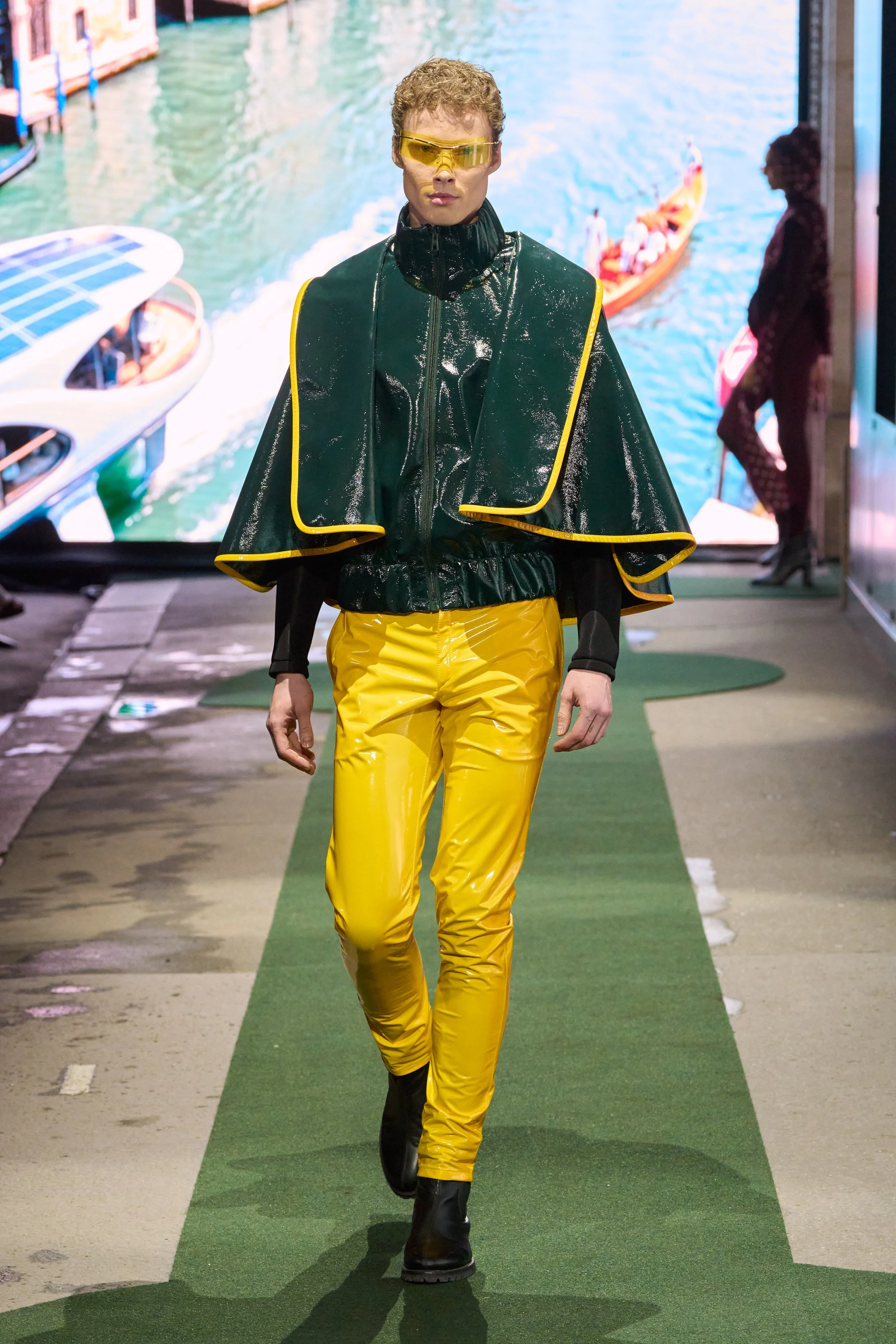
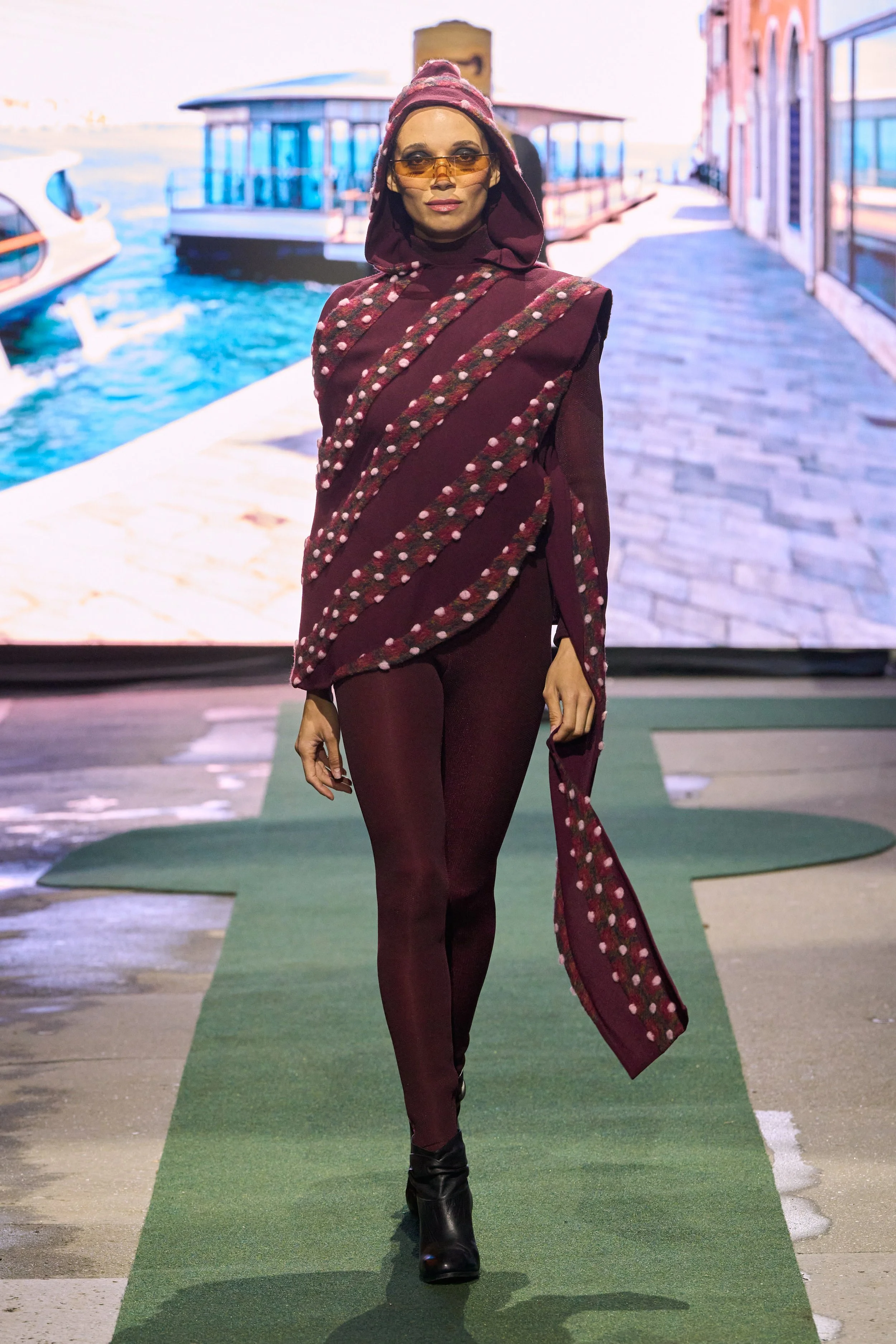
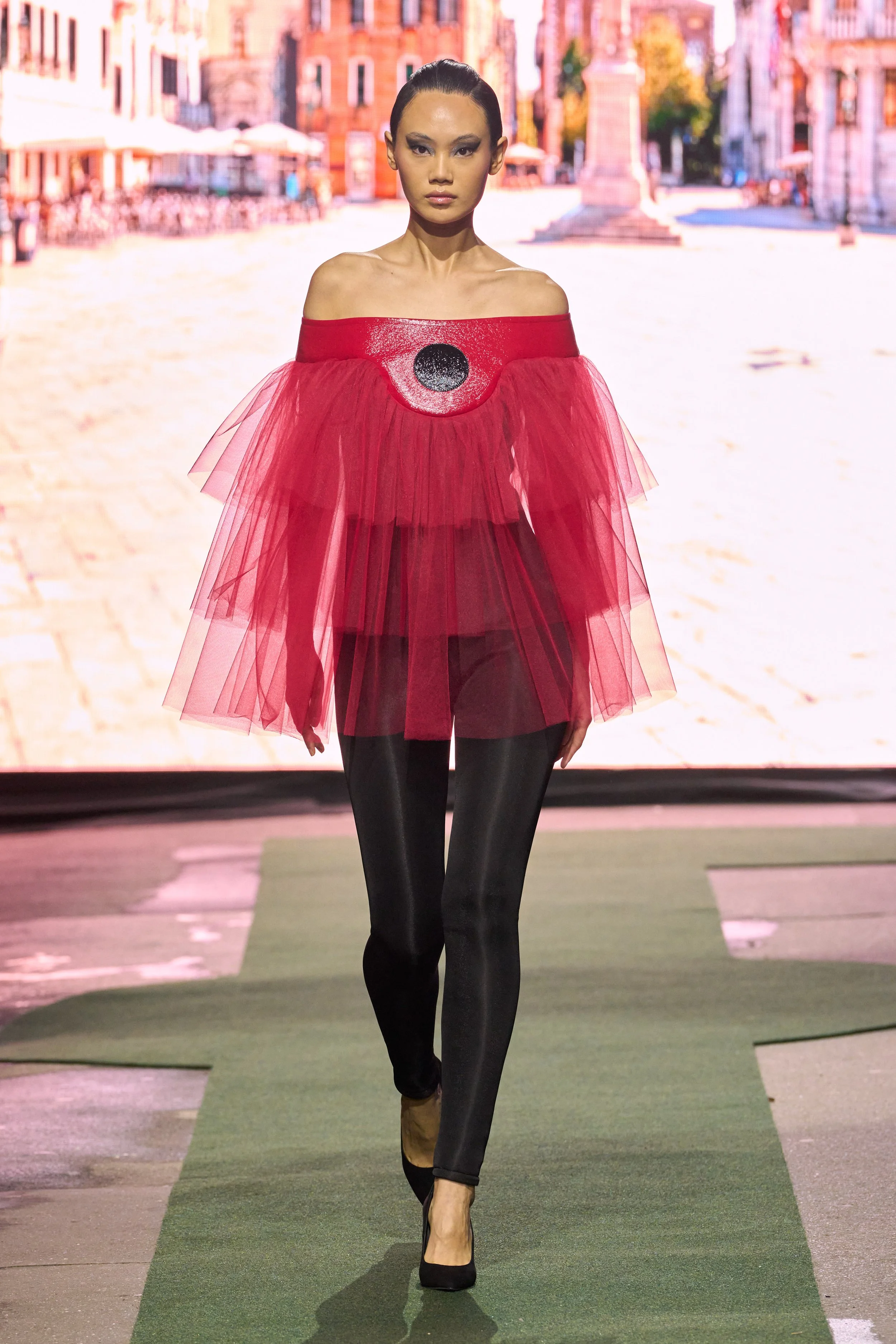
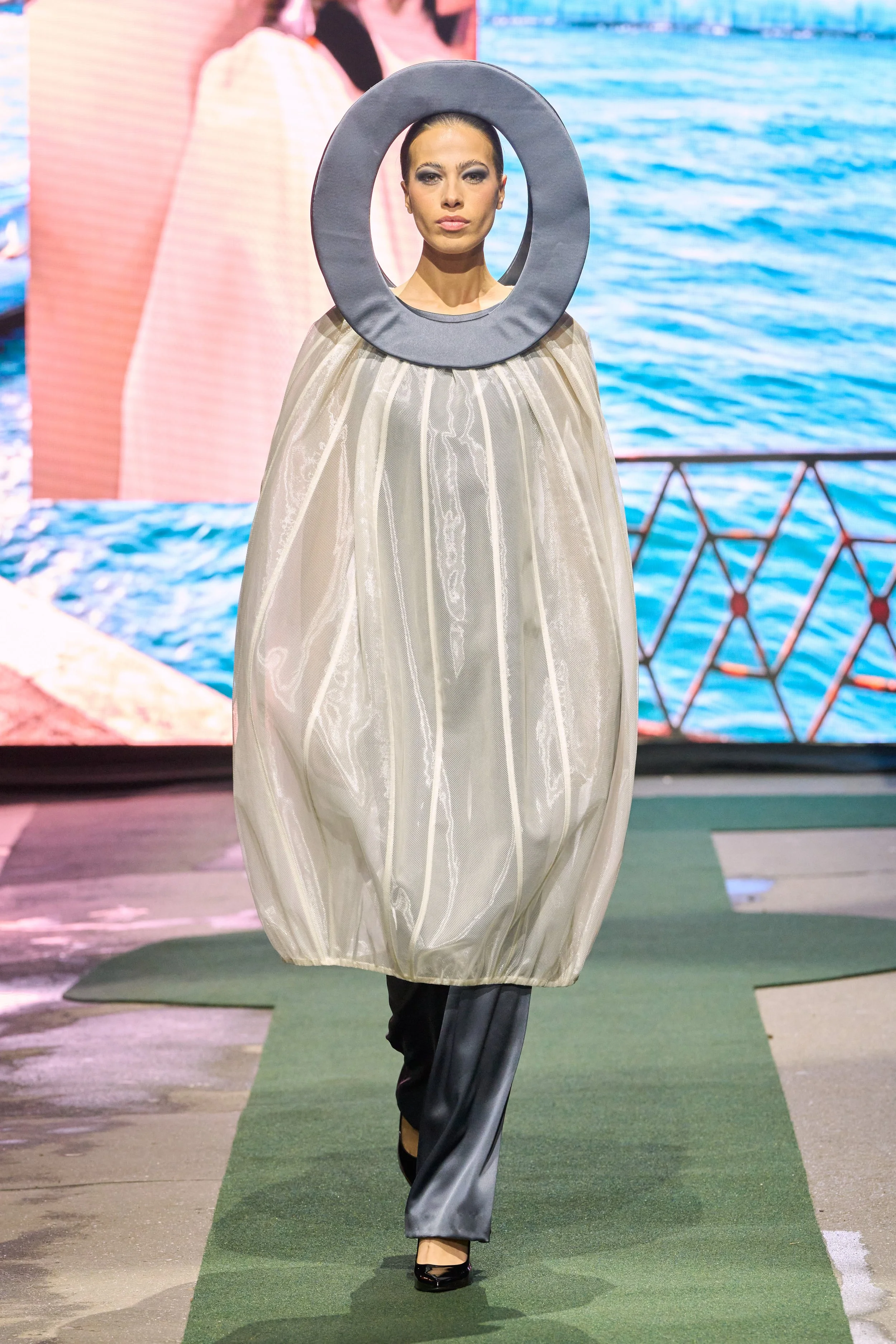
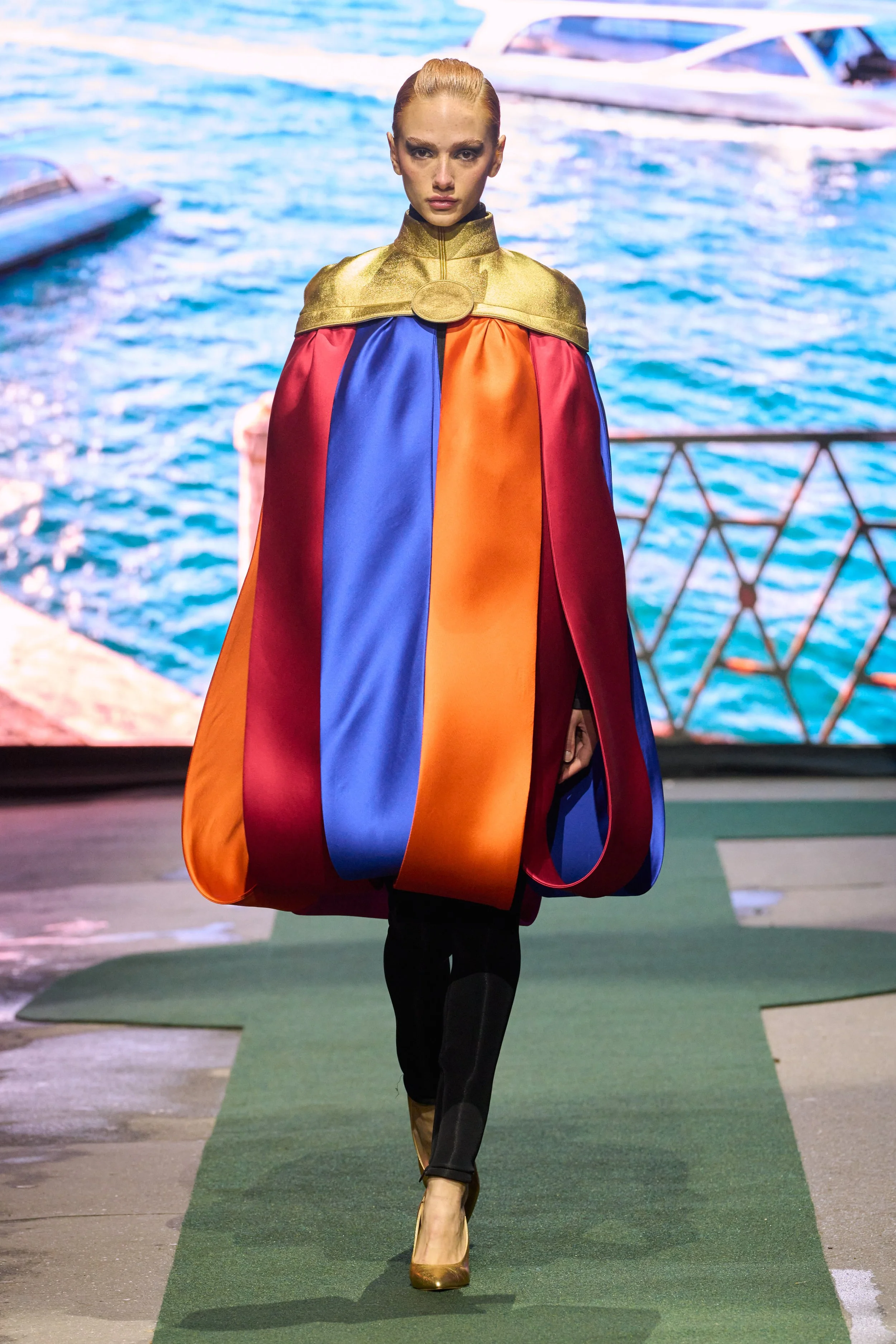
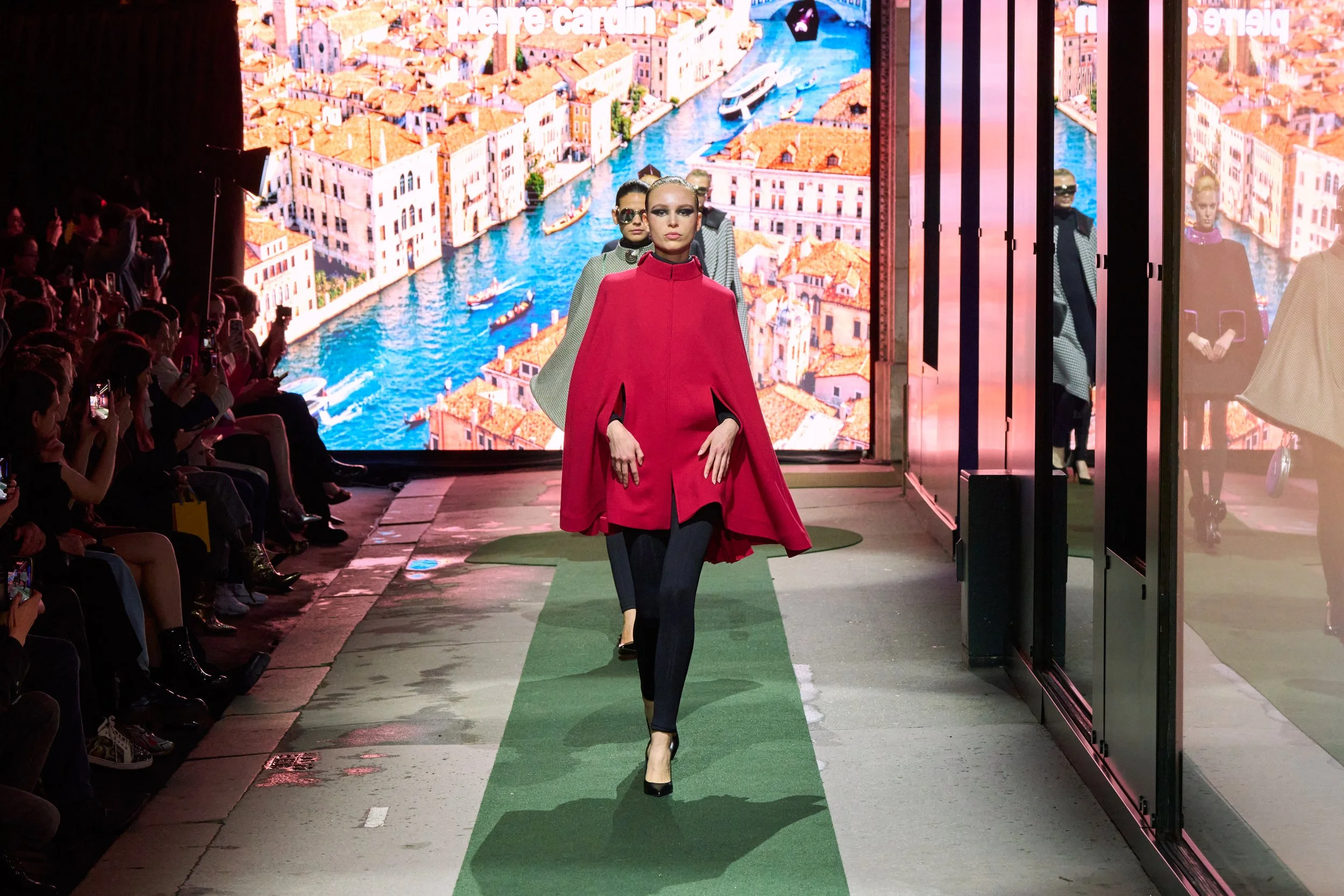
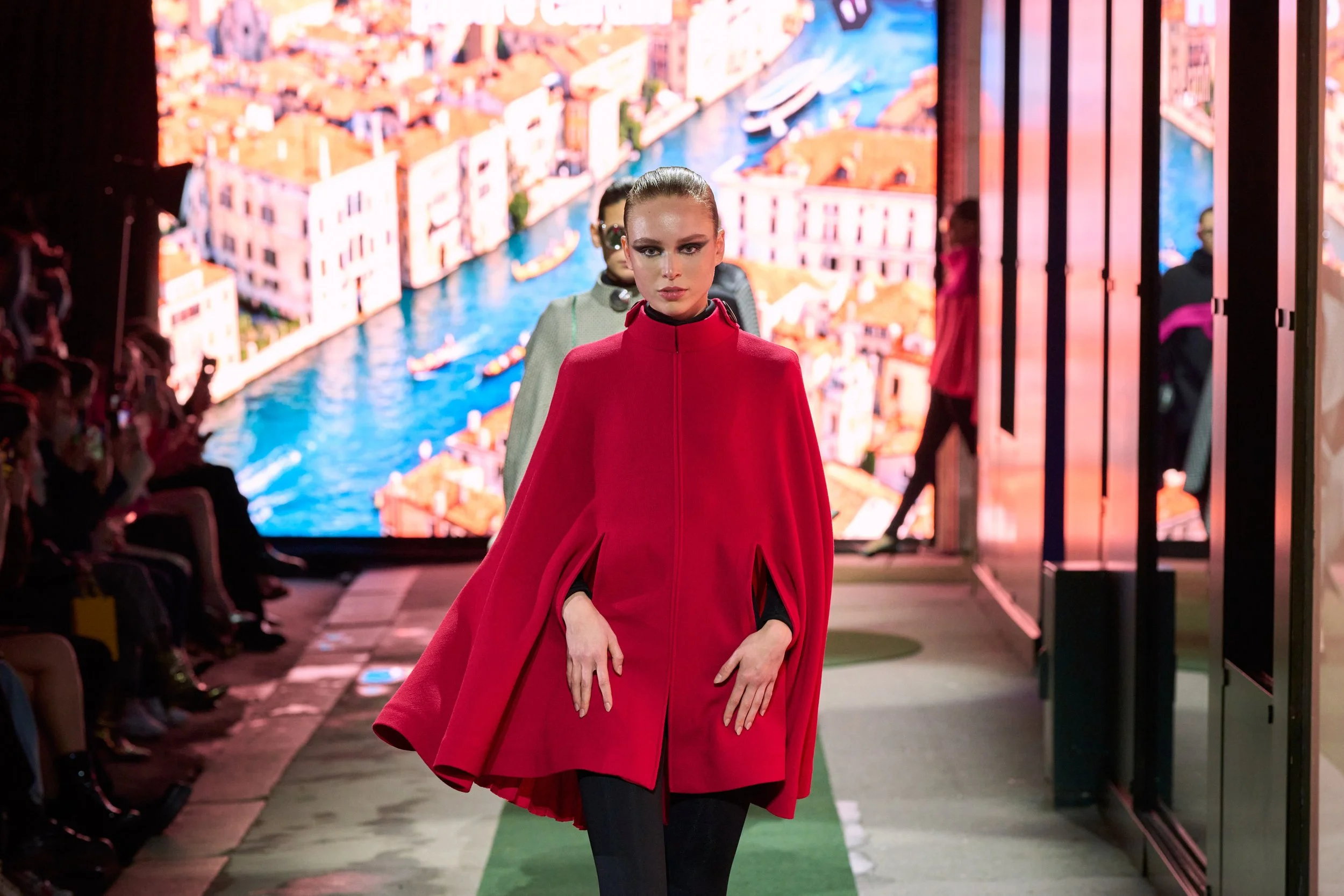
Full runway:
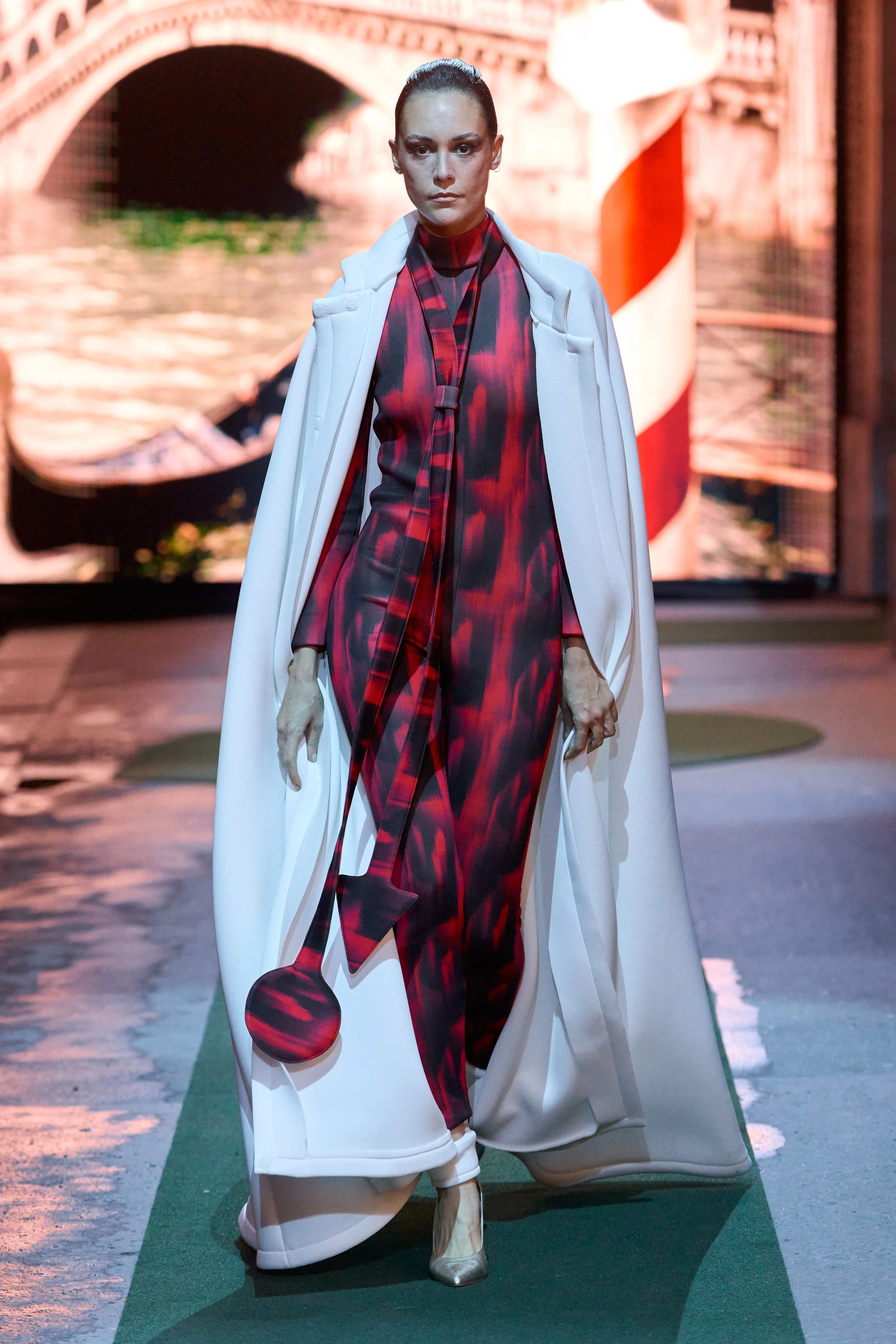
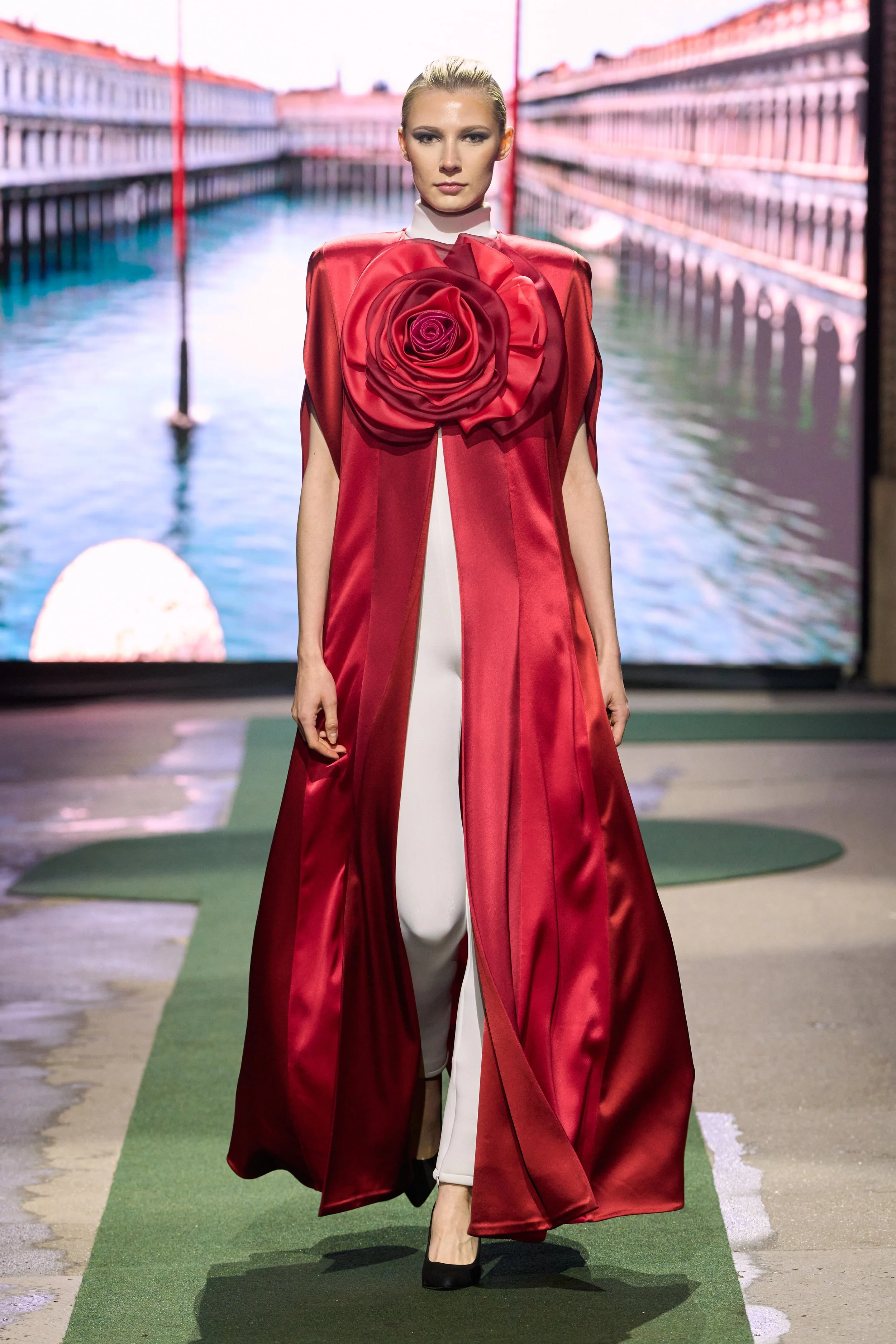
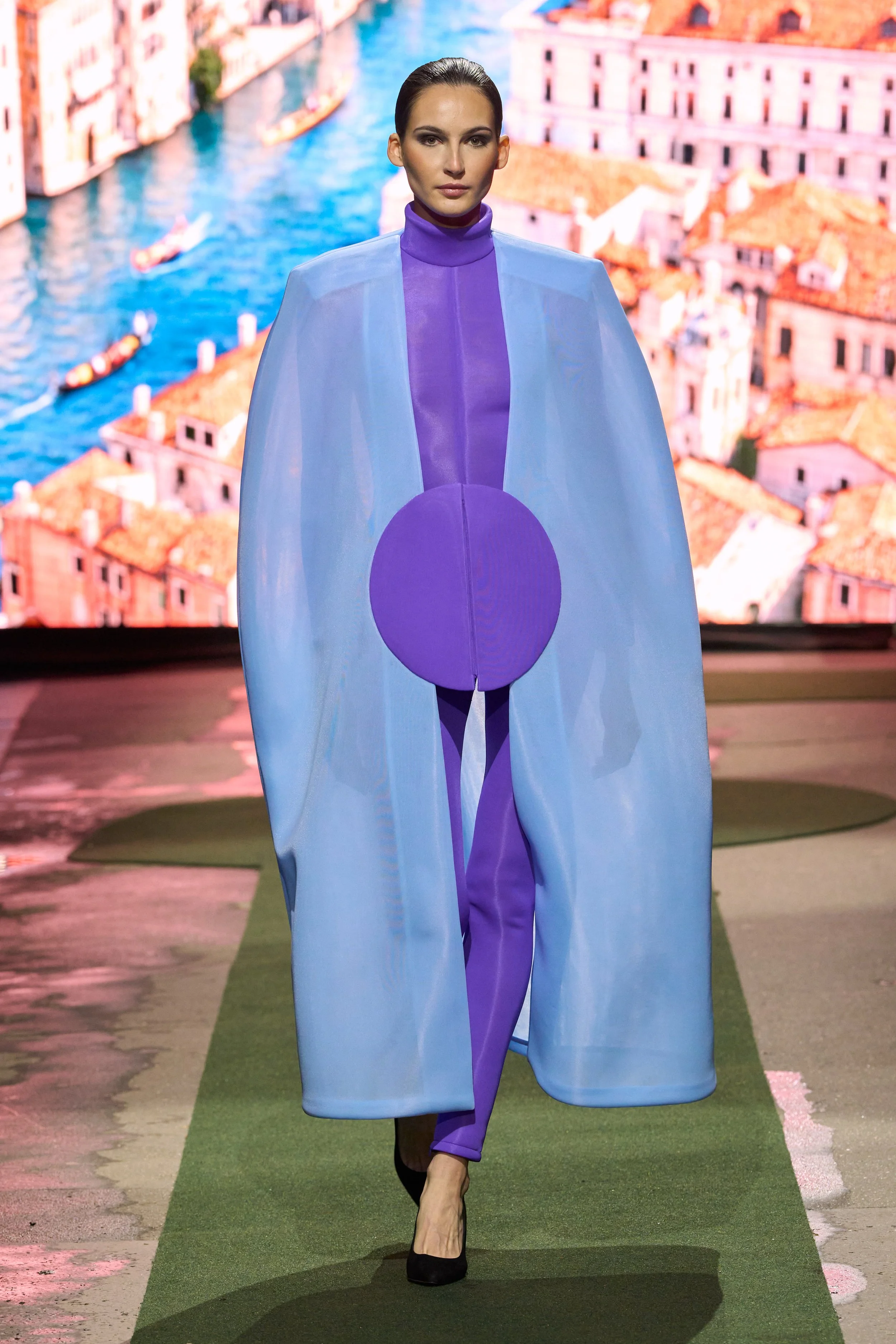
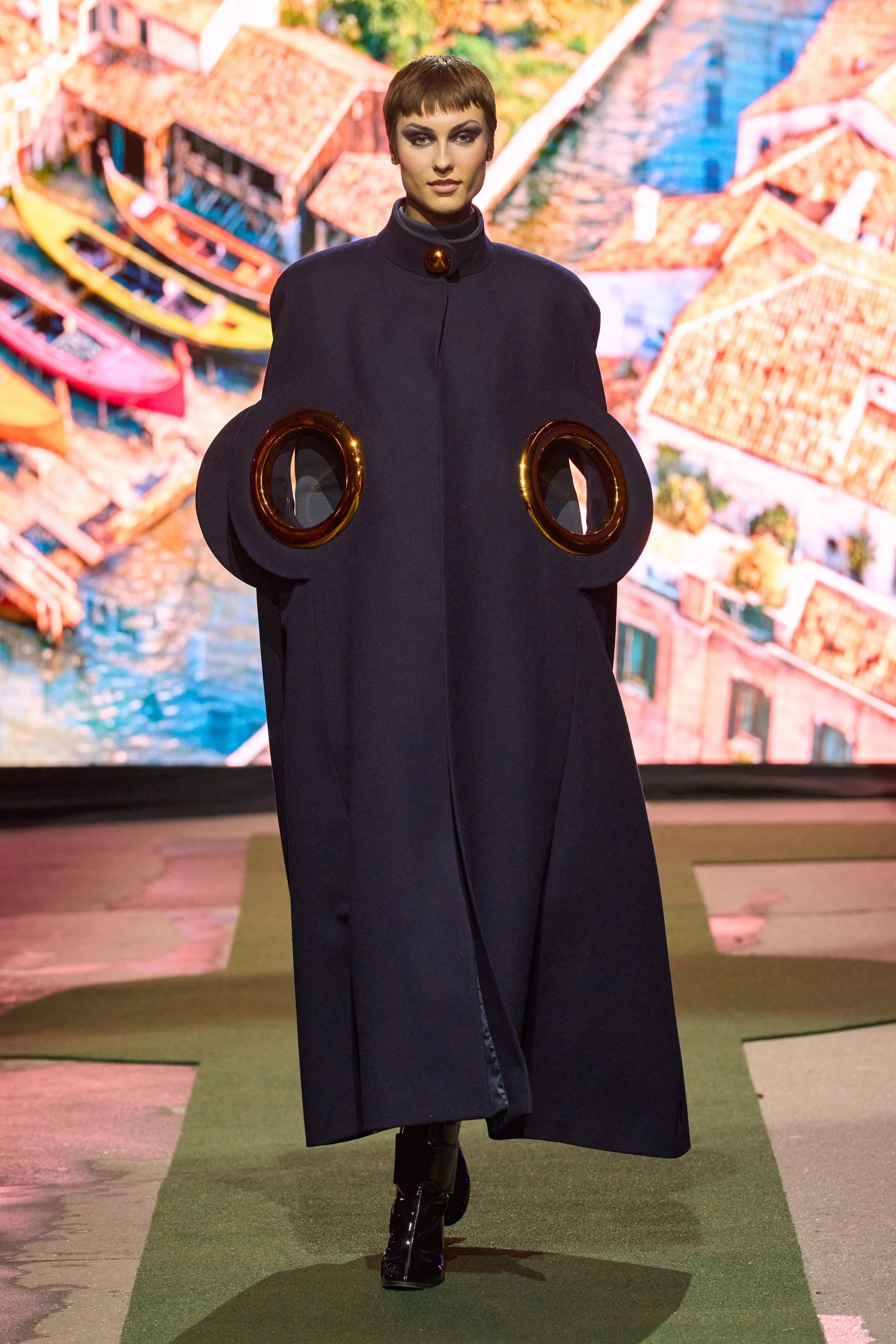
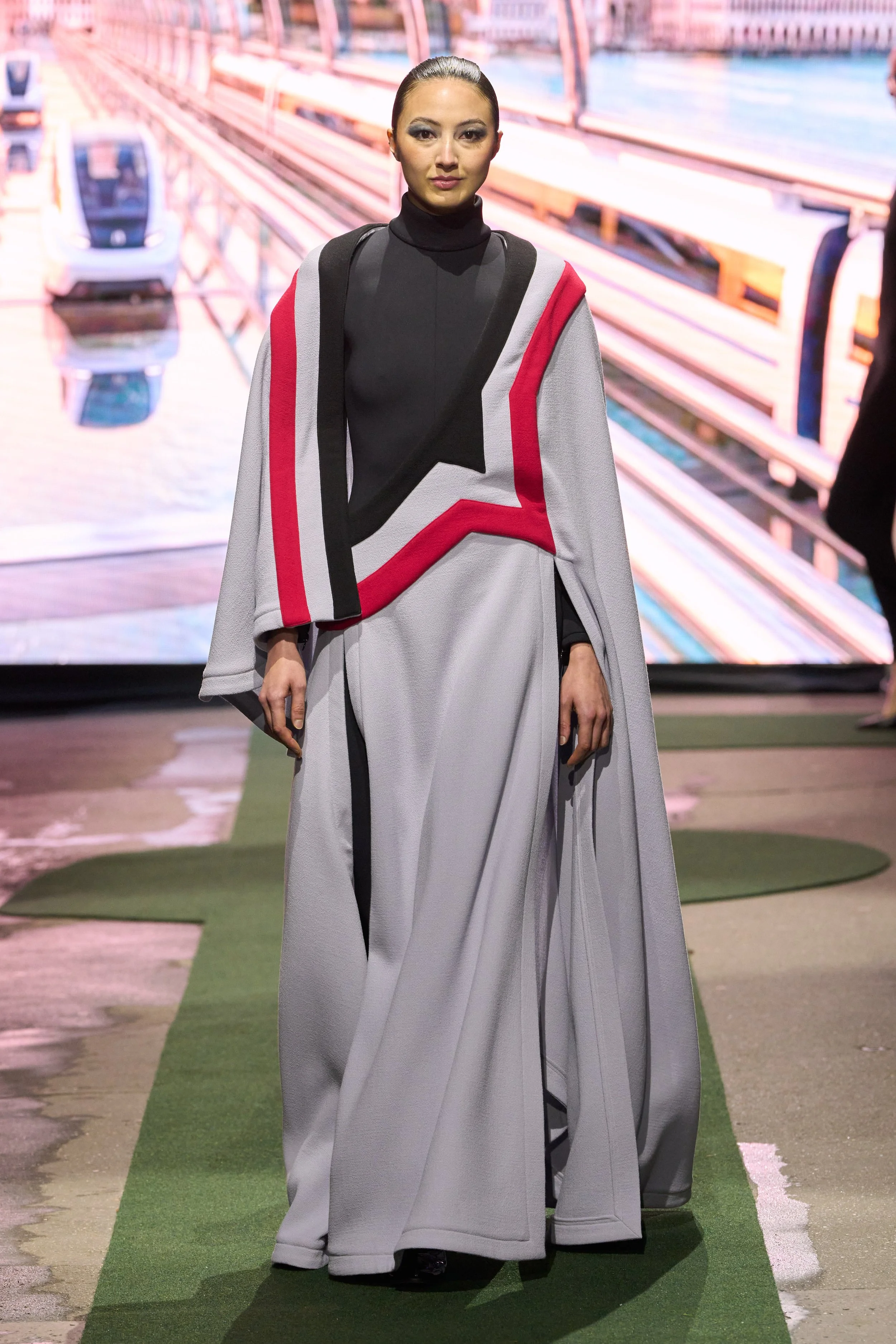
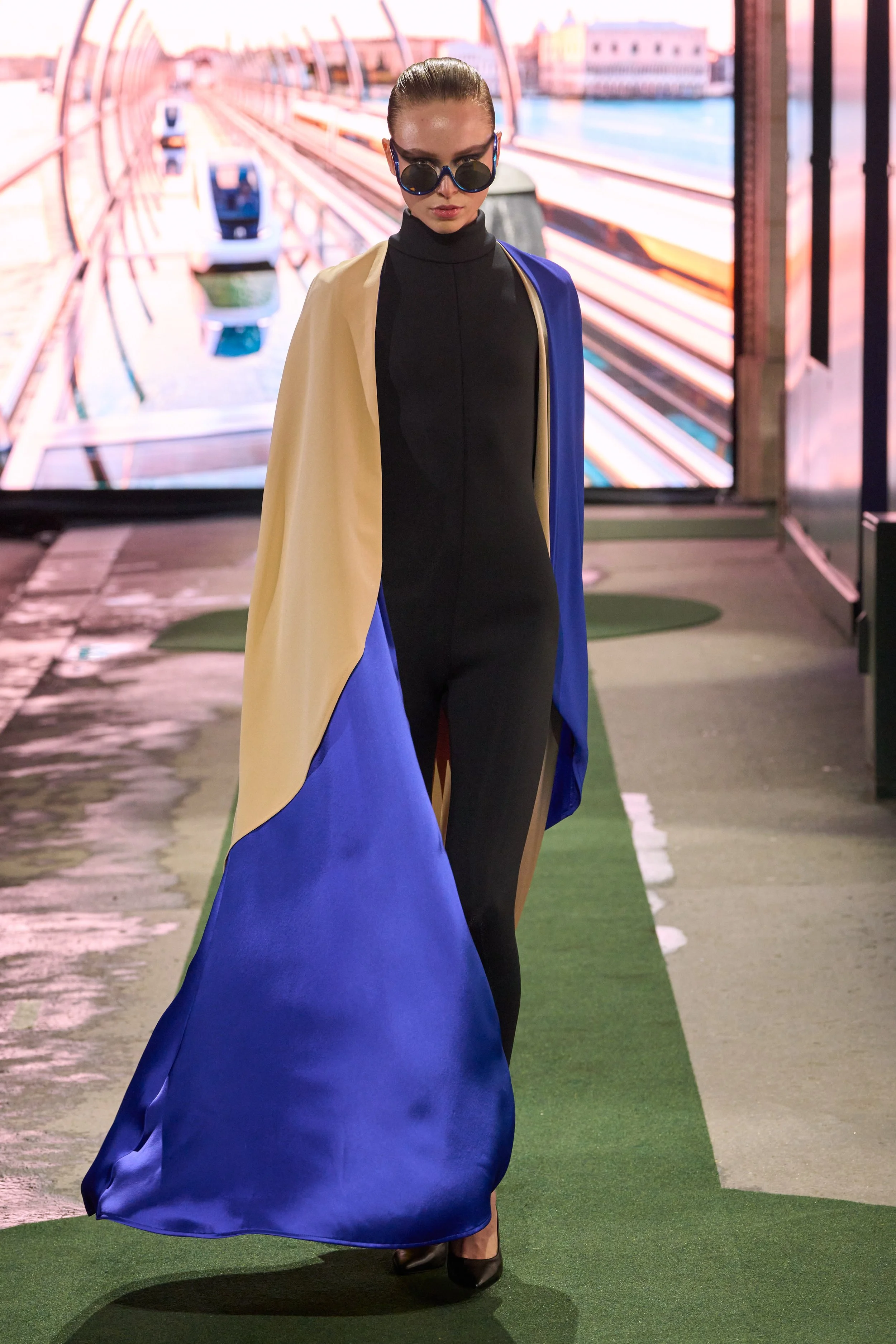
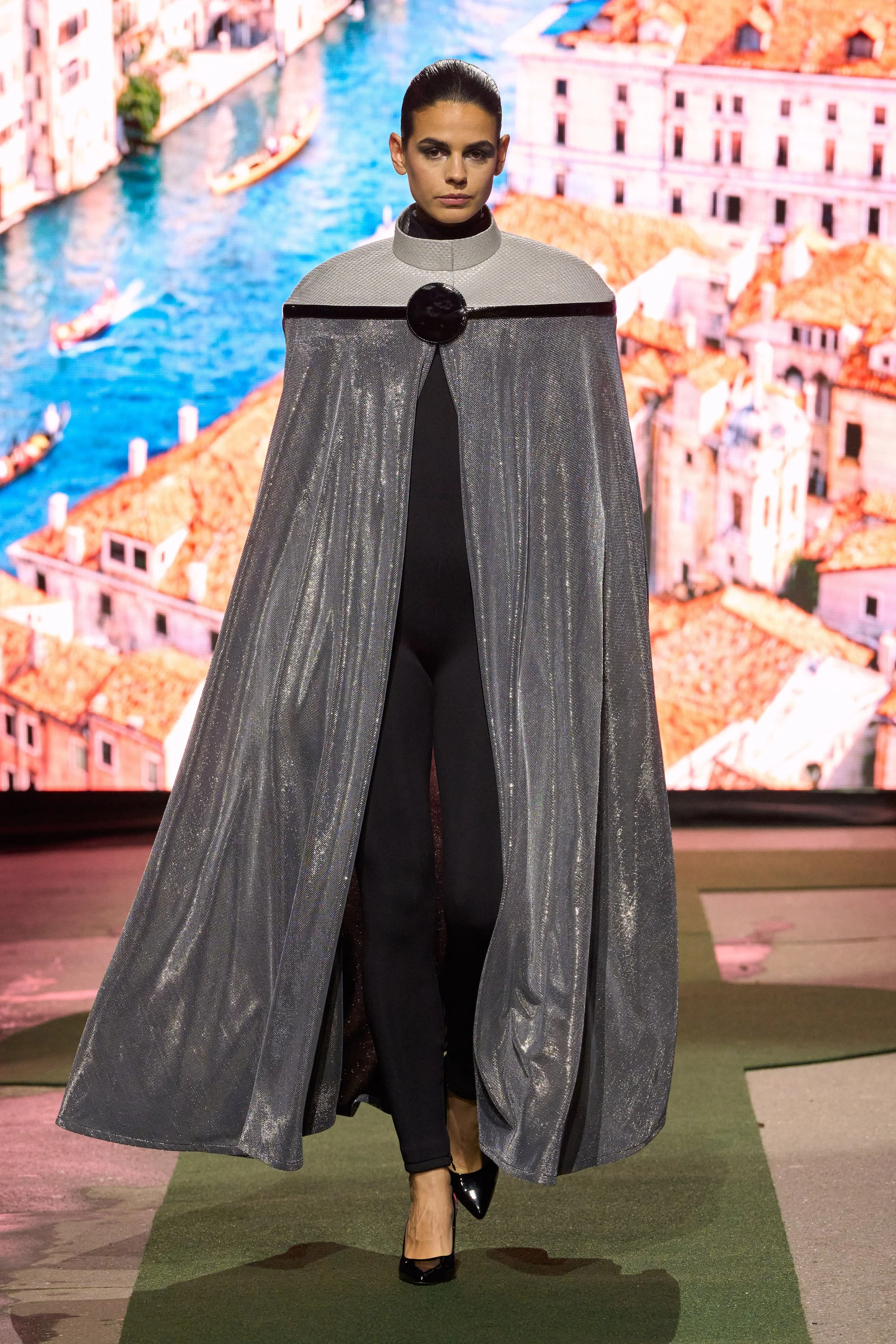
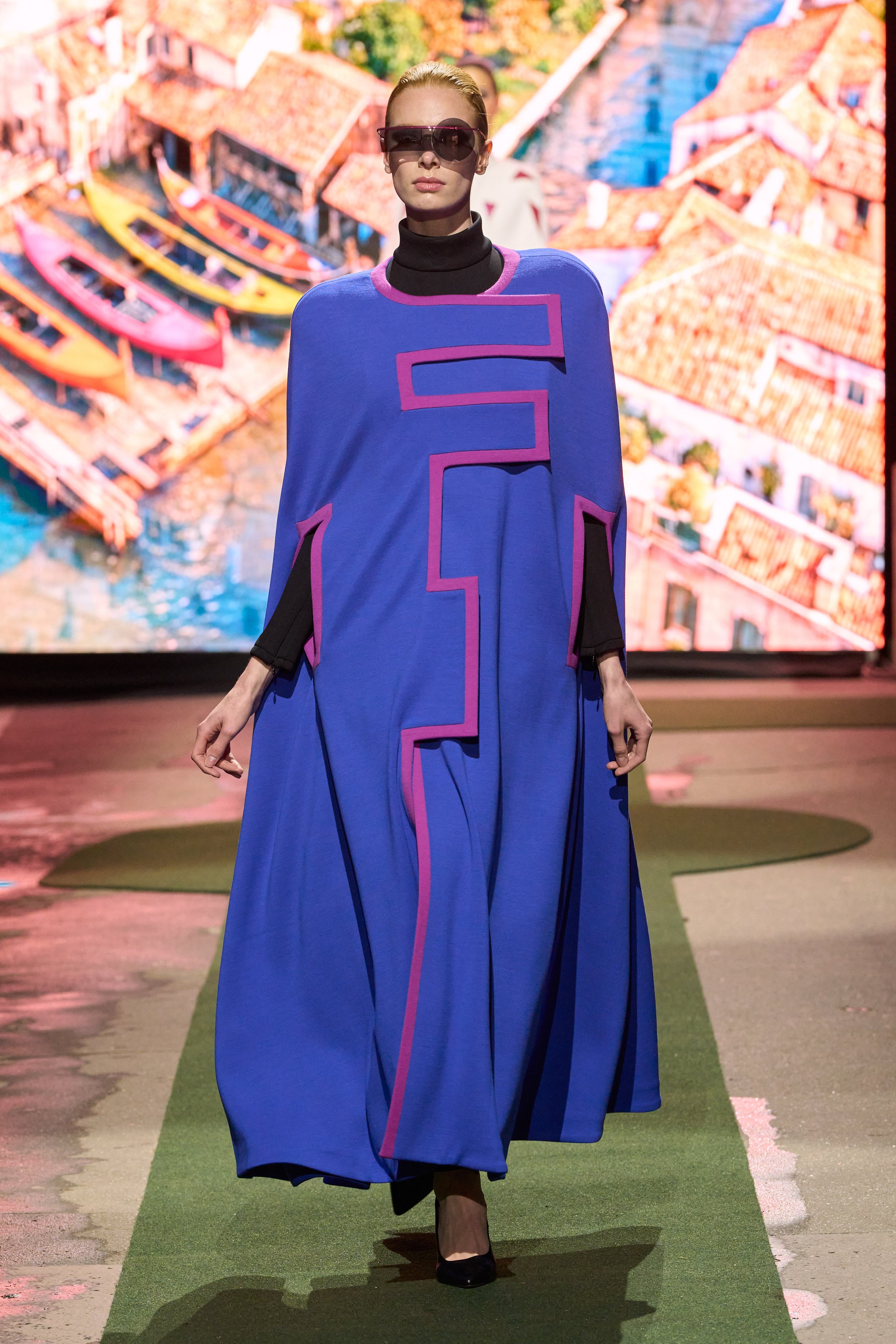
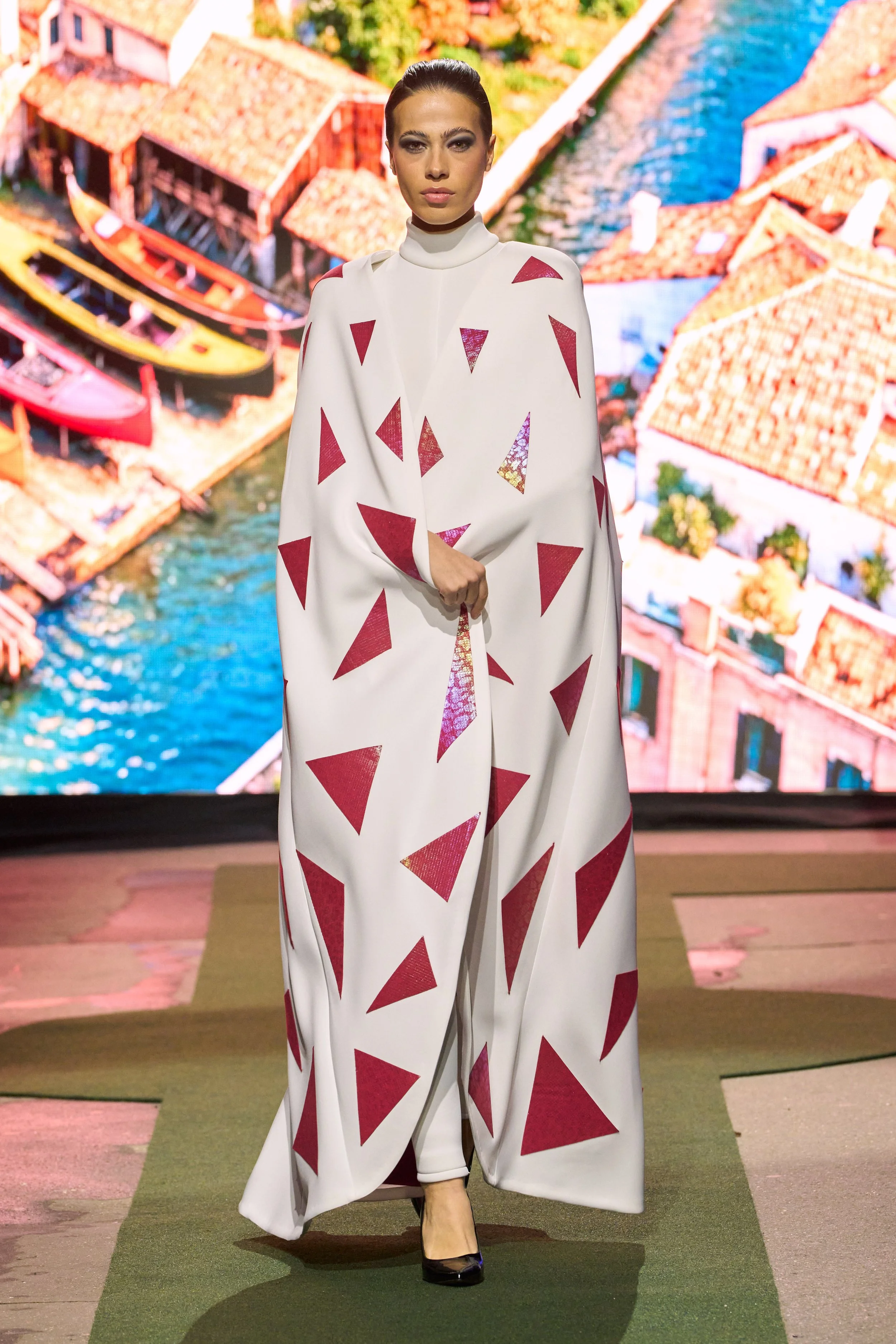
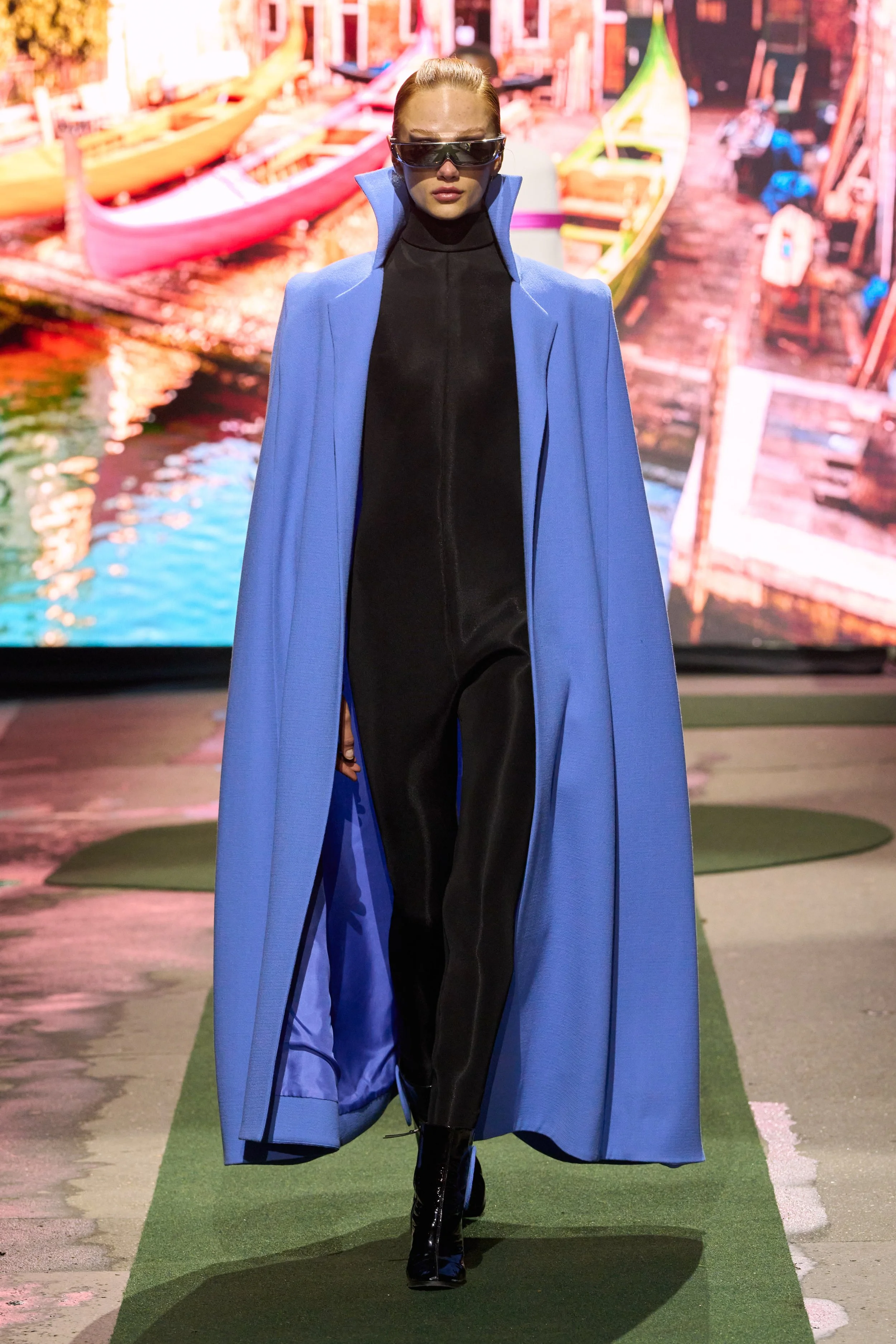
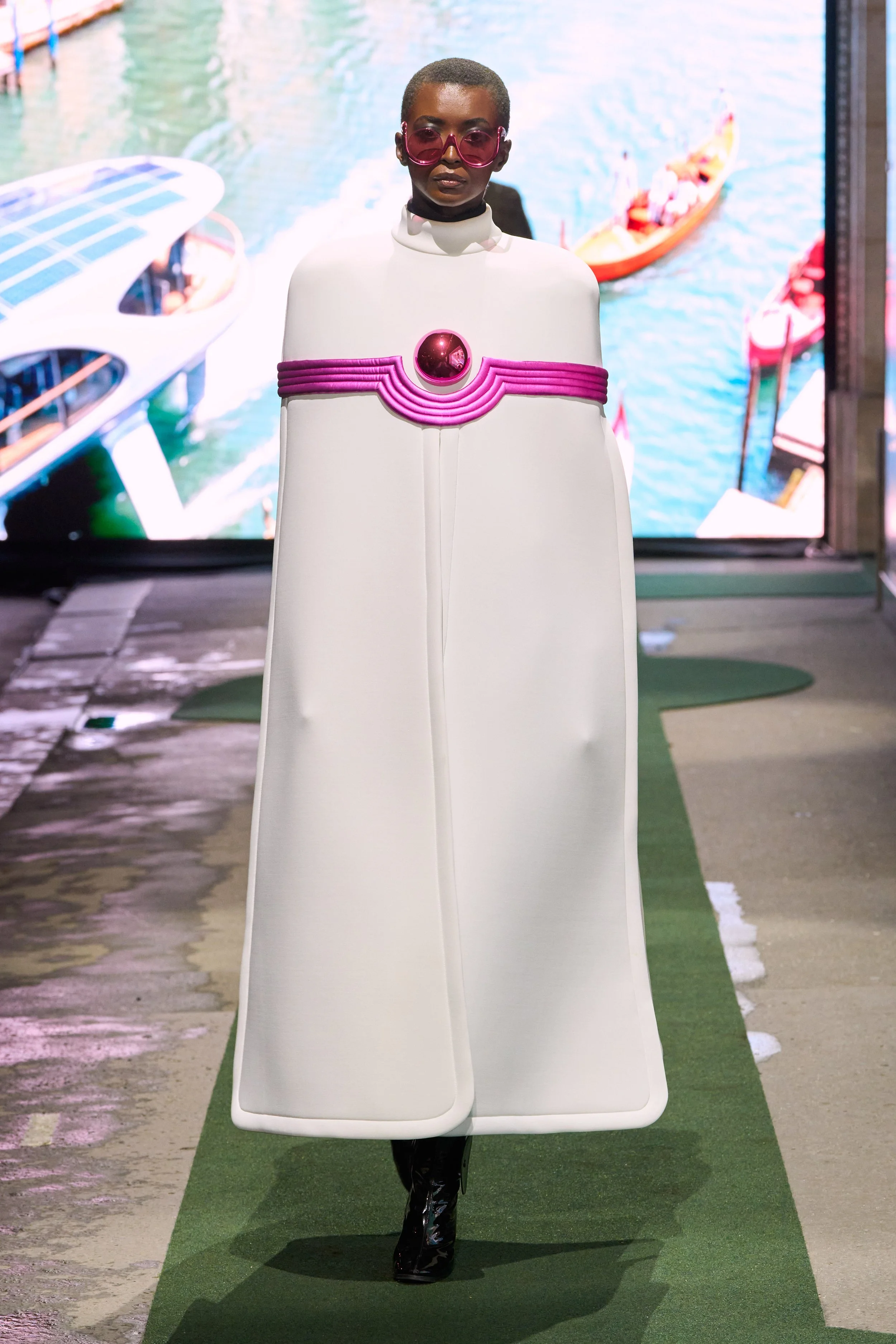
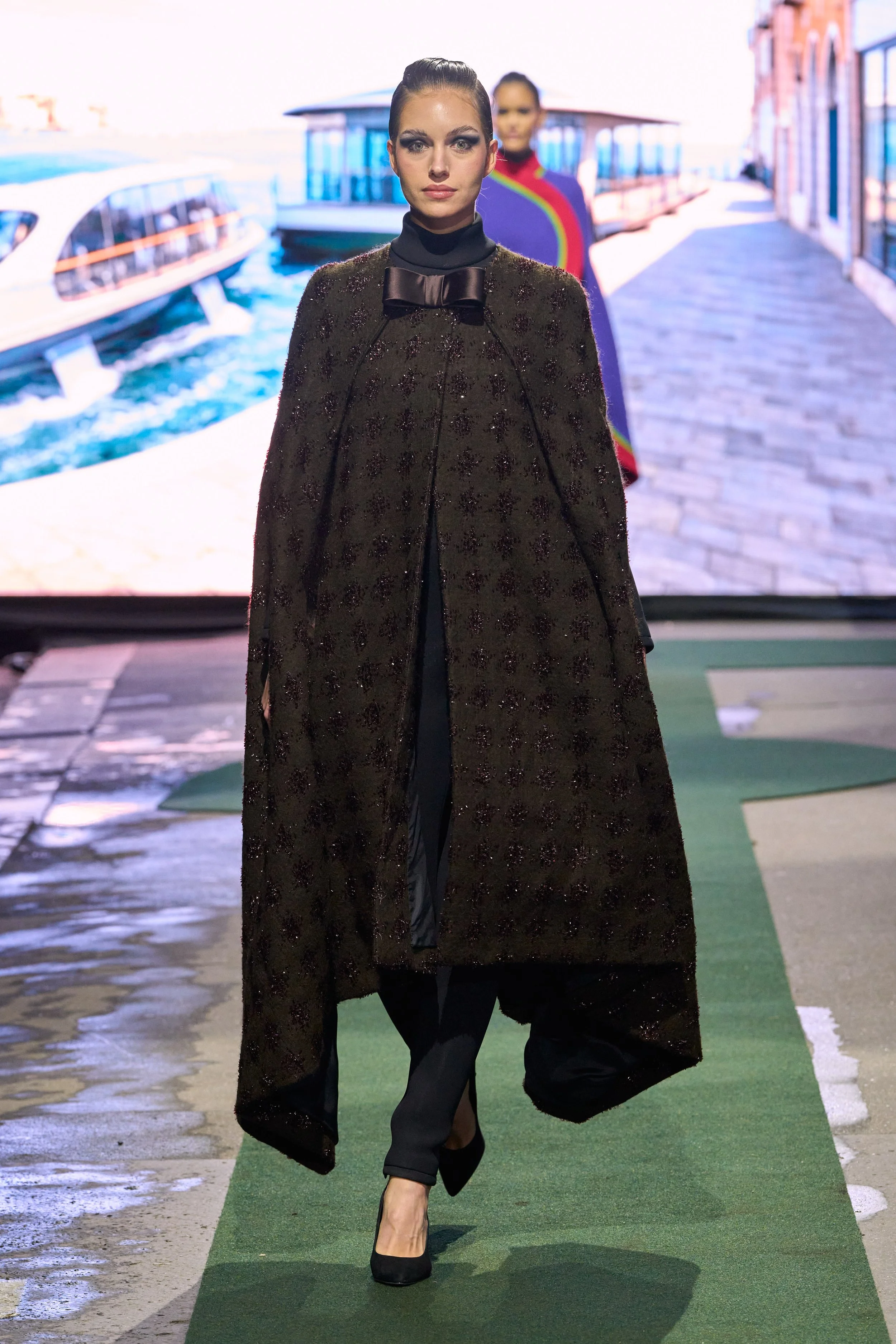
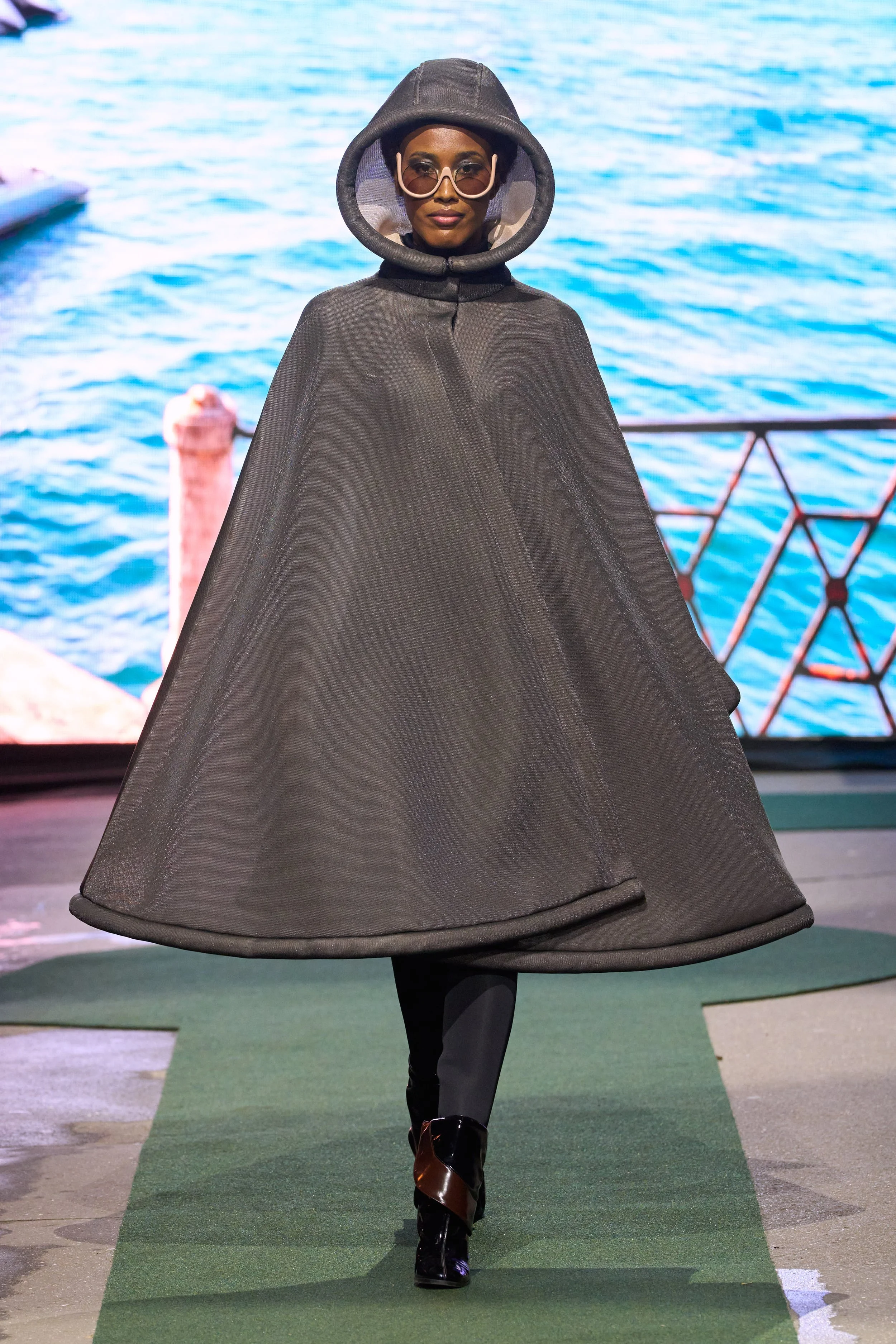
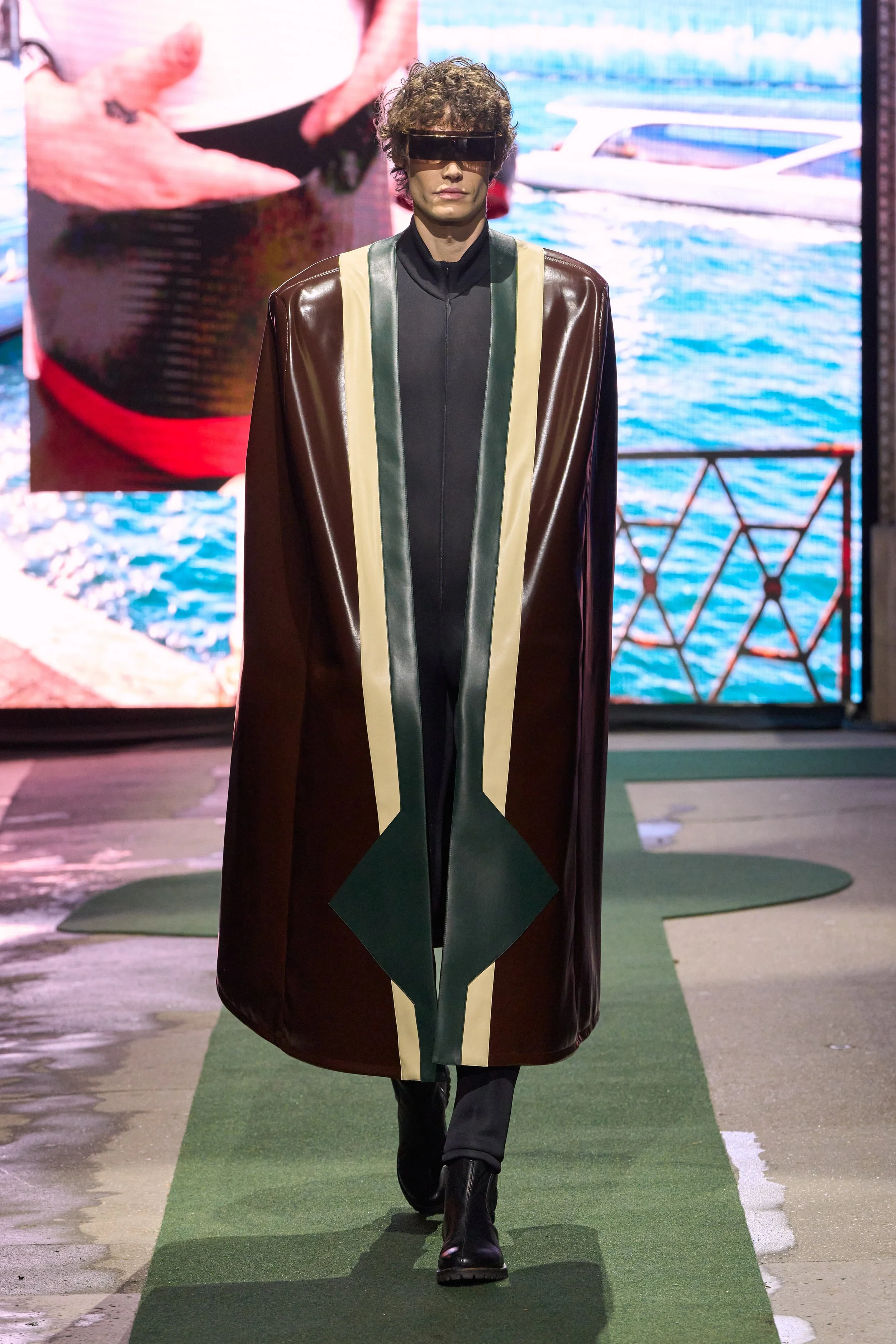
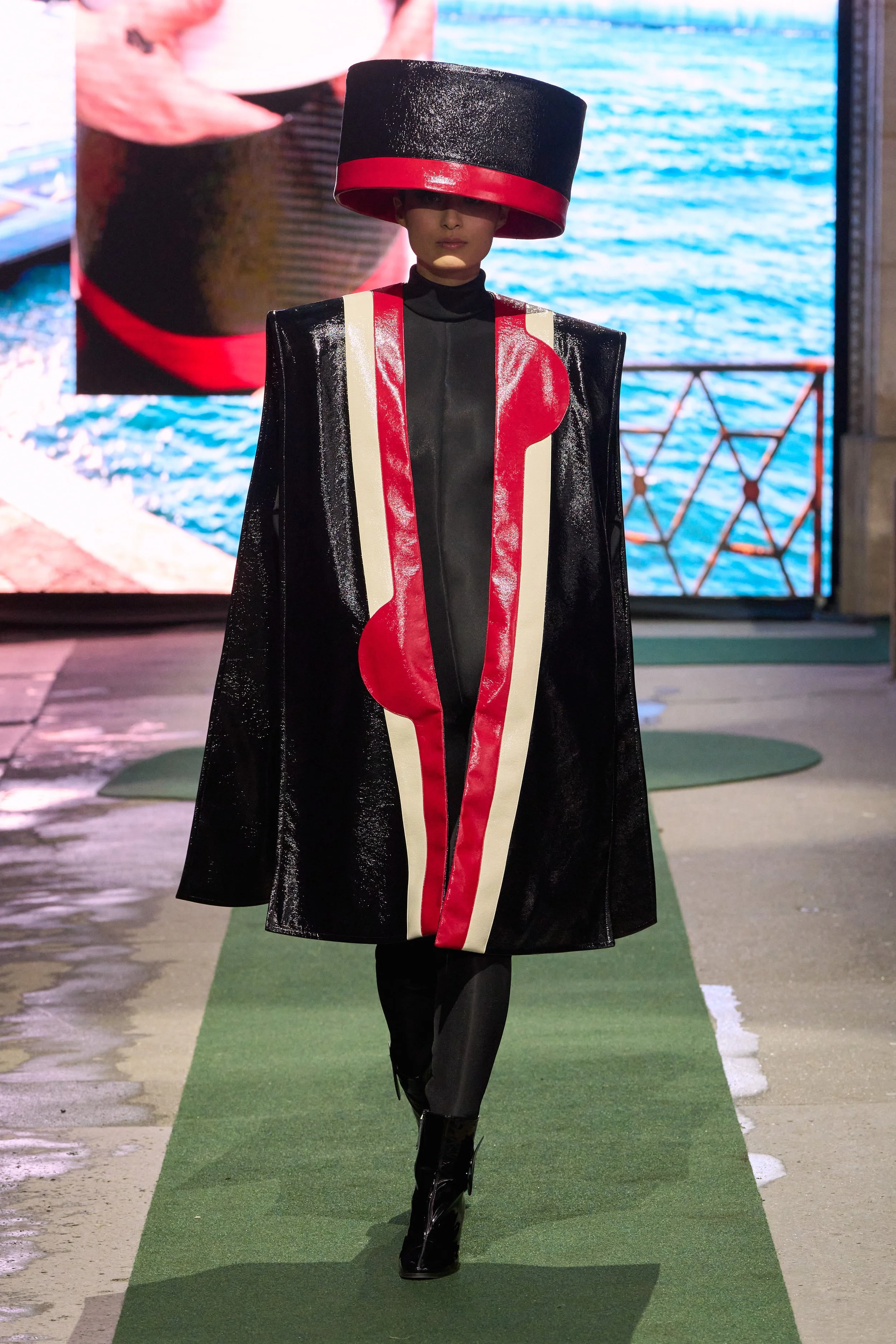
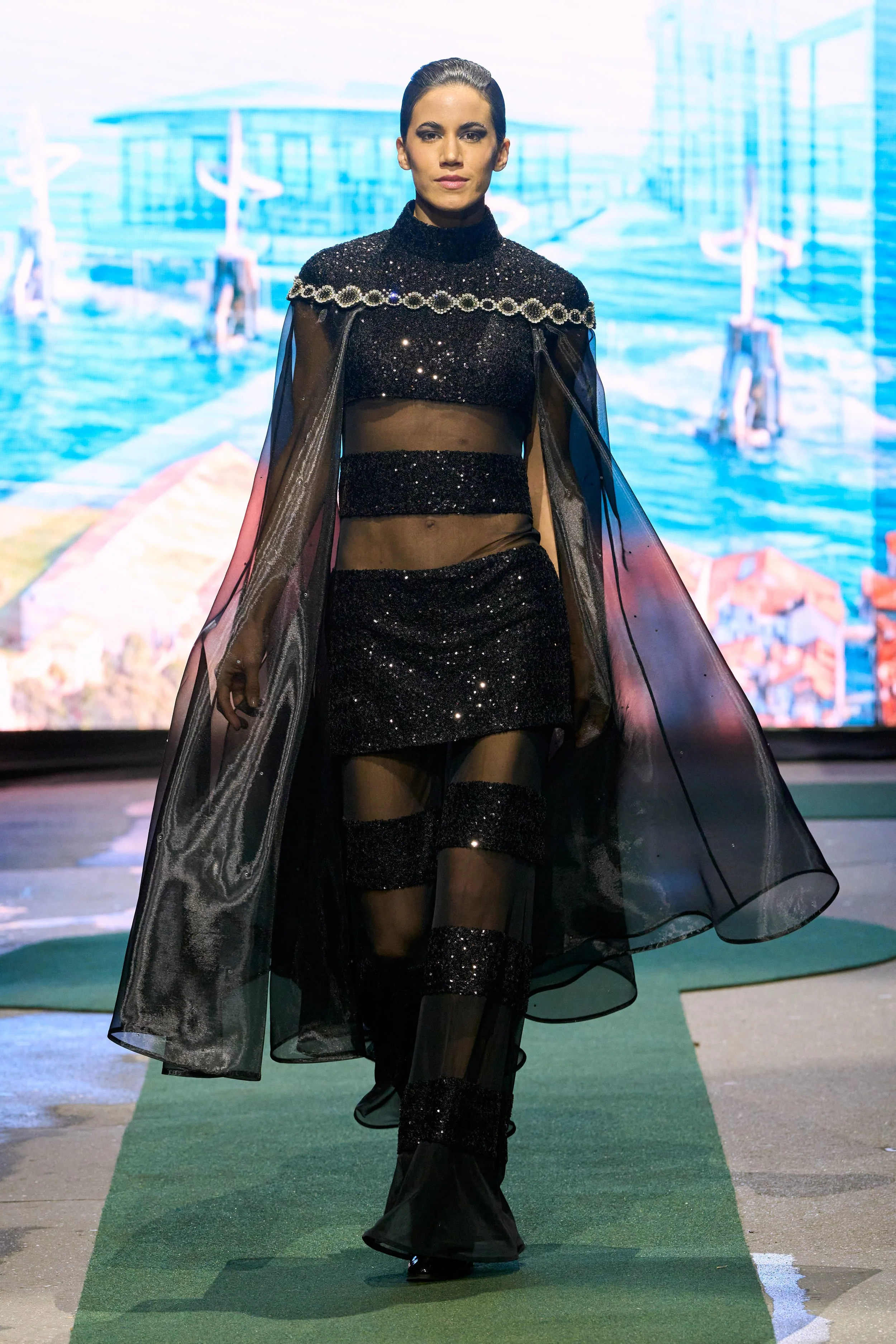
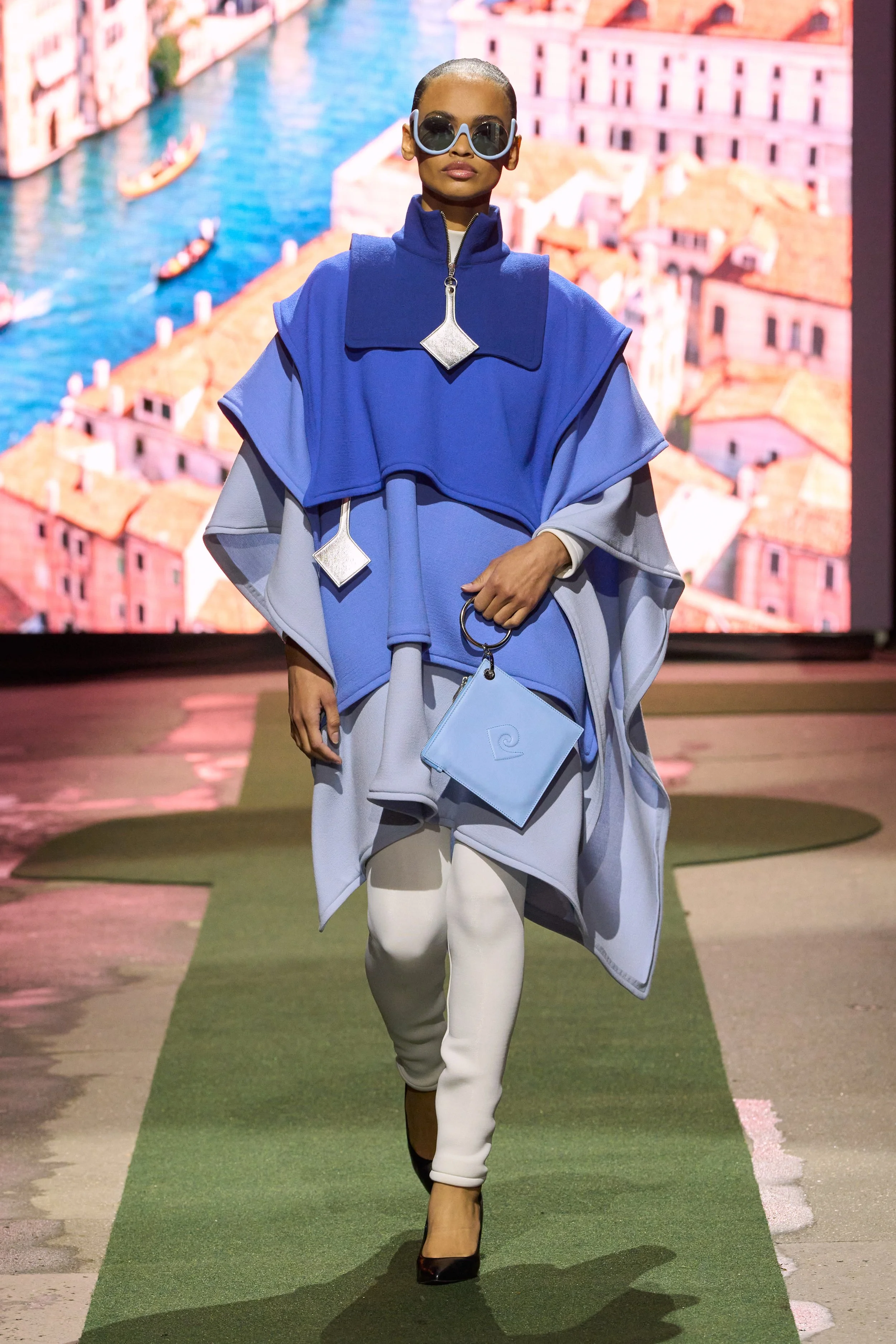
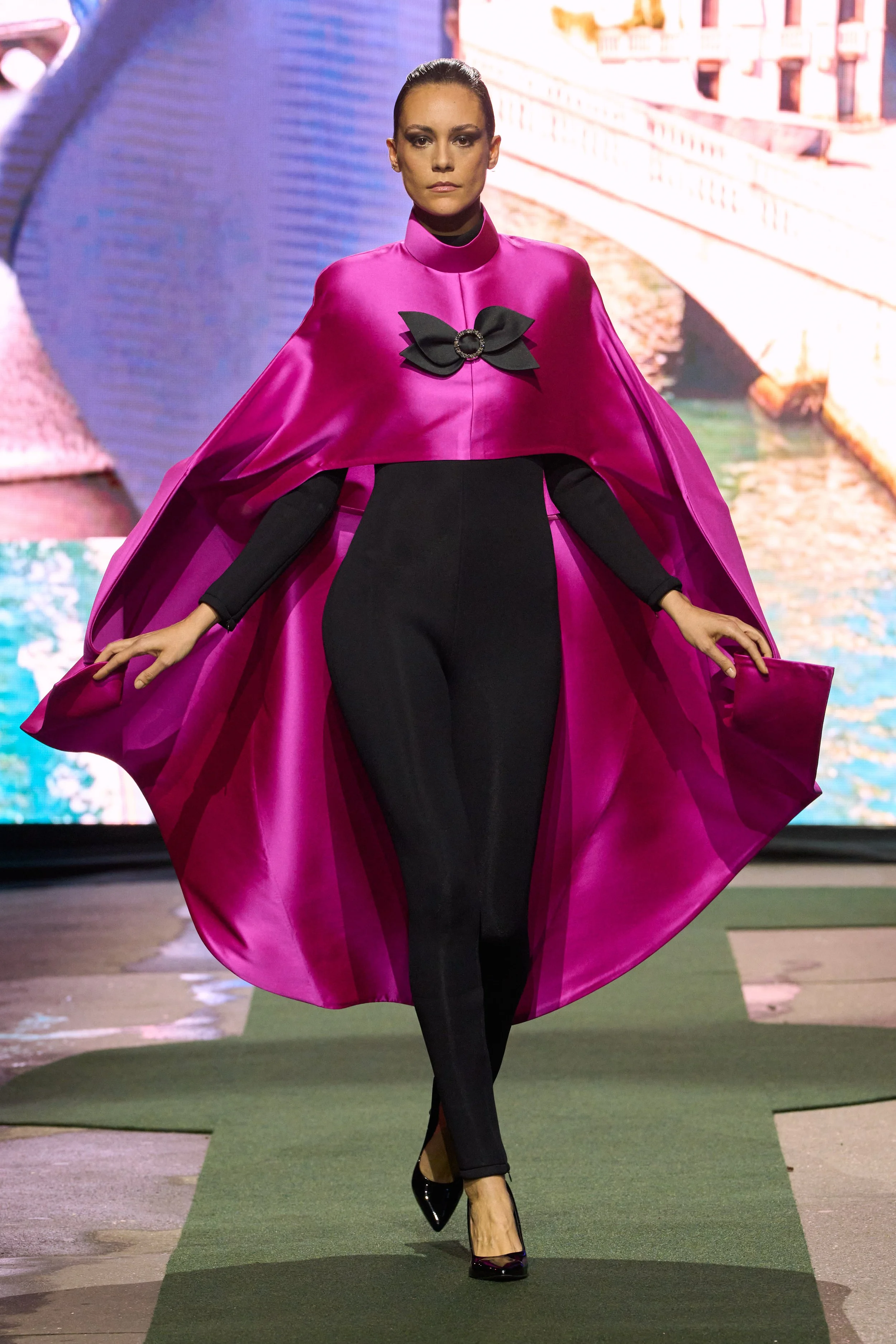
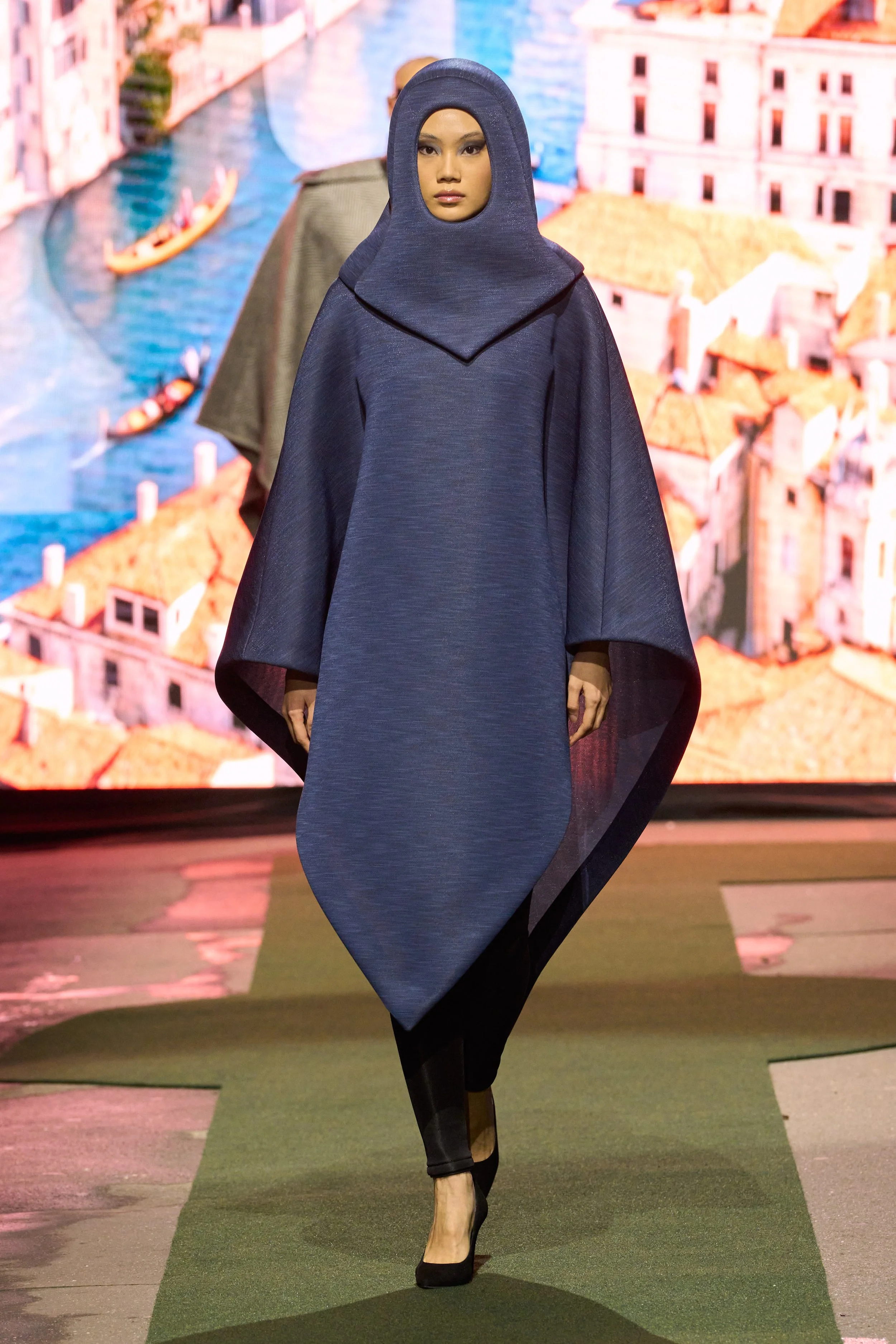
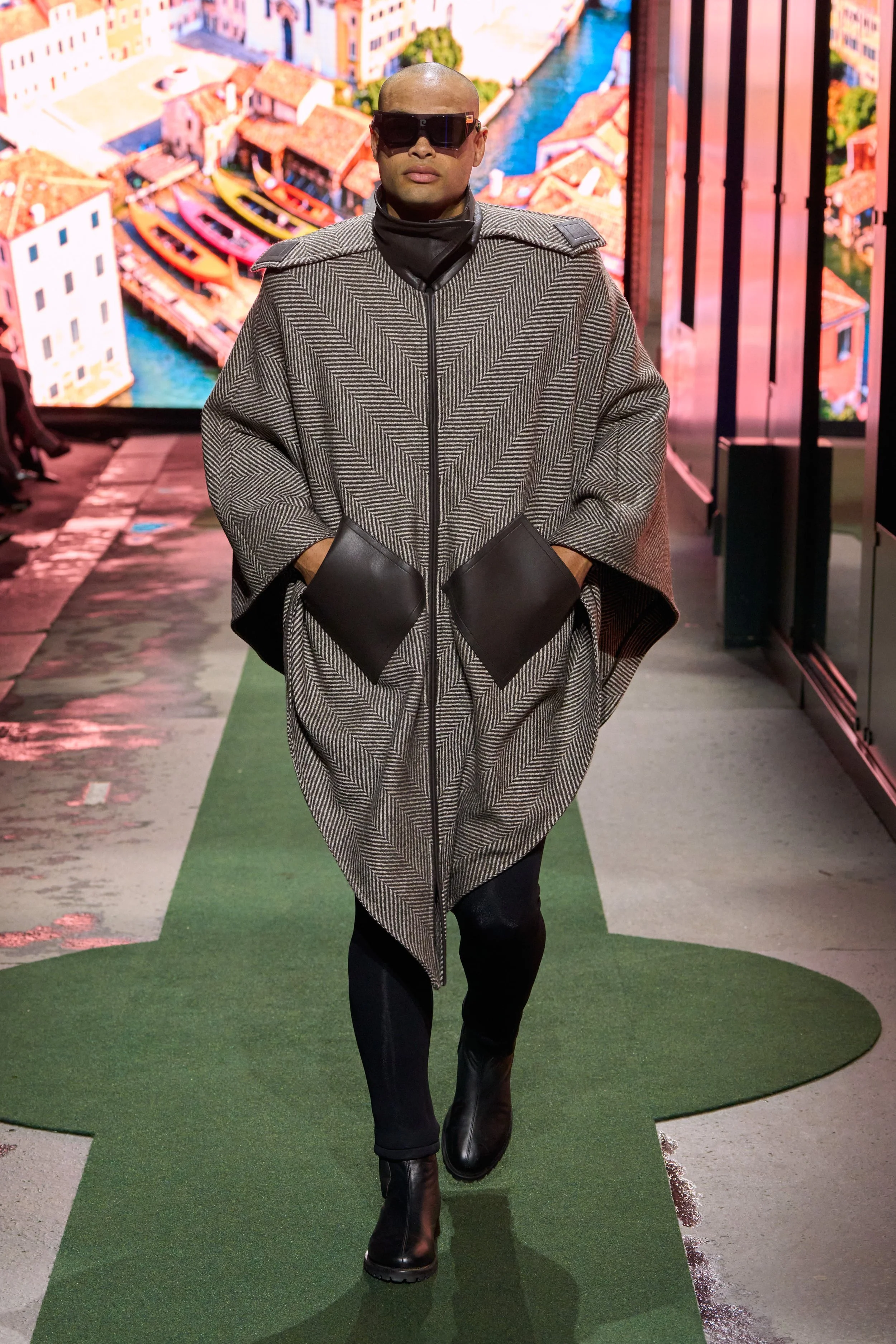
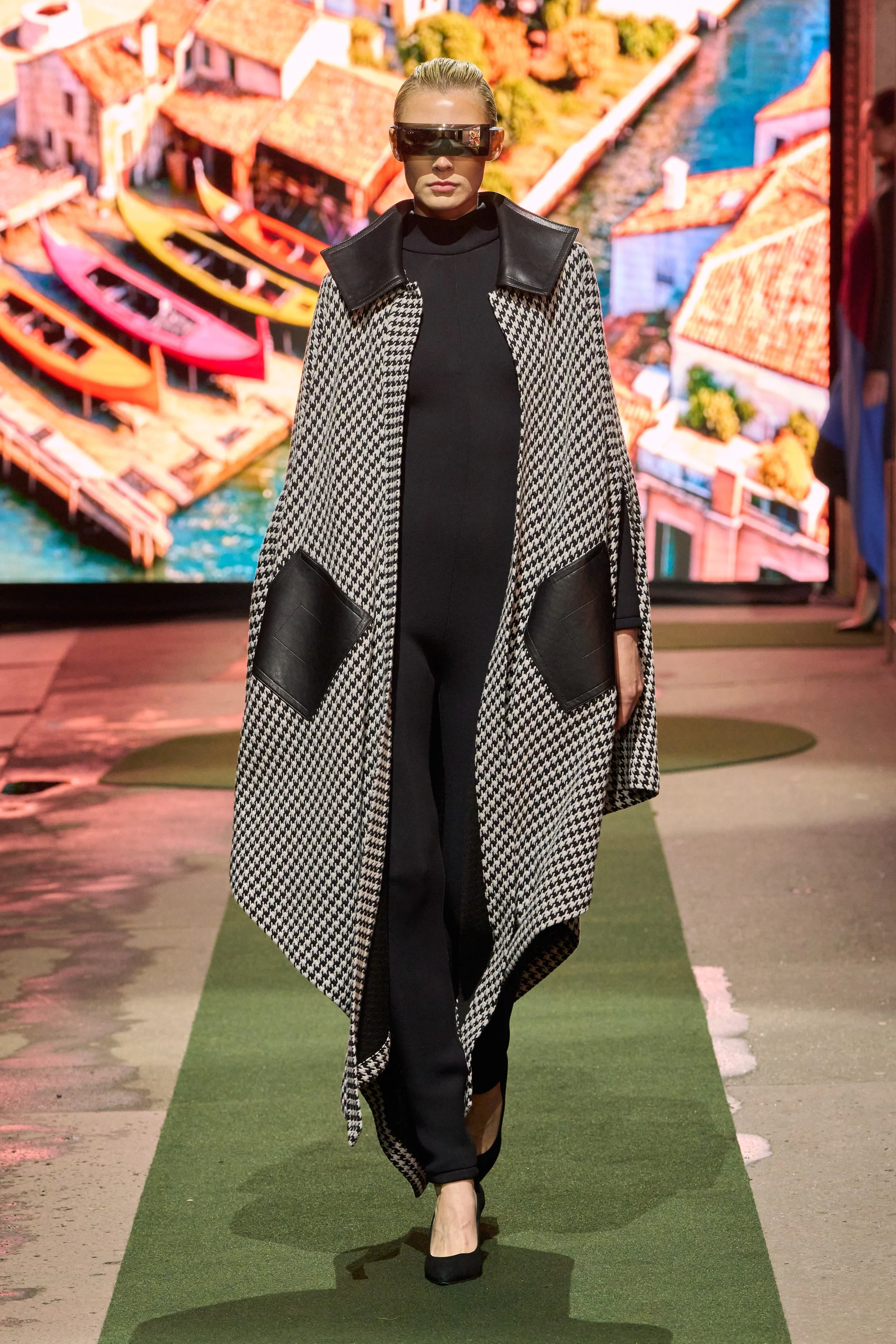
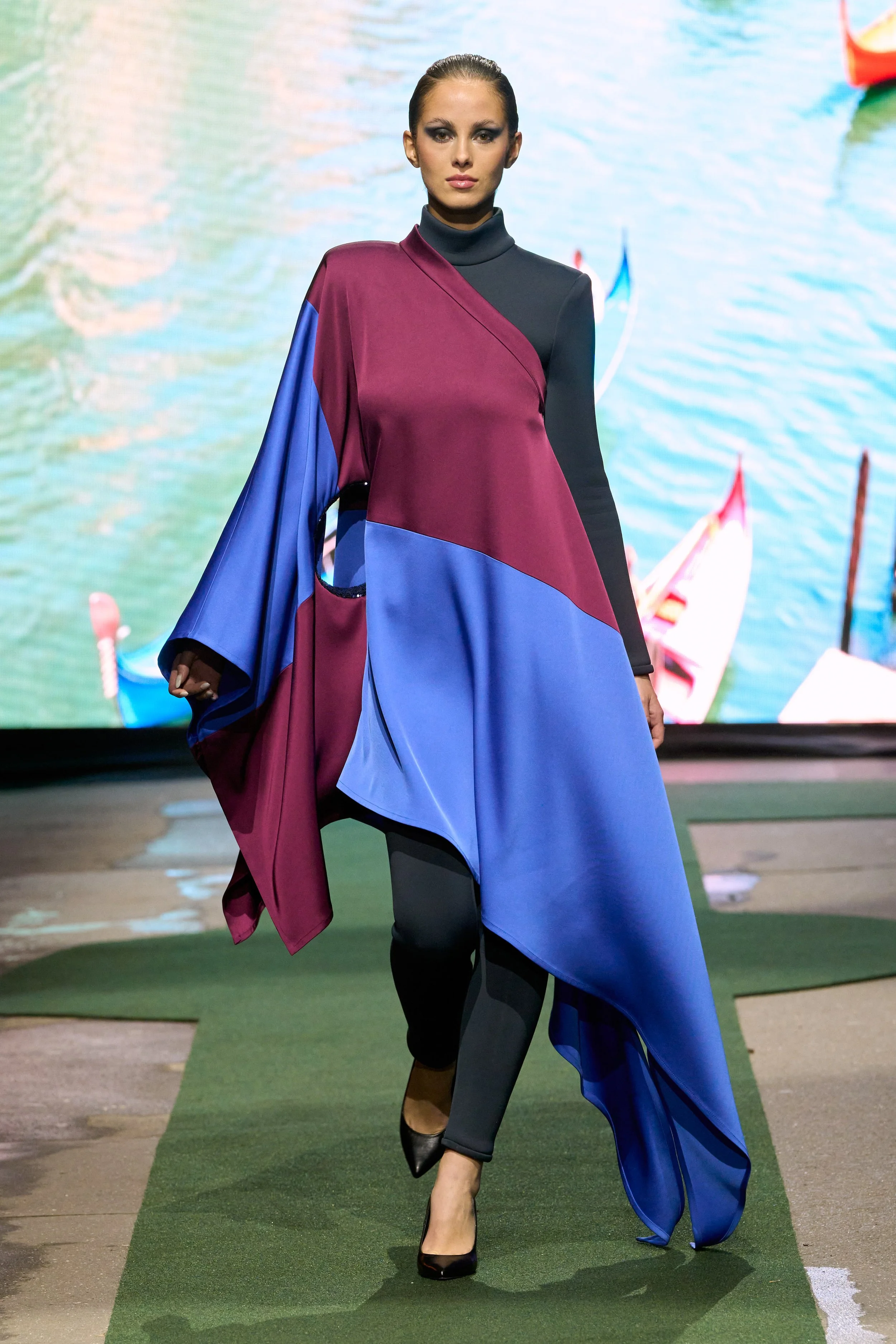
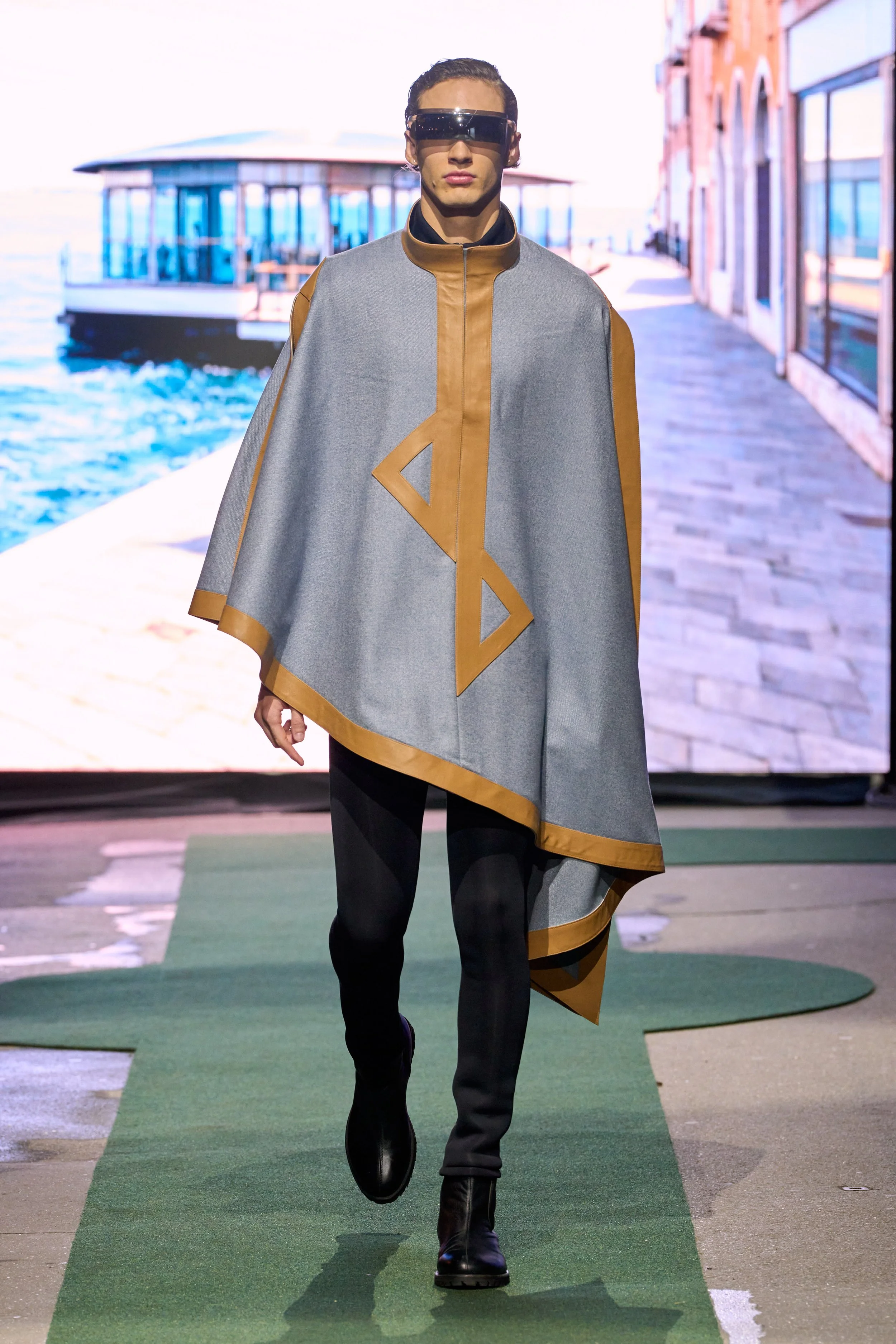

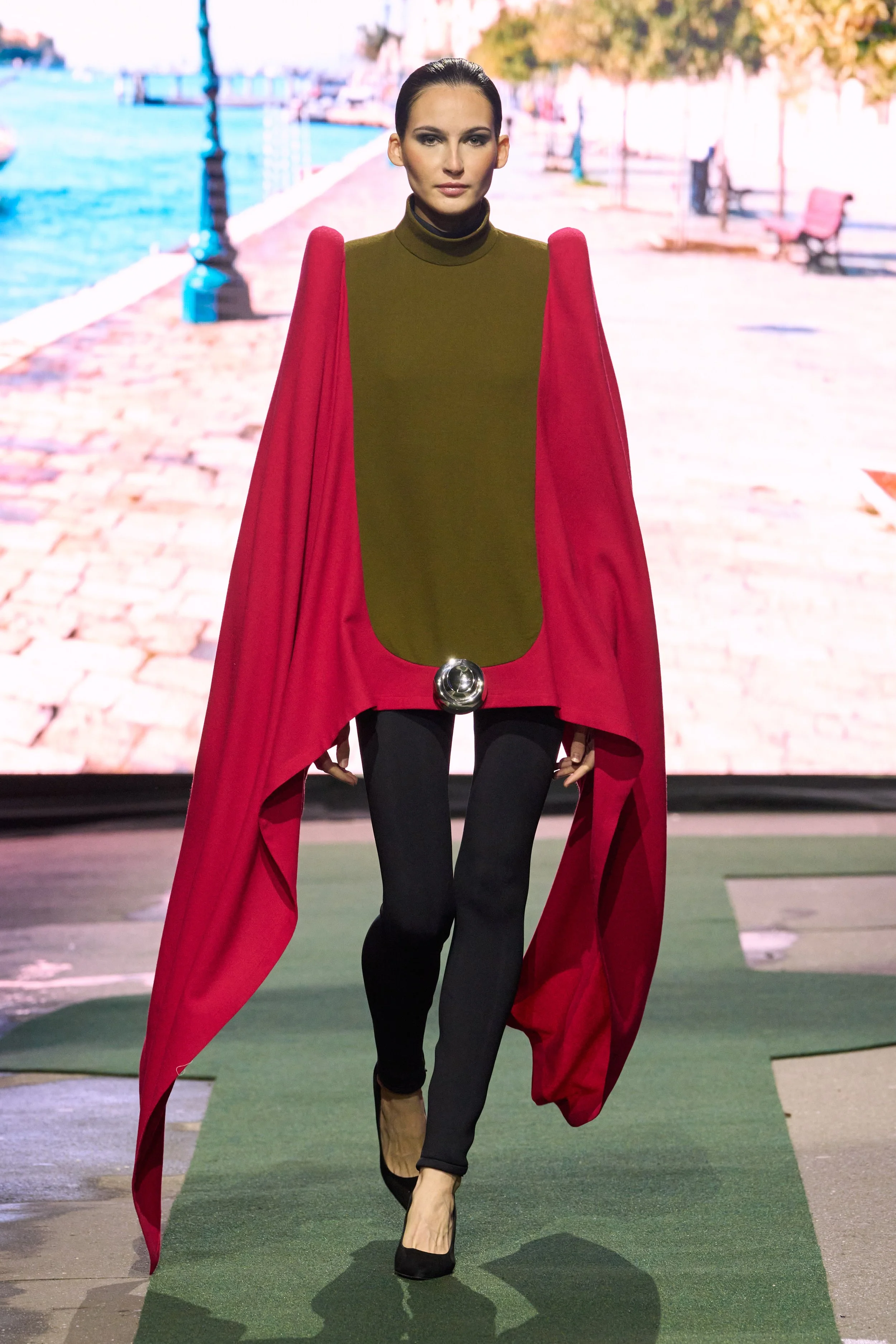
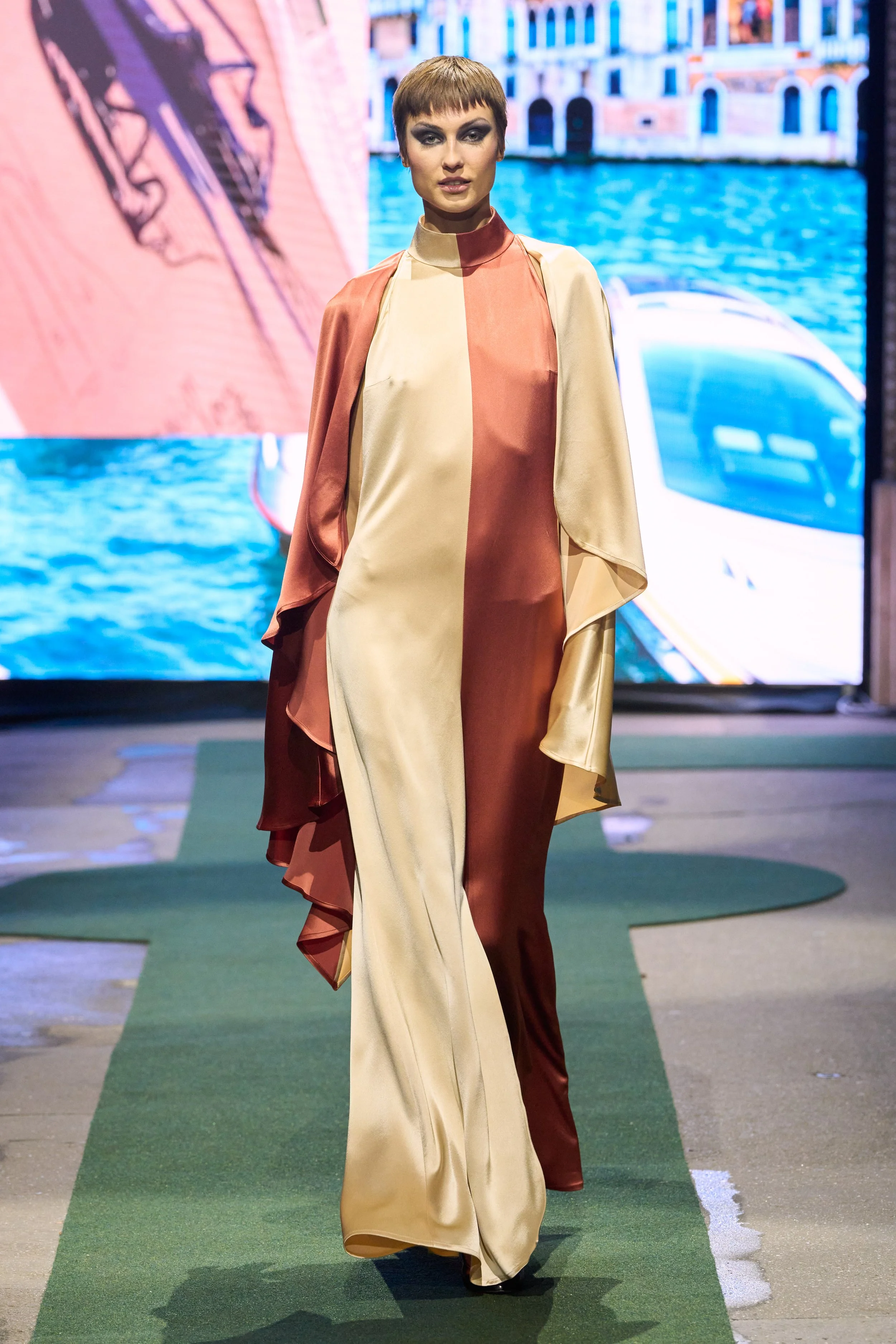
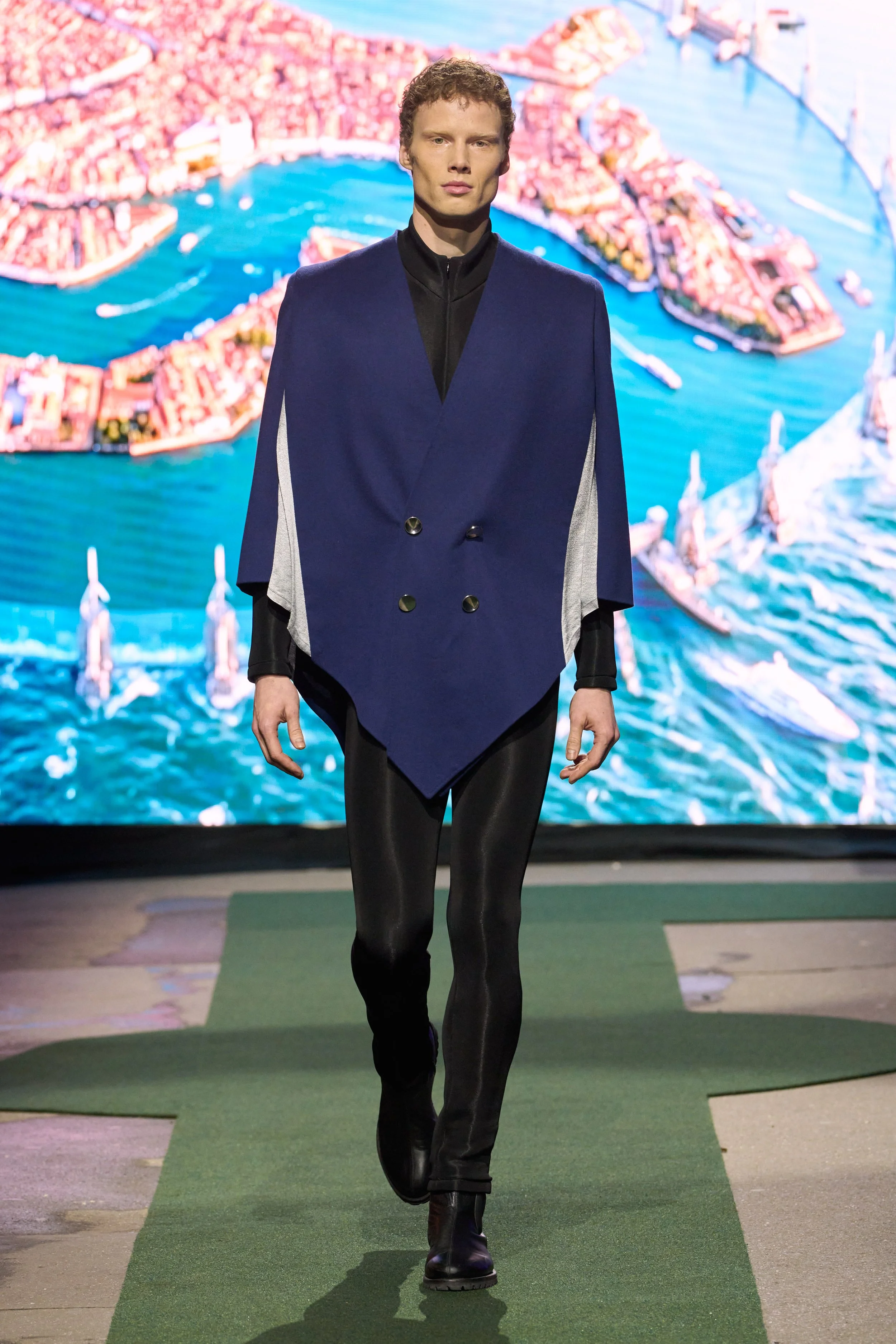
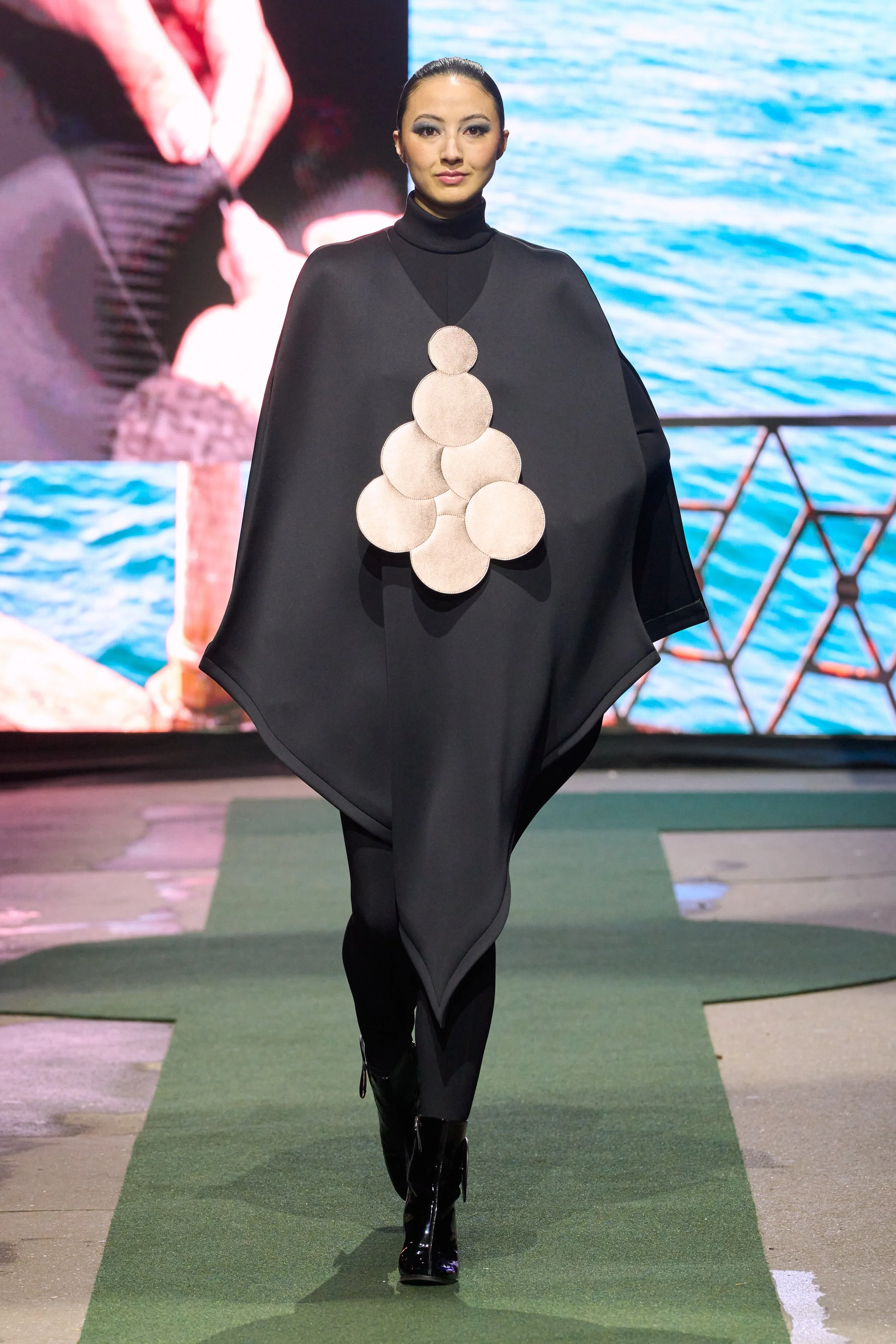
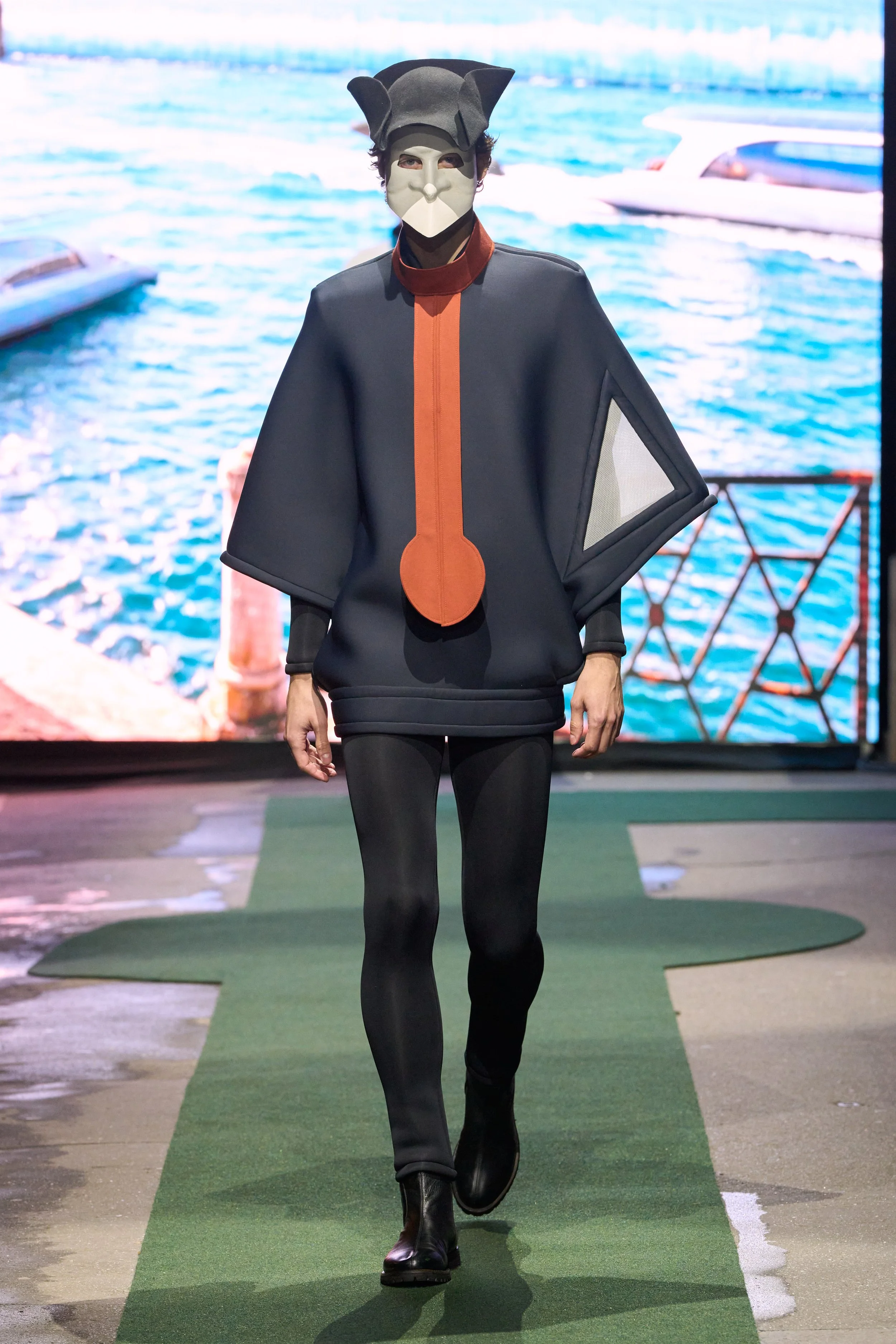
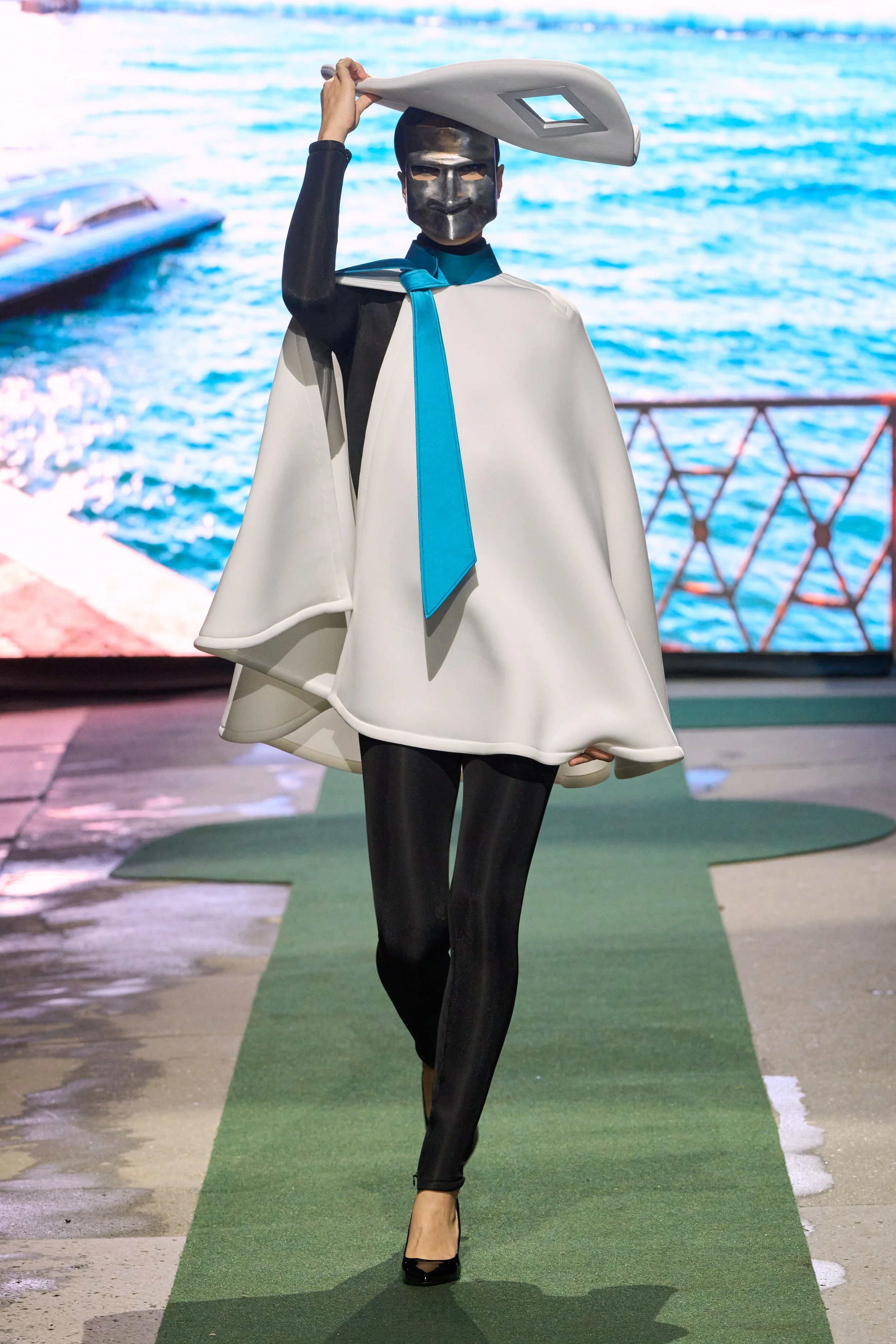
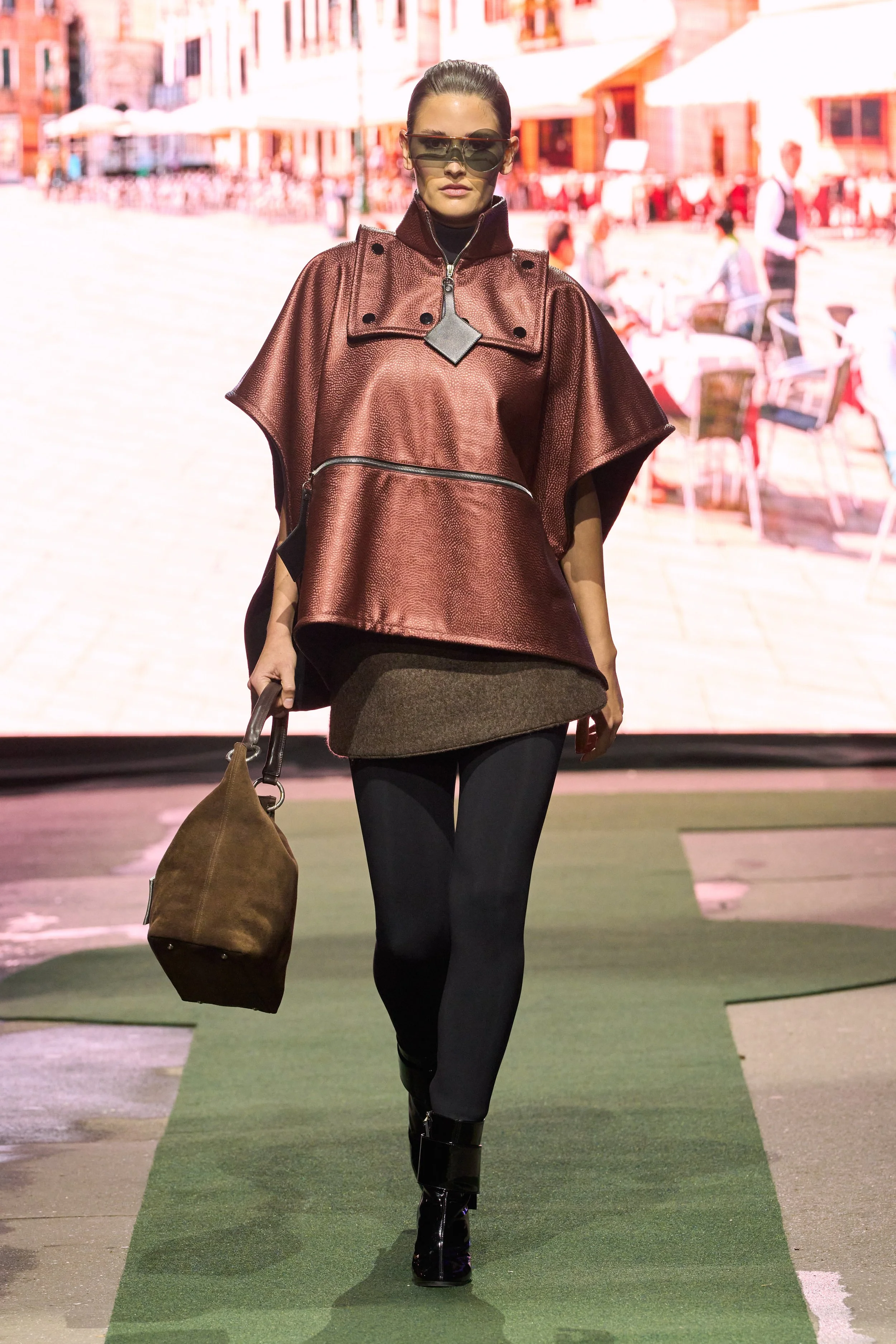
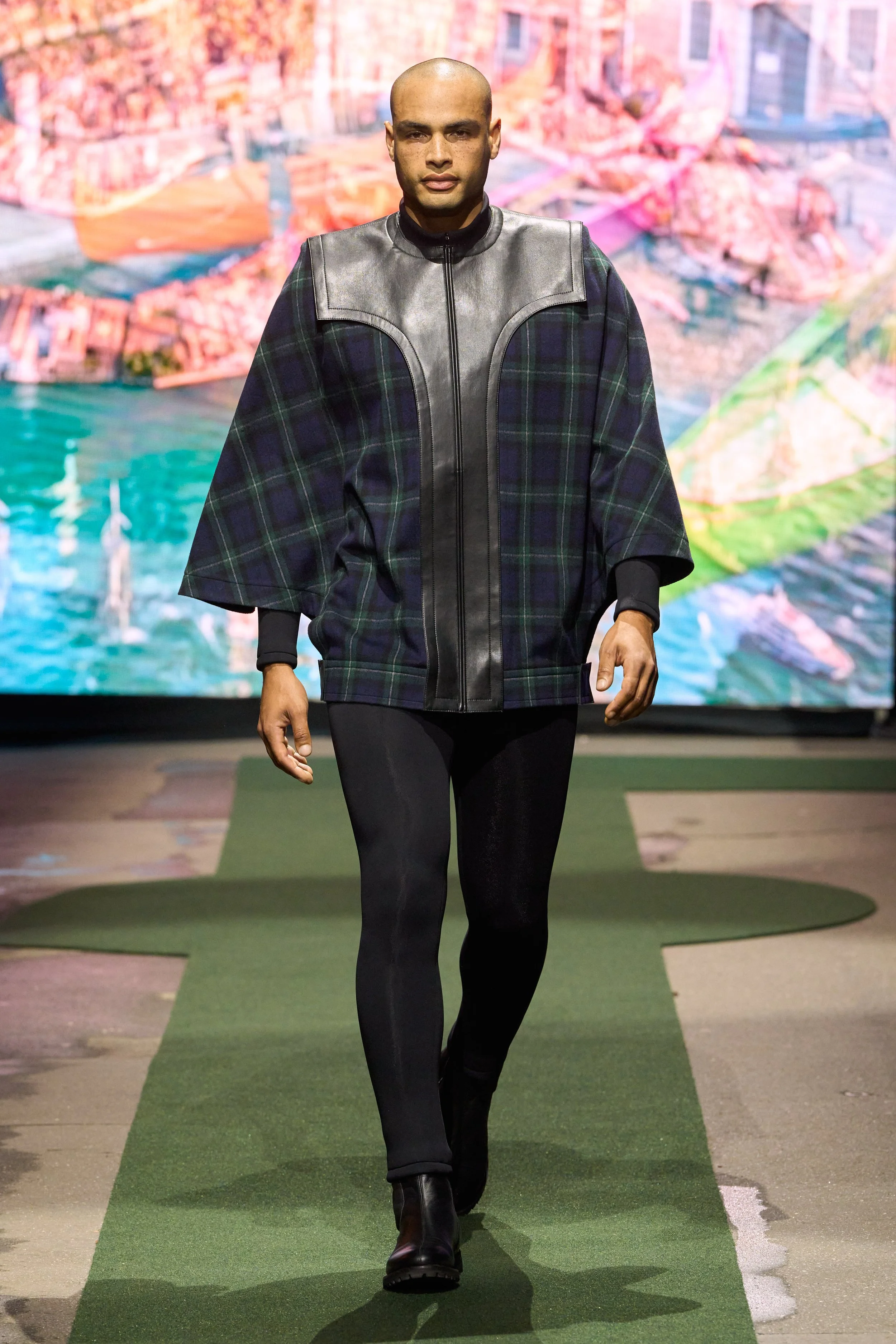
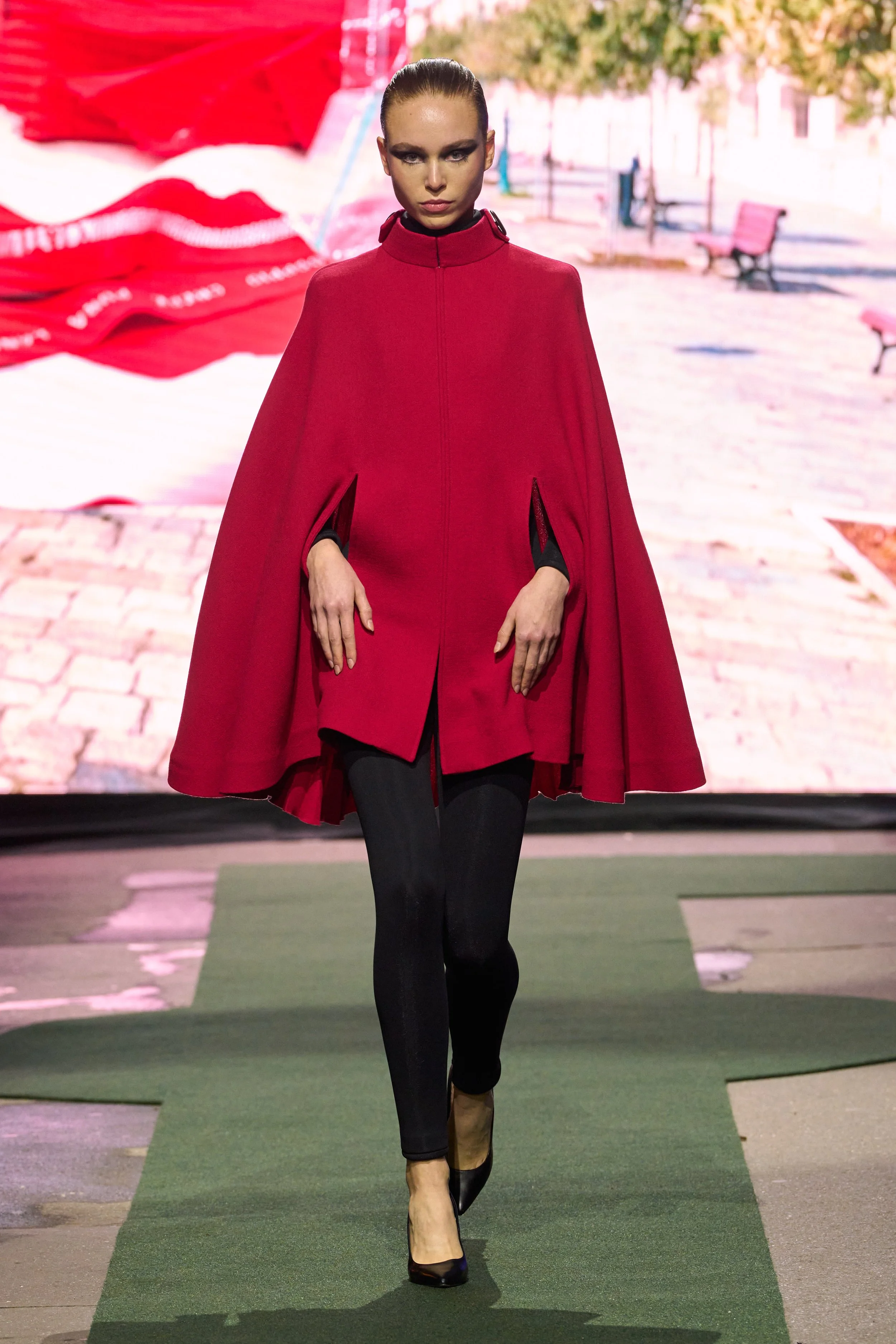
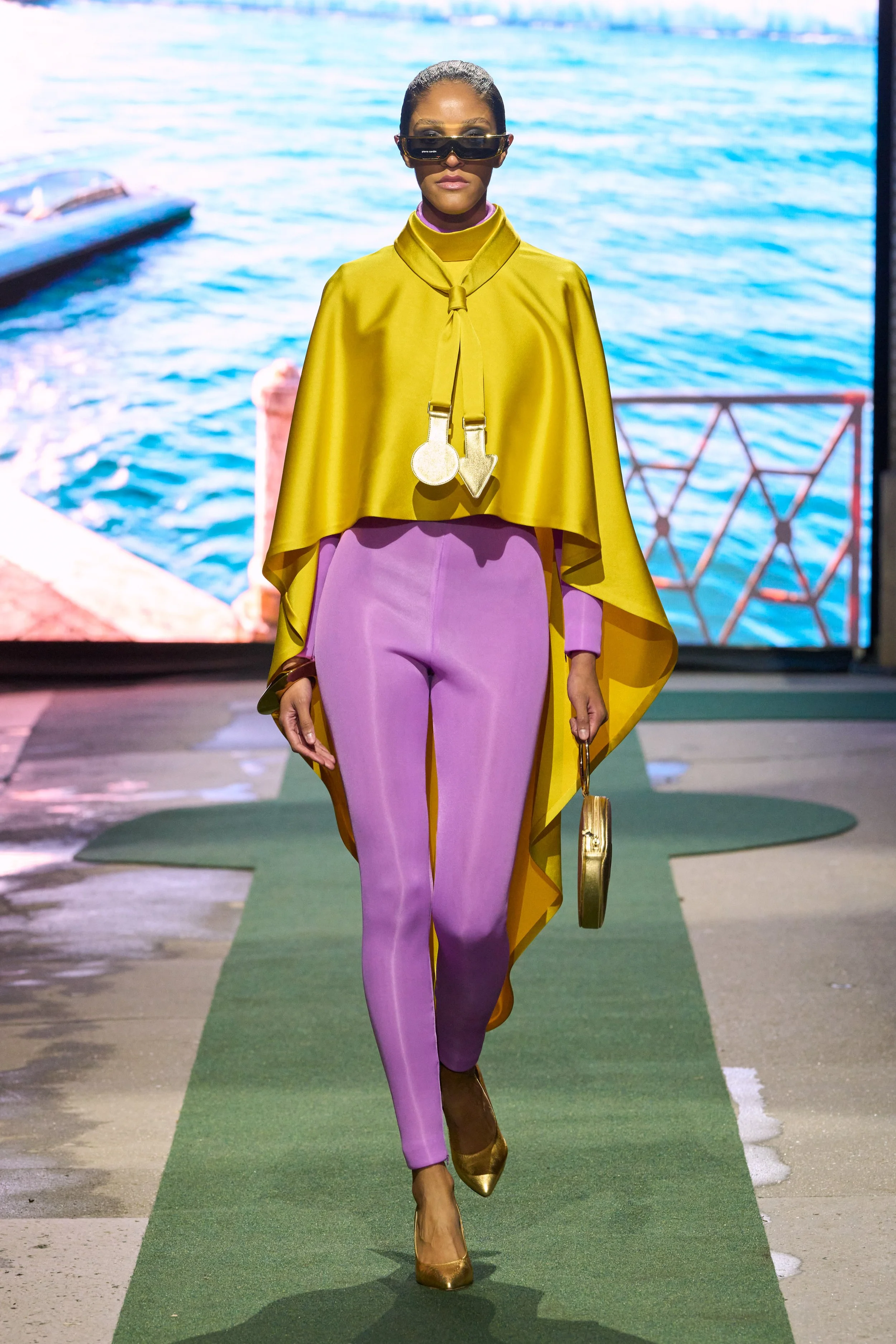
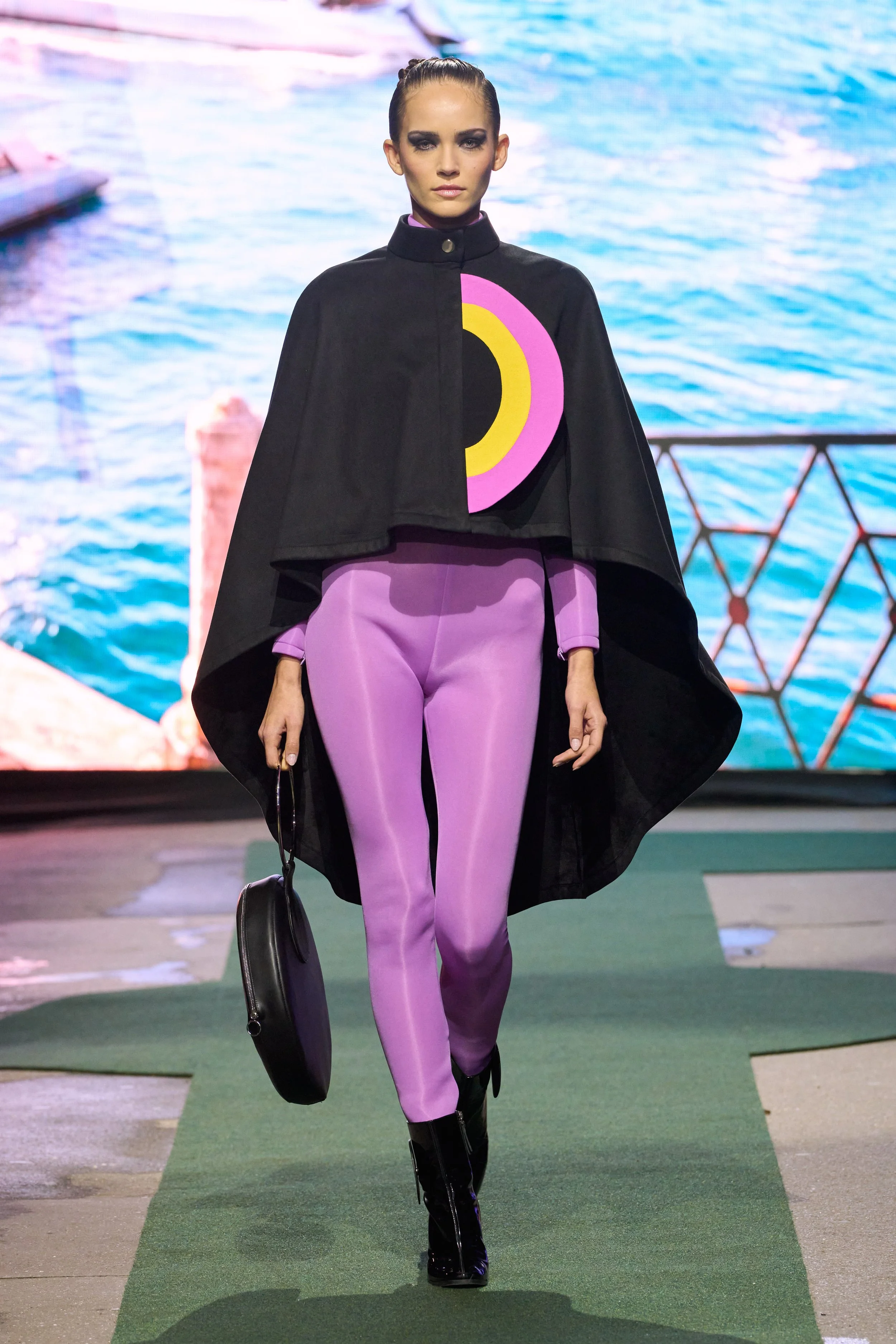
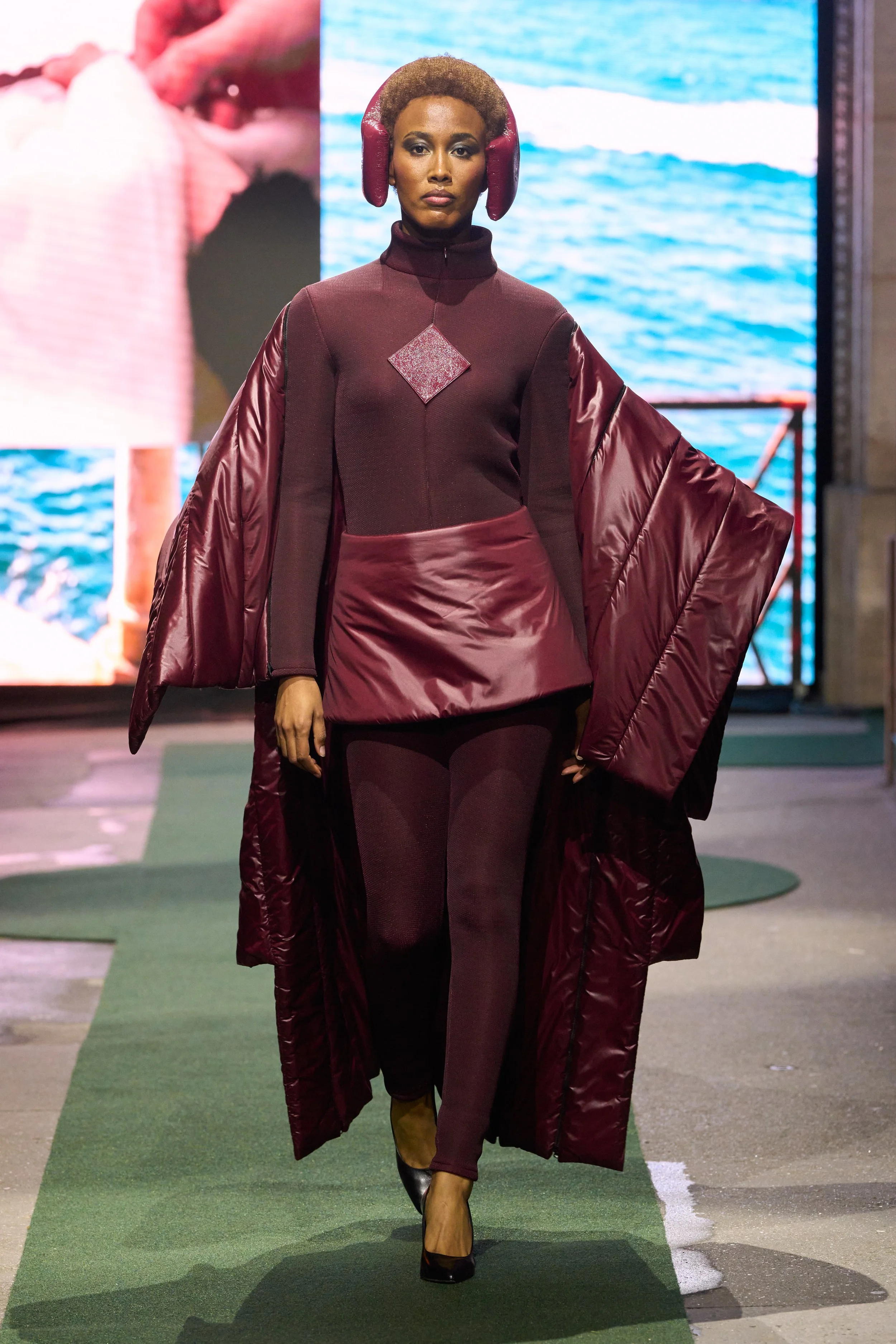
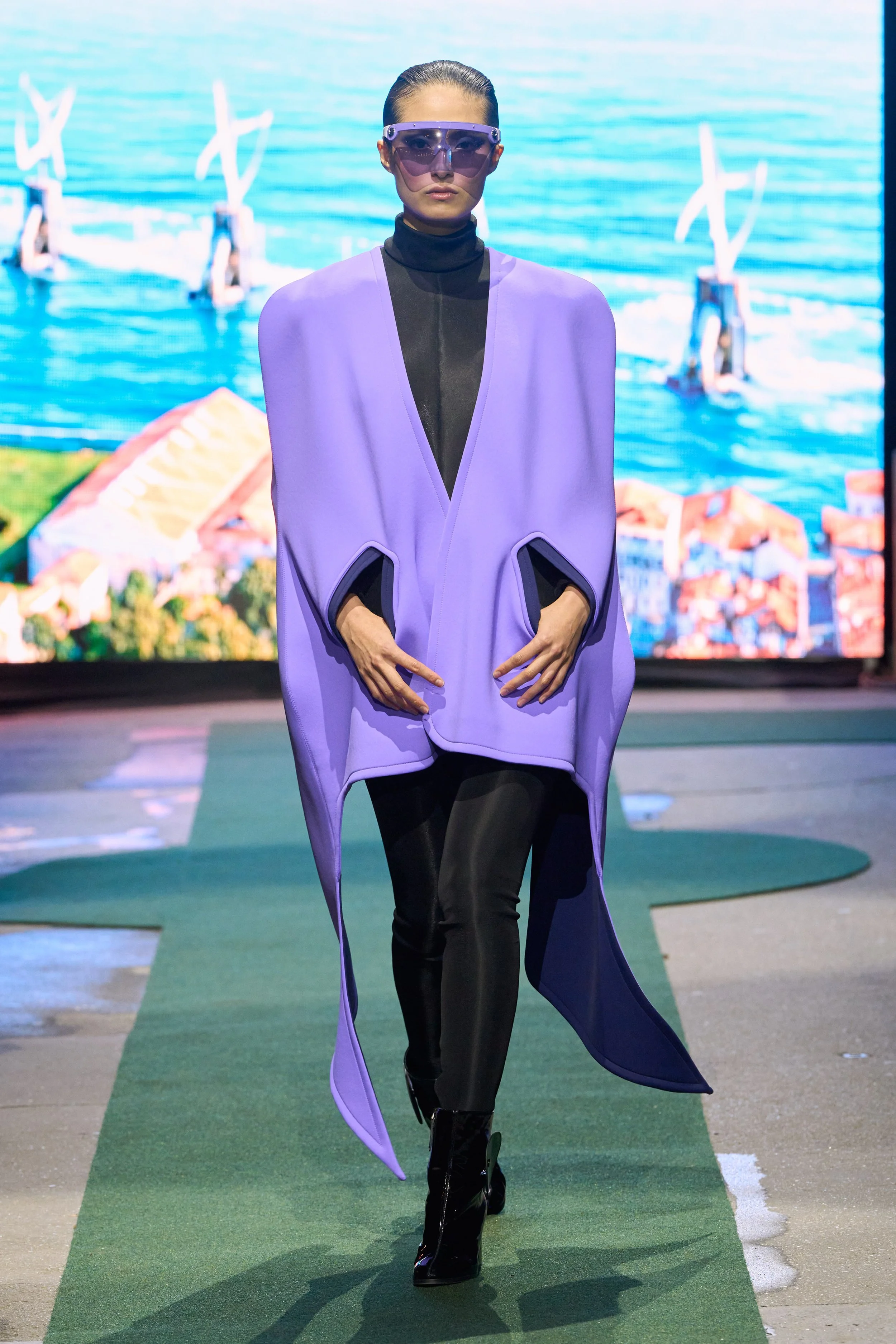
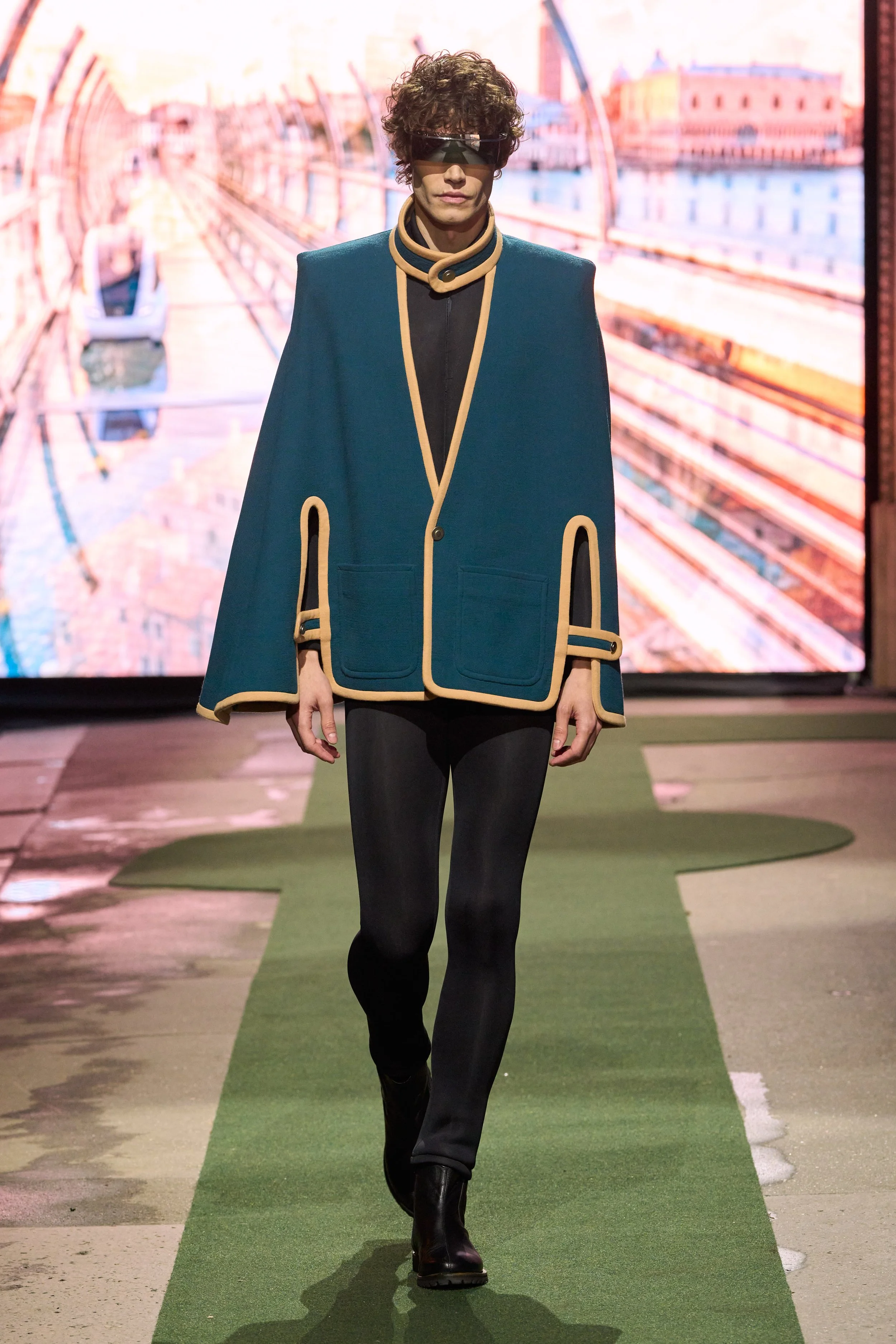
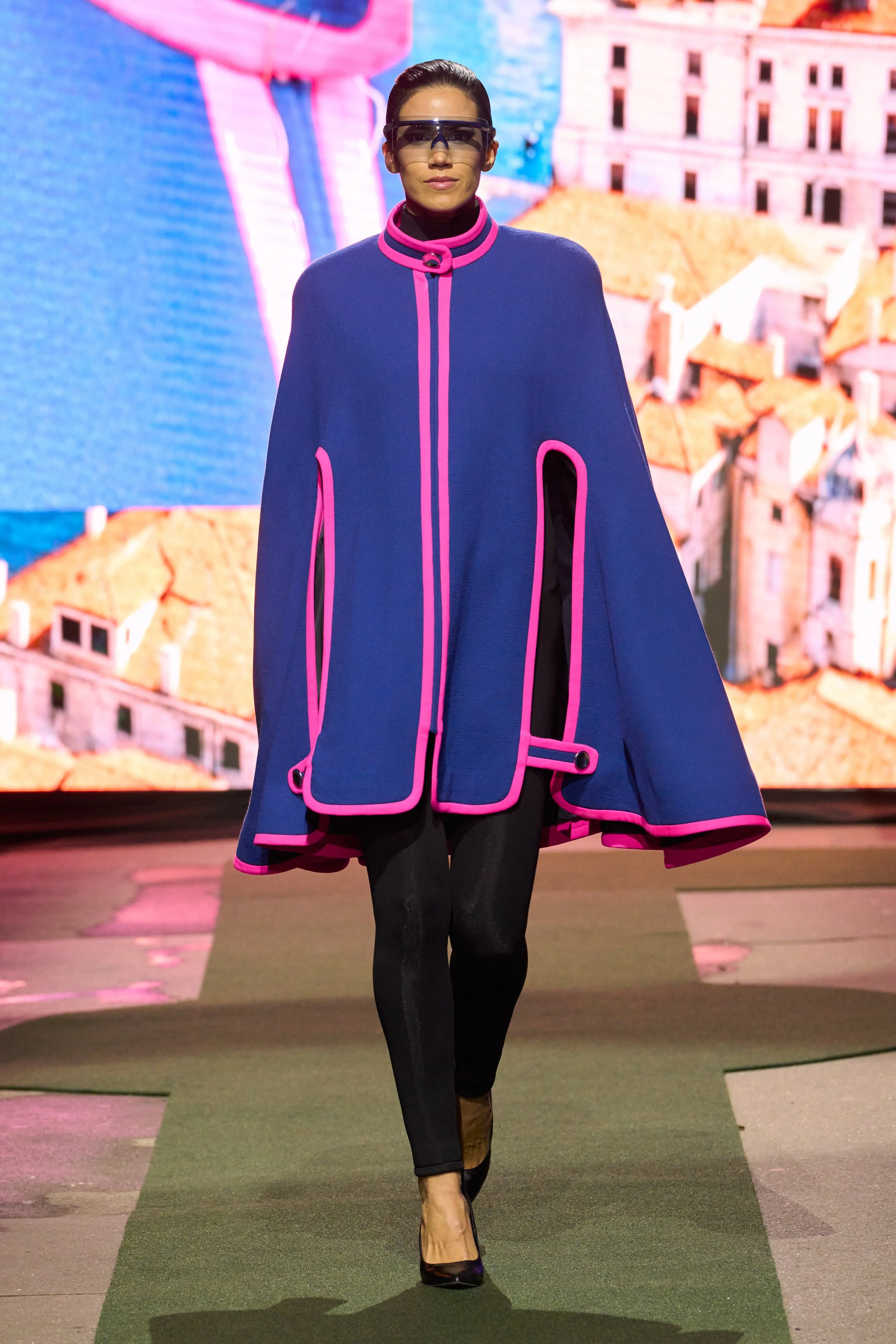
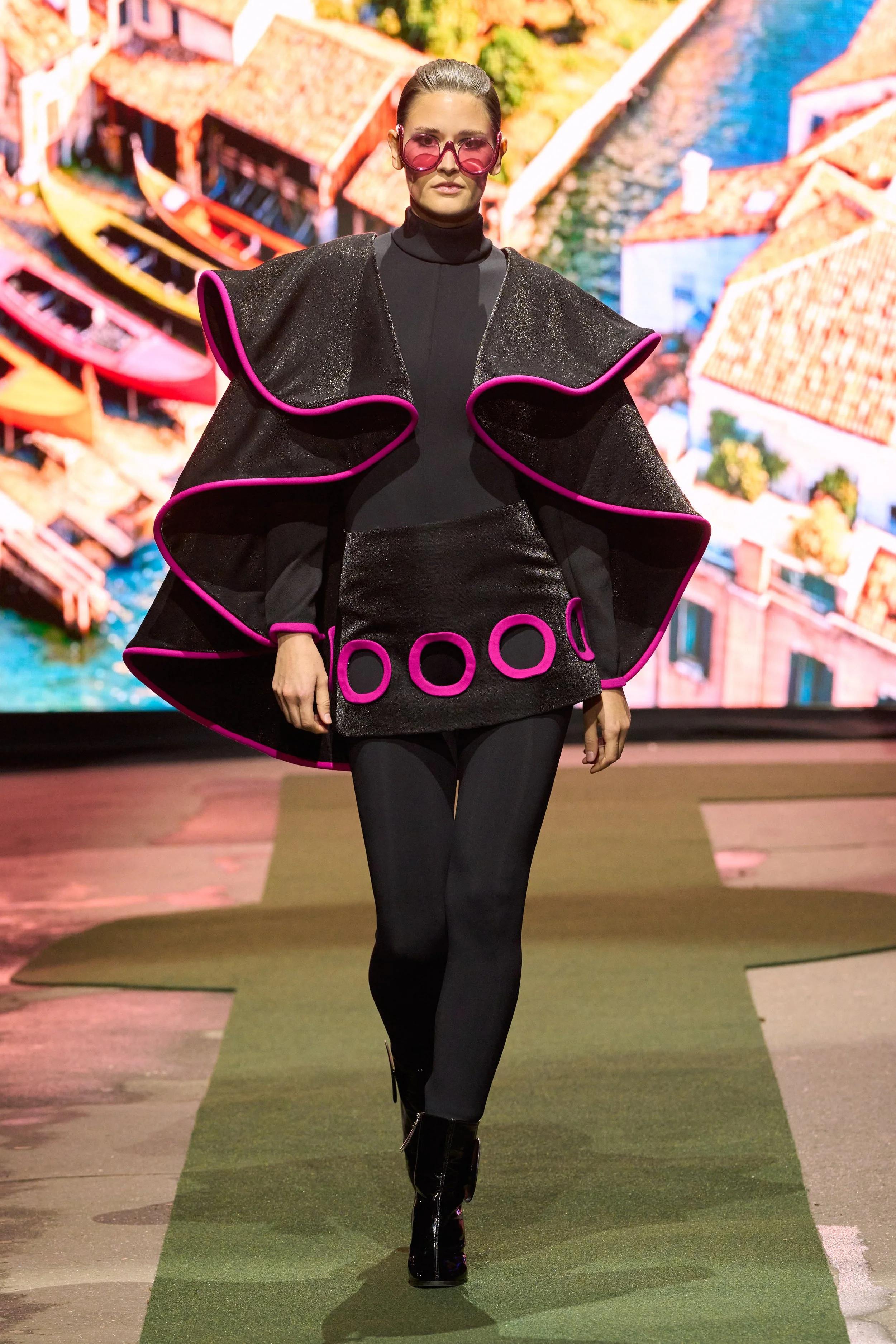
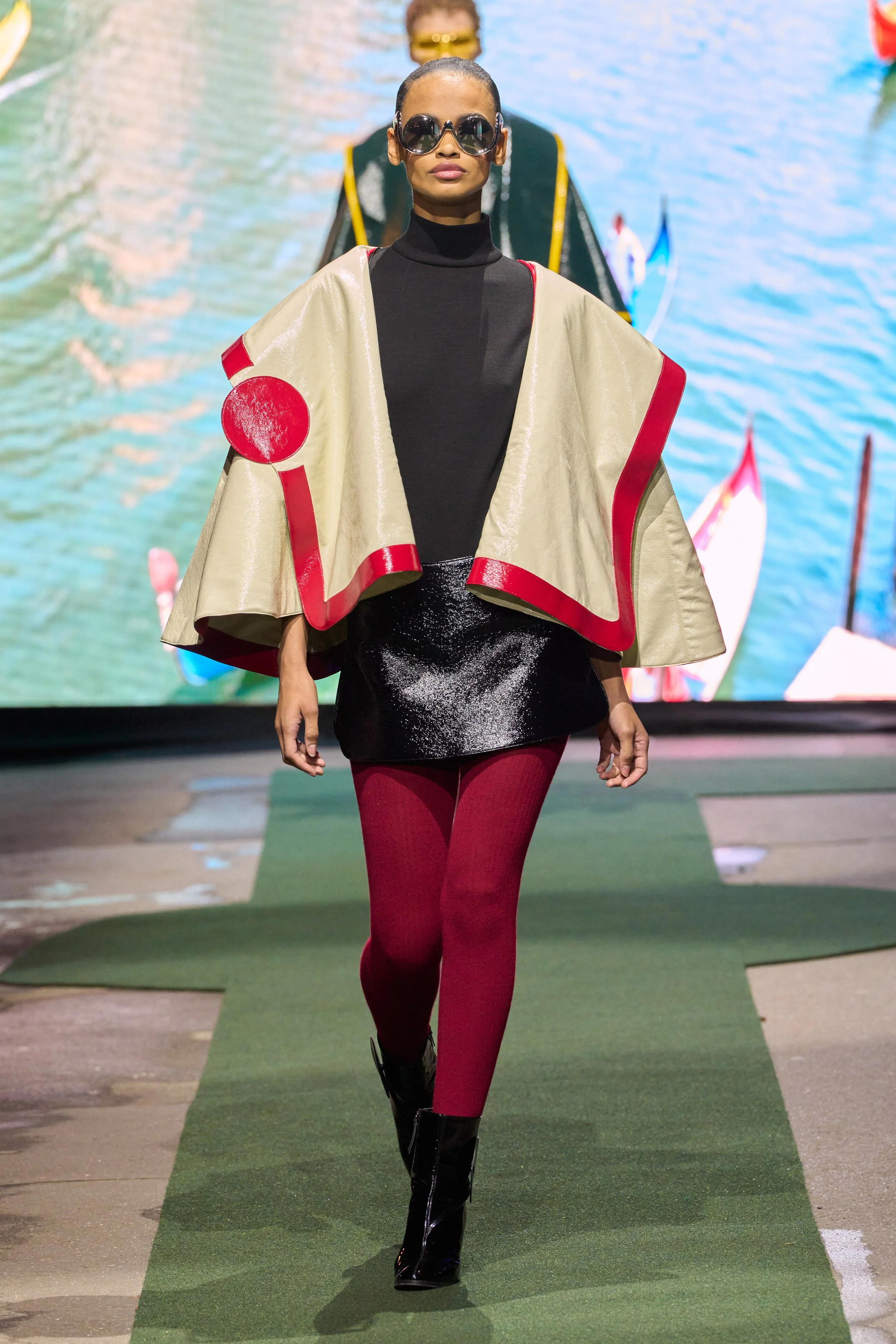

HOW DO YOU FEEL ABOUT FASHION?
COMMENT OR TAKE OUR PAGE READER SURVEY
Featured




Having a friends with benefits relationship is a great idea, if you find the right person for it.