
Reducing Fabric Waste with Remote Design Streaming for Fashion Teams
PAGE
By PAGE Editor
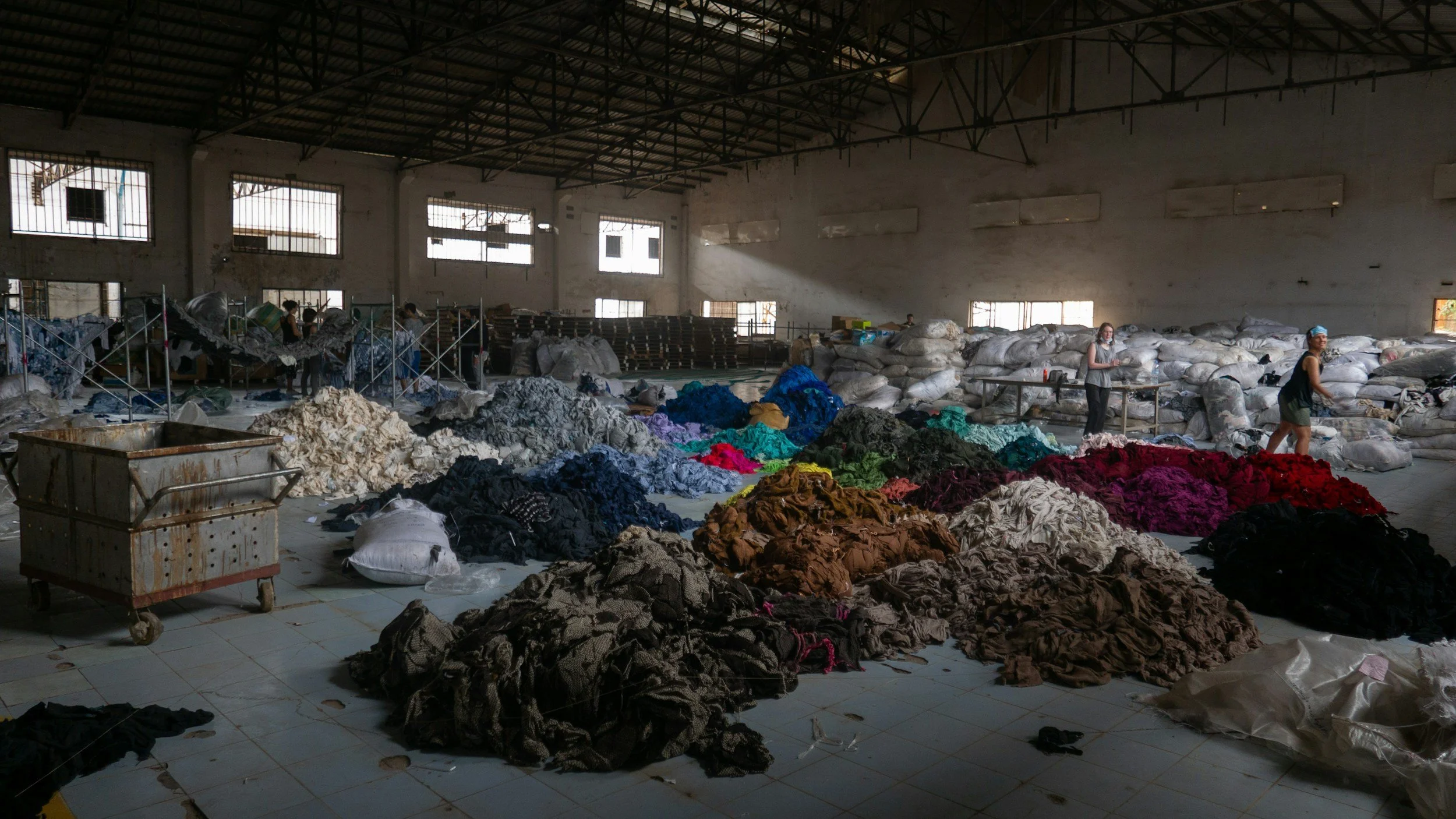
Fashion waste often begins long before a garment reaches production.
Excess sampling, rushed revisions, disconnected teams, and inconsistent communication between designers and manufacturers all contribute to material loss. Even small inefficiencies during the design phase can scale into thousands of wasted meters of fabric across a single collection.
As fashion teams become more distributed, many brands are turning to remote collaboration systems that reduce physical sampling and improve decision-making earlier in the process.
Digital workflows are changing how collections are reviewed, adjusted, and approved, especially for global teams working across different time zones.
With that in mind, this article explores how remote design streaming helps fashion teams reduce fabric waste, improve collaboration, and make faster production decisions without relying so heavily on repeated physical sampling.
Remote Design Streaming and Faster Collaboration
Fashion companies increasingly rely on live digital collaboration tools to review concepts, monitor prototype adjustments, and streamline communication between design teams and production partners. Stable and secure remote access has become an important part of that process, especially when teams need to transfer large design files or review sensitive production material remotely.
Using a free VPN can help remote fashion teams maintain secure access to shared design platforms and cloud-based collaboration systems while working across different locations. That becomes particularly useful during live design streaming sessions where multiple stakeholders need reliable access to files, sketches, and production feedback in real time.
Remote access tools have become increasingly important for distributed creative teams handling sensitive production material and large design files. Fashion brands working across multiple regions often prioritize secure browsing environments and encrypted collaboration systems, particularly as more design reviews move online.
Businesses exploring these tools frequently compare features, such as what to look for when finding a VPN for your Chrome browser, before integrating remote access into existing workflows.
Reducing delays during this stage matters because every extra revision can create unnecessary waste. When communication breaks down between designers, suppliers, and production managers, brands often produce additional physical samples to compensate for uncertainty.
Why Fabric Waste Starts During the Sampling Phase
Sampling remains one of the largest hidden sources of waste in the fashion industry. Many garments go through several prototype stages before approval, with each version requiring additional fabric, transportation, packaging, and labor.
Distributed teams can unintentionally make the problem worse. A designer in London may request changes from a manufacturer in Vietnam while merchandising teams in New York review updates several days later. That lag often creates duplicate samples, outdated revisions, and miscommunication around specifications.
Remote design streaming changes the pace of that process. Teams can review garments live through high-resolution video systems, annotate changes immediately, and approve adjustments without waiting for additional shipments. Faster communication reduces unnecessary iterations and allows brands to catch issues before fabric is cut at scale.
Many sustainability conversations focus heavily on recycling and end-of-life disposal, but operational inefficiency higher up the chain creates substantial waste before products even reach consumers.
Similar discussions around infrastructure and long-term waste systems are already shaping other industries, including urban development and resource management. For example, Envac positions itself at the center of India’s waste infrastructure reset.
This means fashion brands cannot treat waste as a problem that only begins after manufacturing or consumer use, because many of the biggest material losses happen quietly during early development and approval stages.
Digital Fashion Workflows Are Becoming More Practical
Fashion technology once centered around experimental virtual runways and speculative digital clothing concepts. Today, the focus is shifting toward practical workflow improvements that reduce operational costs and material waste.
Brands increasingly use:
3D garment visualization
Live remote fitting reviews
Shared cloud-based asset libraries
Real-time pattern editing
Digital fabric simulations
Remote production monitoring
These systems allow teams to test adjustments digitally before creating physical versions. Designers can compare drape, structure, and silhouette changes without immediately producing another sample.
The wider fashion industry is also under pressure to improve efficiency as margins tighten and sustainability expectations rise. According to the State of Fashion report from McKinsey, brands continue to face rising operational complexity alongside growing consumer scrutiny around sustainability and supply chain practices.
Remote collaboration tools alone will not solve fashion waste, but they can reduce many of the avoidable inefficiencies that accumulate during development cycles.
Global Teams Need More Consistent Access to Design Systems
Modern fashion production rarely happens in a single location. Creative direction, technical design, sourcing, manufacturing, and marketing are often spread across multiple countries. That fragmentation creates challenges around file access, version control, and communication.
When remote systems fail, teams frequently revert to older processes that involve repeated sample shipping and fragmented approvals. Reliable digital access becomes especially important during time-sensitive production periods where delays quickly translate into additional waste.
As remote production workflows become more common, teams also need practical ways to maintain secure access across shared devices and international networks. Many companies are now onboarding creative staff into secure browsing systems through straightforward setup processes similar to those outlined in guides explaining how to install and use a VPN for remote working environments.
Some companies are also investing more heavily in remote-first workflows because they reduce travel demands between suppliers and internal teams. Fewer in-person review trips can lower operational costs while improving turnaround times.
The broader move toward functionality-driven apparel production has also influenced how brands think about efficiency and performance.
Industries connected to outdoor and technical clothing already place heavy emphasis on durability, practicality, and material optimization, particularly in country sports clothing for shooting, hiking, and field sports, where garments are expected to withstand repeated outdoor use without compromising comfort or movement.
Streaming Reviews Can Reduce Overproduction Risks
One overlooked advantage of remote design streaming is faster alignment between departments. Design teams, buyers, merchandisers, and production managers can all review updates simultaneously instead of working through disconnected approval chains.
That visibility helps brands make better forecasting decisions earlier in development. If a product requires repeated redesigns or presents manufacturing issues, teams can identify problems before large production orders are placed.
Overproduction remains one of fashion’s most persistent waste issues. Unsold inventory frequently ends up discounted, destroyed, or abandoned in storage. Improving communication during development may not eliminate overproduction, but it helps brands avoid committing resources to flawed designs.
Remote systems also create more detailed digital records of revisions and approvals. Teams can reference previous discussions quickly instead of recreating work or misunderstanding earlier feedback.
For companies balancing speed, sustainability, and distributed collaboration, operational clarity matters.
Fashion Sustainability Depends on Better Processes
Reducing fashion waste requires more than switching materials or marketing eco-conscious collections. Process efficiency plays a major role in determining how much waste is created before garments ever reach consumers.
Remote design streaming gives fashion teams a way to collaborate more efficiently while reducing unnecessary physical sampling and delayed approvals. Combined with digital asset management, cloud collaboration tools, and stronger production oversight, these systems can help brands lower waste without slowing creative development.
As fashion supply chains become increasingly global and digitally connected, the brands that adapt fastest will likely be the ones that combine creative flexibility with operational precision.
Better communication may seem less visible than recycled fabrics or sustainable packaging, but it can significantly reduce waste at the source.
HOW DO YOU FEEL ABOUT FASHION?
COMMENT OR TAKE OUR PAGE READER SURVEY
Featured



Digital rewards strengthen luxury through practical service, selective access, and thoughtful personalization that keeps each purchase valuable for longer.