
Signs Your HVAC System Needs Repair Before It Breaks Down
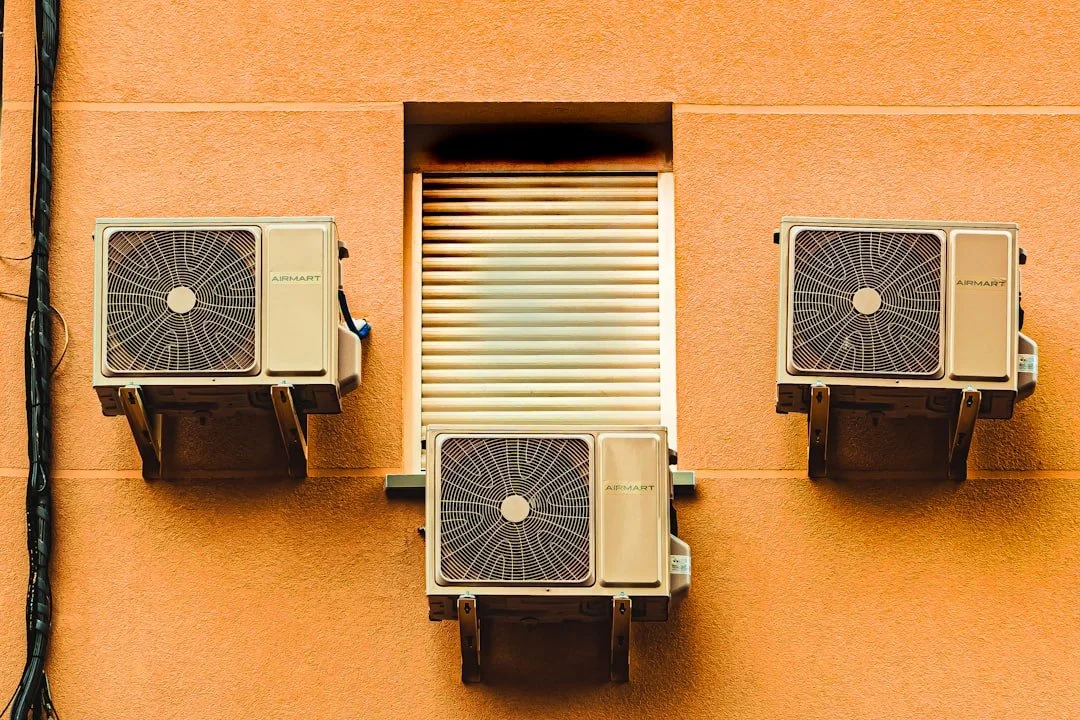
PAGE
By PAGE Editor
Most homeowners don’t give much consideration to their HVAC system until something goes wrong or it stops working altogether. Unfortunately, a complete breakdown often results in more extensive repairs, higher costs, uncomfortable indoor temperatures, and emergency service calls during the hottest or coldest (and busiest) times of the year.
In many cases, HVAC systems give several warning signs before a major failure occurs, and recognizing these issues early can help homeowners avoid expensive damage and extend the life of their equipment. Larger mechanical failures are often a result of small performance problems that have been ignored for too long, so being aware of and addressing the common indicators of HVAC trouble can also help improve energy efficiency and indoor comfort.
Unusual Noises Coming From the System
HVAC systems naturally make some noise during operation, but sudden or unusual sounds are often a sign that something is wrong. Homeowners should pay attention to sounds that seem louder or different than normal. Some warning noises might be:
Banging or clanking from loose components
Screeching caused by worn belts or motor issues
Grinding sounds from failing bearings
Rattling due to loose hardware or ductwork
Buzzing that may indicate electrical problems
These sounds rarely go away on their own, and addressing them early may prevent more serious damage to internal parts.
Weak or Uneven Airflow
One of the most obvious signs of an HVAC issue is poor airflow. If some rooms feel significantly warmer or cooler than others, the system may not be properly distributing air. Weak airflow can be caused by several factors, including clogged air filters, failing blower motors, leaking ductwork, or blocked vents. Reduced airflow forces the HVAC system to work harder than it should, which increases wear and tear while reducing efficiency.
Rising Energy Bills Without Explanation
A sudden increase in your utility costs is often one of the earliest indicators of HVAC troubles. Heating and cooling systems consume a large portion of a home’s energy usage, so even minor performance issues can considerably impact monthly bills. There are several HVAC problems that can reduce your system’s efficiency and contribute to higher energy costs:
Dirty coils
Refrigerant leaks
Aging parts
Thermostat malfunctions
Restricted airflow
Short cycling
When an HVAC system struggles to maintain indoor temperatures, it typically runs longer and consumes more energy. Comparing recent energy bills with ones from previous seasons can help homeowners spot abnormal increases.
Frequent On and Off Cycling
HVAC systems naturally cycle throughout the day, but excessive cycling may signal an underlying problem. If the system constantly turns on and off in short bursts, it may be having a hard time regulating indoor temperatures. This issue, called short cycling, places additional strain on system components and can be a result of:
Oversized HVAC equipment
Dirty filters
Thermostat problems
Refrigerant issues
Electrical malfunctions
Strange Odors Inside the Home
Unpleasant odors coming from vents can be a sign of a more serious matter and should never be ignored. Different smells can be indicative of various HVAC problems, including:
Burning smells from overheating electrical components
Musty odors due to mold or moisture buildup
Rotten smells may mean pest issues in ductwork
Chemical odors caused by refrigerant leaks
Poor Humidity Control
A properly functioning HVAC system helps regulate indoor humidity levels along with temperature, so if your home suddenly feels sticky in the summer or extremely dry during winter, the system may not be operating correctly. Improper humidity control may signal issues with the AC, ventilation system, or thermostat calibration, and in addition to making indoor spaces uncomfortable, humidity problems can result in mold growth, wood damage, or respiratory irritation.
Preventing Major HVAC Failures
Many major HVAC breakdowns begin as relatively minor issues, so homeowners who notice unusual performance changes shouldn’t wait until the system completely fails. Routine maintenance and early repairs often cost far less than emergency replacements or extensive system damage. Addressing any problems early can improve efficiency, extend equipment life, and help you maintain consistent indoor comfort all year long.
HOW DO YOU FEEL ABOUT FASHION?
COMMENT OR TAKE OUR PAGE READER SURVEY
Featured


Depop and Burton are celebrating 50 years of snowboard culture with a 50-piece archival resale drop priced at $50.50 and below, bringing vintage outerwear and apparel to a new generation while launching Depop’s Brand Shop Drop series.