
Smarter Storage for Garages, Workshops, and Stockrooms
PAGE
By PAGE Editor
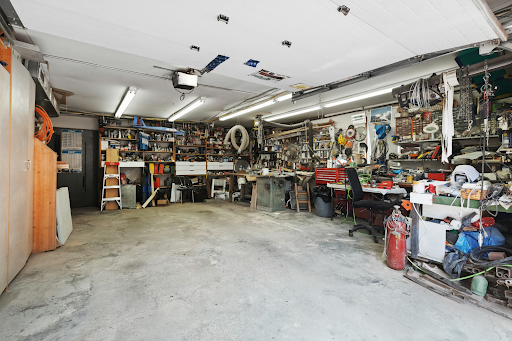
Last year, I stacked camping gear on cheap pine shelves in my garage. By Tuesday, the middle shelf had bowed so badly that a tote of power tools almost slammed onto the concrete floor.
If that sounds familiar, the problem is simple. Basic household shelving rarely survives heavy bins, paint tins, spare parts, and bulk stock for long.
A modular, hand-loaded steel shelving system fixes that gap. It gives you real load capacity without the cost or complexity of full pallet racks.
A good setup starts with a few smart choices: measure the room, choose the right rating, anchor the unit well, and organise the shelves so they stay useful.
Key Takeaways
A strong shelving setup works best when the room, the load, and the safety plan all match.
This system sits between home shelving and pallet racking. It is loaded by hand, easy to adjust, and usually rated for about 200 to 800 kg per shelf level.
Always check the UDL. UDL means uniformly distributed load, or weight spread evenly across the shelf, not piled in one spot.
New Zealand safety needs extra care. Anchoring, load signs, and regular checks matter because earthquakes and accidental impacts can shift a bay fast.
Simple habits prevent most problems. Keep heavy items low, label every level, and use backstops or mesh so goods cannot fall off the rear.
What Is Longspan Racking?
Longspan racking gives you strong, adjustable steel shelving for items that are loaded by hand.
It uses upright frames, horizontal beams, cross bracing, and shelf decking to create storage that feels far sturdier than a standard bookcase or hardware-store shelf.
How It Differs From Pallet Racking
Pallet racking is made for forklifts and palletised loads. Longspan is built for cartons, bins, tools, and stock that people place by hand, so it is easier to install, cheaper to rework, and simpler to use every day.
Components at a Glance
A typical bay has two upright frames, beam pairs, bracing, decking panels, base feet, and anchor bolts. Beams usually adjust in 50 mm steps, which helps you fit awkward tote sizes without wasting vertical space.
Where It Fits Best
Garages, stockrooms, workshops, parts stores, and small e-commerce pick areas all suit this style of shelving. If you need more strength than home shelving but do not need forklift access, it is usually the right fit. Before you commit to a layout, it helps to browse longspan racking solutions and compare bay sizes, load ratings, and decking options against the items you actually need to store.
Plan Your Space Before You Buy
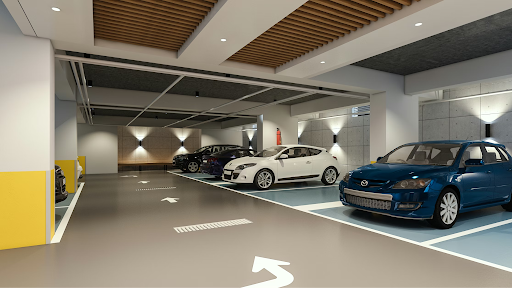
Ten minutes of planning saves hours of moving bays, bins, and gear later.
Measure the Room
Check ceiling height, door swing, garage door tracks, light switches, power points, and anything overhead like sprinklers. Those details decide your maximum frame height and the safest bay depth.
Set Aisles and Access
Keep walkways clear at all times. If the route also needs to be accessible, NZ Building Code D1 guidance suggests corridors should be at least 1200 mm wide, so confirm the right clearance before you lock in a layout.
Choose Bay Size
Common bay widths run from 1200 mm to 2400 mm, while depths often start at 450 mm and go up from there. Leave at least 50 mm from walls and ceilings, and match shelf depth to your main bins so nothing overhangs.
Sketch a Simple Layout
An L-shape works well in a single-car garage. In a narrow backroom, bays on each long wall create a practical galley, but keep clear of switchboards, meters, and fire exits.
Choose the Right Spec
The right spec matches the shelf size, load rating, and finish to the items you actually store.
Match Frames and Beams to the Load
Set frame height below any ceiling obstruction and work out shelf levels from your tallest cartons or totes first. Then confirm both the per-level UDL and the total bay load with the supplier before you buy.
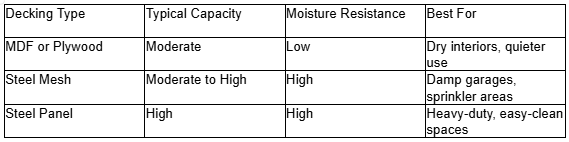
Pick the Right Decking
Decking changes how the shelf handles moisture, noise, and cleaning, so it is worth choosing carefully.
Check Finish and Fasteners
Powder-coated bays suit dry indoor rooms. In coastal or damp spaces, galvanised finishes last better, and you should always use the anchor type the supplier specifies for your slab or wall.
Anchor and Restrain the System
Bolt the frames to the concrete slab and fix them to the wall where possible. Use backstops or mesh at the rear, and keep the heaviest loads on the lowest shelves so the centre of gravity stays low.
Post Clear Load Signs
Show the safe working load at eye level on every bay. Many New Zealand operators follow the discipline in AS 4084, which calls for clear SWL signage, and you should update those signs any time beam heights or decking change.
Plan for Earthquakes
WorkSafe NZ also gives guidance on restraining goods and shelving so contents do not topple or fly out during seismic movement. Edge lips, retainer bars, bin systems, and strap kits all help, and a step platform is safer than climbing the bay.
Inspect on a Routine
Run a monthly visual check for bent uprights, missing beam locks, loose anchors, and sagging decking. After any earthquake or impact, inspect the bay again and isolate damaged sections until a competent person reviews them.
Use Layouts That Match the Job
The best layout follows how you move, pick, and store items every day.
Home Garage
Bays around 2.0 to 2.1 m high usually fit well along the longest wall. Depths of 450 to 600 mm keep storage useful without turning the room into a tight squeeze, and heavy gear should stay below about 1 m from the floor. For smaller items that benefit from a door and a lock, pairing open shelving with locker cabinets can keep valuables tidy while the main bays carry the bulk of the load. If your garage upgrade is part of a broader project, these home renovation ideas show how to balance everyday practicality with the overall look of the space.
Retail Backroom
Use shallower bays that match standard cartons and set shelves in the same order as the shop floor. First-in, first-out flow is easier when labels, restock zones, and product groups match the way staff already work.
Micro-Warehouse
Use the shelves as a pick face and replenish from pallets or bulk stock nearby. Colour-coded zones and bin labels speed up order picking, while rolling ladders can help in taller rooms as long as exits stay clear.
Make the System Easy to Keep Tidy
Organisation only lasts when the system is simple enough to follow on a busy day.
Label Every Shelf
Mark bin locations, shelf limits, and restock points clearly. Good labels save time and stop accidental overloading before it starts.
Build Simple Pick Paths
Group items in the order you use or pack them. In a busy stockroom, a clear pick path can cut unnecessary walking by 10 to 30 percent.
Rotate With the Season
Move slow-moving items to the top levels and bring current stock into easy reach. A quick quarterly reset keeps the layout useful as weather, projects, and demand change.
Check Suppliers Before You Buy
A low price means very little if the supplier cannot prove the bay is safe and supported.
Questions Worth Asking
What is the per-level UDL, and how was it tested?
Does the product meet relevant AU or NZ standards?
Which finish suits my space best?
What anchoring method suits my slab?
Are spare beams and decking held locally?
Records to Keep
Keep your layout drawing, load charts, signage copies, inspection logs, and purchase records. Those documents help with insurance, future changes, and any safety review.
Red Flags to Watch
Be careful with any seller who cannot give written load data, has no anchoring advice, or tries to upsell extra bays without asking about aisles, access, or exits.
Conclusion
A well-planned shelving setup saves time, protects your gear, and makes the whole space easier to use.
Measure carefully, match the rating to the load, bolt everything down, and keep shelf limits in plain view. Even one properly planned bay can turn a cluttered garage or crowded stockroom into a space that works every day.
For more practical home organisation ideas, check the home and living section on Harlem World Magazine.
FAQs
These quick answers cover the questions most buyers ask before they order.
Is Longspan the Same as Pallet Racking?
No. One is designed for hand-loaded goods, while the other is made for forklifts and palletised loads, so the capacity, use, and installation requirements are different.
How Do I Choose a Safe Shelf Capacity?
Use the supplier's per-level UDL and never exceed it. Spread weight evenly across the shelf and avoid stacking heavy items at the front edge or in one corner.
Do I Need to Bolt Shelves Down?
In New Zealand, anchoring is strongly recommended because earthquakes and accidental knocks can shift or topple shelving. Follow the supplier's instructions for your slab or wall type and keep a record of the install.
What Aisle Width Should I Leave?
Leave enough room for safe walking, carrying, and any equipment you use. If the aisle also serves as an accessible route, check NZ Building Code D1 guidance and confirm the right width before final installation.
HOW DO YOU FEEL ABOUT FASHION?
COMMENT OR TAKE OUR PAGE READER SURVEY
Featured




Preparing a home for overnight guests creates different priorities from ordinary weekly upkeep.