
What Is a Whole Spine MRI and When Is It Recommended?
PAGE
By PAGE Editor
Back and neck problems are common, and they can affect daily life in many ways. While some cases improve with rest or simple care, others need closer assessment. Imaging plays an important part in understanding what is happening inside the body. One method often used is a whole-spine MRI, which provides a detailed view of the spine from top to bottom.
This article explains what a whole spine MRI is, how it works, and when it may be advised.
What Is a Whole Spine MRI?
MRI stands for Magnetic Resonance Imaging. It is a type of scan that produces detailed images of the inside of the body, using strong magnets and radio waves. A whole-spine MRI examines the entire spine in a single session.
The spine is made up of three main sections:
The cervical spine (neck)
The thoracic spine (mid-back)
The lumbar spine (lower back)
A whole spine MRI includes all of these areas. This is different from a targeted MRI, which focuses on only one part. By scanning the entire spine, doctors can check for issues that may affect multiple areas or are not easy to spot with a limited scan.
MRI does not use radiation, unlike X-rays or CT scans. Because of this, it is a safer choice for recurrent imaging when necessary.
How a Whole Spine MRI Works
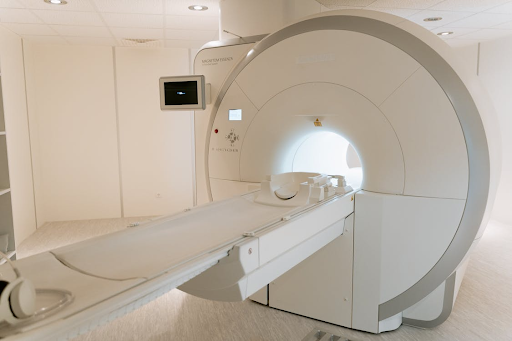
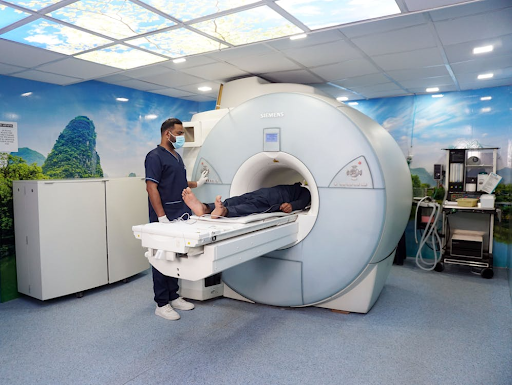
The patient lies on a table that moves into a large, tube-shaped machine during an MRI scan. The scanner creates images of the body using radio waves and magnetic fields. These images clearly show soft tissues, including discs, nerves, and the spinal cord.
Depending on the level of information needed, the scan typically takes 30 to 60 minutes. Other times, a contrast dye may be used. This helps highlight certain areas, such as inflammation or abnormal growths.
Patients are asked to stay still during the scan to ensure clear images. The machine can be noisy, but ear protection is usually provided.
What Can a Whole Spine MRI Detect?
A whole spine MRI can help identify a range of conditions, including:
Herniated or slipped discs
Spinal stenosis, the spinal canal becomes narrow
Tumours or abnormal growths
Infections affecting the spine
Degenerative disc disease
Scoliosis or changes in spinal shape
Nerve compression
Inflammatory conditions such as ankylosing spondylitis
Because the scan covers the entire spine, it may detect more than one issue at the same time. This can be helpful when symptoms are unclear or spread across different areas.
When Is a Whole Spine MRI Recommended?
A whole spine MRI is not always the first step. It is usually advised when symptoms are ongoing, severe, or difficult to explain.
Persistent or Unexplained Pain
If back or neck pain lasts for a long time or does not improve with basic care, further checks may be needed. Nerve involvement may be indicated by pain that radiates to the arms or legs or is accompanied by numbness or weakness.
Neurological Symptoms
Changes in balance, coordination, or control of bladder and bowel function can be signs of spinal cord problems. In these cases, a full view of the spine may help identify the cause.
Injury or Trauma
After a fall, accident, or sports injury, doctors may need to check for damage that is not visible on an X-ray. A whole spine MRI can show soft tissue injuries as well as issues with the spinal cord.
Monitoring Existing Conditions
People with known spinal conditions may need regular scans to track changes over time. This can include degenerative conditions or cases following surgery.
Cancer Assessment
If there is a concern that cancer has spread to the spine, a whole spine MRI may be advised. It can help locate affected areas and guide further care. Information such as Global cancer screening recommendations can offer helpful context on how imaging fits into wider health checks.
Benefits of a Whole Spine MRI
One of the main advantages of a whole spine MRI is that it provides a complete view in a single session. This can reduce the need for multiple scans and appointments.
Other benefits include:
Clear images of soft tissues and nerves
No exposure to radiation
Ability to detect issues early
Support for accurate diagnosis and care planning
A full scan may reveal findings that explain symptoms that were not clear before.
Limitations and Considerations
While a whole-spine MRI is useful, it is not always necessary. For minor or short-term pain, simpler approaches may be enough.
Some points to consider include:
The cost may be higher than a targeted scan
Small findings may appear that are not linked to symptoms
Some people may feel uncomfortable in the scanner
Patients with certain implants may need special checks before the scan
Doctors will usually decide if a full spine scan is the best option based on symptoms and medical history.
What to Expect During the Procedure
Patients are asked to remove metal items, such as jewellery or watches, before the scan. Loose, comfortable clothing is often recommended.
During the scan:
You will lie flat on a table
The table moves into the scanner
You must stay still while images are taken
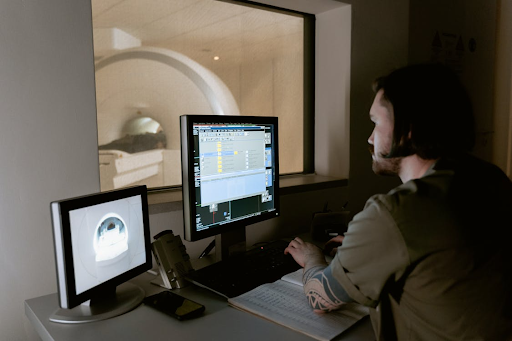
You can speak to the technician through an intercom
After the scan, most people can return to normal activities straight away. Results are usually reviewed by a specialist and shared with the patient within a few days.
Whole Spine MRI vs Targeted MRI
A targeted MRI focuses on one part of the spine and is often used when symptoms are clearly linked to a specific area. A whole-spine MRI, on the other hand, is used when symptoms are more complex or spread out.
The choice depends on clinical judgement. Sometimes, a targeted scan may be enough. In others, a full scan provides a clearer overall view.
Final Thoughts
A whole-spine MRI is a detailed imaging method that helps assess the spine in a single session. It is often recommended when symptoms are persistent, unclear, or linked to nerve or spinal cord concerns.
For those seeking private imaging services, providers such as Vista Health offer MRI scans with short wait times. This can be helpful when a timely assessment is needed.
Keeping track of your health and acting on ongoing symptoms is important. Resources like Heart health advice from the NHS also highlight how early checks can support better long-term outcomes.
HOW DO YOU FEEL ABOUT FASHION?
COMMENT OR TAKE OUR PAGE READER SURVEY
Featured





Digital rewards strengthen luxury through practical service, selective access, and thoughtful personalization that keeps each purchase valuable for longer.