
What is an antidetect browser?
PAGE
By PAGE Editor
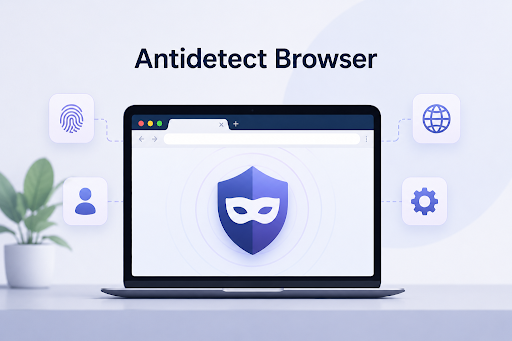
An anti-detect browser is a special web browser. It hides a user's real digital fingerprint. Normal browsers leave many traces. These traces include IP addresses, screen resolution, and installed fonts. Websites collect this data to identify visitors. The anti-detect browser changes this data. It makes each browsing session look different. It replaces them with fake ones.
How Antidetect Browsers Are Not Like Regular Browsers
Normal browsers like Chrome or Firefox show real device data. They cannot mask fingerprints easily. Users can try private mode, but that only stops cookies. Digital fingerprints remain visible. An antidetect browser controls every piece of browser data. It spoofs WebGL, canvas, audio, and font settings. Each profile gets unique parameters. Normal browsers do not offer profile management. Antidetect browsers let users switch identities instantly
The Main Purpose of an Antidetect Browser
The main purpose is privacy protection. Websites track users across the internet. They build profiles based on behavior and hardware. An antidetect browser stops that tracking. It prevents link building between different accounts. Another purpose is business efficiency. Many online platforms limit one account per person. Marketers need multiple accounts for testing or ad campaigns.
Key Features Found in Antidetect Browsers
Here are 5 key features found in anti-detect browsers:
Fingerprint spoofing
Cookie isolation
Proxy integration
Team management
Automation support
Digital Fingerprints and the importance of that
A digital fingerprint is a unique browser ID. Websites create it without asking permission. It includes your operating system, timezone, language, and GPU details. Two computers can look identical to a website through fingerprints.
Fingerprints matter because they identify repeat visitors. Even without cookies, a website knows the same device returned. An anti-detect browser breaks this identification. It gives each session a new fingerprint. The website cannot link visits back to one person.
How Antidetect Browsers Change Browser Fingerprints
The browser intercepts JavaScript commands. When a website asks for screen size, the tool returns a fake value. For canvas reading, it adds random noise to pixels. WebGL reports a different graphics card model.

Each new profile generates a consistent fake identity. The fake fingerprint stays stable for that profile. But it differs from other profiles on the same machine. This method fools tracking systems. An antidetect browser creates believable, non-repeating fingerprints.
Common Uses for Antidetect Browsers in Business
E-commerce sellers use them to manage multiple store accounts. Marketplace platforms like eBay or Amazon restrict single sellers. An anti-detect browser allows one person to run several seller accounts without bans.
Affiliate marketers use these tools for traffic testing. They need to see ads from different locations. The browser creates local user profiles for each region. Social media managers also rely on them. Running many client pages from one device becomes safe and easy.
How to Choose a Reliable Antidetect Browser
Look for regular software updates. Fingerprint methods change often. A good anti-detect browser releases patches every few weeks. Check supported operating systems. Some only work on Windows; others work on Mac and Linux.
Evaluate proxy integration quality. The browser should support HTTP, SOCKS5, and mobile proxies. Read user reviews about stability. Avoid tools that crash or leak real IPs. Test the free trial before buying. Reliable vendors offer at least three days of testing. Reliable vendors offer at least three days of testing.
Verify fingerprint variety.
Check automation features.
Compare pricing plans.
Look for local data storage options.
Conclusion
Browser fingerprinting is becoming more advanced. Machine learning models now detect anomalies. Future antidetect browser tools will need AI-based spoofing. They will mimic real human behavior patterns rather than just changing data. Privacy regulations may also shape development. Stricter laws could make fingerprinting illegal, reducing the need for antidetect browsers.
HOW DO YOU FEEL ABOUT FASHION?
COMMENT OR TAKE OUR PAGE READER SURVEY
Featured





Better With Age’s FW26 “STOLEN ART” collection expands its circular design philosophy into refined tailoring and limited-edition eyewear, transforming vintage textiles and antique silver flatware into contemporary pieces with a distinct sense of history.