
When Do You Need an MRI? Common Situations Explained
PAGE
By PAGE Editor
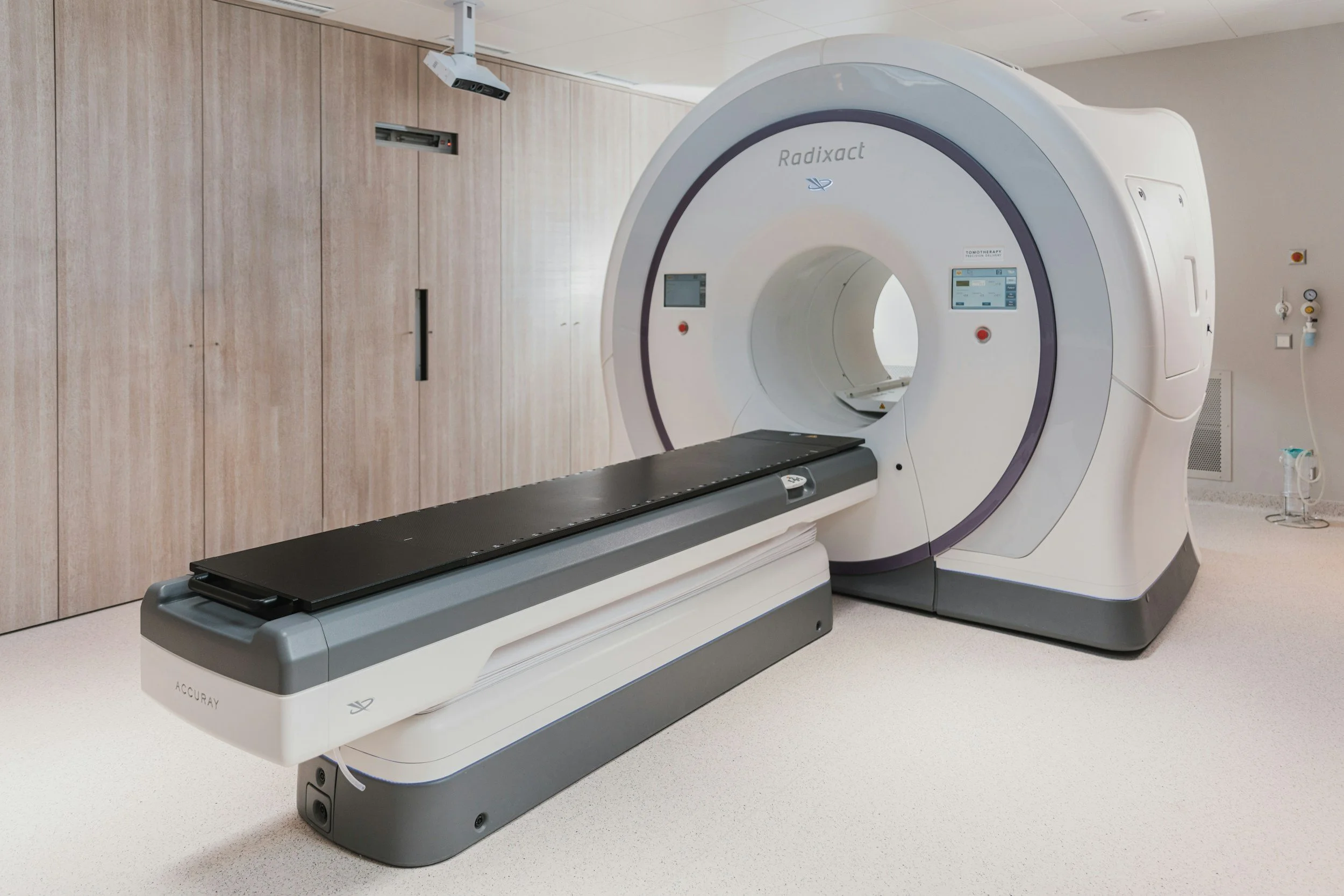
Did you know that before the MRI was invented, the only way that doctors could see the body from the inside was by opening it up? That being said, we can conclude that MRI is a discovery that has made many things easier for both the doctors and the patients. When an X-ray or a CT scan cannot reveal enough detailed information about a patient’s condition, an MRI can help easily diagnose a disease or shed further light on the extent of an injury without surgery. Many situations require an MRI, and in this article, we will educate you by explaining the most common ones.
MRI of the Brain and Spinal Cord
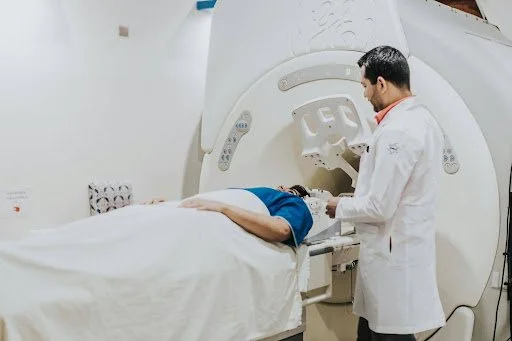
Probably the most common situation is doing an MRI of the brain and spinal cord. MRI is required in most cases for patients who report severe headaches, frequent dizziness, or who have been dealing with different neurological problems. Professionals at a non-invasive MRI clinic mostly use an MRI to detect possible problems. These include:
Tumors and aneurysms
Changes caused by a stroke
Brain injuries after trauma
Possible eye or inner ear conditions
MRI Of The Bones and Joints
When an injury occurs during a sports activity or is caused by a fall or sprain, most people think that an X-ray is enough. However, the reliable professionals know that X-rays can actually only show the condition of the bones and not the condition of the muscles, tendons, and joints. For the therapy to be precise and accurate, doctors usually send their patients to an MRI if they conclude that the joint seems unstable, the swelling doesn’t go away for a long time, or there is a suspicion of more serious conditions such as arthritis, bone infections, some kind of internal damage, etc.
MRI As a Tracker for Existing Conditions
MRI isn’t always used for identifying certain conditions. For example, in chronic diseases, MRI is used as a tracker through which every change is monitored, and therapy is adjusted according to them. Patients who are dealing with chronic diseases are required to take frequent MRI scans to track the progress of the diseases and assess the effects of a certain therapy. Chronic diseases are extremely difficult conditions that are not only challenging for patients but for doctors as well. MRI represents one of the most advanced tools that helps professionals to easily gain a complete insight into the whole process of the disease.
Long-Lasting Pain That Doesn’t Go Away
Another common situation that requires an MRI scan is dealing with the pain that does not go away despite the medication, physical therapy, or strict rest. People who have been dealing with severe pain for more than seven days need to undergo an MRI because there is a high possibility of the presence of conditions such as a herniated disc, some kind of internal inflammation, or possible ligament damage. These conditions cannot be detected with X-ray or CI, and that is why MRI plays a key role in getting a precise diagnosis for a certain problem.
MRI as a Clarity Provider
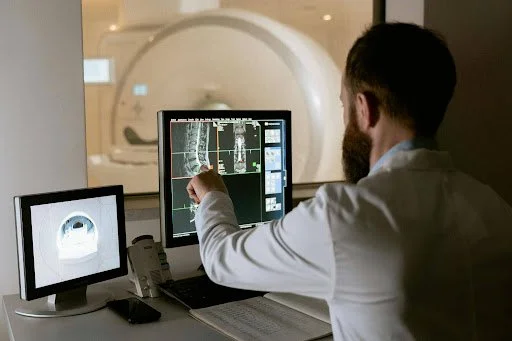
MRI is frequently used as a clarity provider. Sometimes, certain tests and scans may not provide clear results for a specific diagnosis. In such cases, an MRI represents the most effective solution. Instead of relying on assumptions, thanks to MRI, professionals now have easy insight into even the most subtle changes inside the body, including changes in organs, soft tissue, and the nervous system. MRI is a form of relief for every patient as it replaces uncertainty with concrete information.
The Important Role of MRI In Preparation for Surgery
Doctors often use MRI scans to gain detailed insights into a patient's internal condition before surgery. Such a practice, in most cases, increases the chances of a successful surgery. The chances increase mostly because a doctor becomes able to look at the bigger picture, identifying specific potential risks, and adjusting the approach based on all the factors. As most operations are extremely risky and require maximum precision, MRI is a tool with the help of which the risk can be reduced to some extent and precision and safety can be significantly increased.
MRI is not always the tool that is used for serious conditions, even though that’s the first thing that comes to people’s minds. It is a tool that gives detailed information that leads to more accurate therapy and more effective recovery. An MRI is typically recommended when your symptoms are persistent, unexplained, and unclear. If you have any unusual symptoms or are concerned about your health, speaking to your doctor about the potential need for an MRI is a first step that should never be skipped.
HOW DO YOU FEEL ABOUT FASHION?
COMMENT OR TAKE OUR PAGE READER SURVEY
Featured





Finding the right job in human resources or recruitment can take time, especially when you're searching online.