
Ferrari Style Lands In London, Where Heritage Engineering Meets Cultural Precision
PAGE
By PAGE Editor
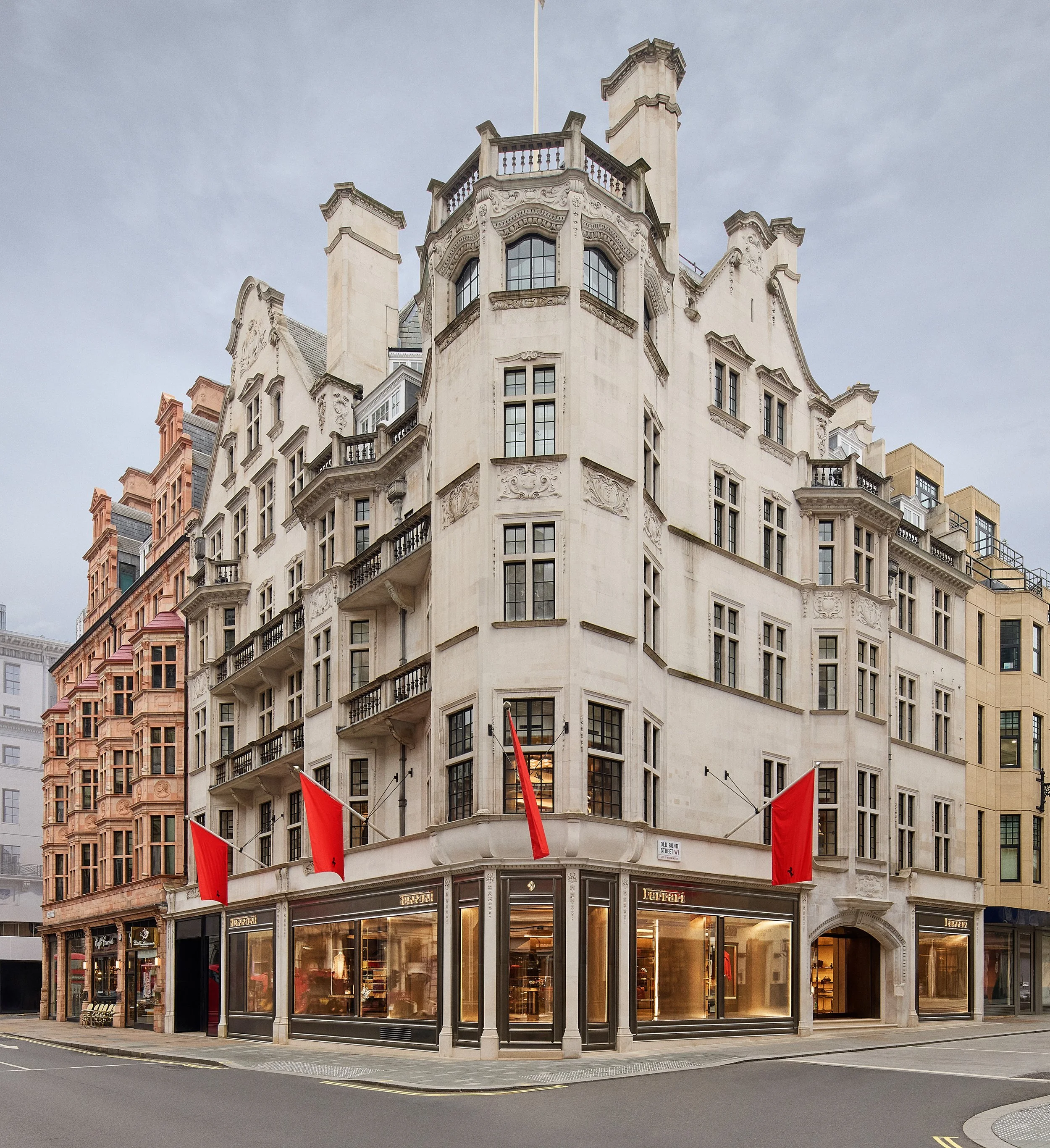
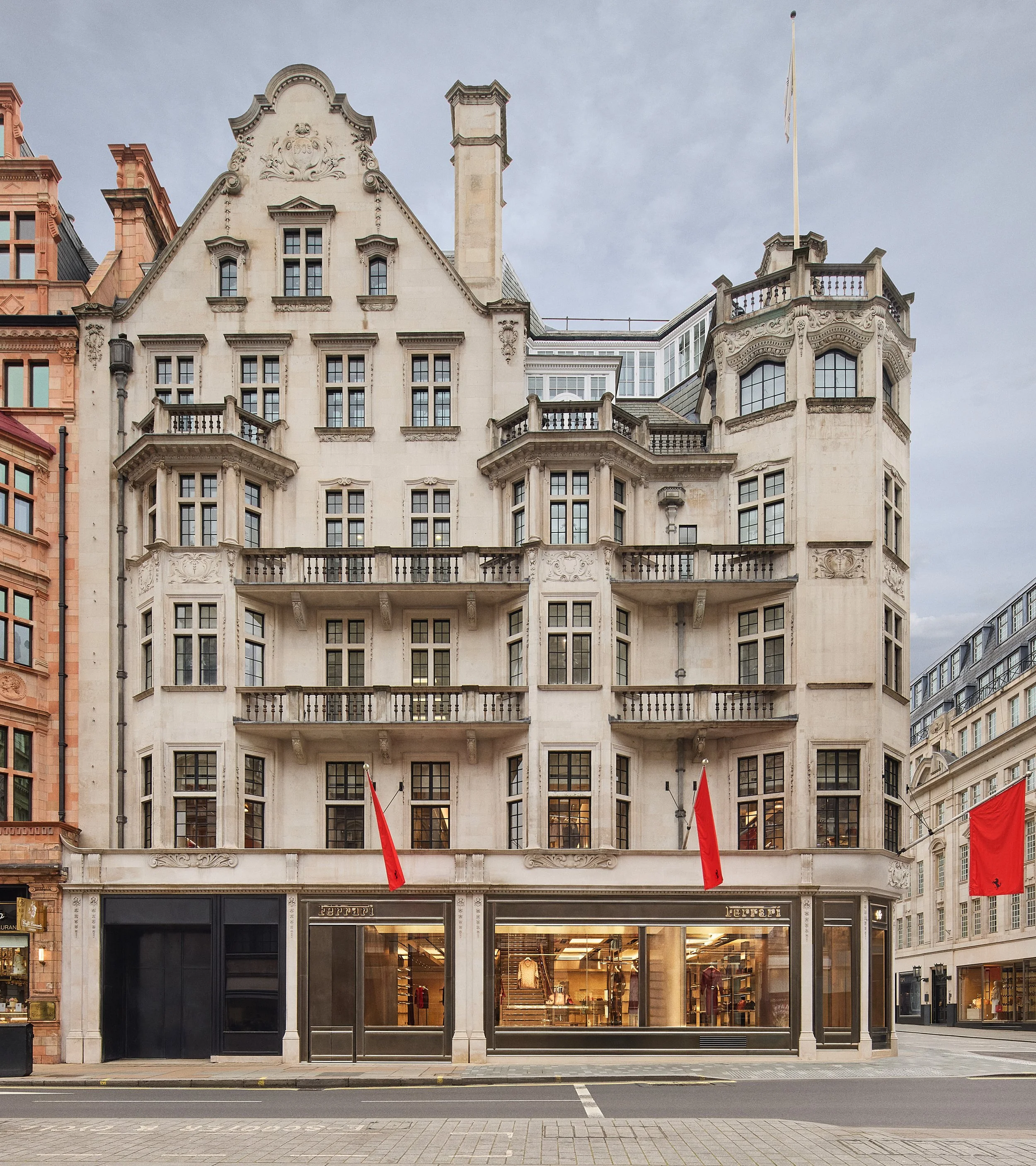
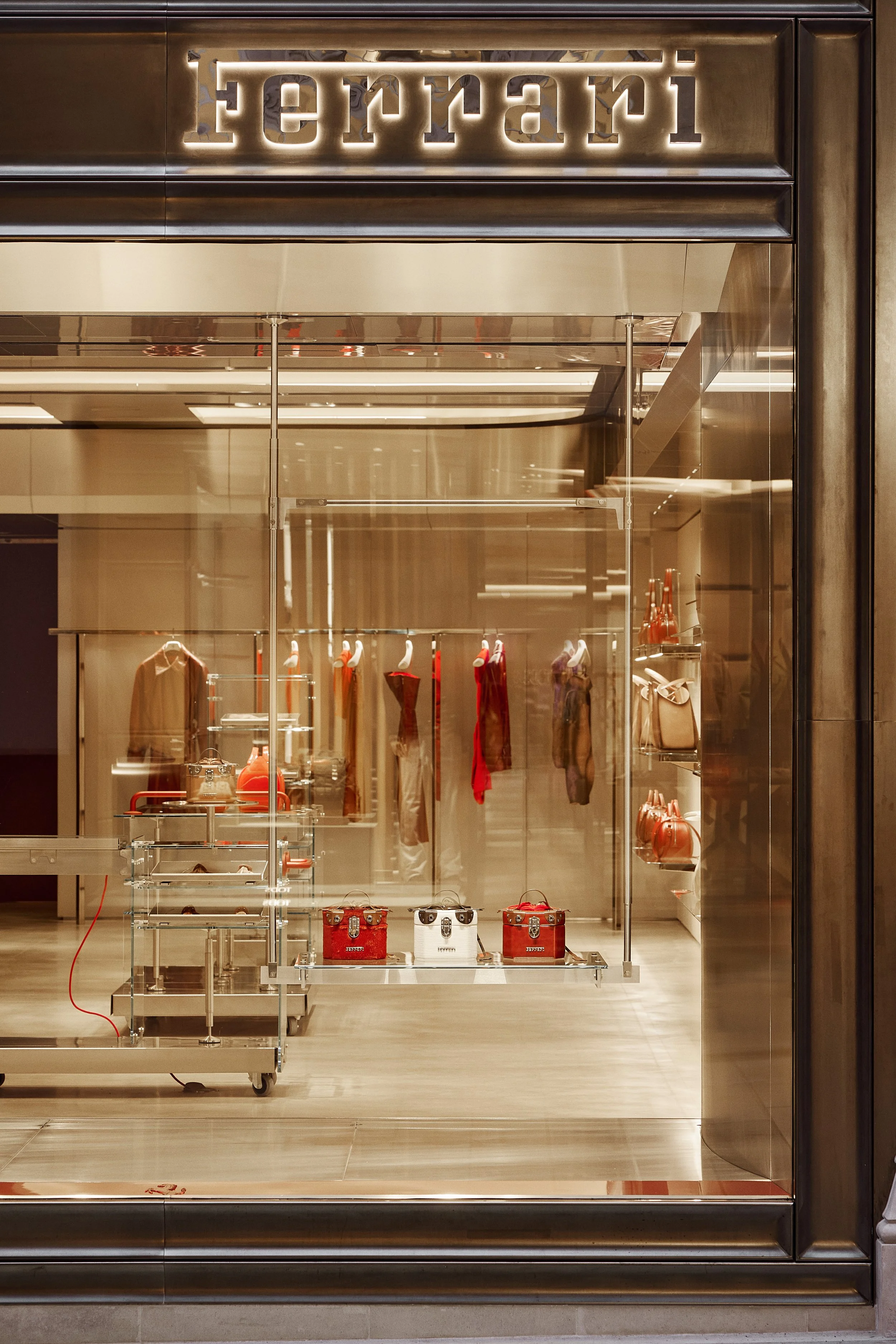
In a city where legacy and reinvention coexist with rare fluency, Ferrari has chosen London as the next stage for its evolving lifestyle narrative. With the opening of its Ferrari Style flagship at the intersection of Old Bond Street and Piccadilly, the brand is not merely expanding its retail footprint—it is deepening a cultural dialogue that has long linked Italy’s most storied automotive house with one of the world’s most influential creative capitals.
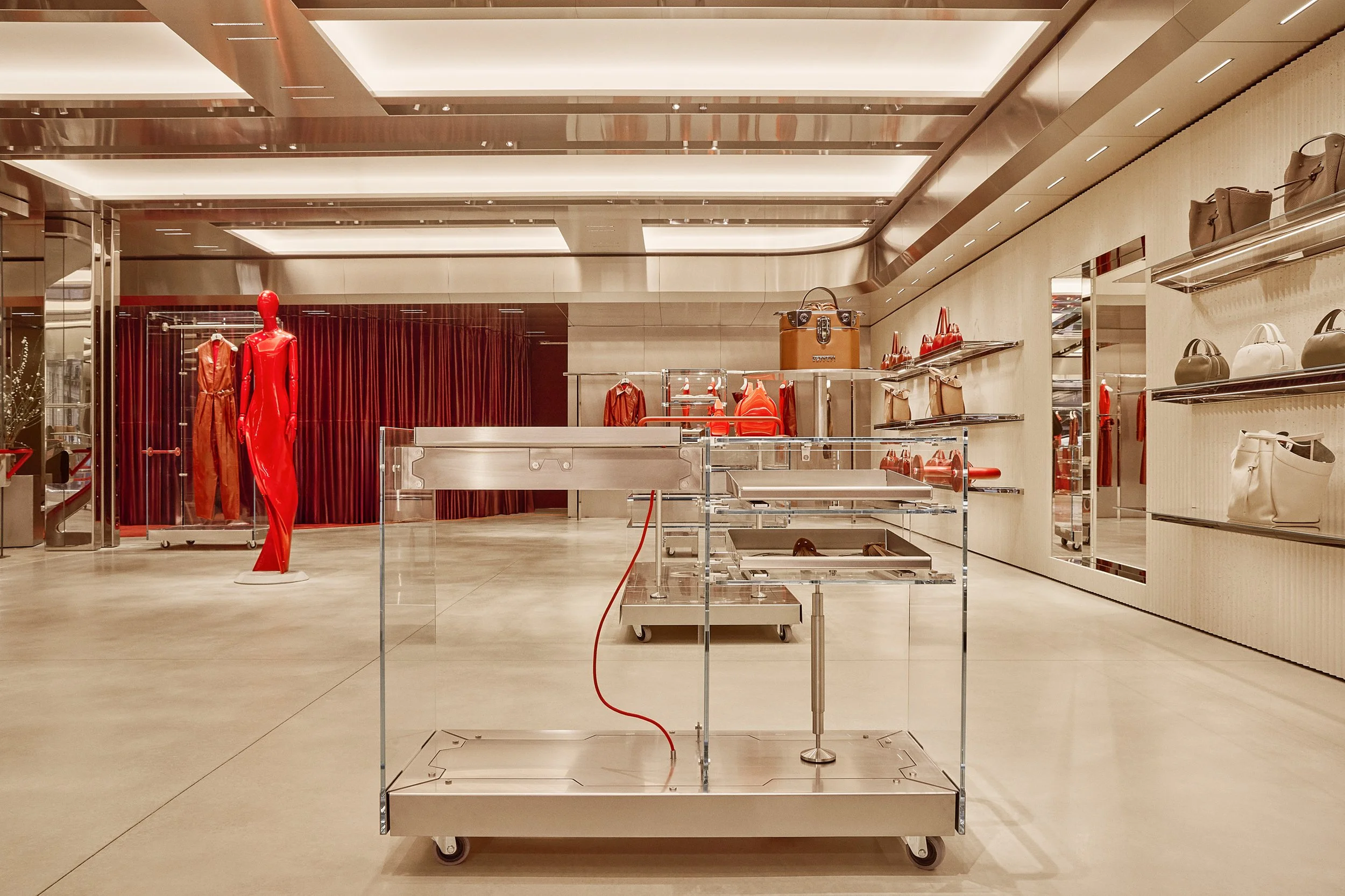
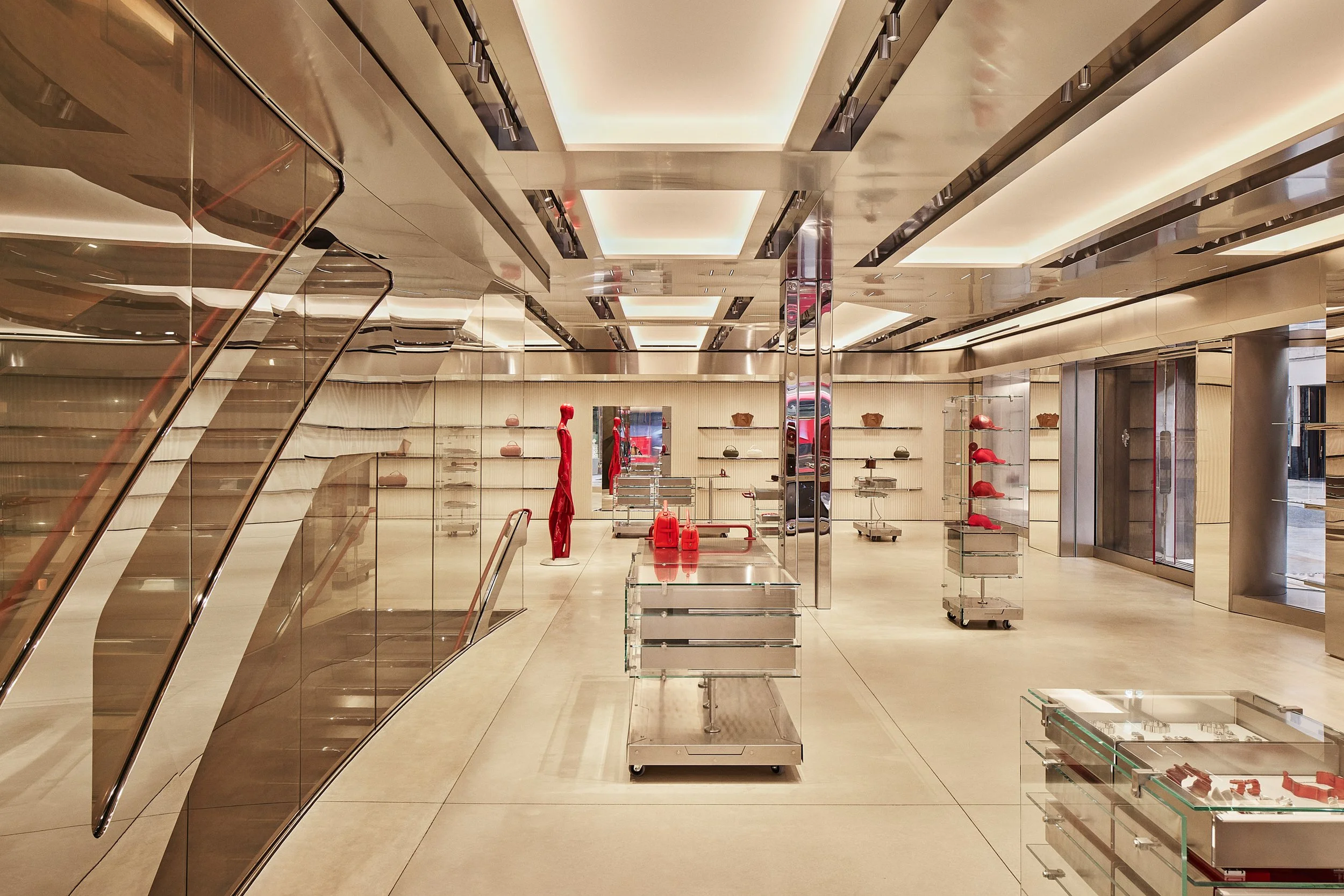
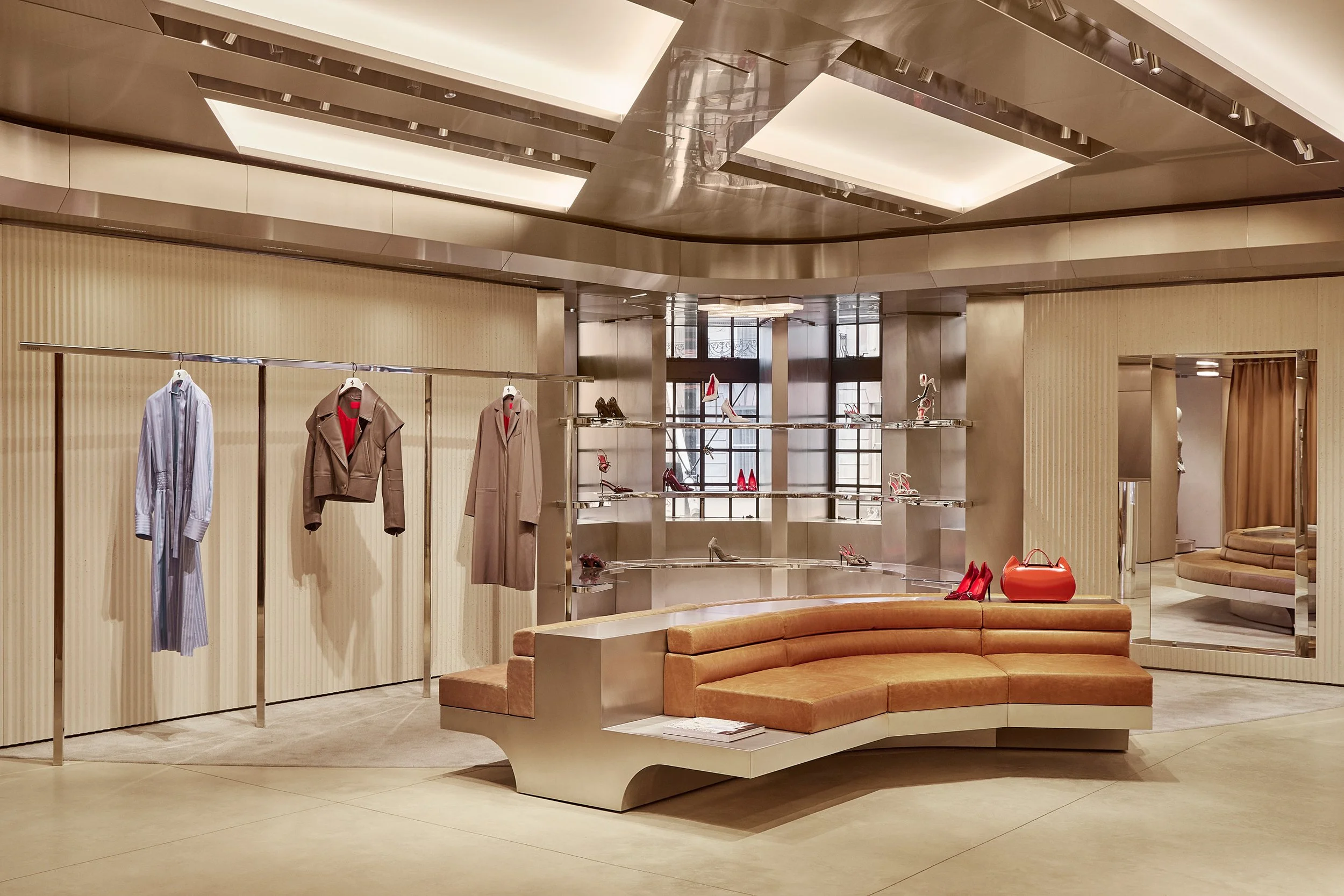
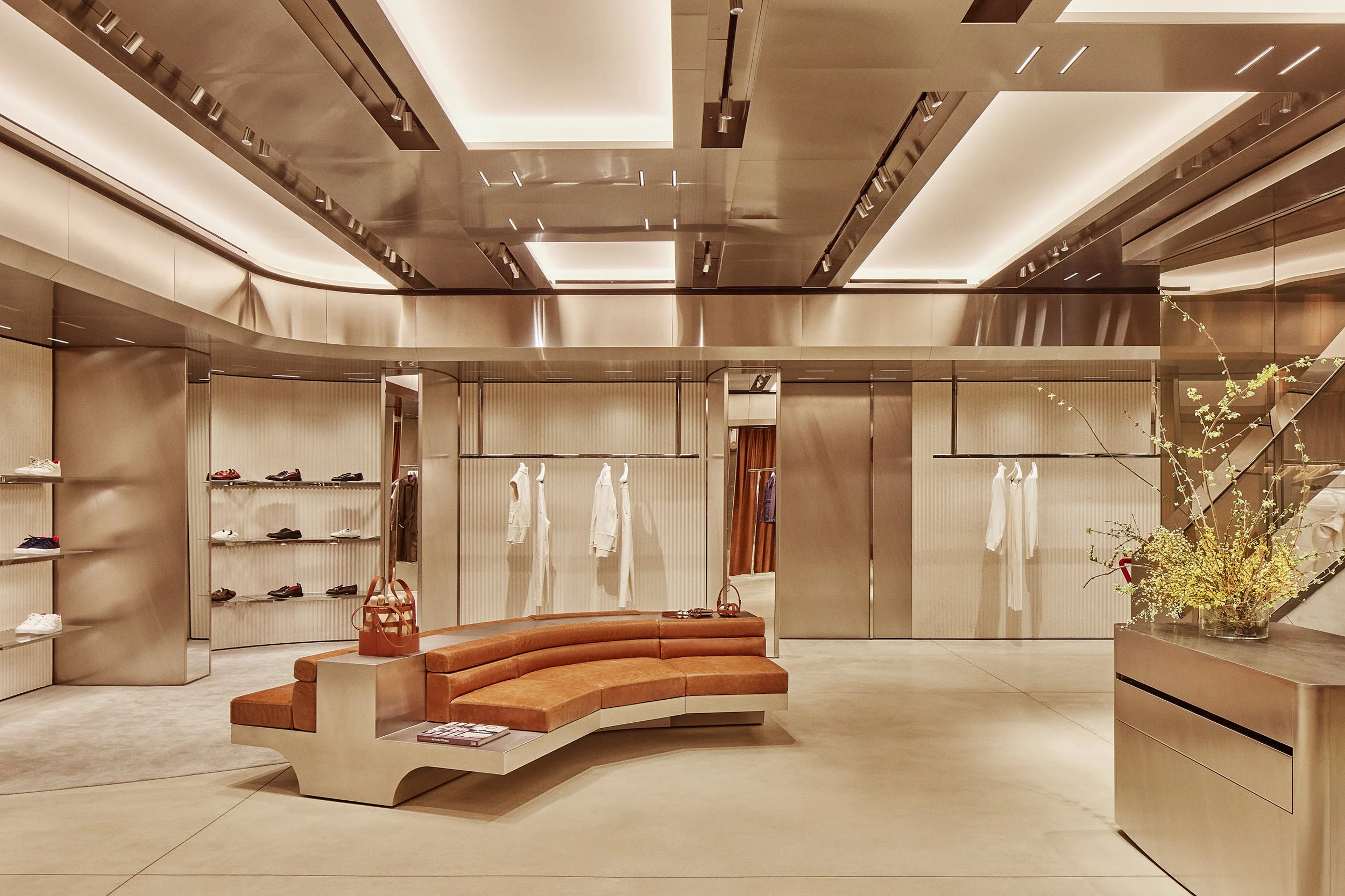
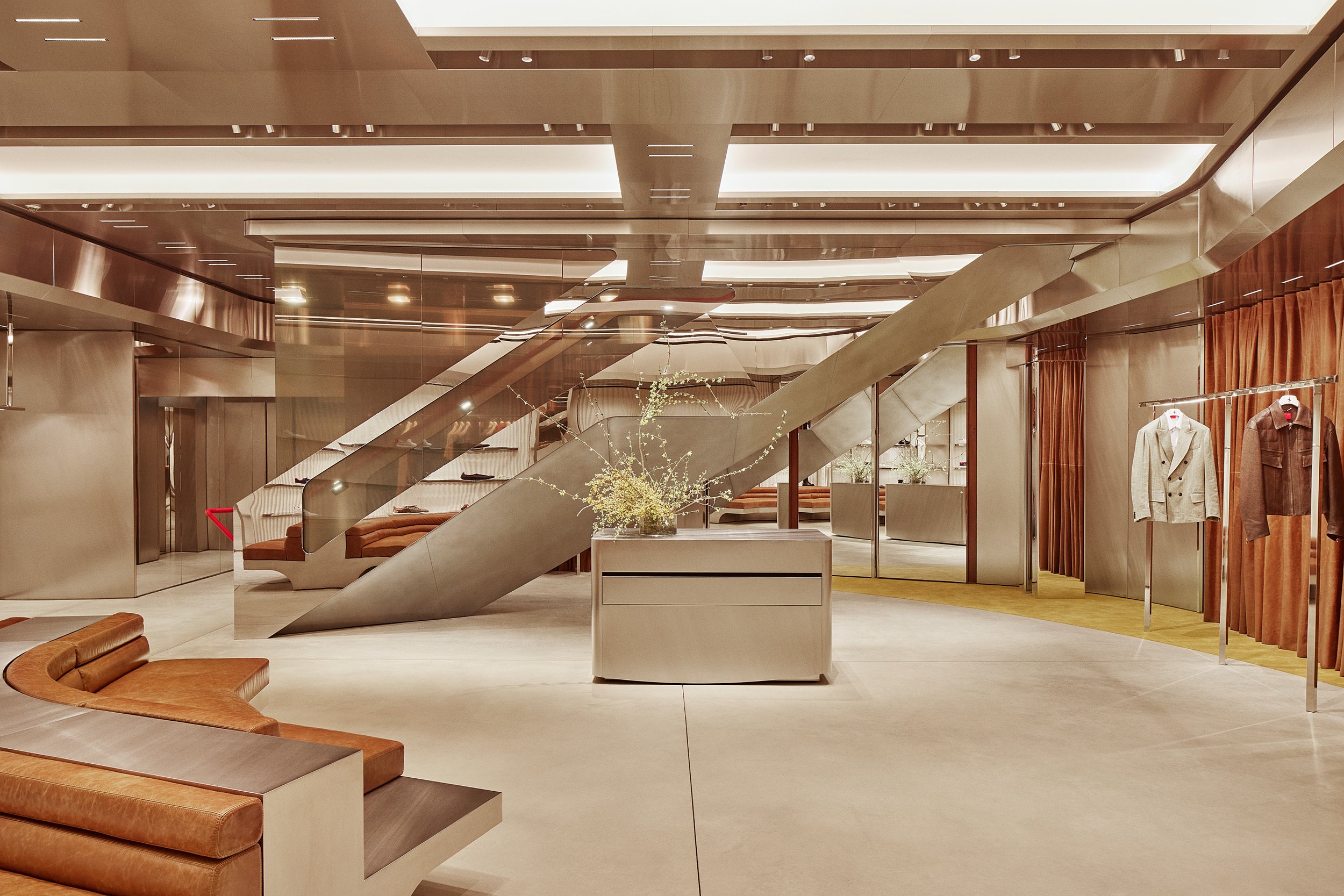
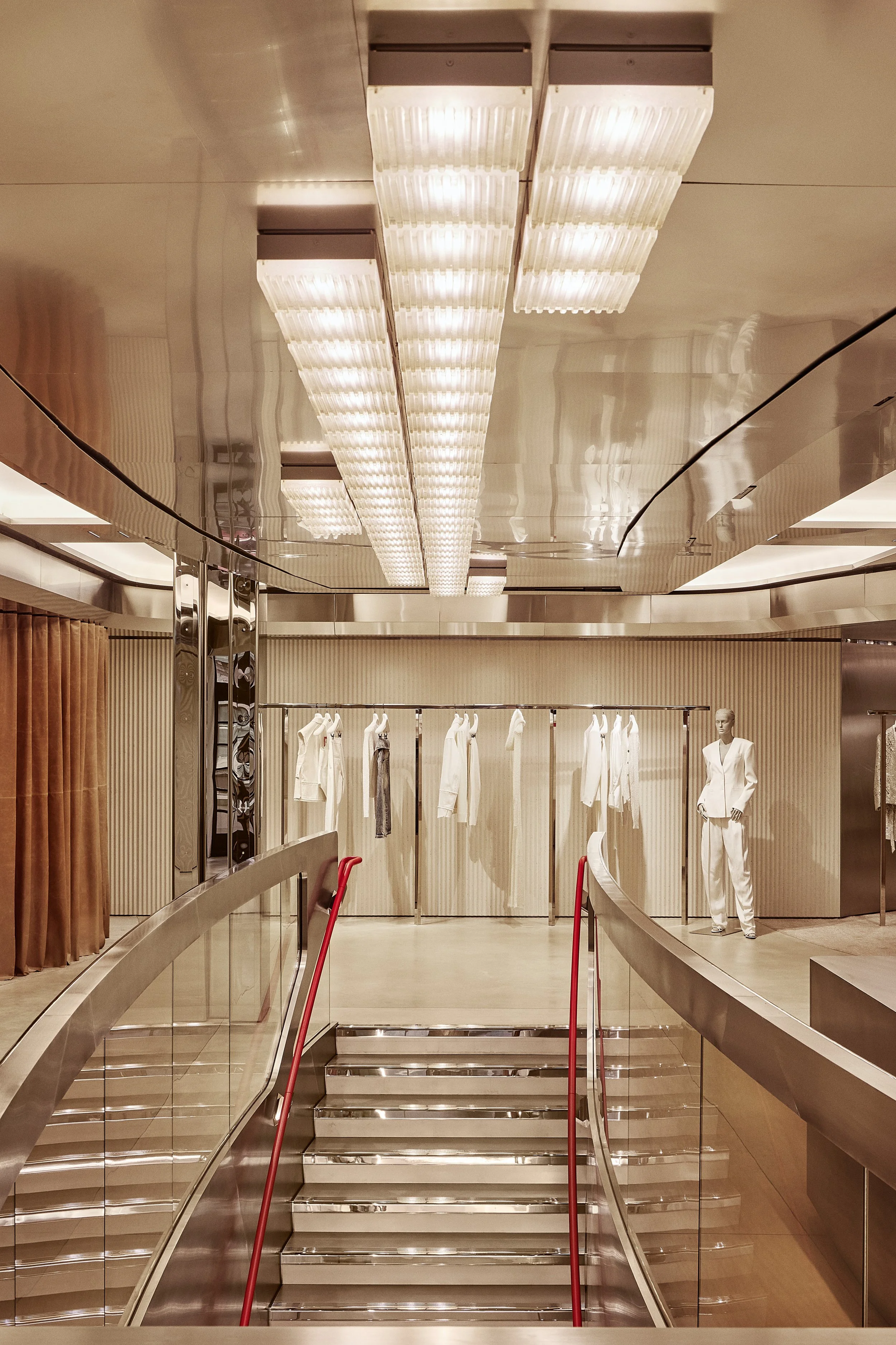
At the center of this expansion is Rocco Iannone, Ferrari Style’s Creative Director, whose vision continues to translate the marque’s engineering precision into a contemporary fashion language. Conceived in collaboration with Berlin-based Gonzalez Haase AAS and Milan’s Formafantasma, the 850-square-meter flagship draws inspiration from the “Officina”—the conceptual and creative nucleus of Ferrari. Here, the idea of a workshop transcends mechanics, becoming a framework for design thinking where craftsmanship, experimentation, and material innovation intersect.
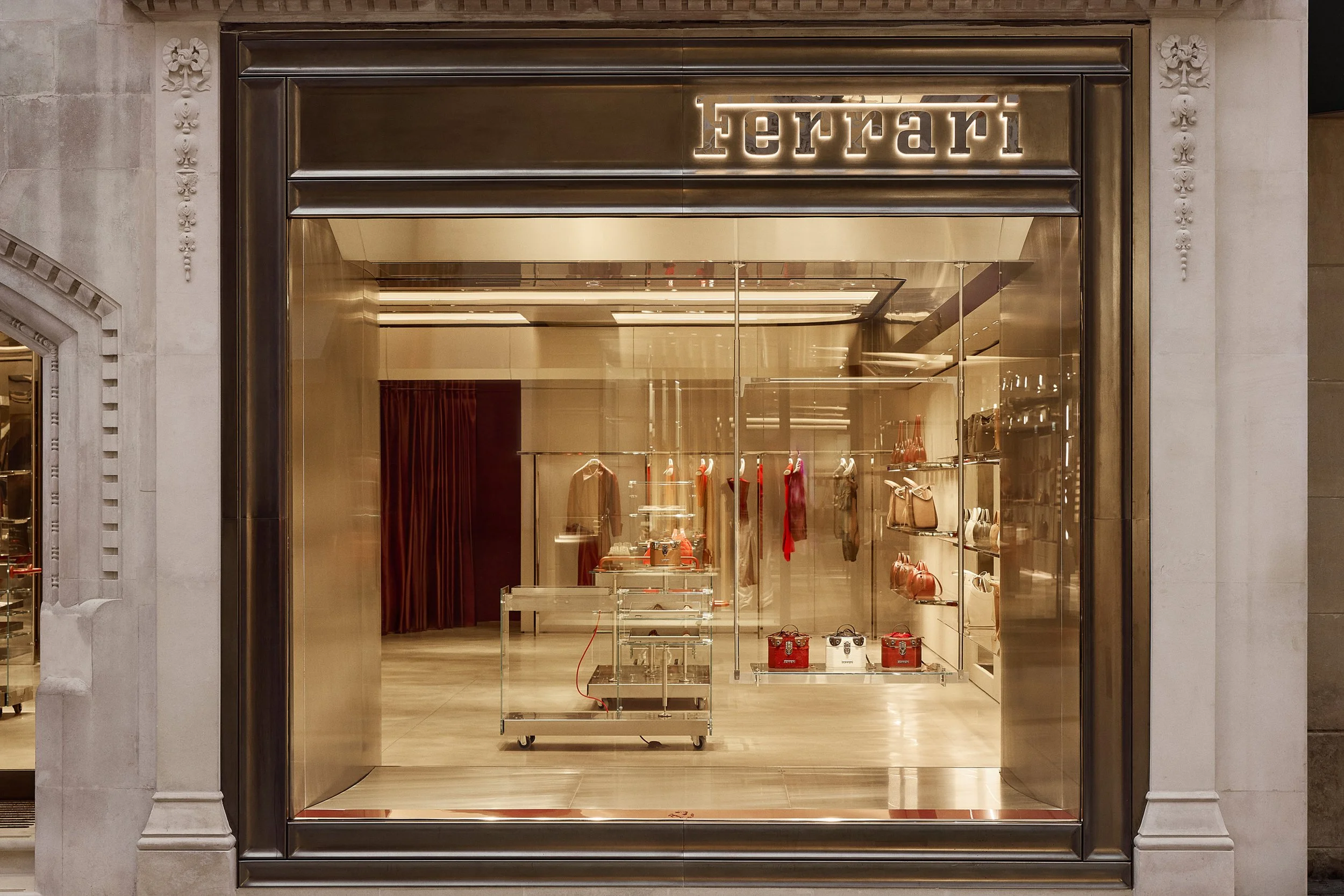
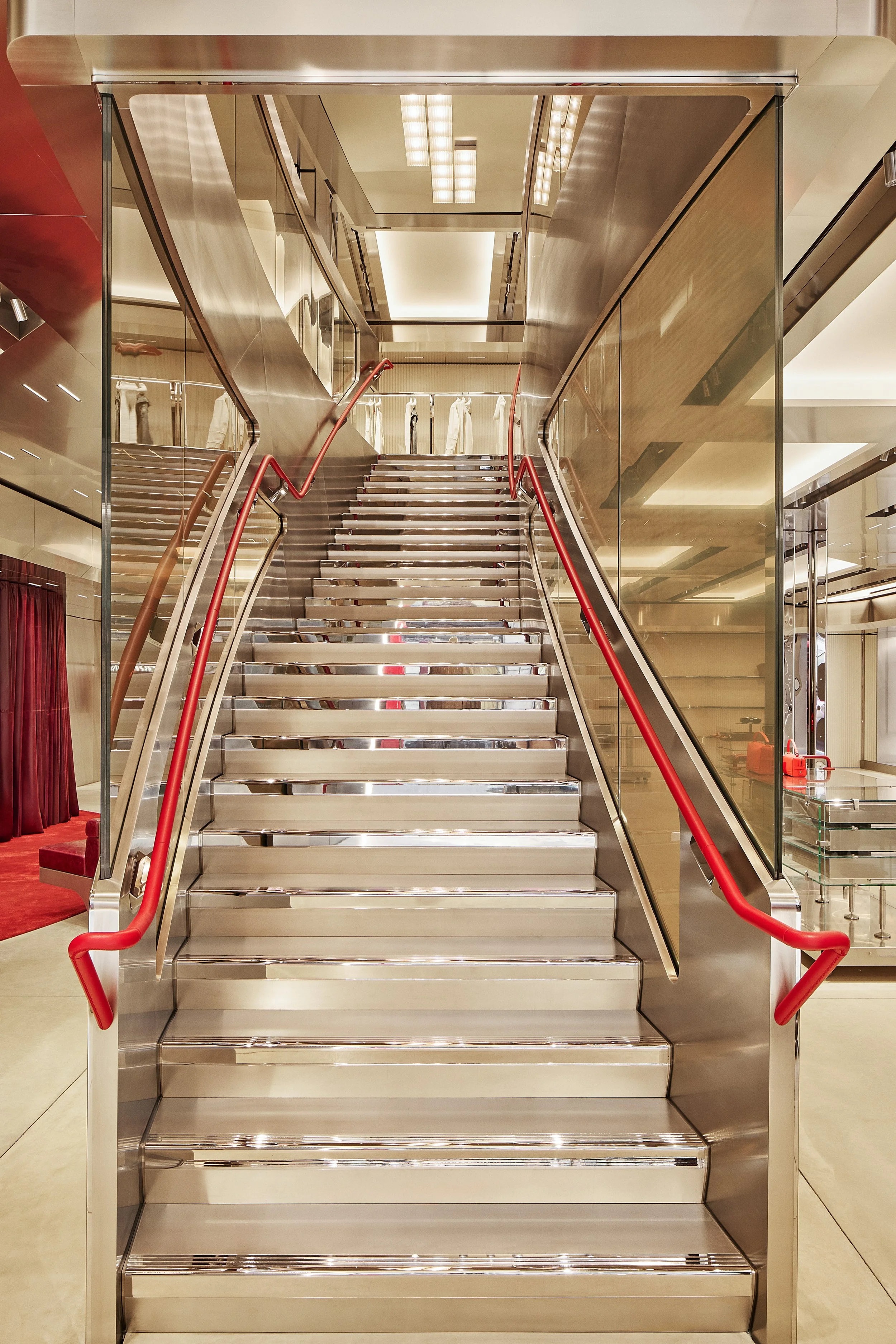
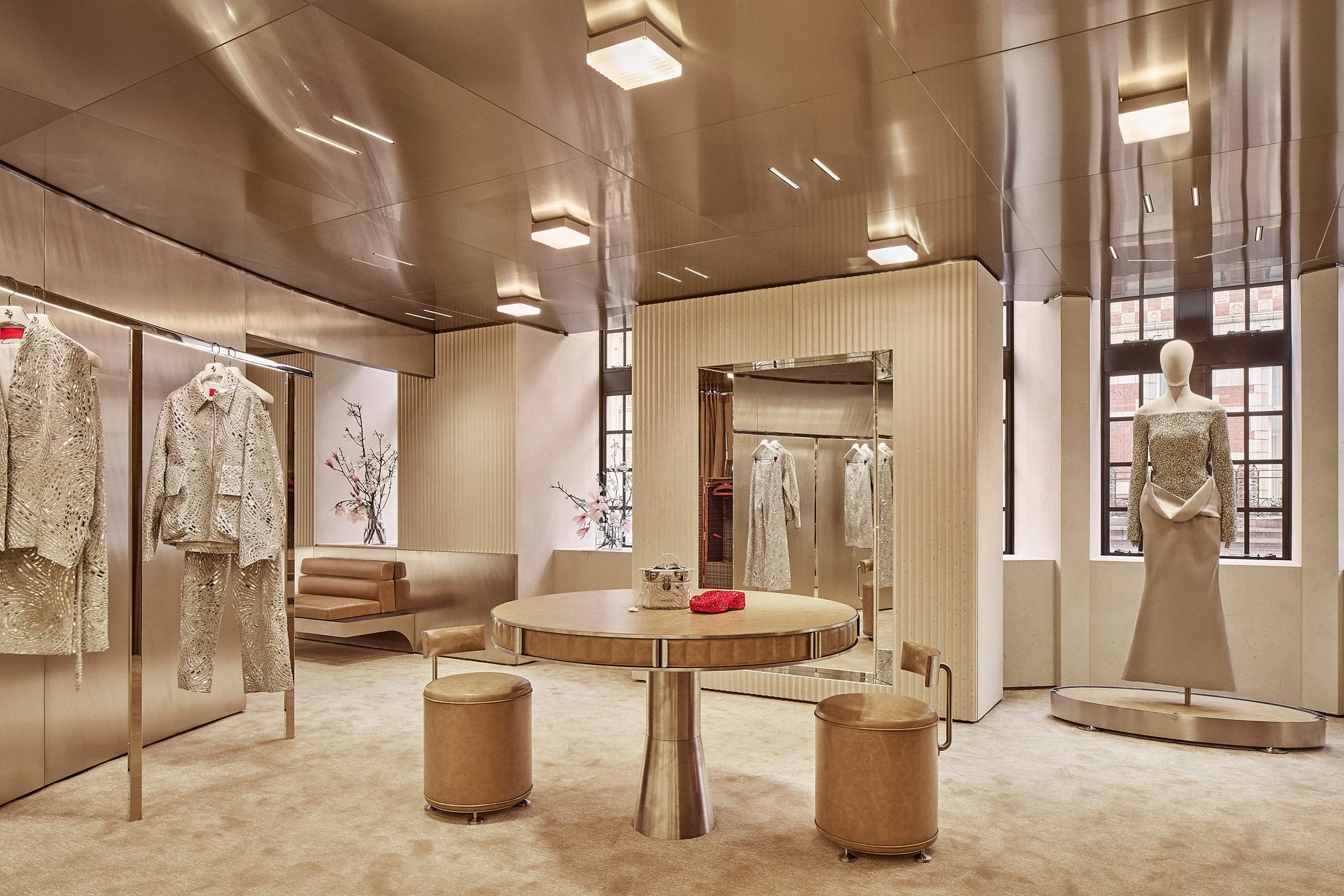
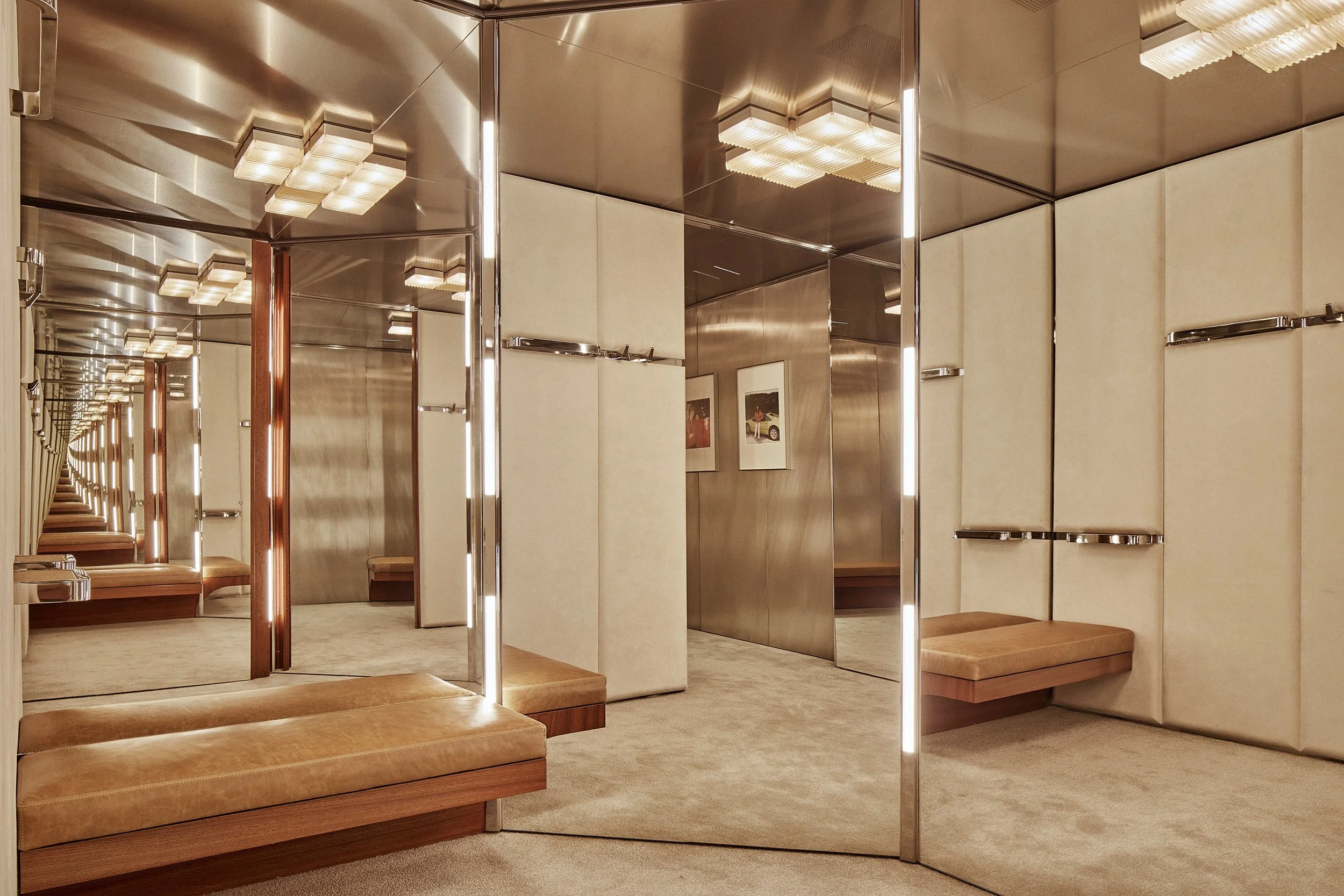
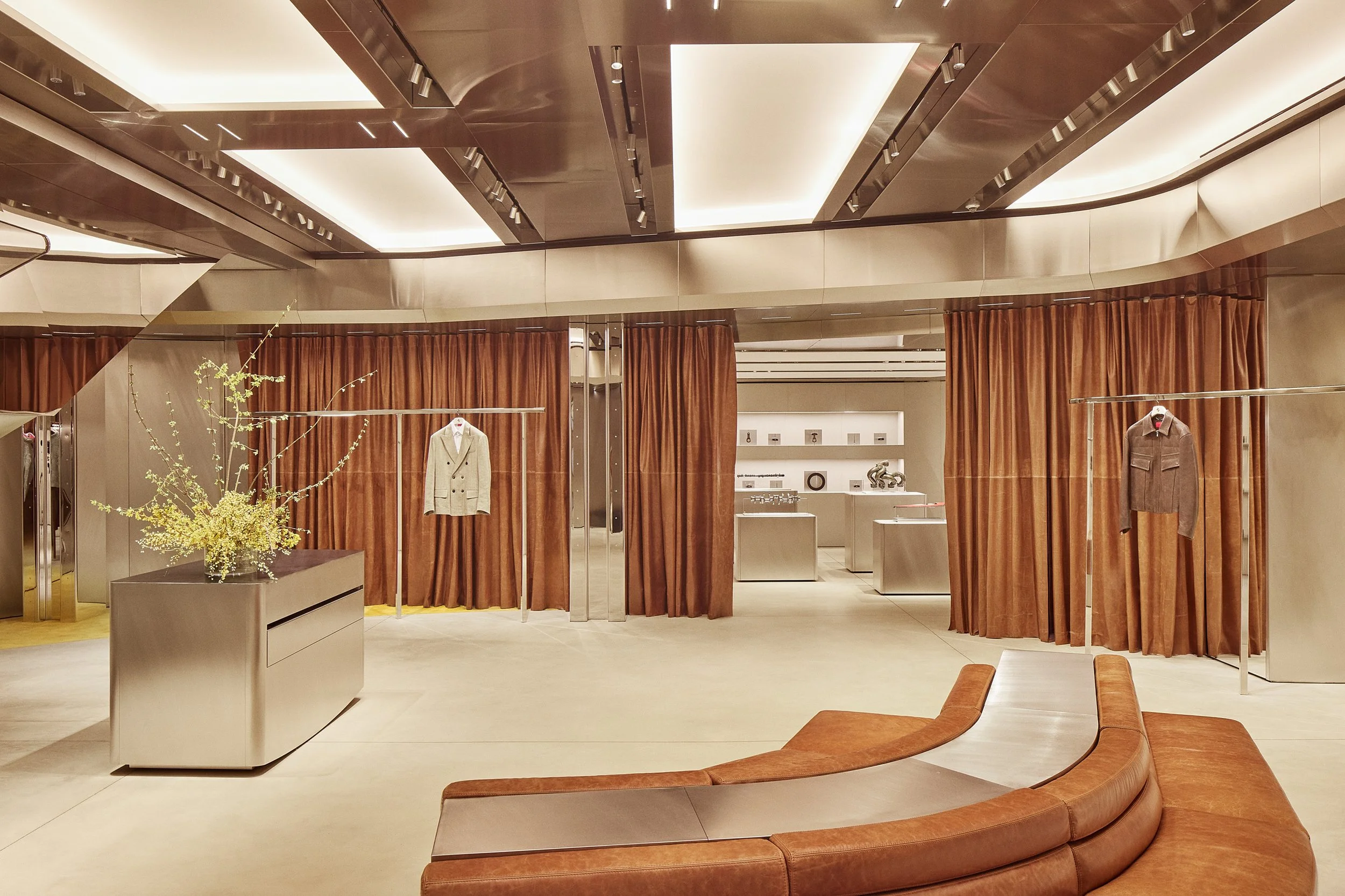
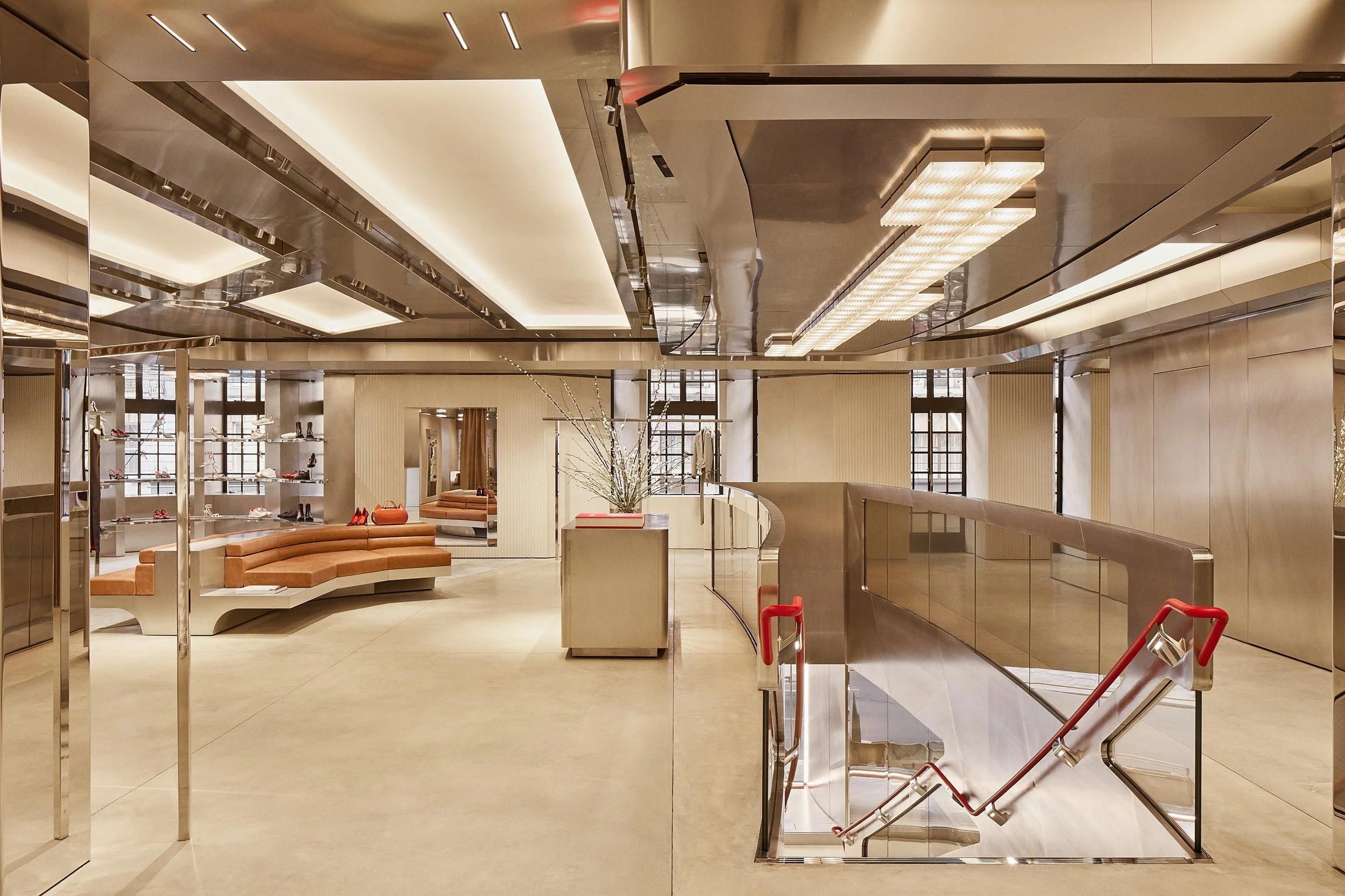
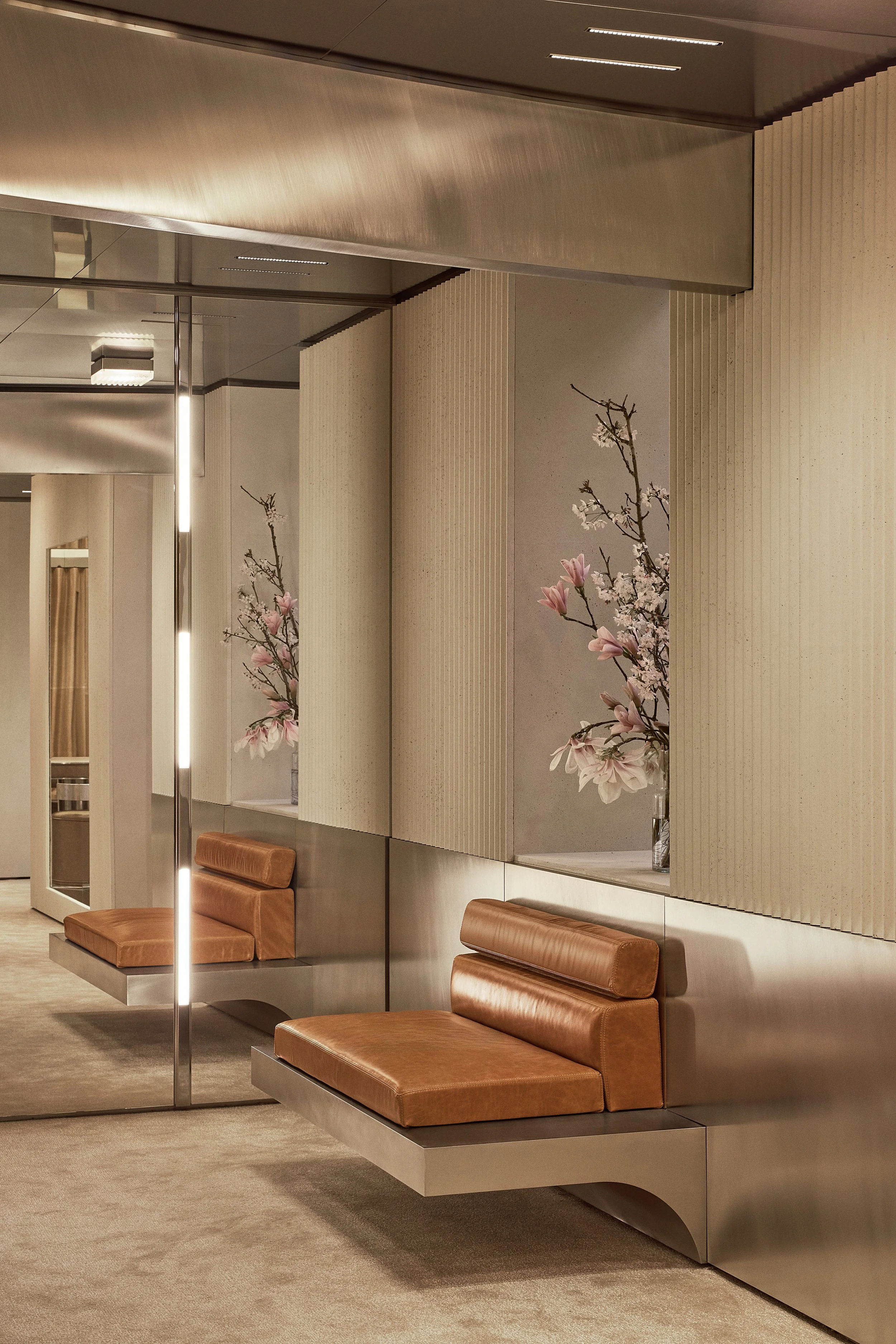
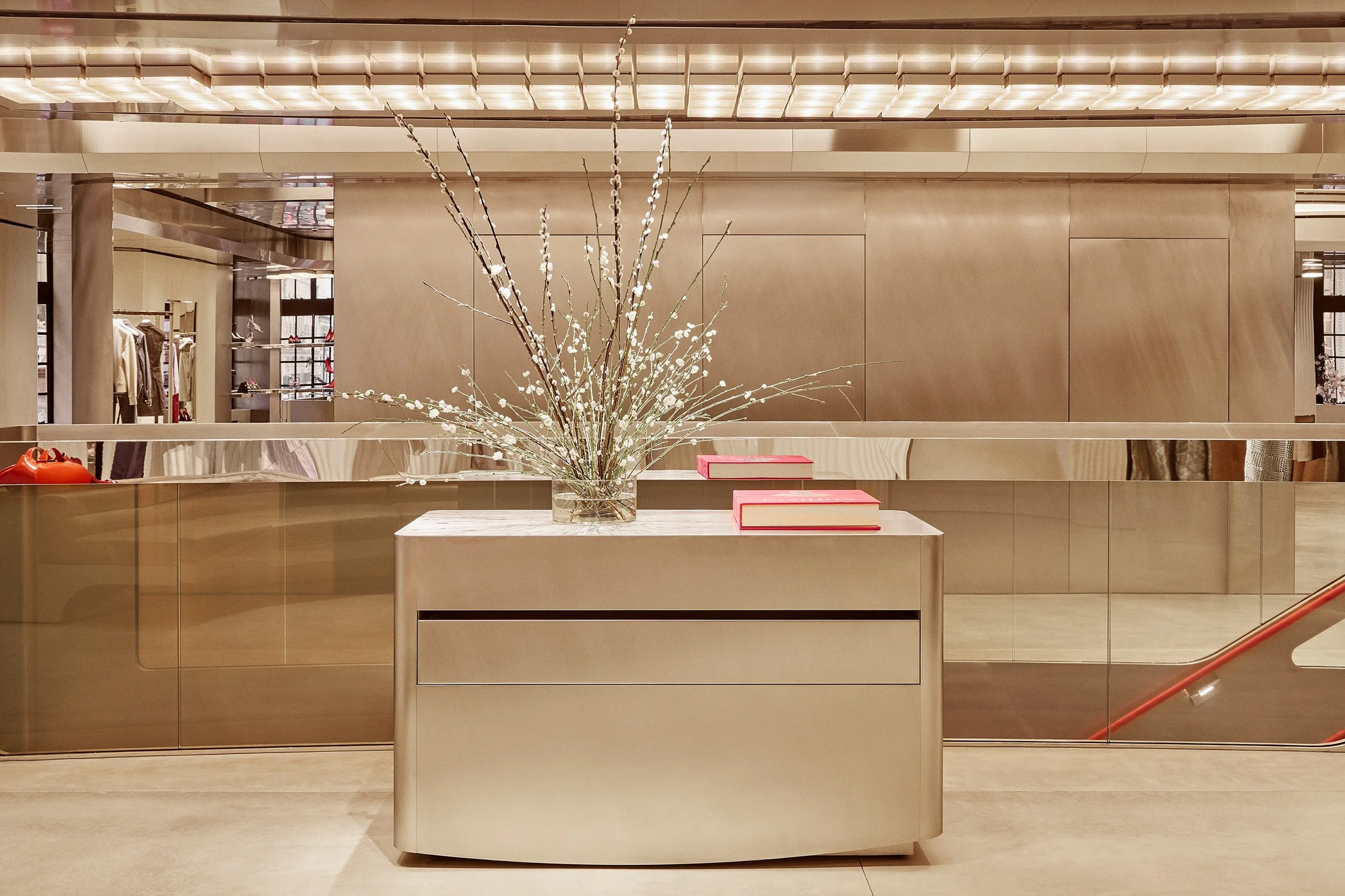
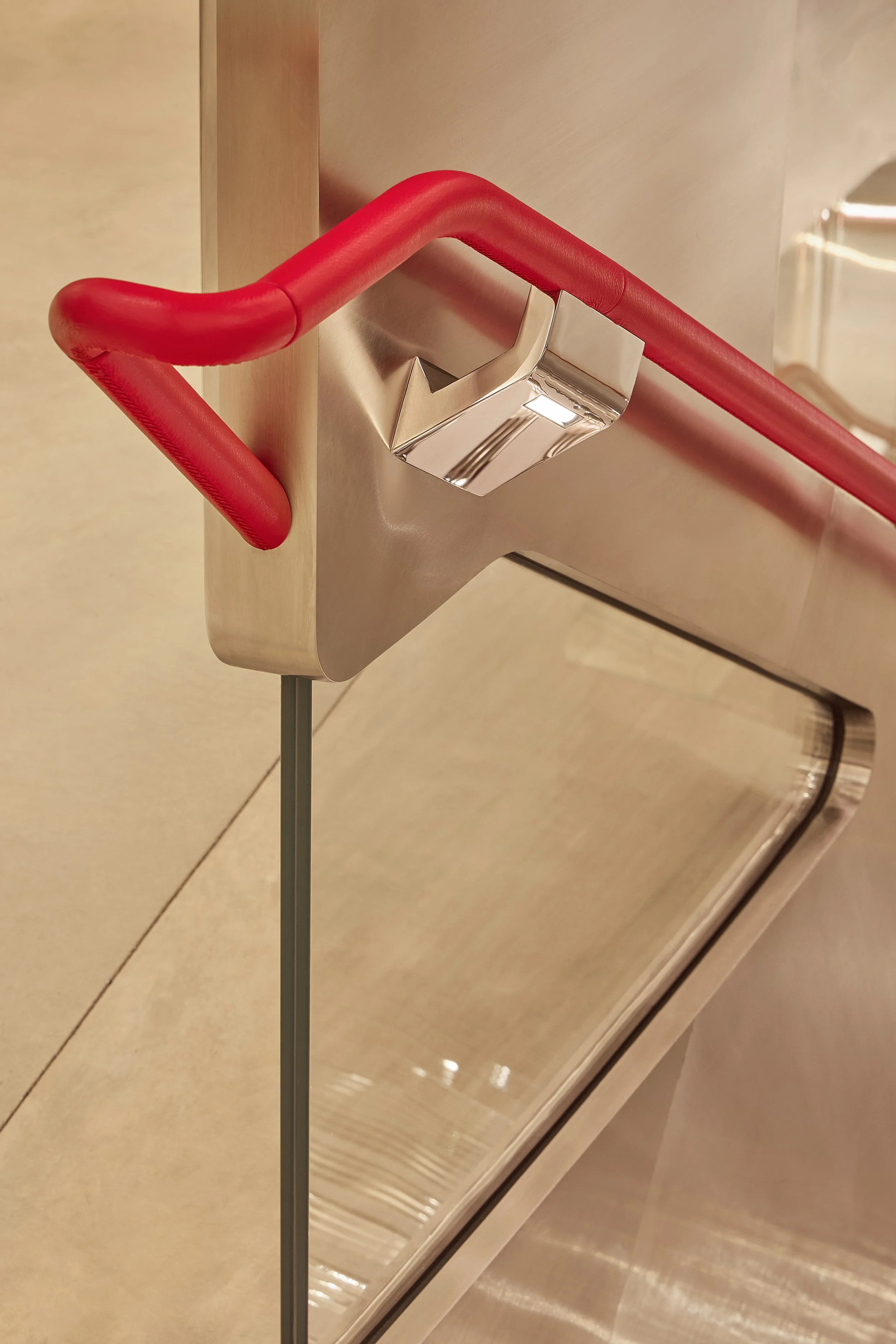
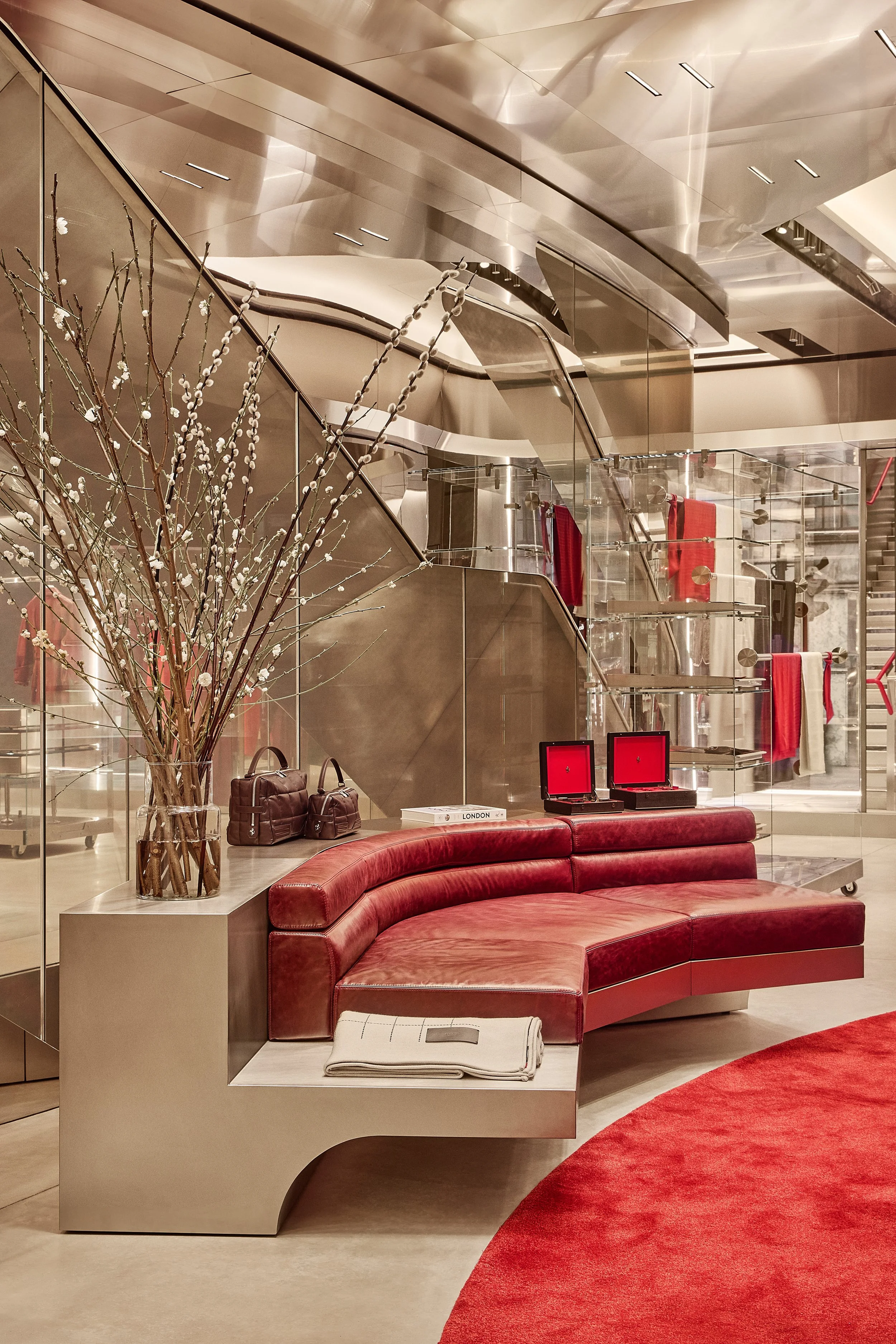
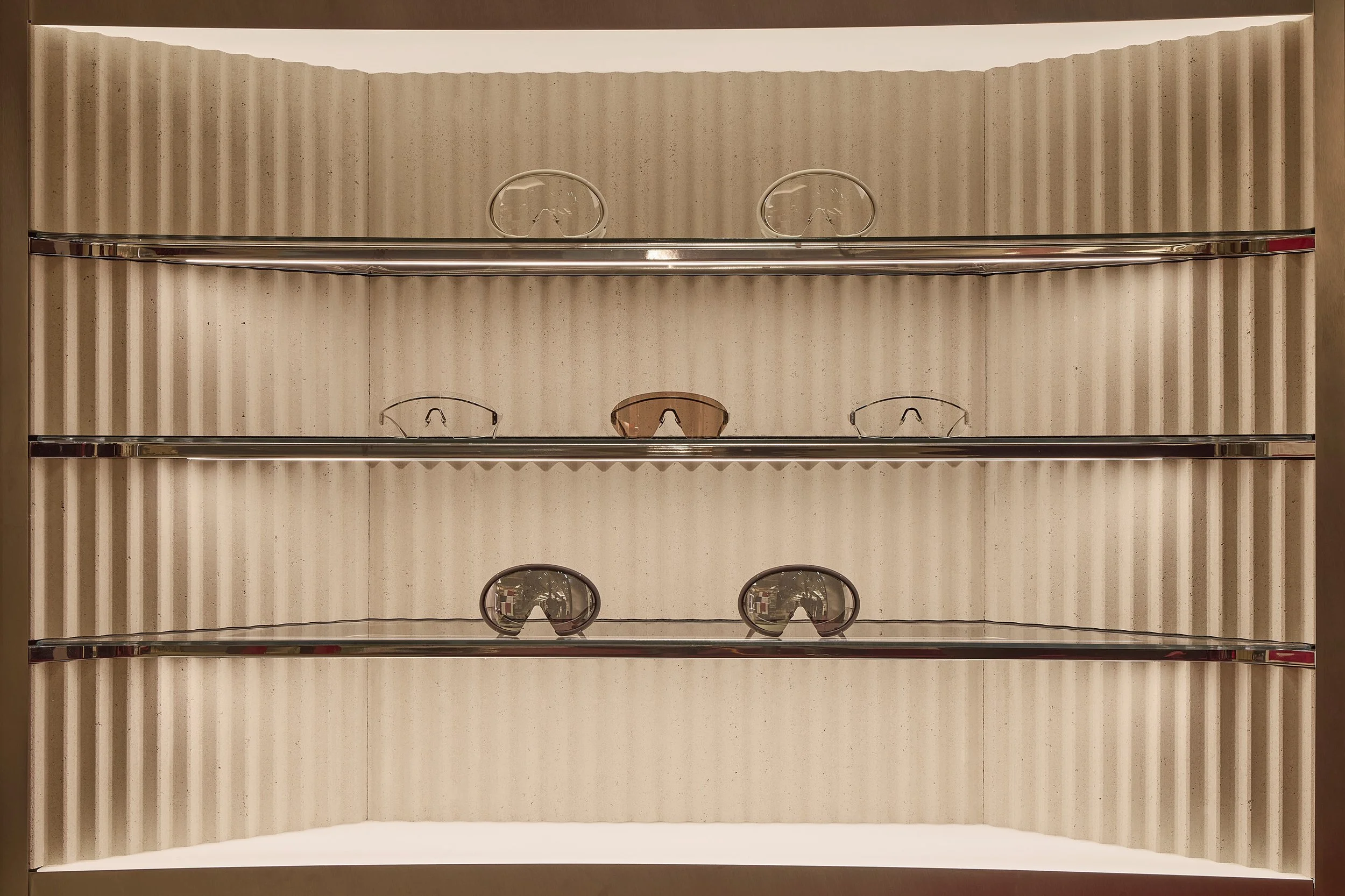
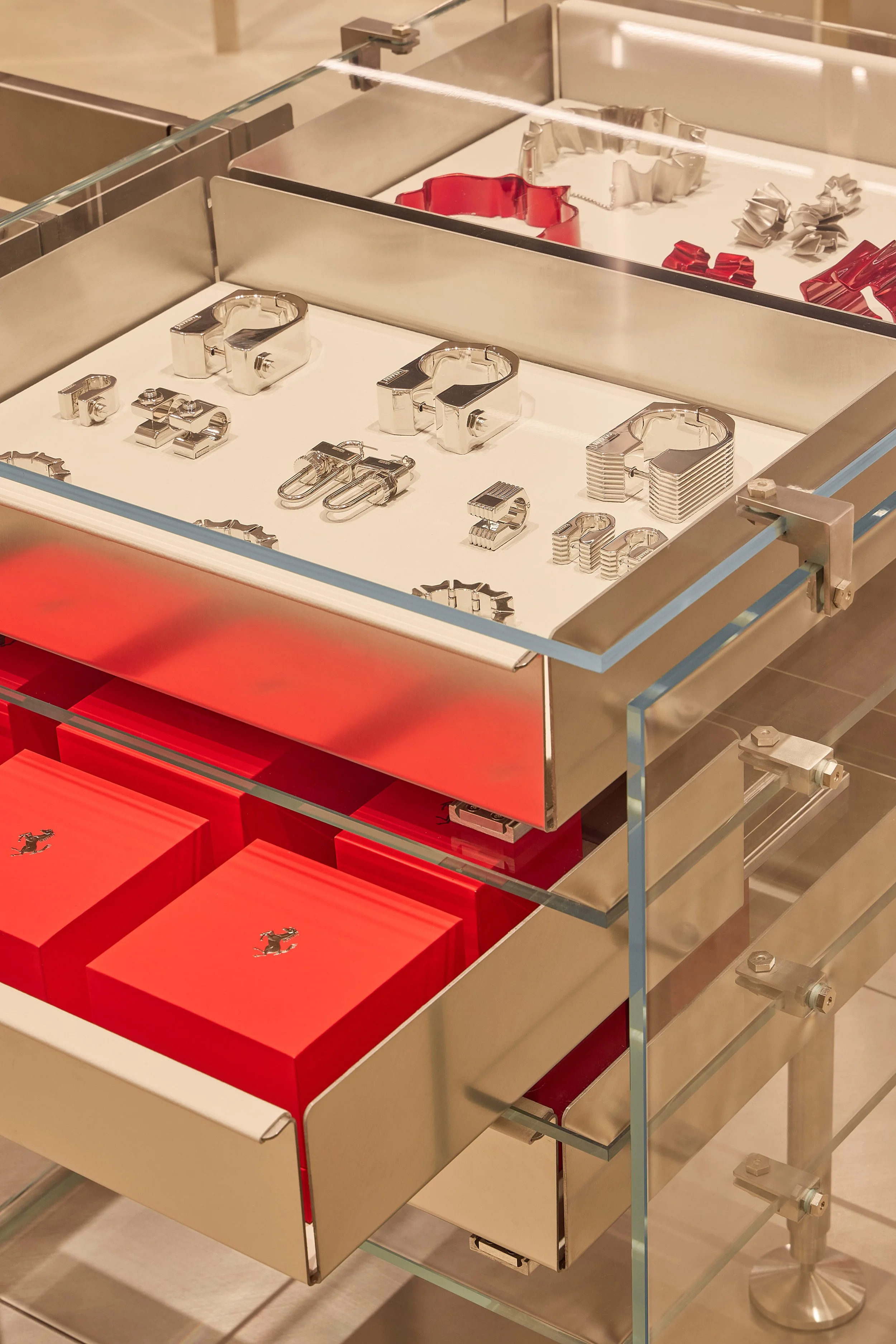
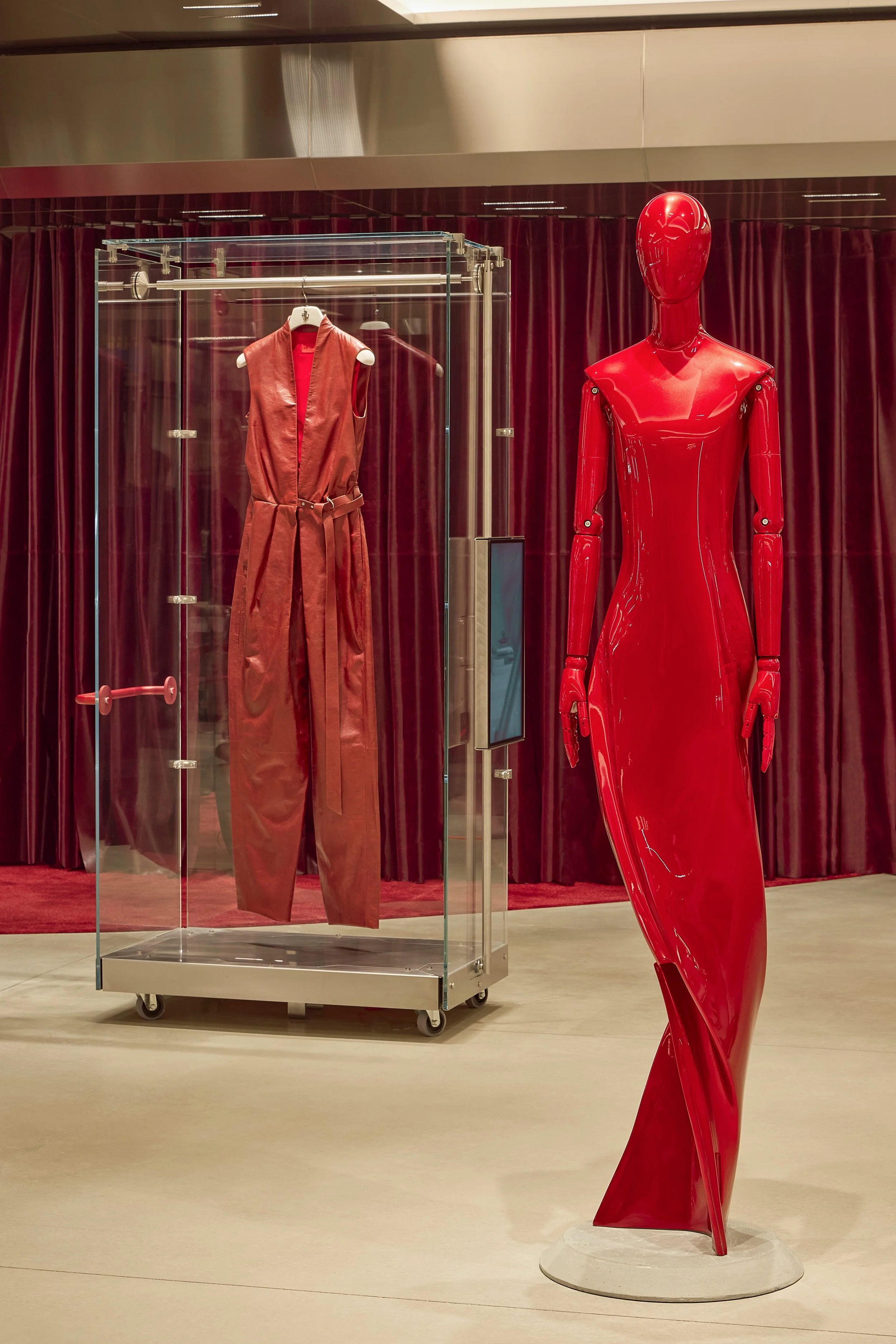
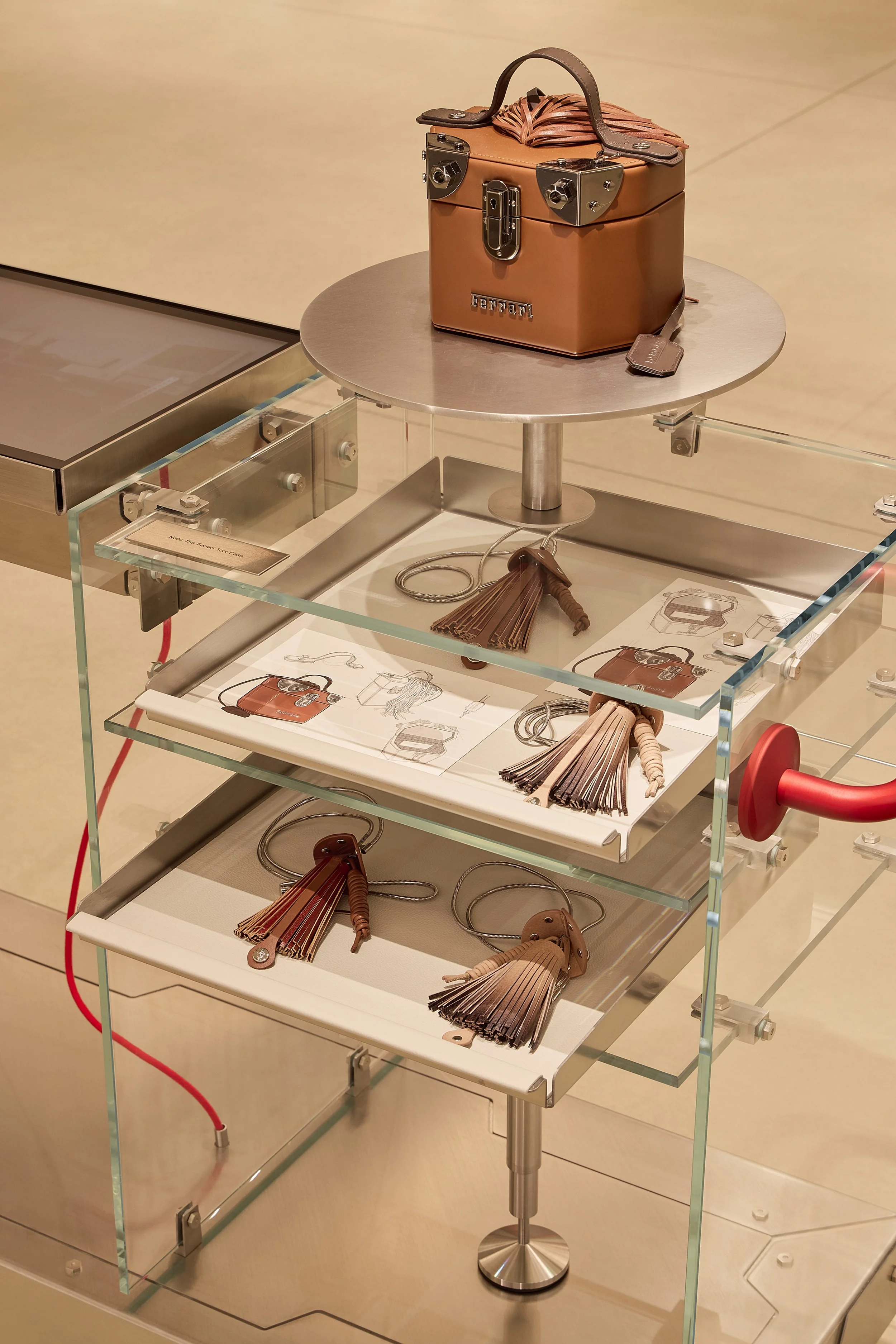
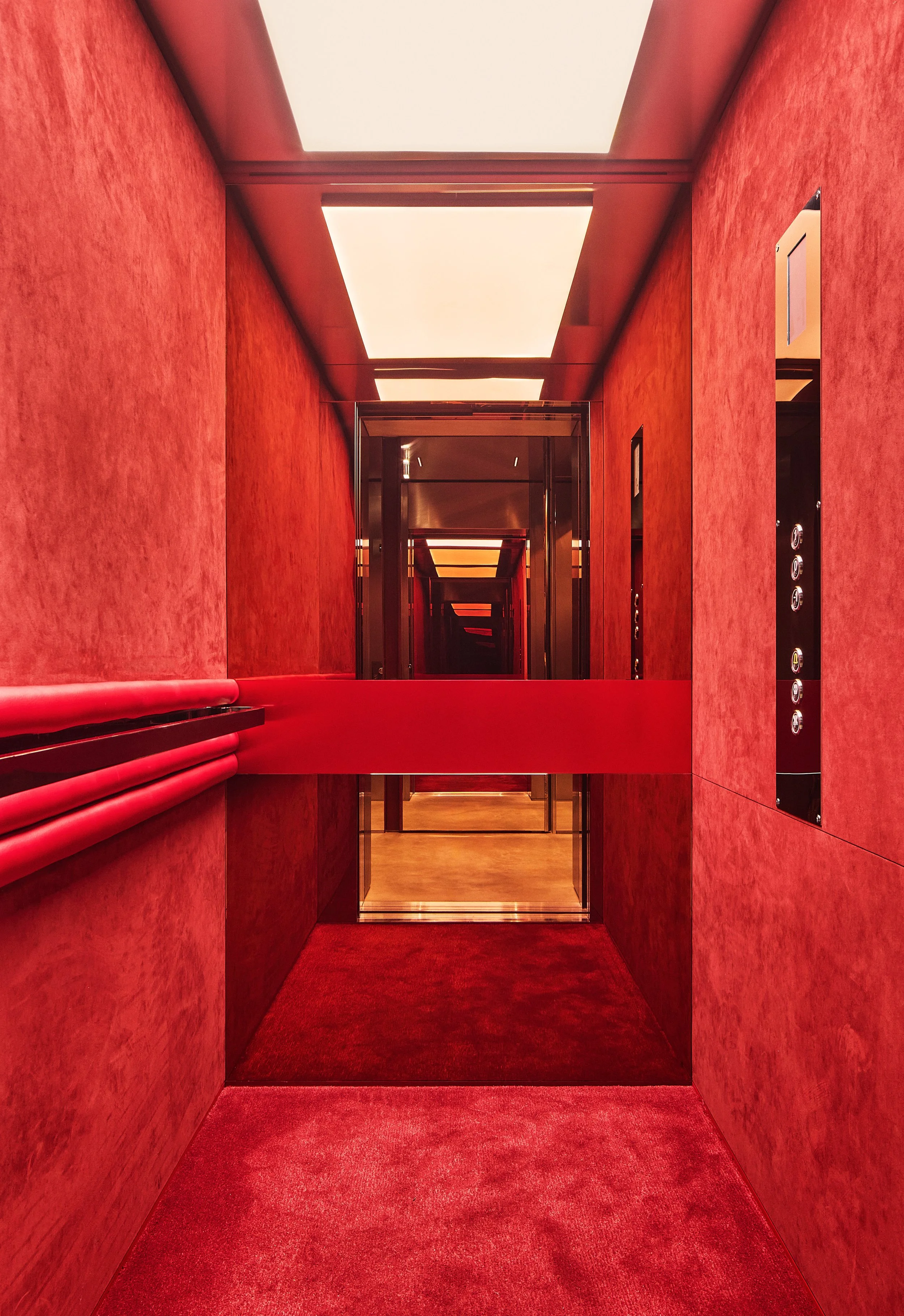
The building itself—an early 20th-century Queen Anne–style structure—anchors the project in London’s architectural heritage. Its preserved Portland stone façade offers a deliberate counterpoint to the interior’s industrial clarity: hand-brushed stainless steel surfaces, concrete flooring, and aluminum-and-glass vitrines evoke the disciplined aesthetics of Ferrari’s production environments. Strategic bursts of Ferrari red punctuate the space, while expansive windows transform the ground floor into a gallery-like setting that invites the city inward.
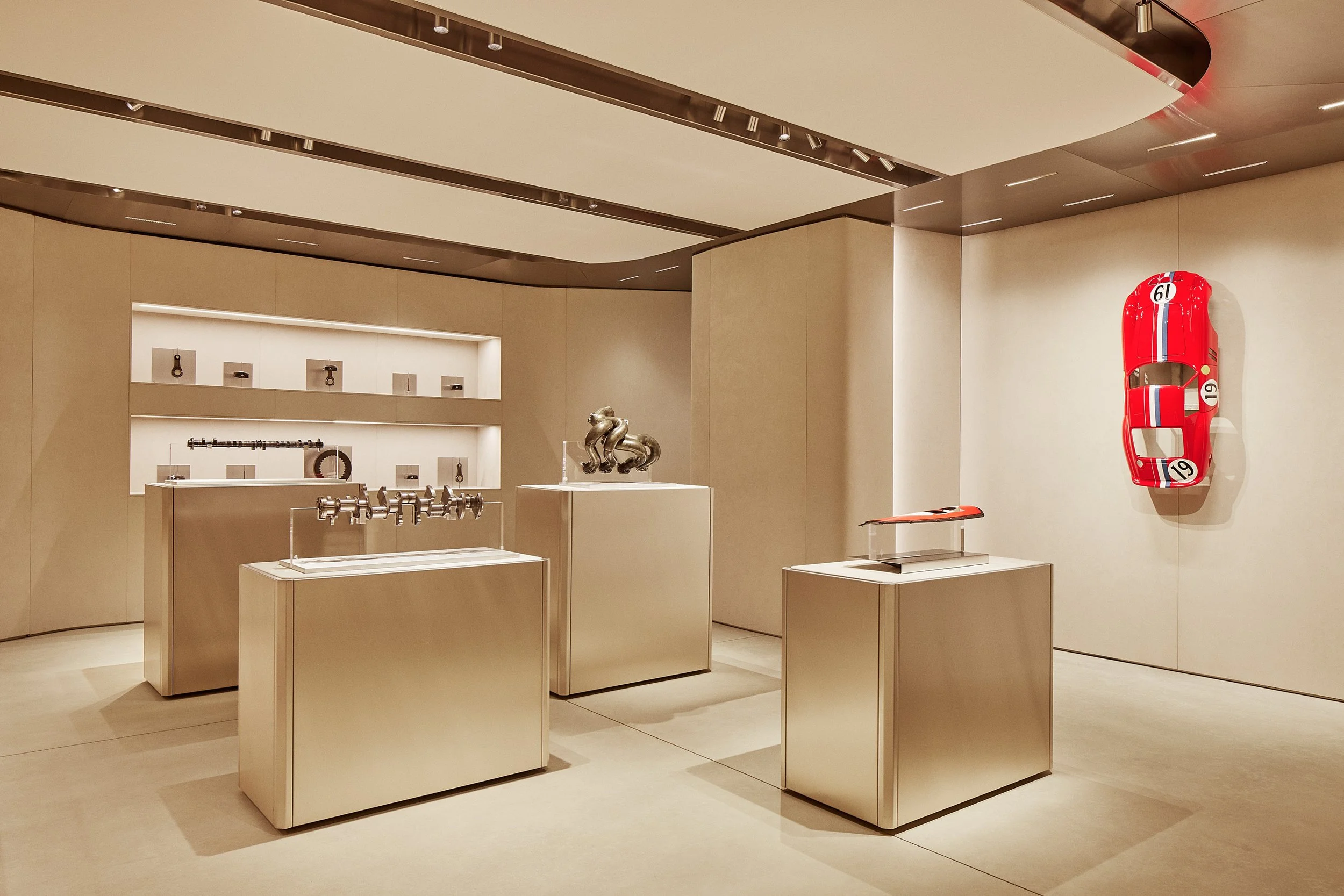
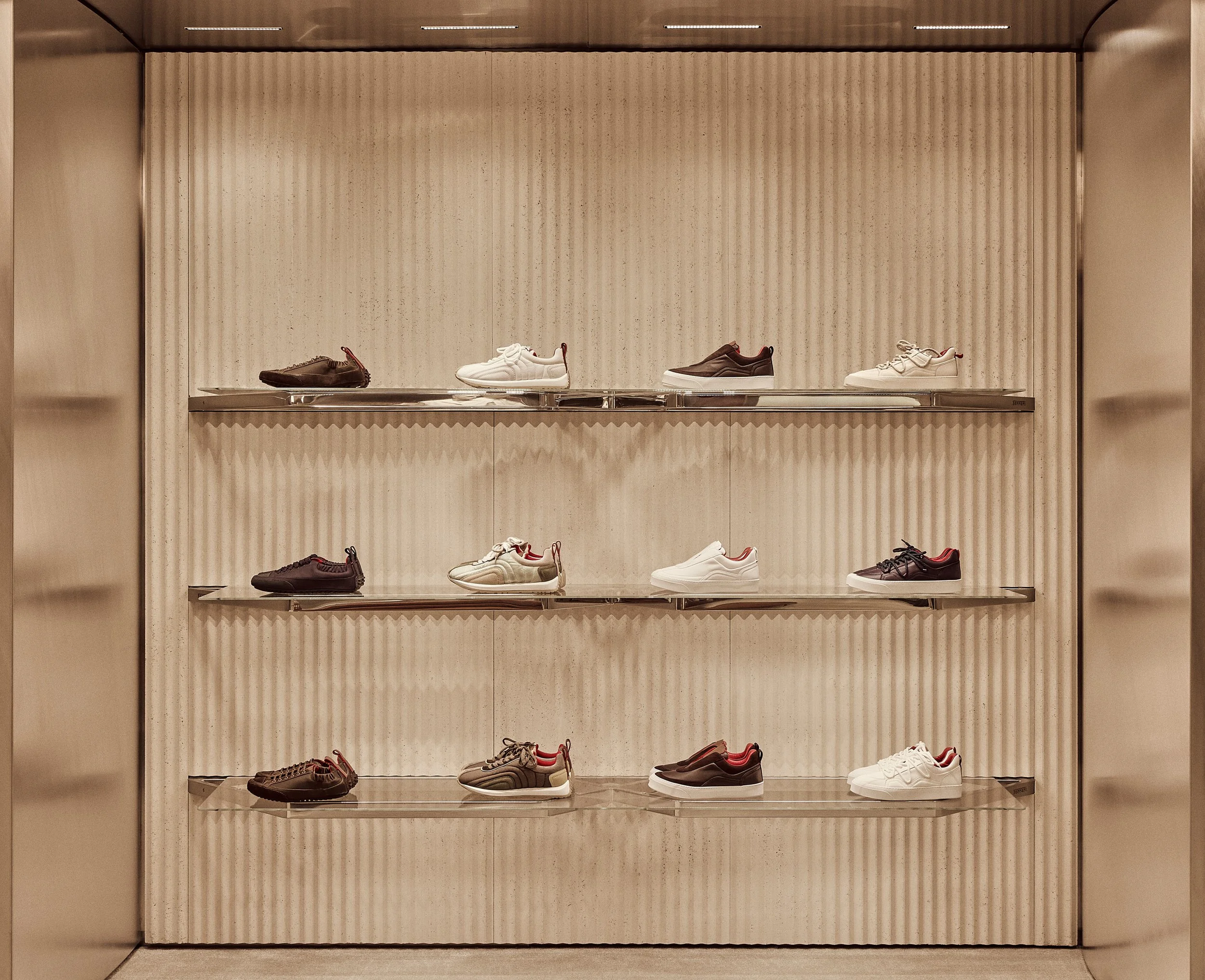
Inside, the store unfolds as a curated ecosystem rather than a conventional retail environment. Men’s and women’s ready-to-wear collections, accessories, and collectibles are presented as design artifacts—objects that carry the same intentionality as the vehicles that inspired them. The basement’s “Caveau” introduces a more intimate layer, housing rare Ferrari components and archival collectibles sourced directly from Maranello, reinforcing the brand’s commitment to provenance and storytelling.
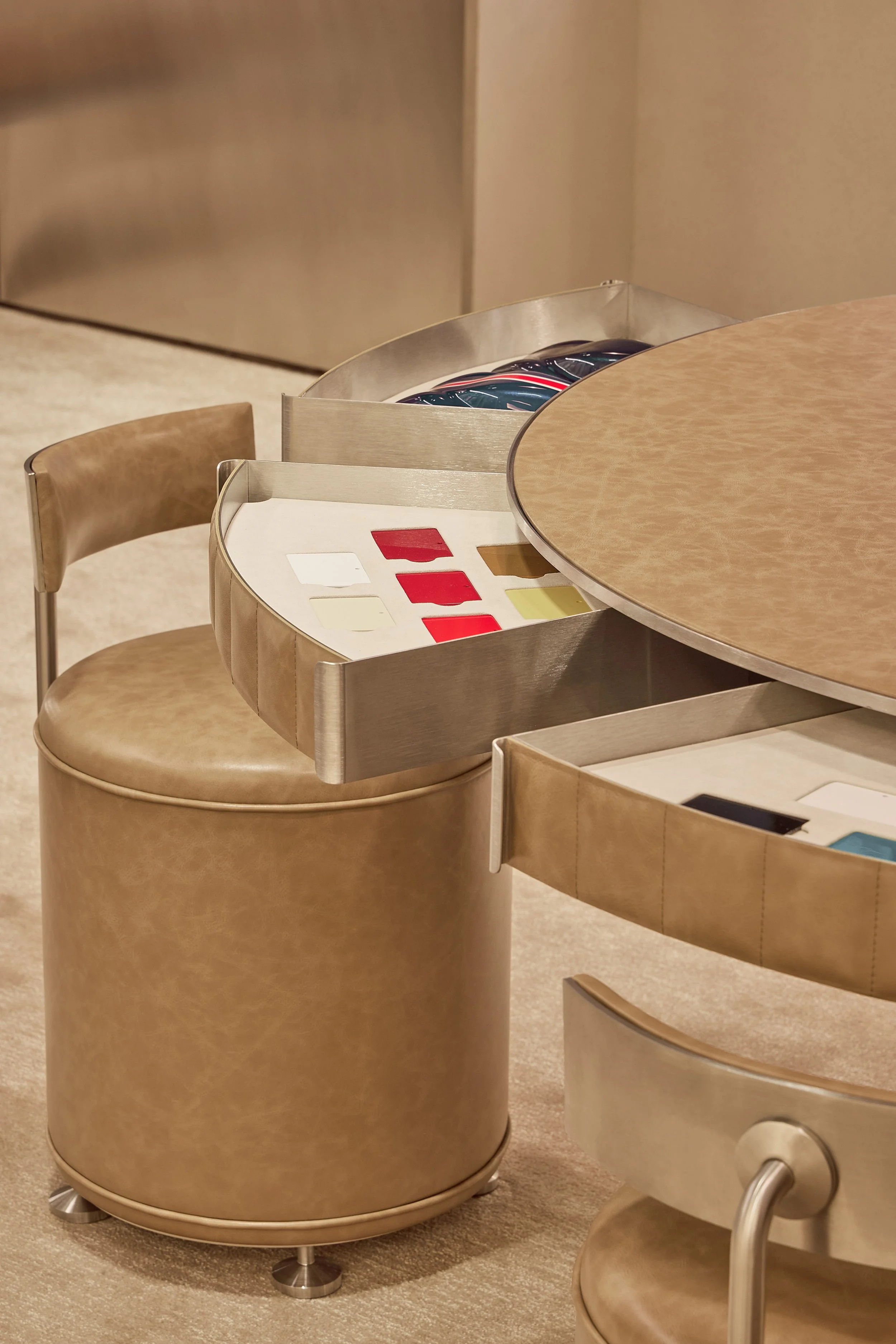
Upstairs, the Tailor Made Atelier distills Ferrari’s ethos into its most personal form. Centered around a circular table and enveloped by floor-to-ceiling leather curtains, the space is designed for bespoke creation—an environment where materiality and individuality take precedence. It is here that Ferrari’s transition from product to experience becomes most tangible, aligning with broader shifts across luxury toward customization and emotional resonance.
For Carla Liuni, Chief Brand Officer at Ferrari Lifestyle, London represents more than a strategic market. It is a cultural amplifier. “London is one of the world’s most influential cultural capitals,” she notes, positioning the flagship as both a commercial and symbolic milestone in Ferrari’s lifestyle evolution.
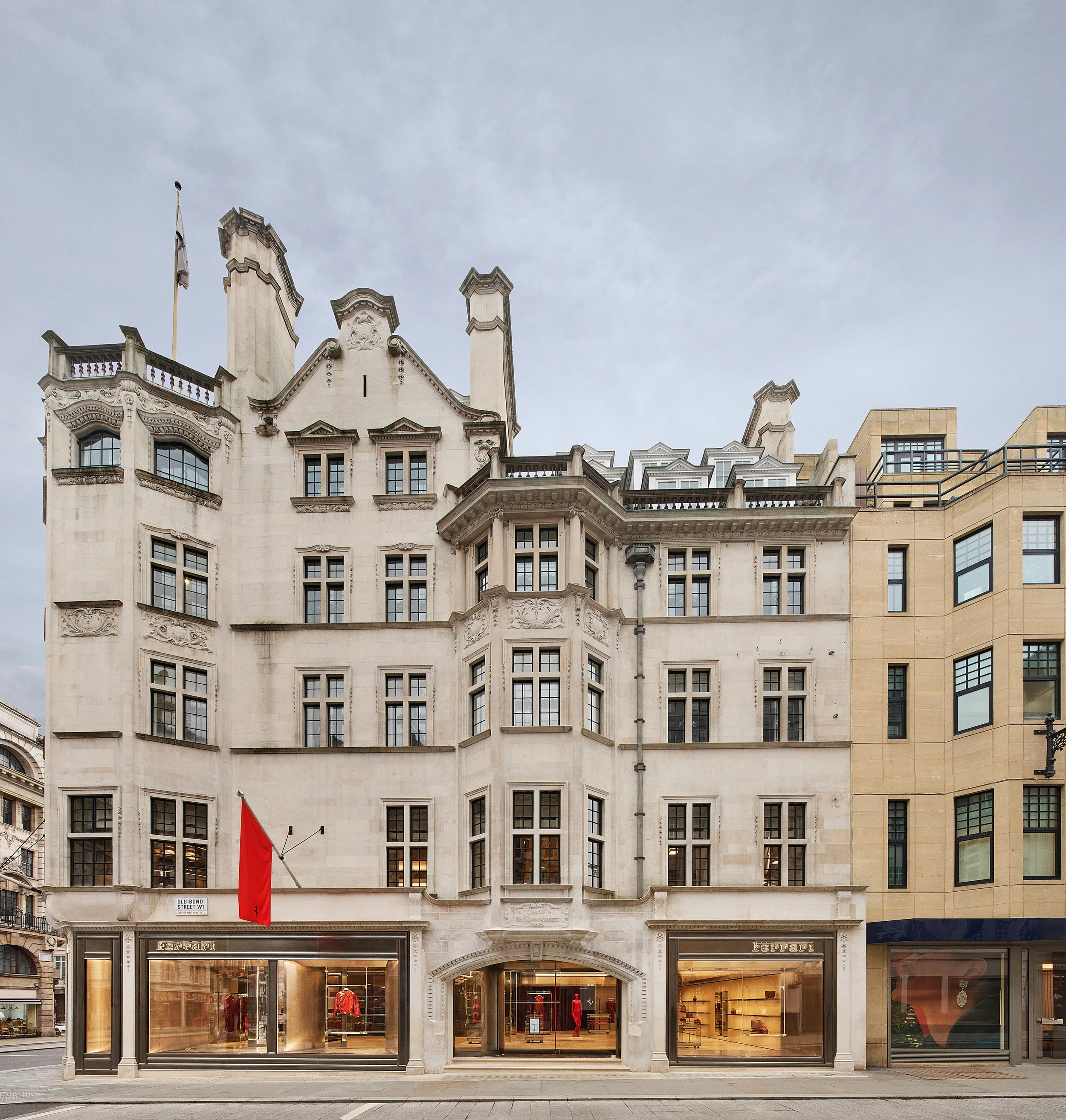
That evolution is increasingly defined by how brands translate legacy into multidimensional experiences. Ferrari’s relationship with the United Kingdom—rooted in motorsport history from circuits like Silverstone Circuit to the streets that now host its latest retail expression—finds new articulation in this space. It is less about nostalgia and more about continuity: a recalibration of identity for a consumer who values context as much as craft.
In London, Ferrari Style does not simply arrive—it integrates. The flagship stands as an architectural and cultural statement, where the language of performance is reinterpreted through design, and where the boundaries between fashion, engineering, and storytelling dissolve into a singular, immersive experience.
HOW DO YOU FEEL ABOUT FASHION?
COMMENT OR TAKE OUR PAGE READER SURVEY
Featured


BAPE® brings its streetwear legacy into the ring with UNDEFEATED’s wrestling-inspired Fall/Winter 2026 collection while expanding its design vocabulary through the TYPE 10 BAPEX®, an automatic timepiece that translates the brand’s signature camouflage into contemporary watchmaking.